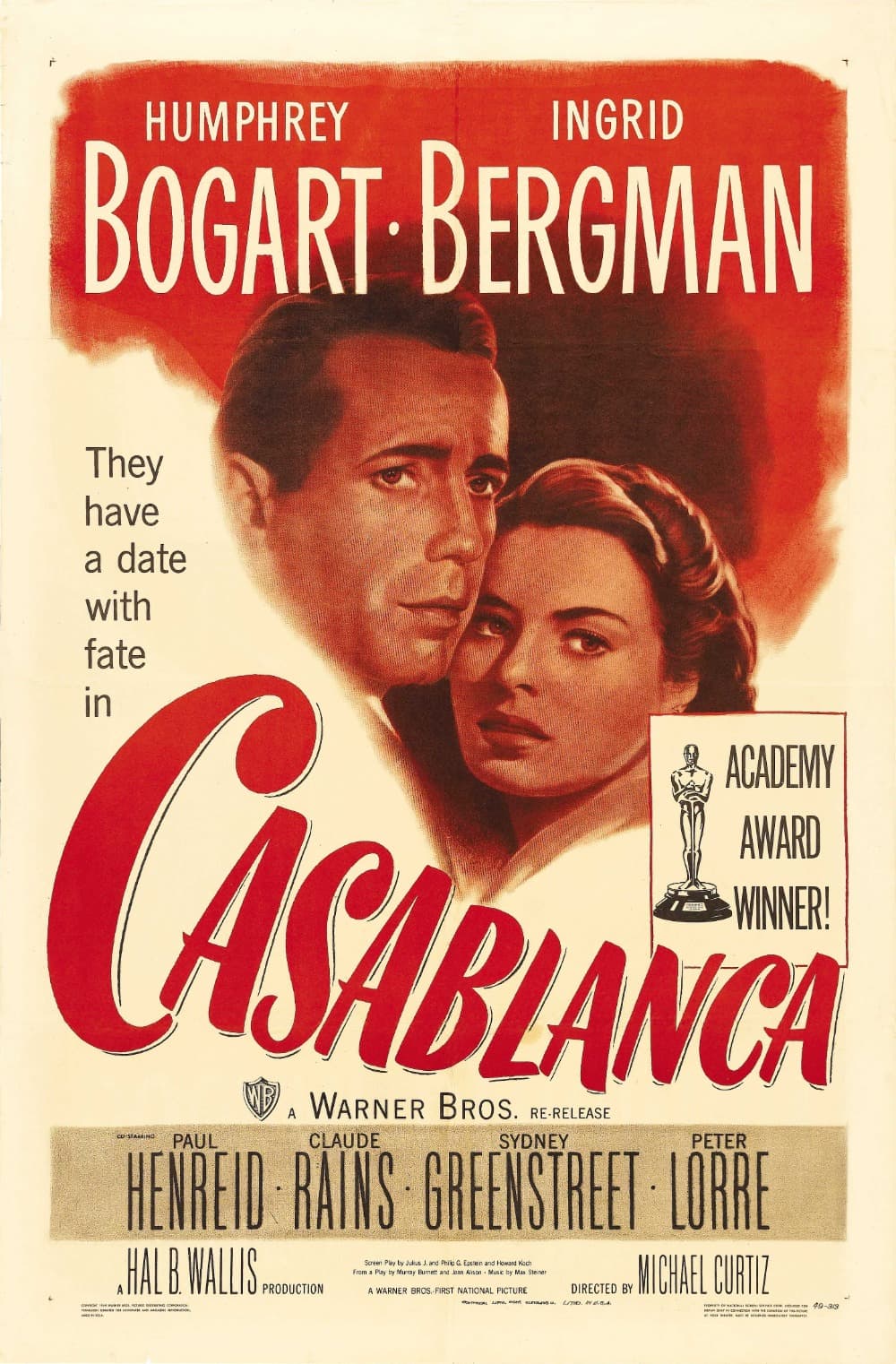
Casablanca
Directed by Michael Curtiz
1942
Proof that a studio picture thrown together in a hurry can outlive everything around it: eighty years on, the lines are still in the language and the romance still lands.
★ 9.7
 skopia
Proof that a studio picture thrown together in a hurry can outlive everything around it: eighty years on, the lines are still in the language and the romance still lands.
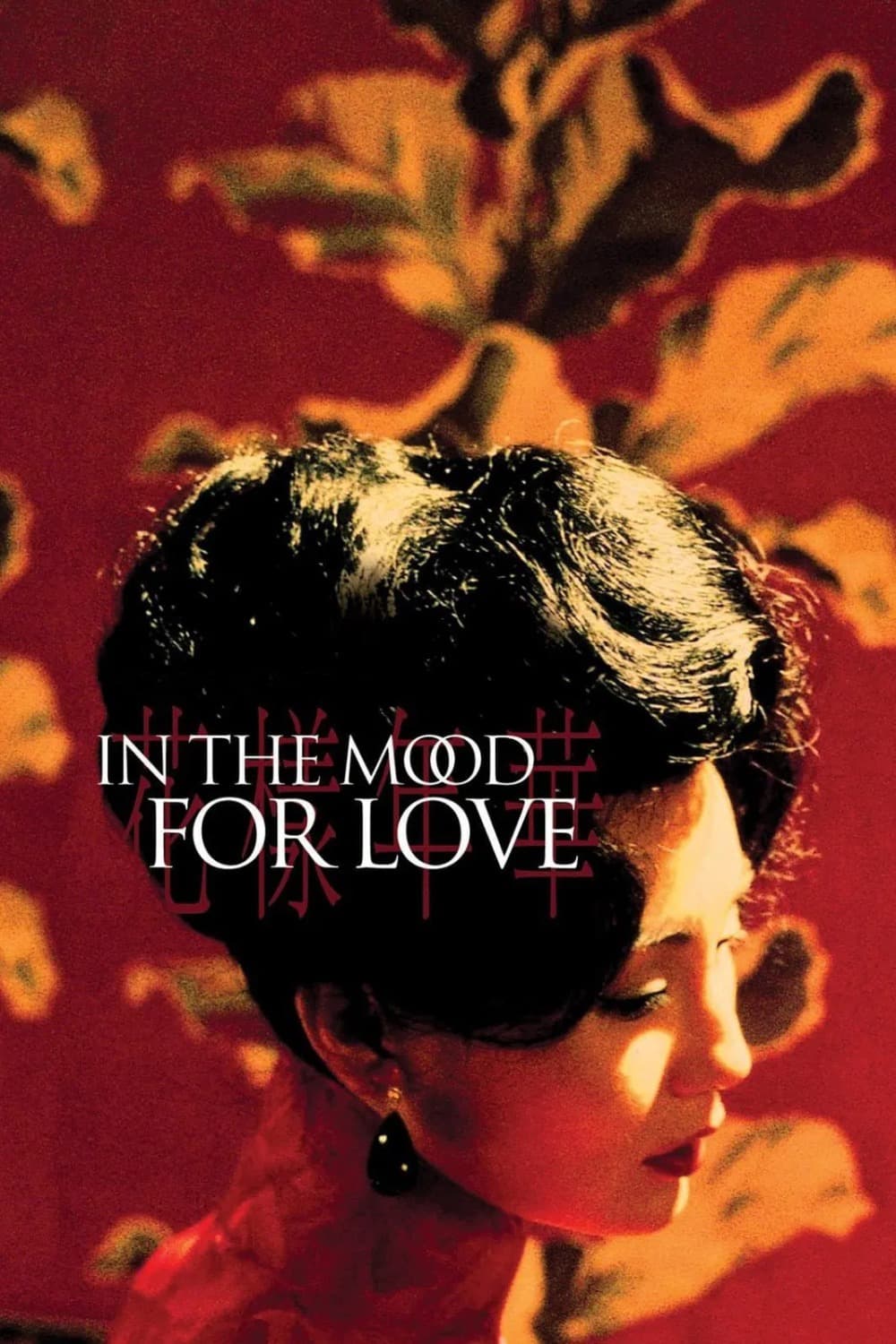
Longing has never been filmed better than this: Wong Kar-wai gets more out of a stairwell and one repeated waltz than most directors manage with an entire script.

No romance this century has come close: Kaufman's premise, that you could pay to have someone erased, turns out to be the most honest thing anyone has said about breakups.

It won the only Academy Award ever given for Unique and Artistic Picture: Murnau's camera never stops moving, and the film is astonishing to look at a century on.

Sciamma made a love story with almost no men in it and built the entire thing out of glances, firelight and the things two people decline to say.
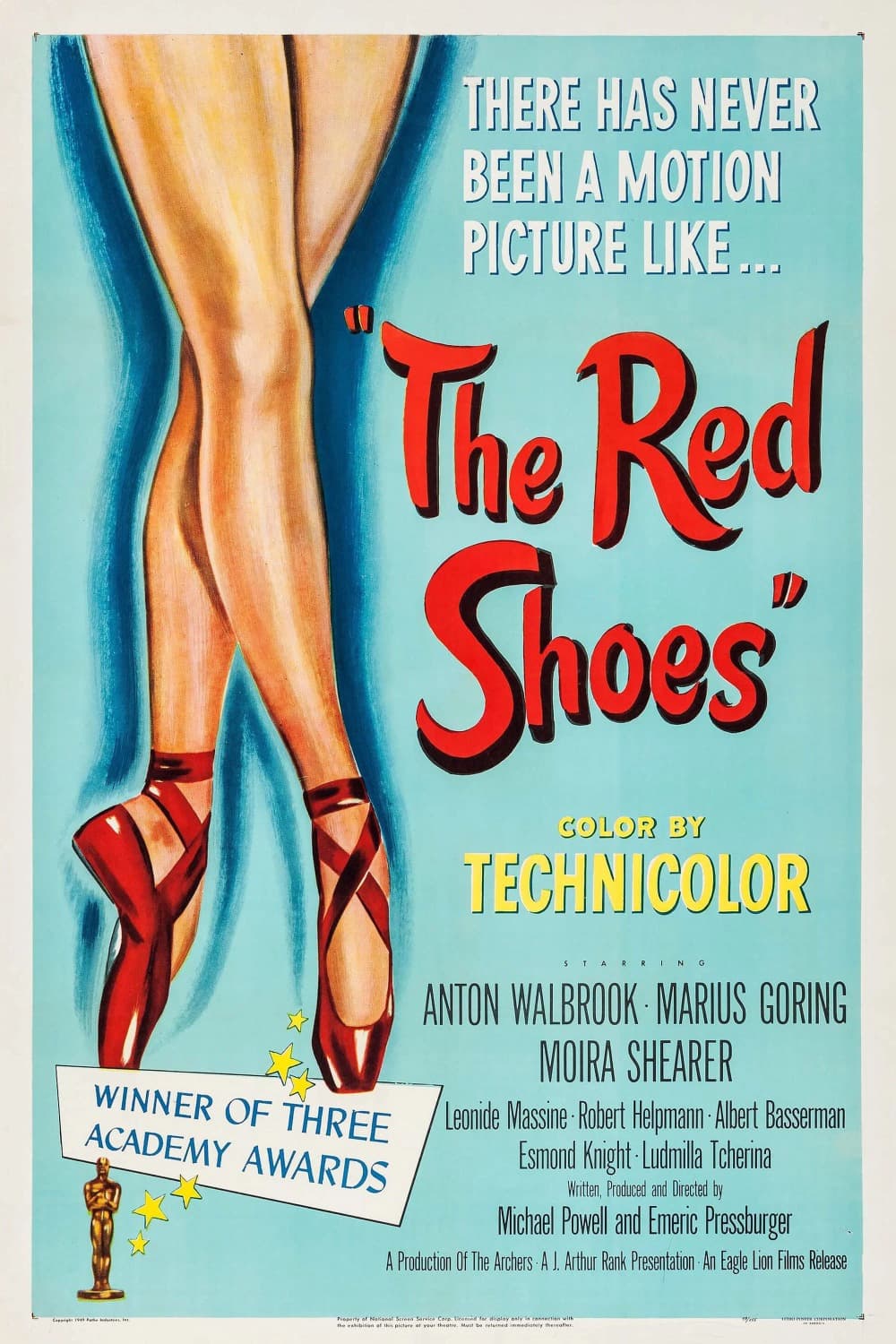
Scorsese has been watching it since childhood and has never stopped: Powell and Pressburger put a ballet on screen in Technicolor so saturated that it plays like a fever.
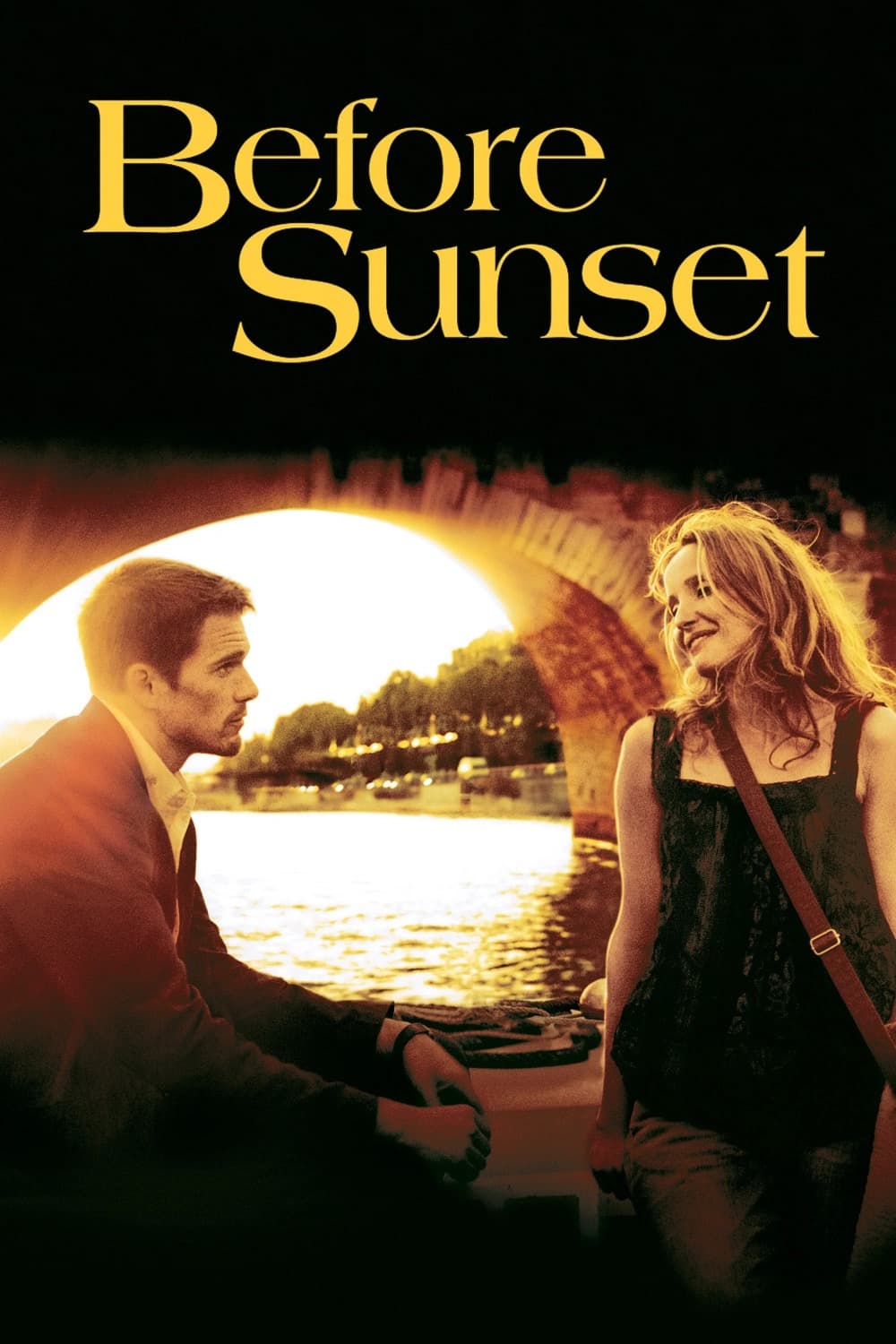
Very little else works the way this does: eighty minutes of two people walking around Paris talking, in close to real time, and it is over far too soon.
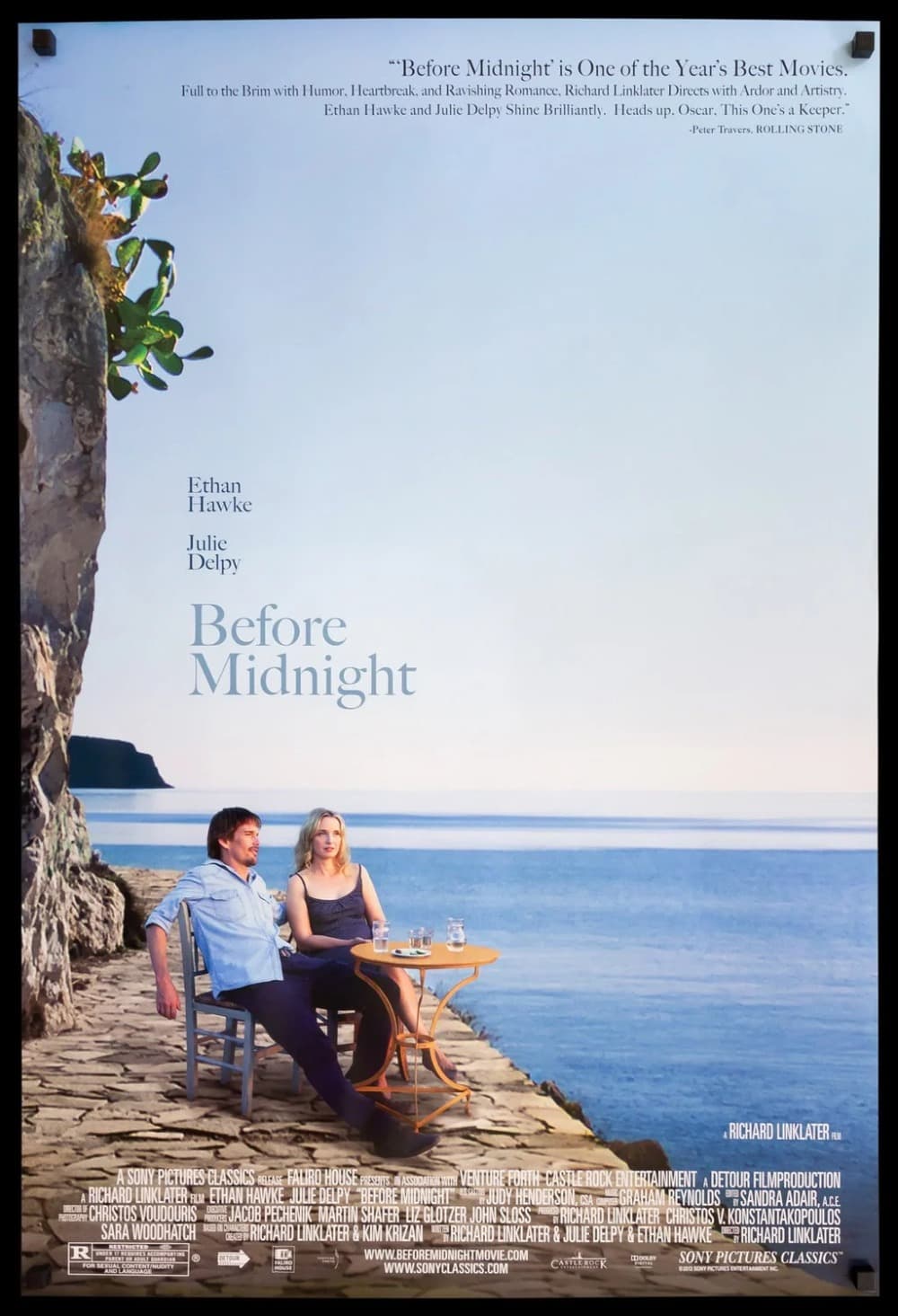
The third film is the one that hurts: Linklater and his two actors let nine more years pass, then take it somewhere the first two politely refused to go.
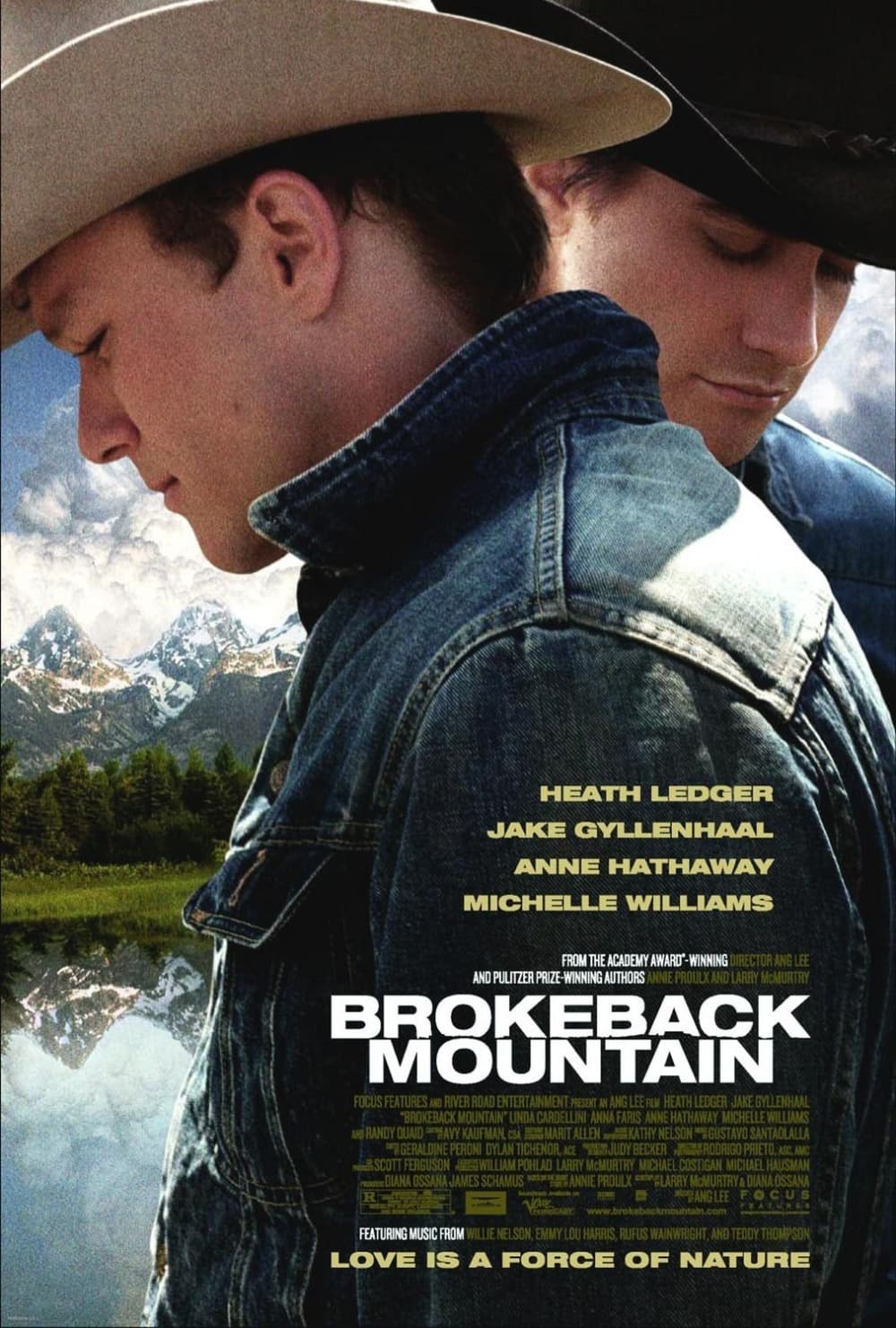
It changed what a mainstream American film could be about: Lee filmed twenty years of two men unable to say what they are, almost entirely in silence.
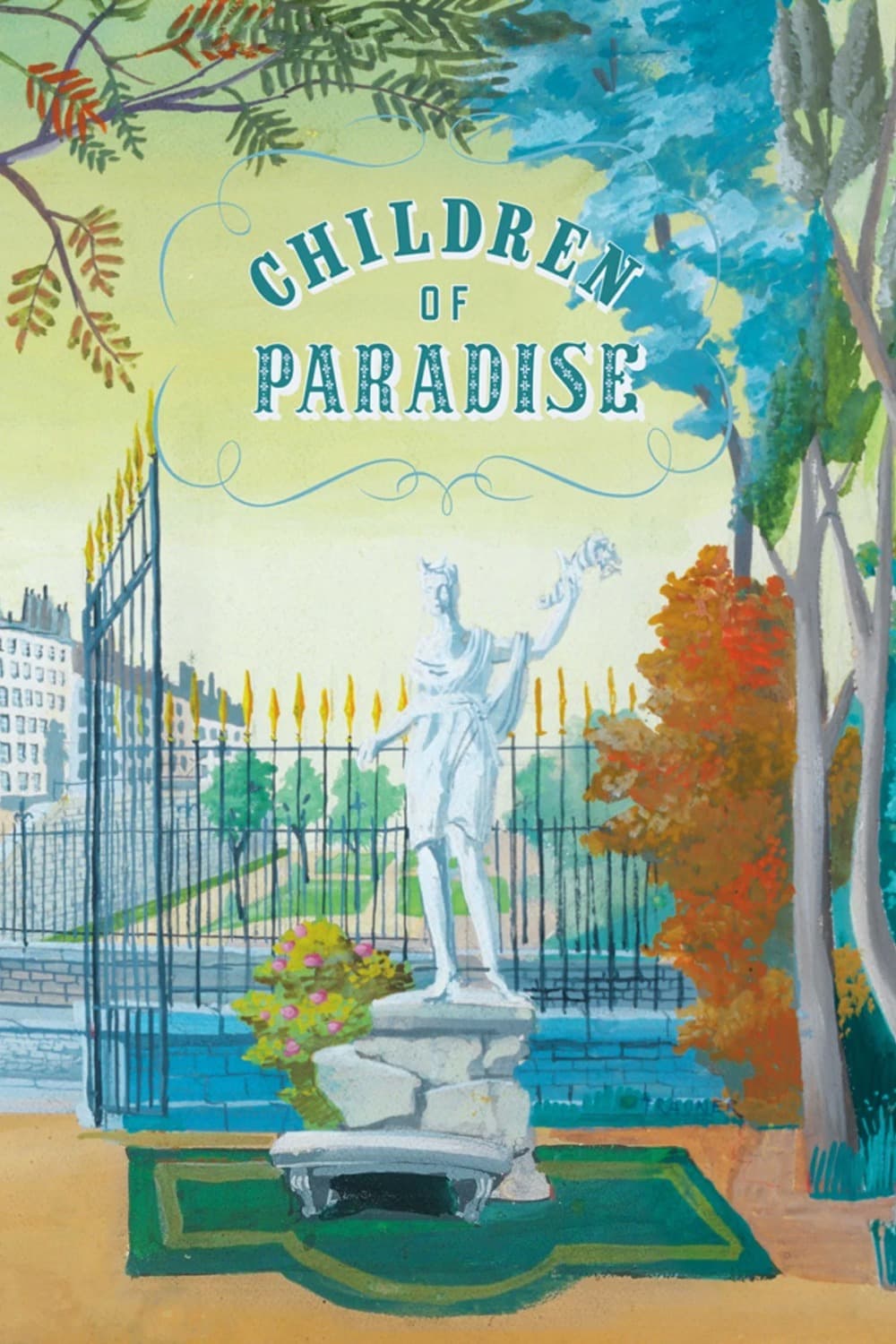
France's greatest film, and its Jewish designer and composer worked in hiding under German occupation: three hours of theater, mime and love among people who cannot afford it.
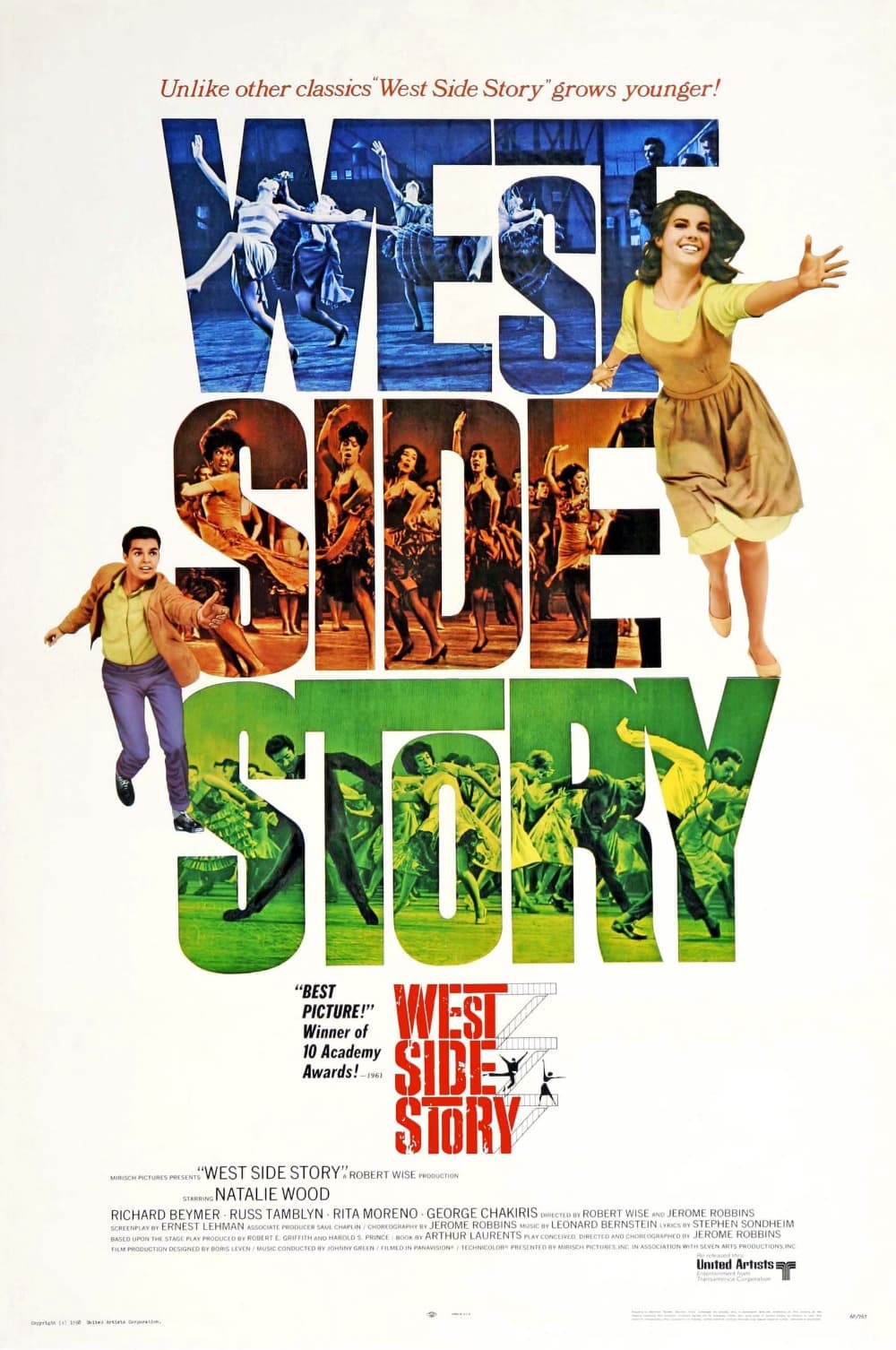
Romeo and Juliet moved to two New York gangs, and the dancing spills out of the theater into real streets: nothing on film snaps like Robbins's choreography.
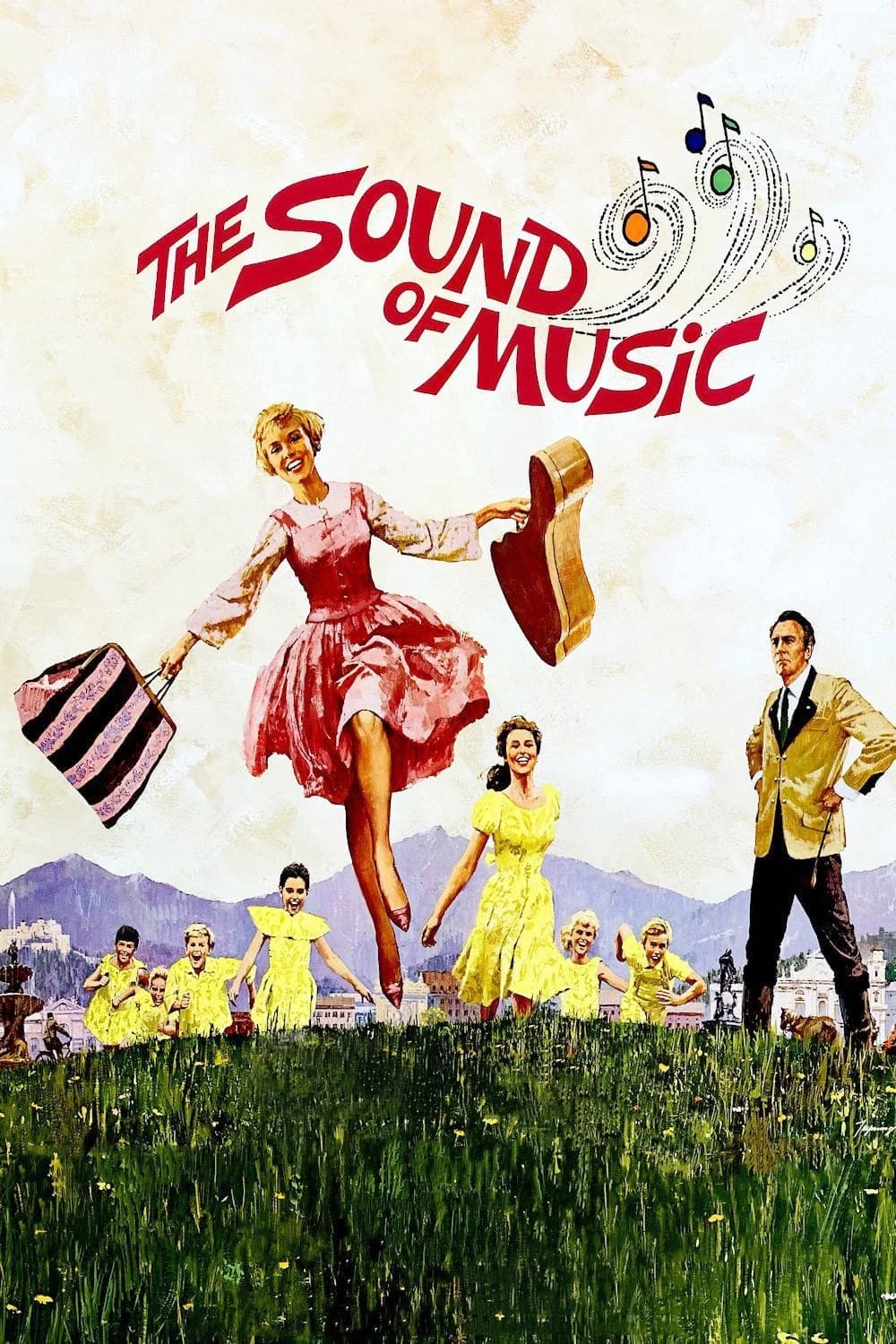
It saved a studio from bankruptcy and has never left the culture since: Salzburg in the mountains, a nun who cannot behave, and songs everyone somehow already knows.
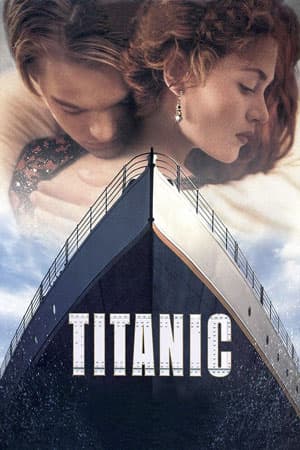
For twelve years no film made more money anywhere on earth: Cameron built the ship, sank it more or less in real time, and made a generation cry in public.
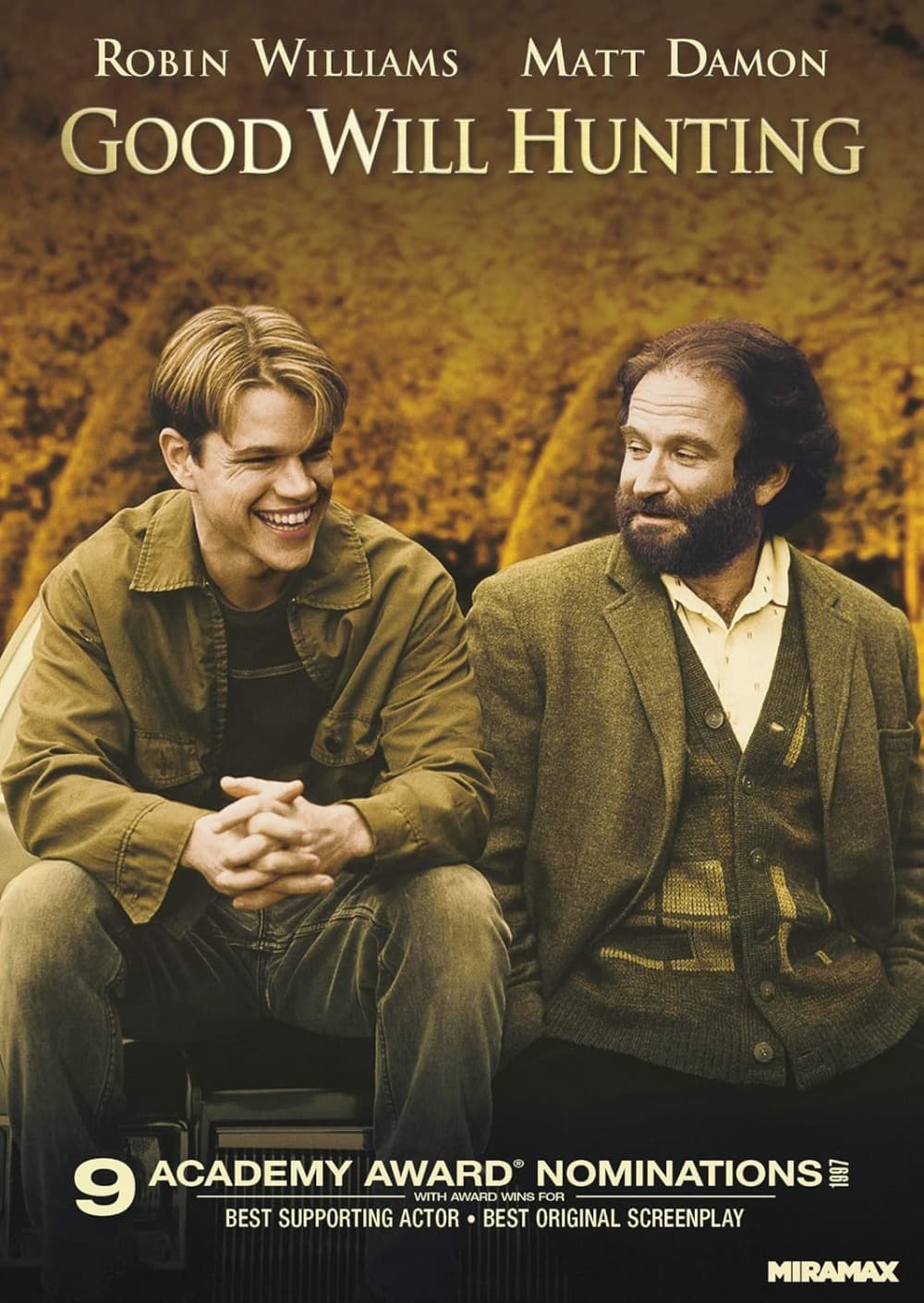
Two unknown actors in their twenties wrote it for themselves and it worked: a janitor at MIT can solve anything except himself, and Robin Williams sits opposite him.

Churchill tried to stop it in production and then to bar it from export, convinced it made the British Army look ridiculous: Powell and Pressburger made it anyway.
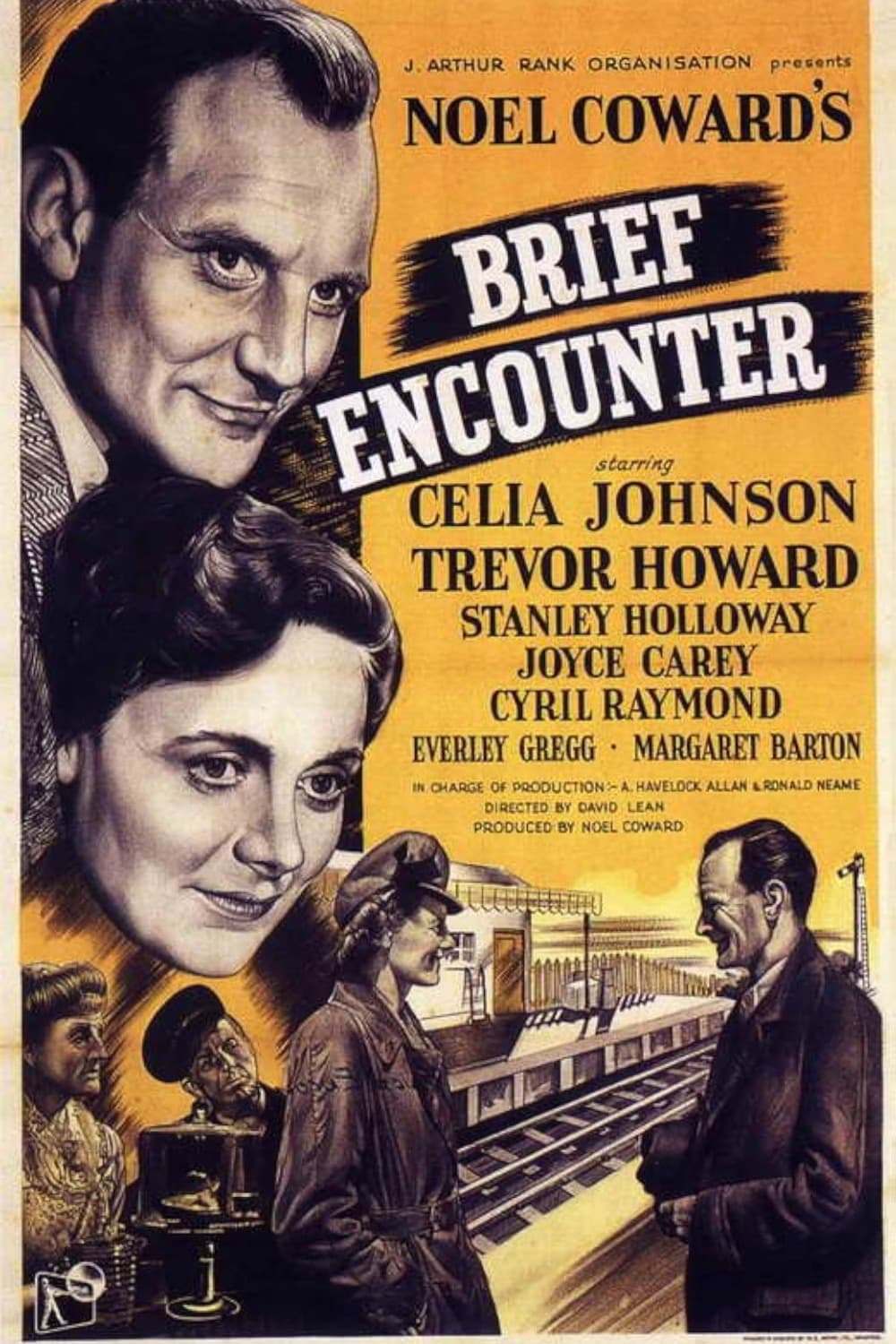
Two married people meet by chance in a railway station and keep meeting, and what they hold back is what destroys audiences: Lean does it in glances and Rachmaninov.
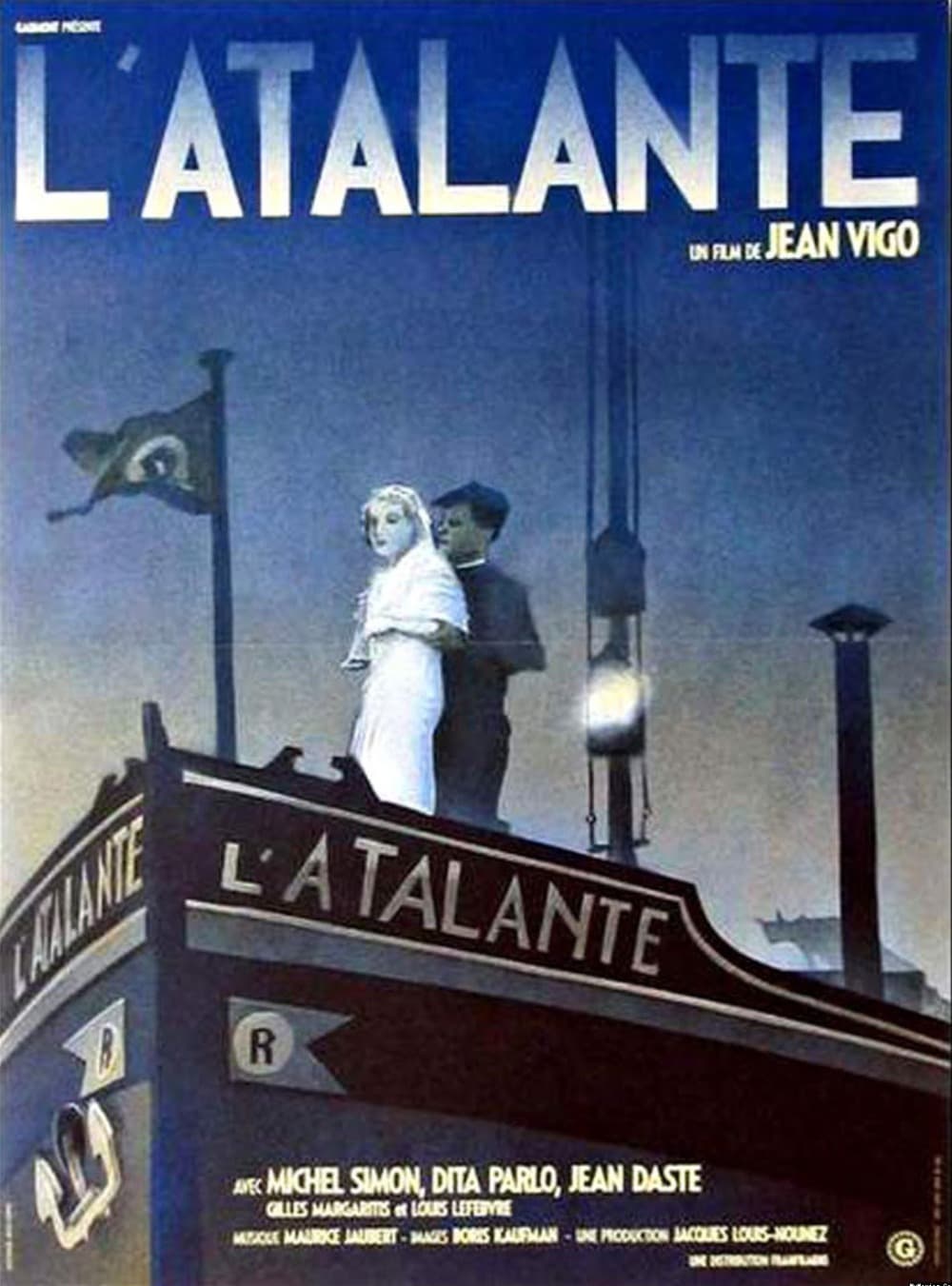
Vigo was dying at twenty-nine when he finished it and the studio hacked it apart anyway: restored, it is the most sensual thing ever filmed about being newly married on a working barge.
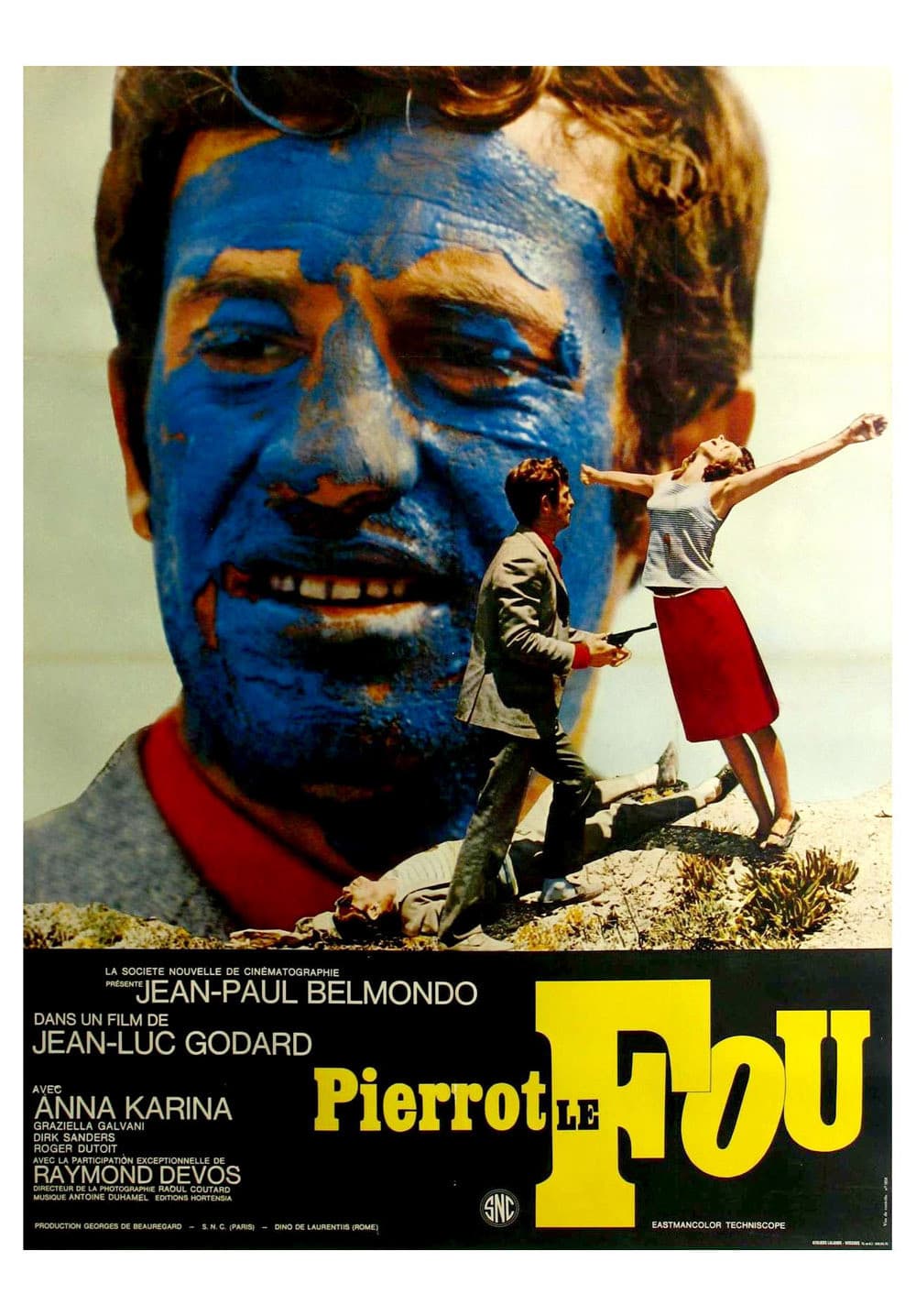
Godard at his most beautiful and least patient: Belmondo walks out of a party and drives south with Anna Karina, and the film keeps dissolving into color, quotation and pure play.
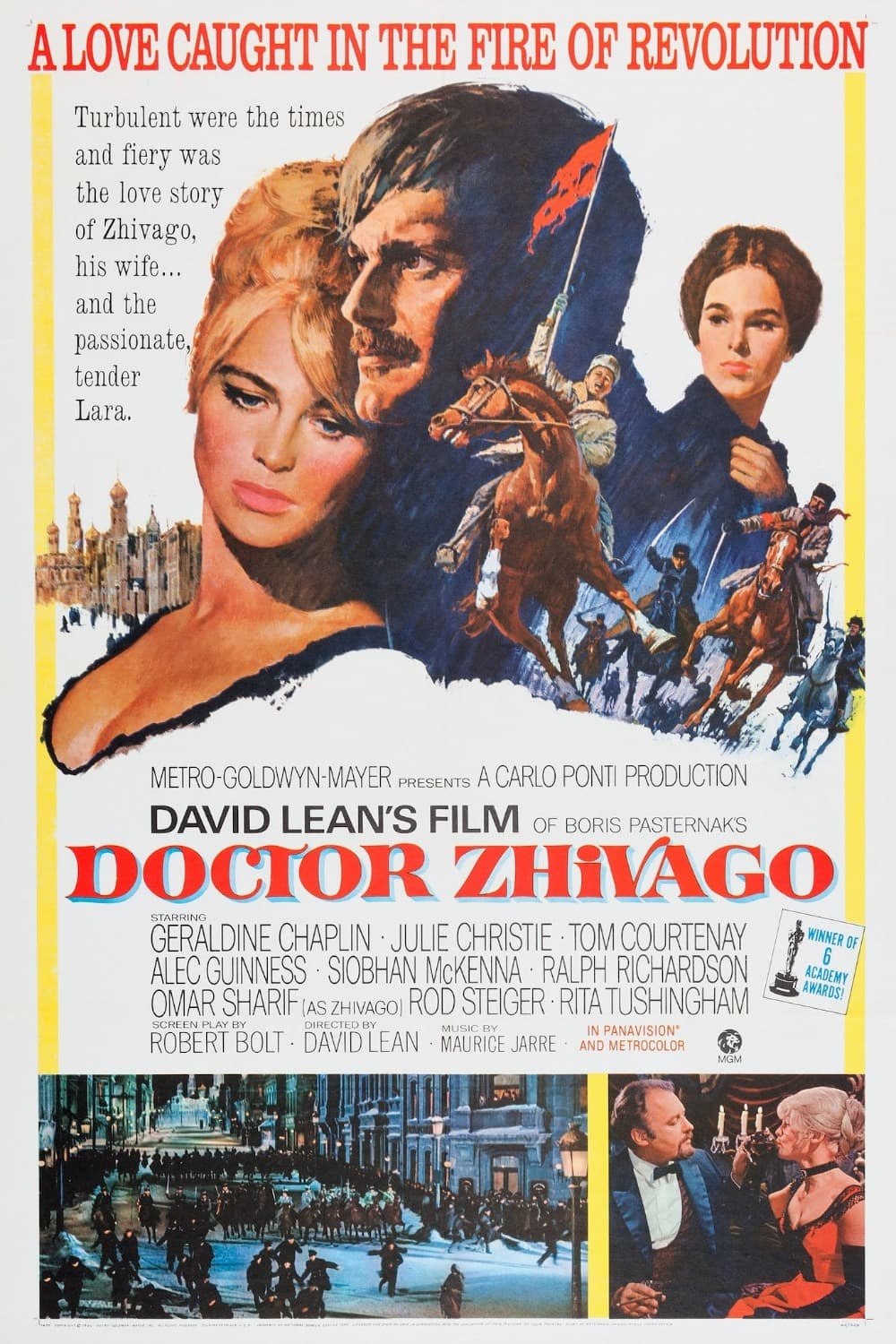
Critics savaged it on release and audiences ignored them completely: Lean shot the Russian winter in Spain, and Maurice Jarre's balalaika theme was inescapable for a decade afterward.
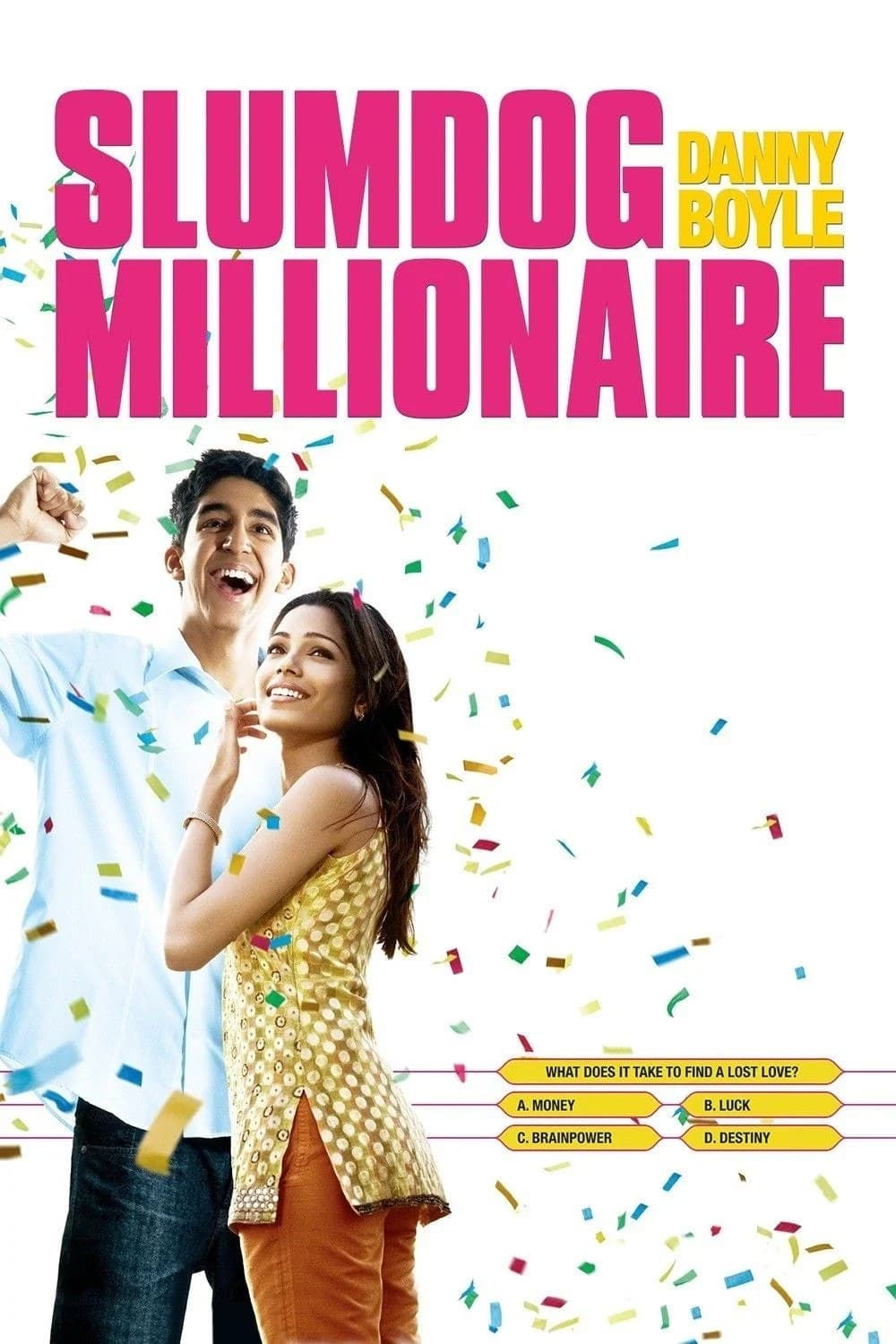
Boyle shot Mumbai on small digital cameras in real streets and Rahman's score carried it around the world: a contestant from the slums is detained for cheating, and each question opens a memory.
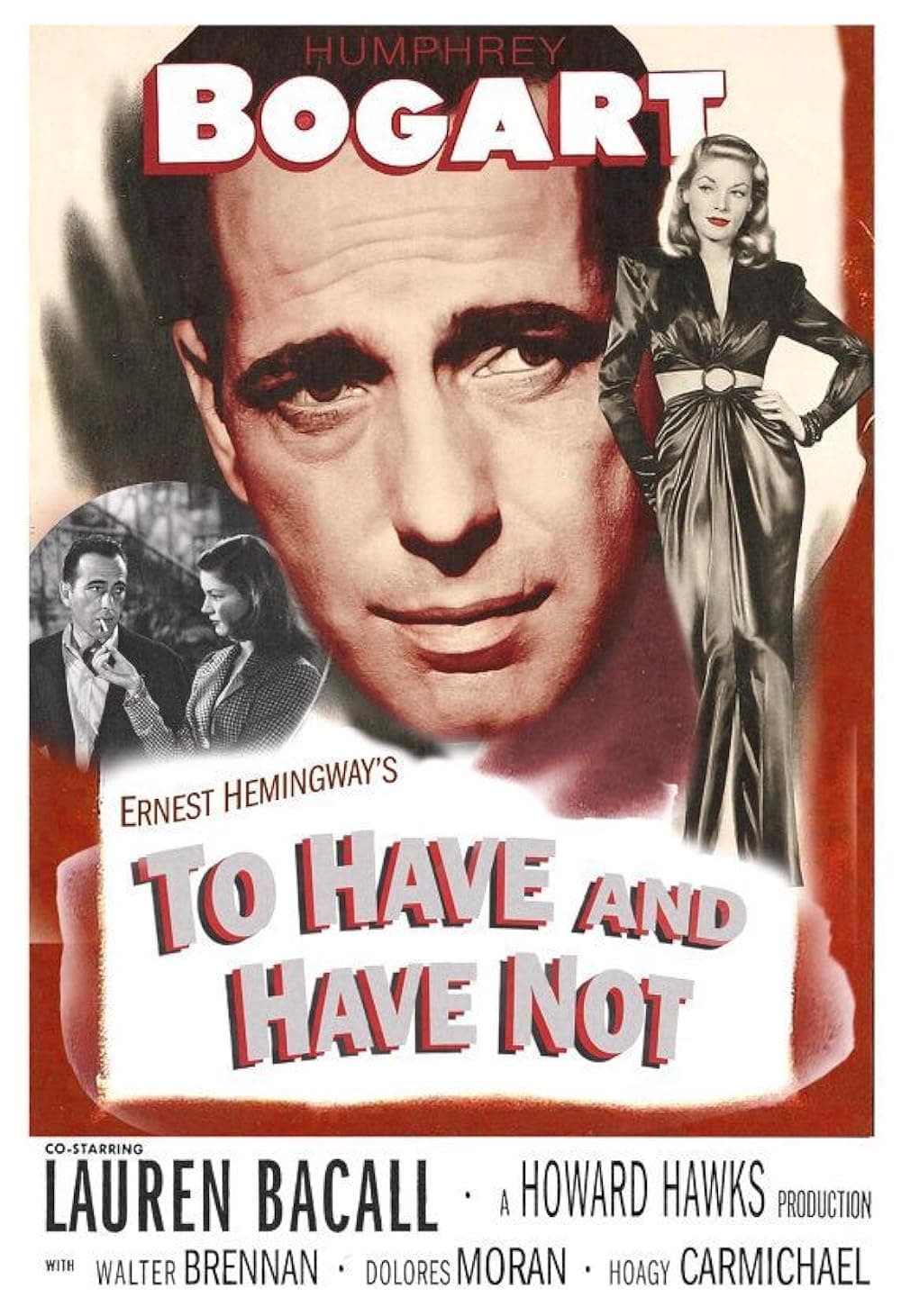
Hawks bet Hemingway he could film his worst book, and hired William Faulkner to help: Bacall was nineteen, met Bogart on set, and says the whistle line straight to him.
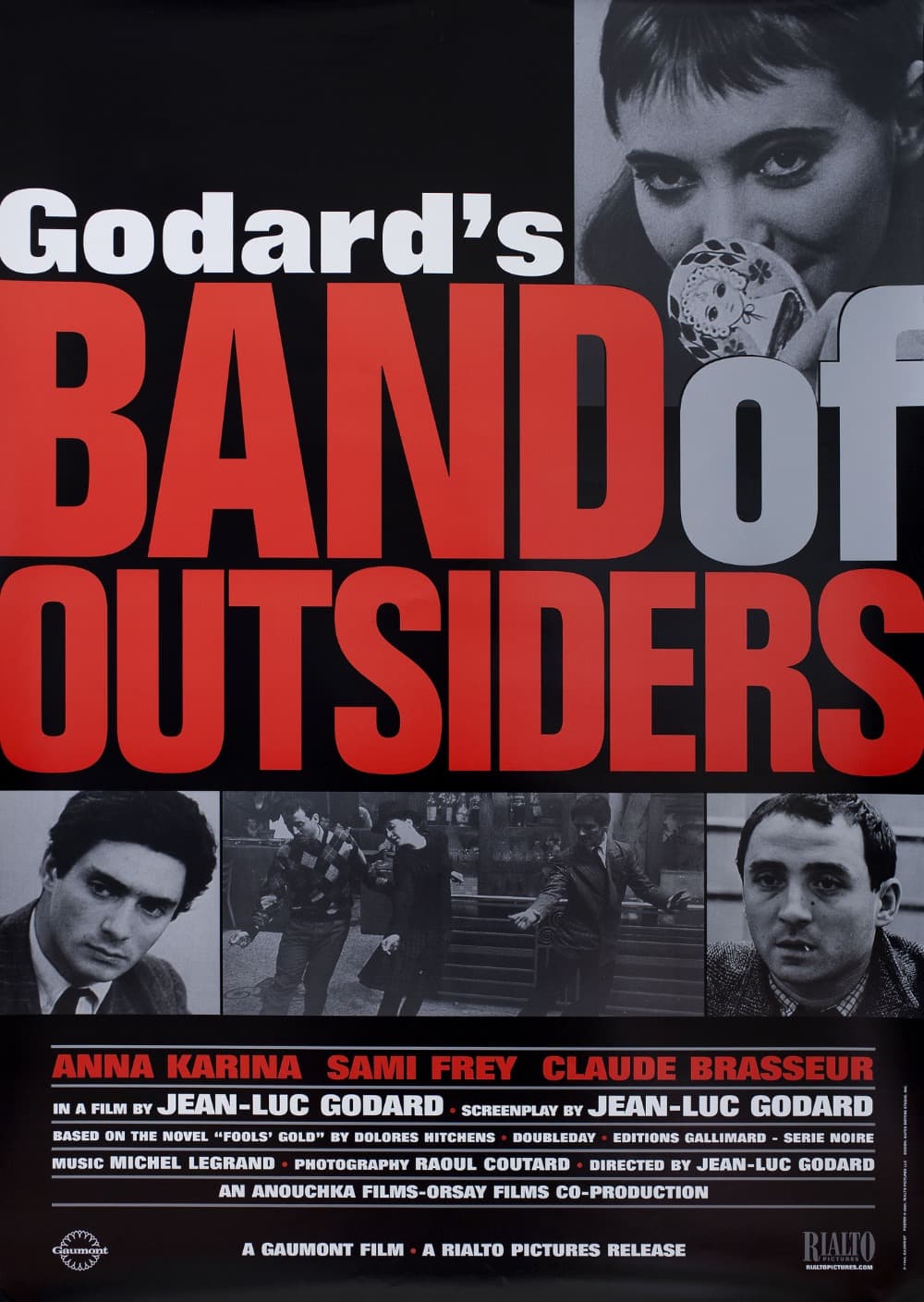
Tarantino named his production company after this film: three young Parisians run through the Louvre in nine minutes and dance the Madison in a cafe, and Godard makes crime look like play.
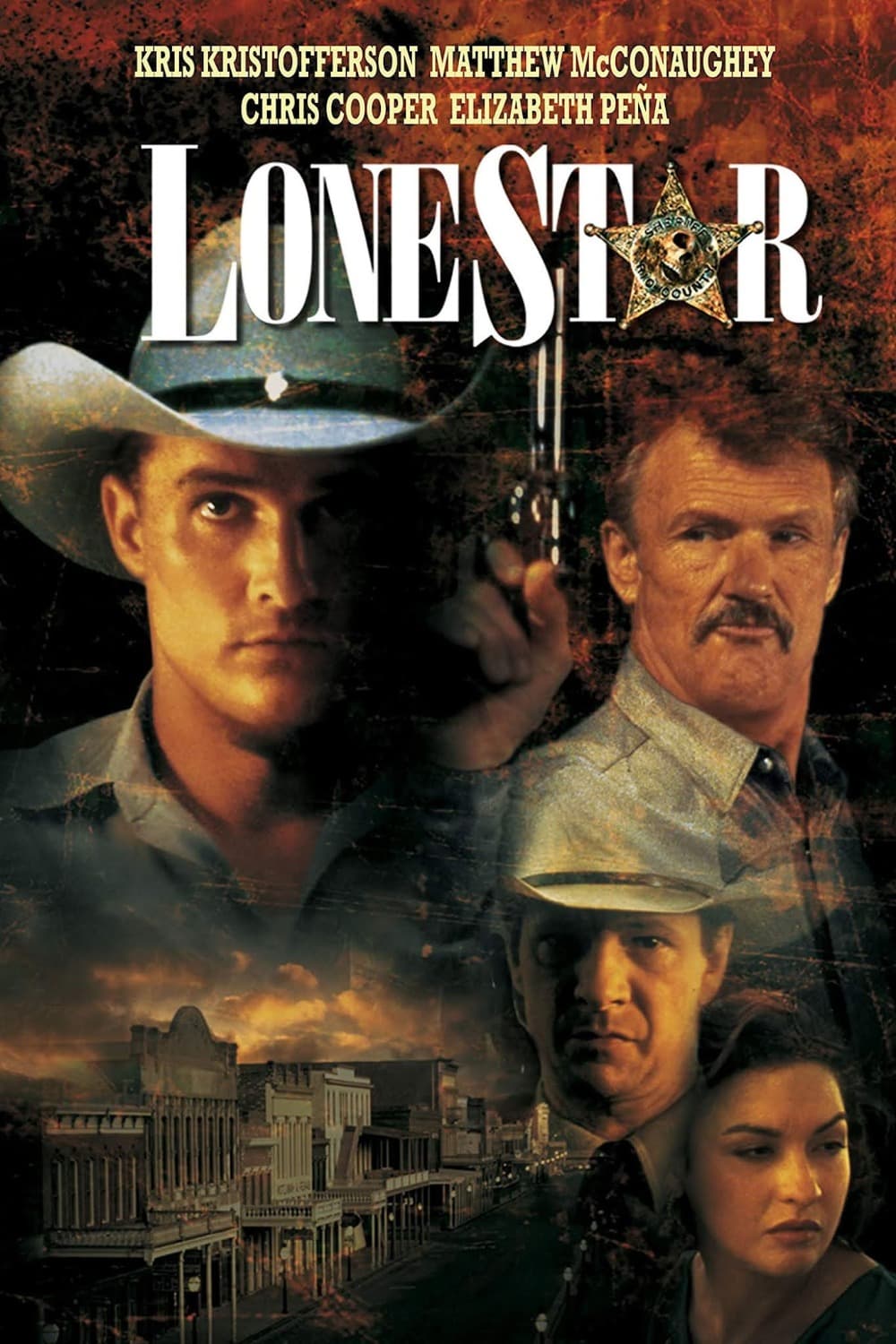
Sayles moves between past and present without a cut, panning from one decade into another: a Texas border town excavates a forty-year-old murder and finds the whole town's history attached.
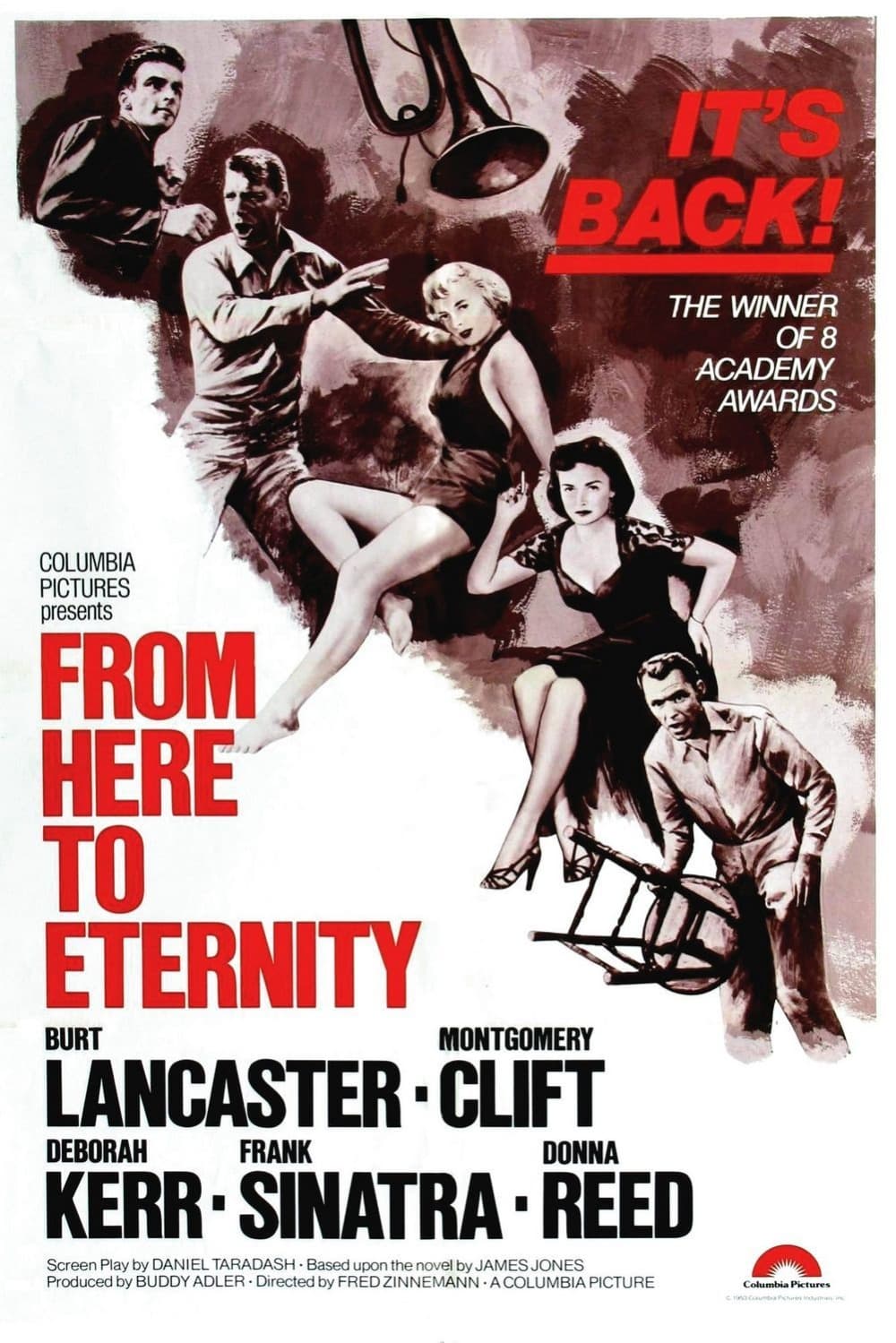
The kiss in the surf was scandalous enough to define the decade: Pearl Harbor sits at the end of it, and Sinatra took a role for almost nothing to save his career.
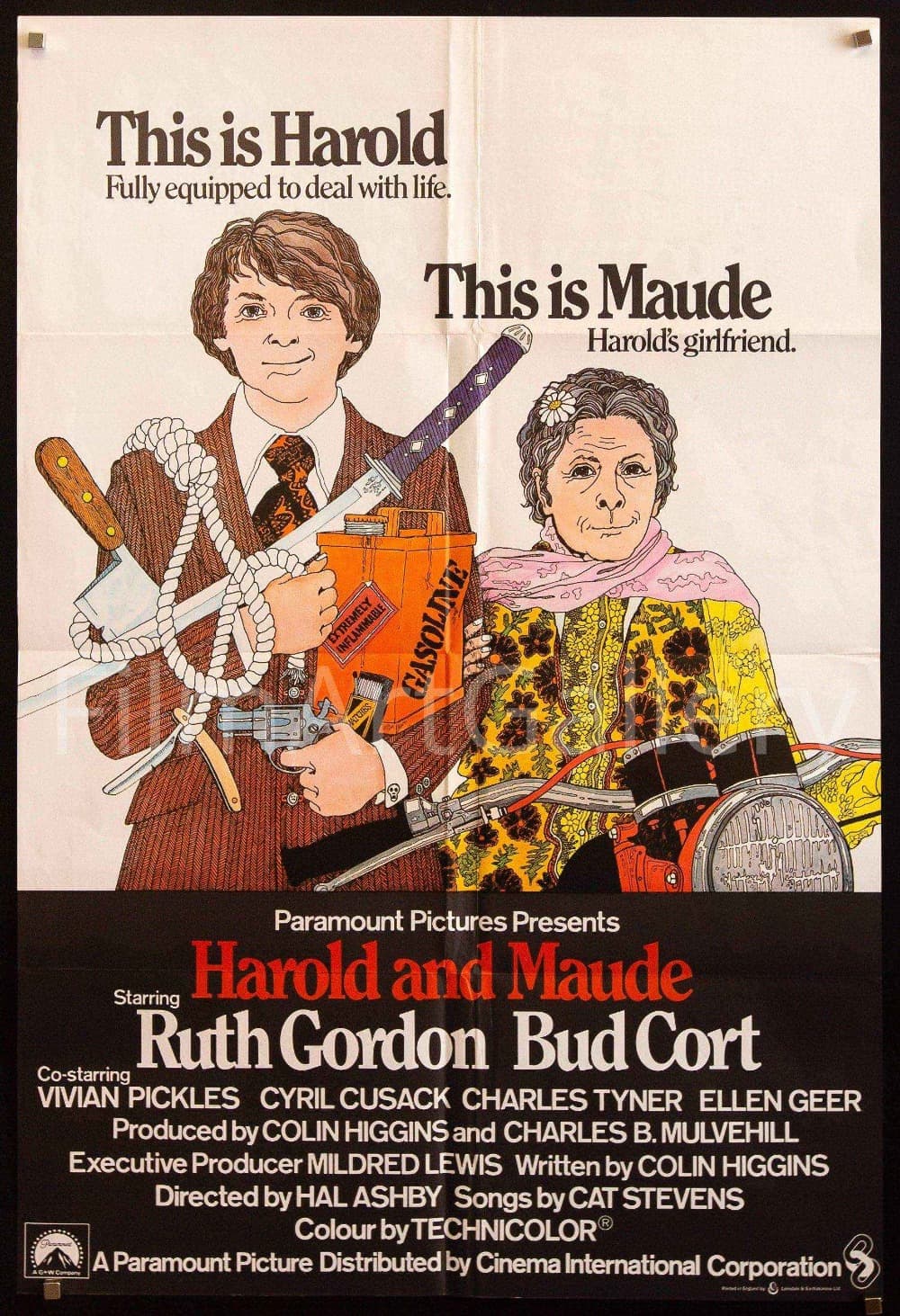
It failed on release and then ran 115 straight weeks at a single Minnesota theater: a death-obsessed teenager falls for a seventy-nine-year-old, and Cat Stevens scores the whole thing.
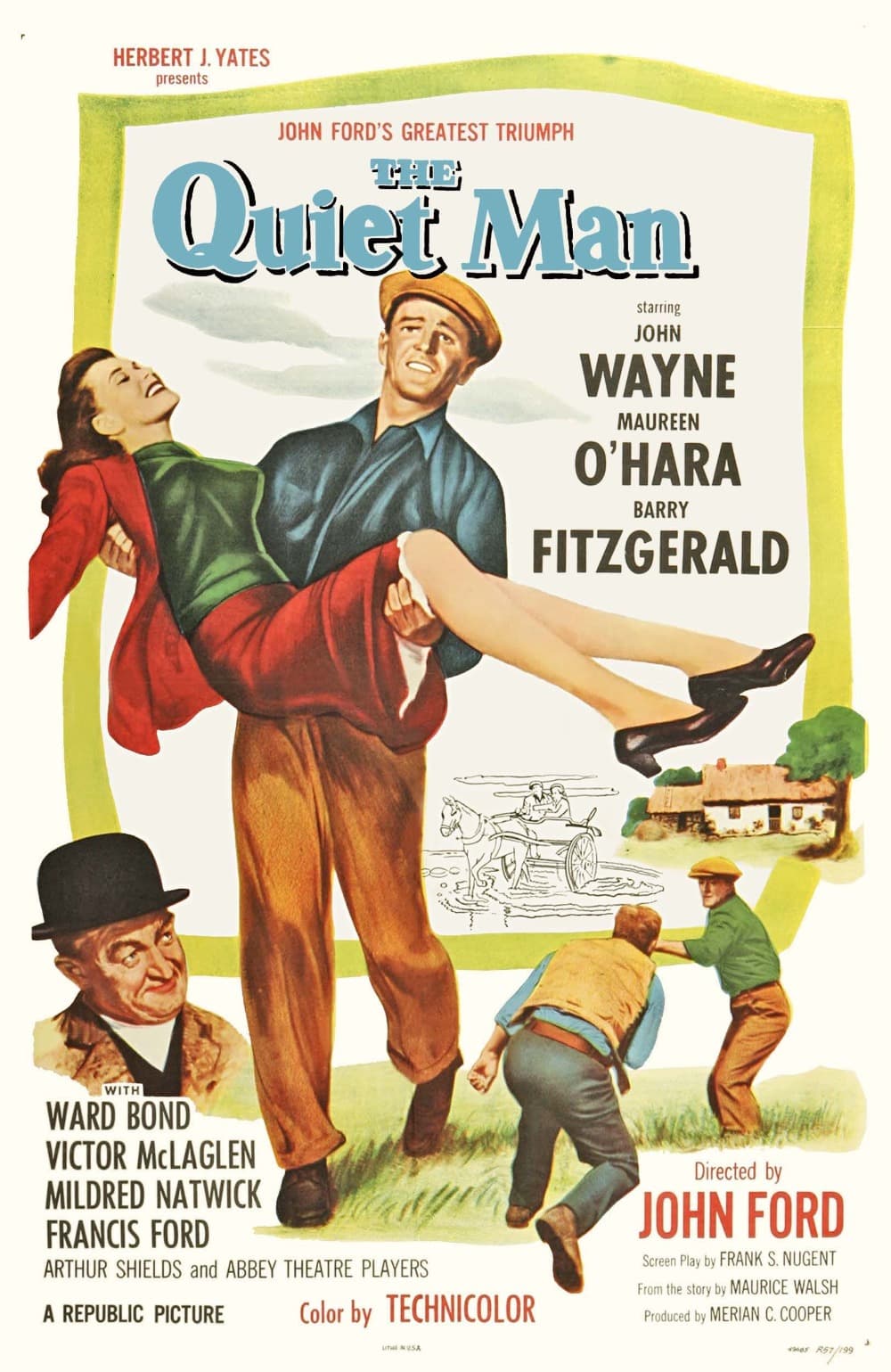
Ford spent twenty years trying to make it and shot Ireland in Technicolor so green it looks invented: an American boxer goes home to Mayo and runs straight into everyone else's customs.
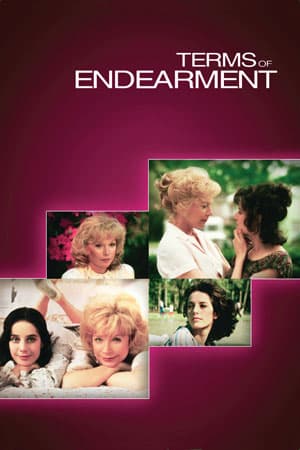
A mother and daughter argue on the telephone across three decades, and James L. Brooks makes it enormous: nobody else has moved this fluently between a joke and a gut punch.
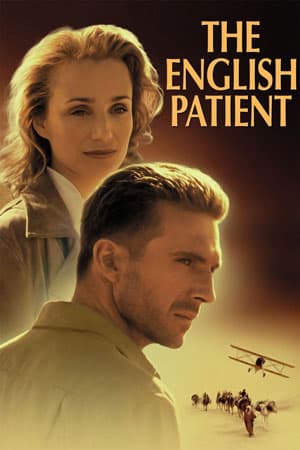
Minghella turned an unfilmable novel into the last great studio romance: a burned man in an Italian monastery remembers North Africa, and the desert photography is worth the length by itself.
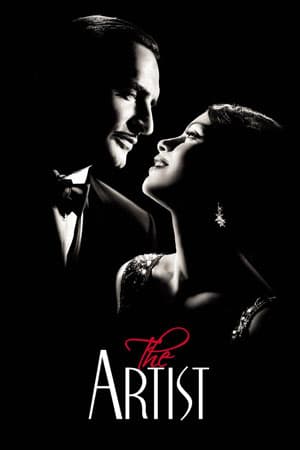
The first silent film to take Best Picture since 1929, made by a French director nobody in Hollywood knew: a star of the silents watches sound arrive and refuses to adapt.
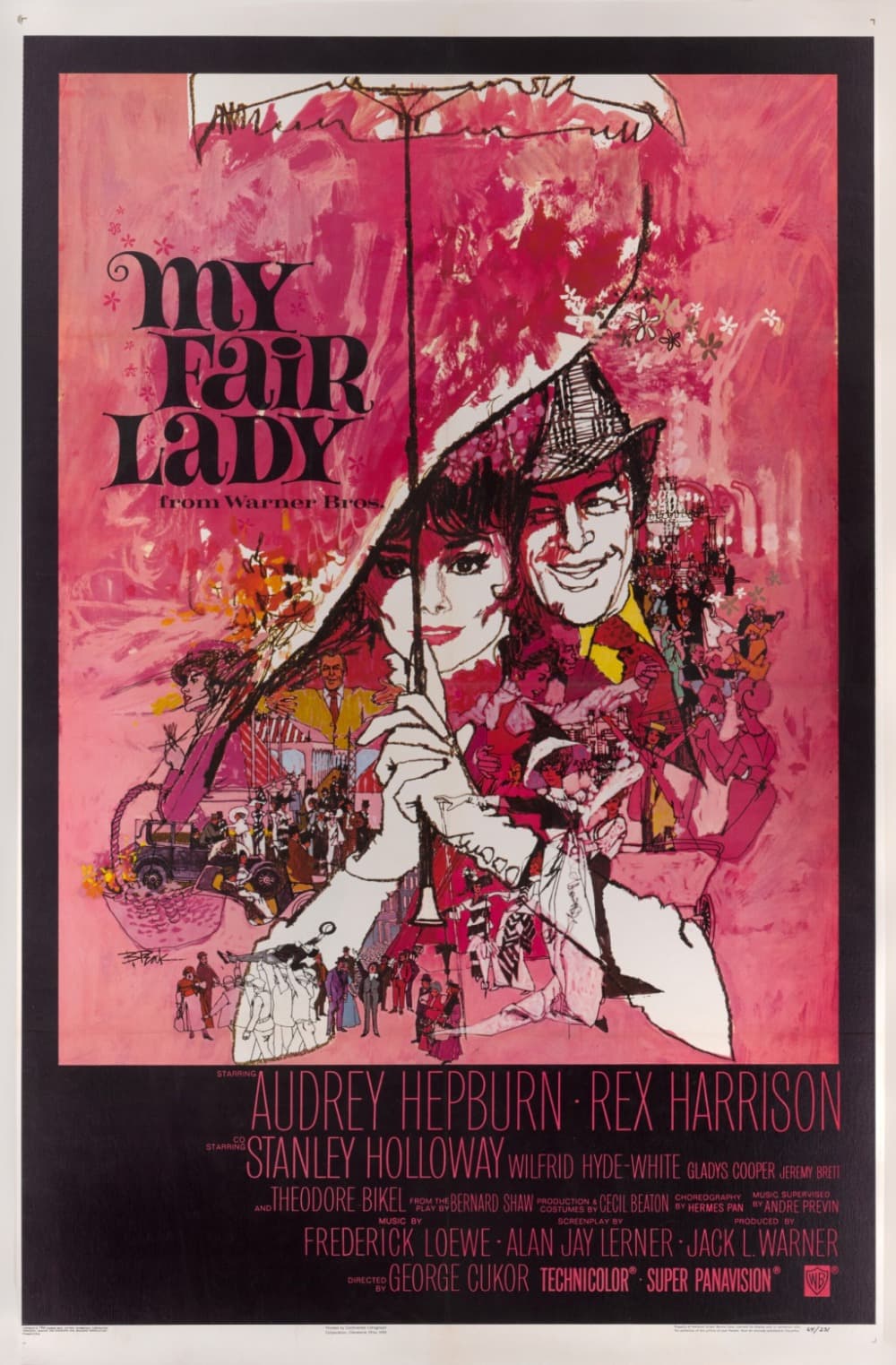
Audrey Hepburn's singing was dubbed by Marni Nixon and Julie Andrews was passed over for the part she created on stage: the Cecil Beaton costumes remain the most beautiful ever filmed.
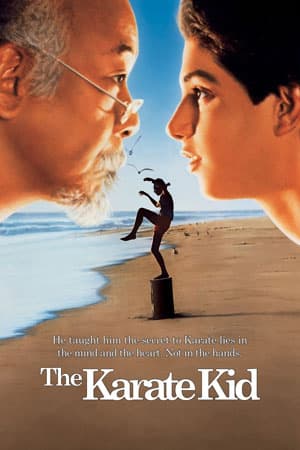
The director of Rocky did it again with a smaller kid: Pat Morita turns a handyman into a mentor half of America can still quote, and the training is all chores.
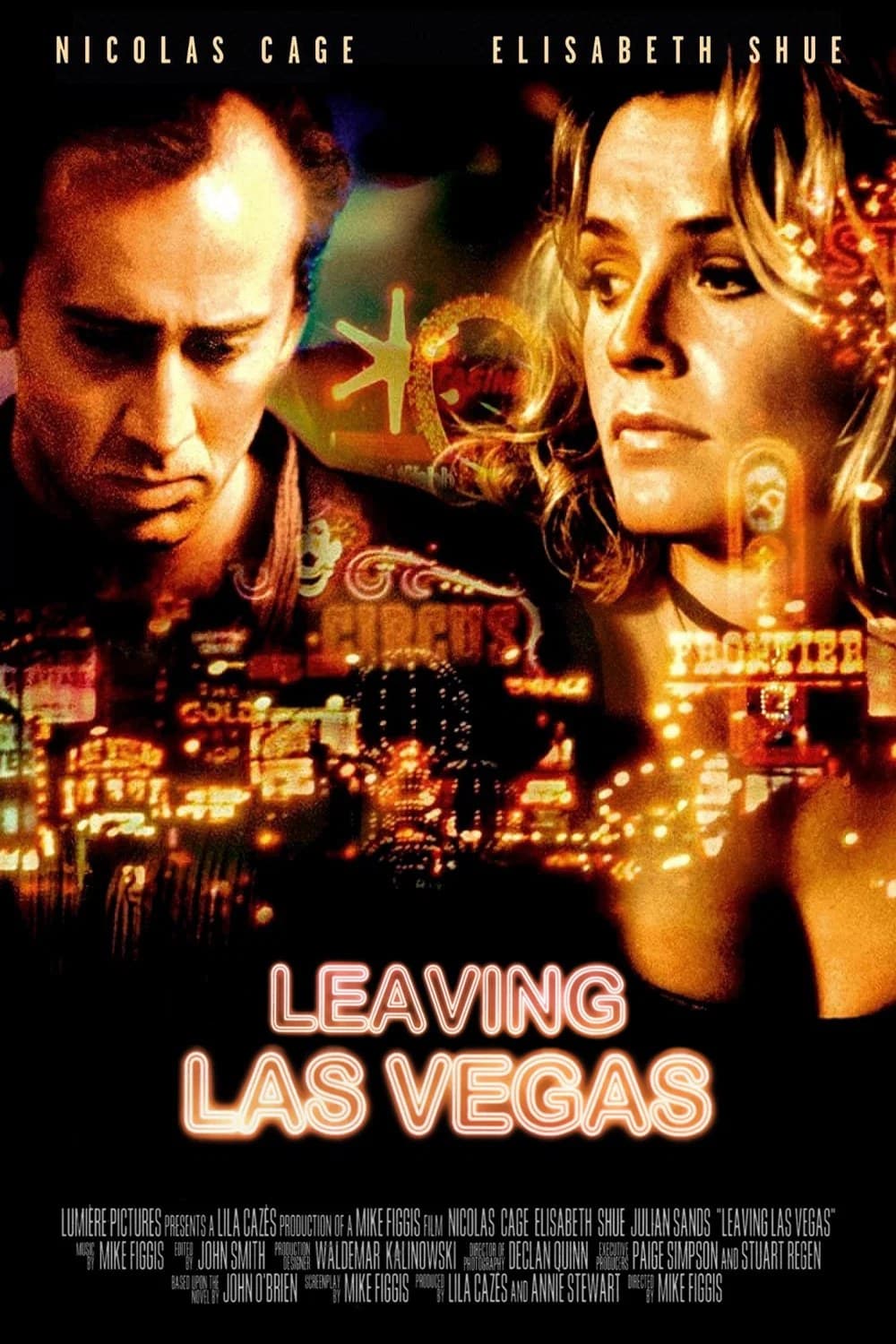
Mike Figgis shot it on 16mm for almost nothing and Nicolas Cage took the Oscar: a fired screenwriter drives to Las Vegas with no plan beyond drinking, and meets someone who asks nothing.
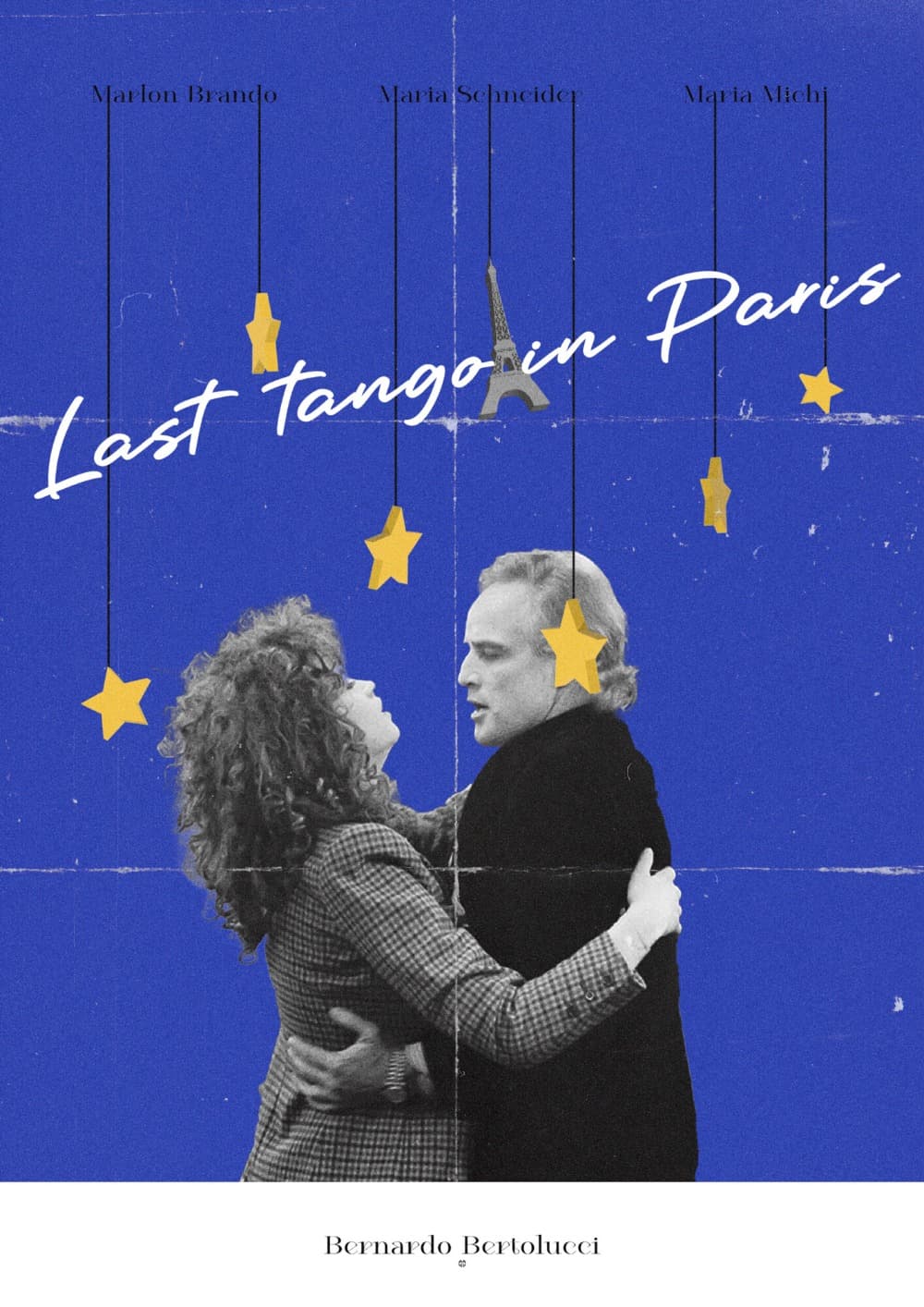
Pauline Kael called the premiere a landmark comparable to the Rite of Spring, and the reputation has since collapsed: Maria Schneider was nineteen and was not told the scene had been changed.
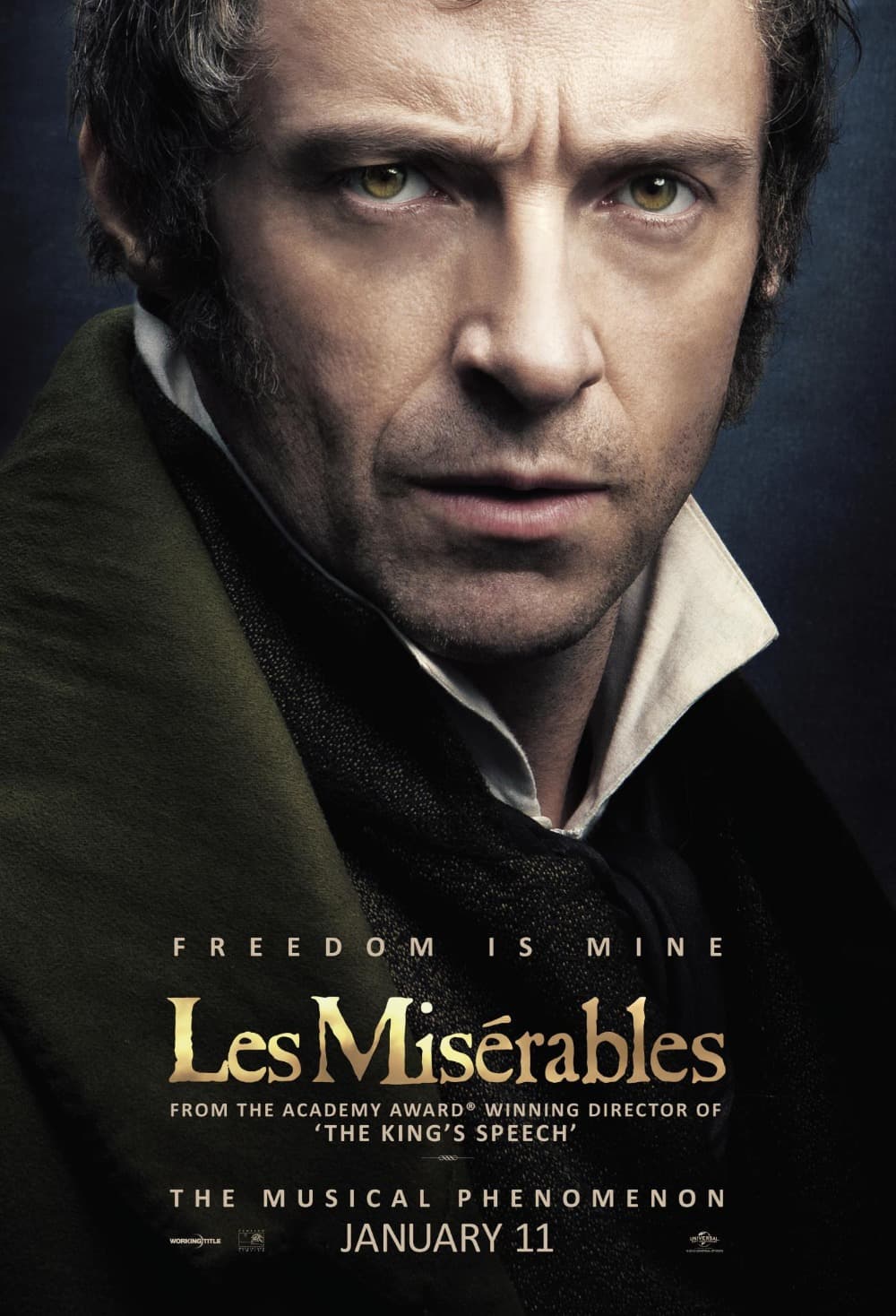
Every note was sung live on set instead of lip-synced to a recording, which nobody had attempted at this scale: the camera sits inches from faces the entire time.
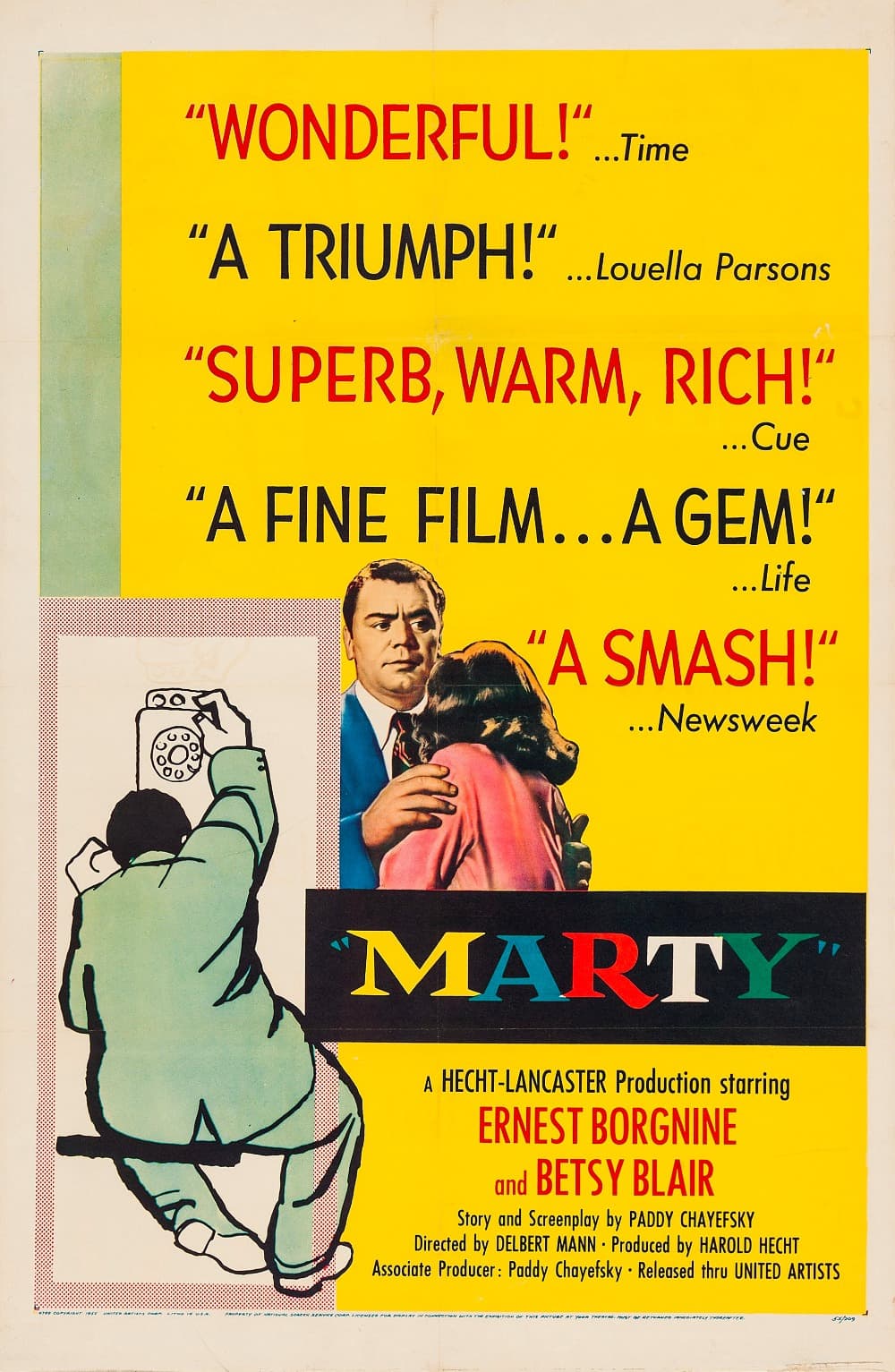
It holds both Best Picture and the Palme d'Or, which only three other films manage: a Bronx butcher who has given up on meeting anybody meets somebody, and it runs ninety-three minutes.
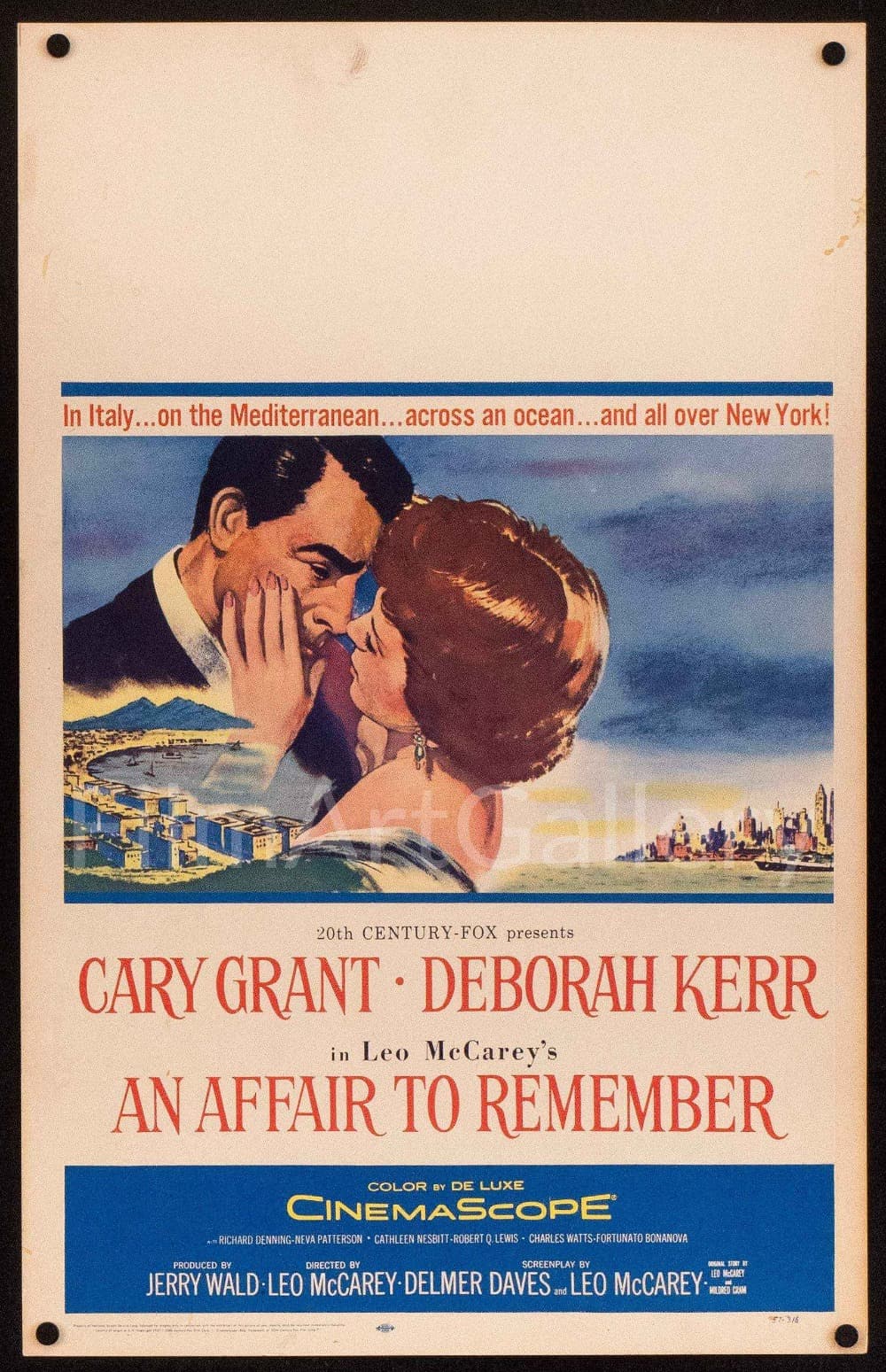
Sleepless in Seattle sent an entire generation back to it: Cary Grant and Deborah Kerr agree to meet on the Empire State Building observation deck in six months, and then wait.
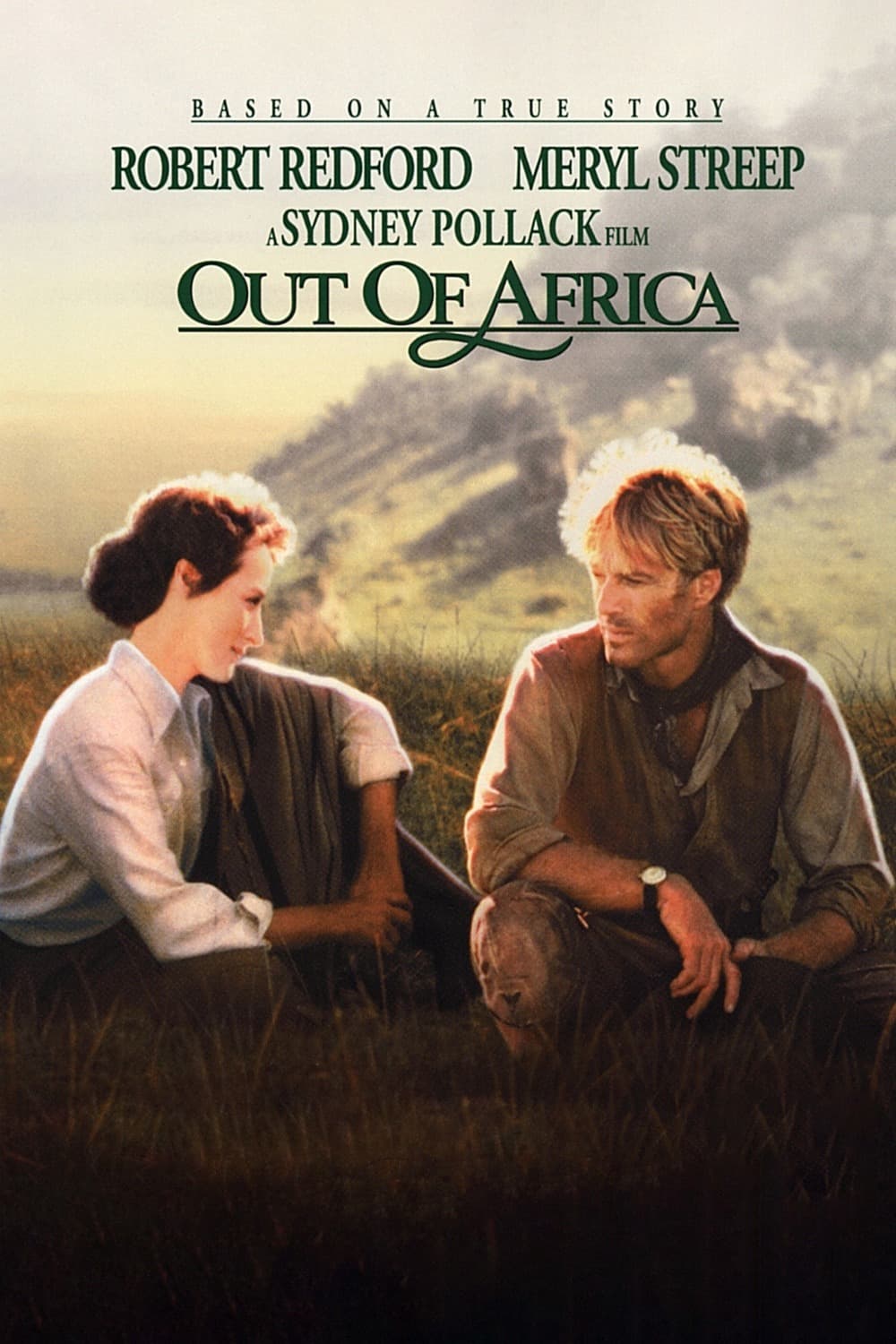
The flight over the Rift Valley is why anyone remembers it: Meryl Streep built Karen Blixen's Danish accent from recordings, and the film takes its time in a way nothing does now.
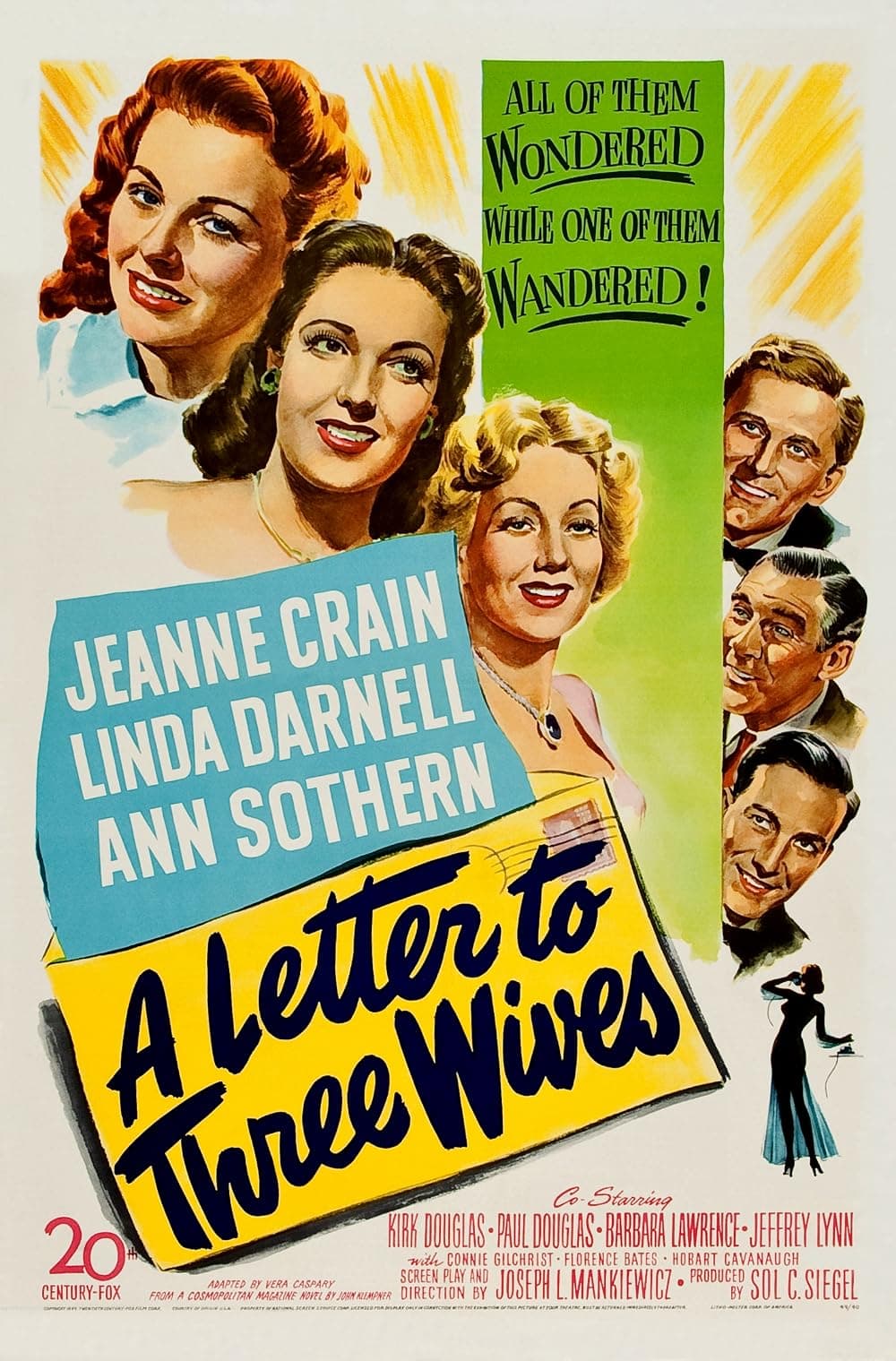
Joseph Mankiewicz won for both writing and directing it: three women receive a single letter announcing that a woman they all know has left town with somebody's husband.
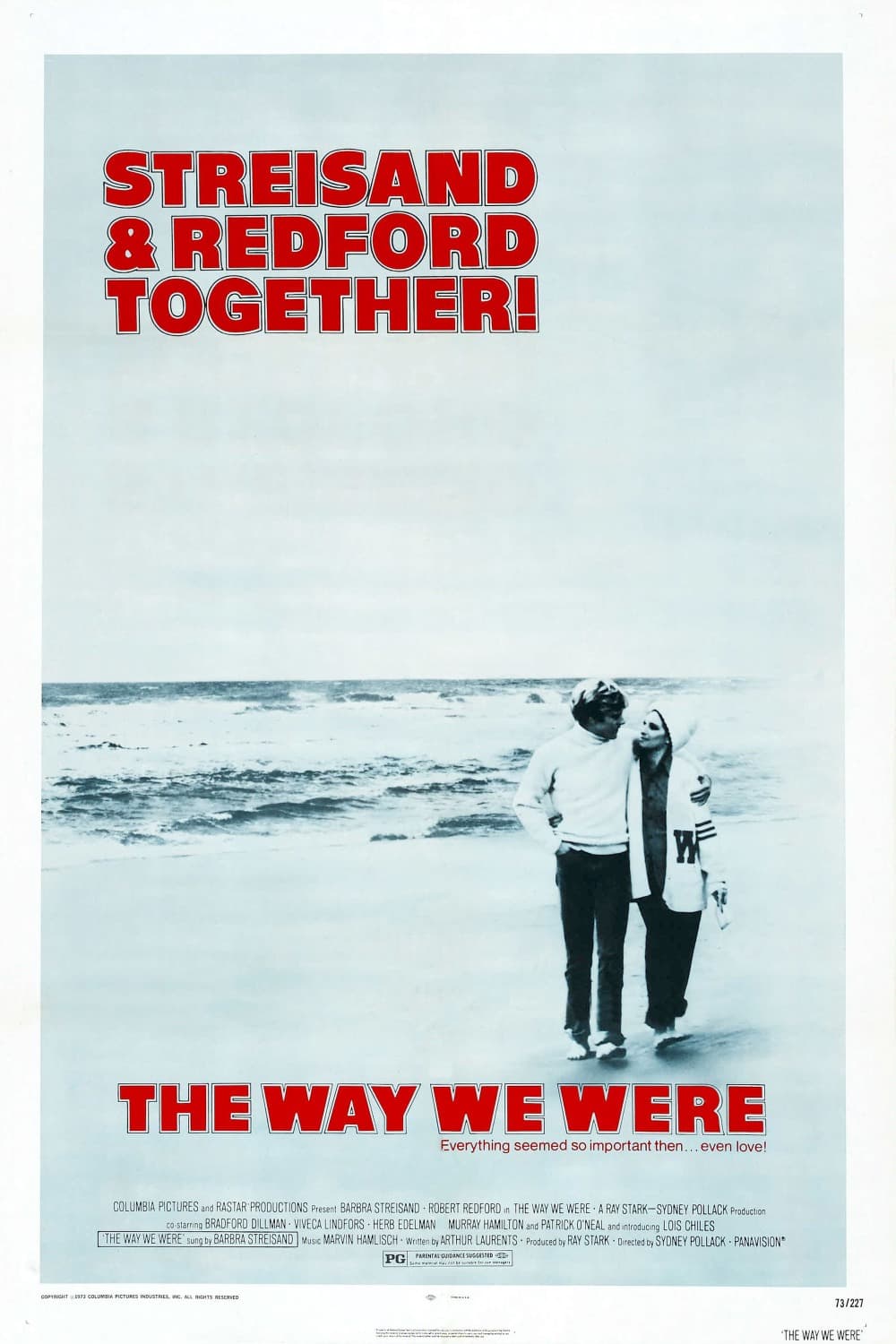
The blacklist plot was cut to almost nothing and Sydney Pollack called that his biggest regret: Barbra Streisand and Robert Redford are mismatched enough that the romance runs on friction alone.
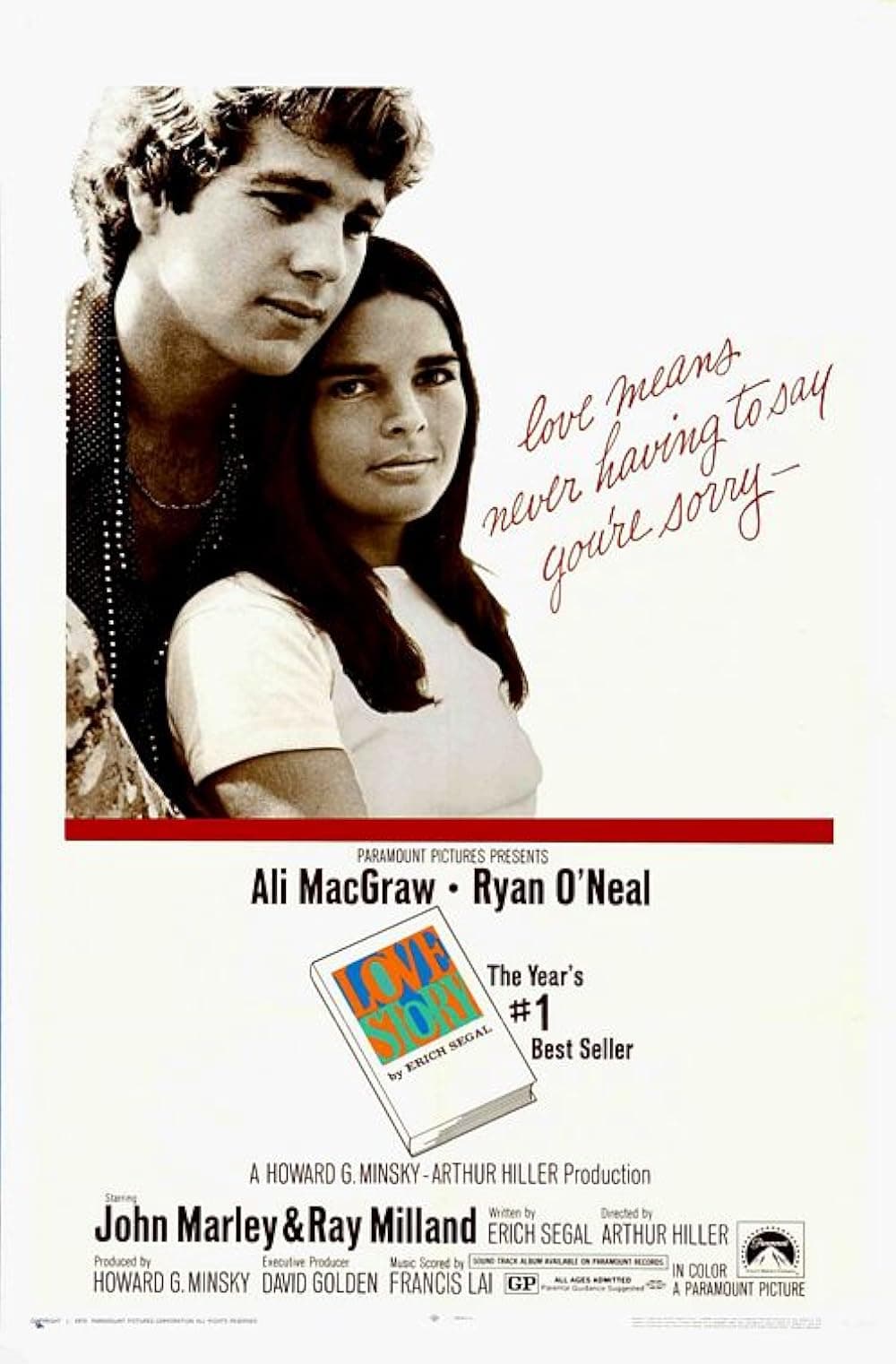
The novel was written from the screenplay and not the other way around: a Harvard hockey player and a Radcliffe music student marry against his father, and one line became inescapable.