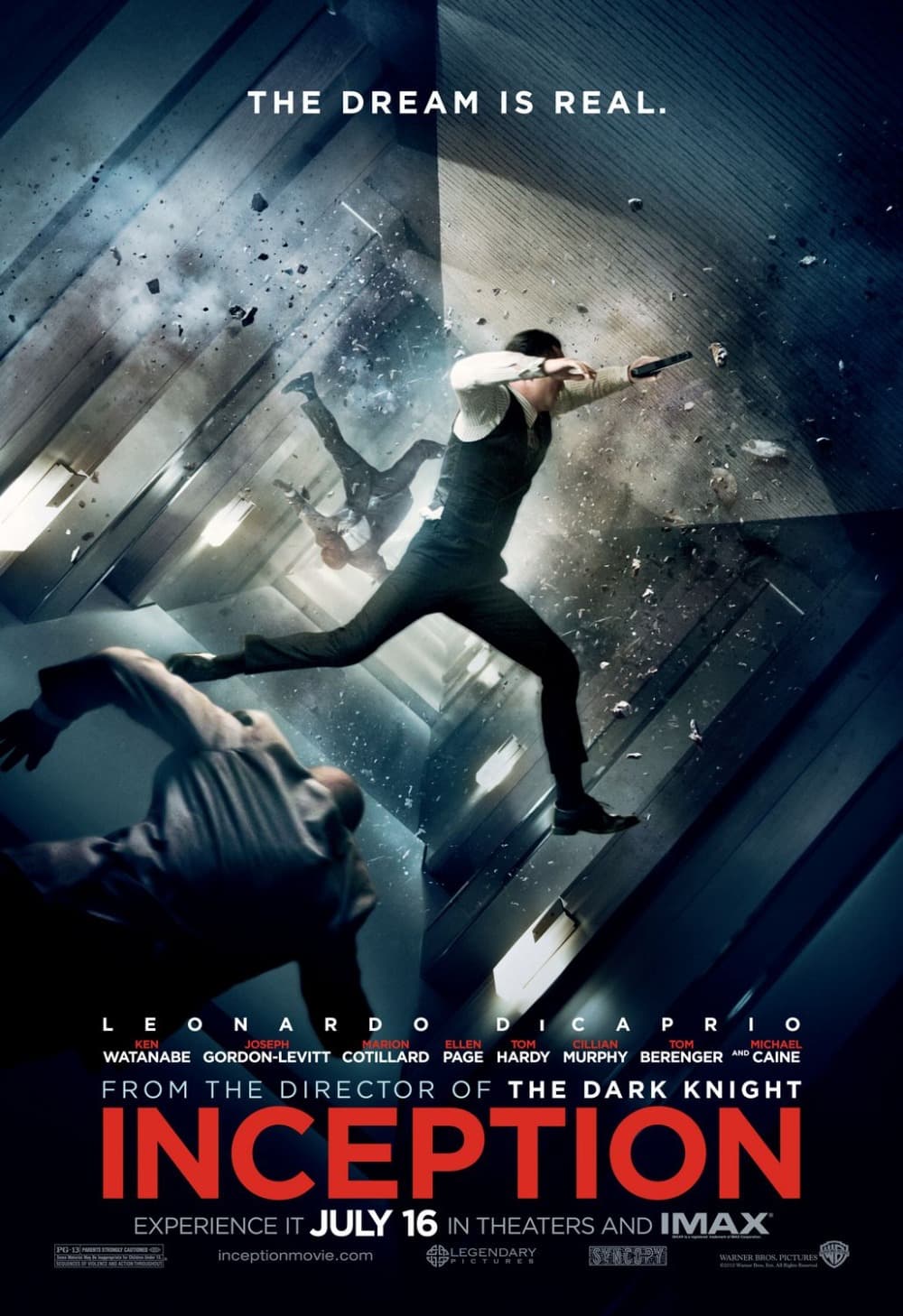
Inception
Directed by Christopher Nolan
2010
Proof that a summer blockbuster can be genuinely difficult: Nolan stacked four levels of dream on top of each other and audiences argued about the last shot for years.
★ 8.6
 skopia
Proof that a summer blockbuster can be genuinely difficult: Nolan stacked four levels of dream on top of each other and audiences argued about the last shot for years.
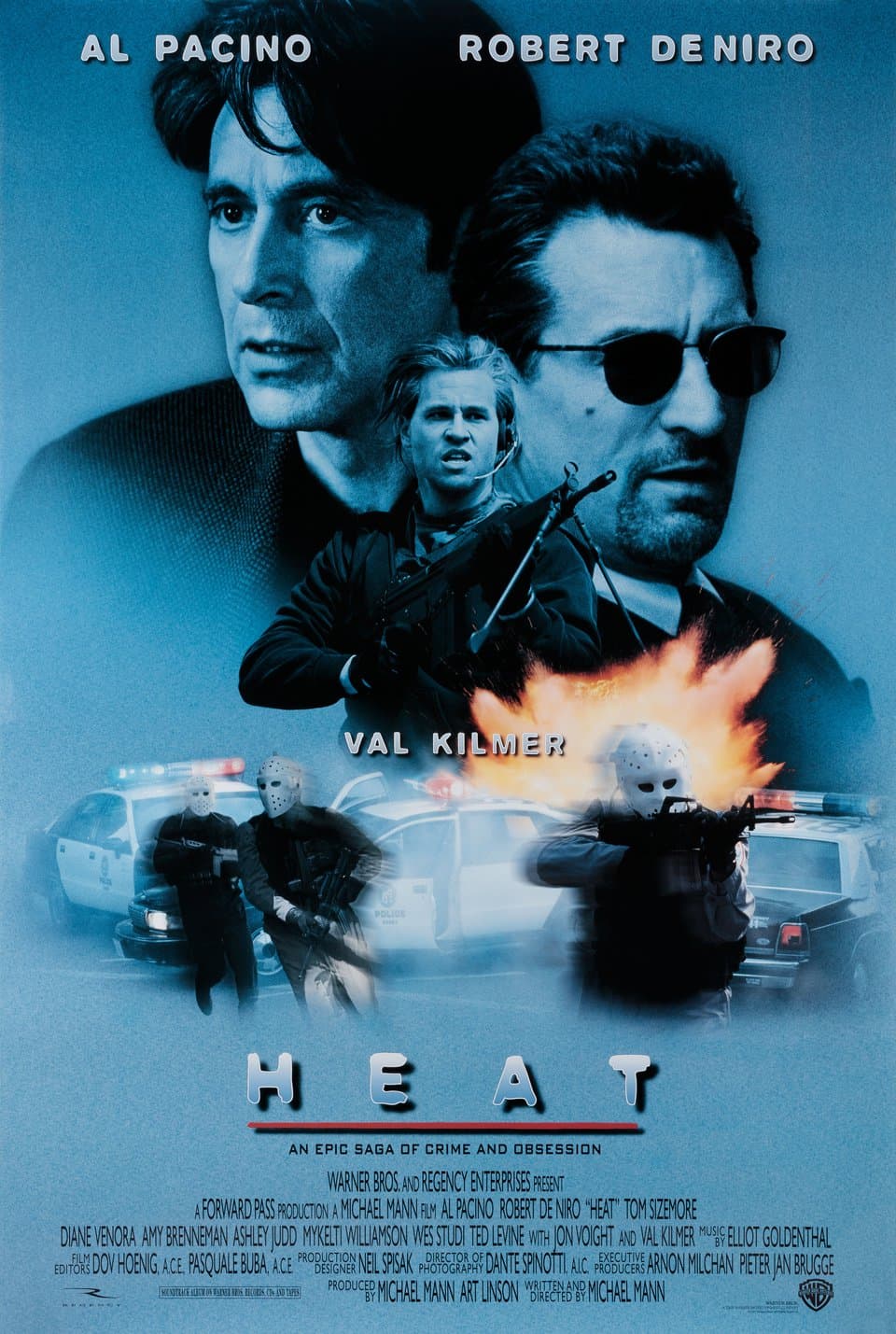
Police forces train on the shootout and every heist film since has copied it: Mann also got De Niro and Pacino into one diner booth for the first time.
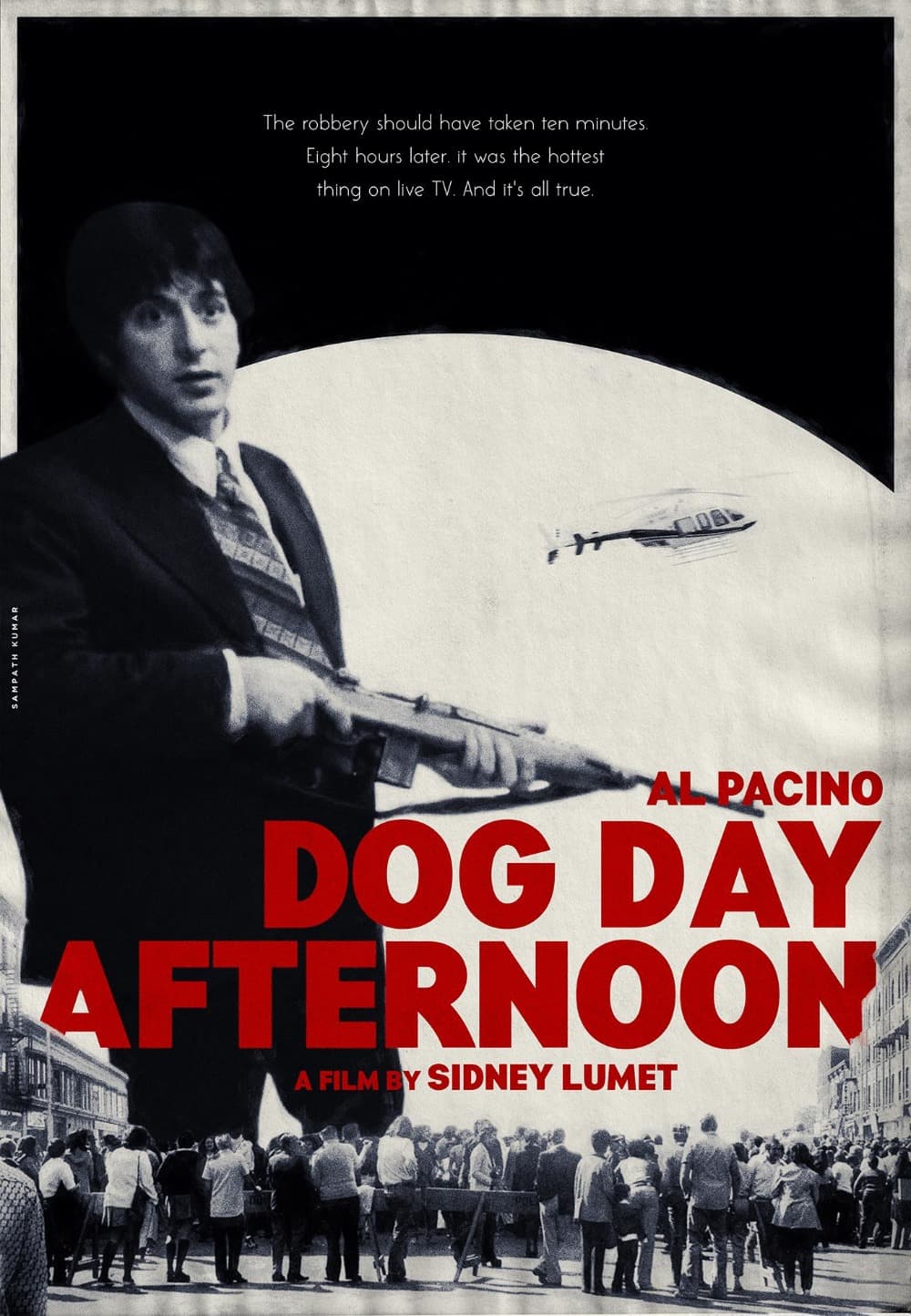
Pacino turned a real 1972 Brooklyn robbery into the most electric performance of the seventies: a bank job collapses in ten minutes and becomes a street carnival.
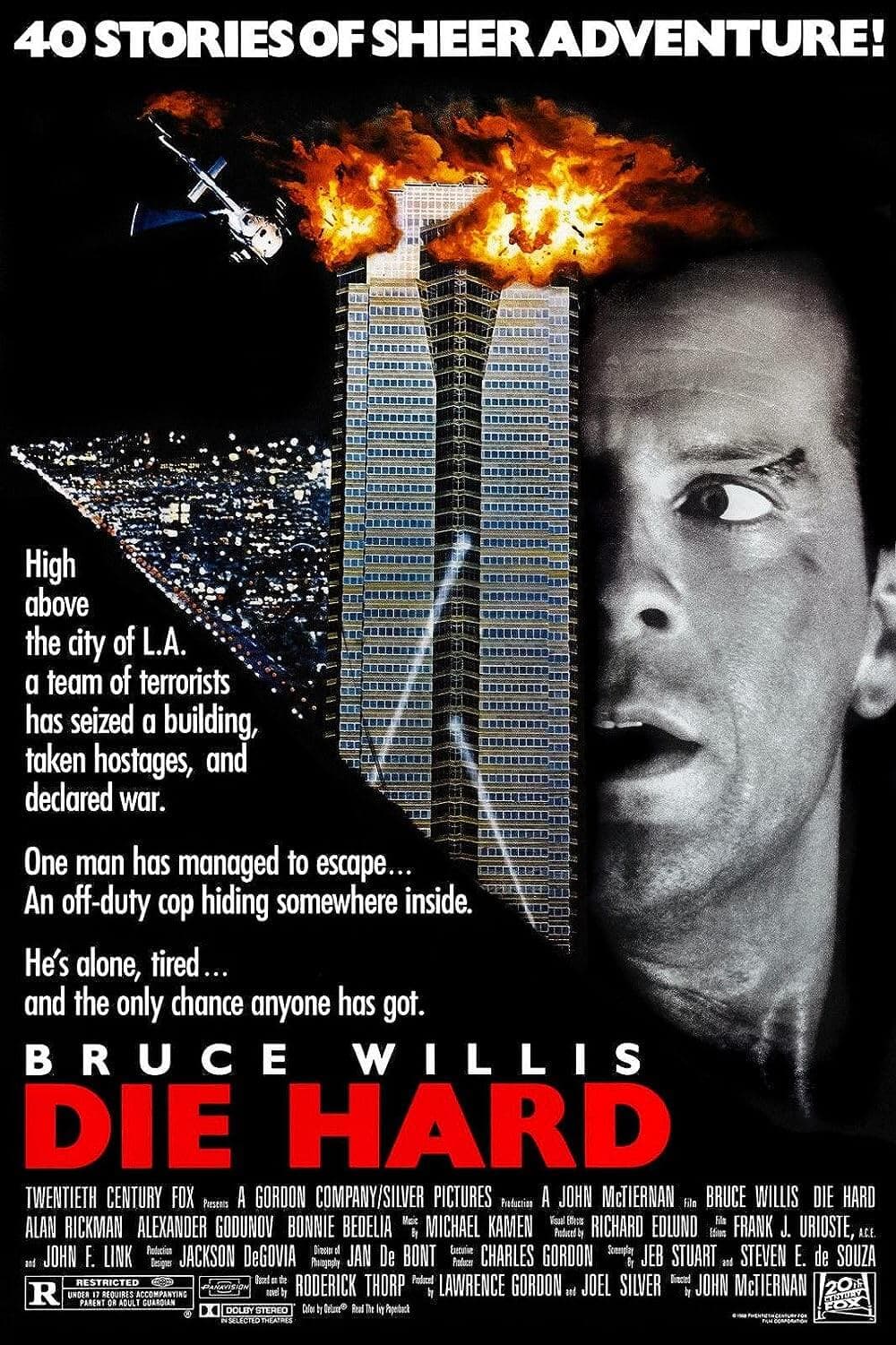
Hollywood spent the next decade pitching films as Die Hard on a boat, a bus, a plane: McTiernan built the action machine everyone has been copying since 1988.
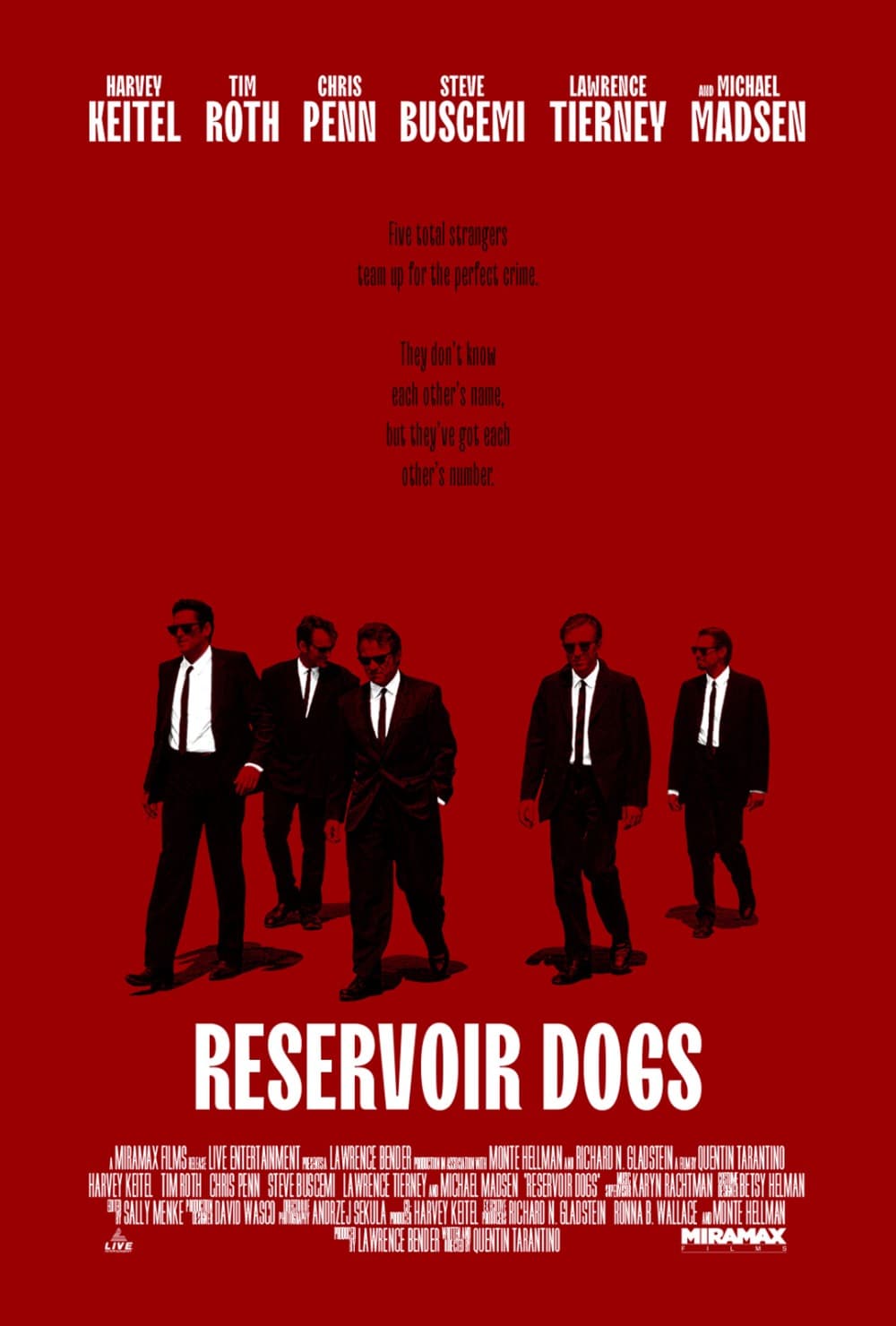
Tarantino arrived fully formed with a heist film that never shows the heist: everyone is in a warehouse afterward, suspecting everyone else and talking far too much.
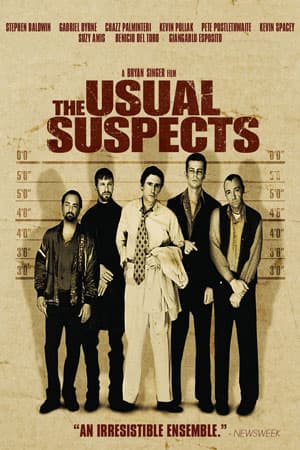
Almost nobody guesses where it is going the first time: five criminals meet in a police lineup, and the whole story reaches you secondhand from an interrogation room.
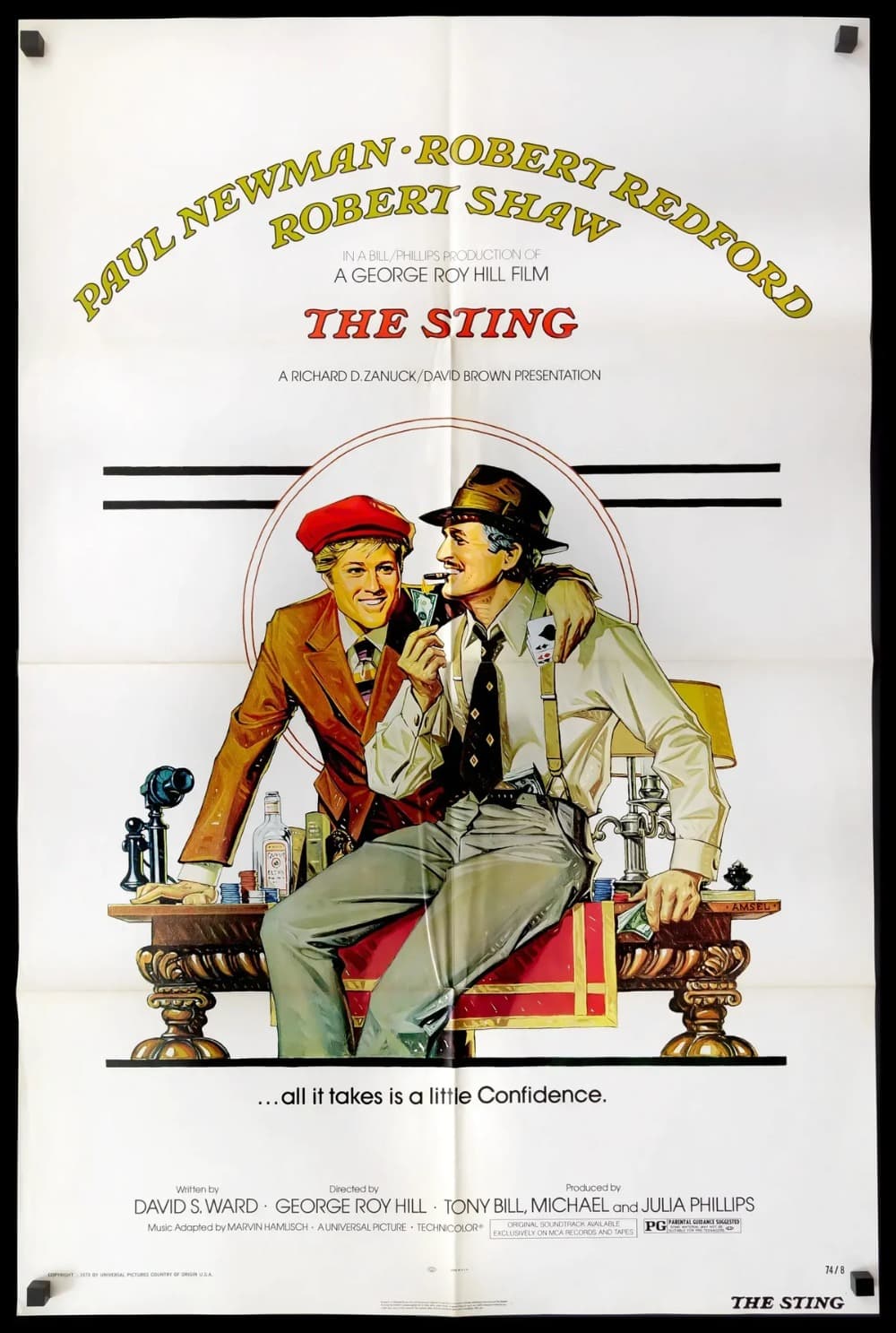
The con is played on the audience as much as on the mark, and every turn is earned: Newman and Redford again, with ragtime that put Scott Joplin back on the charts.
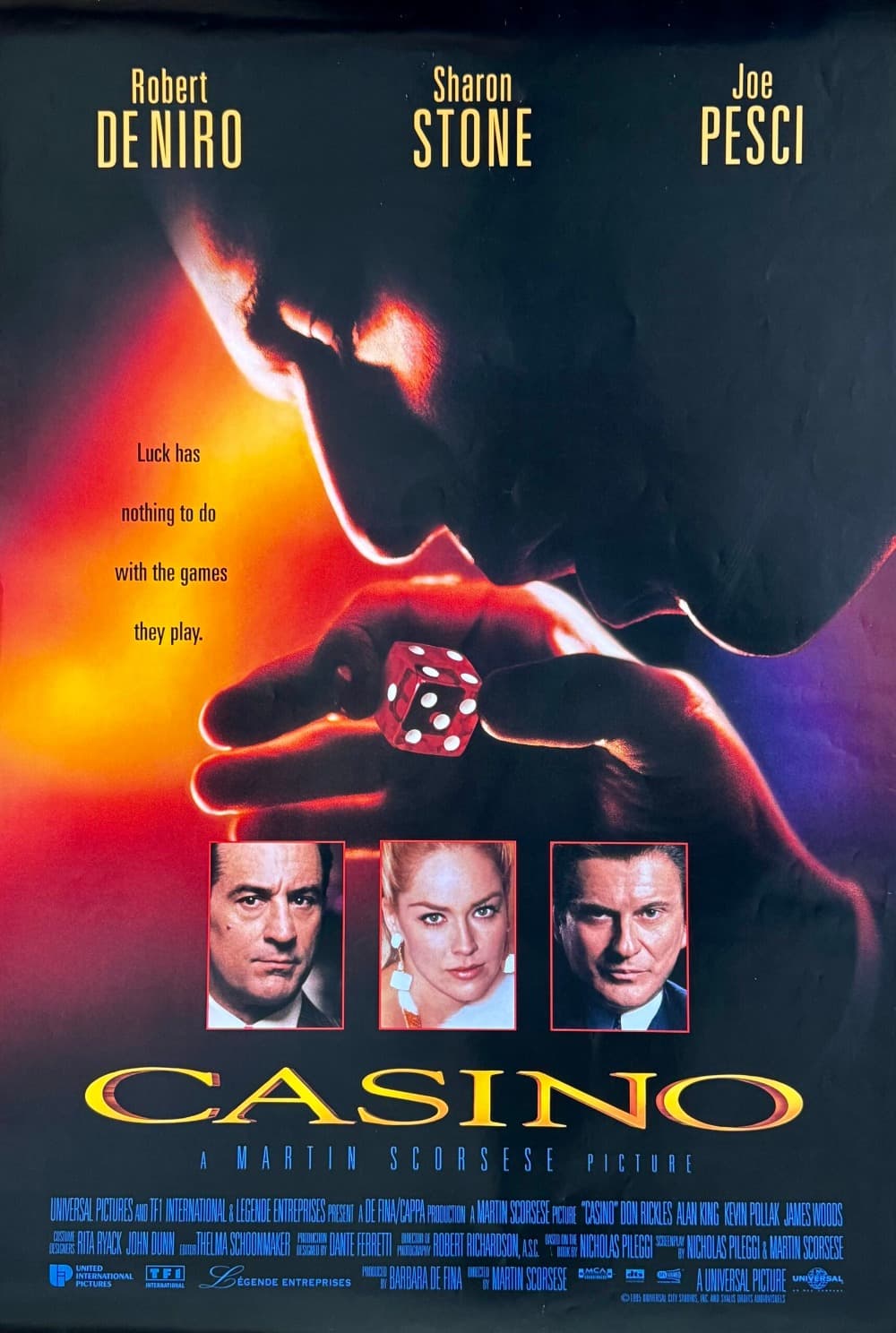
Scorsese's Las Vegas is a machine for taking money and the film shows you every gear: three hours of narration, costumes and a system that eats everyone inside it.
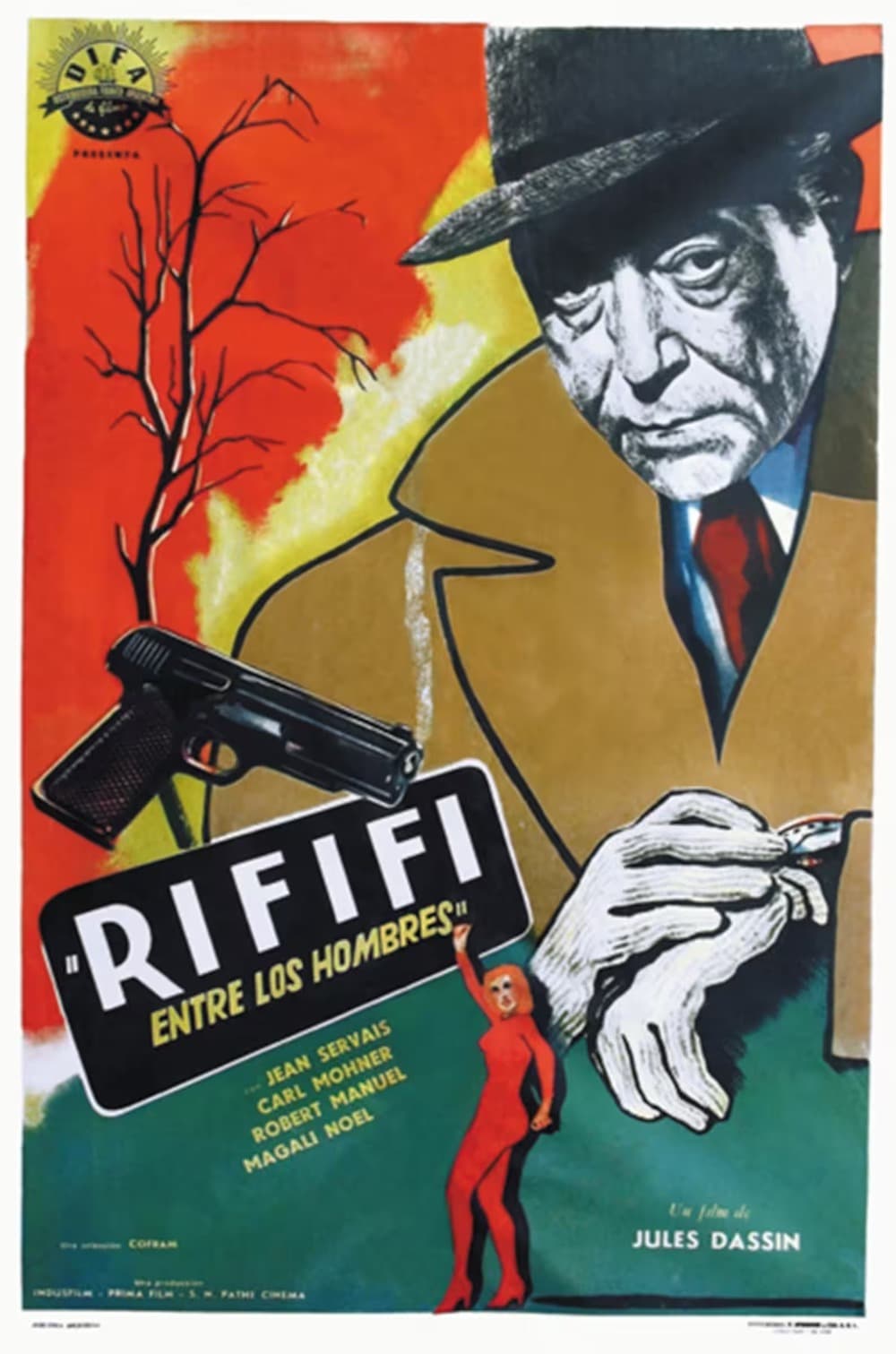
Dassin was blacklisted out of Hollywood and made this in France for almost nothing: the half-hour robbery at its center plays in near-total silence, and the genre has been imitating it since.
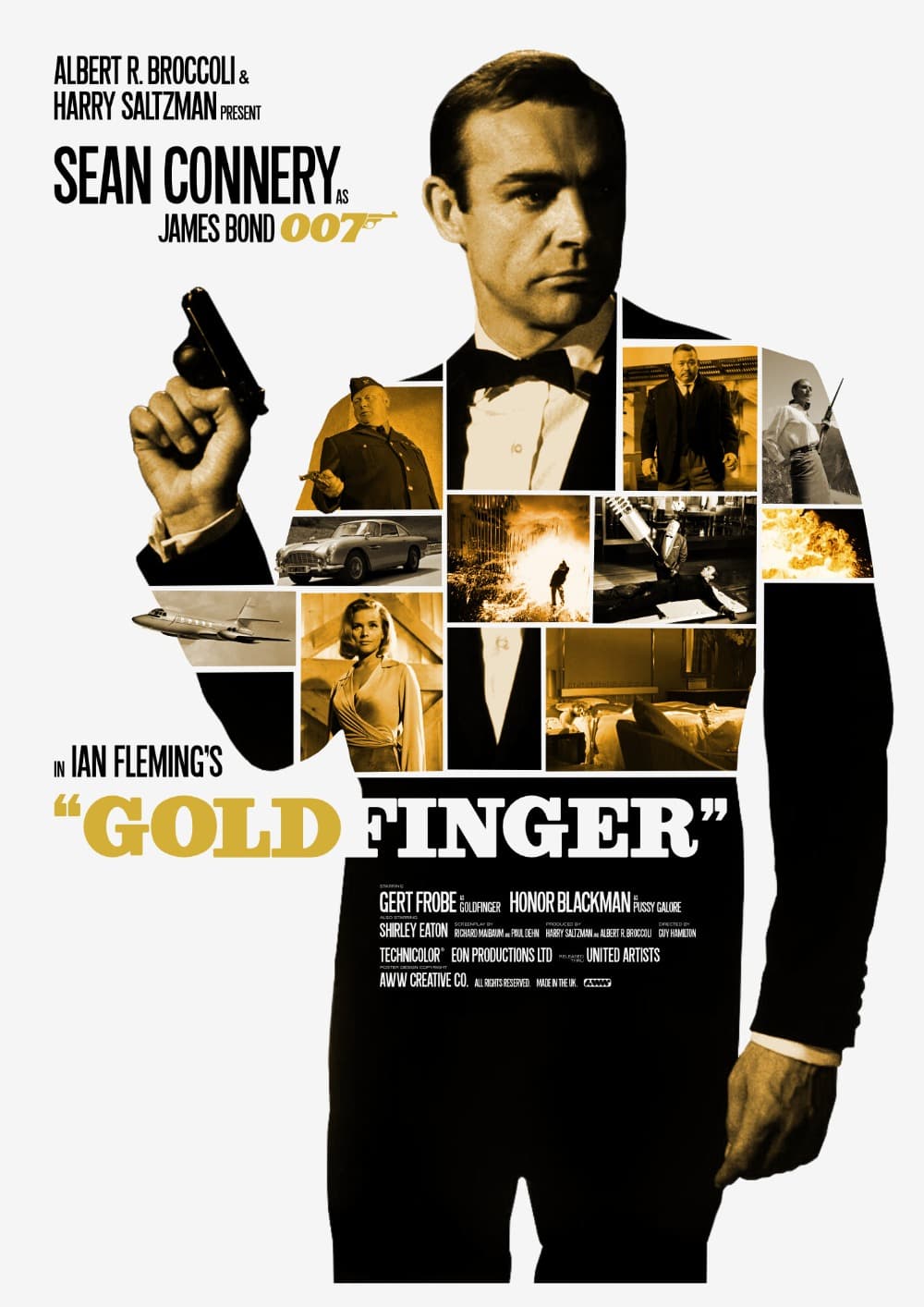
Everything the Bond series still does was fixed here: the Aston Martin, the title song belted over the opening credits, the death trap the villain explains, and a henchman with a signature weapon.
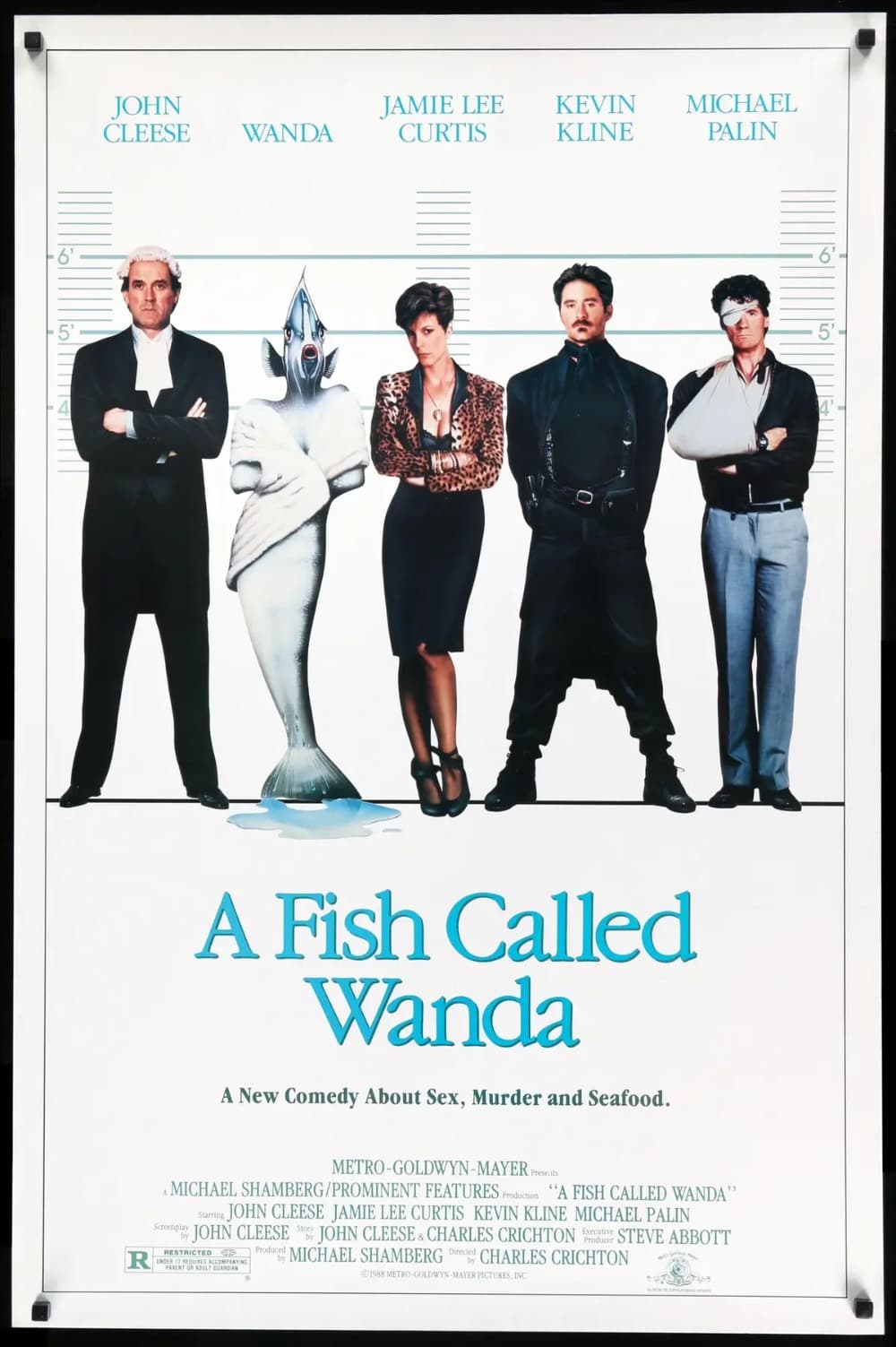
A Danish audiologist reportedly died laughing during a screening: Charles Crichton was seventy-seven and made the fastest farce of the decade, with four thieves who all intend to betray the others.
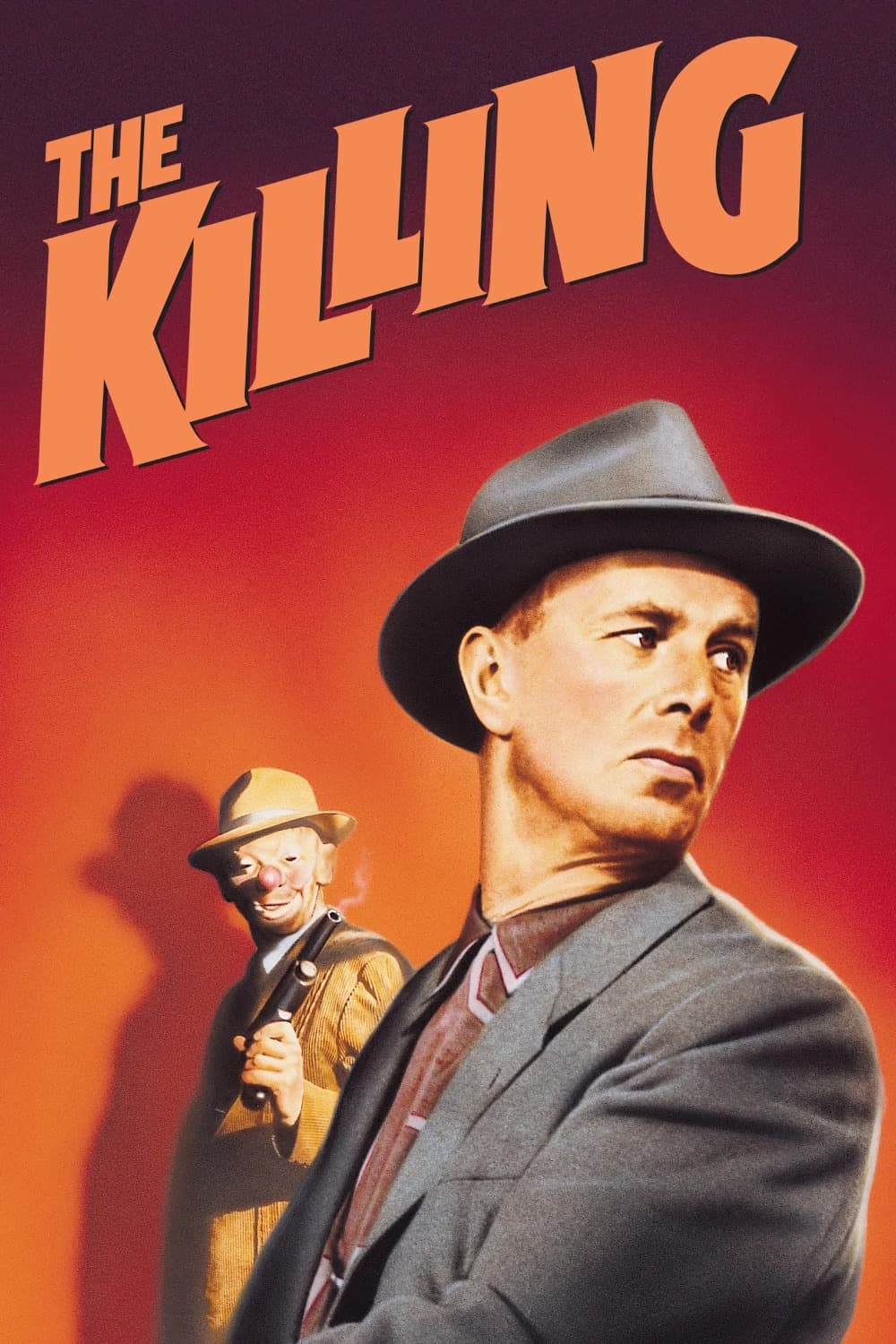
Kubrick was twenty-seven and this is where he became Kubrick: a racetrack robbery told out of order, doubling back to catch each man's hour, thirty years before that felt like a style.
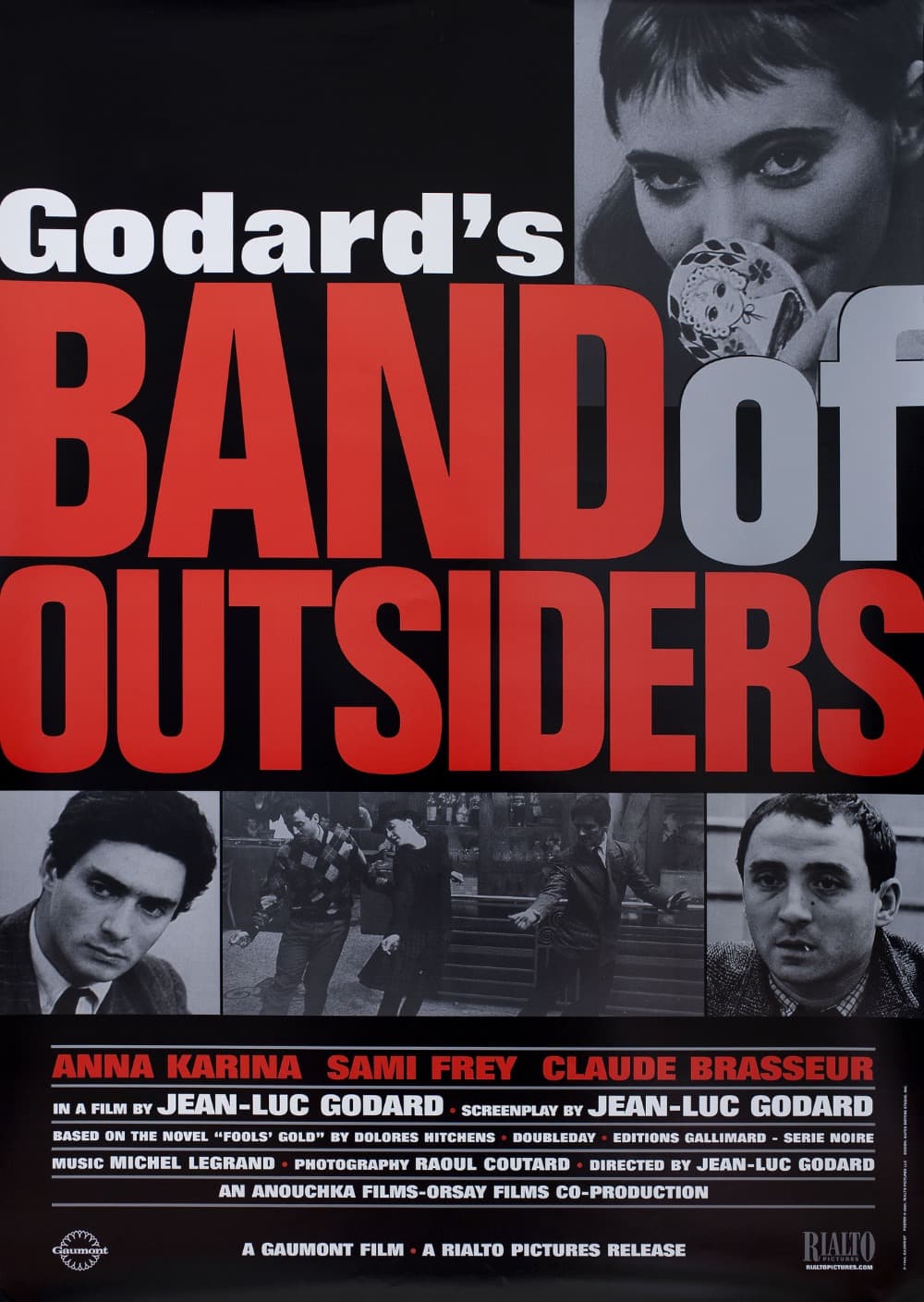
Tarantino named his production company after this film: three young Parisians run through the Louvre in nine minutes and dance the Madison in a cafe, and Godard makes crime look like play.
Russell shot it on bleached film stock so the desert looks radioactive: four American soldiers go looking for Kuwaiti gold in the days after the Gulf War stops, carrying a stolen map.
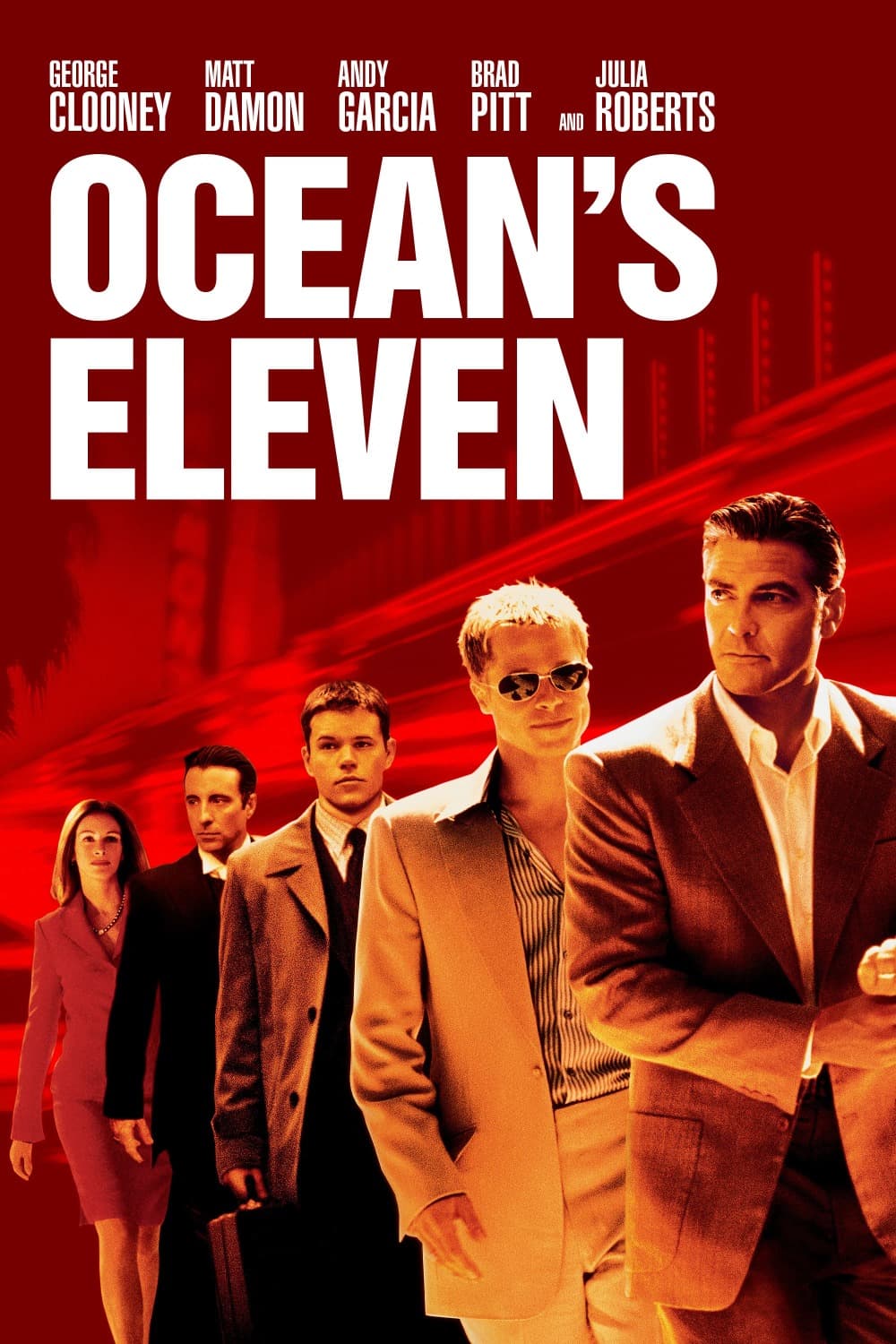
The most relaxed heist film there is: Soderbergh assembles eleven movie stars, lets them amuse one another across two hours, and treats a Las Vegas vault as an excuse for the hangout.
Affleck filmed in the Charlestown blocks the story is about: bank crews in nun masks, and a robber who wants out of a neighborhood with no intention of releasing him.
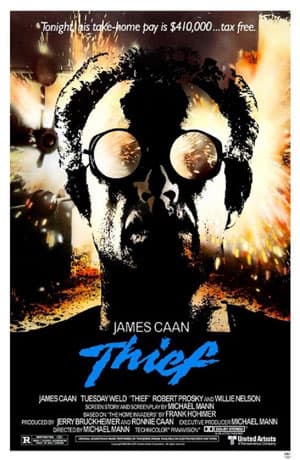
Michael Mann's first theatrical feature, with Tangerine Dream on the score and real ex-burglars advising: a safecracker who has planned his whole future on a diner napkin tries to buy his way out.
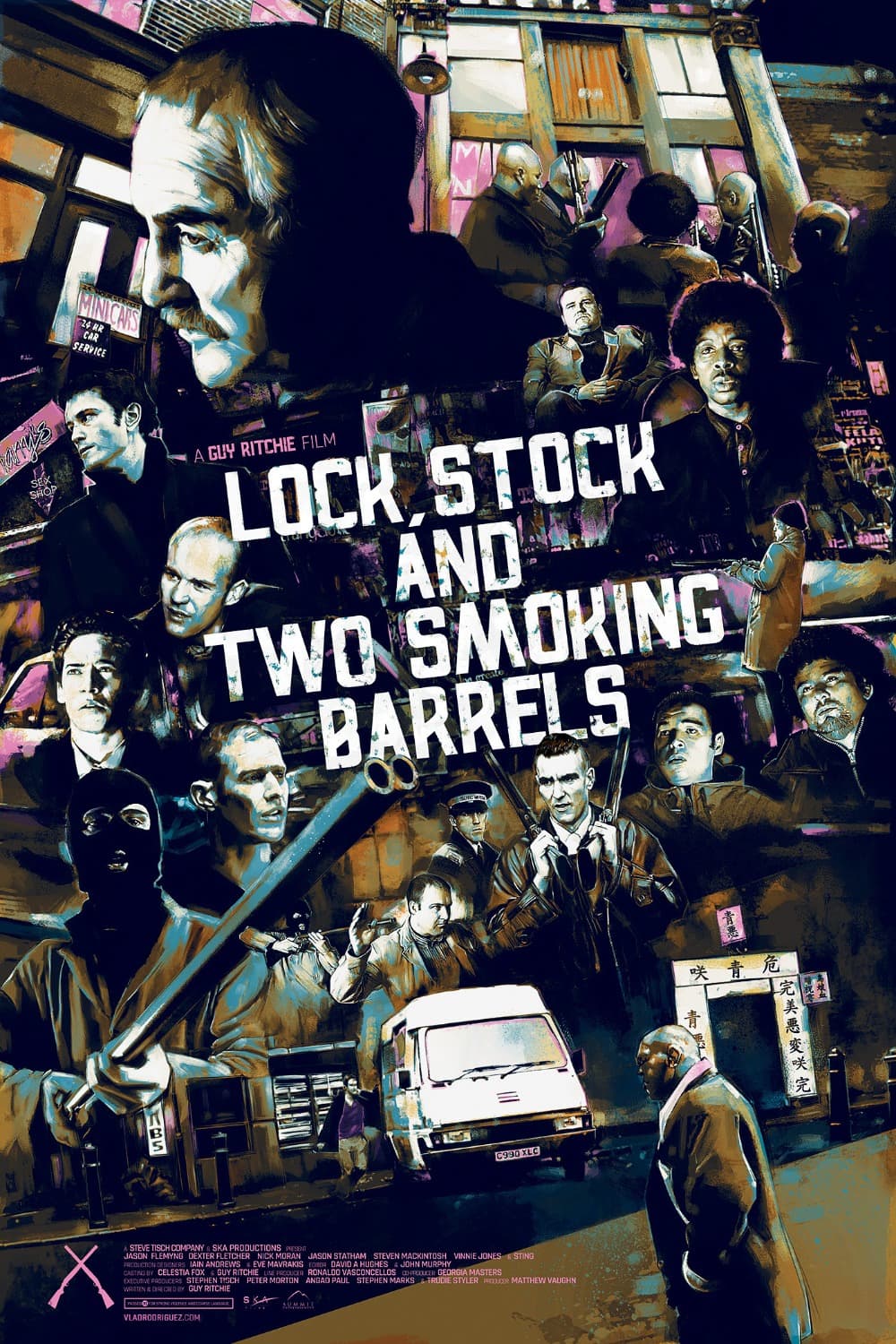
Guy Ritchie raised the money out of favors and cast a professional footballer who had never acted: four London friends owe half a million pounds by Friday, and five plots collide getting it.

Tarantino took the color-coded aliases straight from this for Reservoir Dogs: four men hijack a subway car under Manhattan and Walter Matthau negotiates with them by radio, entirely deadpan.
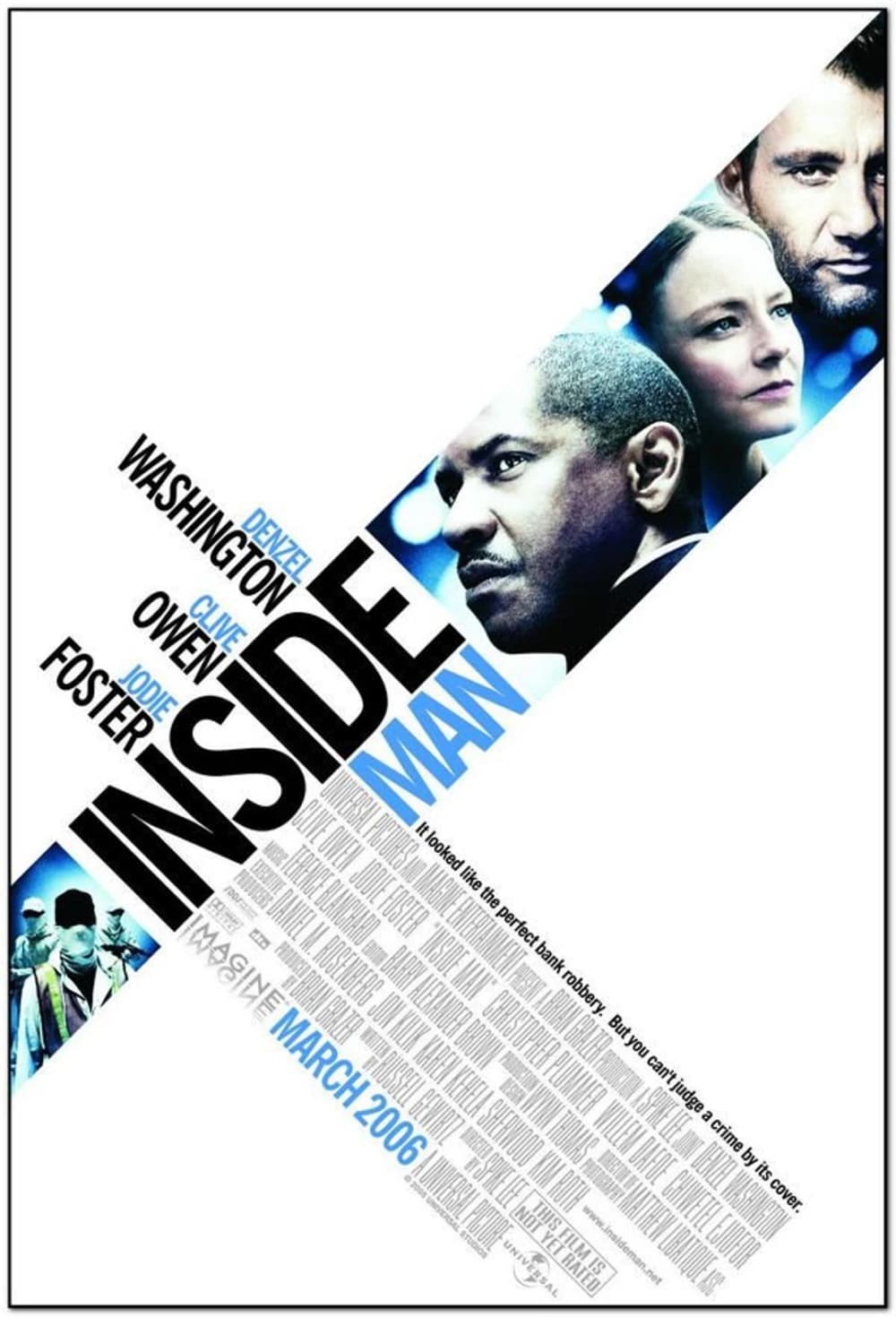
Spike Lee's biggest commercial hit is also his slyest: a rehearsed crew takes hostages inside a Wall Street bank, Denzel Washington negotiates, and Jodie Foster turns up representing somebody nobody can place.
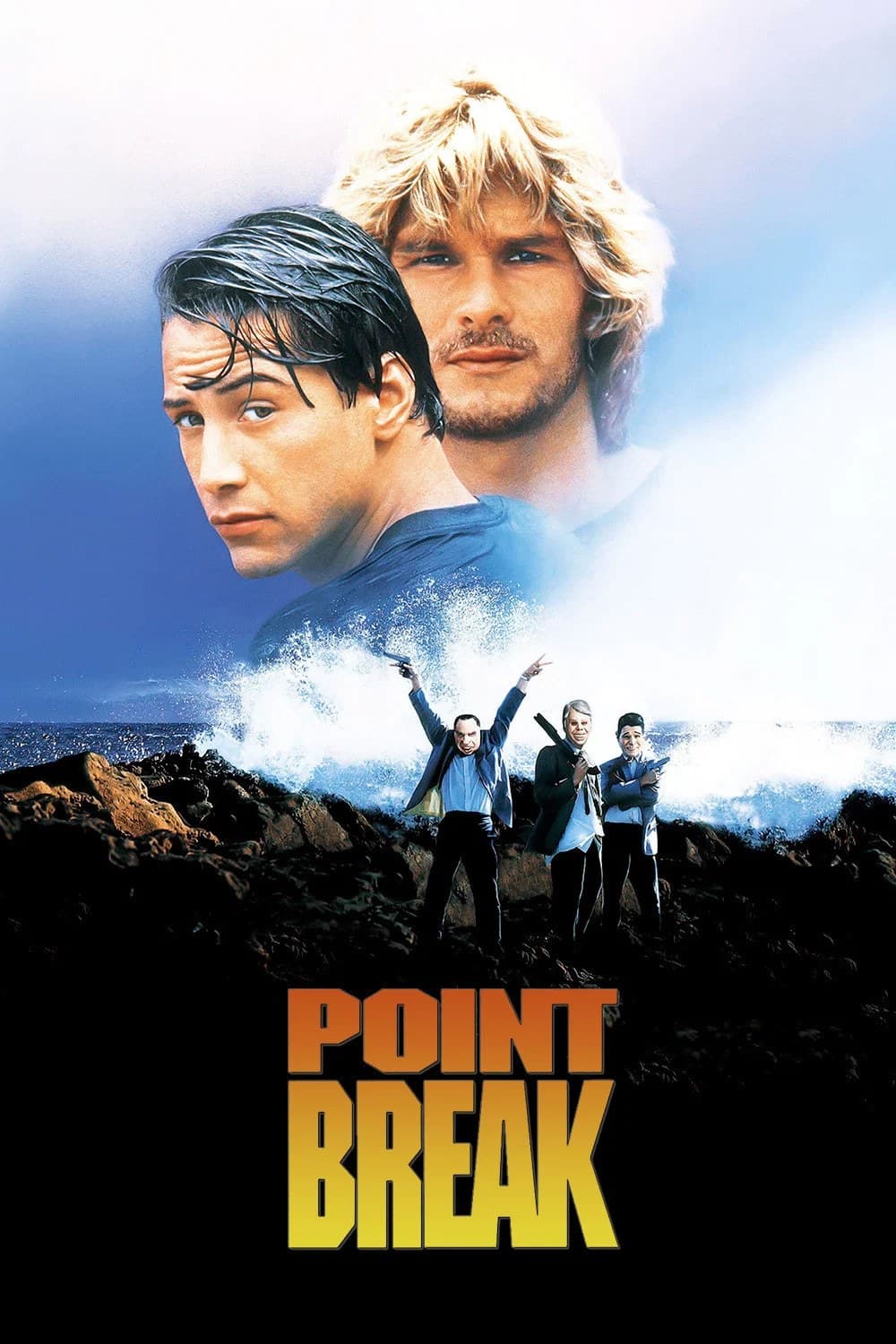
Kathryn Bigelow made the most physically committed action film anyone had attempted: an FBI agent infiltrates a crew of surfers who rob banks in president masks, and starts preferring their company.
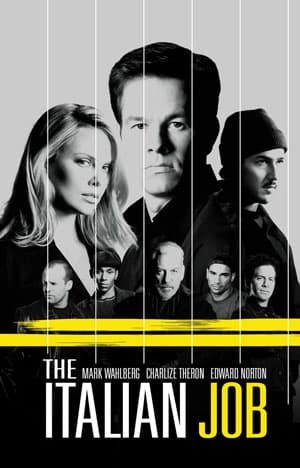
Three Mini Coopers through the Los Angeles storm drains and the Hollywood subway: a remake that keeps only the cars from the original, and stages the best getaway of its decade.
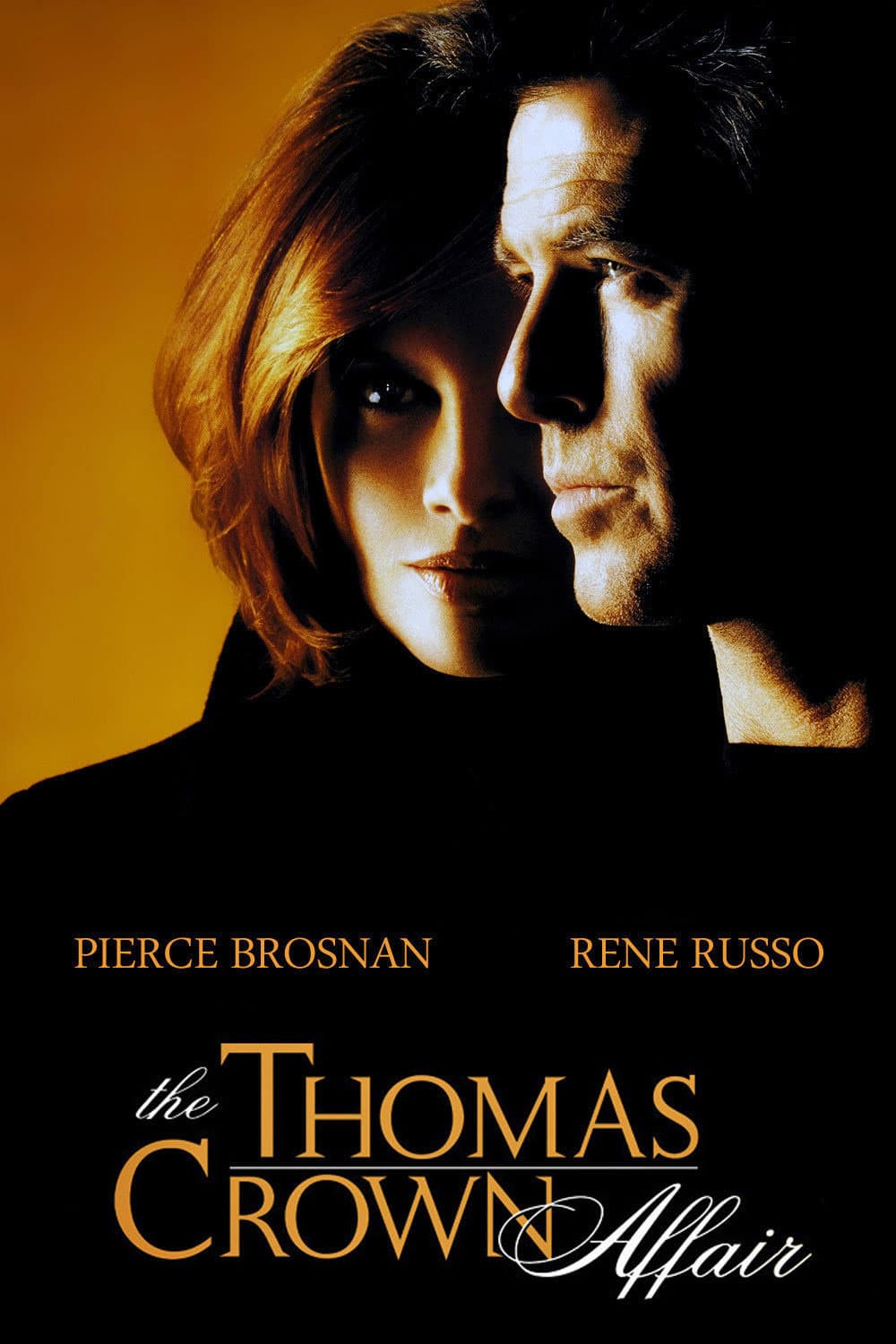
John McTiernan's remake is better than the original and knows how adult it is: a billionaire steals a Monet for entertainment, and the insurance investigator enjoys the chase as much as he does.
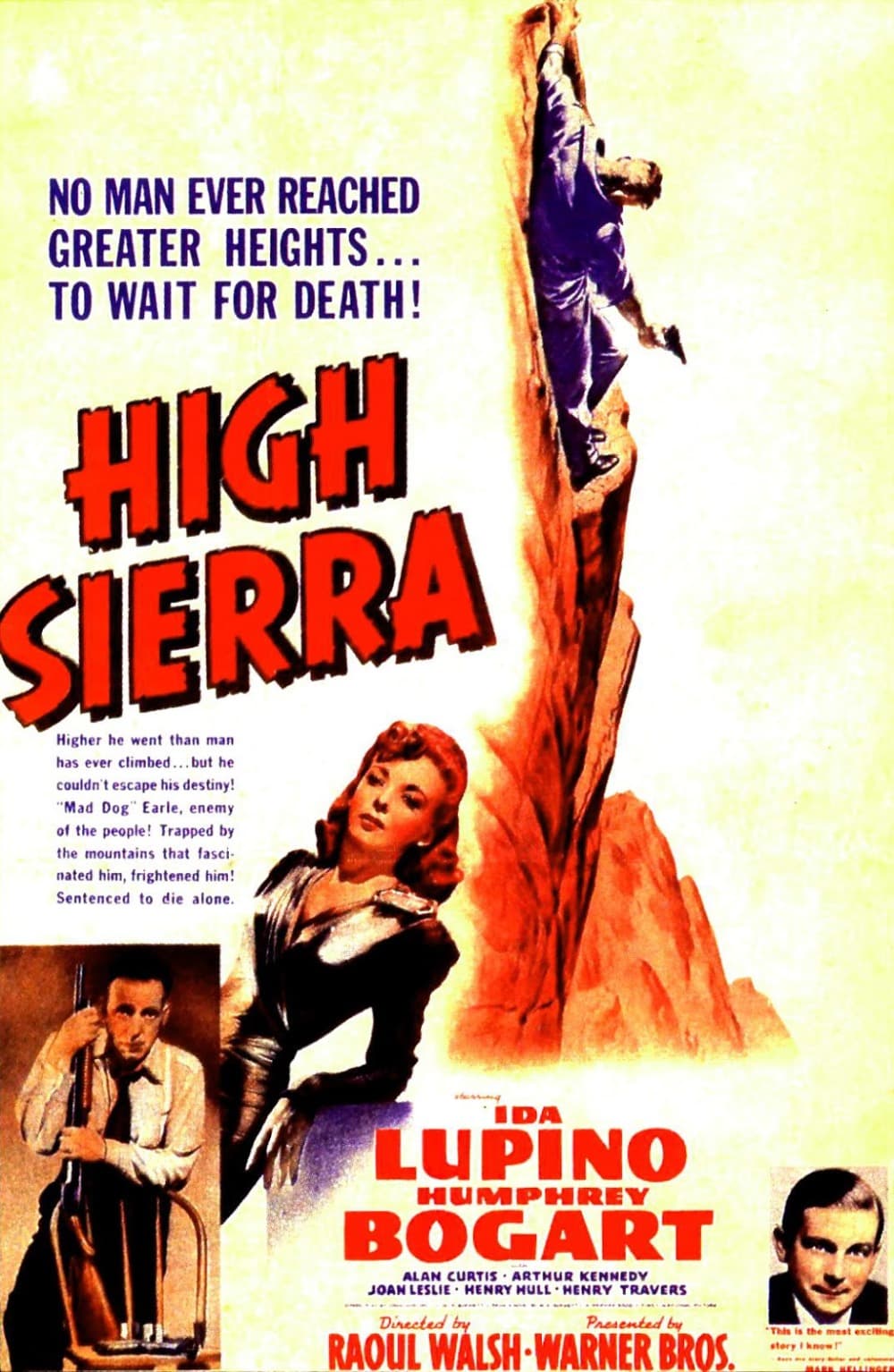
Ida Lupino had top billing and Bogart got the part after George Raft turned it down: John Huston co-wrote it, and an aging gunman takes one last job in the Sierra Nevada.