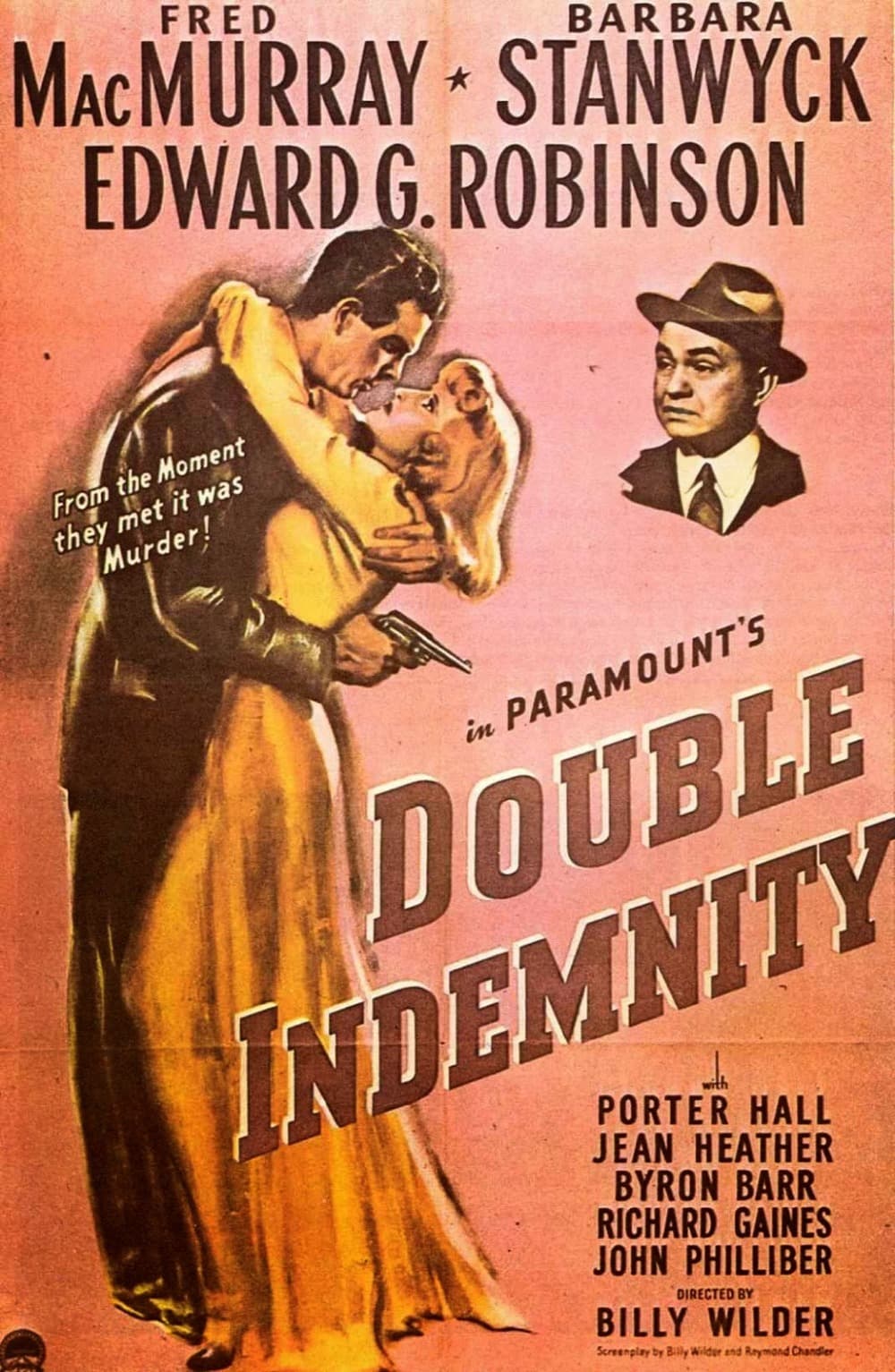
Double Indemnity
Directed by Billy Wilder
1944
Film noir gets its blueprint here: Wilder and Chandler wrote dialogue nobody has matched for hardness, and set the pattern of the doomed man telling his own story.
★ 9.0
 skopia
Film noir gets its blueprint here: Wilder and Chandler wrote dialogue nobody has matched for hardness, and set the pattern of the doomed man telling his own story.
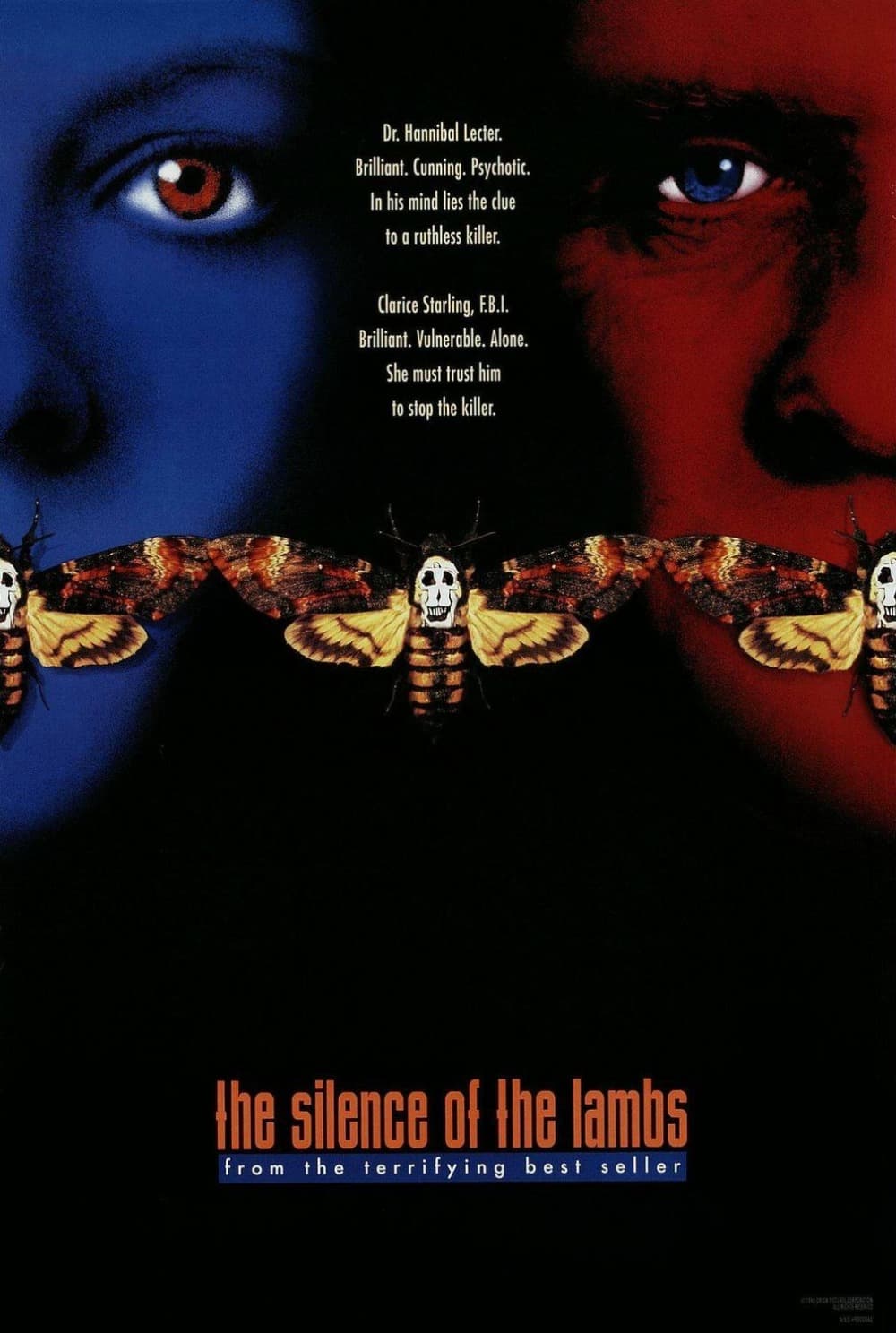
Hopkins is on screen for a fraction of the film and won an Oscar anyway: Demme shot the interviews straight down the lens so Lecter looks directly at you.
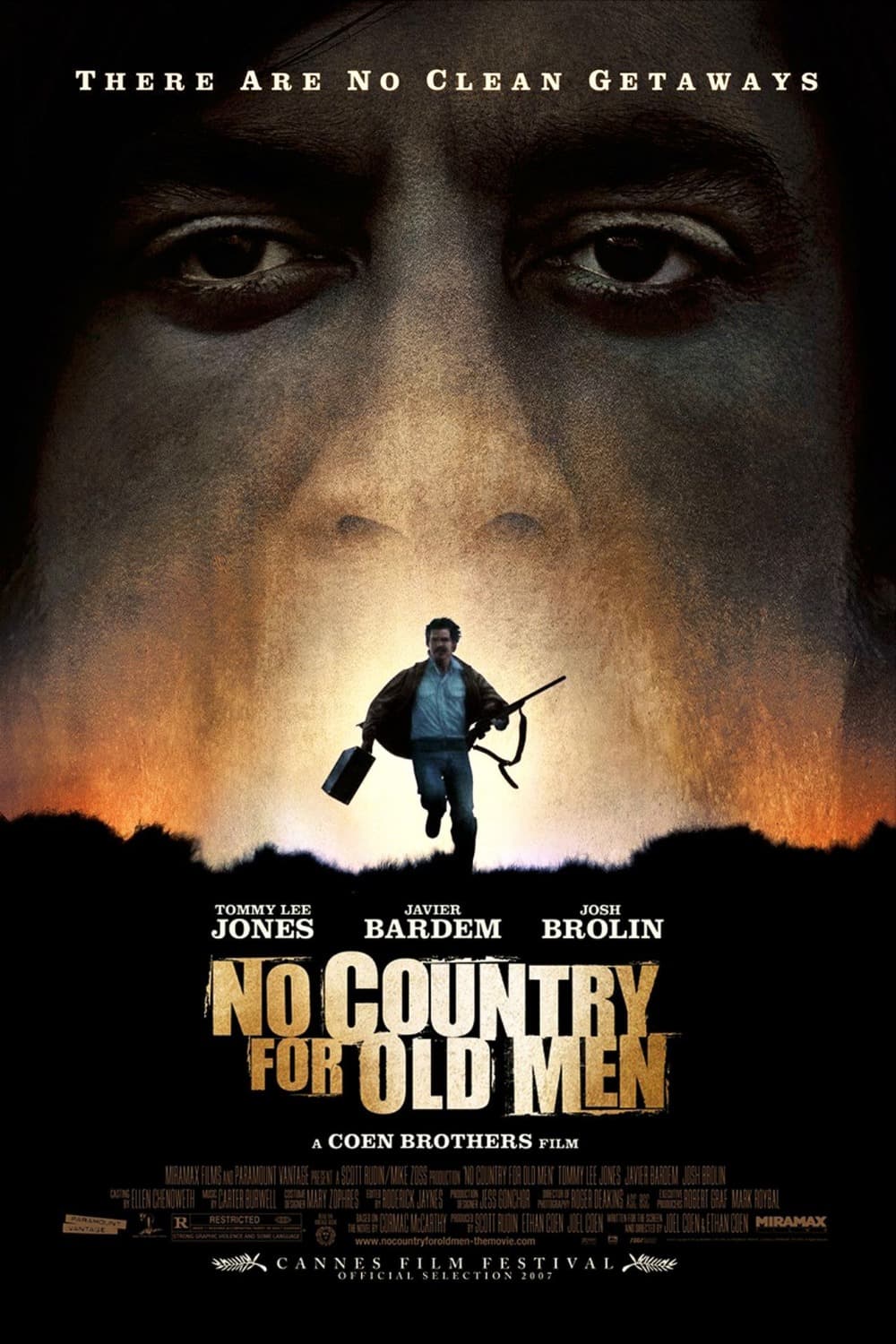
The Coens made a chase film with almost no music in it at all: Javier Bardem's killer with a cattle gun became the most frightening figure of the decade.
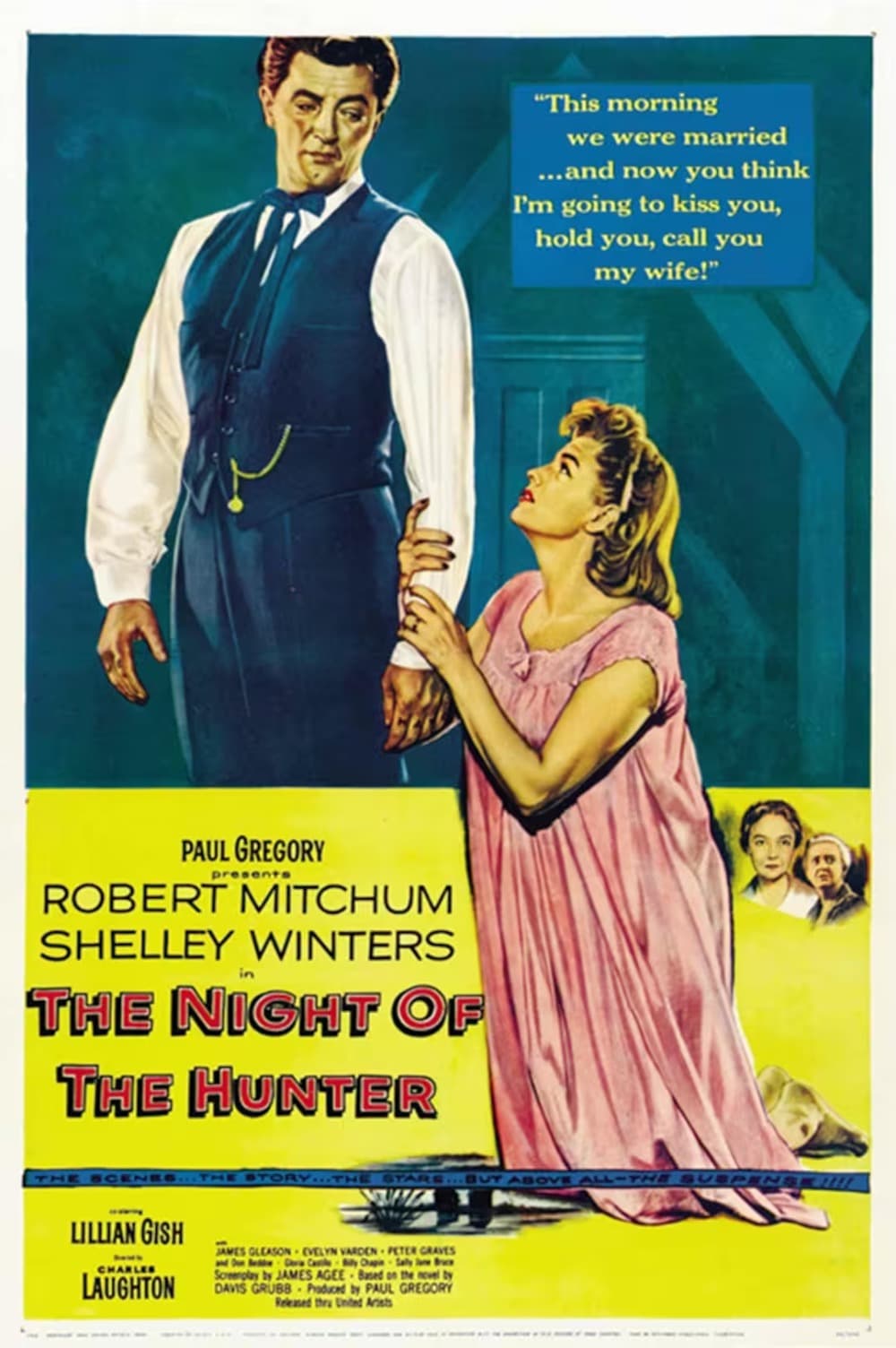
Charles Laughton never directed again after it failed, and critics have spent seventy years calling it a masterpiece: a preacher with tattooed knuckles and two children on a river.
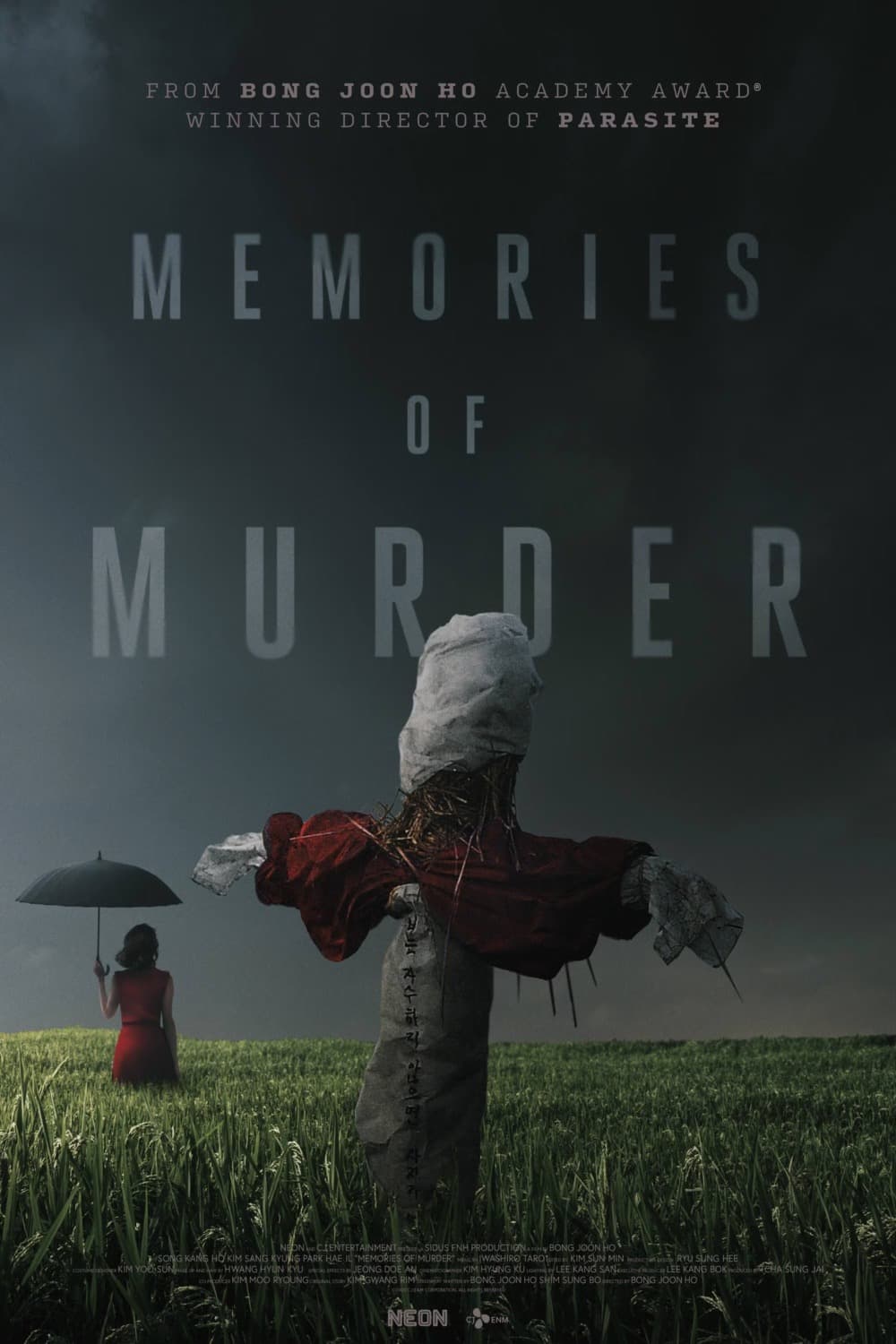
Bong made a serial killer film in which the police are the problem: it is based on a real case, and rural Korea itself ends up looking like the suspect.
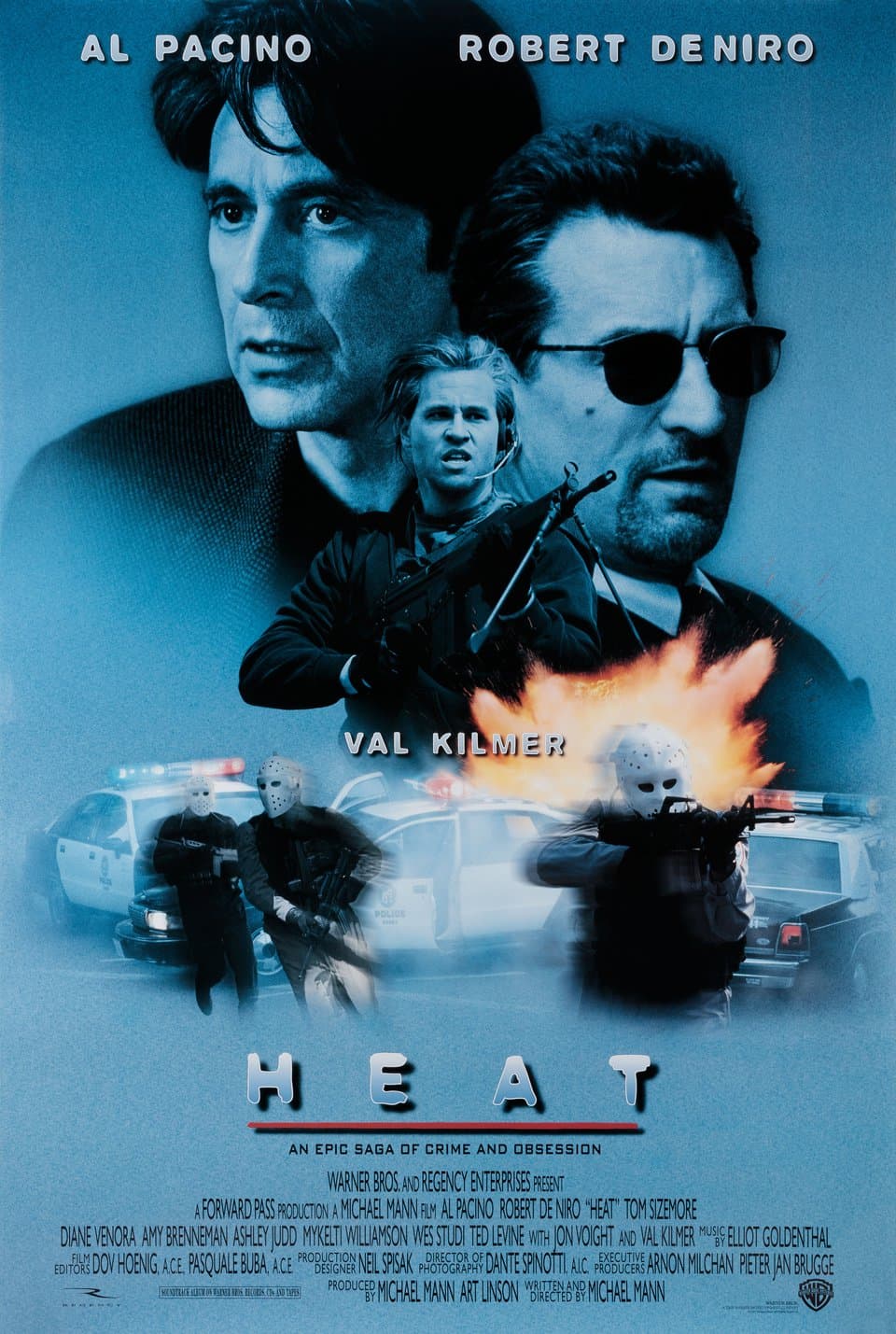
Police forces train on the shootout and every heist film since has copied it: Mann also got De Niro and Pacino into one diner booth for the first time.
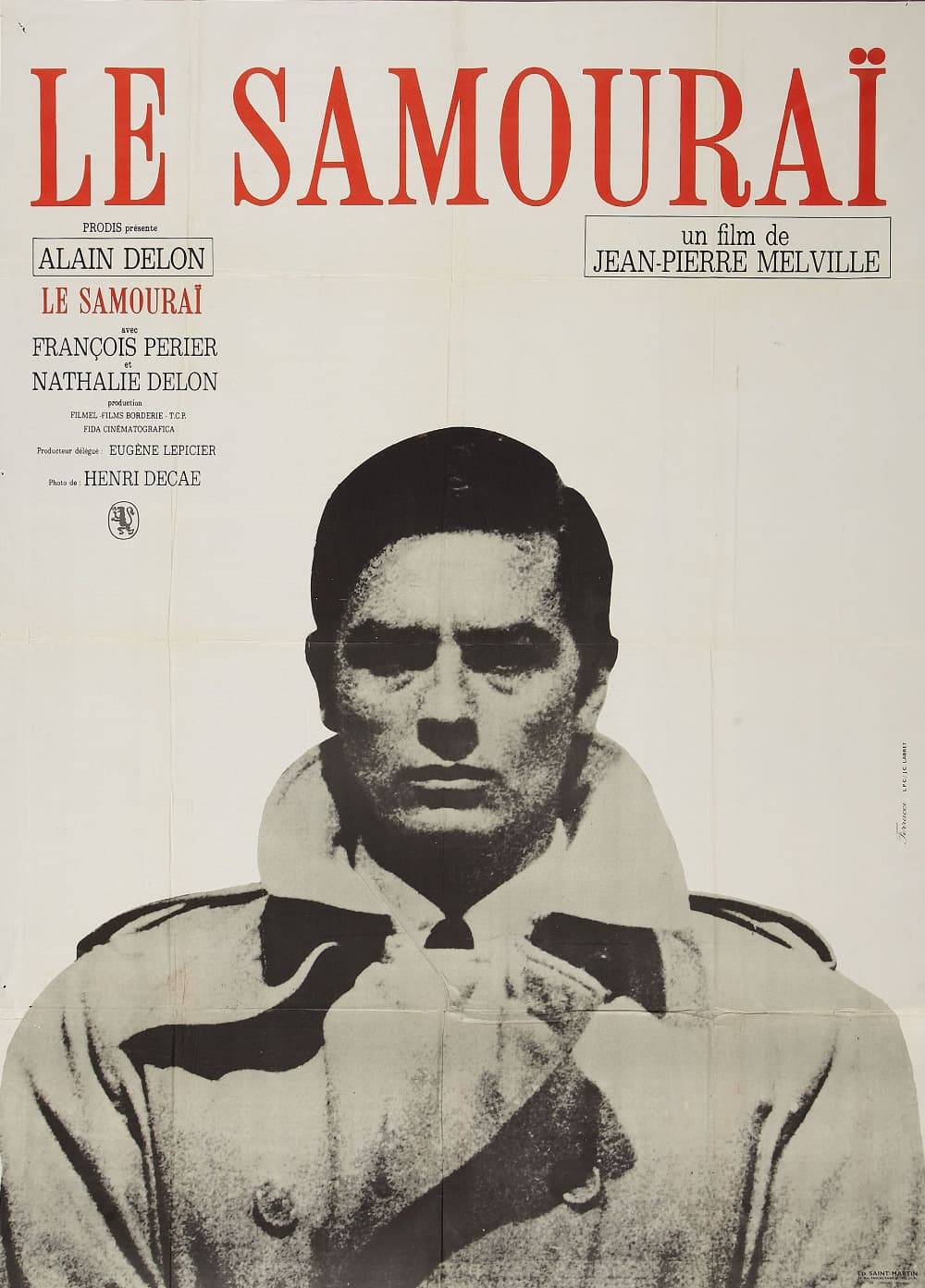
Every filmmaker who has ever shot a hitman putting on a hat is quoting this: Melville stripped the crime film down to ritual, silence and a trench coat.
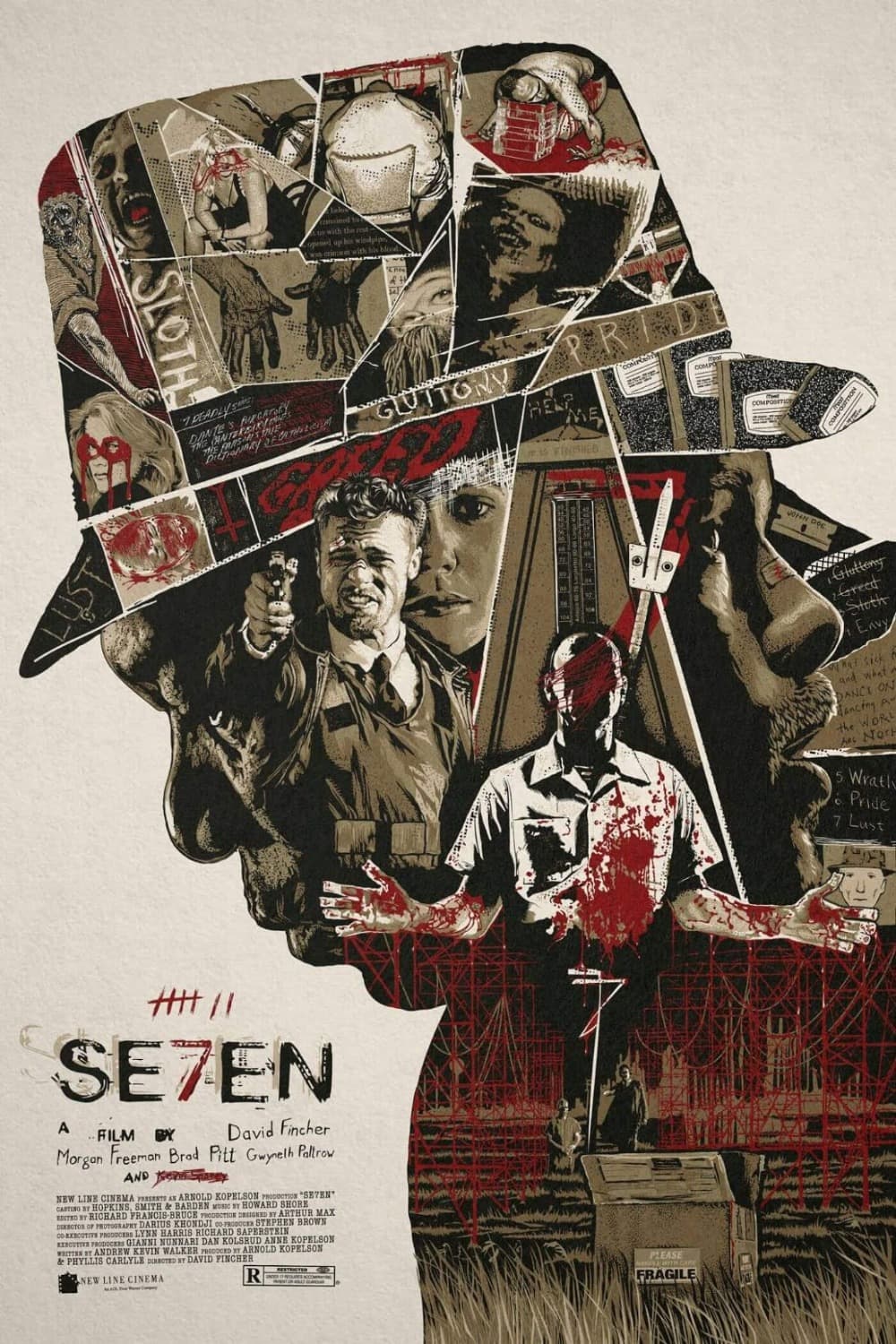
The studio wanted the ending changed and Fincher refused, and studios then spent a decade trying to reproduce the atmosphere: a procedural so bleak the rain never stops.
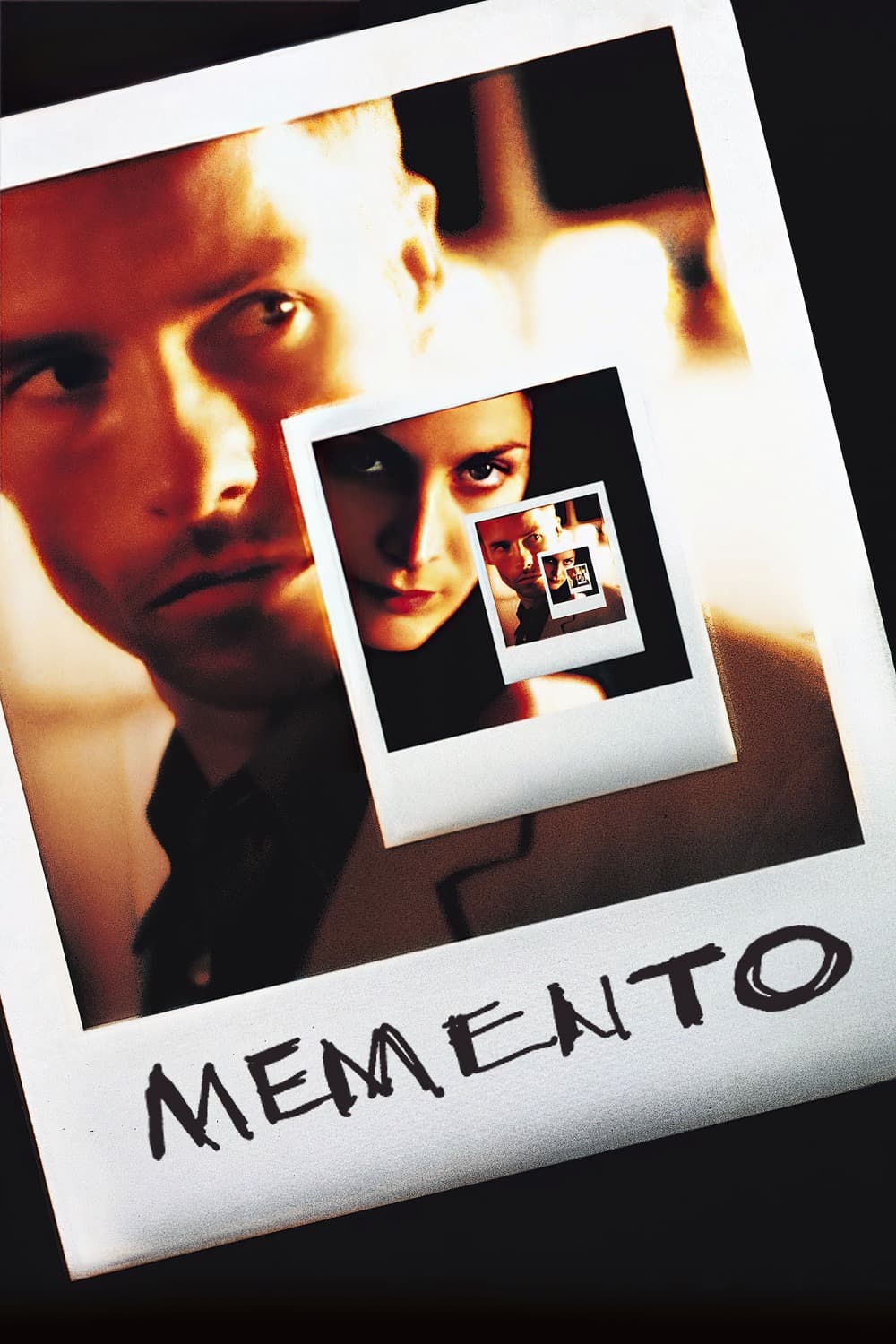
Nolan told it backwards and the trick is not a trick: the reverse order strands you exactly where its amnesiac protagonist lives, knowing only the last five minutes.
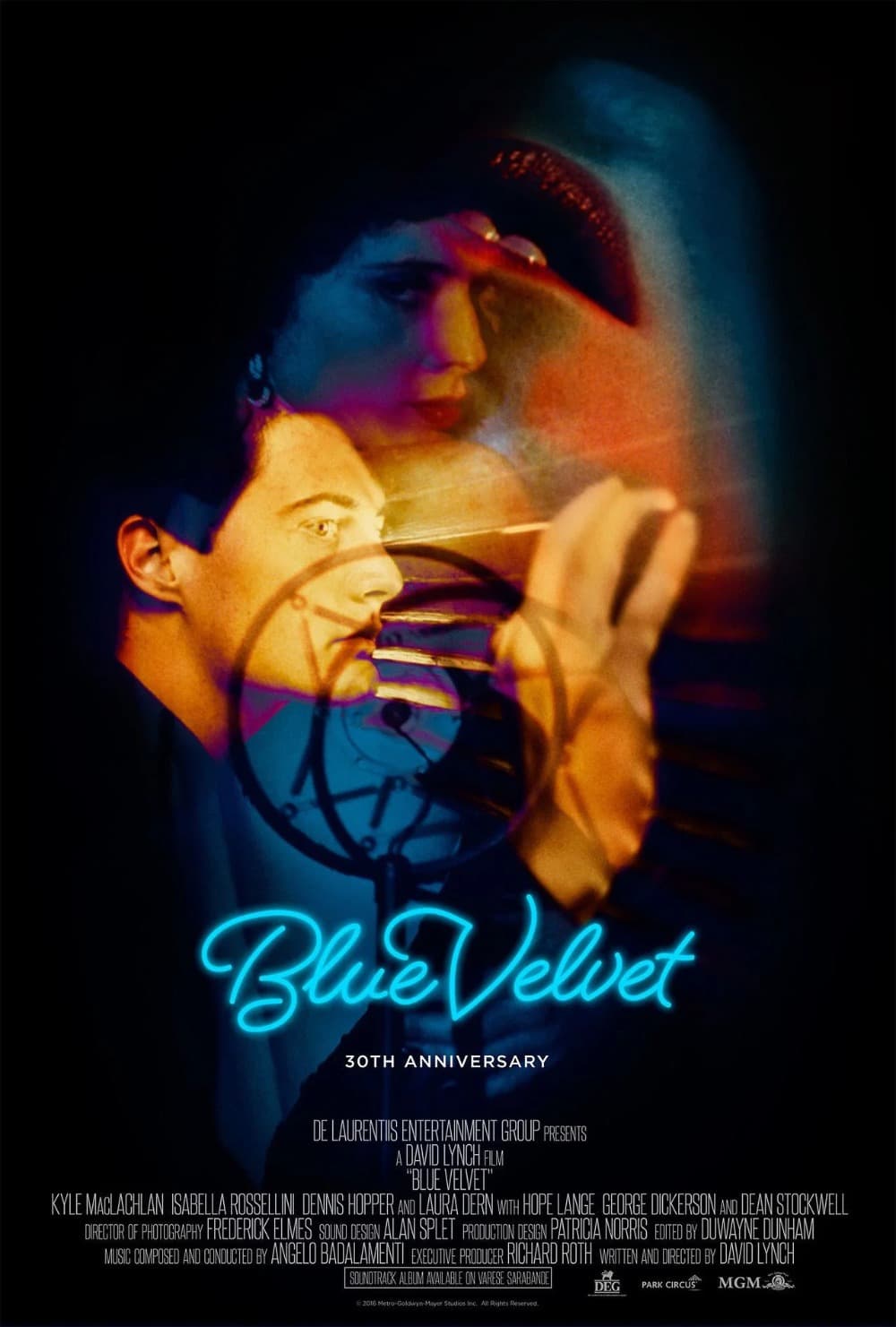
Lynch invented his own genre here and the word Lynchian dates from it: a severed ear in a field leads into the underside of an ordinary American town.
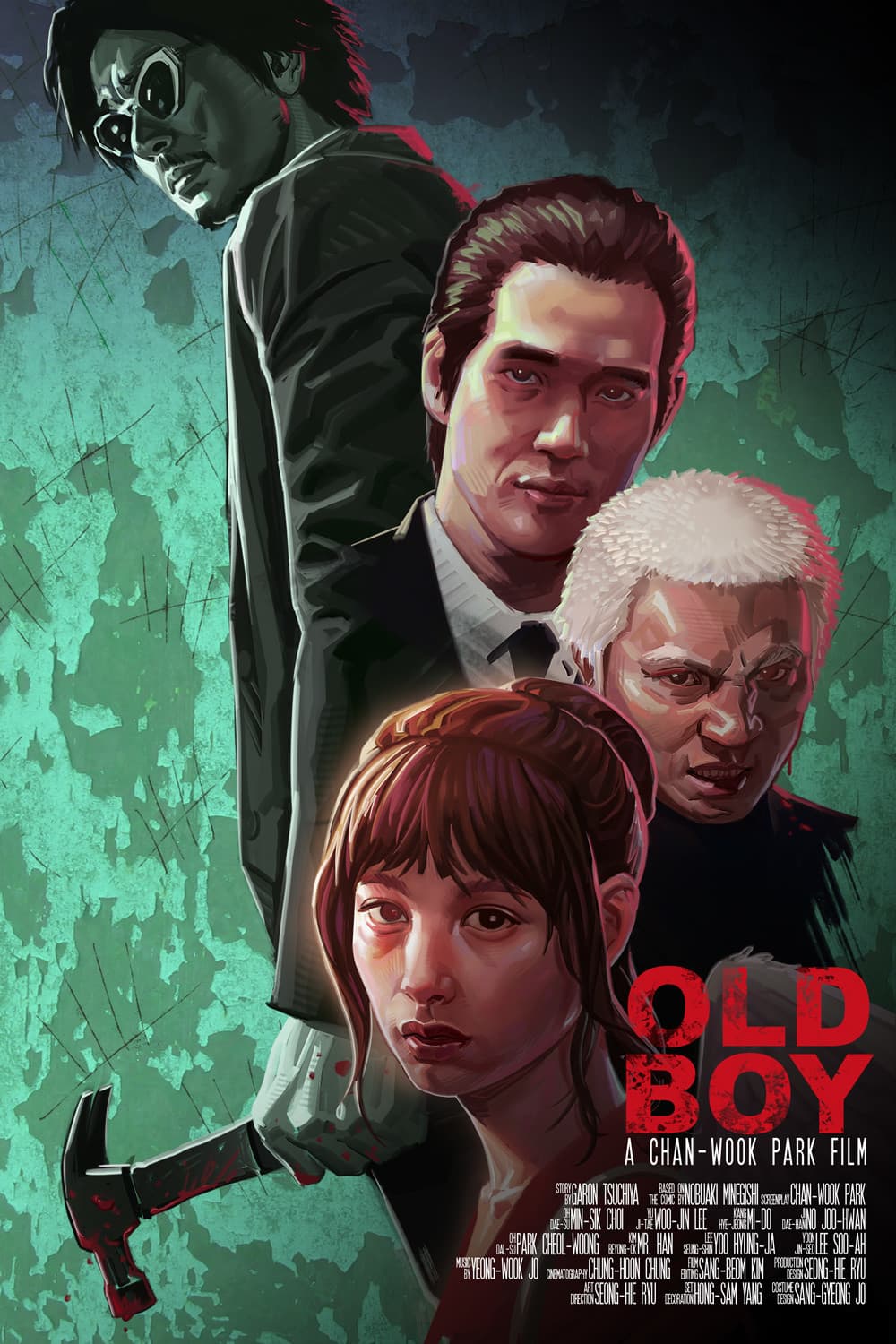
Korean cinema broke through in the West on the strength of this: fifteen years locked in a room without explanation, and a corridor fight staged in one take.
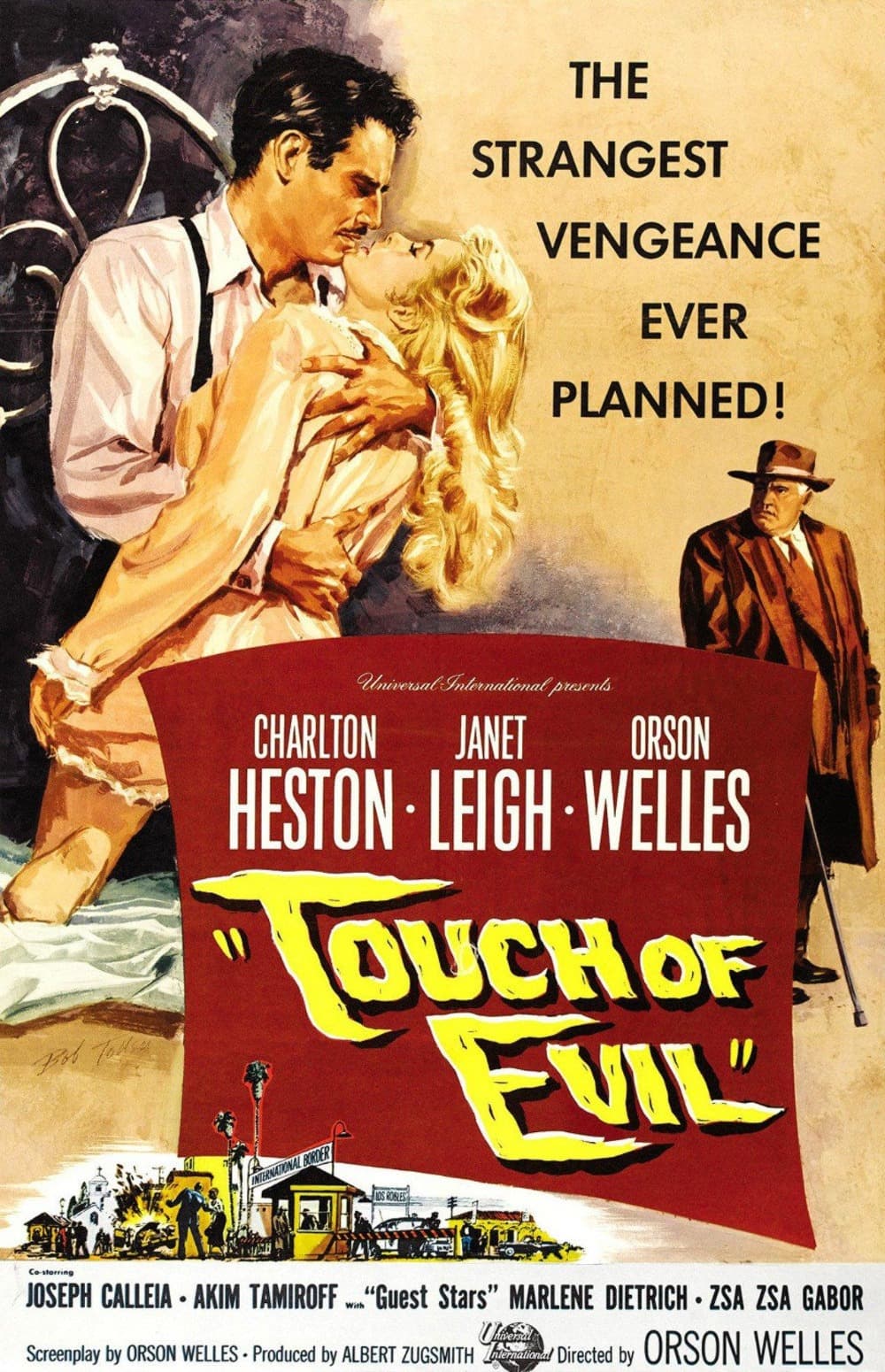
The opening crane shot is the most studied three minutes in film school: Welles was fired off his own picture, and the version we watch was restored from his memo.
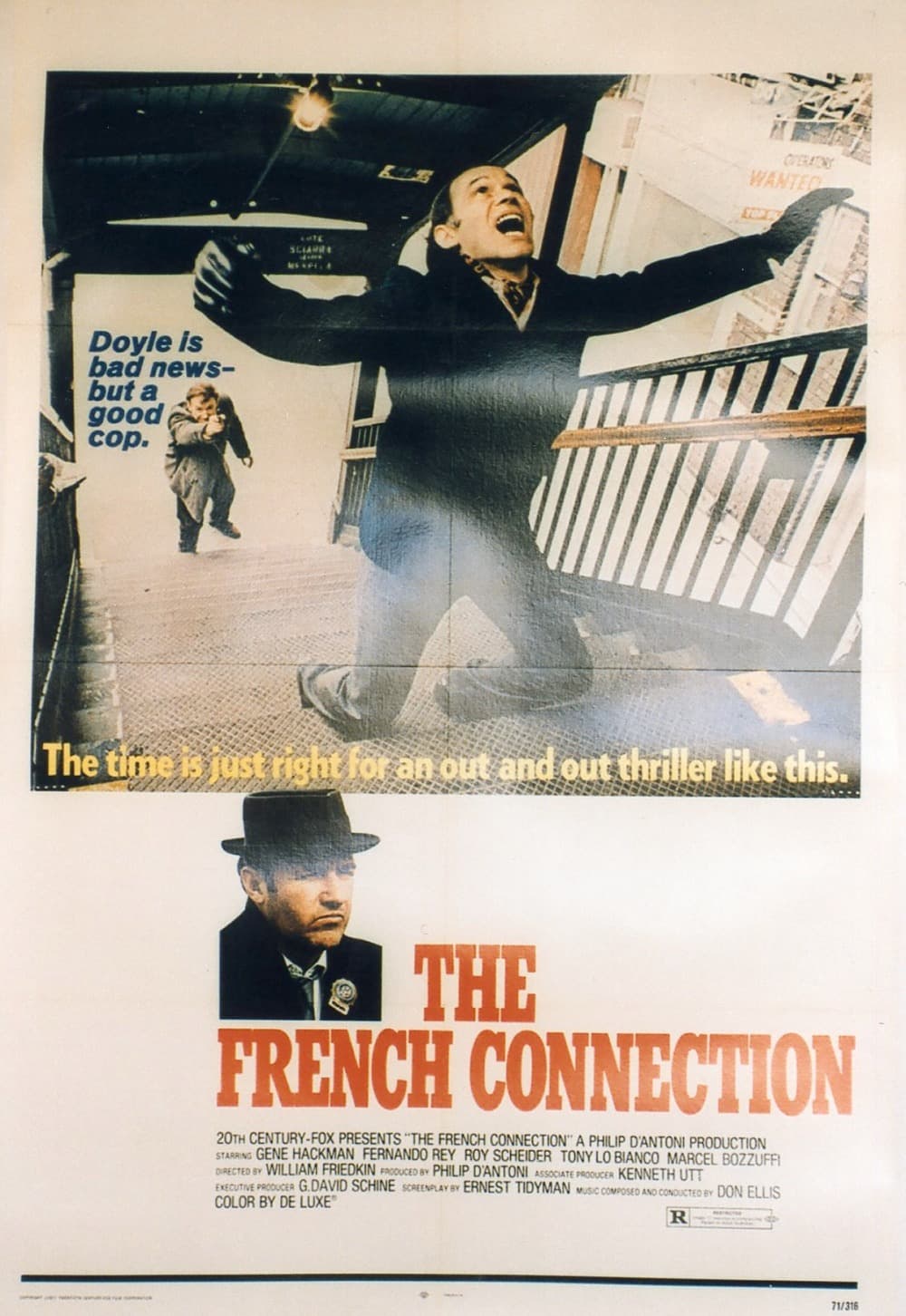
It made the car chase in Bullitt look choreographed: this one was shot without permits, at ninety miles an hour, through real Brooklyn traffic that nobody had cleared.
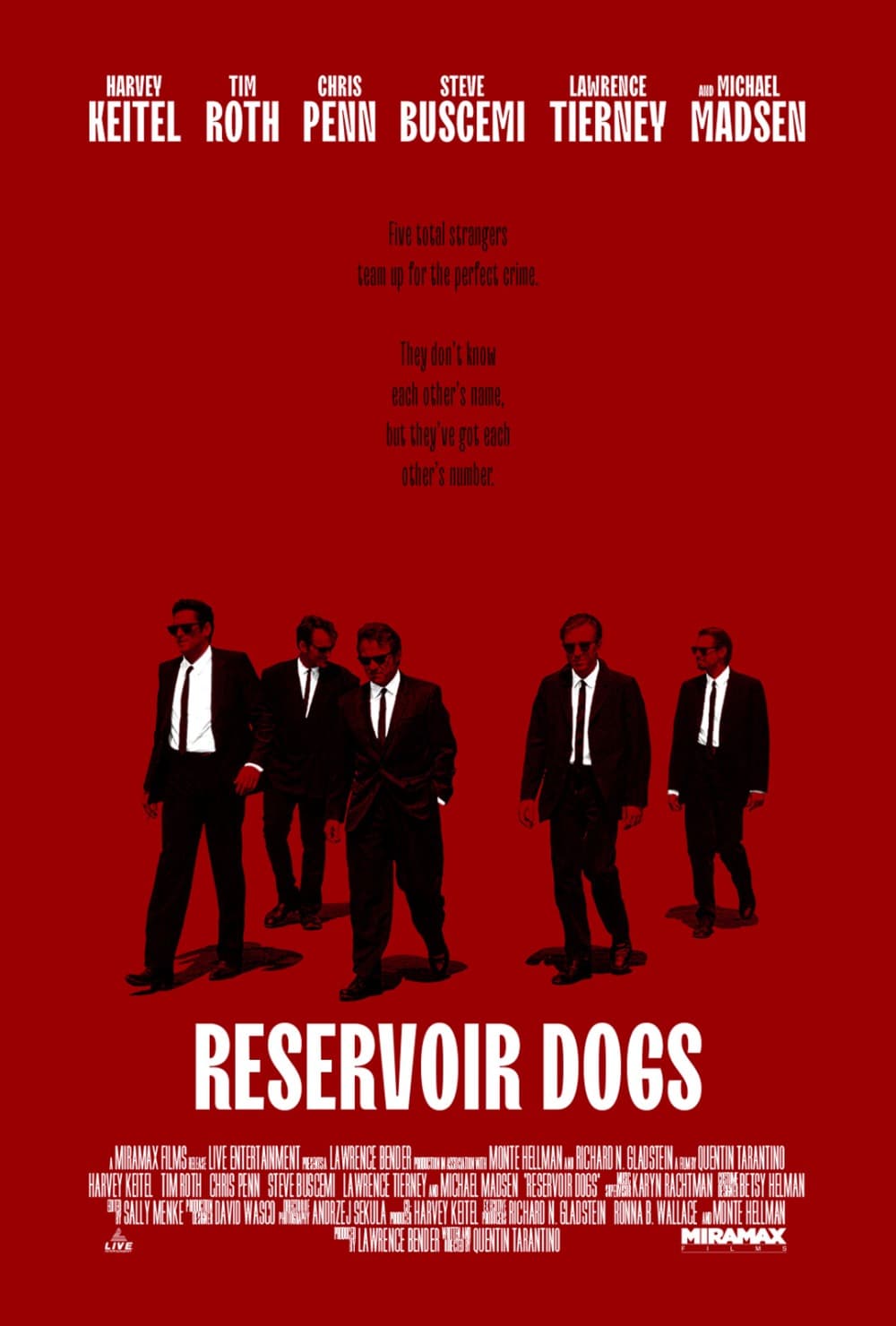
Tarantino arrived fully formed with a heist film that never shows the heist: everyone is in a warehouse afterward, suspecting everyone else and talking far too much.
Almost nobody guesses where it is going the first time: five criminals meet in a police lineup, and the whole story reaches you secondhand from an interrogation room.
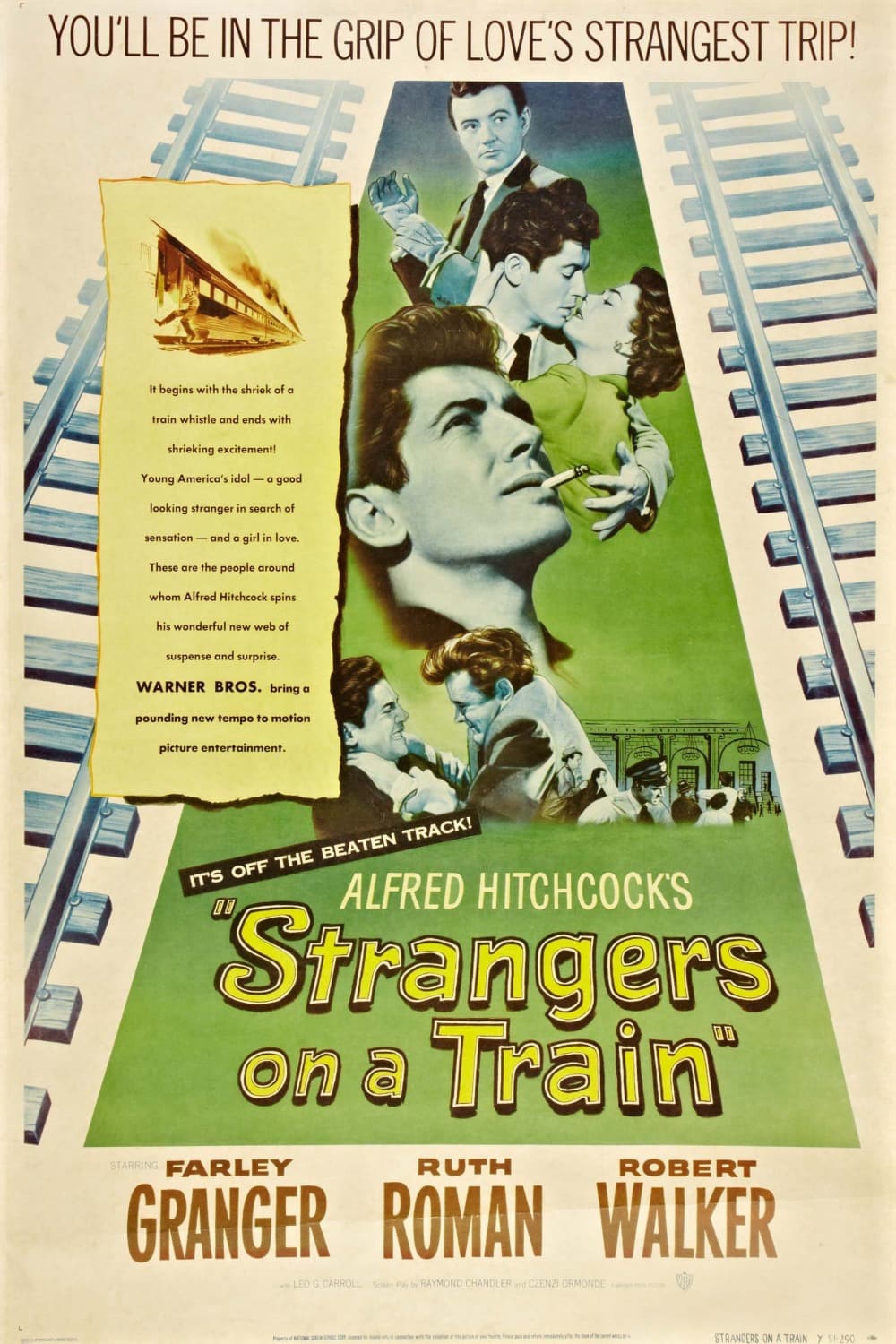
The premise is so clean that thrillers have been borrowing it for seventy years: two men meet on a train and one of them proposes swapping murders.
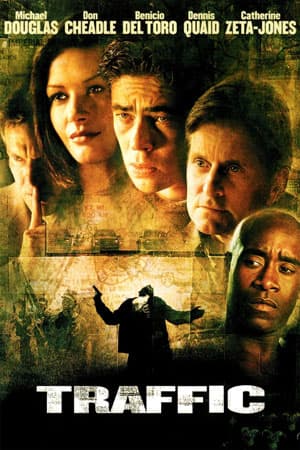
Soderbergh color-codes three separate drug-war stories so you always know which one you are in, then declines to let any of them resolve into a tidy lesson.
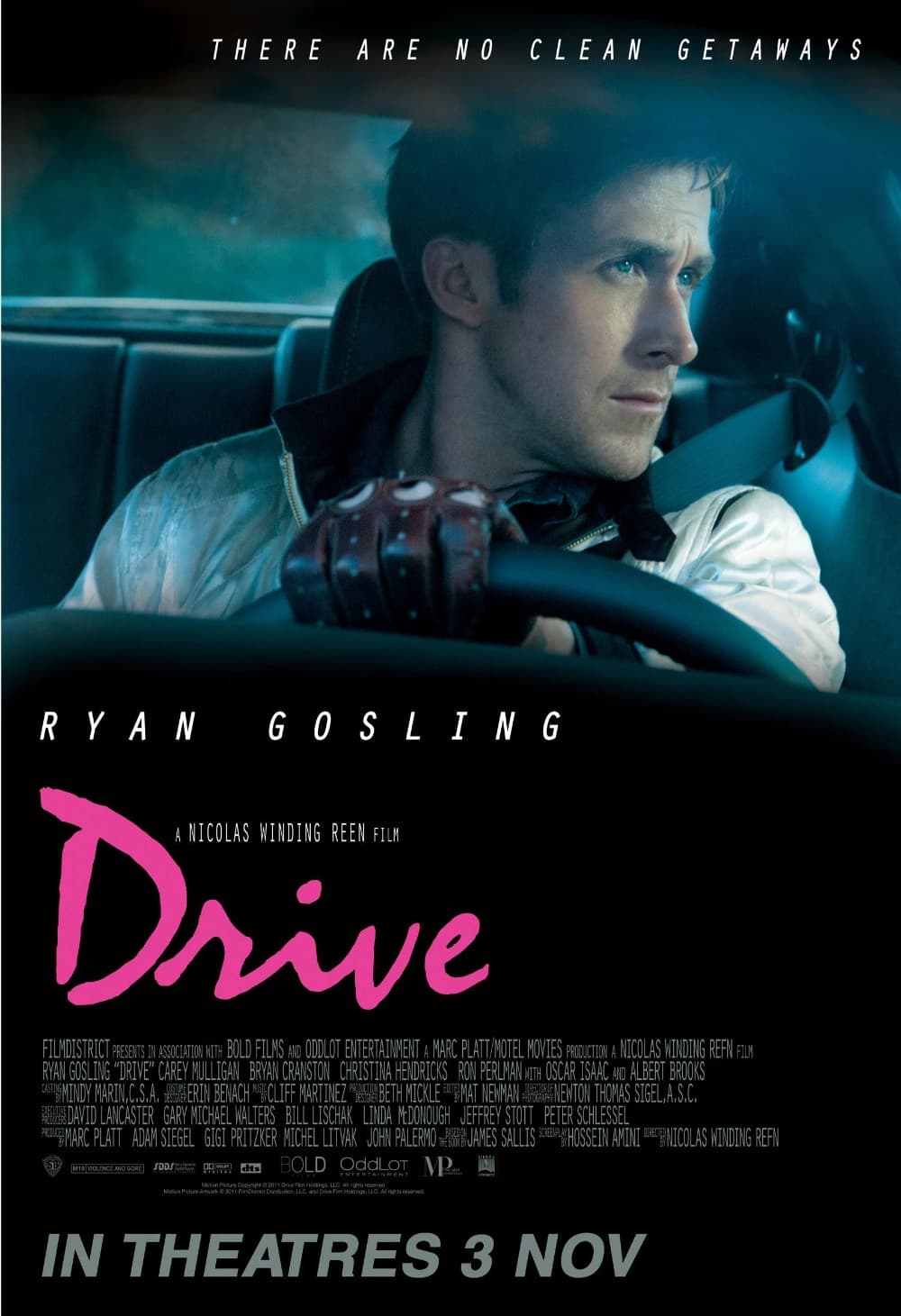
It looks and sounds like nothing else from its decade: neon Los Angeles, a synth score, a driver who barely speaks, and sudden violence that arrives without warning.
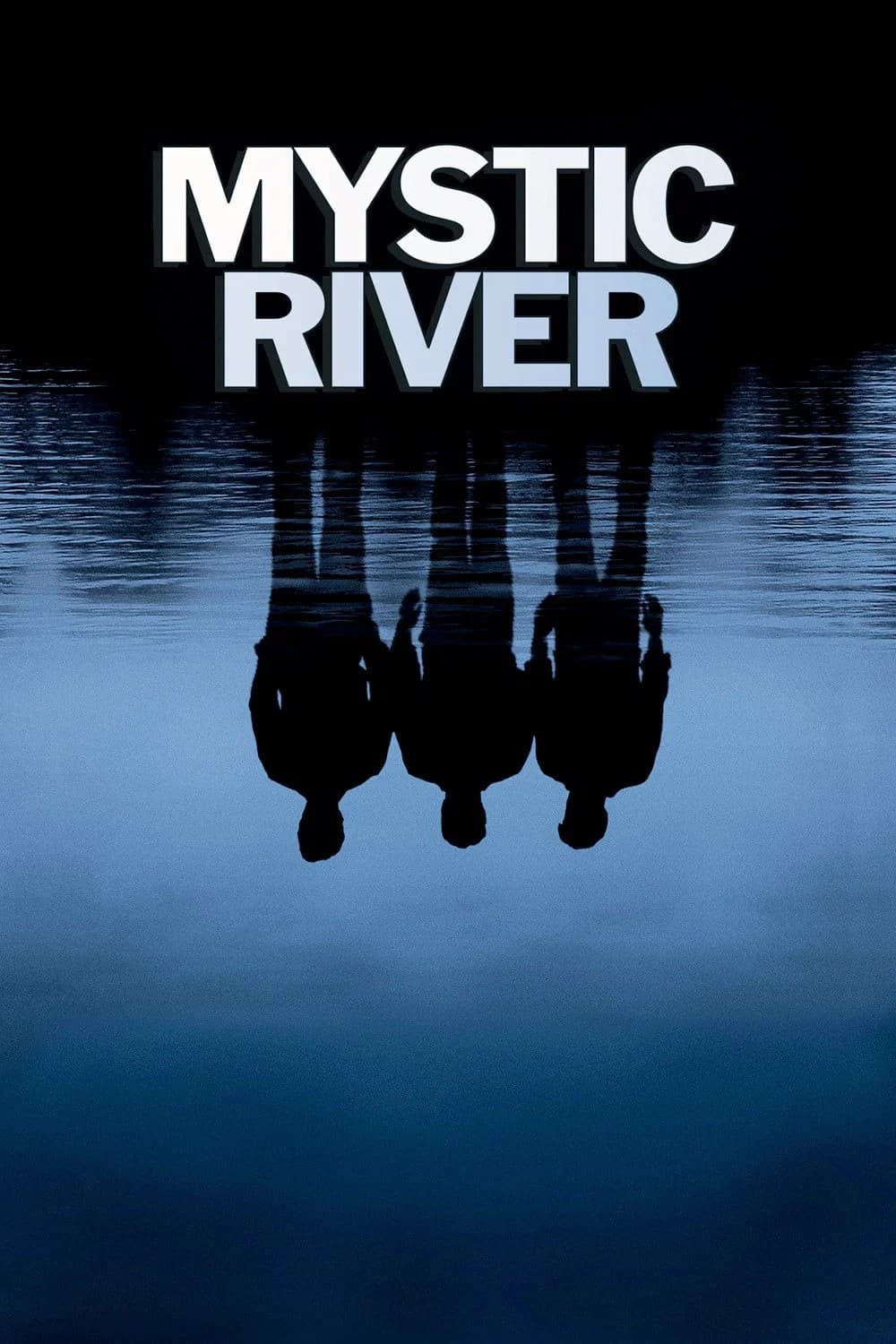
Eastwood's bleakest film: three boys from one Boston block grow into three men, and a murder pulls them back to the afternoon that separated them, with no interest in comforting anyone.
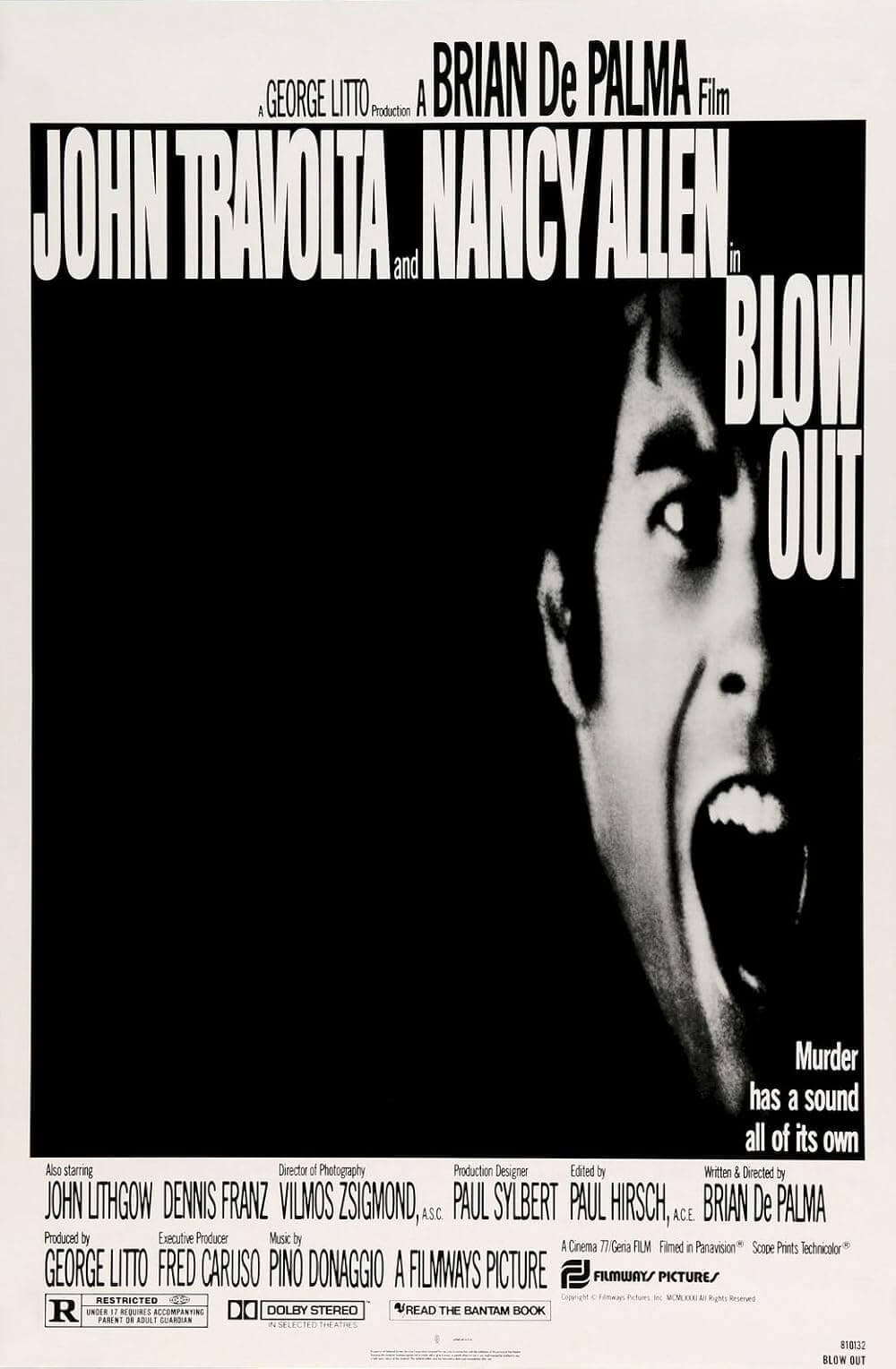
Travolta's best performance is in a thriller that flopped and spent forty years being rediscovered: a movie sound man records an accident and hears something that should not be on the tape.
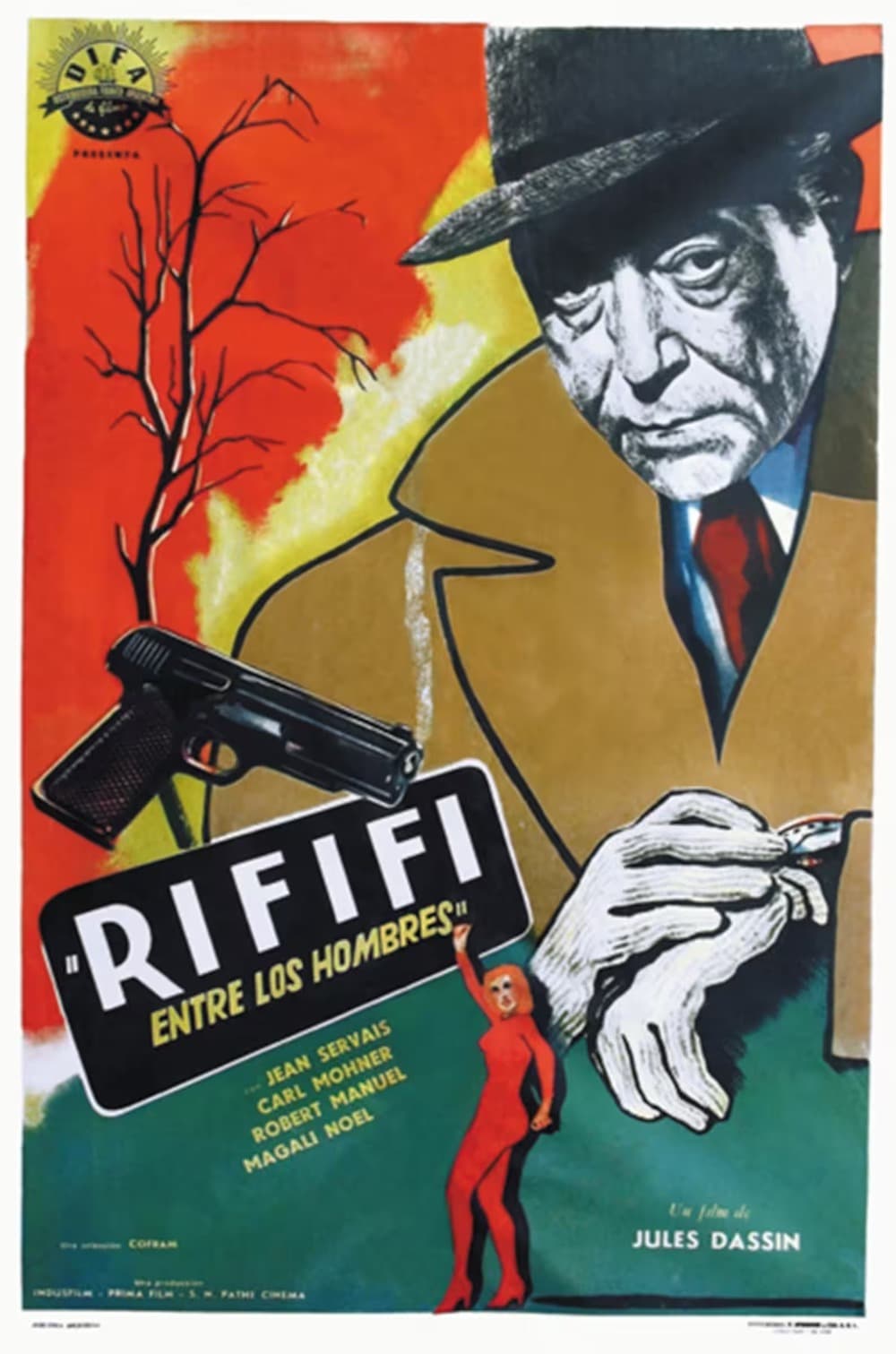
Dassin was blacklisted out of Hollywood and made this in France for almost nothing: the half-hour robbery at its center plays in near-total silence, and the genre has been imitating it since.
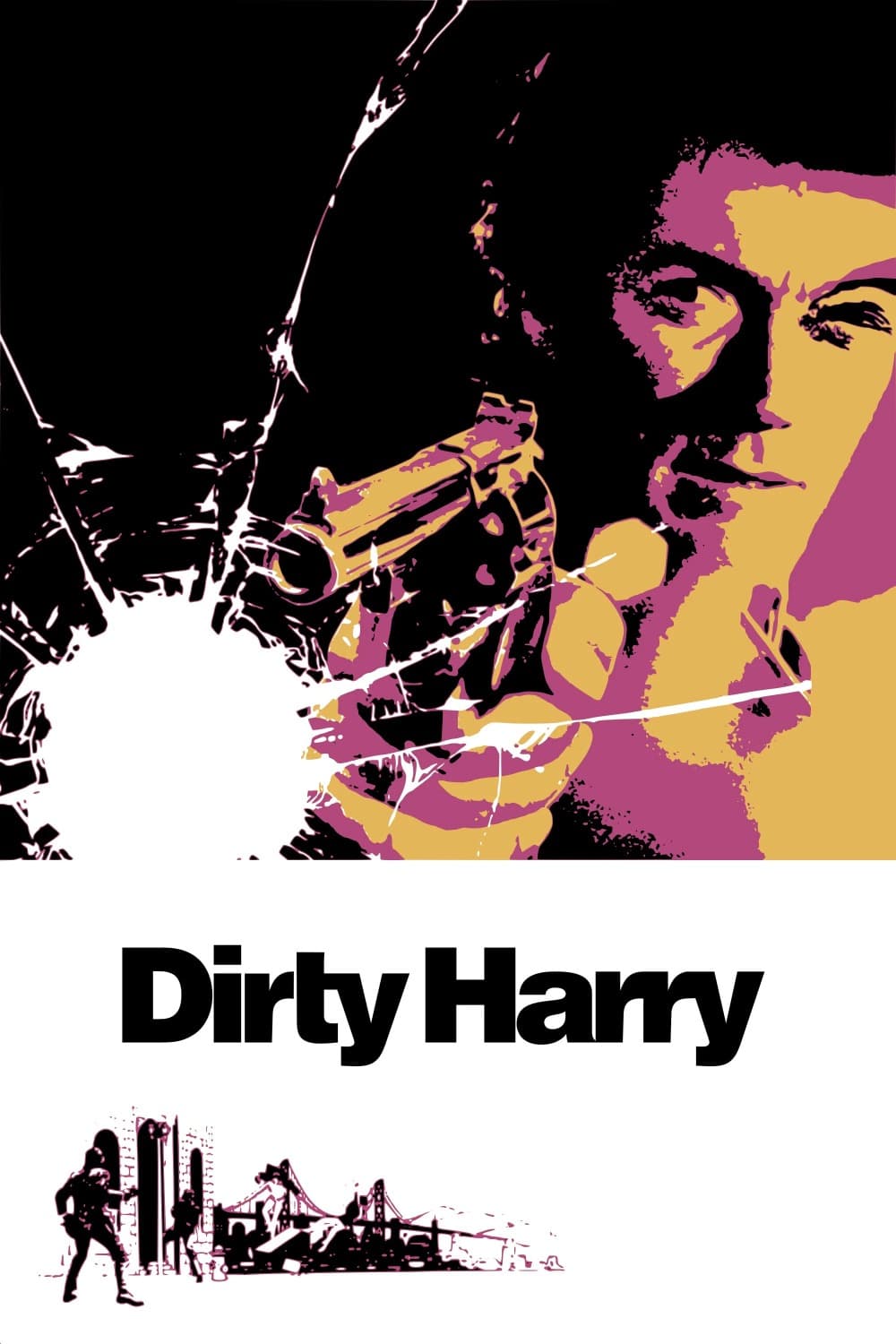
Pauline Kael called it fascist and the argument has never really ended: Eastwood's inspector chases a Zodiac-like killer through San Francisco with a .44 Magnum and open contempt for procedure.
Nothing else captures the pull of wanting somebody else's life this well: Minghella fills the Italian coast with sunlight and good clothes, and lets a young man's envy curdle in plain sight.
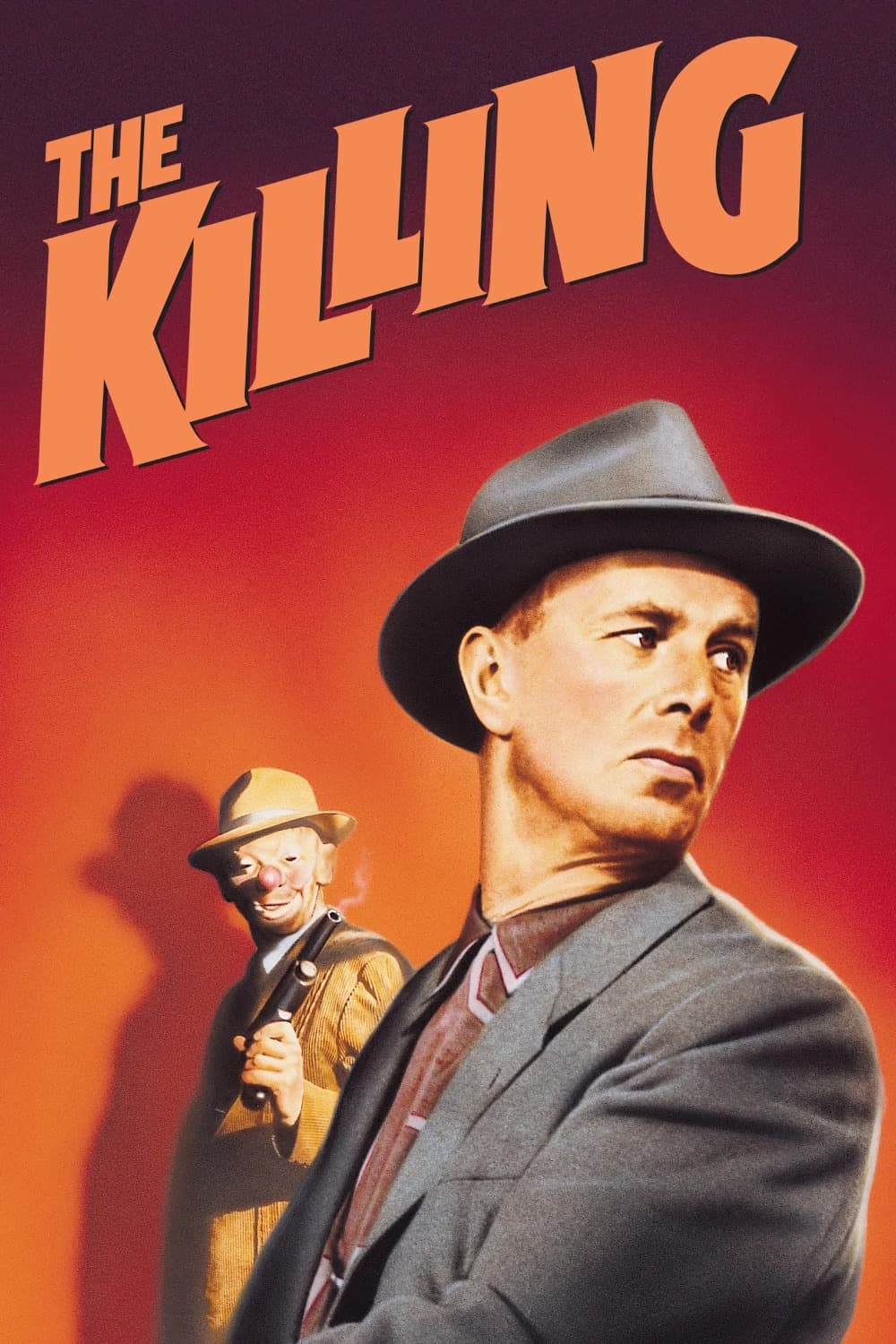
Kubrick was twenty-seven and this is where he became Kubrick: a racetrack robbery told out of order, doubling back to catch each man's hour, thirty years before that felt like a style.
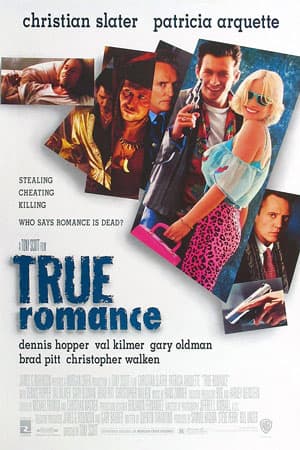
Tarantino sold this script to pay for Reservoir Dogs and Tony Scott shot it with real affection: a comic book clerk and a call girl leave Detroit with the wrong suitcase.
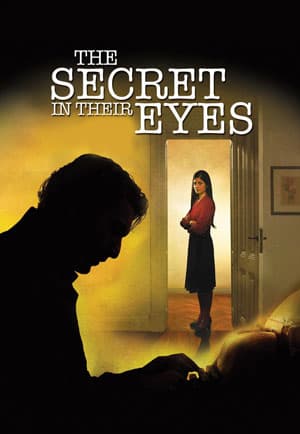
The camera drops out of the sky into a packed football stadium and does not cut for five minutes: an Argentine investigator reopens a case he could never leave alone.
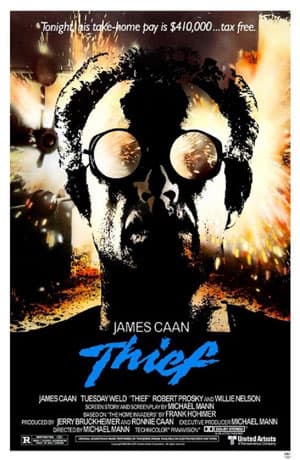
Michael Mann's first theatrical feature, with Tangerine Dream on the score and real ex-burglars advising: a safecracker who has planned his whole future on a diner napkin tries to buy his way out.
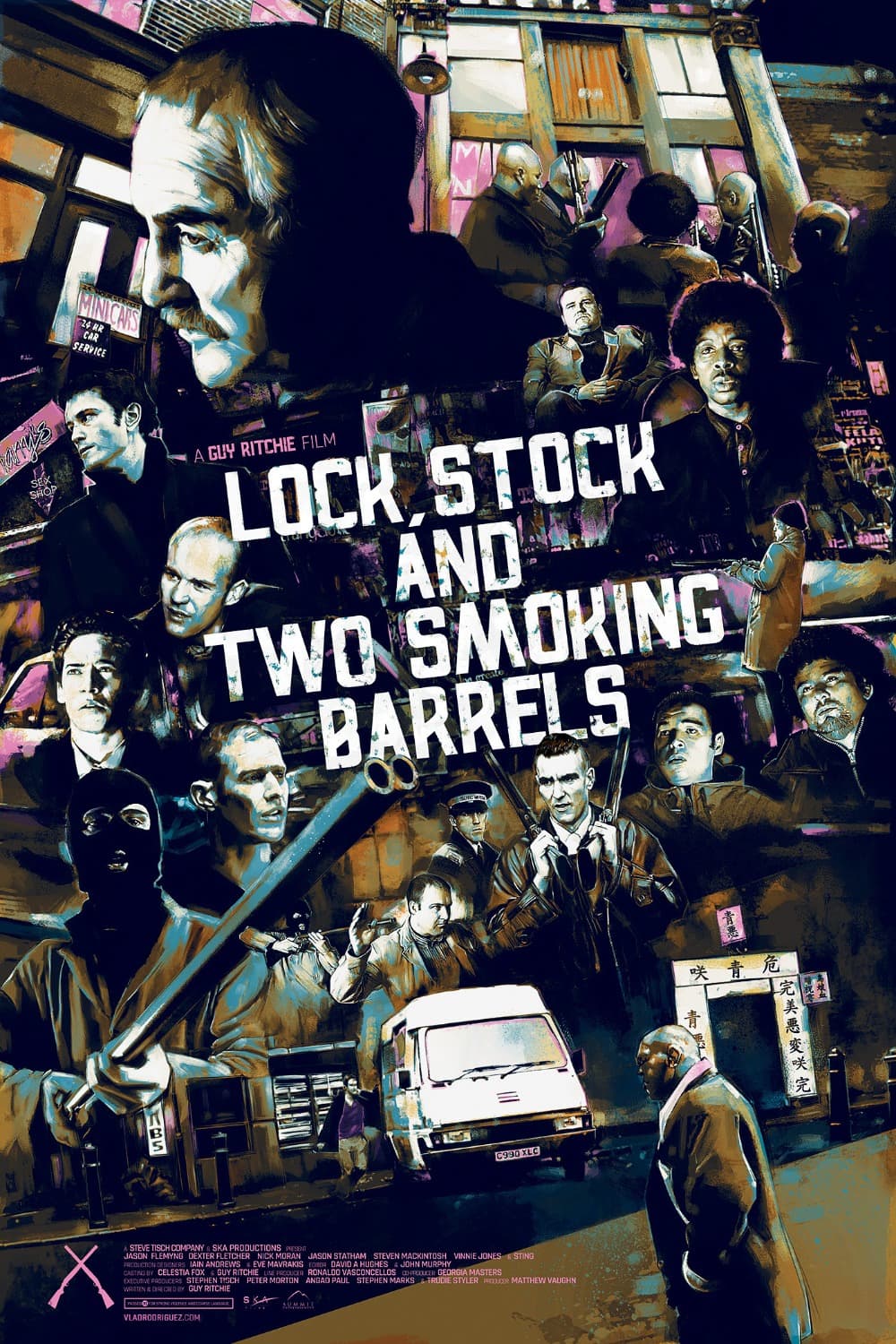
Guy Ritchie raised the money out of favors and cast a professional footballer who had never acted: four London friends owe half a million pounds by Friday, and five plots collide getting it.
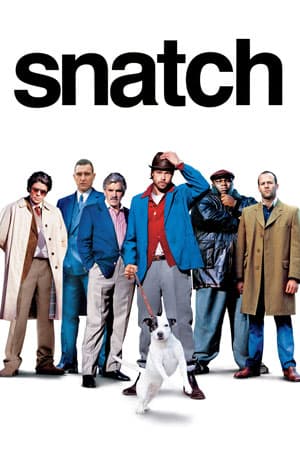
Brad Pitt asked for a part and got one nobody can understand a word of: an unlicensed boxing promoter, a stolen diamond and several sets of London criminals converge at considerable speed.
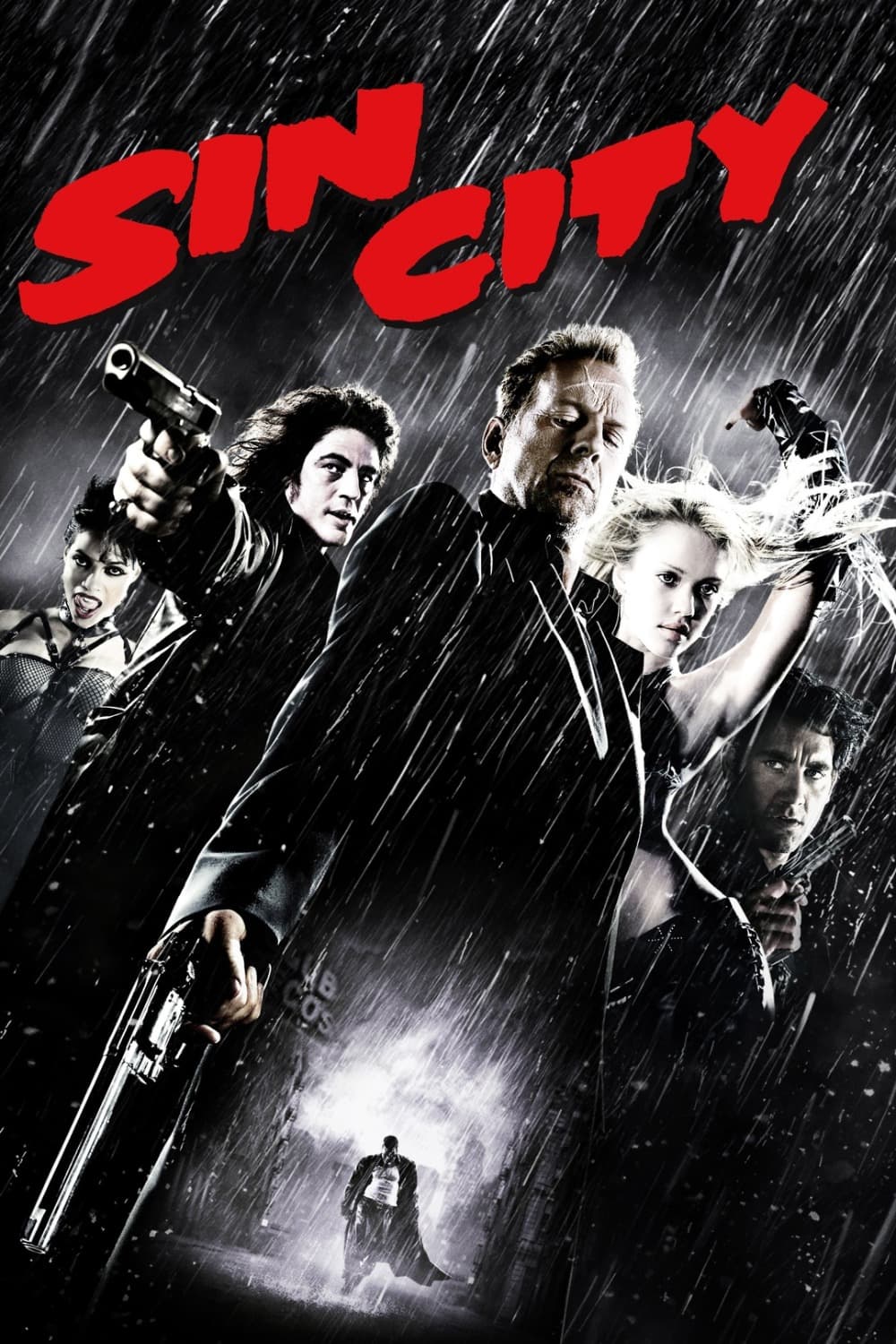
Rodriguez shot the whole thing on green screen and used Frank Miller's comic panels as storyboards: monochrome with single splashes of color, and Miller got a co-director credit for it.

Tarantino took the color-coded aliases straight from this for Reservoir Dogs: four men hijack a subway car under Manhattan and Walter Matthau negotiates with them by radio, entirely deadpan.
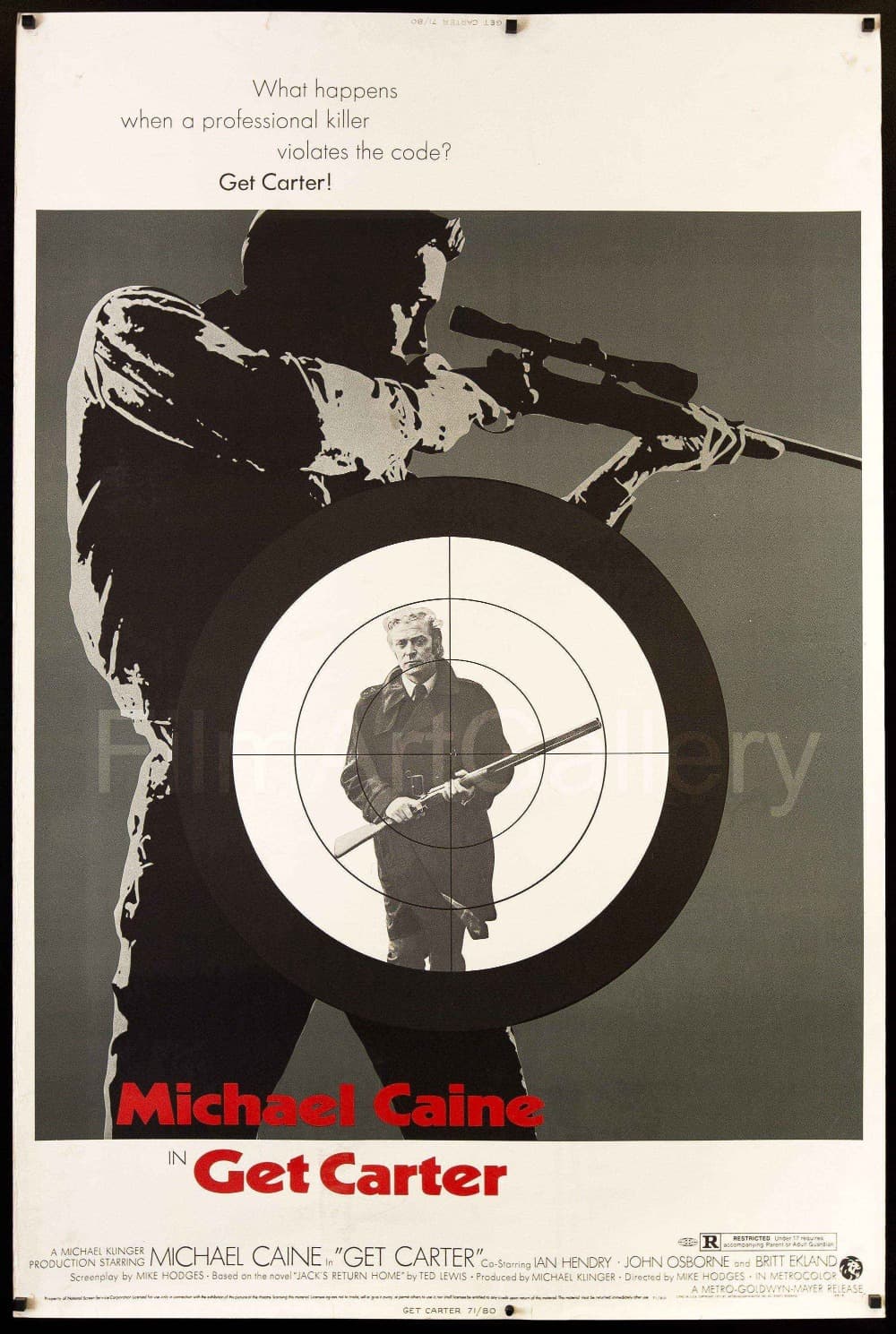
Michael Caine plays a gangster with no charm whatsoever and it is his best performance: Newcastle in 1971 shot as a real place, and every British crime film since has borrowed the tone.
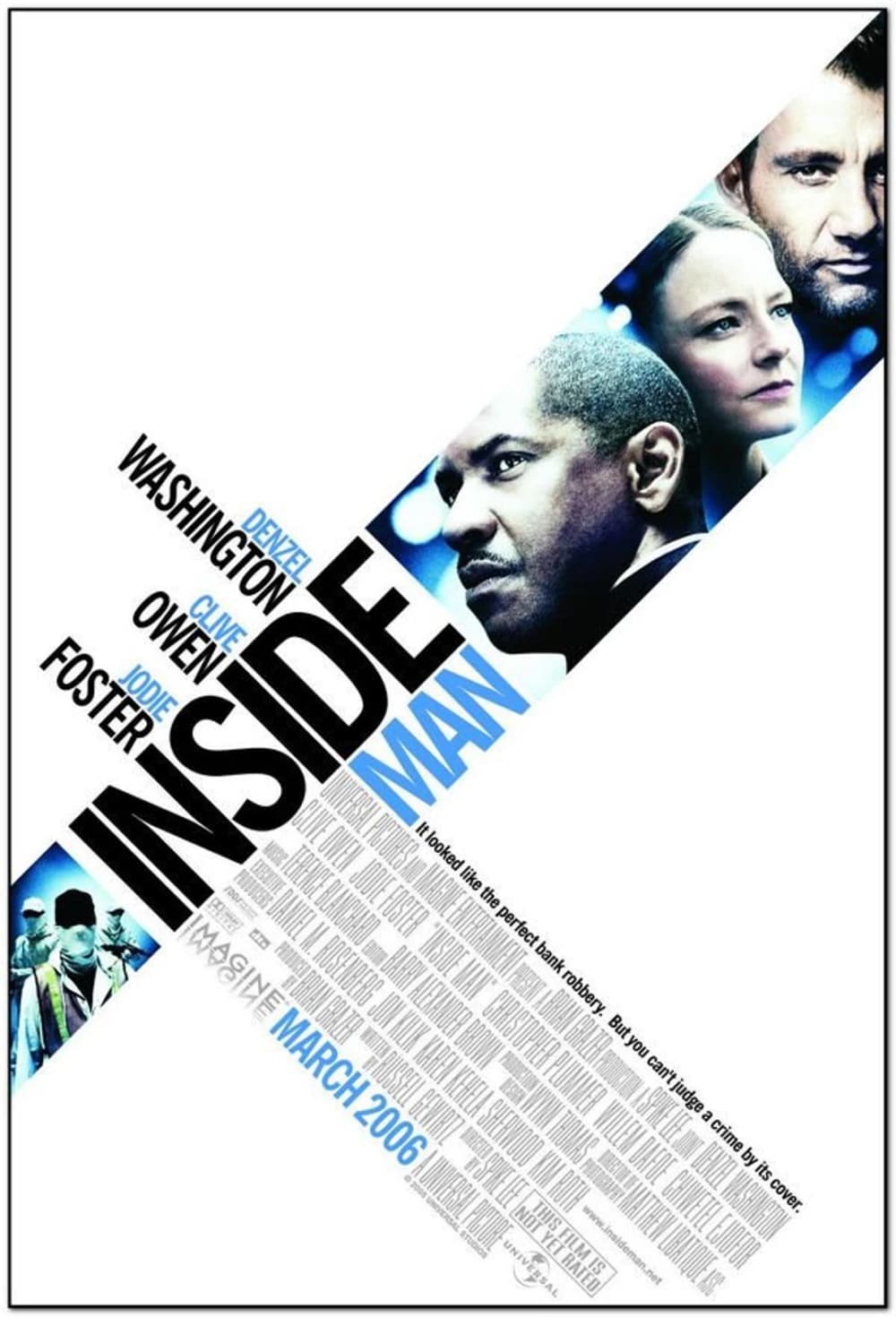
Spike Lee's biggest commercial hit is also his slyest: a rehearsed crew takes hostages inside a Wall Street bank, Denzel Washington negotiates, and Jodie Foster turns up representing somebody nobody can place.
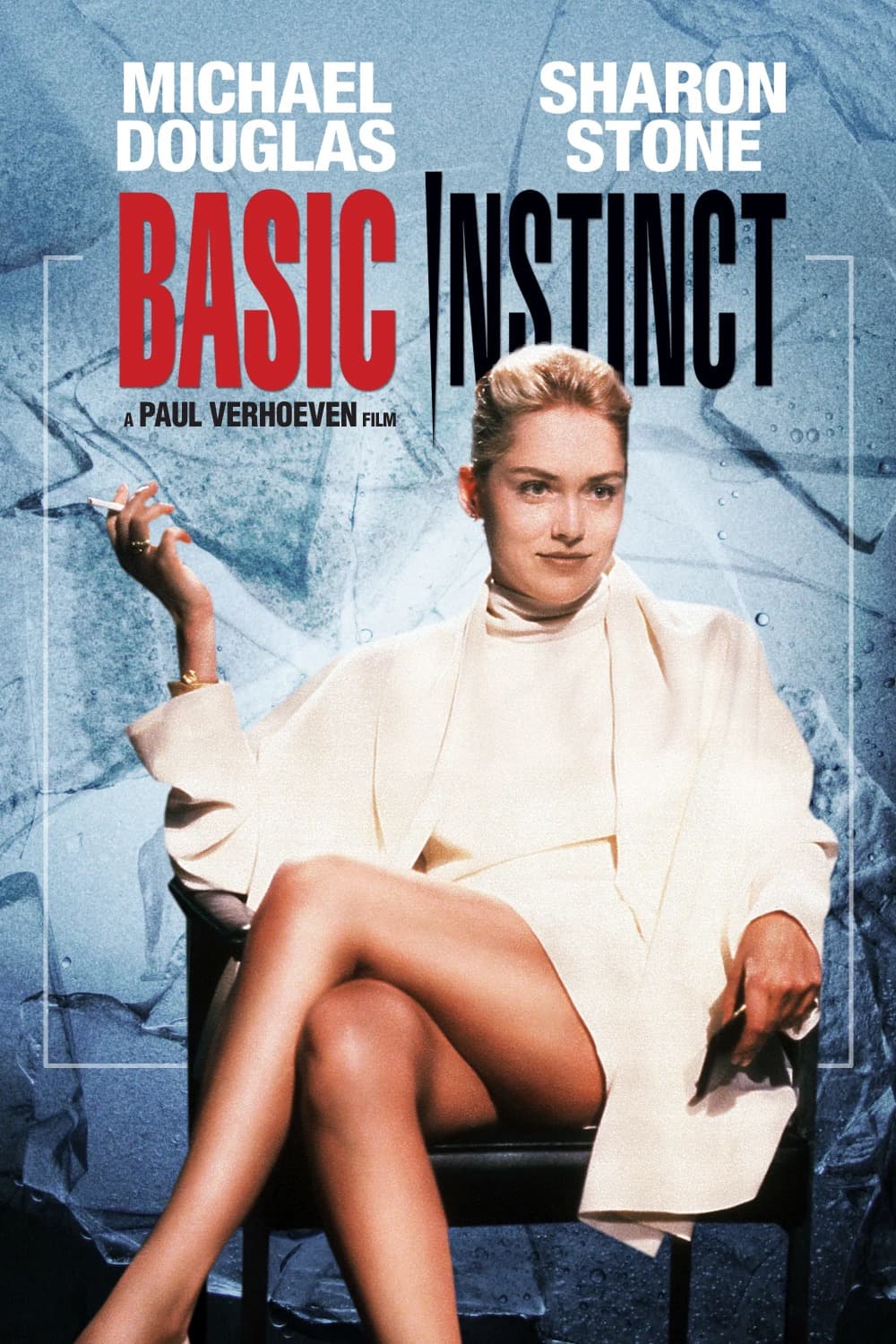
Paul Verhoeven made the decade's most notorious mainstream thriller and never once blinked: an interrogation scene everyone still knows, and a novelist who may be writing what happens next.