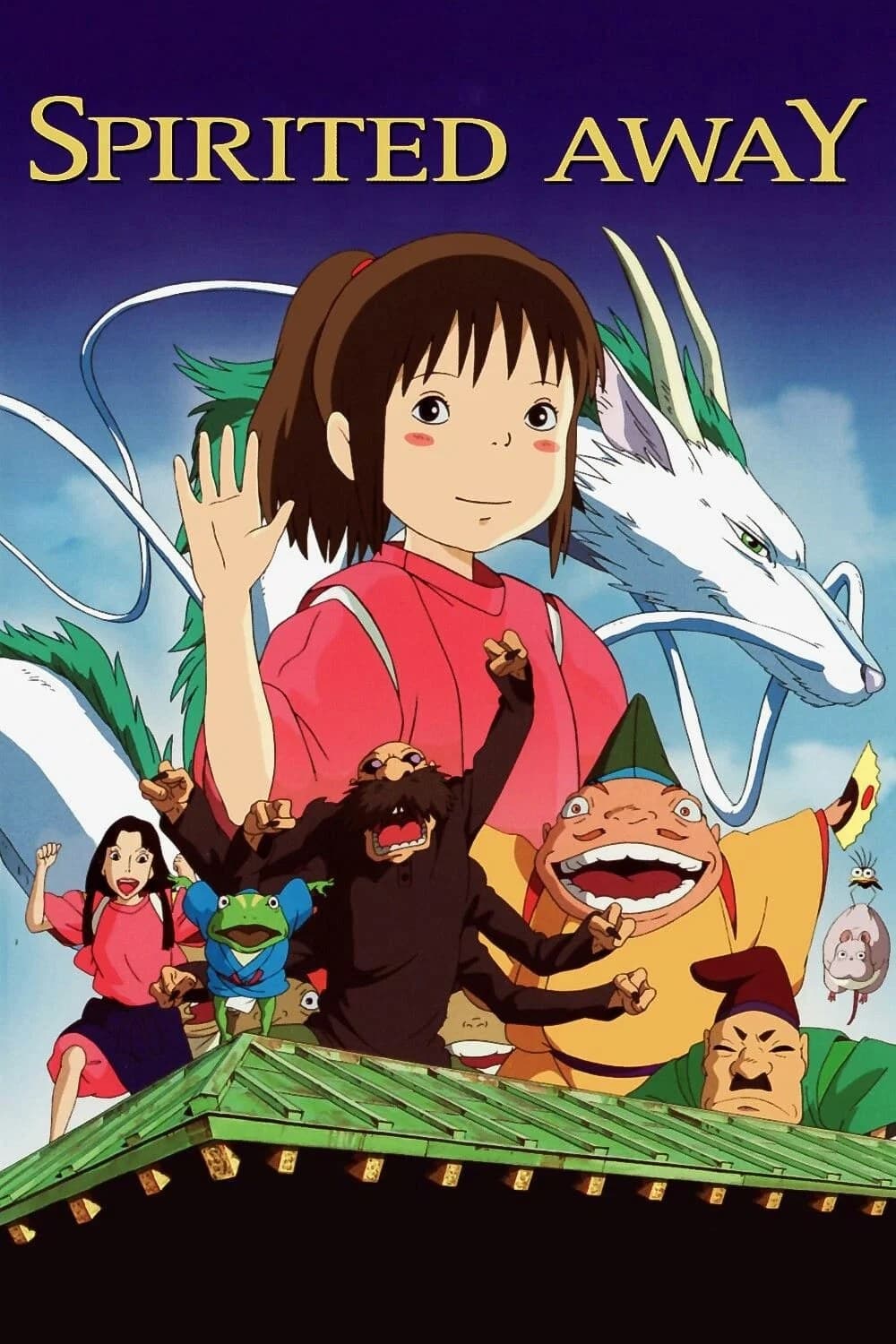
Spirited Away
Directed by Hayao Miyazaki
2001 · Japan
The high point of hand-drawn animation: Miyazaki invented a spirit world so dense and so unexplained that it took the Animated Feature Oscar away from every American studio.
★ 9.3
 skopia
The high point of hand-drawn animation: Miyazaki invented a spirit world so dense and so unexplained that it took the Animated Feature Oscar away from every American studio.
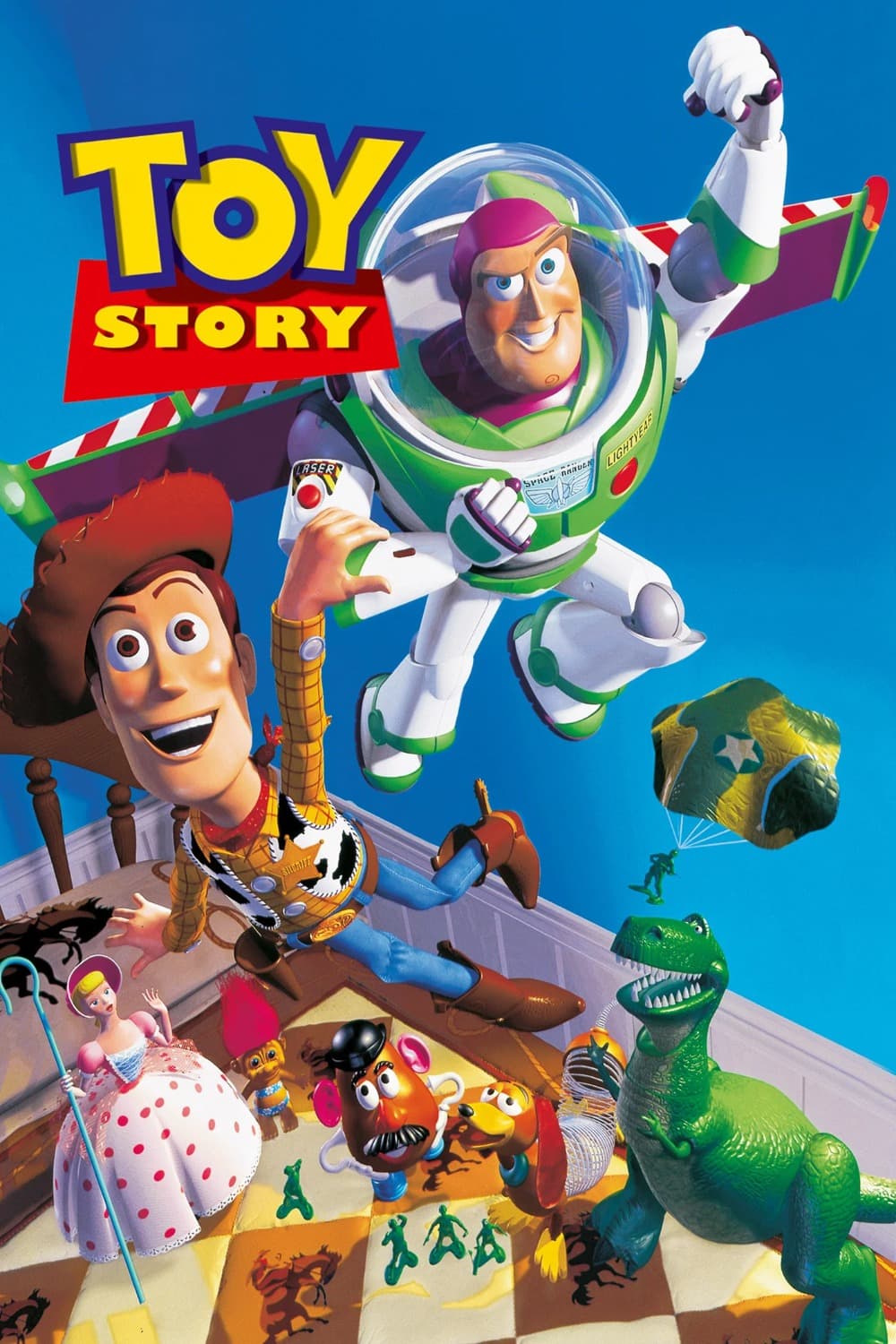
First feature film animated entirely on computers, and the start of Pixar's extraordinary run: it holds up because underneath the toys it is a sharp story about jealousy.
Pixar's bravest film: the first forty minutes have almost no dialogue at all, and a robot with two expressions carries more feeling than most live actors manage.
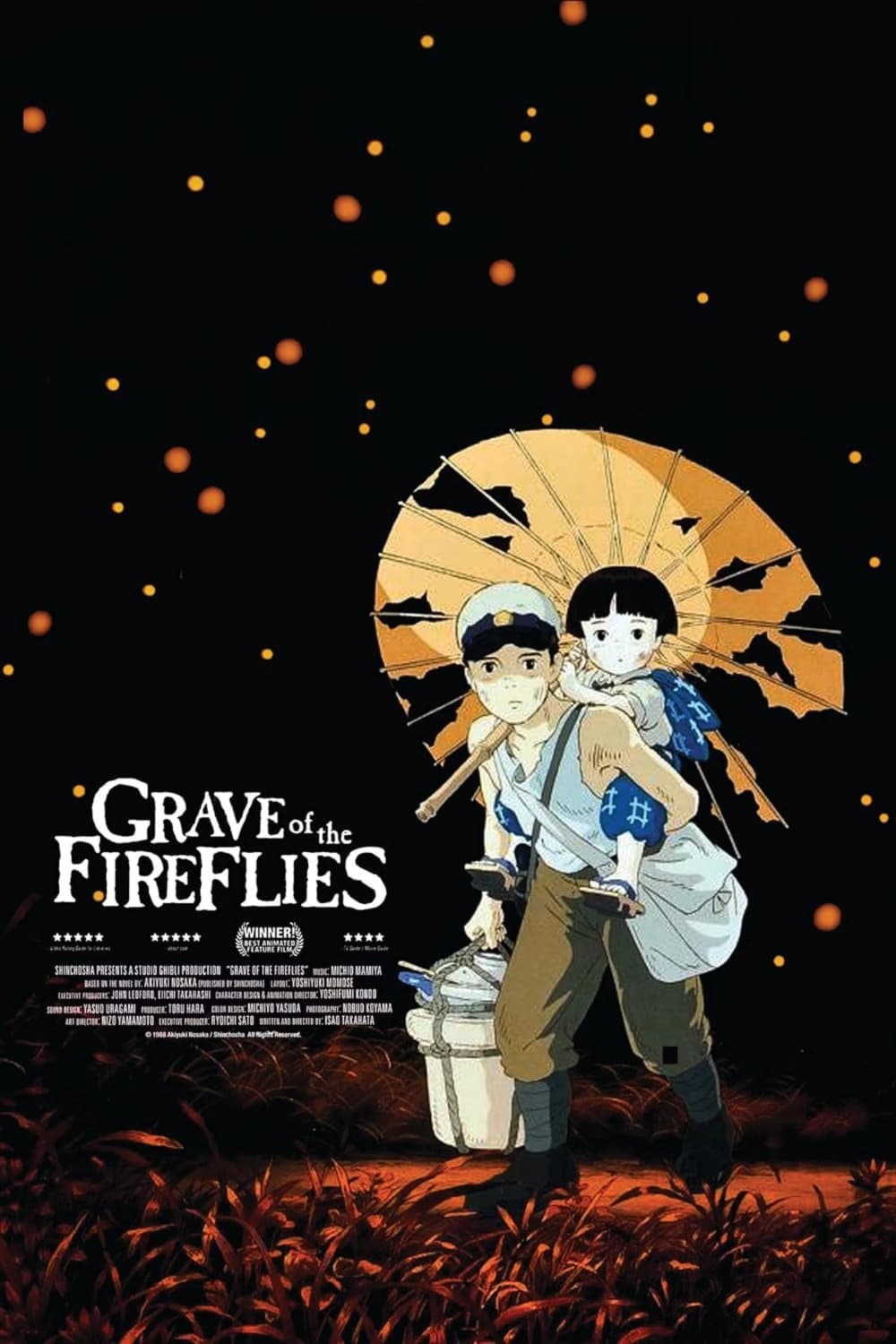
Nobody recommends this one lightly: Takahata put two children through the last months of the war in Japan, and being animated makes it harder to bear, not easier.
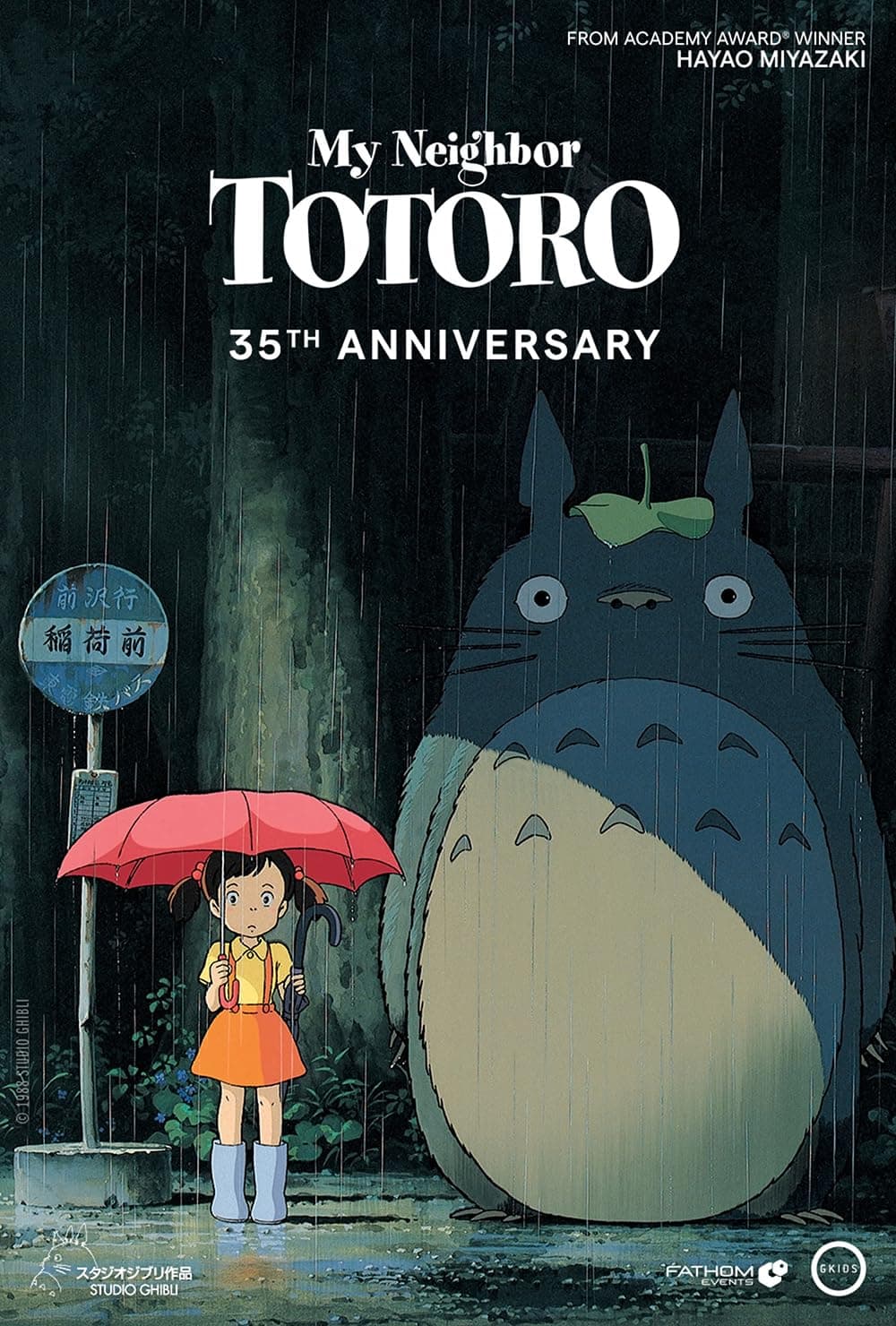
Children's films almost never dare to have no villain: Miyazaki made eighty minutes of pure safety out of two sisters and a forest spirit, and it became Ghibli's emblem.
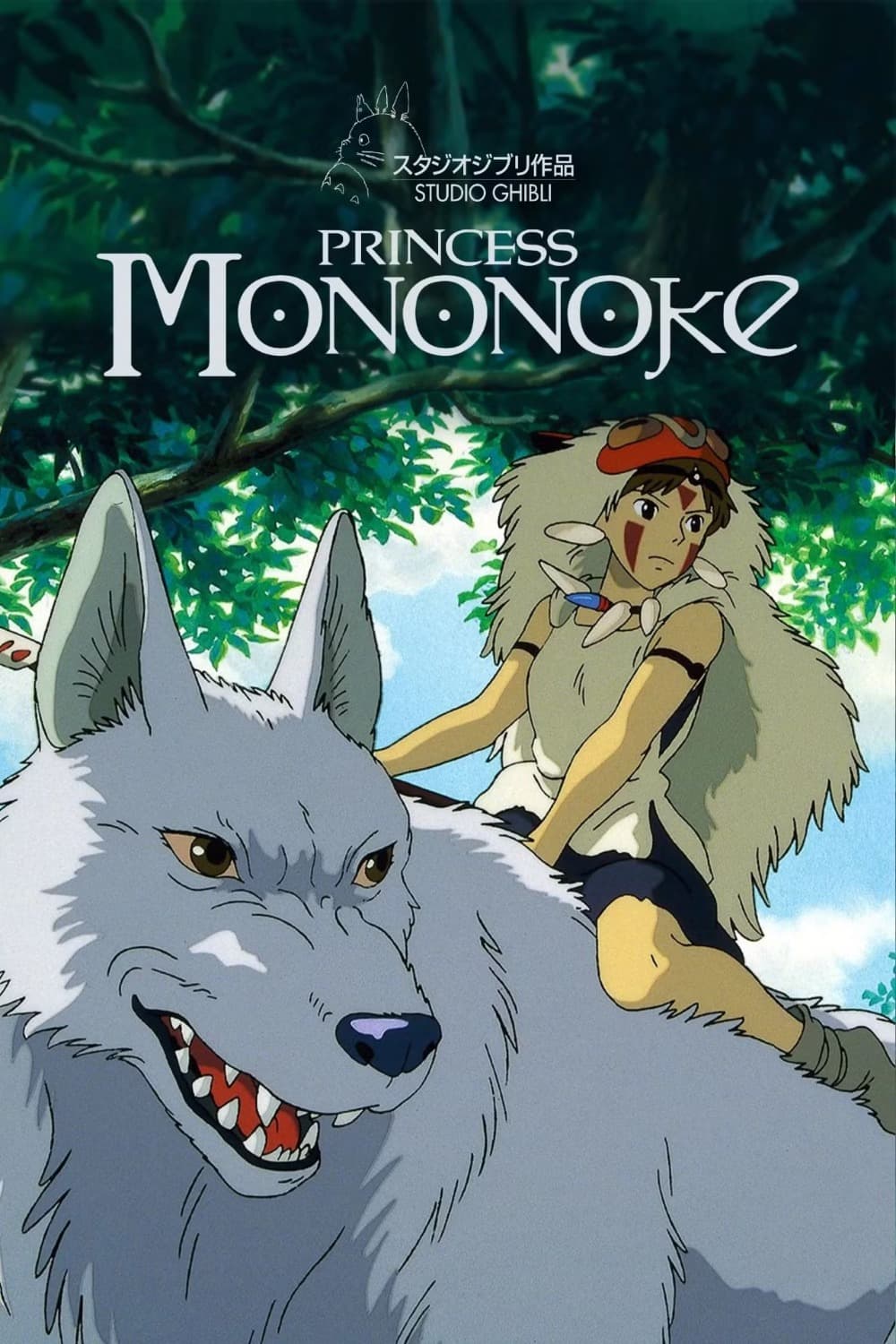
It held the Japanese box office record until Titanic arrived: Miyazaki staged a war between an iron town and the forest gods and refused to name a villain.
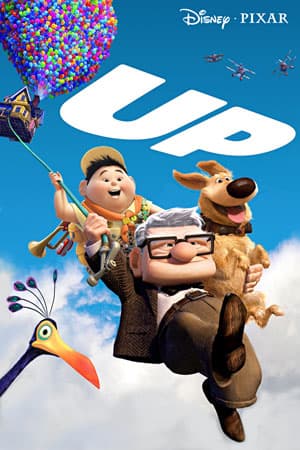
The four-minute marriage montage is the most devastating thing Pixar has ever done, and it is wordless: after that, an old man flies his house away on balloons.
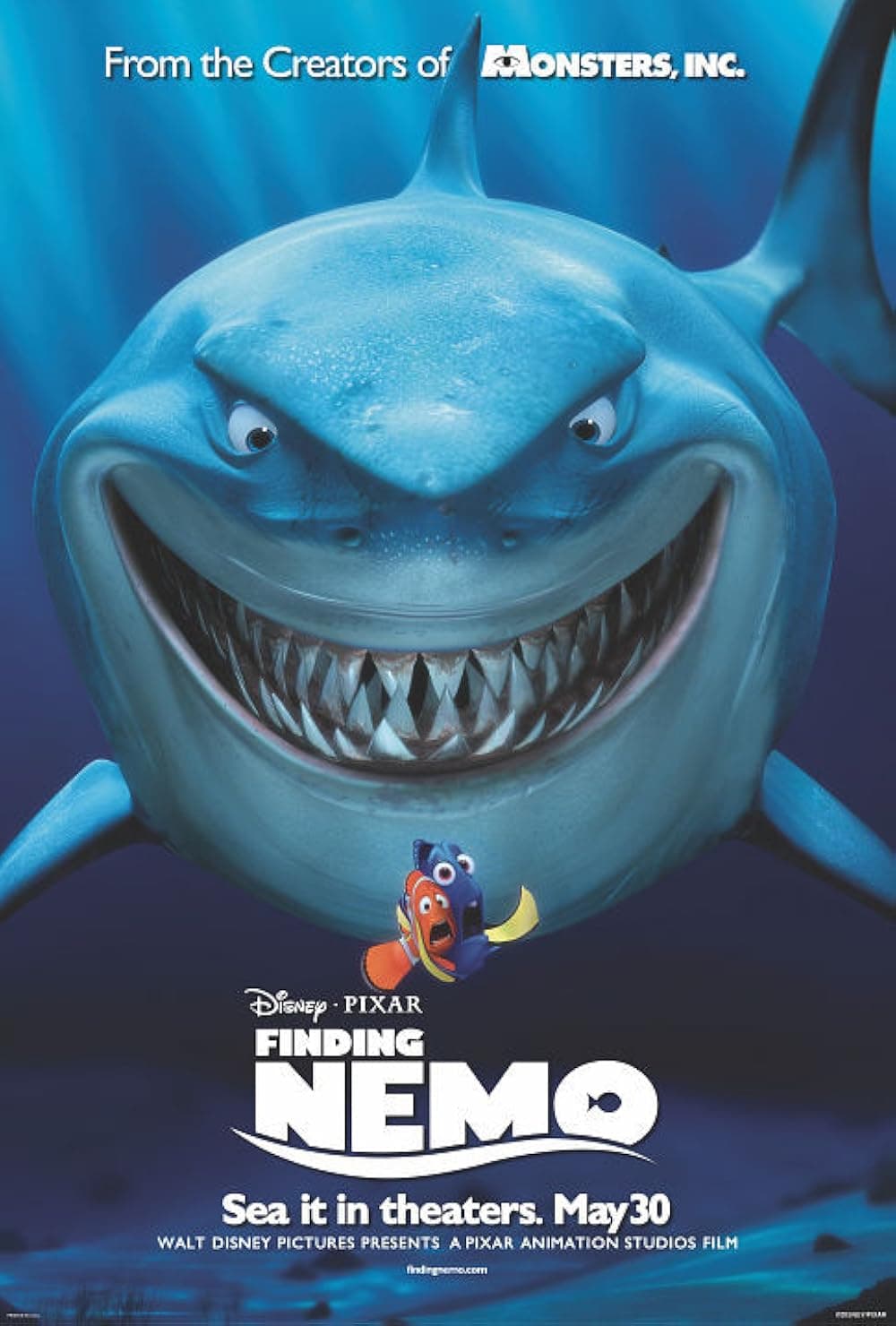
It became the highest grossing animated release to that point and pushed what animation could render: an ocean of light and current, and a frightened father crossing it.
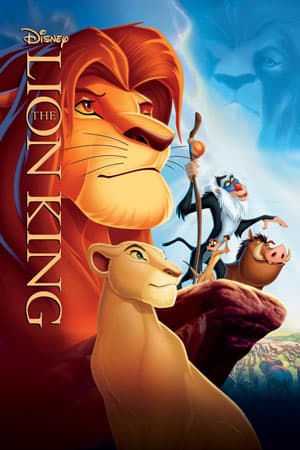
Still the highest grossing hand-drawn film ever made: Disney sent a young cub into exile with a Shakespeare plot, and the opening sunrise raises the hair every time.

Disney mortgaged his own house to make the first cel-animated feature, and the industry called it his folly: the queen's transformation still frightens small children exactly as intended.
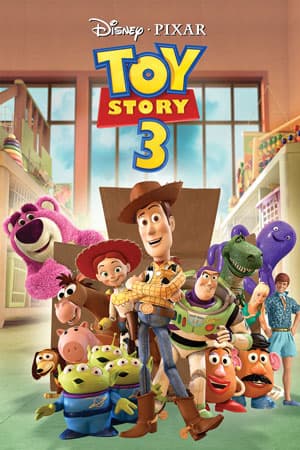
Pixar took a third film in a series somewhere nobody expected it to go: the toys end up far from a toy box, and the last act is genuinely harrowing.
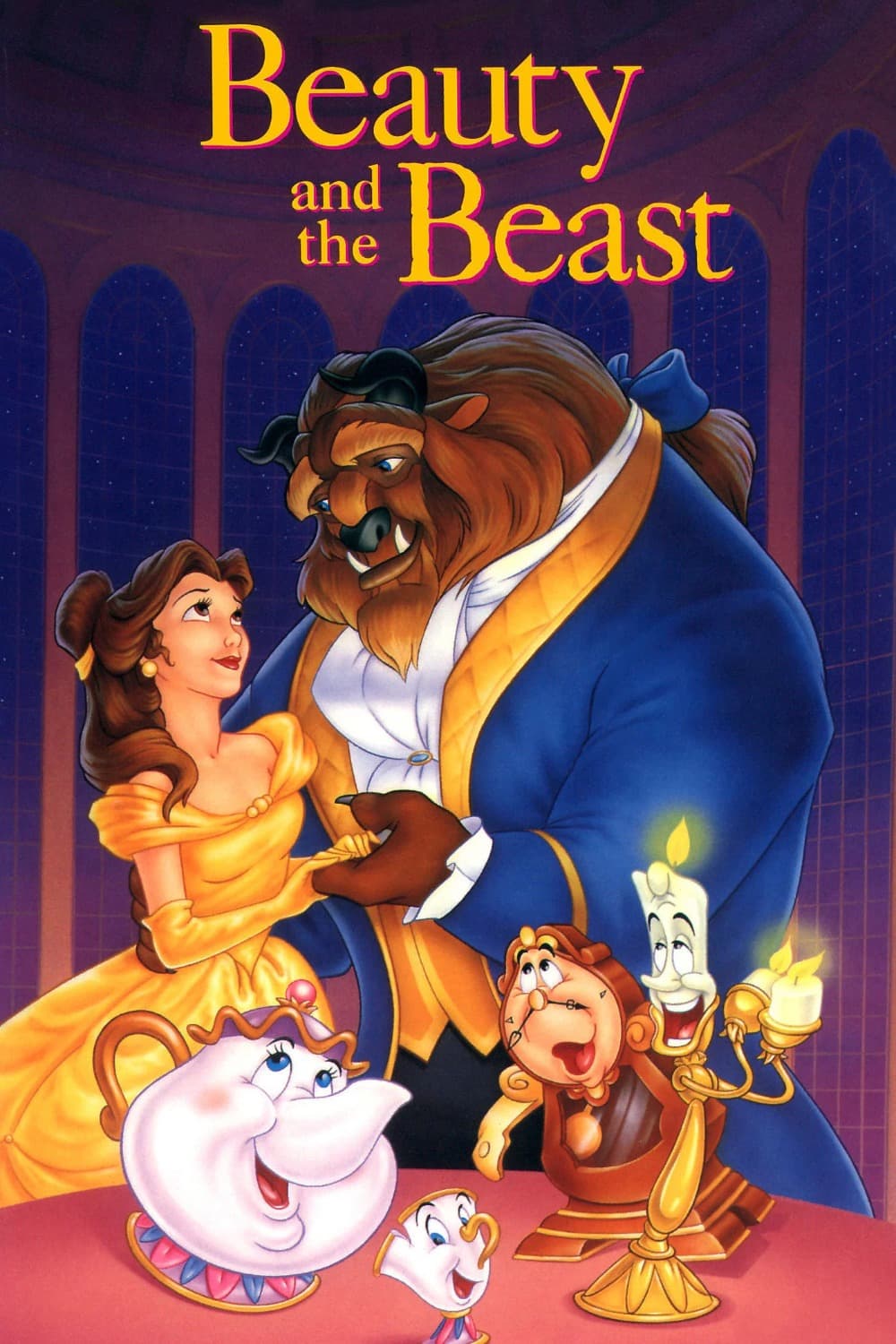
The peak of the Disney Renaissance, and the moment computers earned a place in hand-drawn animation: the ballroom sequence still looks like nothing anyone had done before.
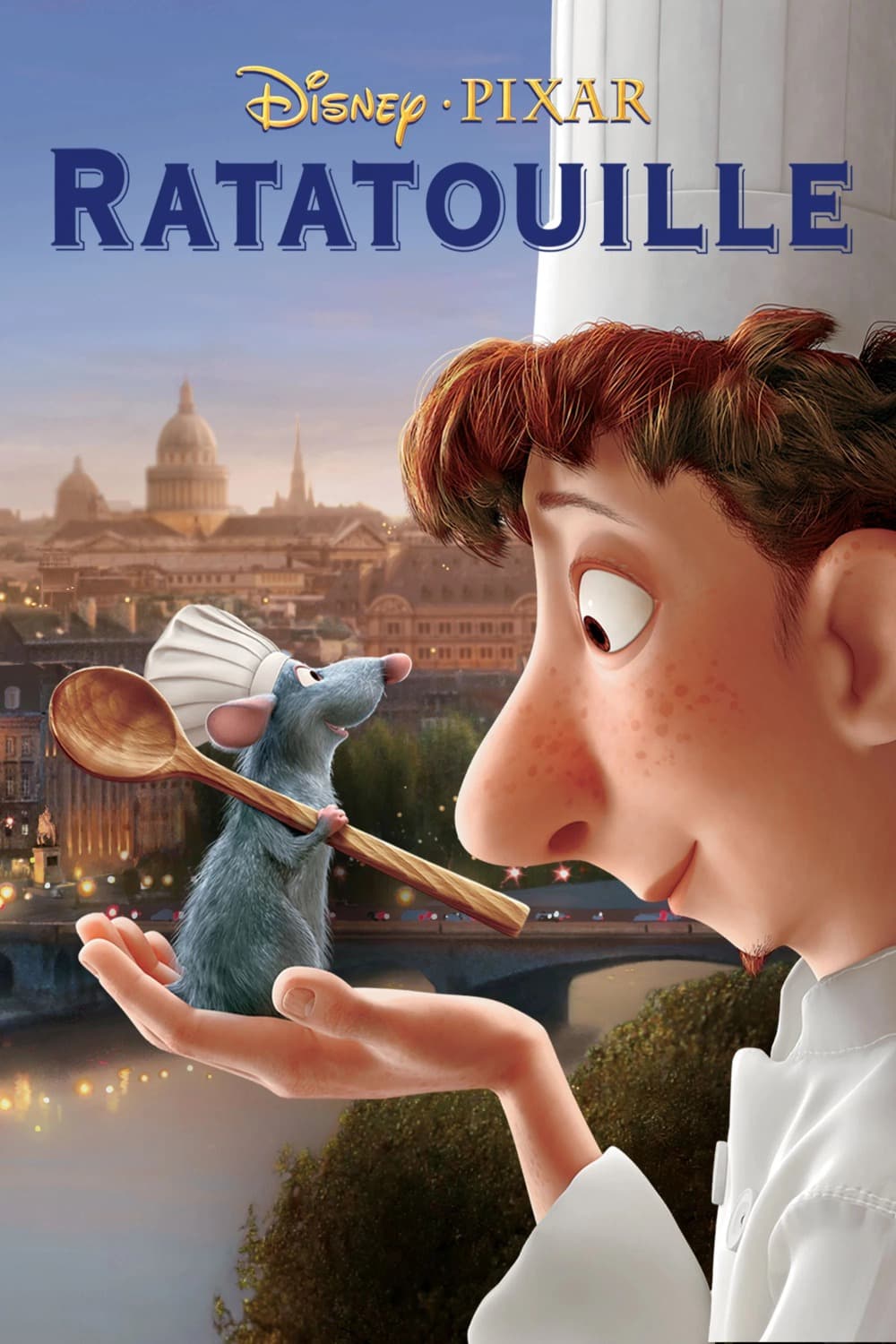
Almost nothing else takes both cooking and criticism this seriously: a rat with a palate steers a hapless human around a Paris kitchen, and the food looks extraordinary.
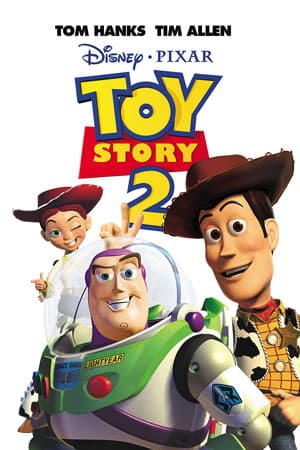
Pixar scrapped the whole film and rebuilt it in nine months, and it came out better than expected: the song about being outgrown is what people remember.
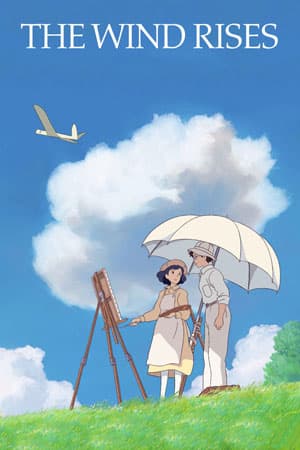
Miyazaki announced his retirement with it, a retirement he later took back: a young man designs beautiful aircraft that become weapons, and nothing about that is resolved.
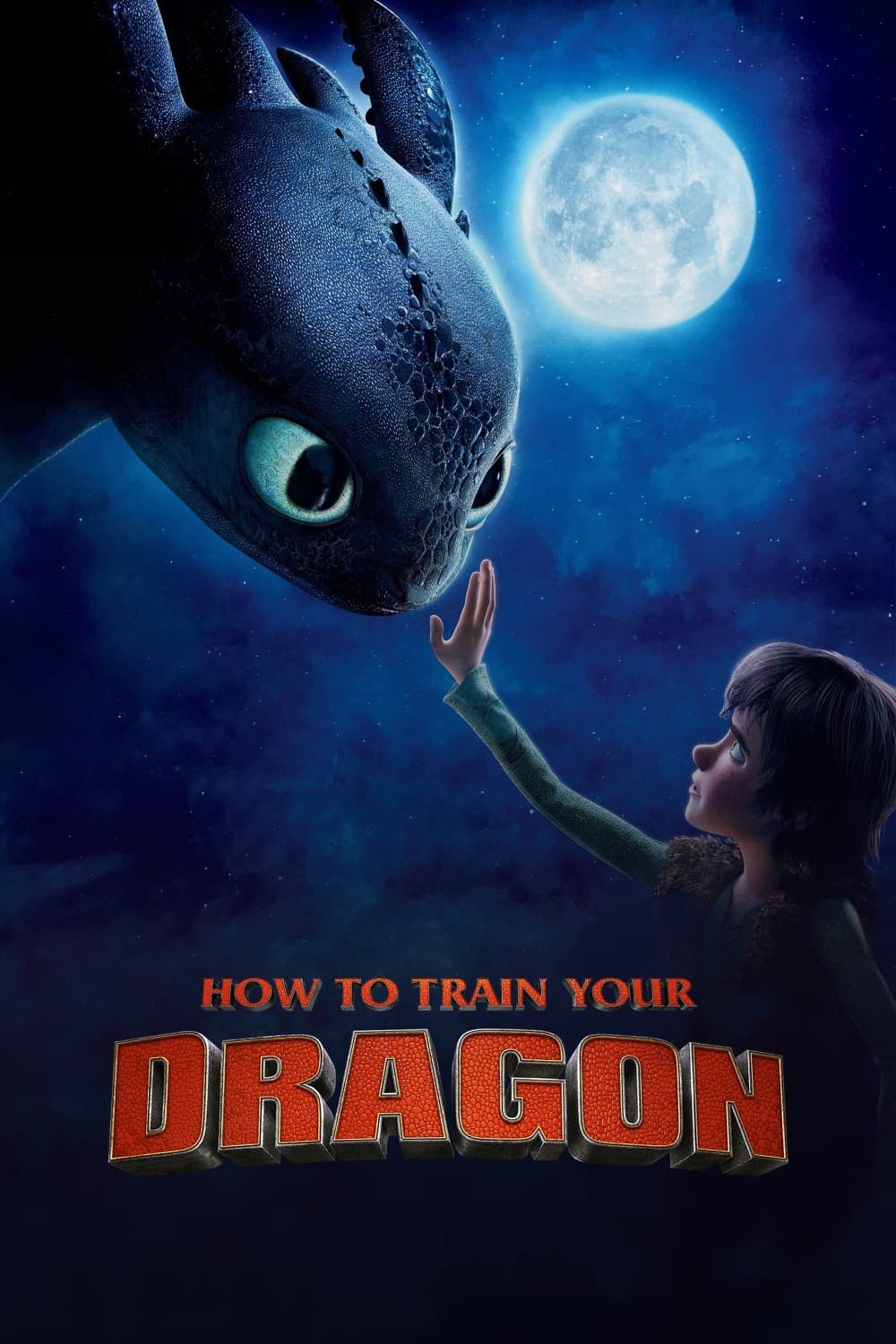
Animation has never conveyed the physical sensation of flight this well: Roger Deakins consulted on the lighting, and a Viking boy who cannot fight befriends the creature he was raised to kill.
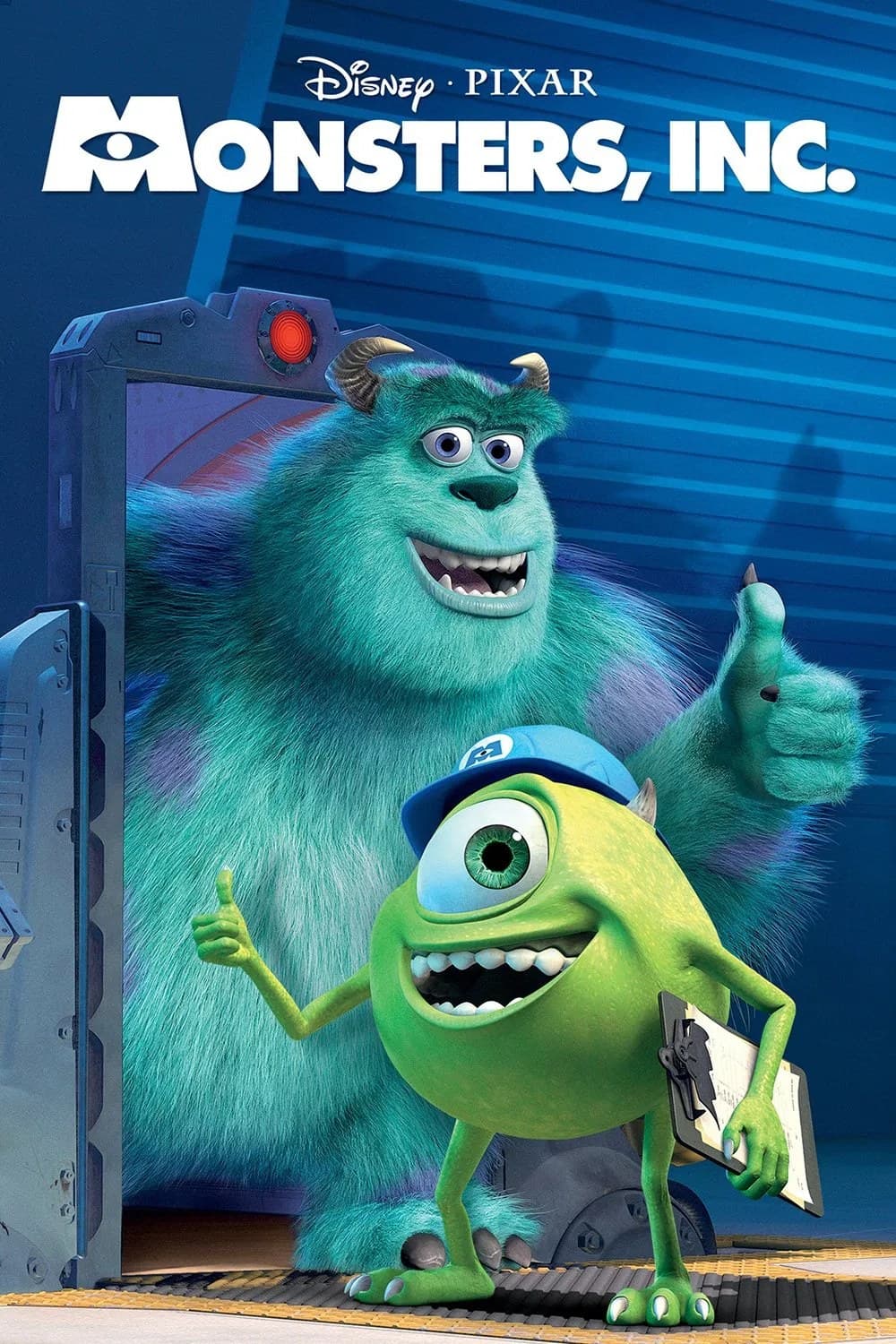
Pixar built an entire energy economy out of children's nightmares: the joke is that the monsters are salaried professionals, and the film turns on one of them being frightened of a toddler.
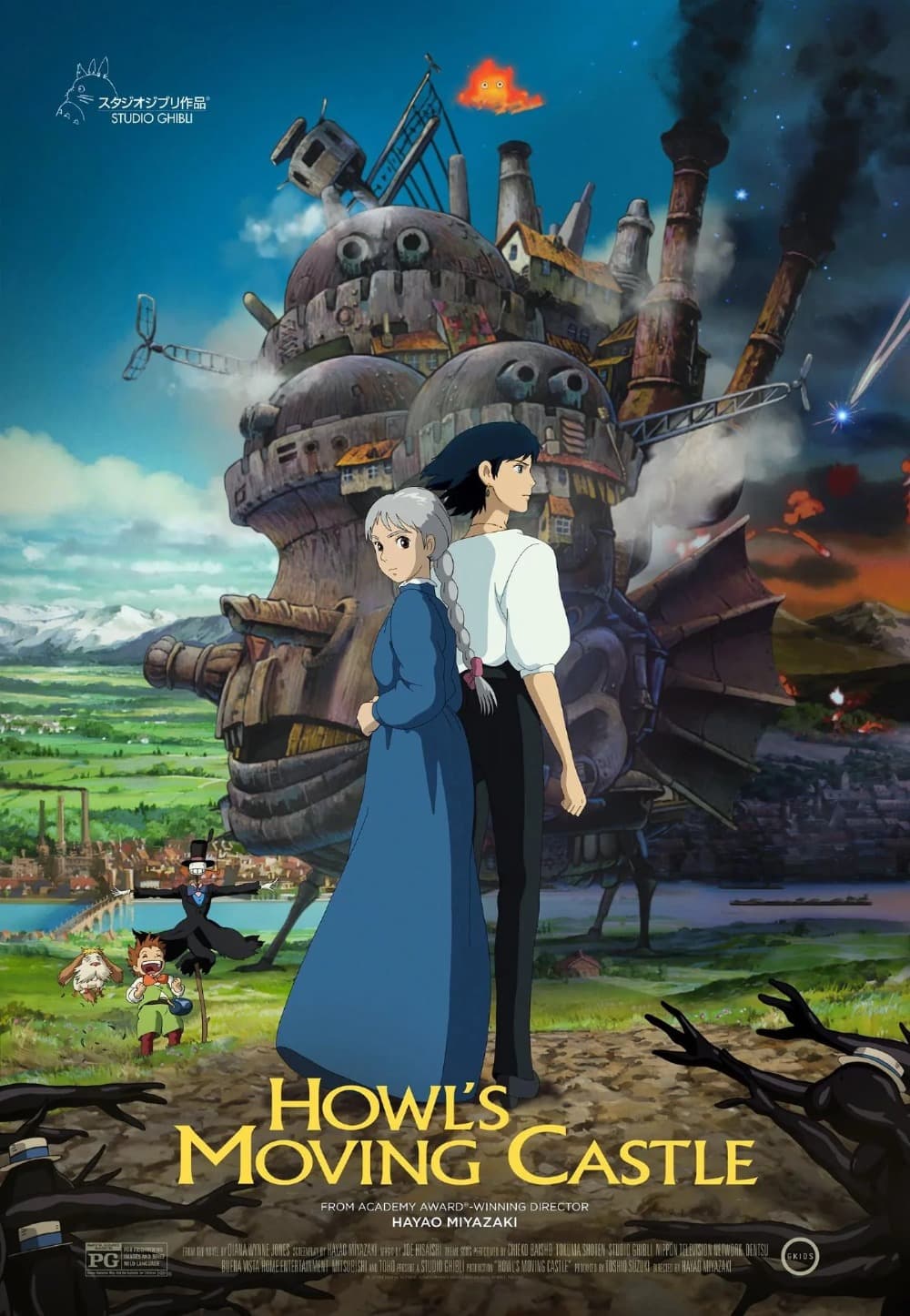
Miyazaki's most beautiful machine is a walking house held together by magic and bad temper: underneath the wonder is an angry anti-war film, made while he watched the invasion of Iraq.
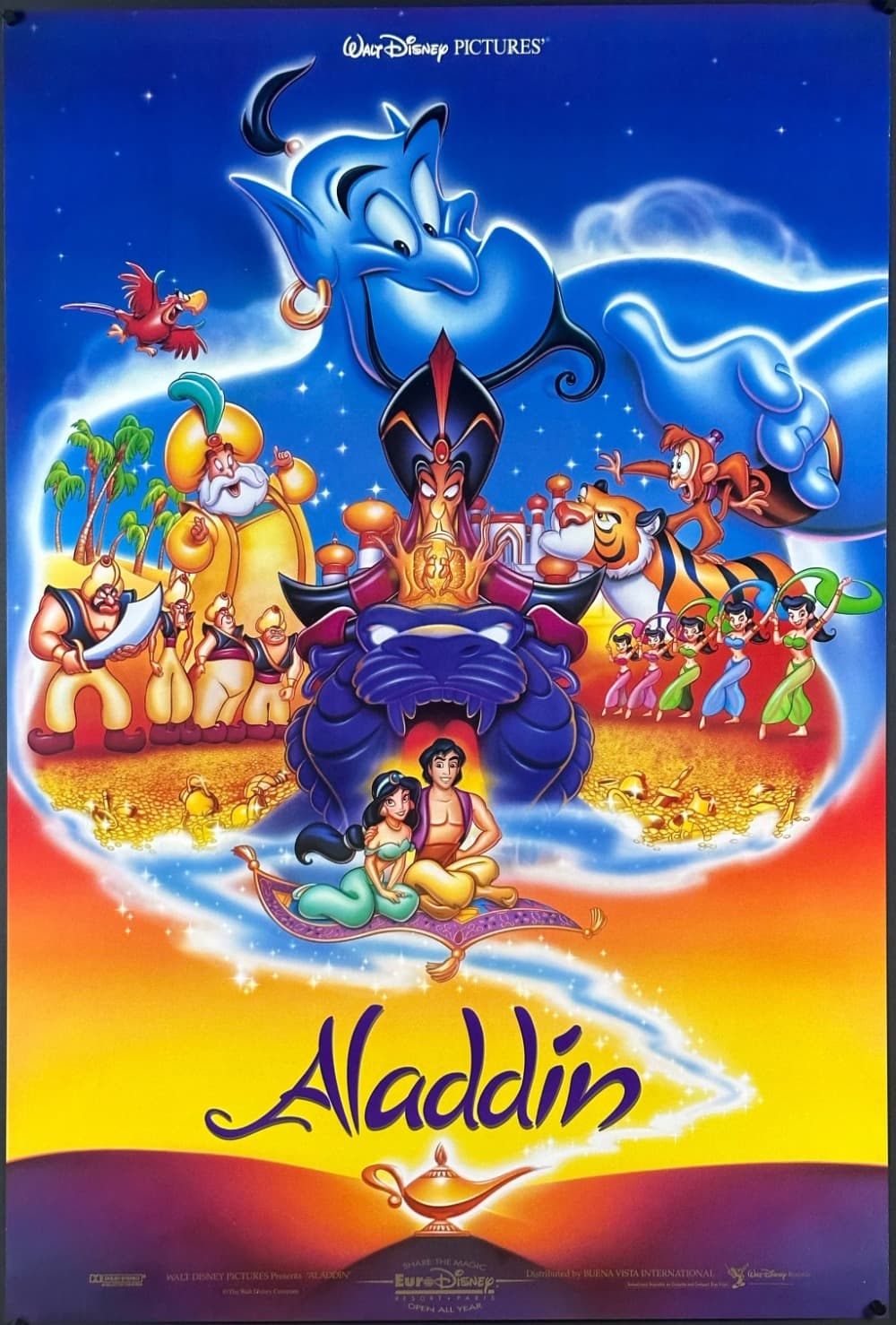
Robin Williams improvised for hours and the animators drew to whatever he gave them: the Genie is still the fastest thing in any Disney film, and every animated star cast since owes him.
Disney's renaissance starts here: Howard Ashman and Alan Menken wrote the songs like Broadway numbers, and the studio remembered how to make an animated musical that adults would sit through.
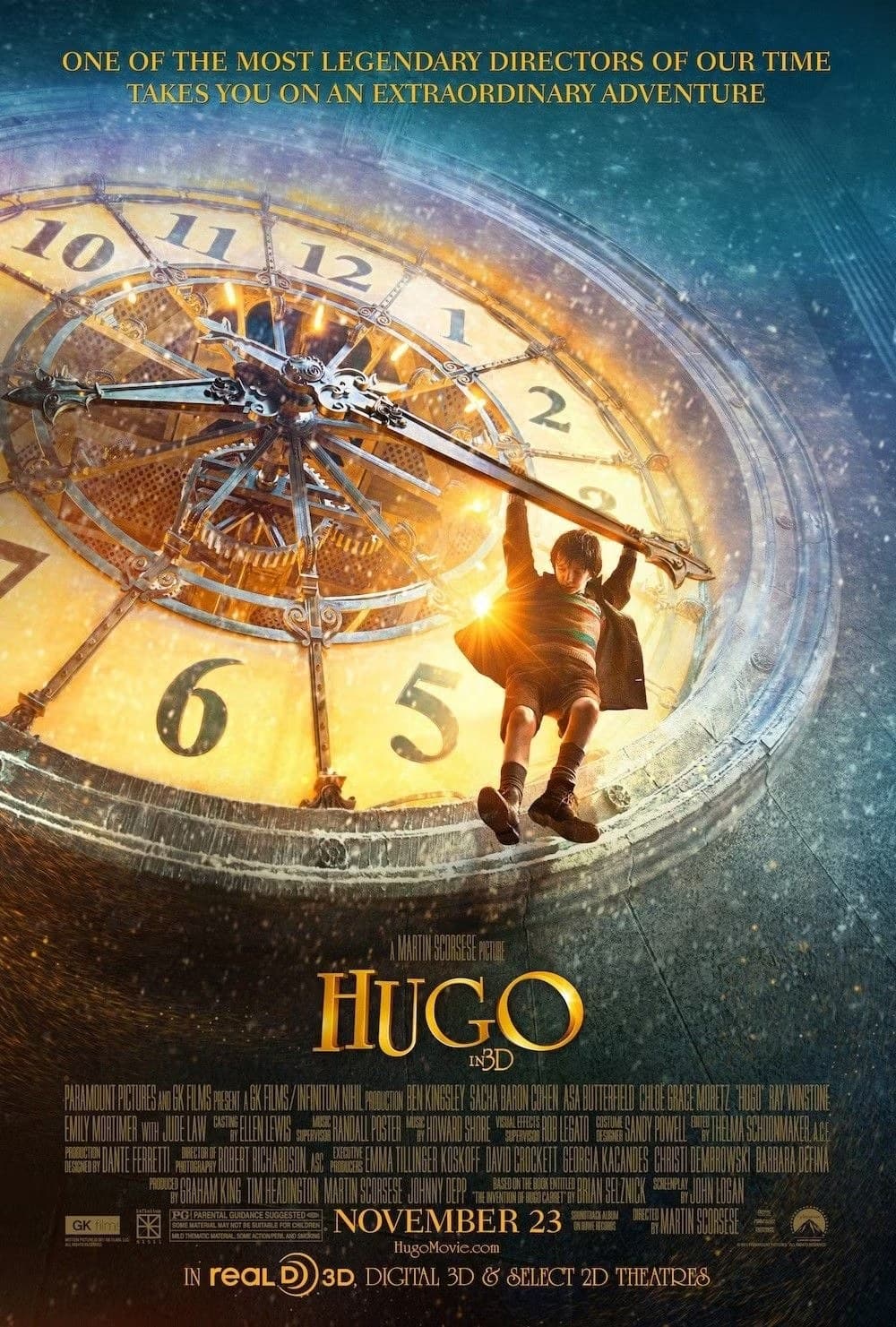
Scorsese made a children's film in 3D to argue for film preservation: an orphan living inside a Paris railway station keeps a broken automaton his father left him, and the station watches him.
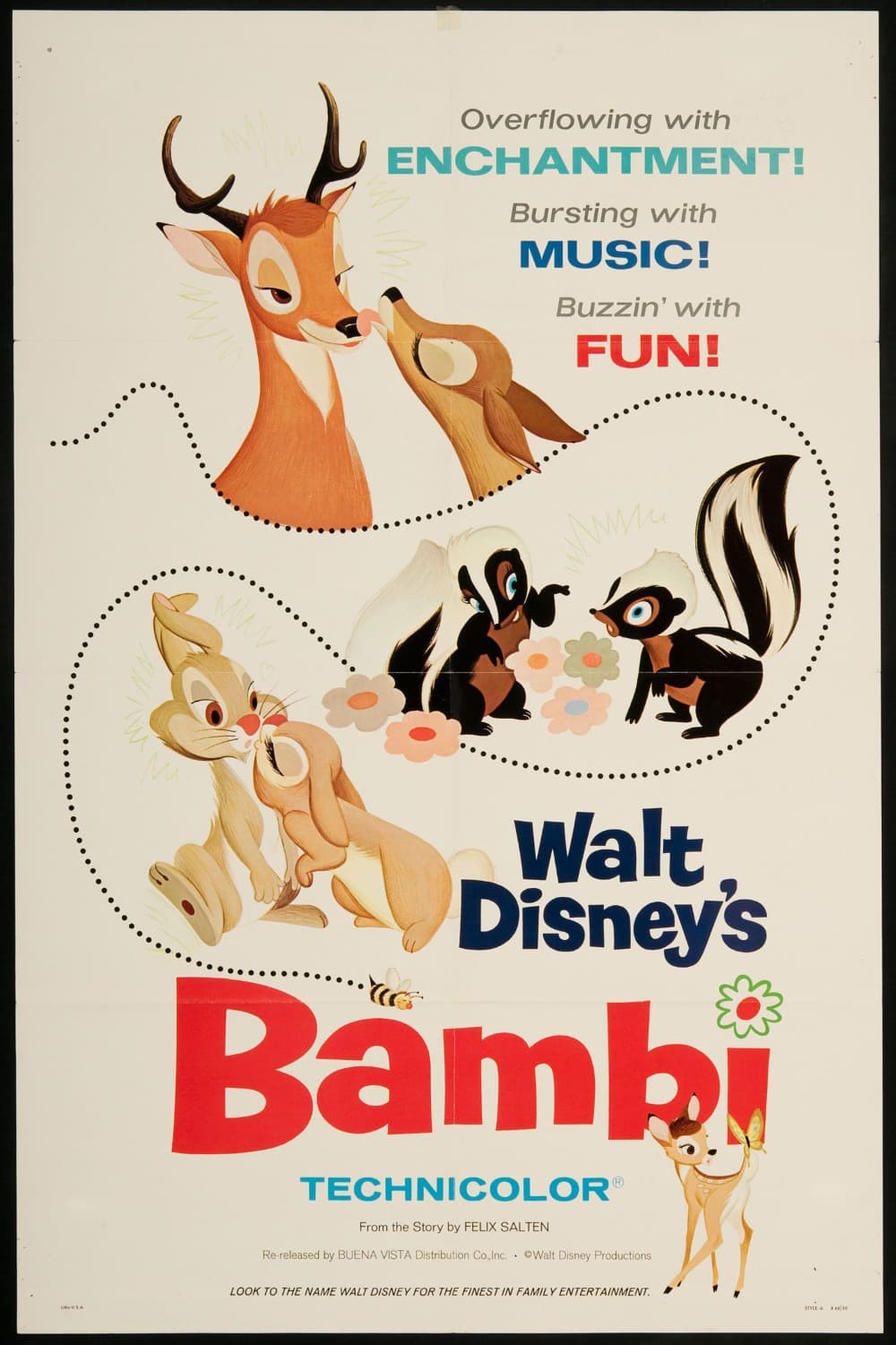
Disney kept live fawns at the studio so the animators could watch them move: the backgrounds are painted like Chinese landscape scrolls, and the film trusts weather and silence where other cartoons talk.
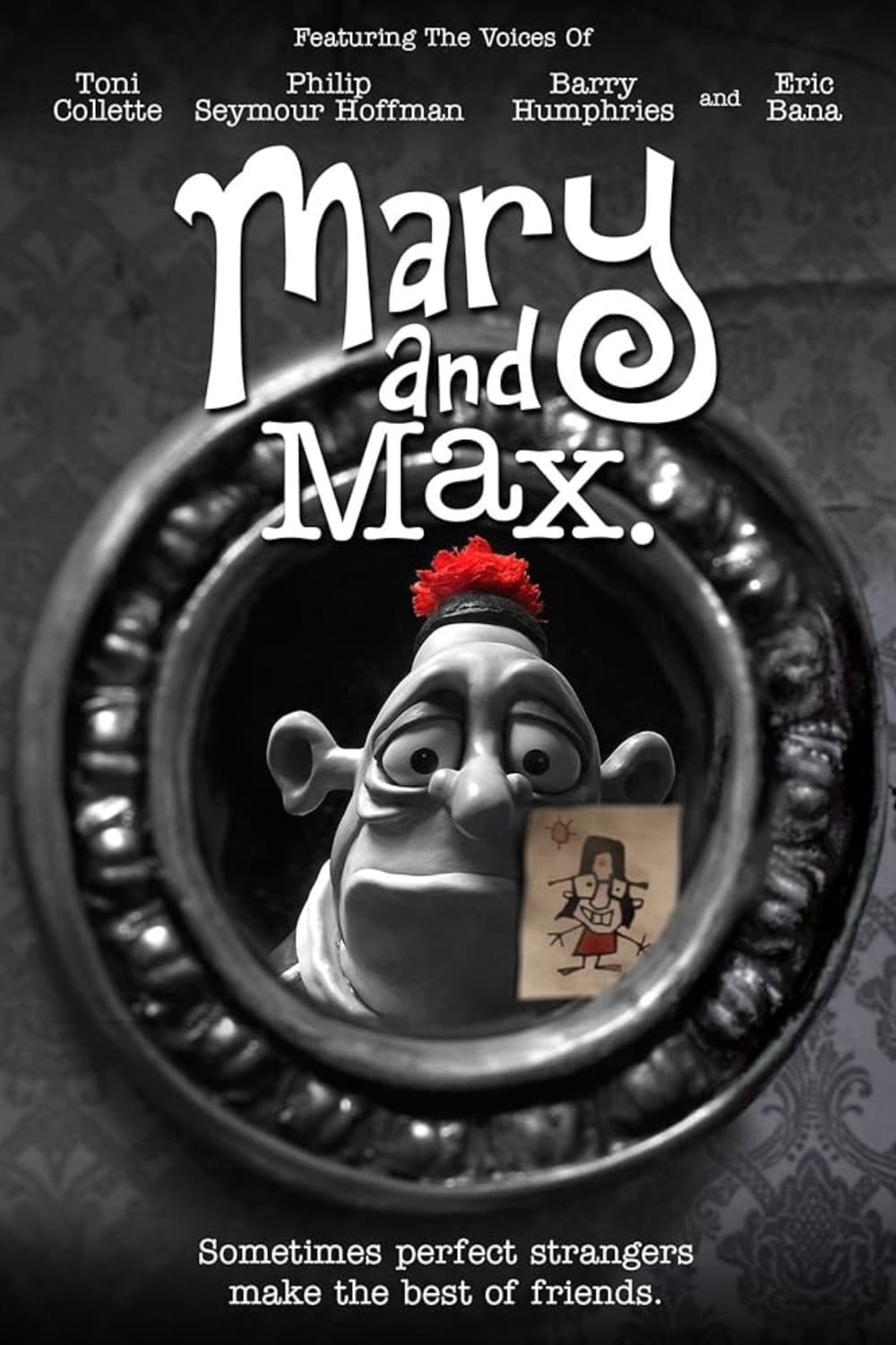
Adam Elliot spent five years making it, fifty-seven weeks of that shooting clay frame by frame: an eight-year-old in Melbourne writes to a middle-aged New Yorker, and they correspond for twenty years.