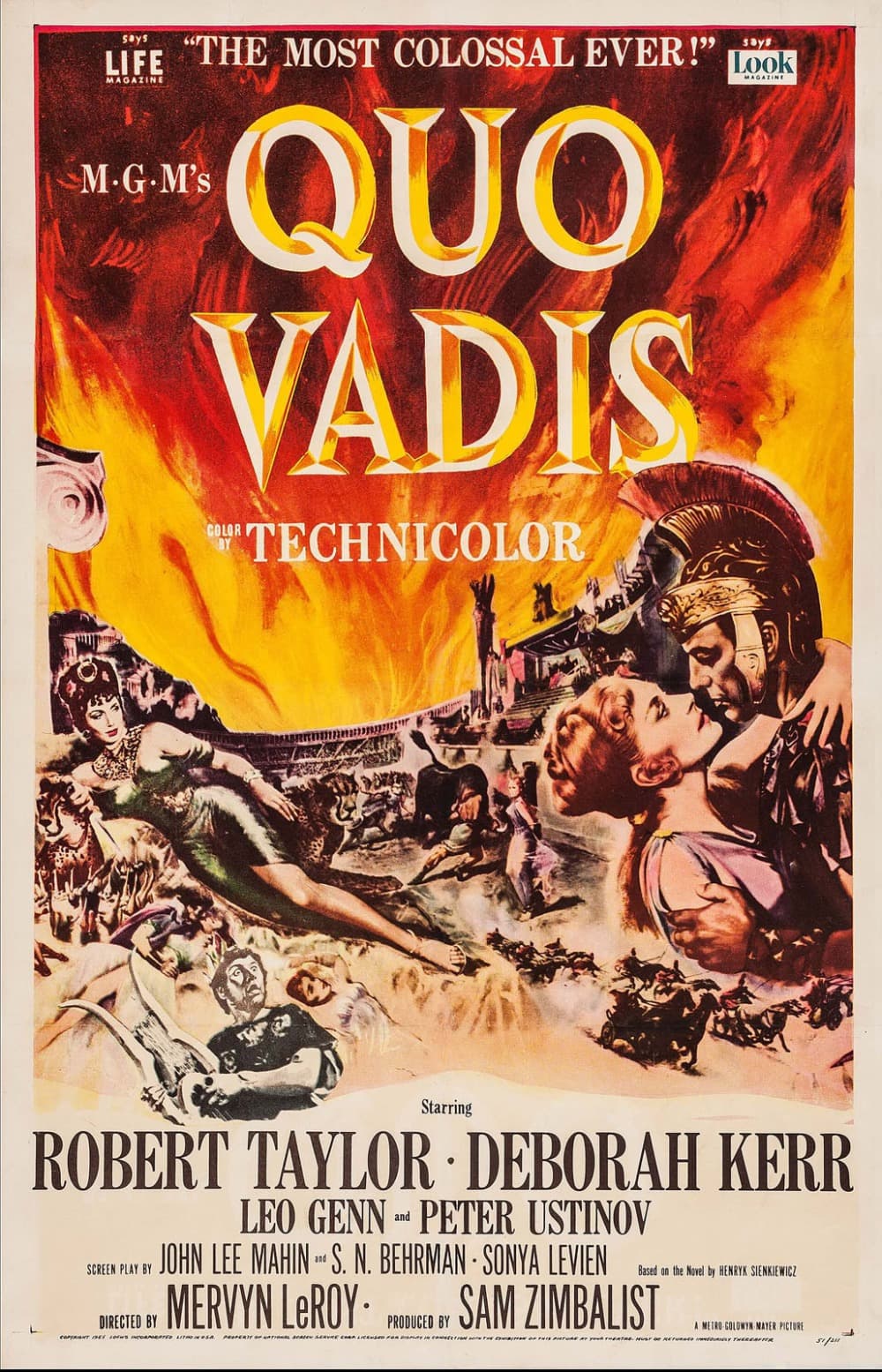
Quo Vadis
Directed by Mervyn LeRoy
1951
Peter Ustinov plays Nero as a needy child with an empire, and steals the entire picture: MGM built ancient Rome at Cinecitta and the film rescued the studio's finances.
★ 1.7
 skopia
Peter Ustinov plays Nero as a needy child with an empire, and steals the entire picture: MGM built ancient Rome at Cinecitta and the film rescued the studio's finances.
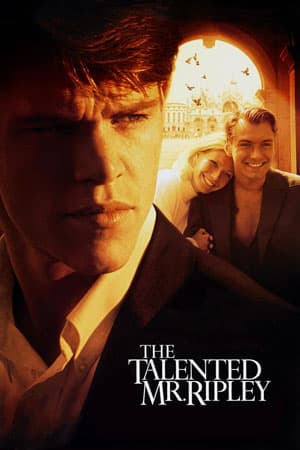
Nothing else captures the pull of wanting somebody else's life this well: Minghella fills the Italian coast with sunlight and good clothes, and lets a young man's envy curdle in plain sight.
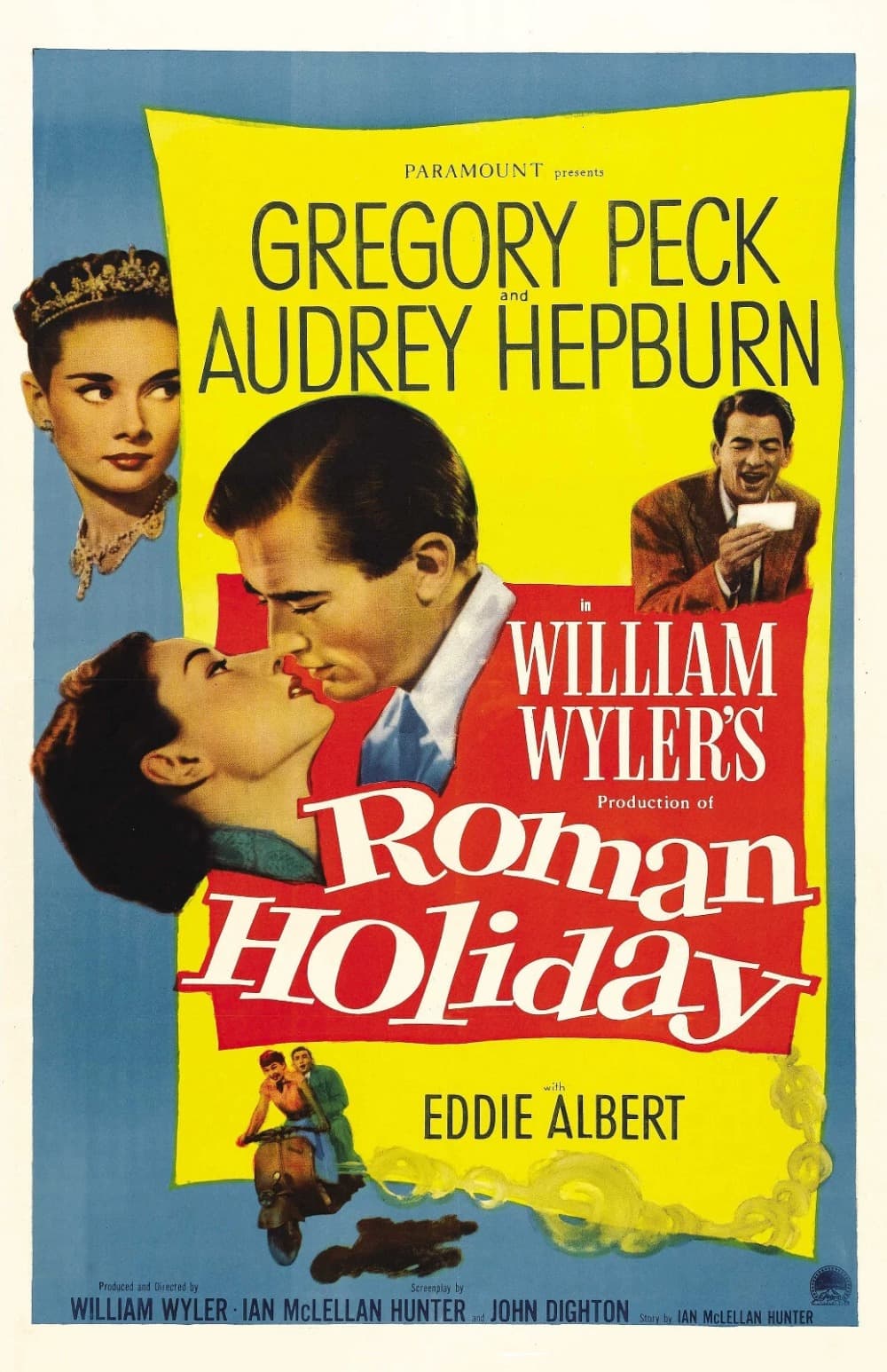
Audrey Hepburn became a star overnight and Dalton Trumbo wrote the script while blacklisted: a princess slips her handlers for one unscheduled day in Rome, with a reporter who knows who she is.
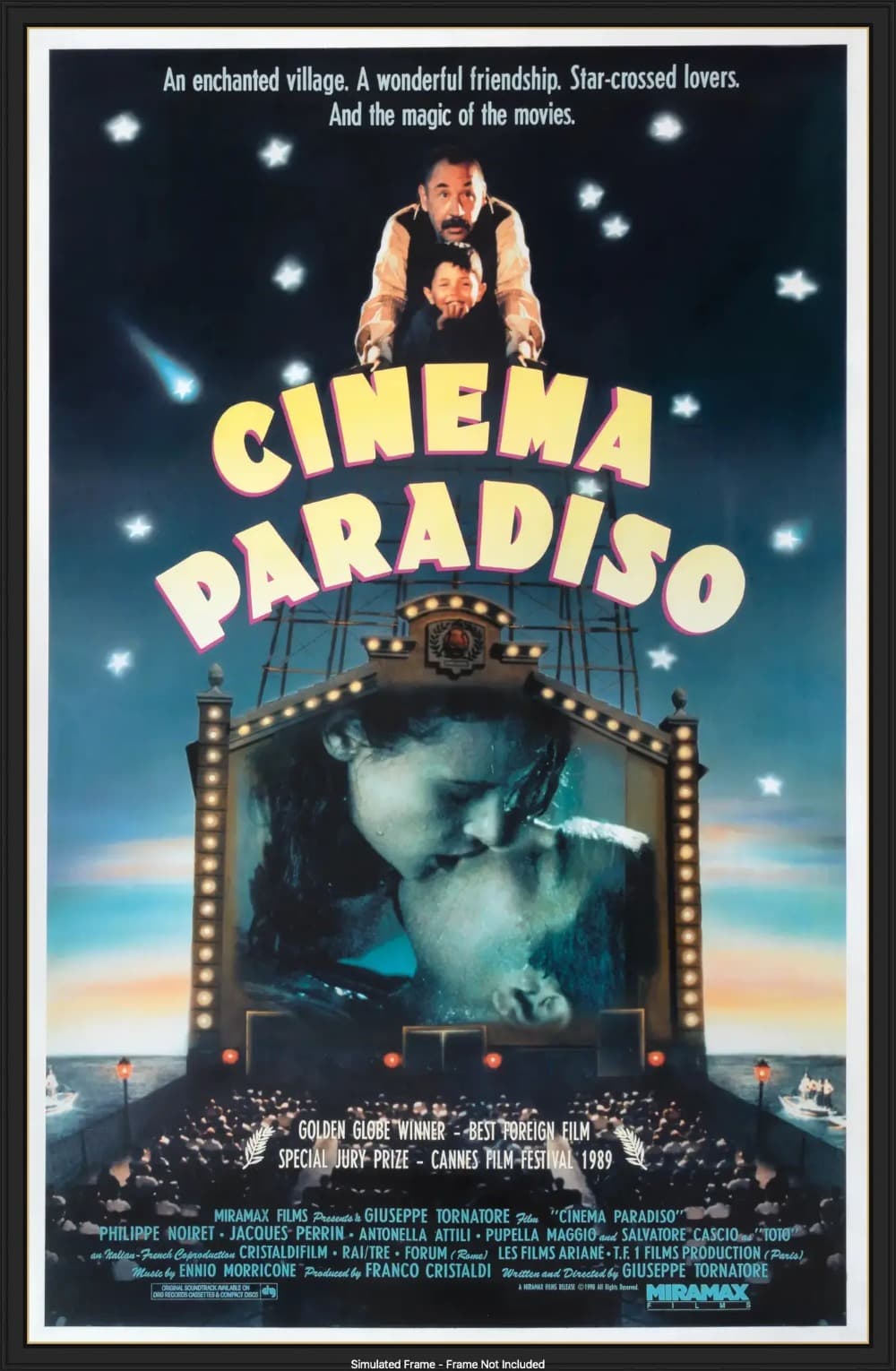
Morricone wrote the theme that reduces grown men to tears: a Sicilian boy grows up in a village projection booth, and the subject underneath is what movies do to a life.
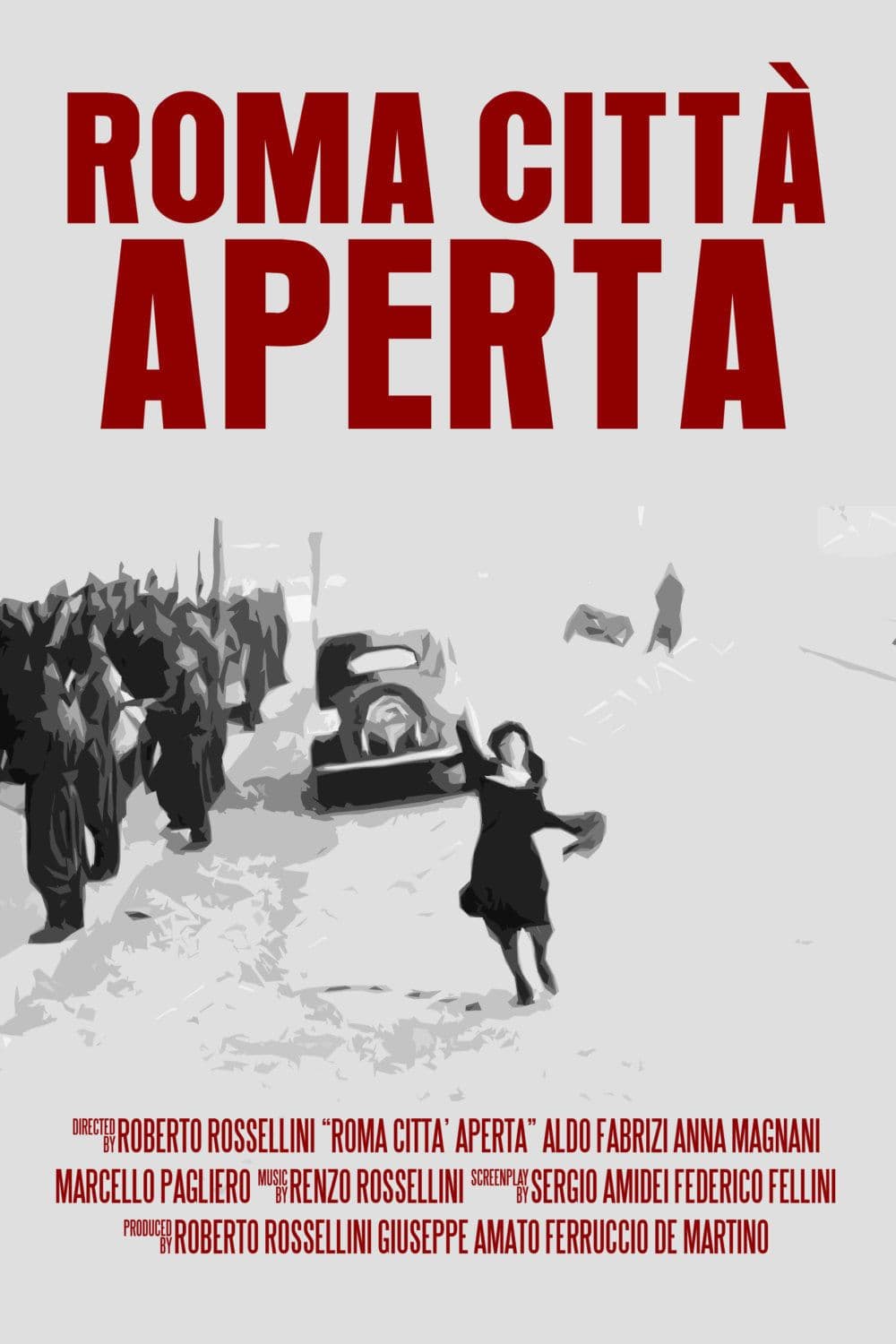
Rossellini shot it in the streets months after the Germans pulled out, on mismatched surplus stock scrounged from an army supplier: this is where Italian neorealism arrives.
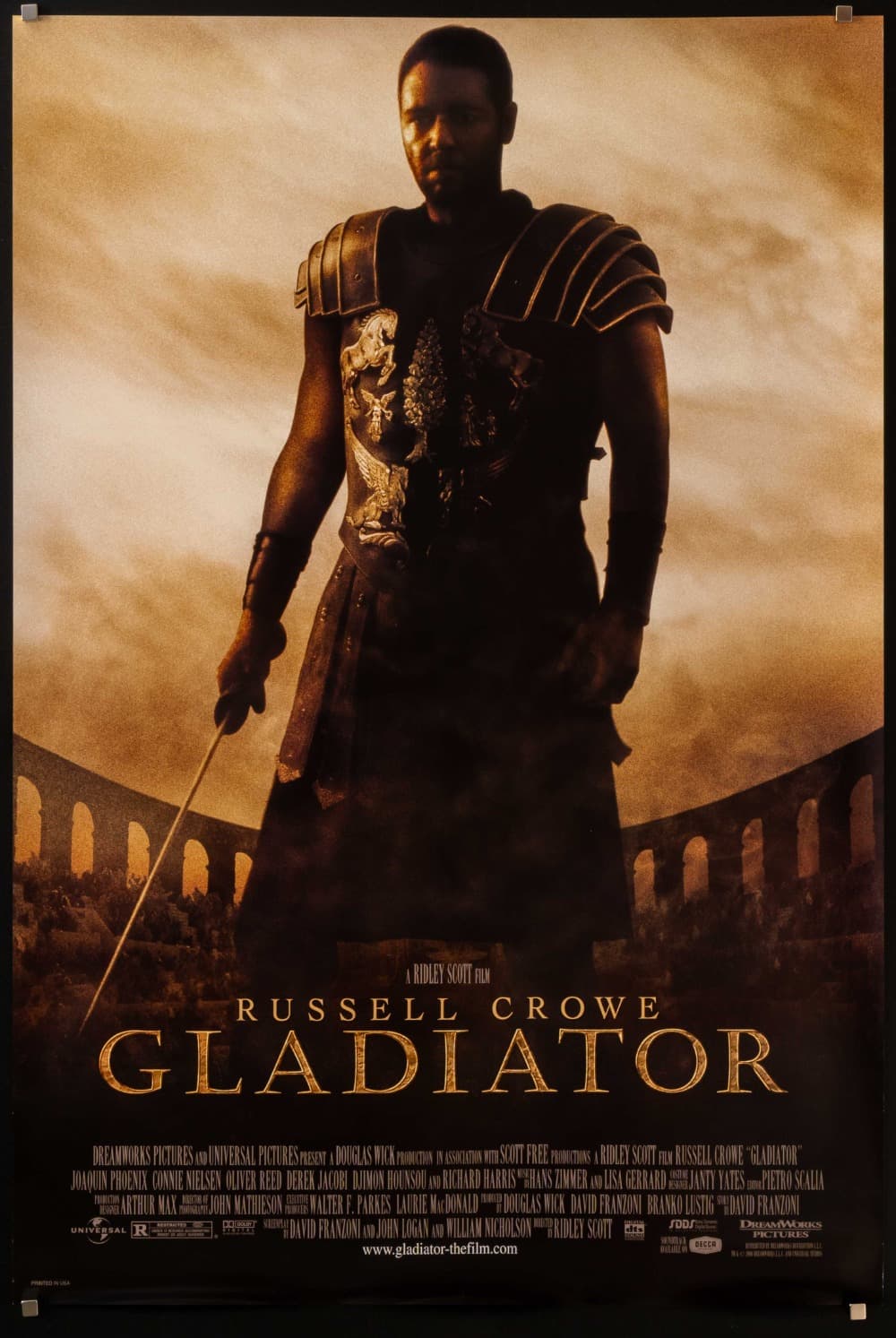
It dragged the Roman epic back after thirty-five years of dormancy: Russell Crowe's fury is the whole engine, and the arena sequences still deliver everything they promise.
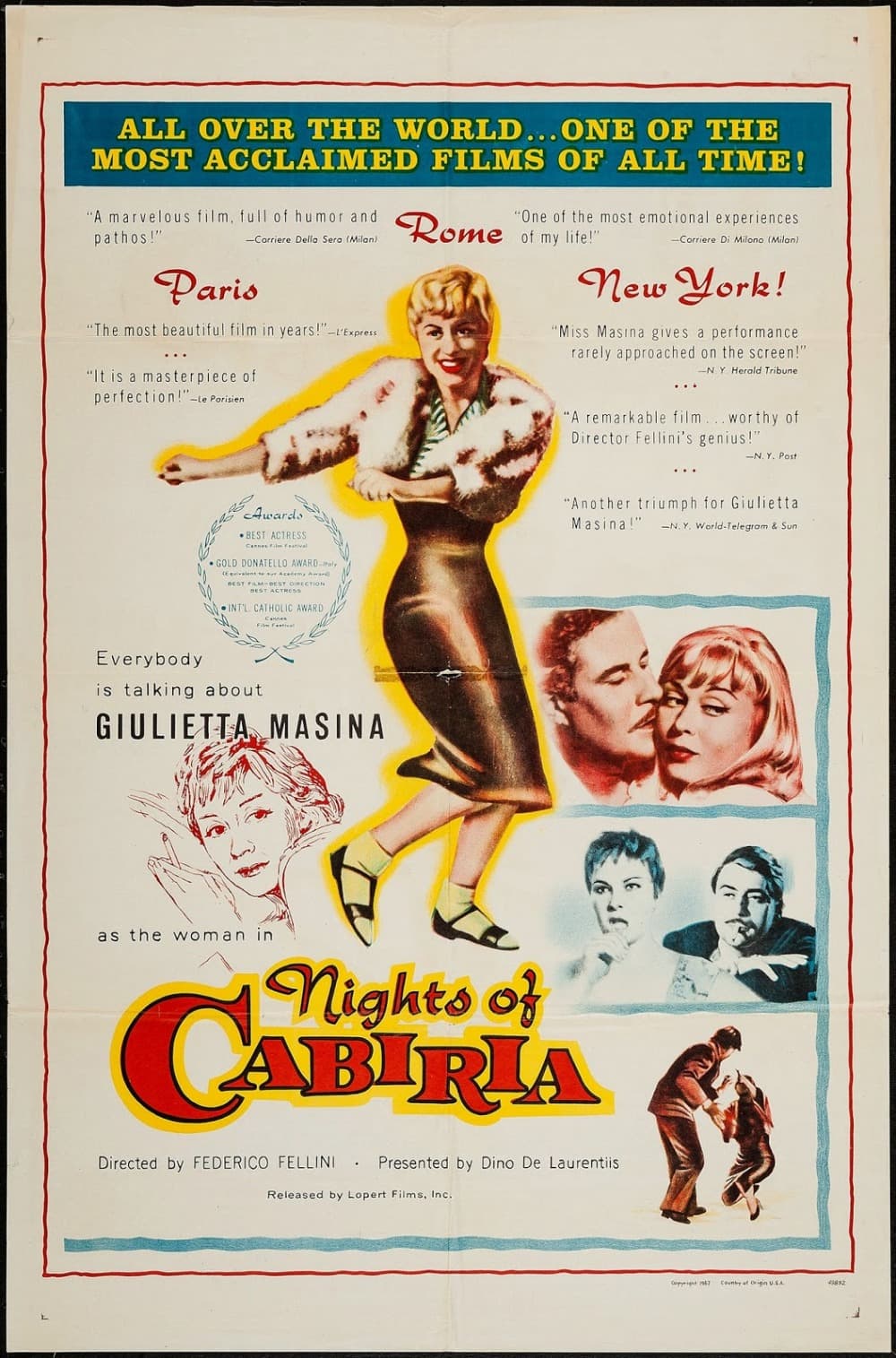
Giulietta Masina gives the performance that everyone remembers from Fellini: a Roman streetwalker keeps hoping harder than her luck deserves, and the film never once pities her.
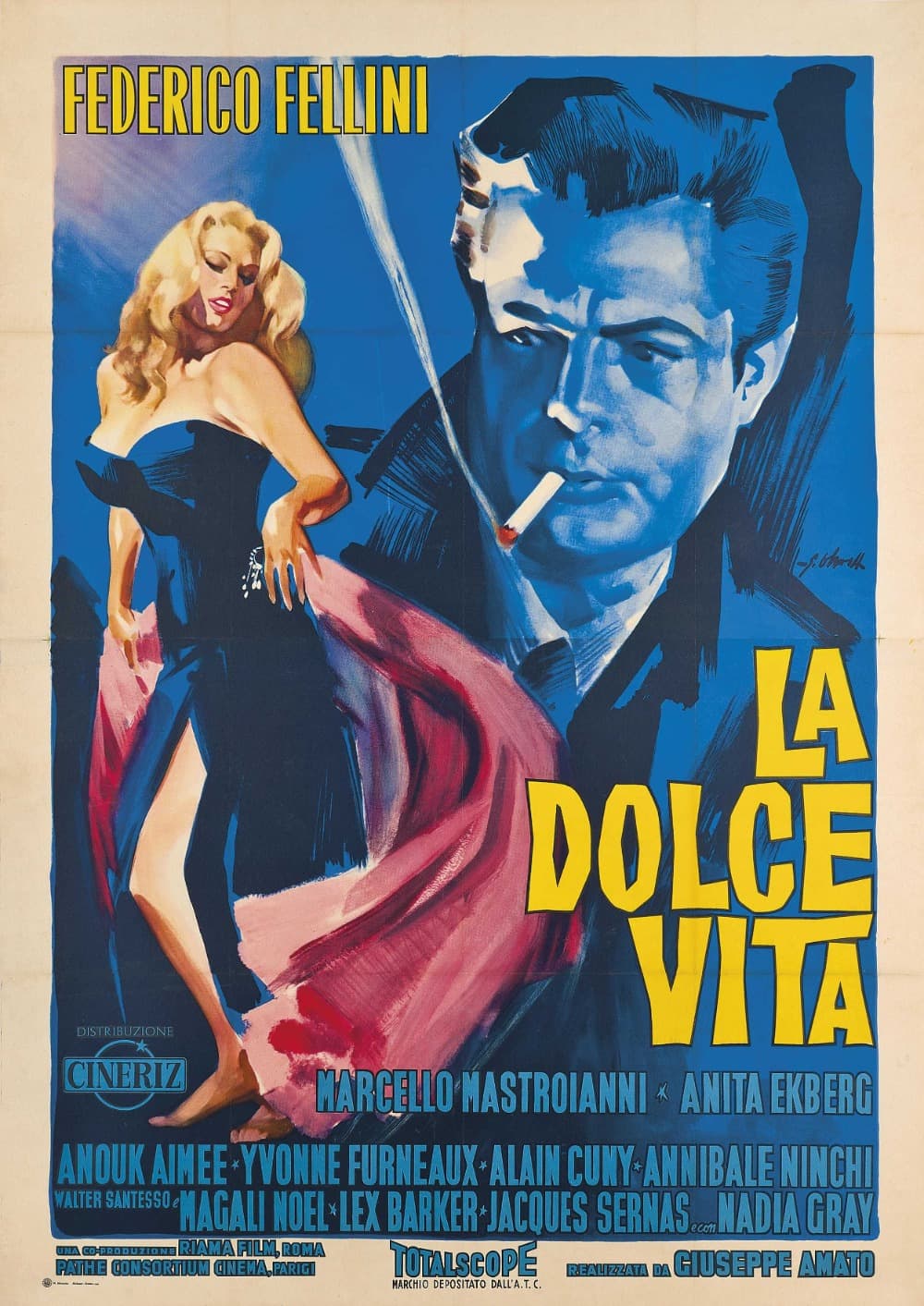
It put the word paparazzi into every language on earth: Fellini drifts through seven Roman nights of parties and beautiful exhaustion, and the fountain at dawn became permanent.
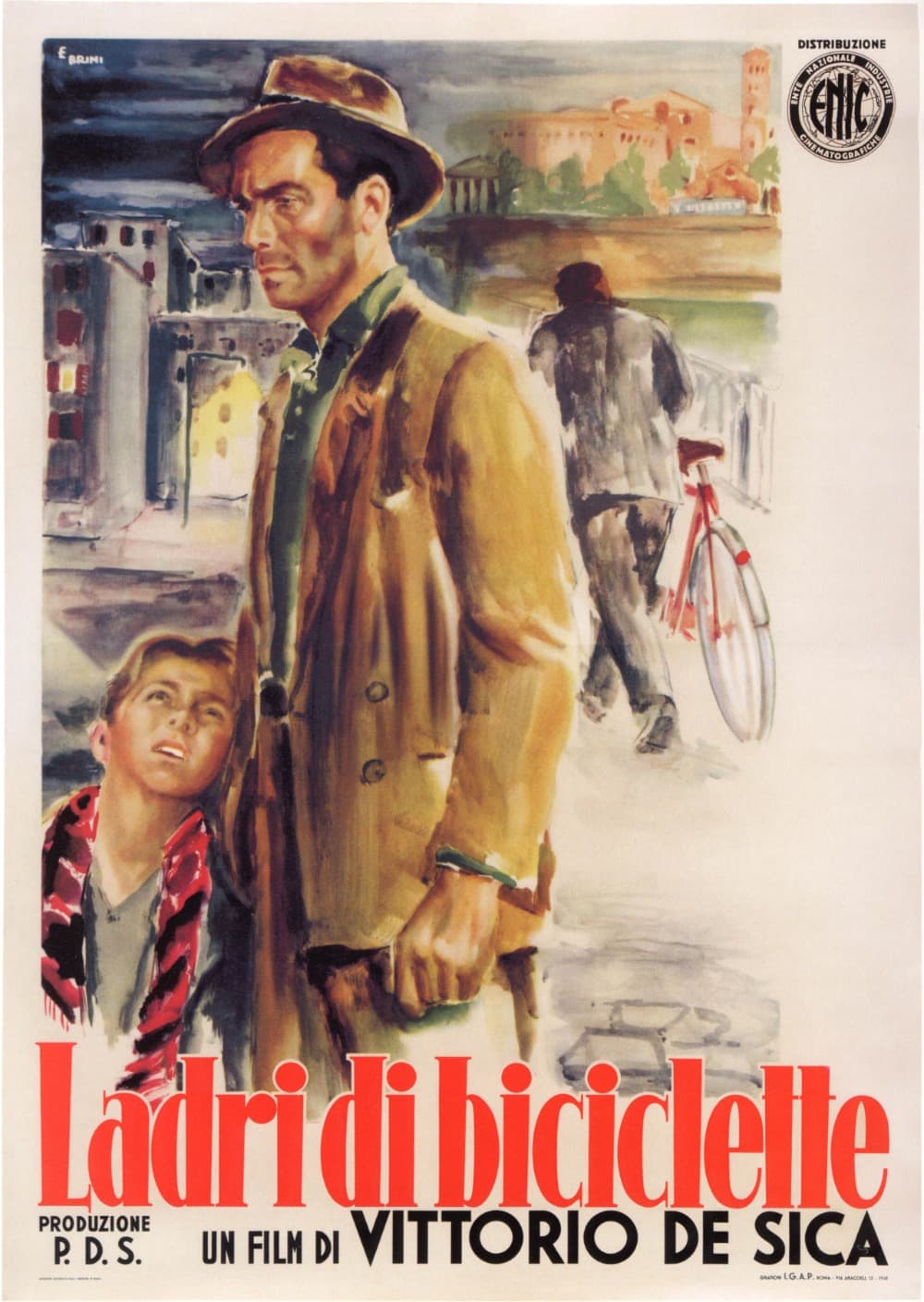
Italian neorealism starts with this, and it still guts people: De Sica cast a factory worker as his lead and found a whole society inside one stolen bicycle.