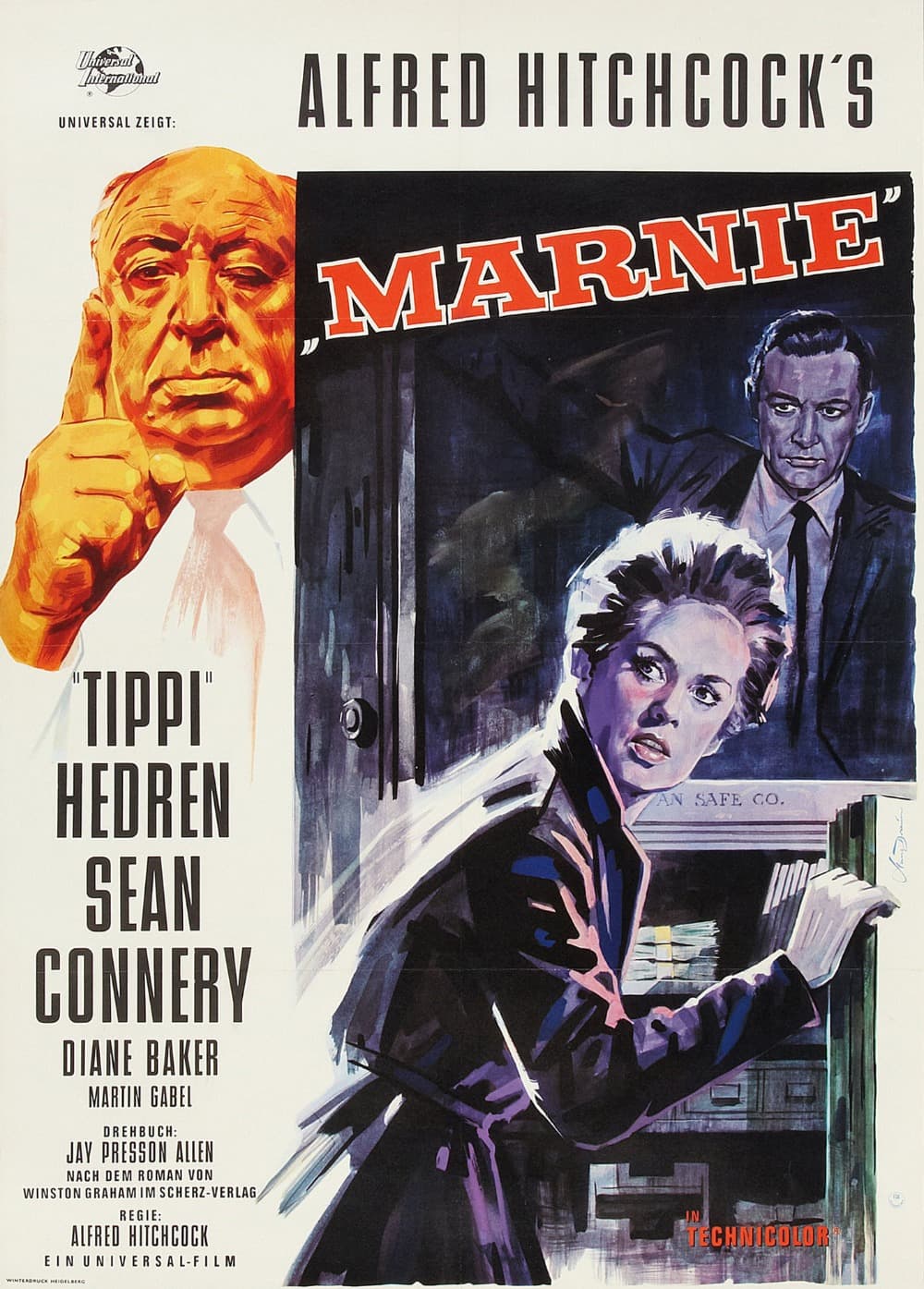
Marnie
Directed by Alfred Hitchcock
1964
The Hitchcock film scholars argue about most, and the production that ruined his working relationship with Tippi Hedren: a compulsive thief is caught by someone who decides to keep her.
★ 3.2
 skopia
The Hitchcock film scholars argue about most, and the production that ruined his working relationship with Tippi Hedren: a compulsive thief is caught by someone who decides to keep her.
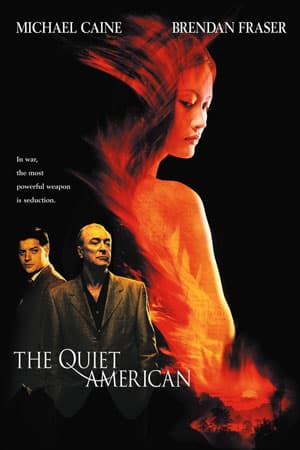
Miramax delayed releasing it after September 11 because the politics looked unpatriotic: Graham Greene's novel about American certainty in 1952 Saigon, with Michael Caine giving his best late performance.
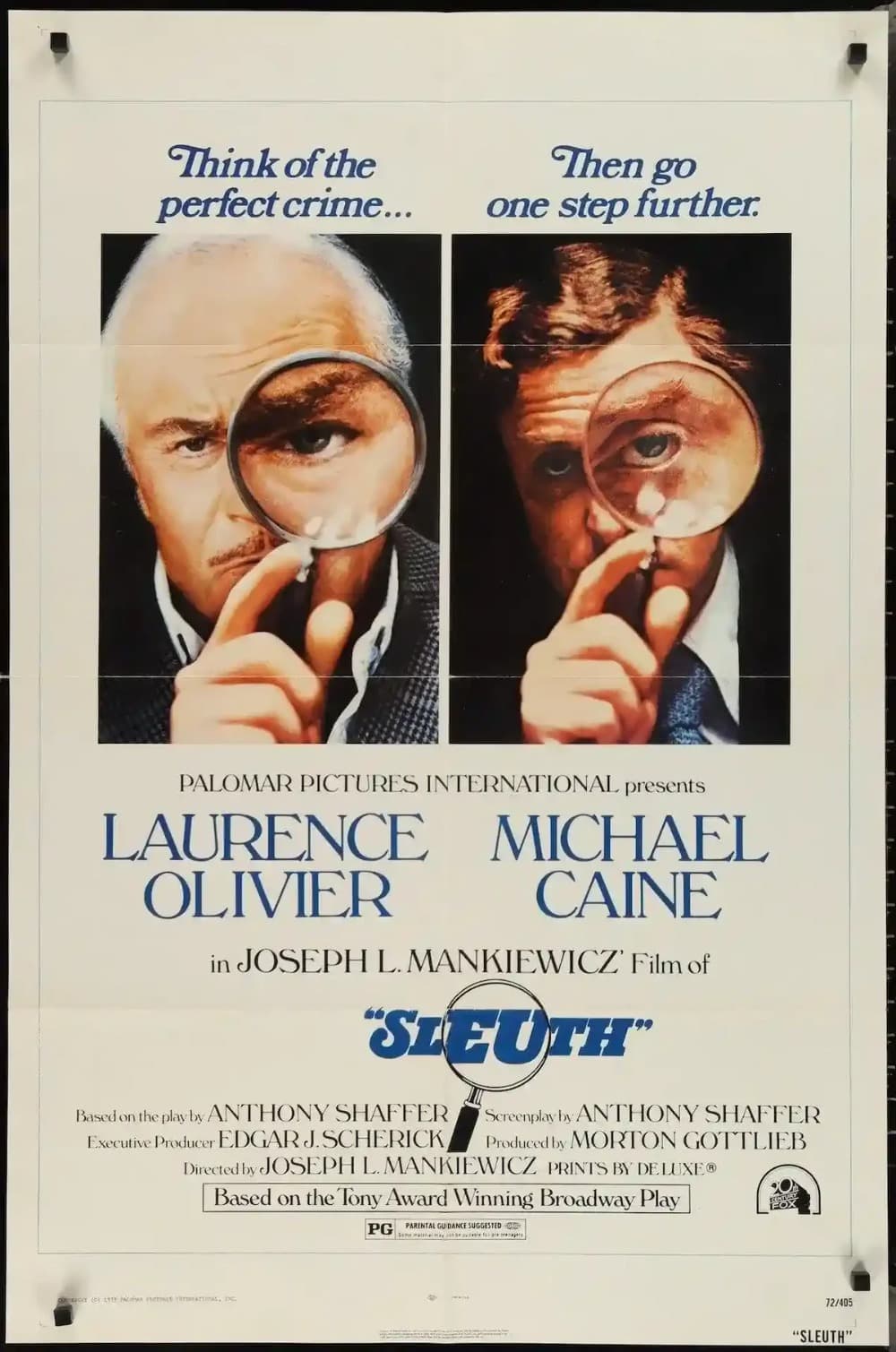
Laurence Olivier and Michael Caine were both up for Best Actor, which has happened only a handful of times: a mystery writer invites his wife's lover to a country house full of games.
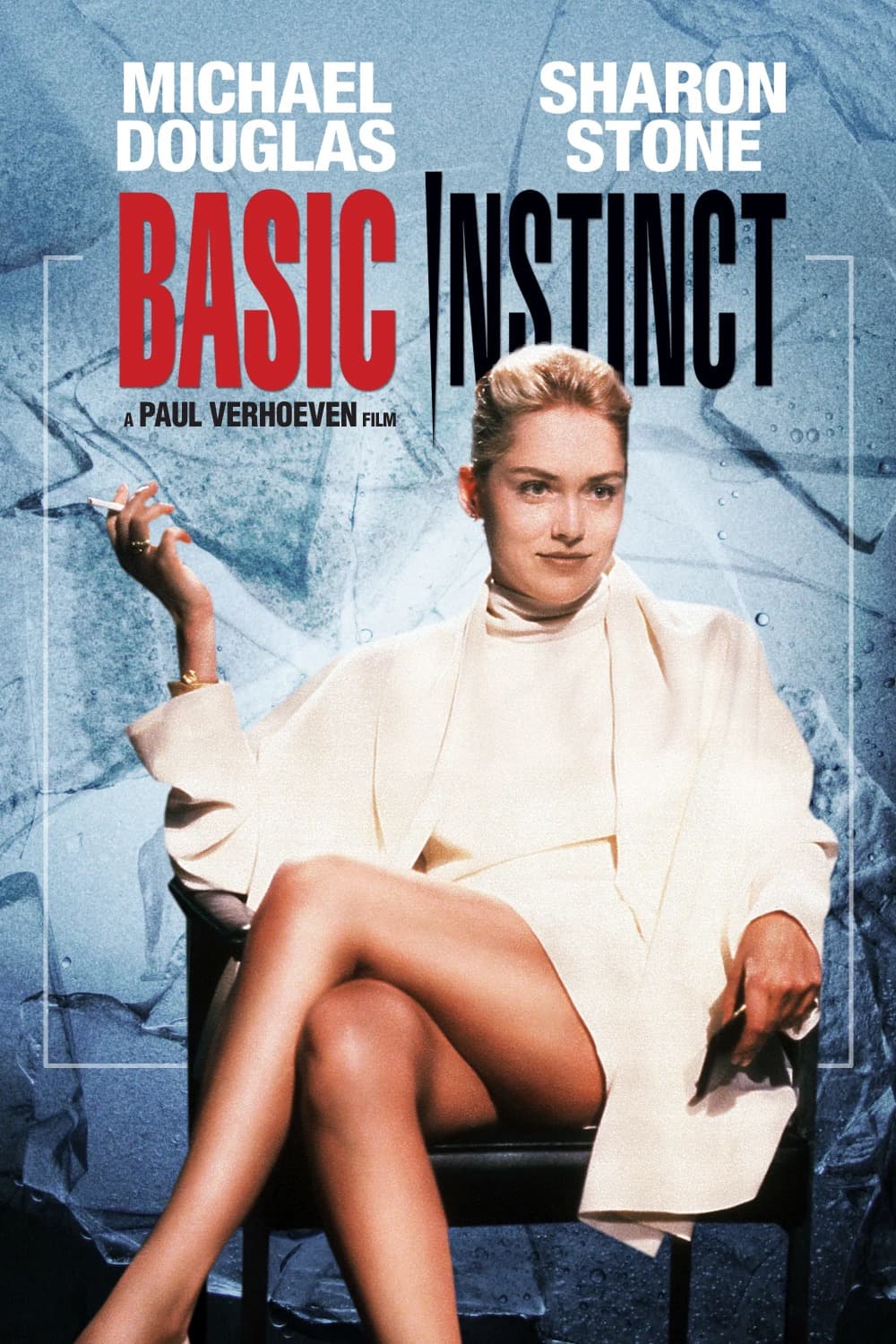
Paul Verhoeven made the decade's most notorious mainstream thriller and never once blinked: an interrogation scene everyone still knows, and a novelist who may be writing what happens next.
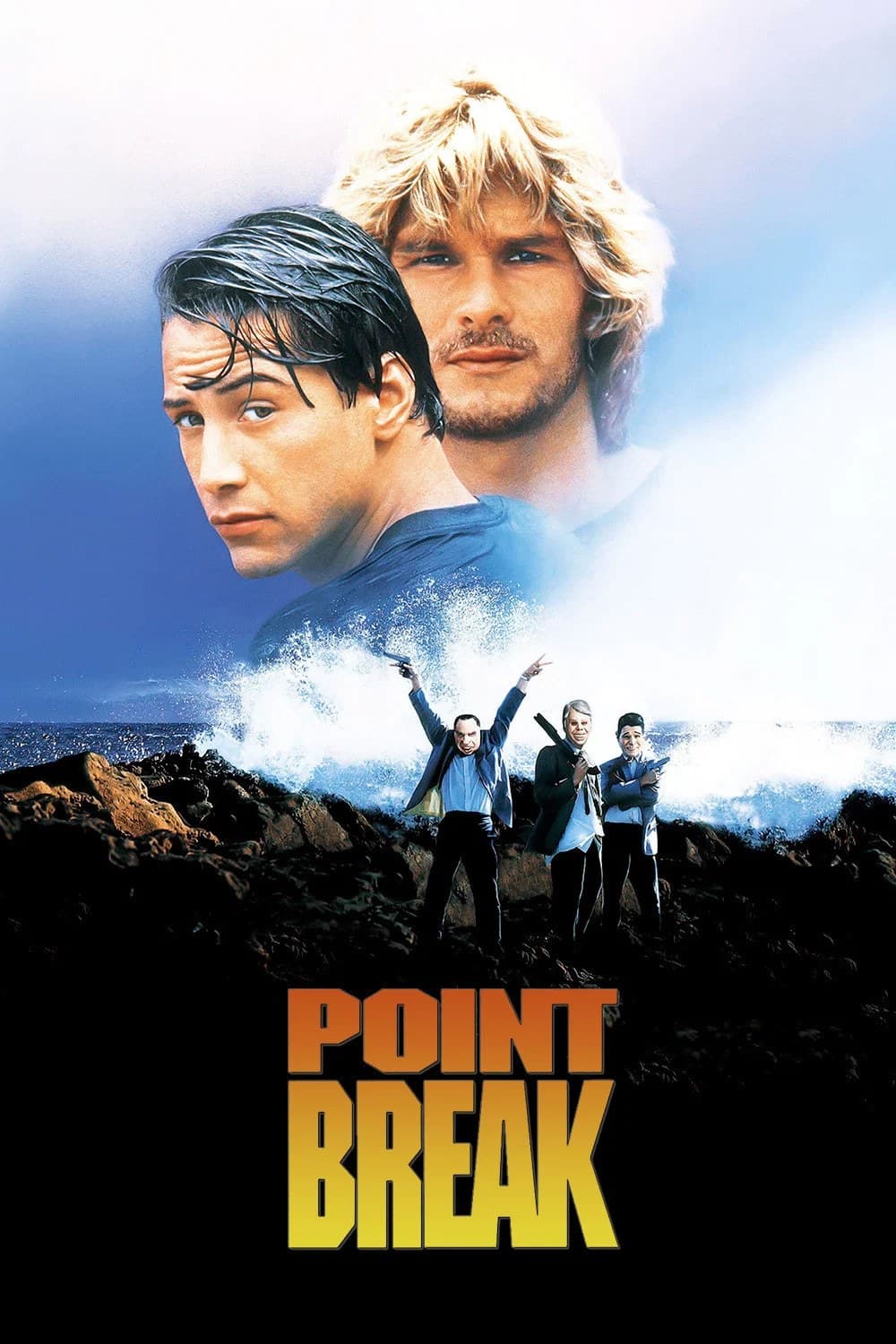
Kathryn Bigelow made the most physically committed action film anyone had attempted: an FBI agent infiltrates a crew of surfers who rob banks in president masks, and starts preferring their company.
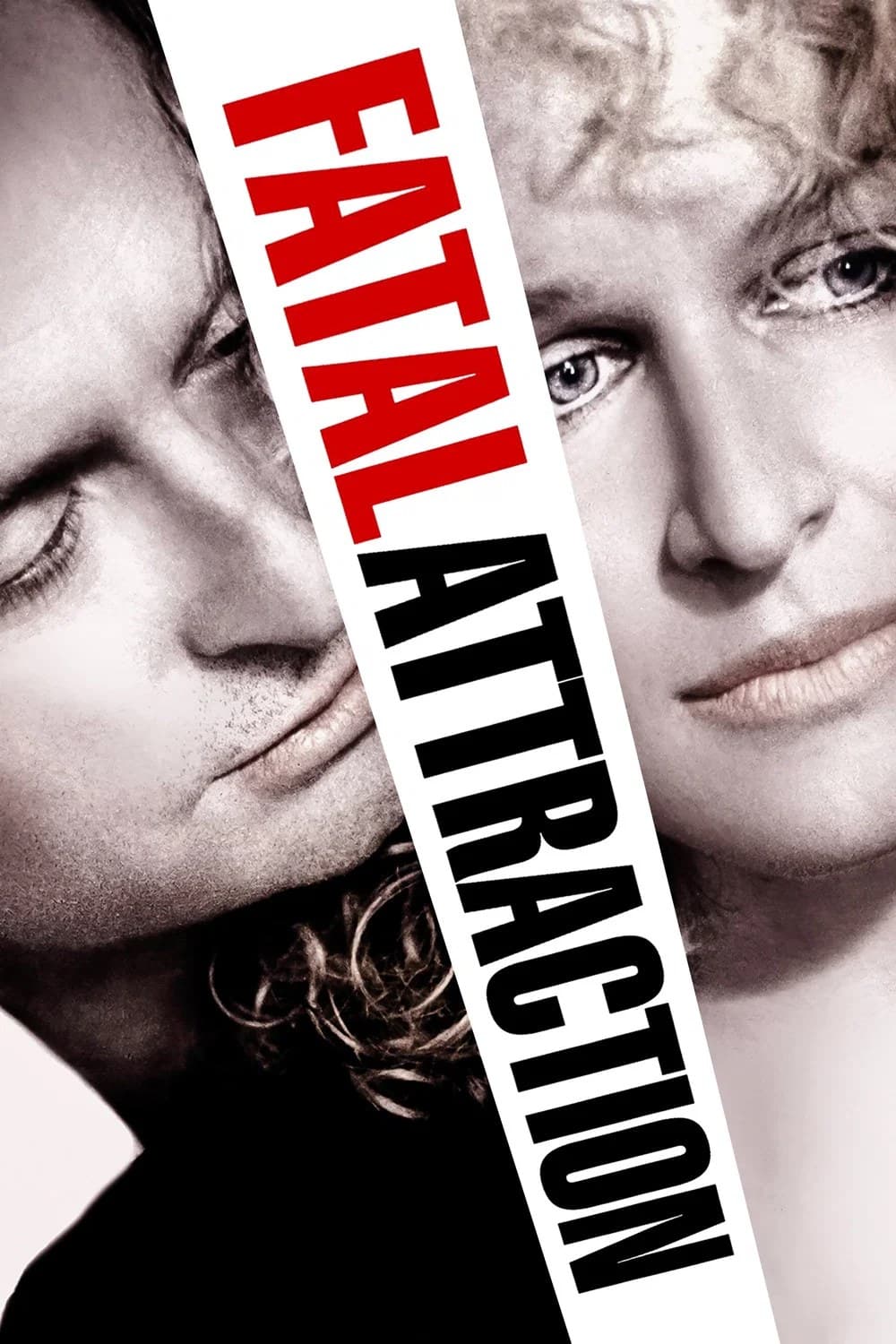
It became a national argument for months and put a phrase into the language: a married man has a weekend affair in Manhattan, and Glenn Close will not let it end there.
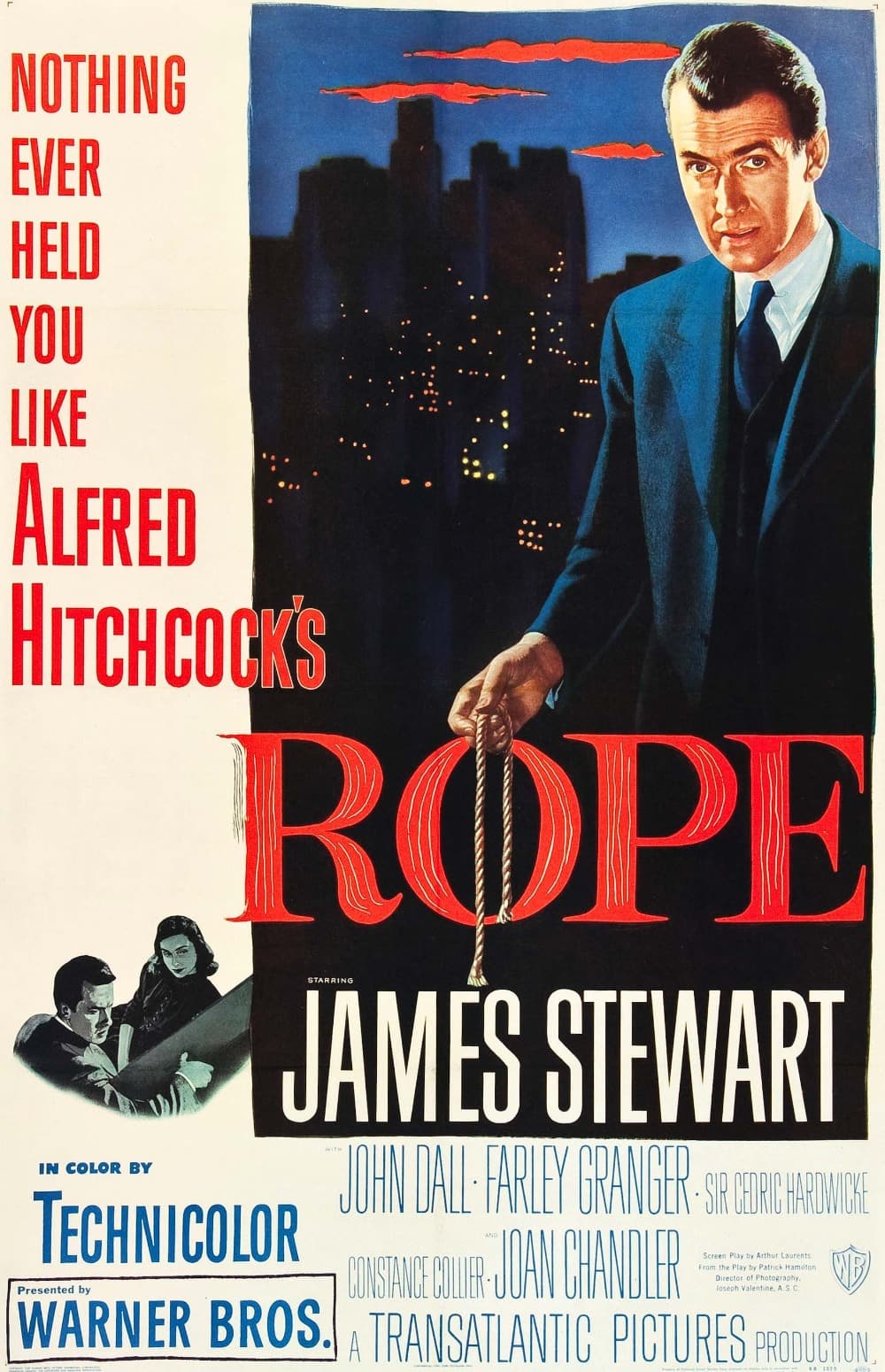
Alfred Hitchcock disguised half the cuts so the film plays like one unbroken take: two students host a dinner party in the apartment where they have done something, and the camera never leaves.
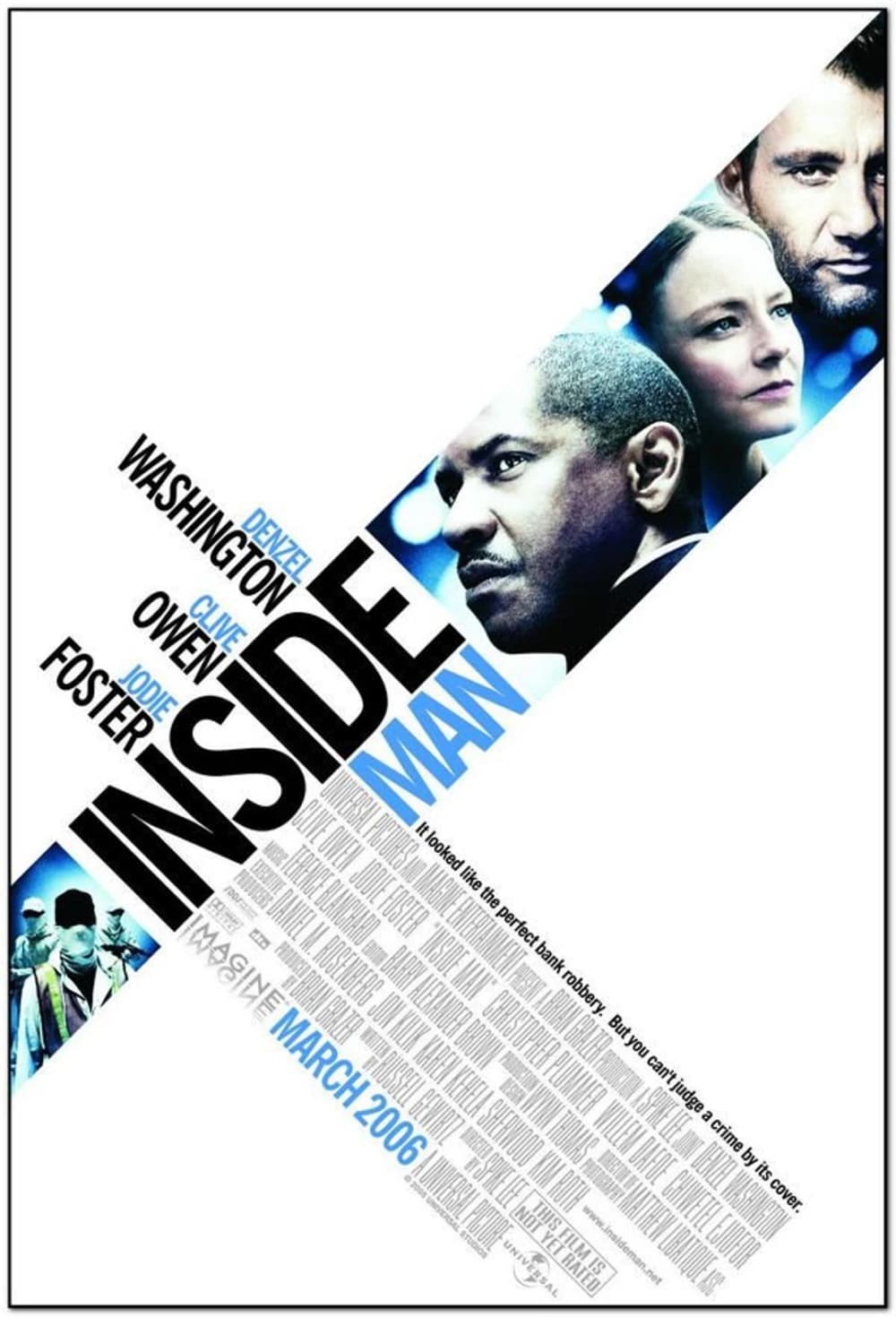
Spike Lee's biggest commercial hit is also his slyest: a rehearsed crew takes hostages inside a Wall Street bank, Denzel Washington negotiates, and Jodie Foster turns up representing somebody nobody can place.
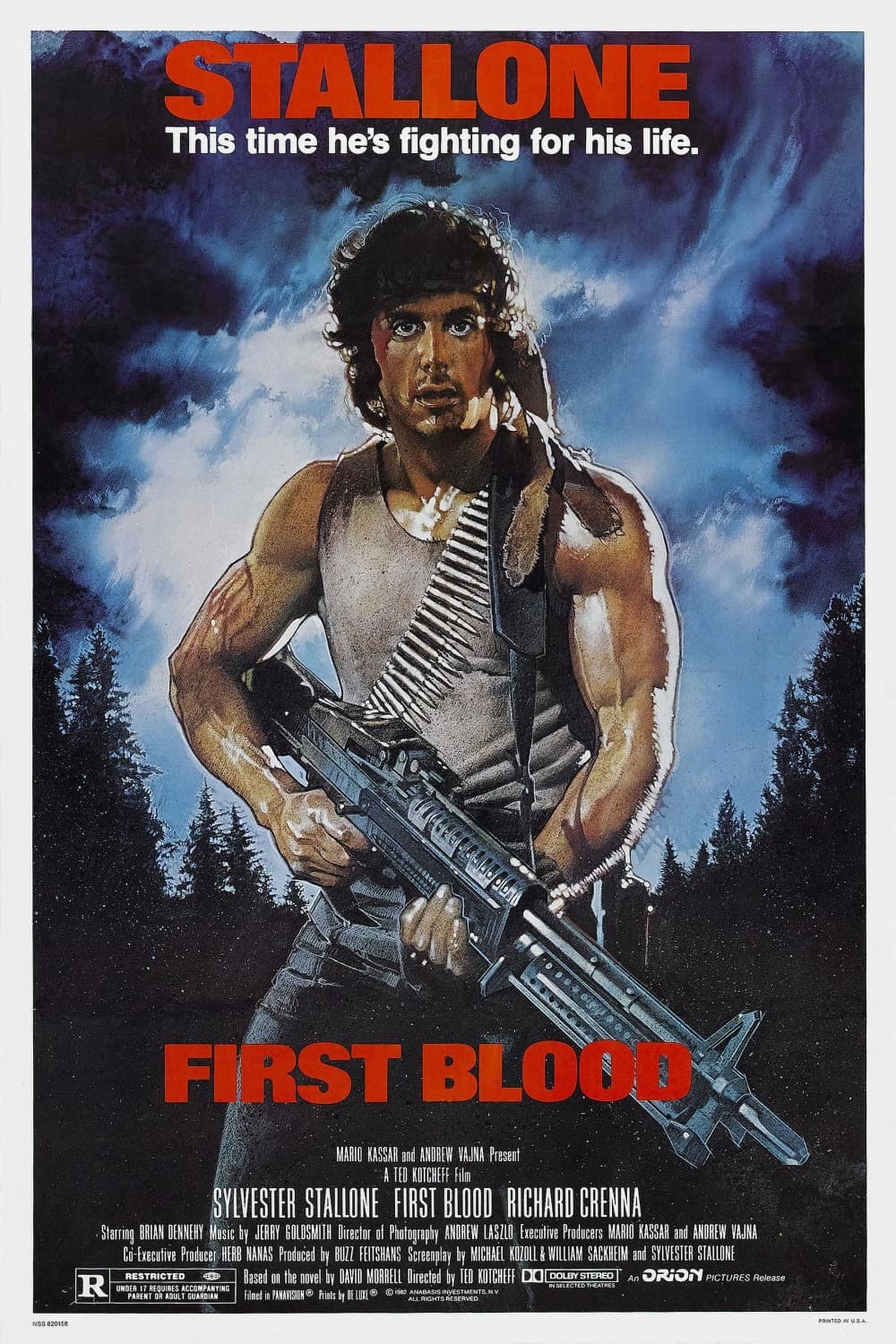
Before the sequels turned him into a cartoon, Rambo was a homeless veteran the police would not leave alone: Ted Kotcheff shot the Pacific Northwest cold and wet, and Stallone barely speaks.
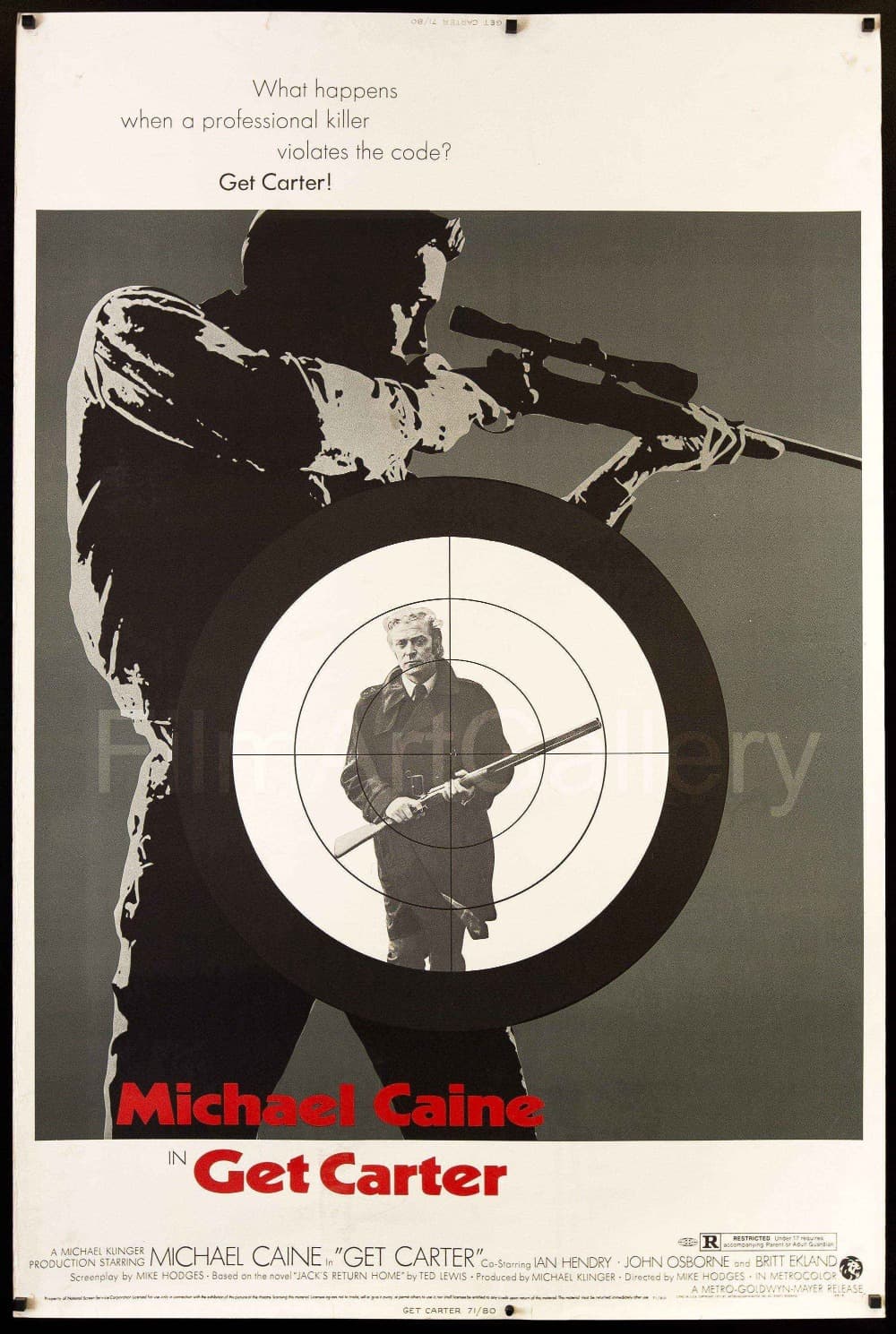
Michael Caine plays a gangster with no charm whatsoever and it is his best performance: Newcastle in 1971 shot as a real place, and every British crime film since has borrowed the tone.
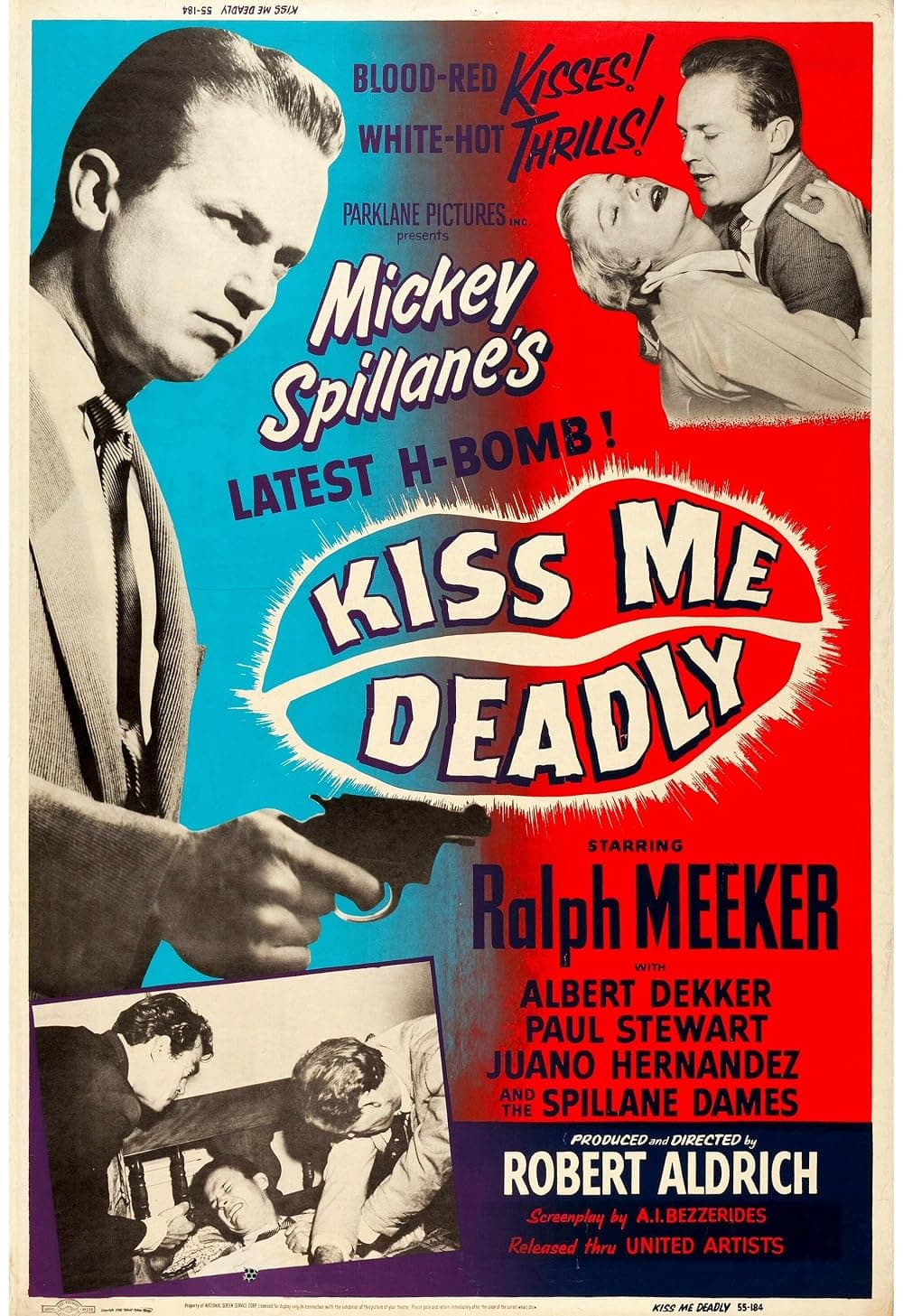
Film noir's meanest specimen: Robert Aldrich turned Mickey Spillane's detective into a thug worse than the criminals he chases, and gave the genre an ending nobody in 1955 was ready for.
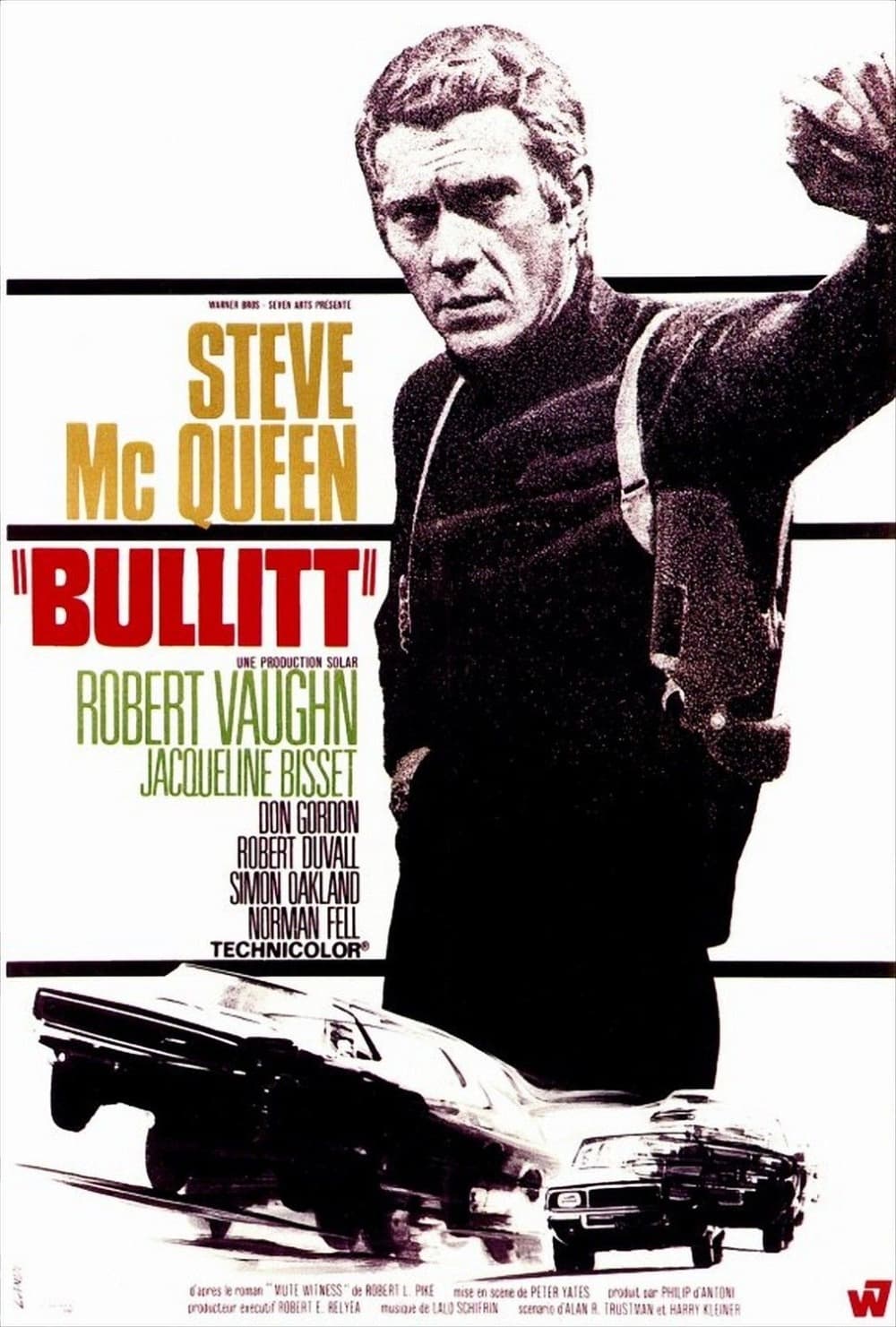
The San Francisco car chase runs almost eleven minutes with no music at all, only engines: everything since has been a response to it, and Steve McQueen keeps his talking to a minimum.

Tarantino took the color-coded aliases straight from this for Reservoir Dogs: four men hijack a subway car under Manhattan and Walter Matthau negotiates with them by radio, entirely deadpan.
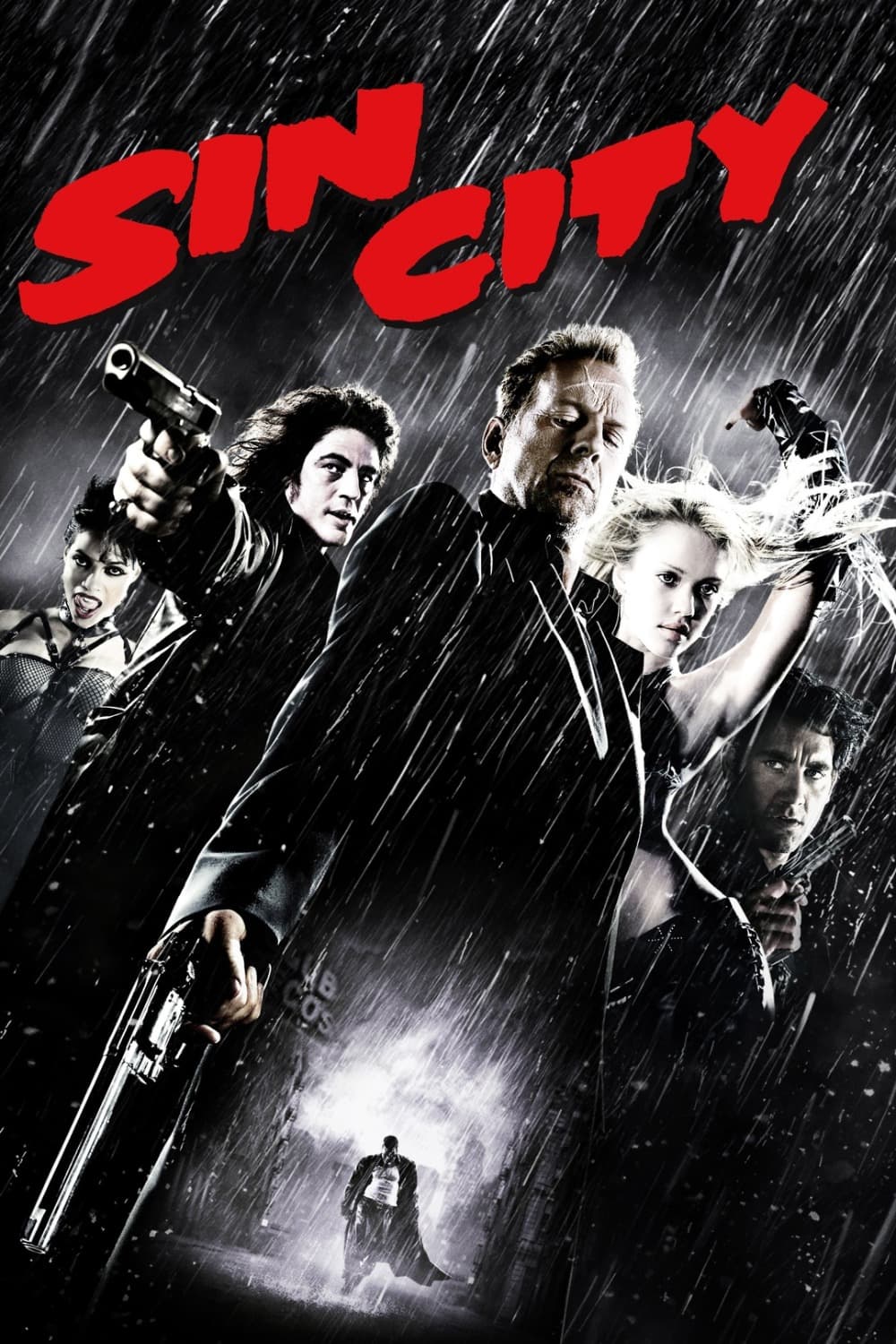
Rodriguez shot the whole thing on green screen and used Frank Miller's comic panels as storyboards: monochrome with single splashes of color, and Miller got a co-director credit for it.
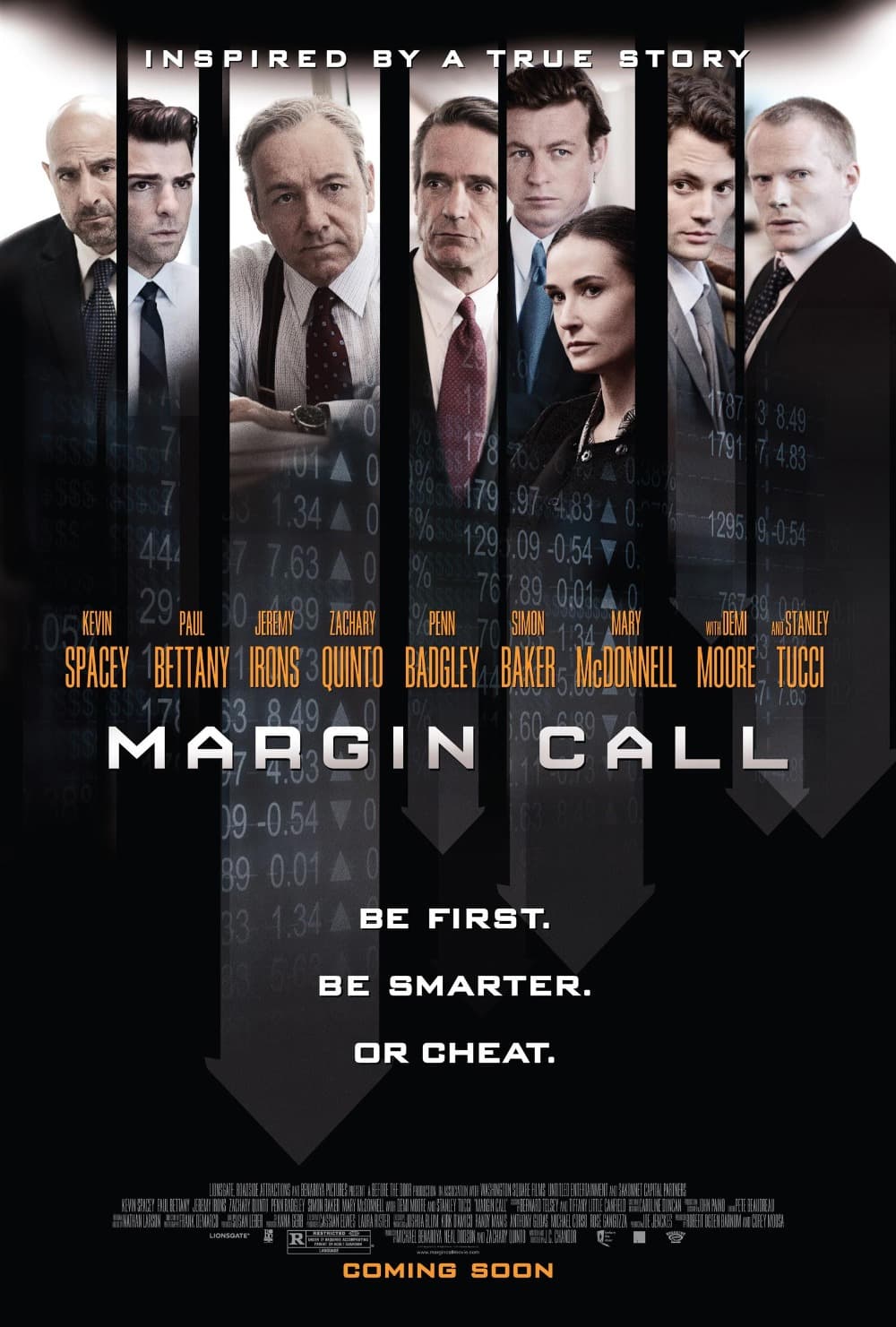
J.C. Chandor shot it in seventeen days on one office floor and got Jeremy Irons and Kevin Spacey anyway: an investment bank works out overnight that it is holding something worthless.
Fernando Meirelles shot Kenya the way he shot Rio, handheld and saturated: a mild British diplomat starts pulling at what his wife was investigating, and Rachel Weisz took the Oscar for playing her.
Michael Mann's first theatrical feature, with Tangerine Dream on the score and real ex-burglars advising: a safecracker who has planned his whole future on a diner napkin tries to buy his way out.
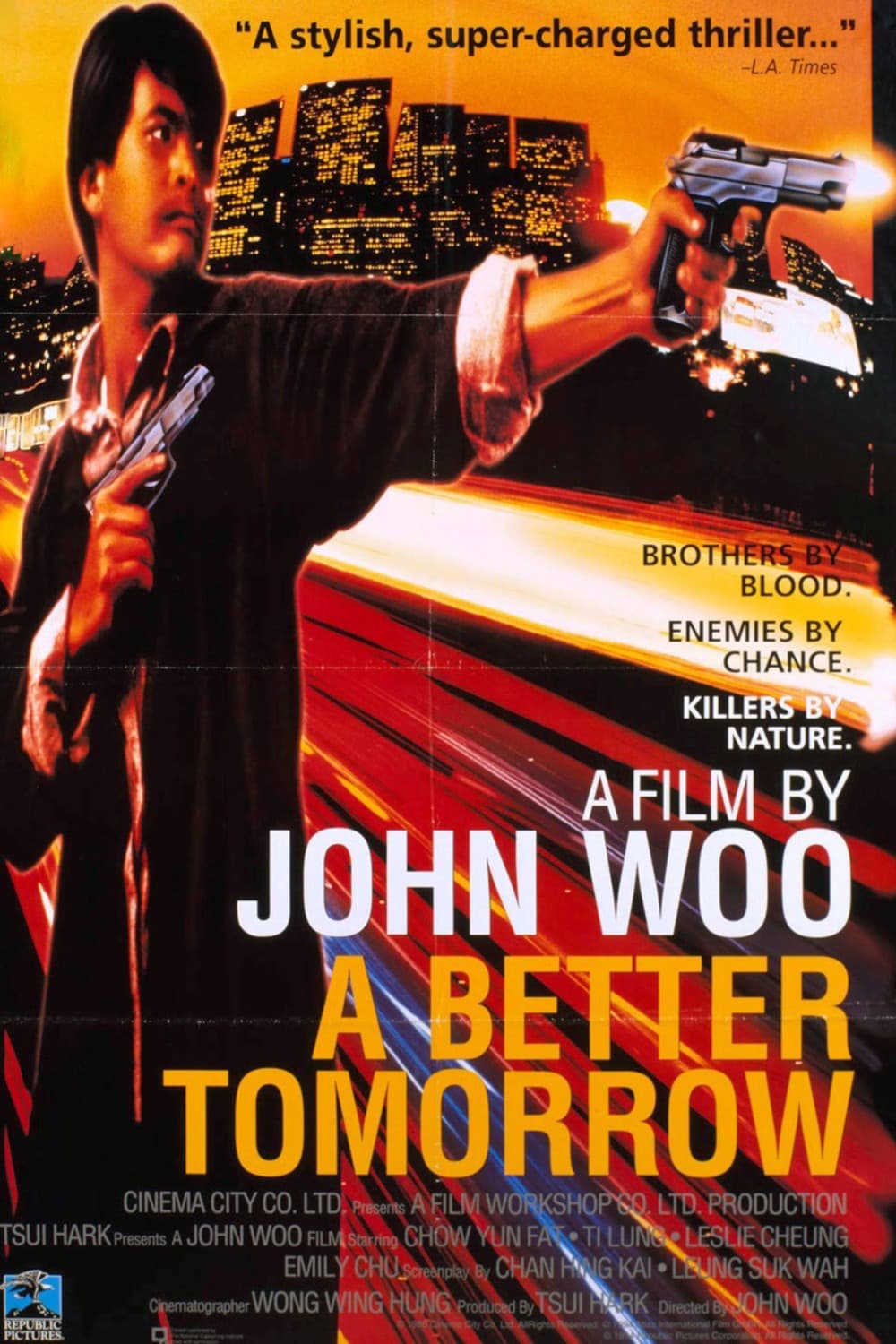
It made Chow Yun-fat a superstar and started an entire Hong Kong genre: two brothers on opposite sides of the law, and a gunman in a trenchcoat lighting a cigarette with money.
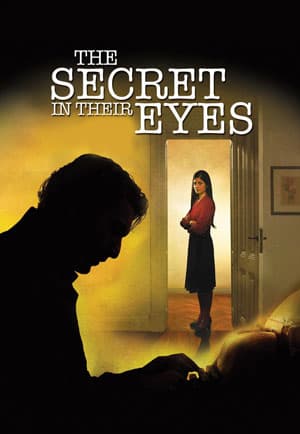
The camera drops out of the sky into a packed football stadium and does not cut for five minutes: an Argentine investigator reopens a case he could never leave alone.
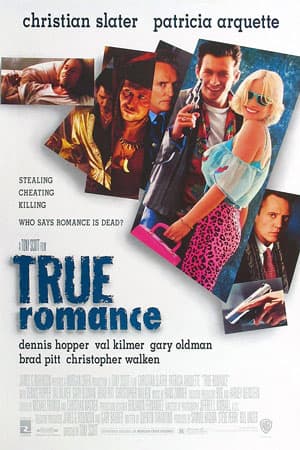
Tarantino sold this script to pay for Reservoir Dogs and Tony Scott shot it with real affection: a comic book clerk and a call girl leave Detroit with the wrong suitcase.