The Hunt for Red October
John McTiernan solves the language problem with a slow push in on the Russian political officer, and everyone speaks English from then on: submarine cat-and-mouse with almost no violence in it.

John McTiernan solves the language problem with a slow push in on the Russian political officer, and everyone speaks English from then on: submarine cat-and-mouse with almost no violence in it.

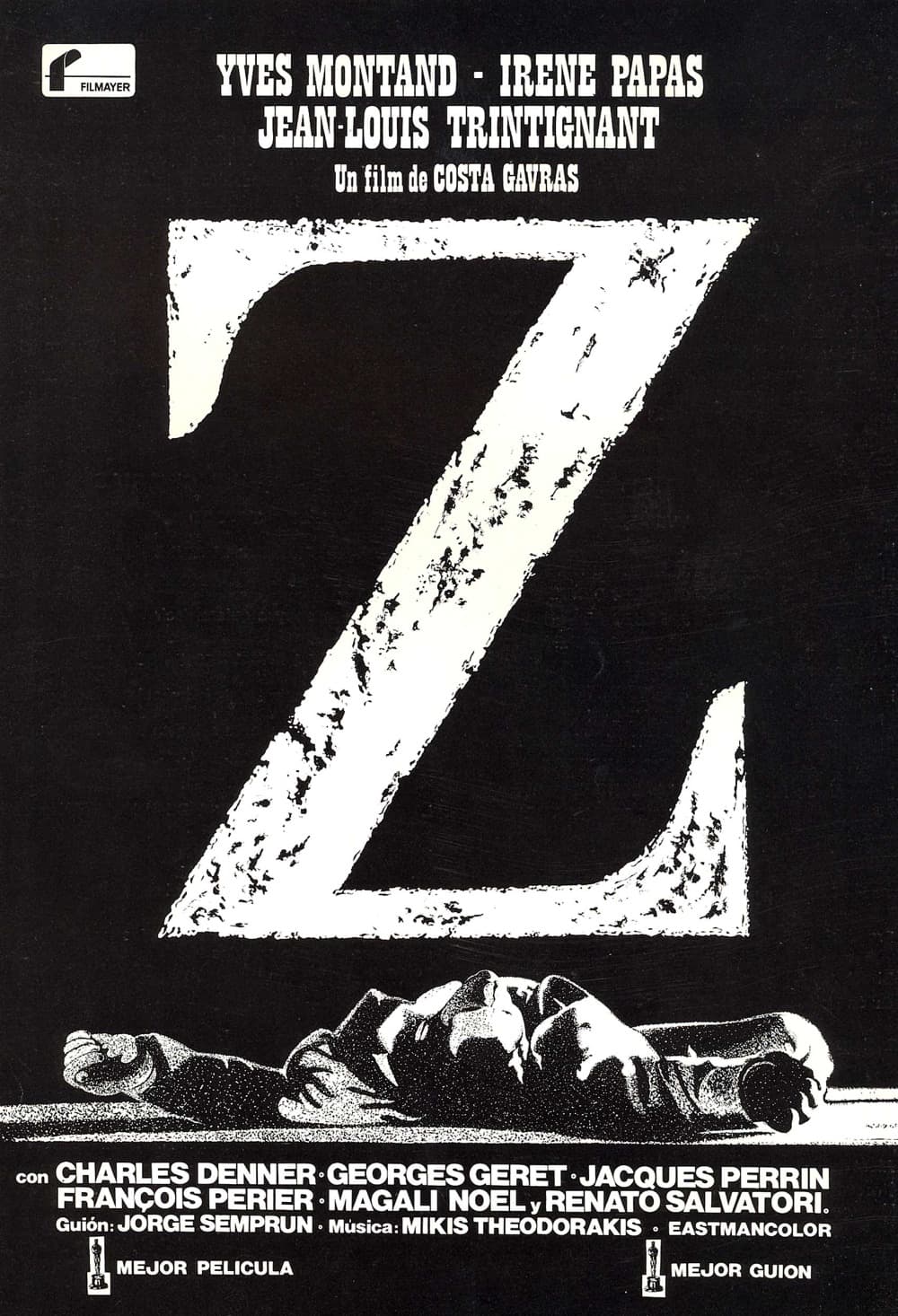
Banned by the Greek junta it was made to indict: Costa-Gavras films a political assassination and its cover-up as a procedural thriller, and the pace never lets the outrage go abstract.

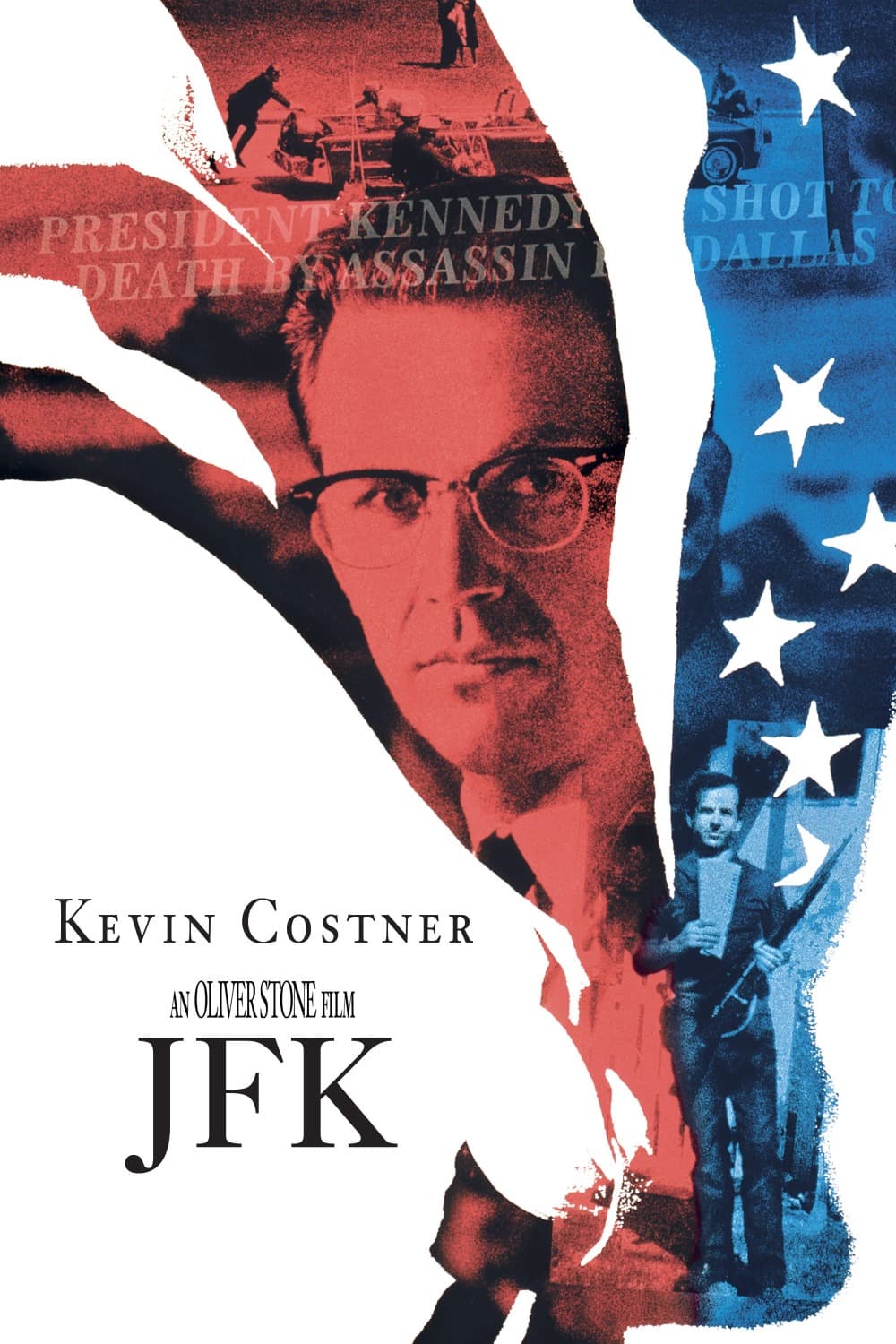
A film that changed federal law: the outcry over Stone's conspiracy case pushed Congress to pass the JFK Records Act, and the editing that sells it remains the most aggressive in American film.

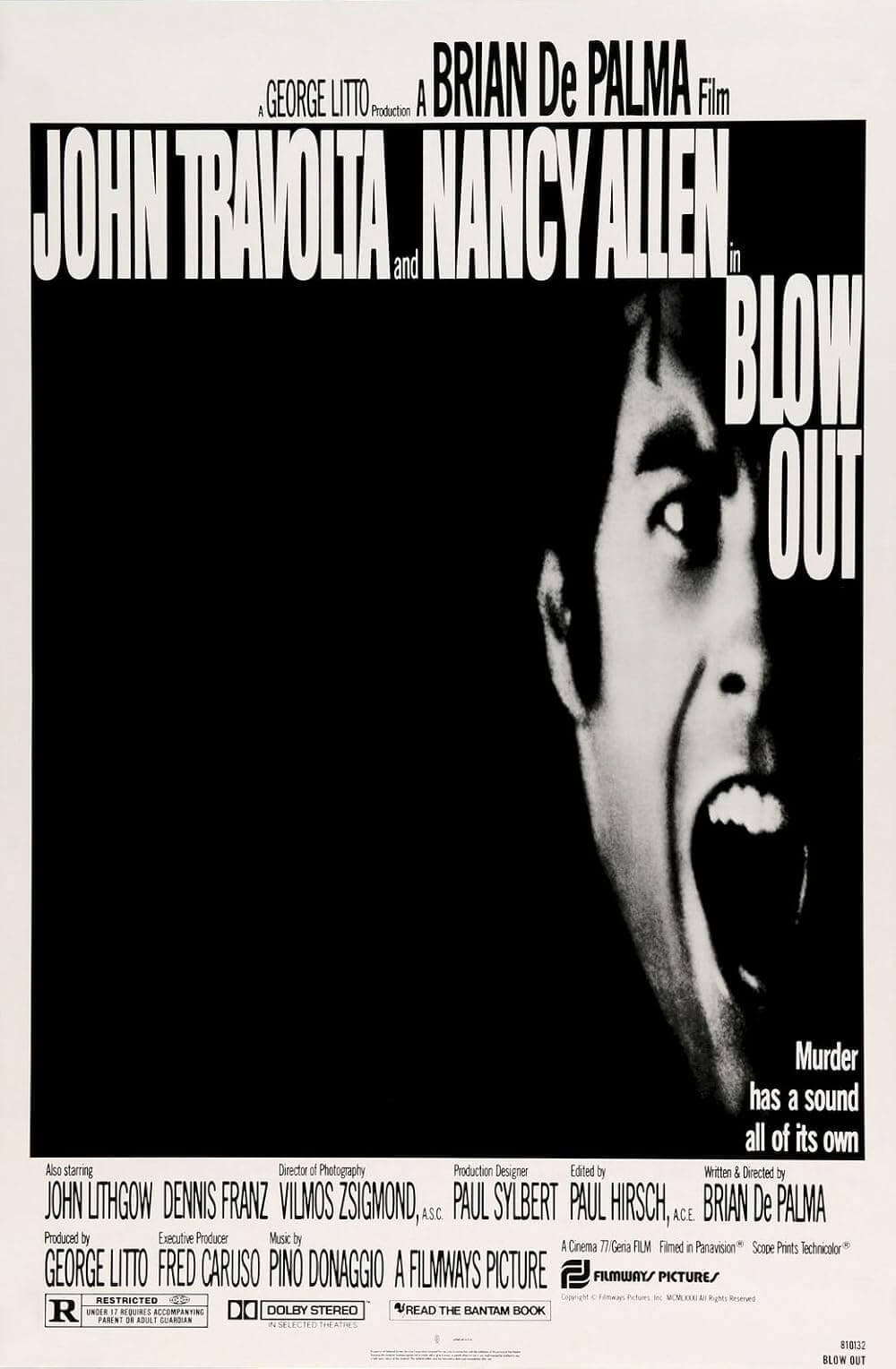
Travolta's best performance is in a thriller that flopped and spent forty years being rediscovered: a movie sound man records an accident and hears something that should not be on the tape.

Handheld chases got shakier for a decade because of this film: Greengrass films spying as legwork rather than glamour, and the Waterloo Station chase is the most tightly constructed surveillance sequence ever filmed.

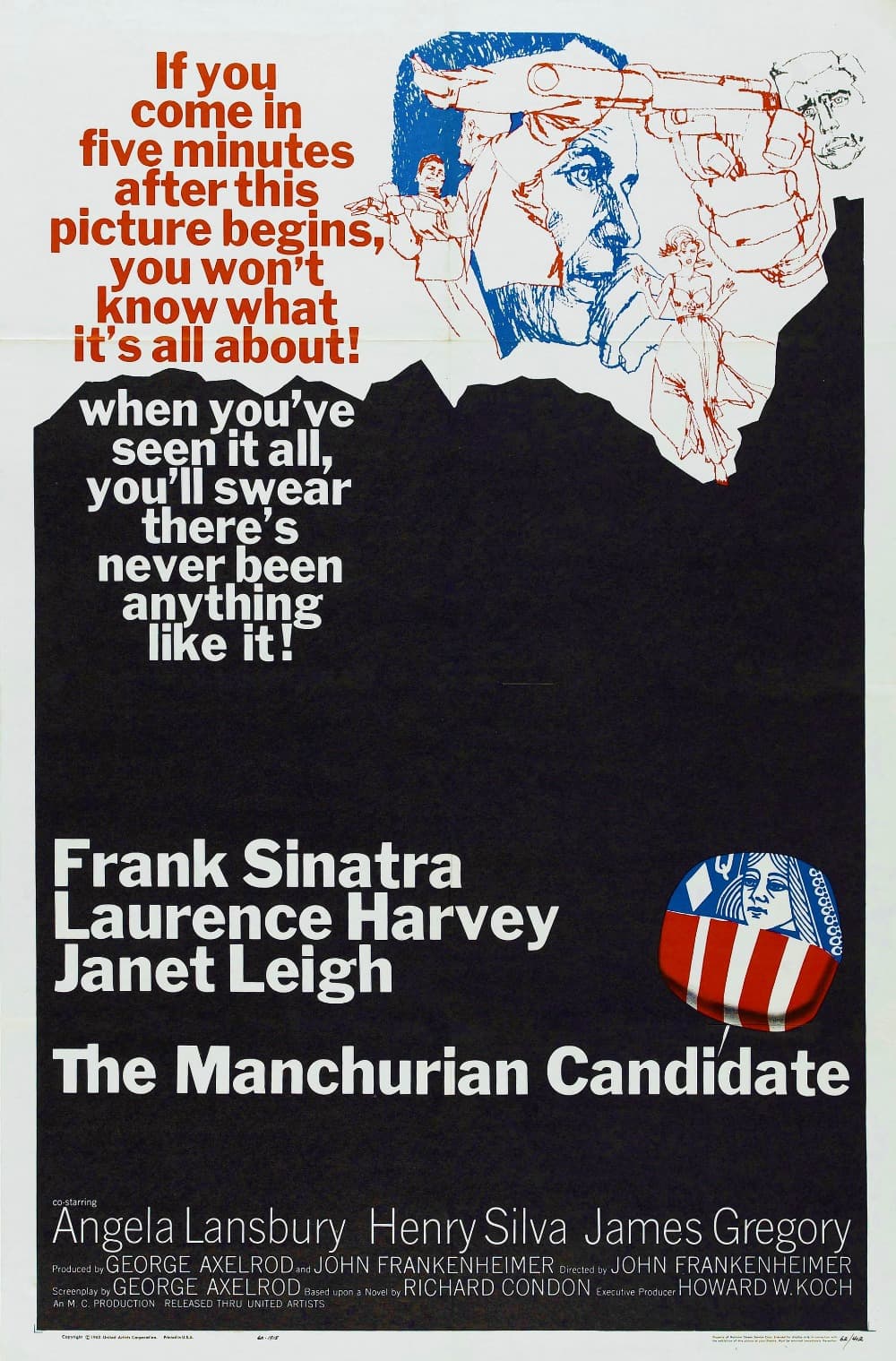
It sat out of circulation for fifteen years over a rights dispute, not the assassination myth people repeat: a Korean War veteran cannot shake a dream about his own platoon.

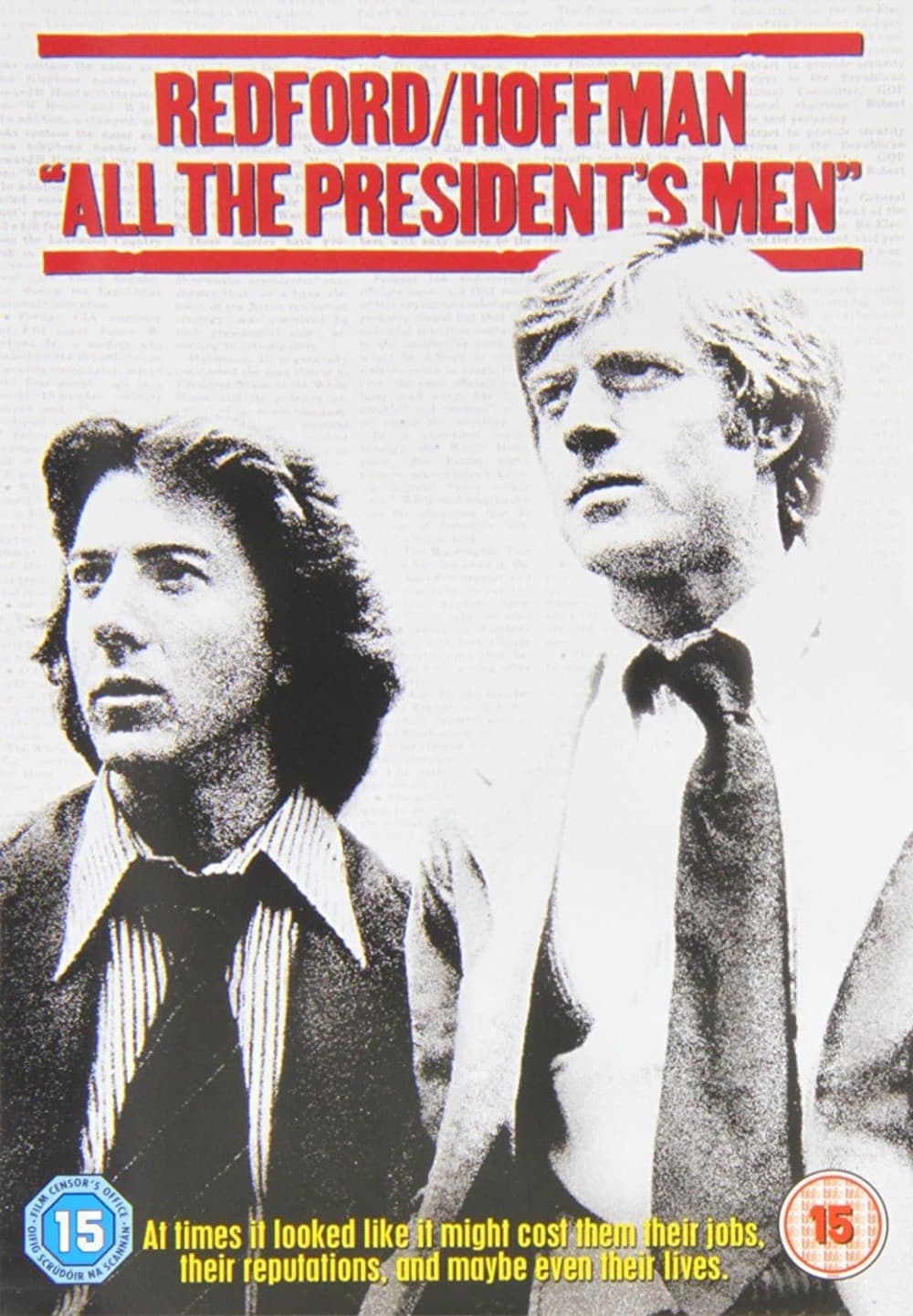
Every journalism film gets held up against this one: two reporters chase Watergate through phone calls and parking garages, and verifying a single fact becomes unbearably tense.

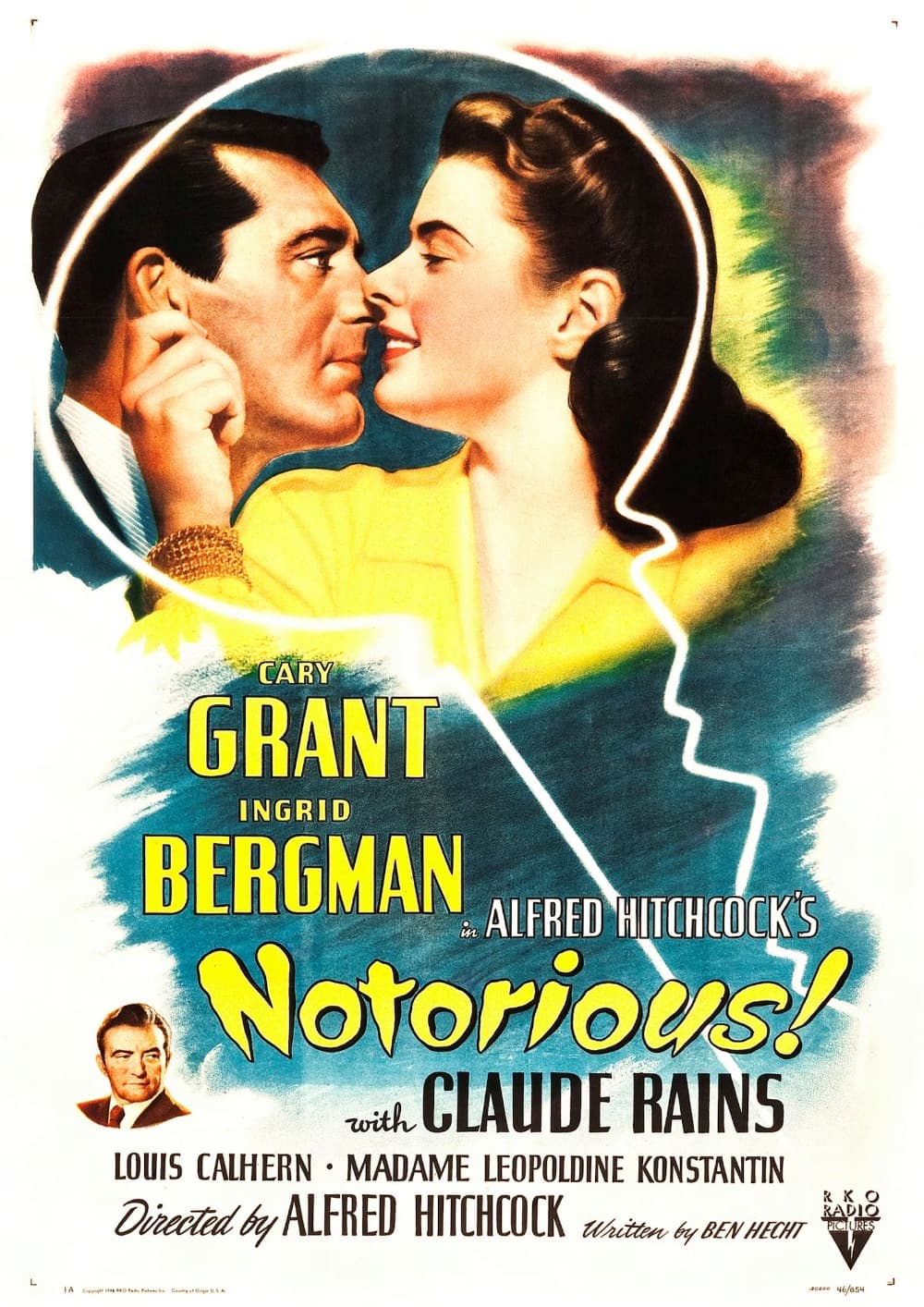
Hitchcock's most grown-up film, and the one where the suspense is entirely about feeling: a woman is sent to seduce a Nazi by the man who loves her.