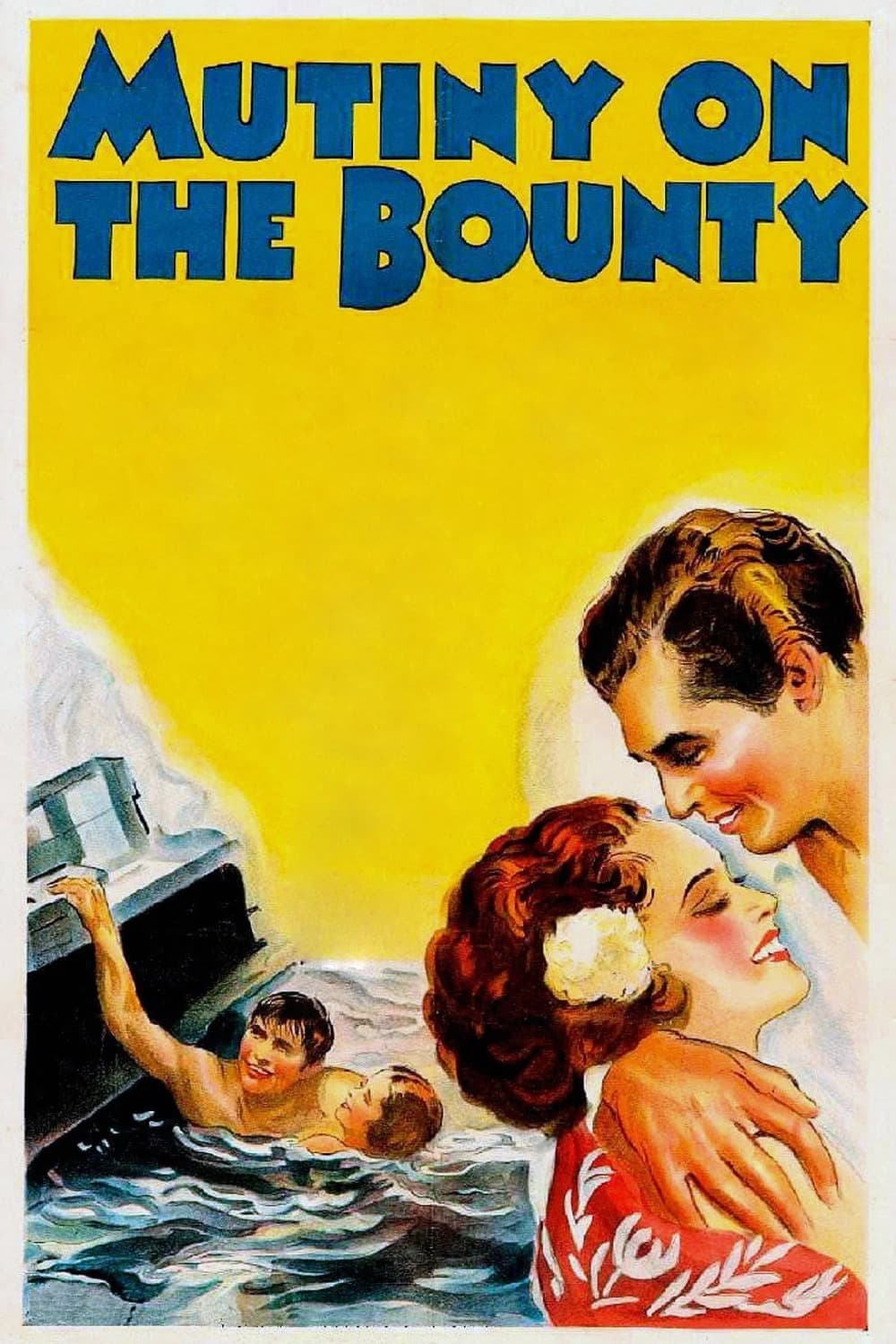
Mutiny on the Bounty
Directed by Frank Lloyd
1935
Three of its actors were nominated for Best Actor in the same year, and the supporting categories were created the next: Charles Laughton's Captain Bligh remains the definition of a tyrant.
★ 2.5
 skopia
Three of its actors were nominated for Best Actor in the same year, and the supporting categories were created the next: Charles Laughton's Captain Bligh remains the definition of a tyrant.
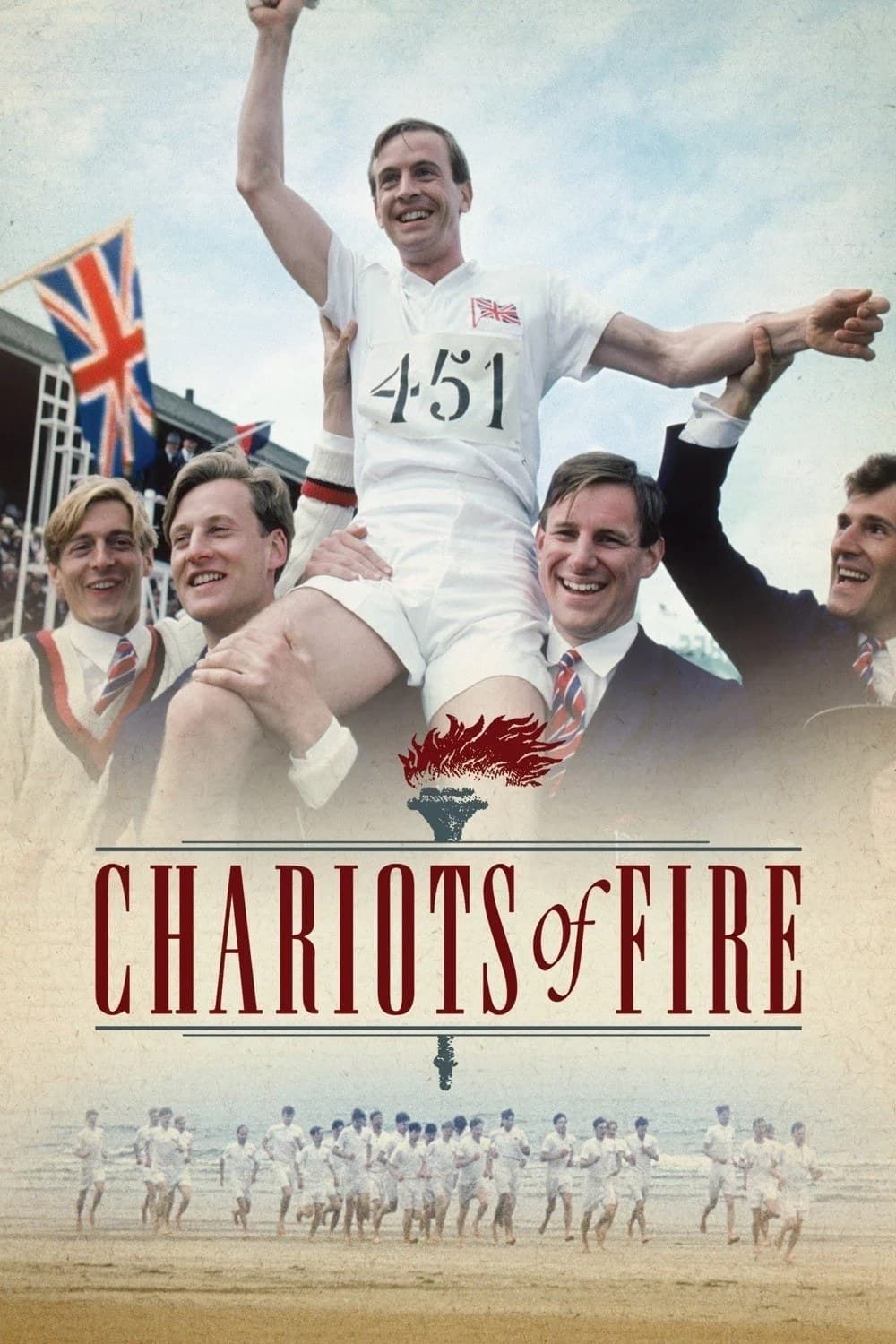
The Vangelis theme is so famous that people forget the film underneath is about religion: two runners at the 1924 Olympics, one running for God and one against English antisemitism.
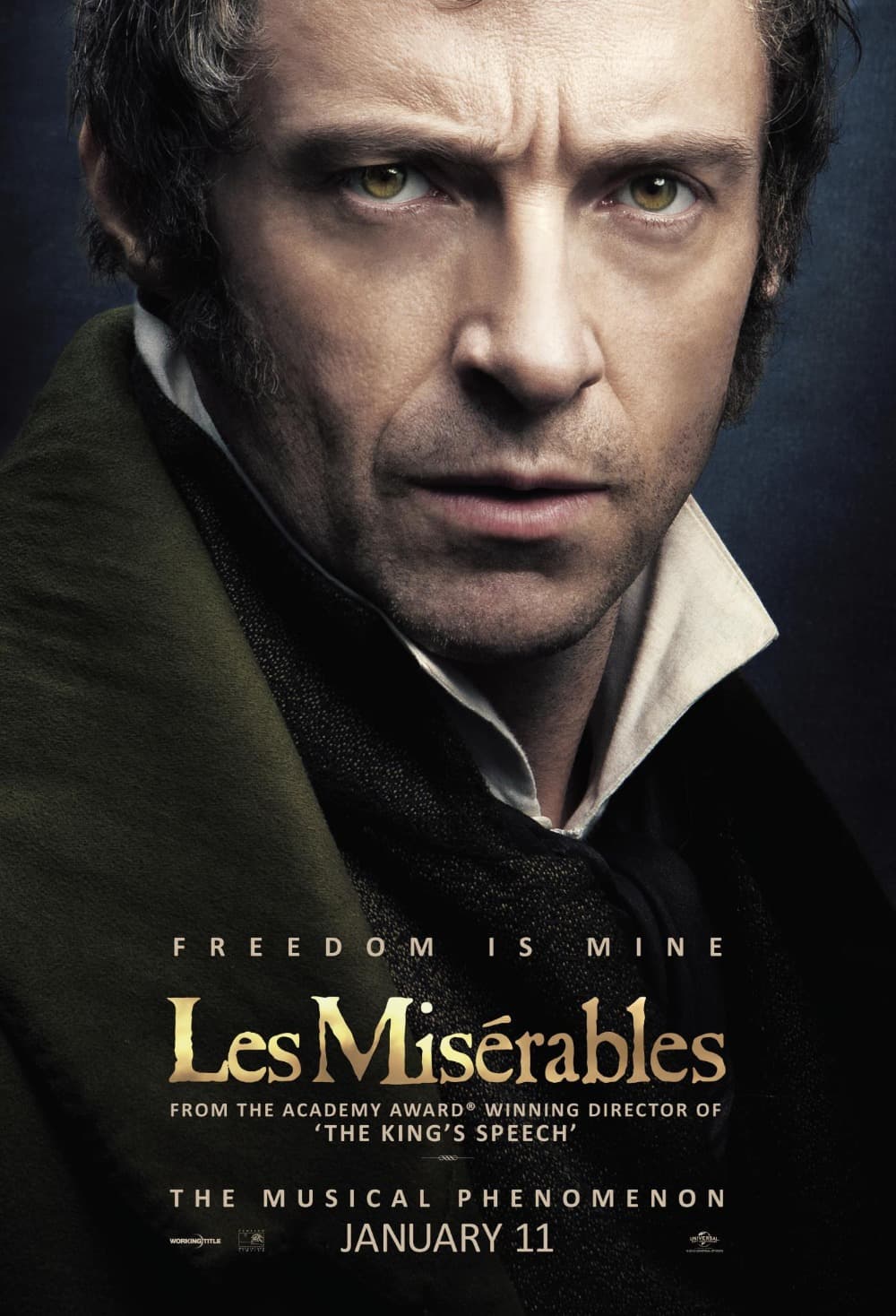
Every note was sung live on set instead of lip-synced to a recording, which nobody had attempted at this scale: the camera sits inches from faces the entire time.
Made for eight million pounds and returned thirty times its budget: Colin Firth plays a duke who dreads a microphone, and Geoffrey Rush the unqualified Australian who will not defer to him.
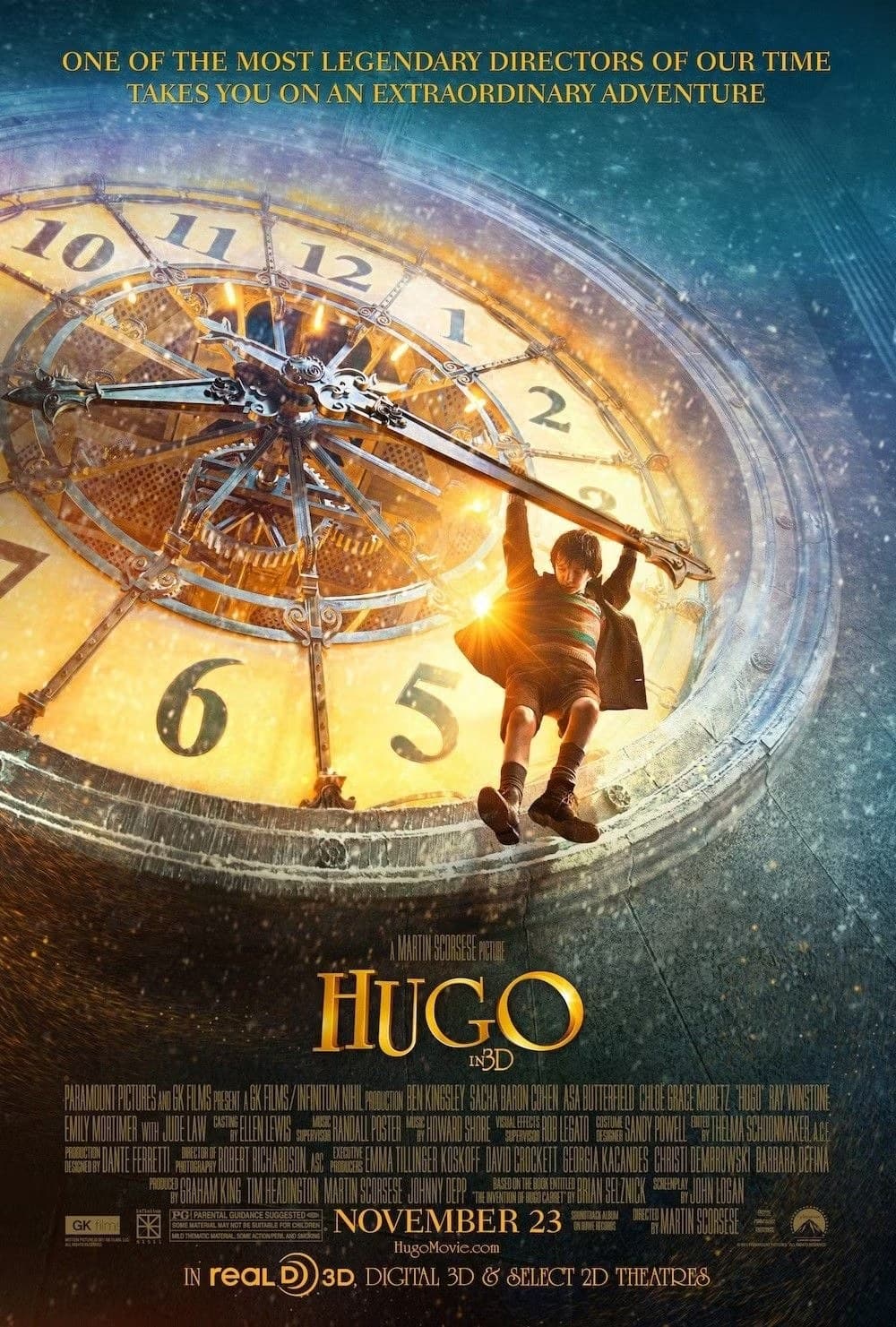
Scorsese made a children's film in 3D to argue for film preservation: an orphan living inside a Paris railway station keeps a broken automaton his father left him, and the station watches him.
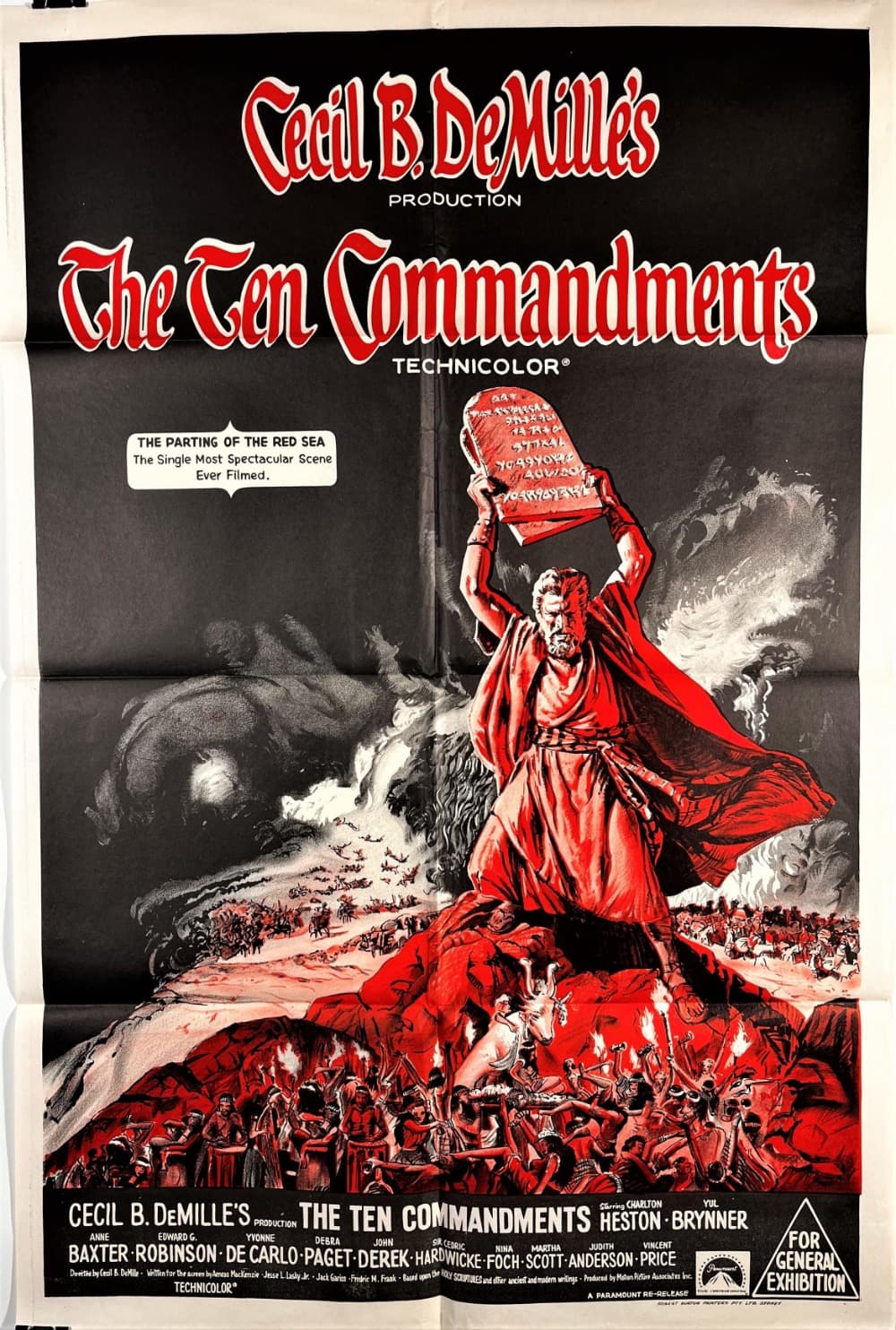
American television has run it every Easter for over fifty years: DeMille parted the Red Sea with gelatin, dumped water and a reversed film, and nobody has topped the sheer nerve of it.
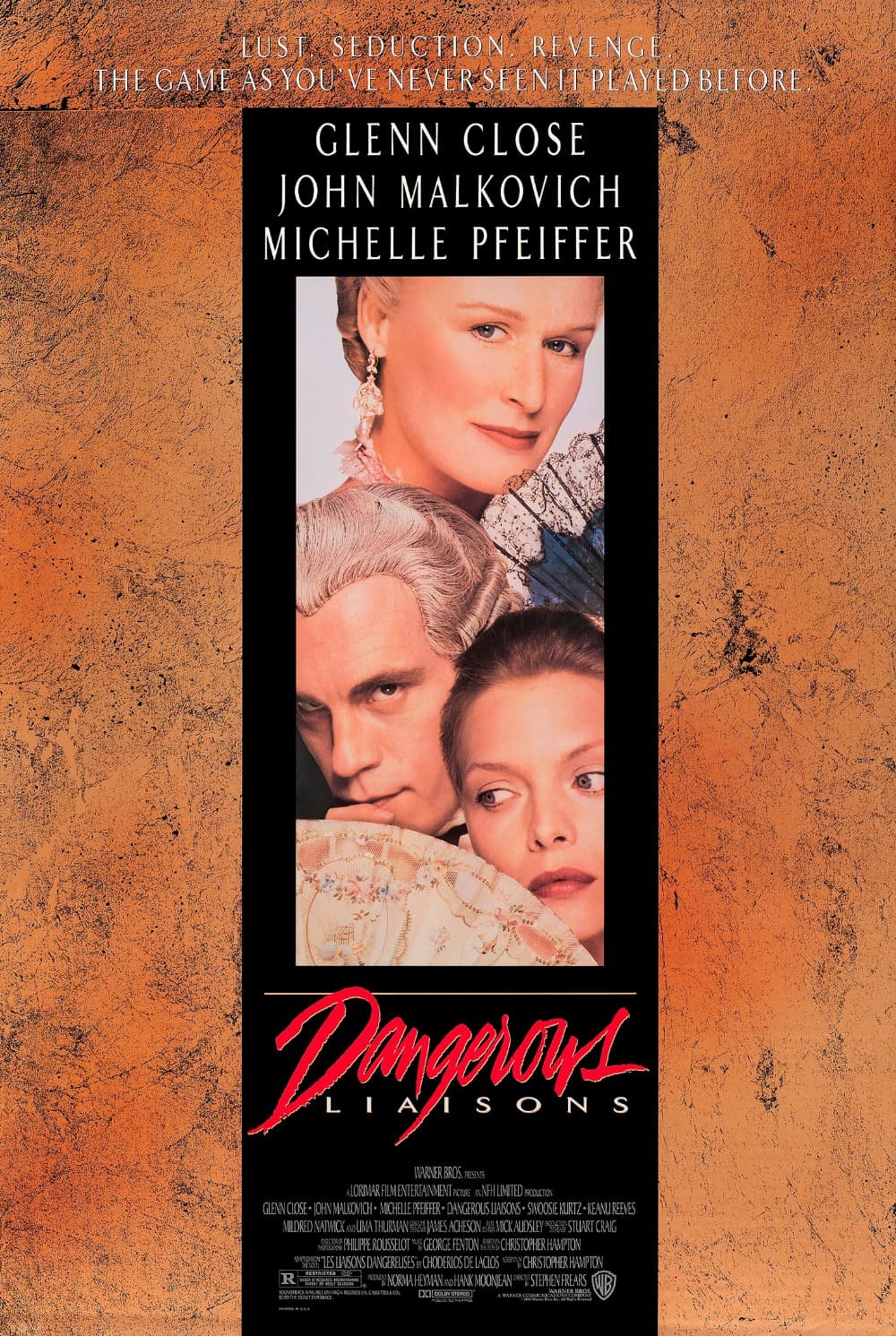
Glenn Close and John Malkovich play two aristocrats who ruin people for entertainment: Frears films eighteenth-century seduction as a campaign with objectives, and the wit stays lethal to the end.
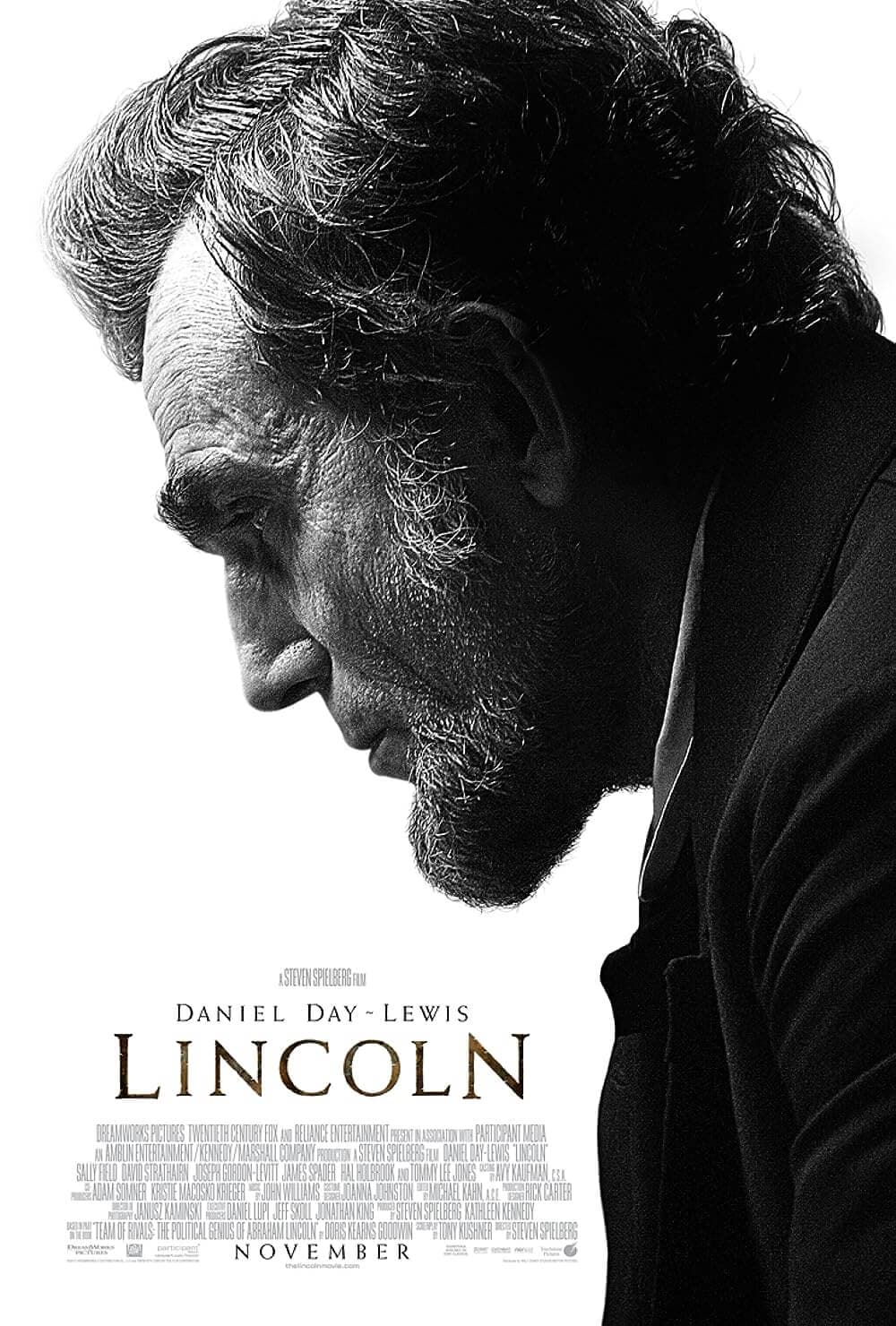
Day-Lewis found a high, reedy voice for Lincoln because the historical accounts describe one: Spielberg and Tony Kushner build a whole film out of counting votes for the Thirteenth Amendment.
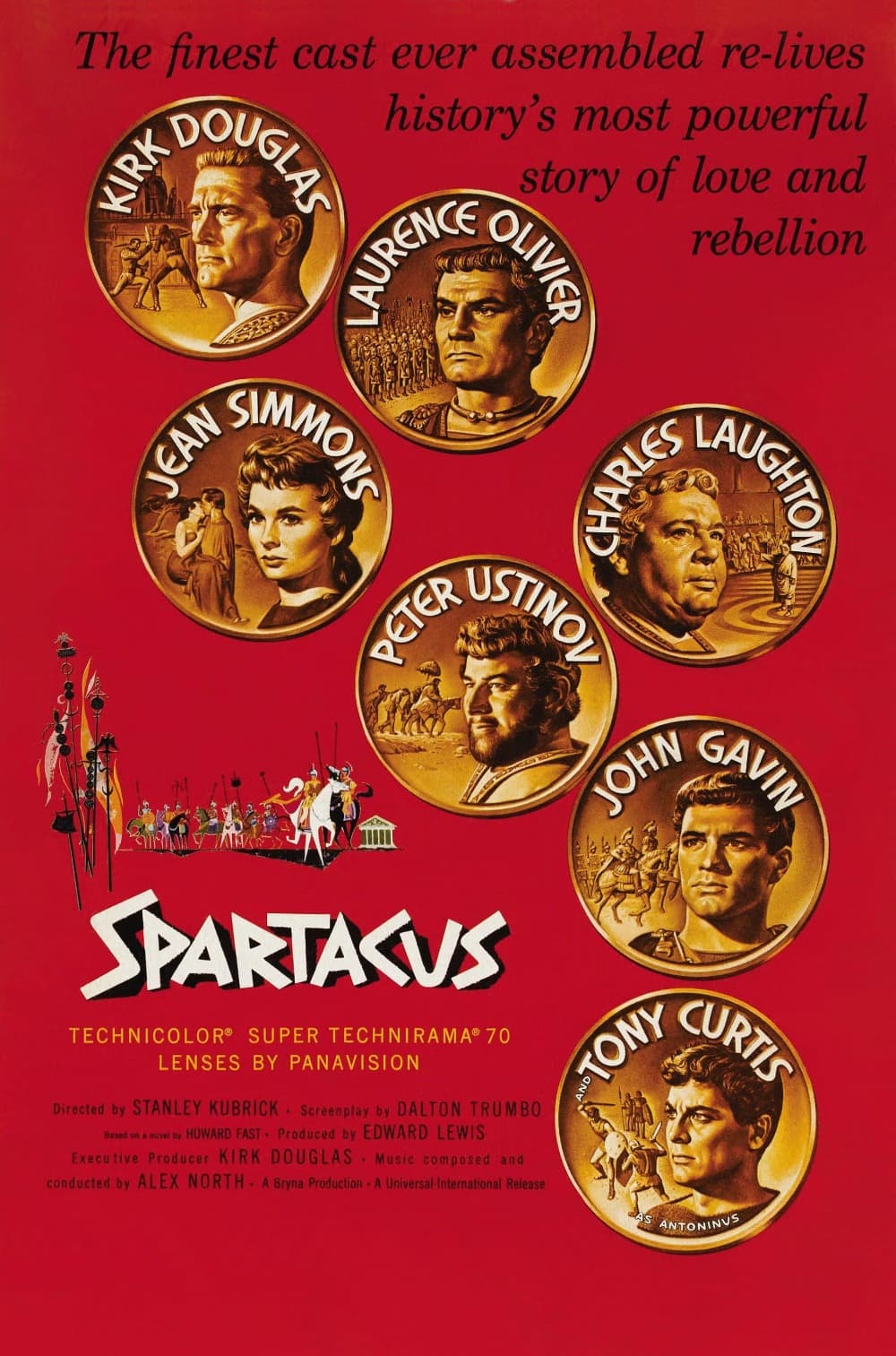
Kirk Douglas helped break the blacklist by putting Dalton Trumbo's real name on this film: a slave revolt against Rome staged at enormous scale, with Laurence Olivier and Charles Laughton circling the politics.
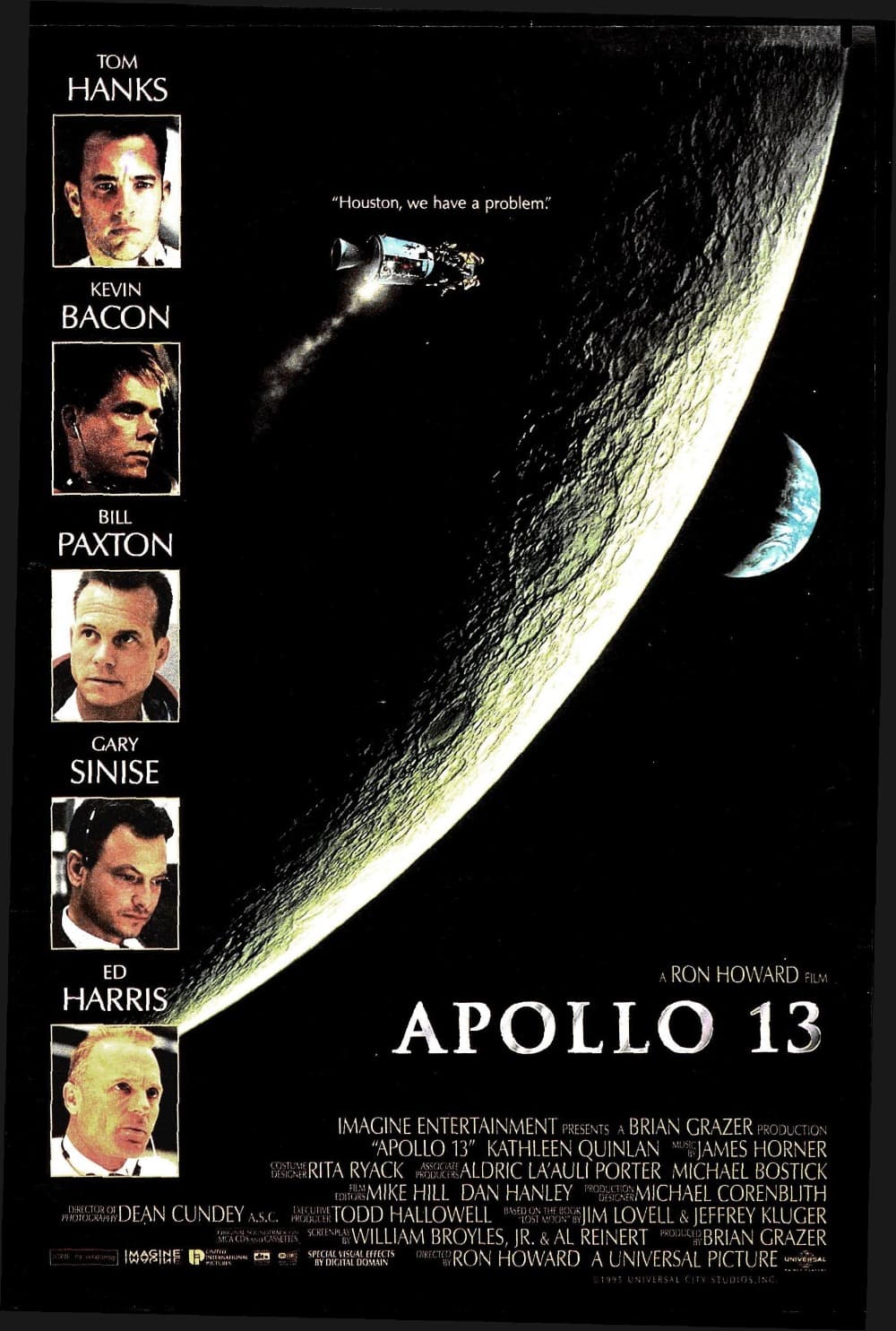
Ron Howard shot the weightless scenes in an aircraft flying parabolas, twenty-three seconds at a time: no effects, real floating, and engineers improvising with only what the crew already had aboard.
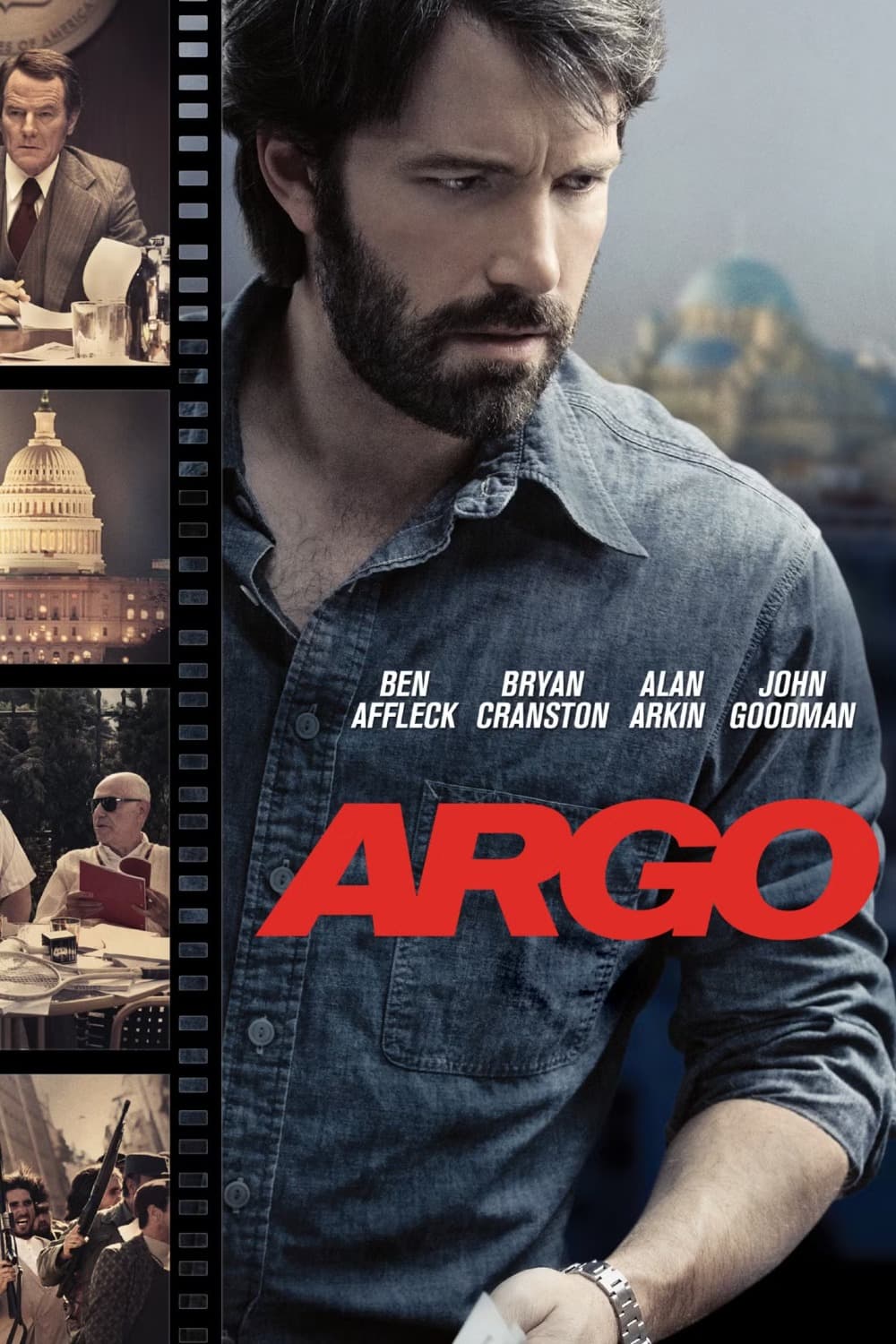
The CIA really did produce a fake science fiction movie to get six Americans out of Tehran, and kept it classified until 1997: Affleck plays the operation completely straight.
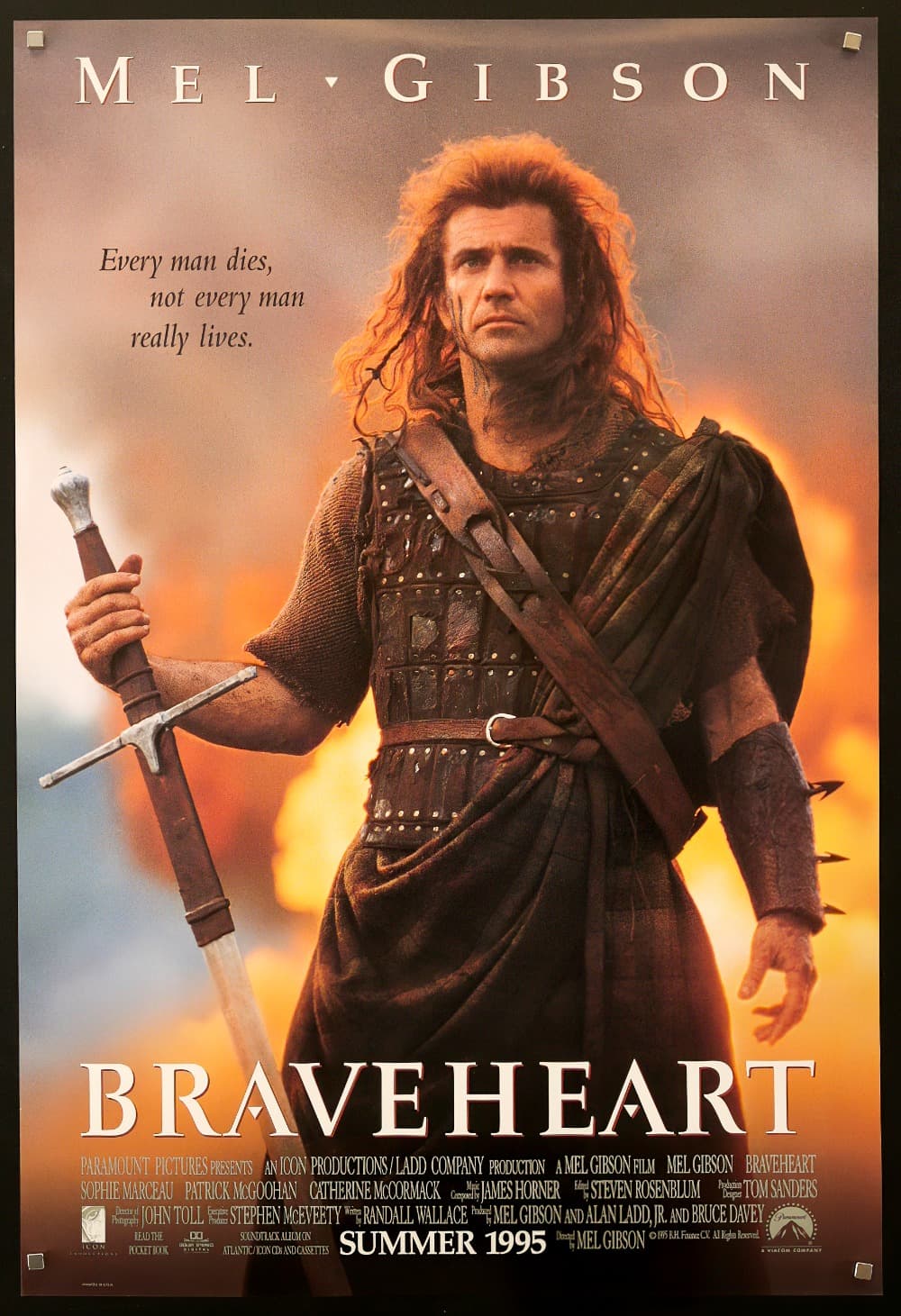
Historians have been correcting it for thirty years and nobody cares: Gibson staged medieval battle with a physical brutality nothing before it had, and the speeches still work on an audience.
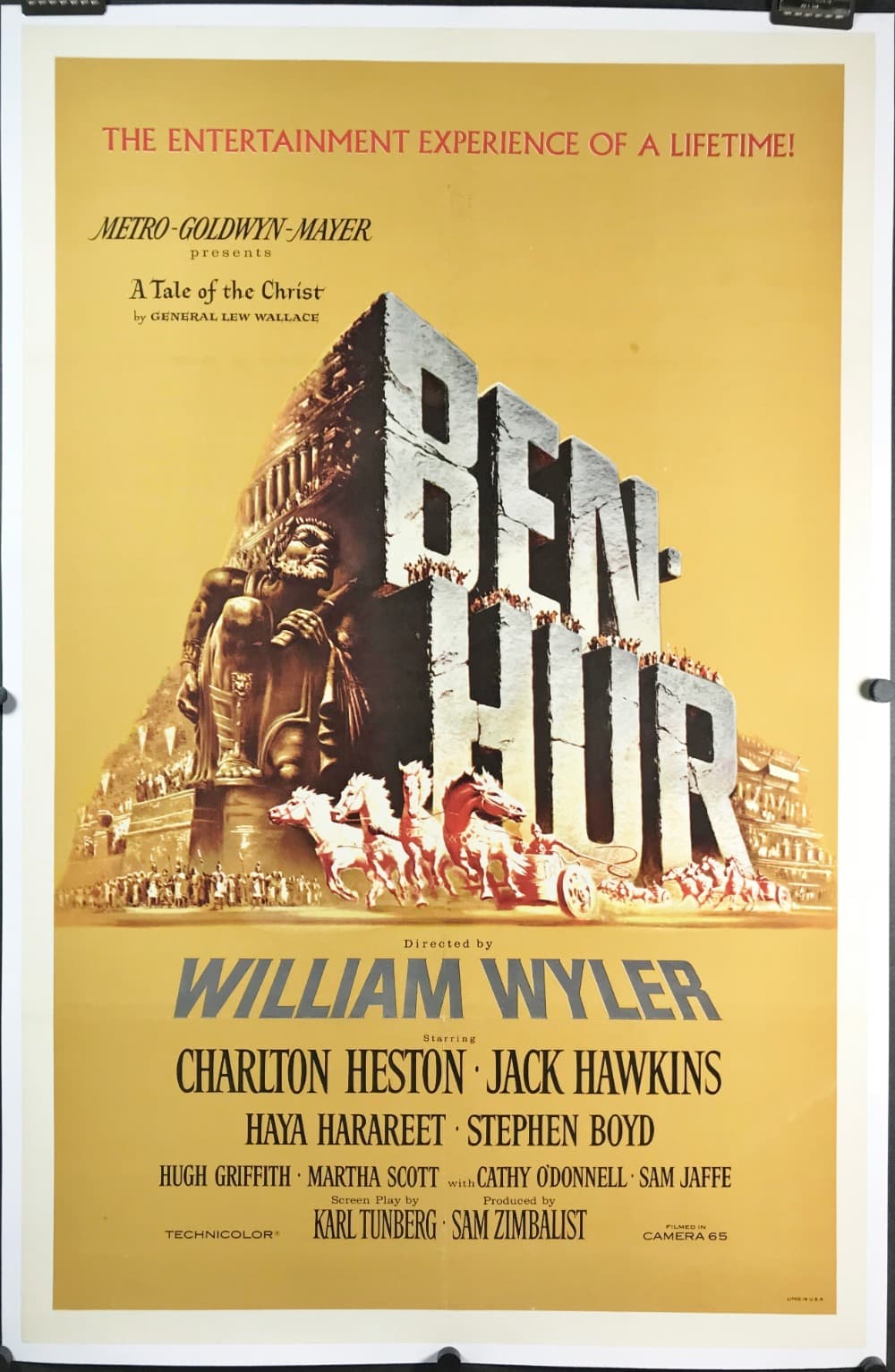
The chariot race took months to shoot and has never been bettered: Wyler's epic runs almost four hours and earns every minute of the nine it spends inside that arena.
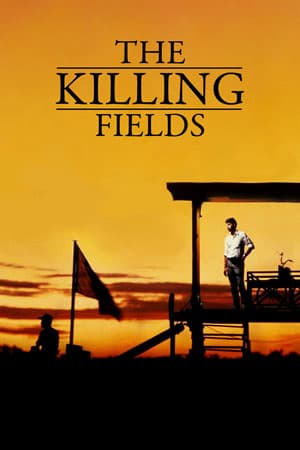
Haing Ngor had never acted in his life and won an Academy Award for this: Roland Joffe films the fall of Phnom Penh through an American reporter and the Cambodian colleague beside him.

No film has put an audience inside a wooden warship this completely: Weir's frigate is a working machine of rope and rank, chasing a faster enemy across the bottom of the world.

The Romanian New Wave announced itself with this: an illegal abortion arranged across one day in 1987, filmed in long static takes that give you nowhere to look.
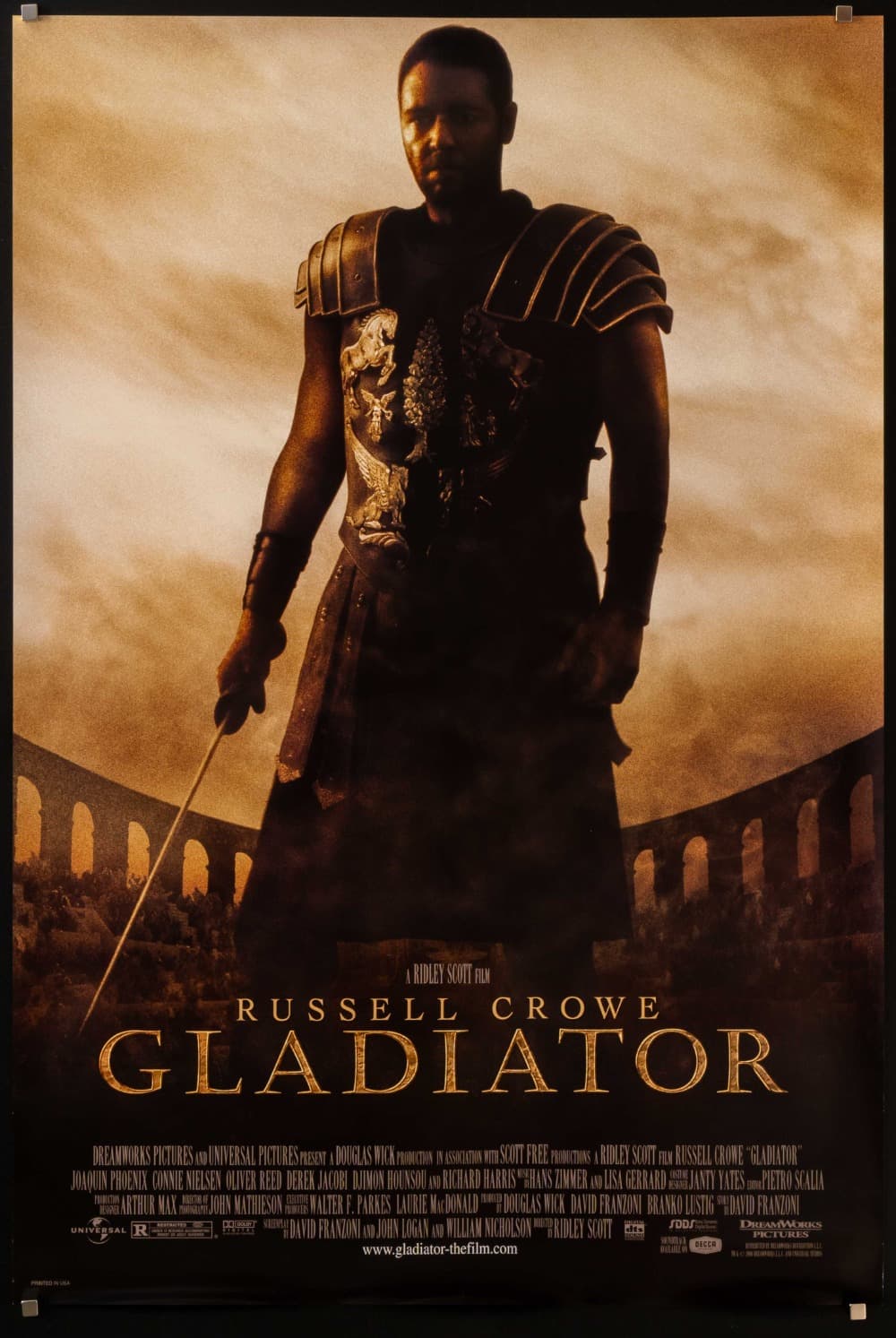
It dragged the Roman epic back after thirty-five years of dormancy: Russell Crowe's fury is the whole engine, and the arena sequences still deliver everything they promise.
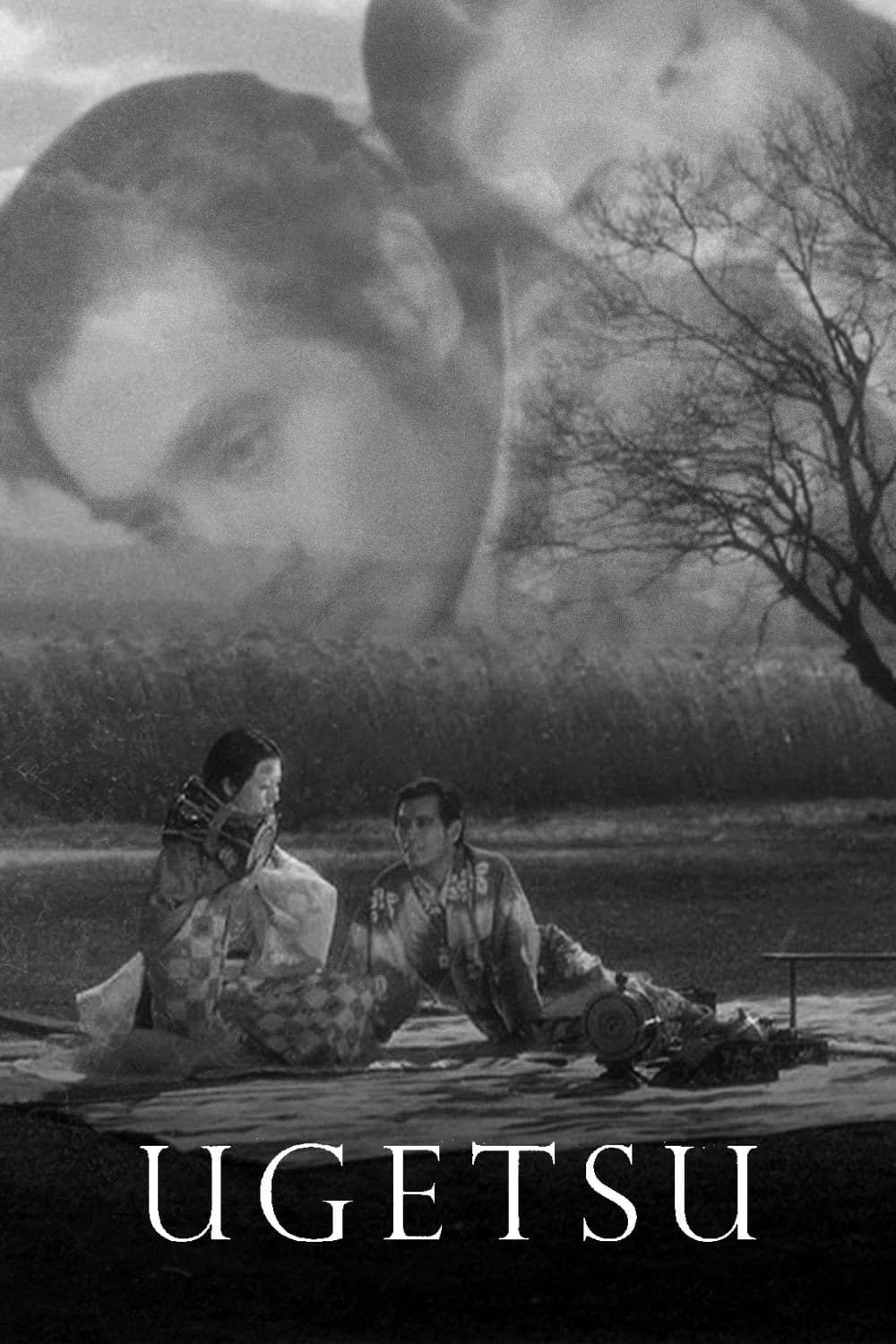
Mizoguchi's ghost story is the one other directors mention when asked what changed them: two peasants chase money through a civil war, and the crossing through fog is unearthly.
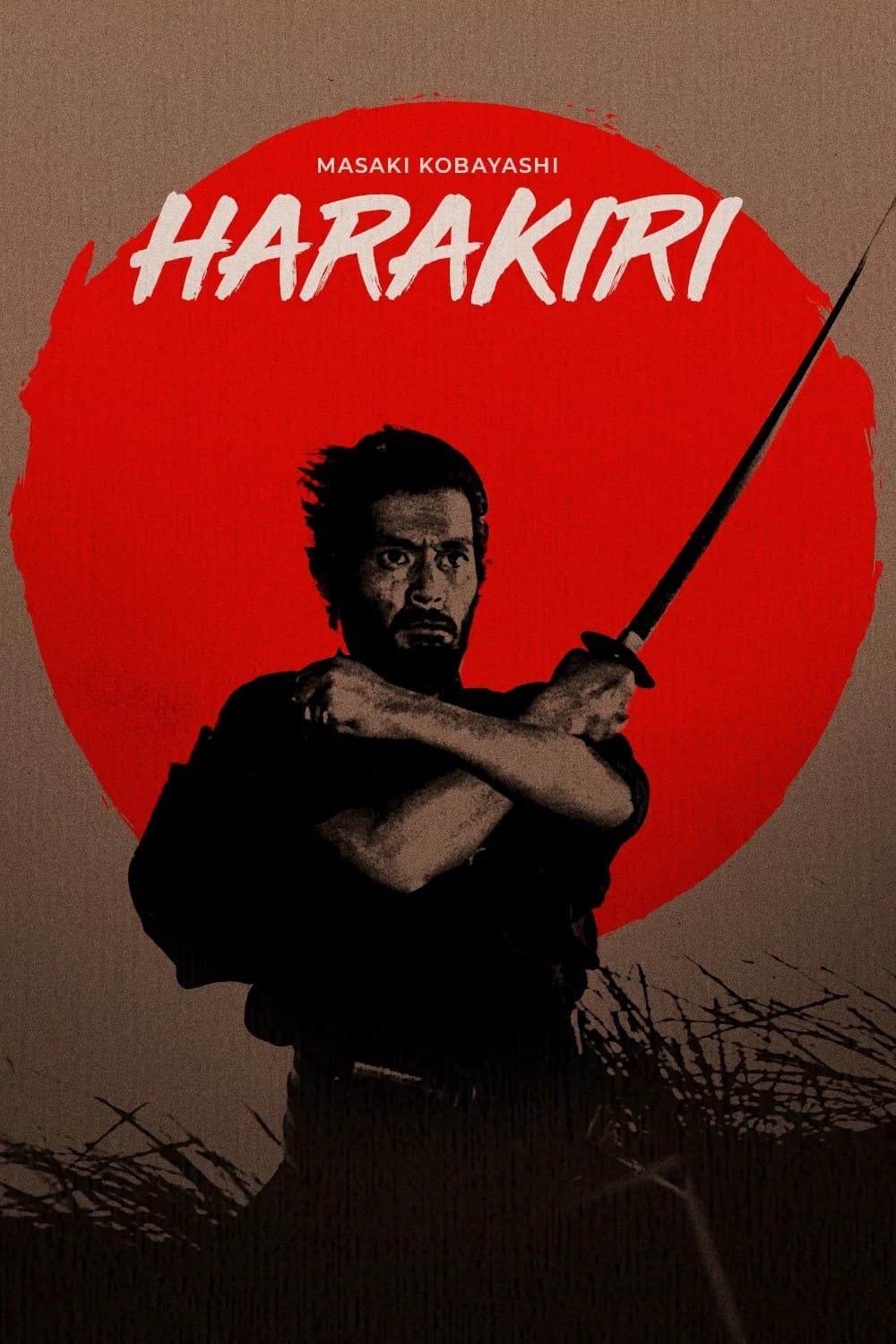
Kobayashi took the samurai film apart from the inside: an old warrior asks to die in a lord's courtyard, and what he says first dismantles the entire code of honor.
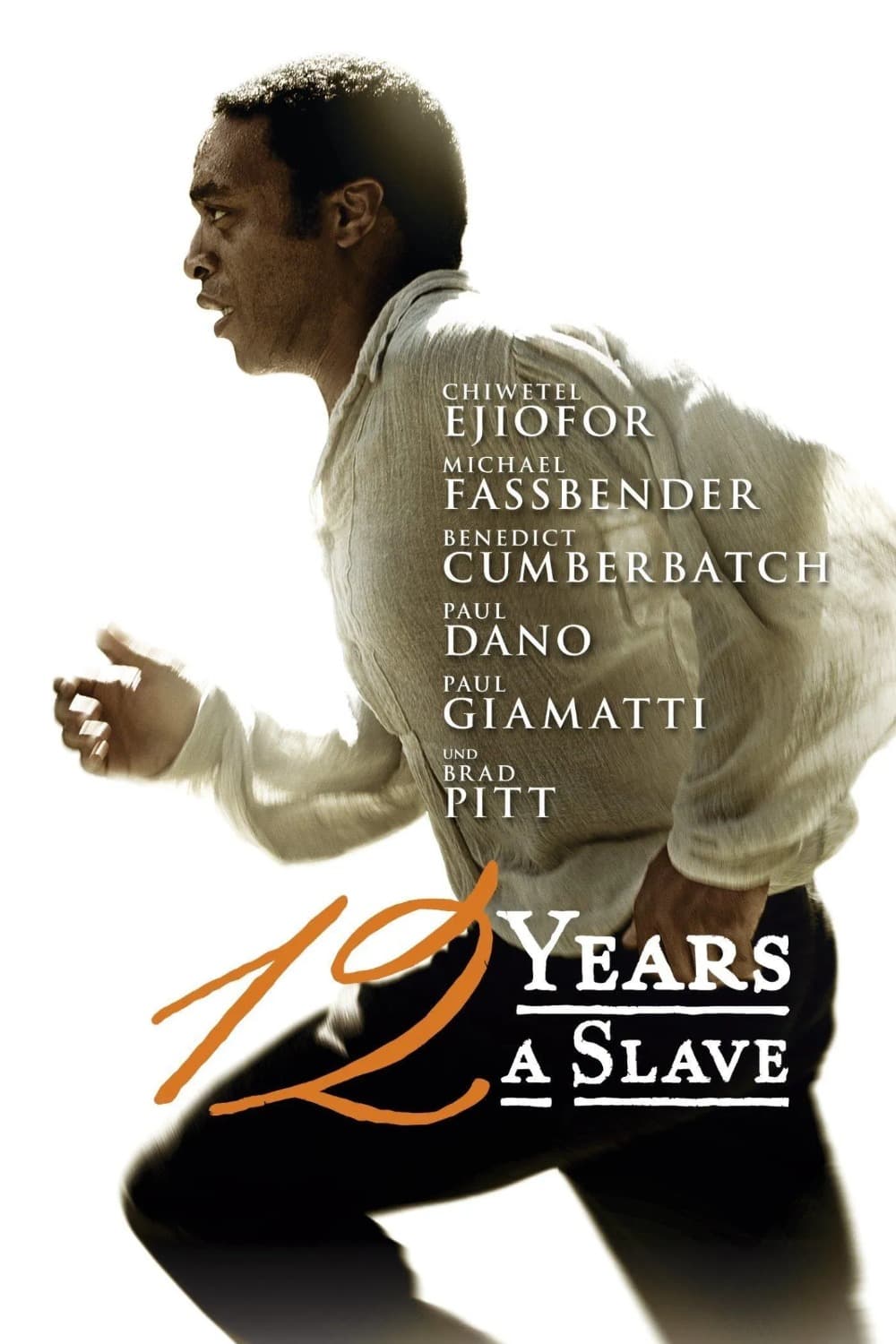
The first Best Picture from a Black director, and the least evasive film ever made about American slavery: McQueen holds shots long past comfort and refuses to look away.