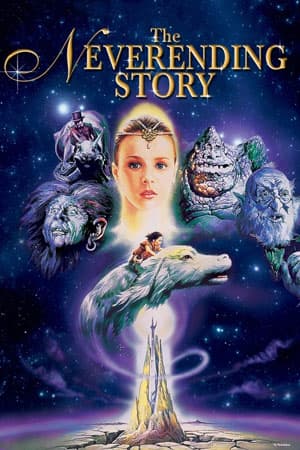
The NeverEnding Story
Directed by Wolfgang Petersen
1984
Michael Ende hated the adaptation enough to sue: a bullied boy steals a book from a shop and reads himself into a world being eaten by nothing, and the puppetry is extraordinary.
★ 3.2
 skopia
Michael Ende hated the adaptation enough to sue: a bullied boy steals a book from a shop and reads himself into a world being eaten by nothing, and the puppetry is extraordinary.
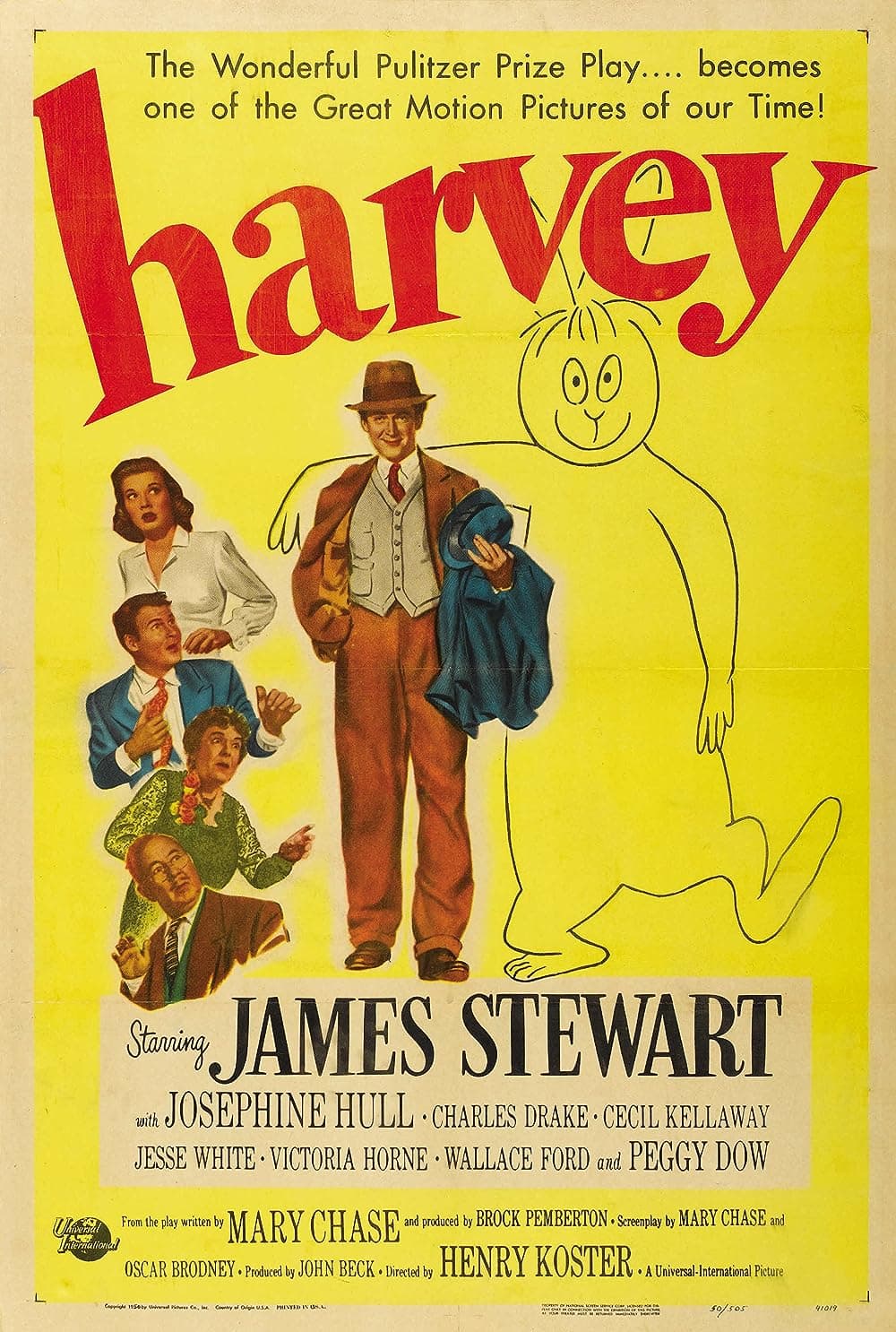
James Stewart played it on Broadway and returned to the part for decades: an unfailingly pleasant man insists his closest friend is a six-foot-three invisible rabbit, and his family wants him committed.
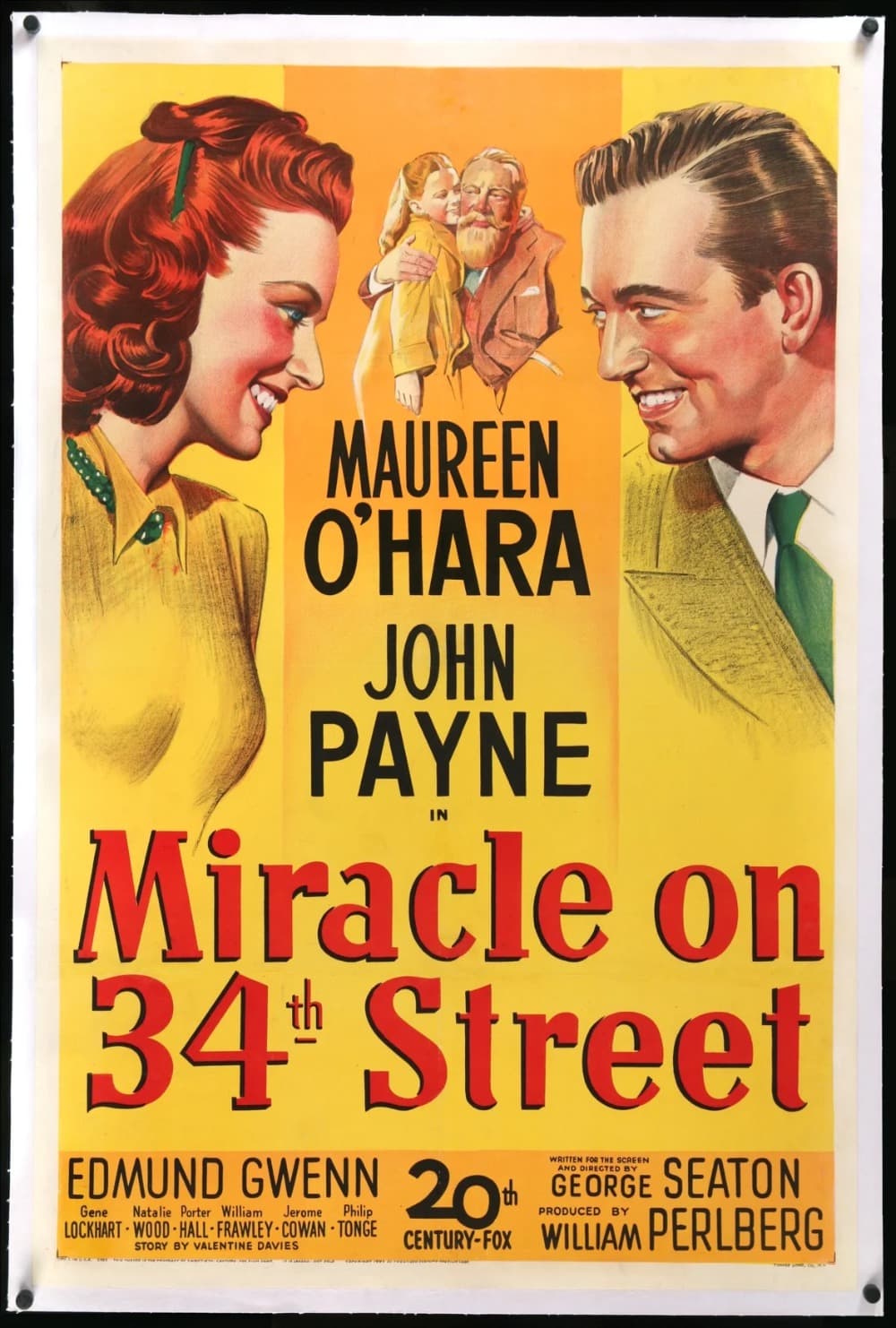
The studio released a Christmas film in May and hid the fact from its own advertising: Edmund Gwenn won an Oscar as a department store Santa who insists he is the real one.

Ten years and eight films with the same three actors growing up on camera, which no other series has managed: David Yates closes it with the largest battle the series ever attempted.
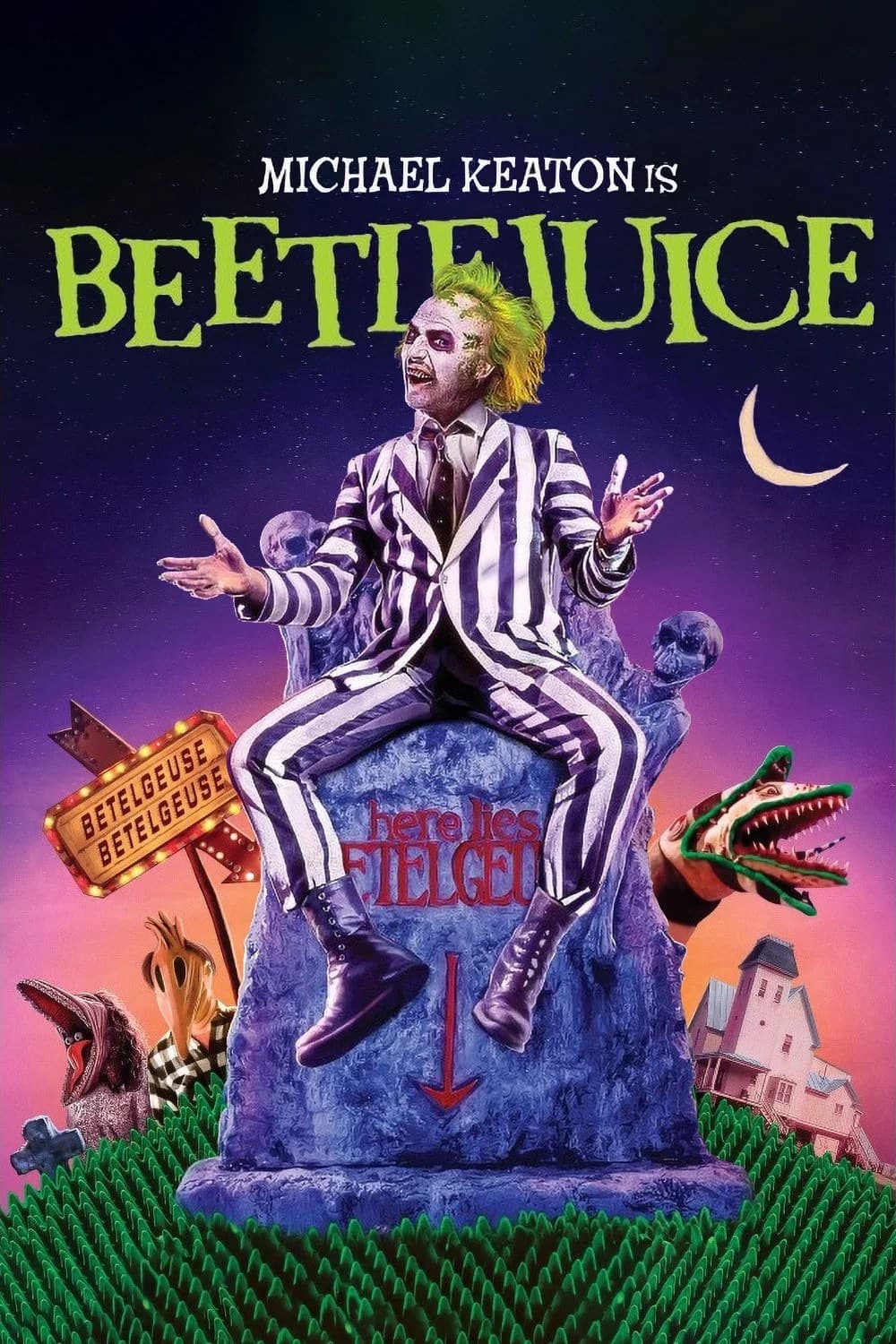
Michael Keaton appears for roughly seventeen minutes and the film belongs entirely to him: Tim Burton makes the afterlife a bureaucracy with waiting rooms, and the possessed dinner party is the peak.
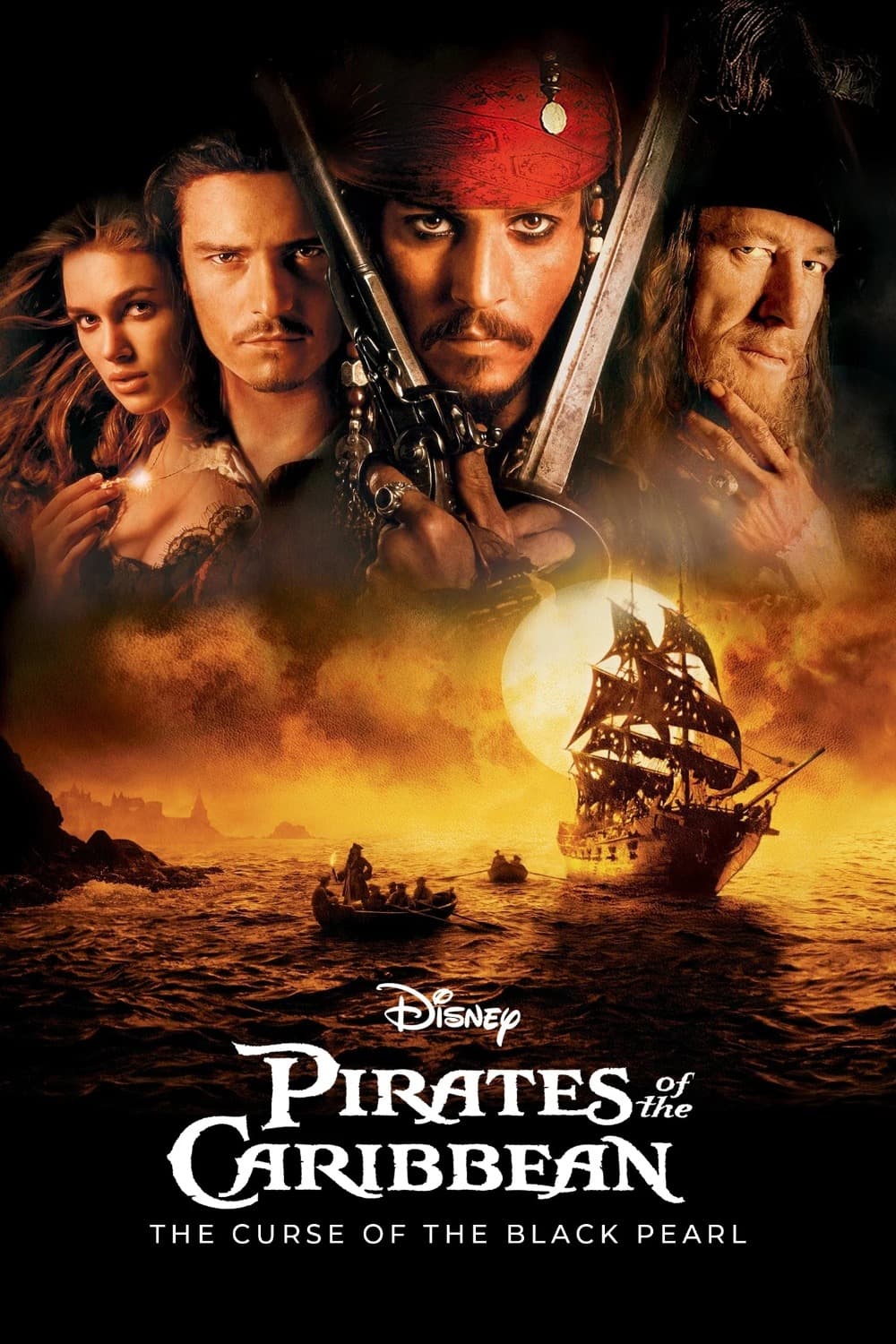
Disney executives thought Johnny Depp was ruining their film and considered replacing him: he built a pirate out of Keith Richards, and a theme park ride became a billion-dollar franchise.
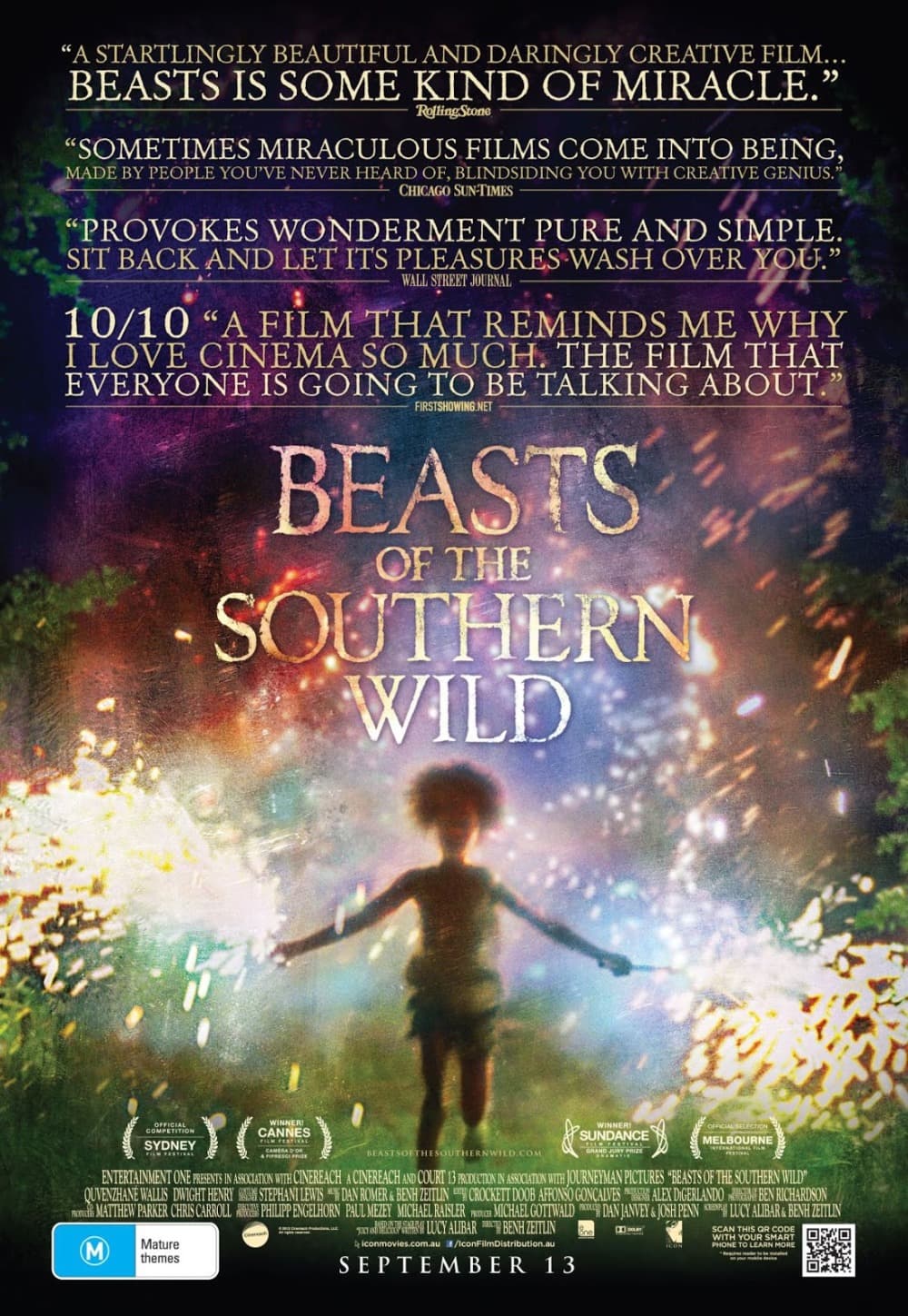
Quvenzhane Wallis was five when she auditioned and became the youngest Best Actress nominee ever: a bayou community below the levee refuses to leave, filmed like a child's own mythology.
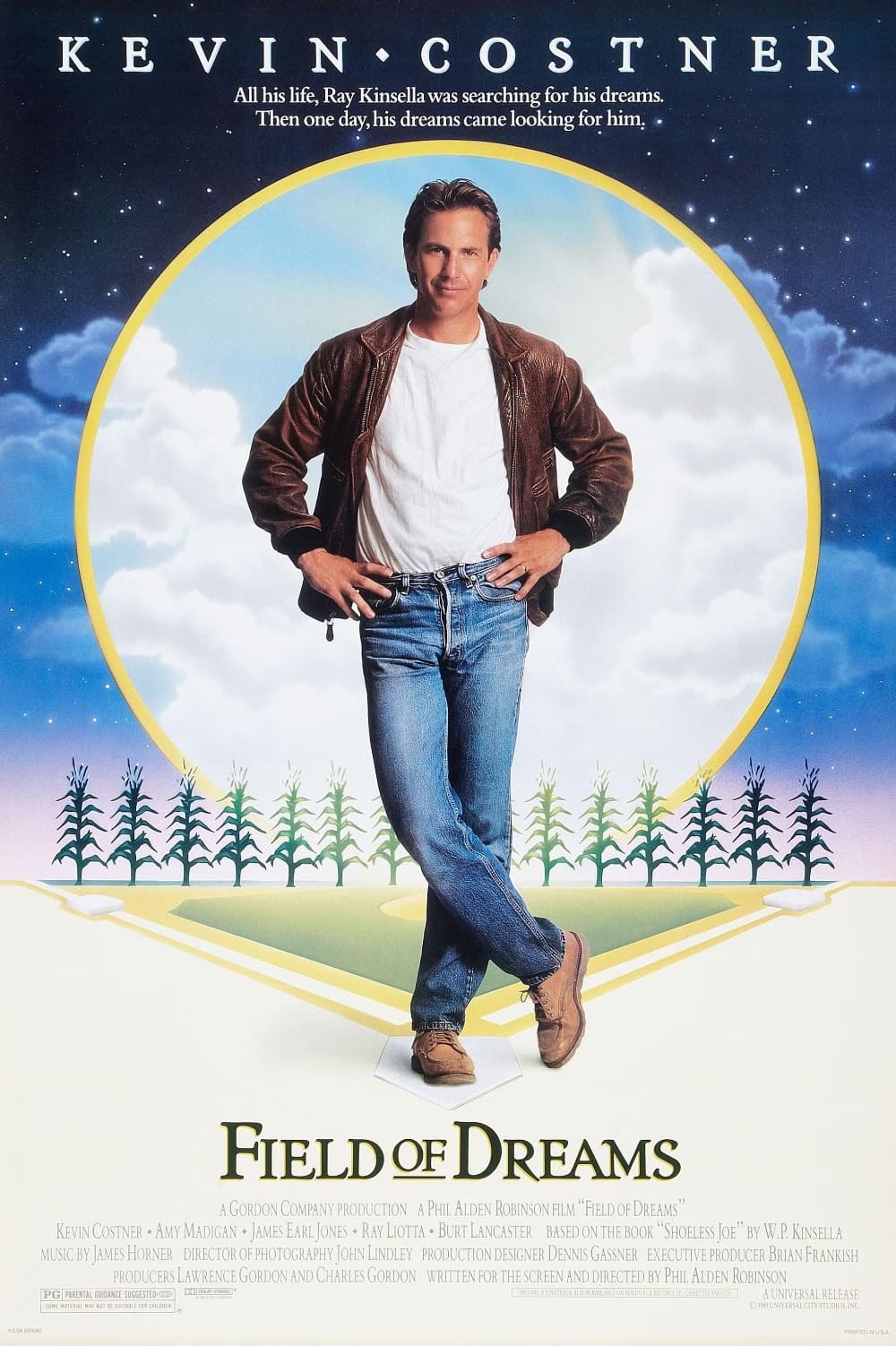
They built the field on an Iowa farm and people still drive to see it: a man plows under his corn because a voice tells him to, and the last reel gets everyone.
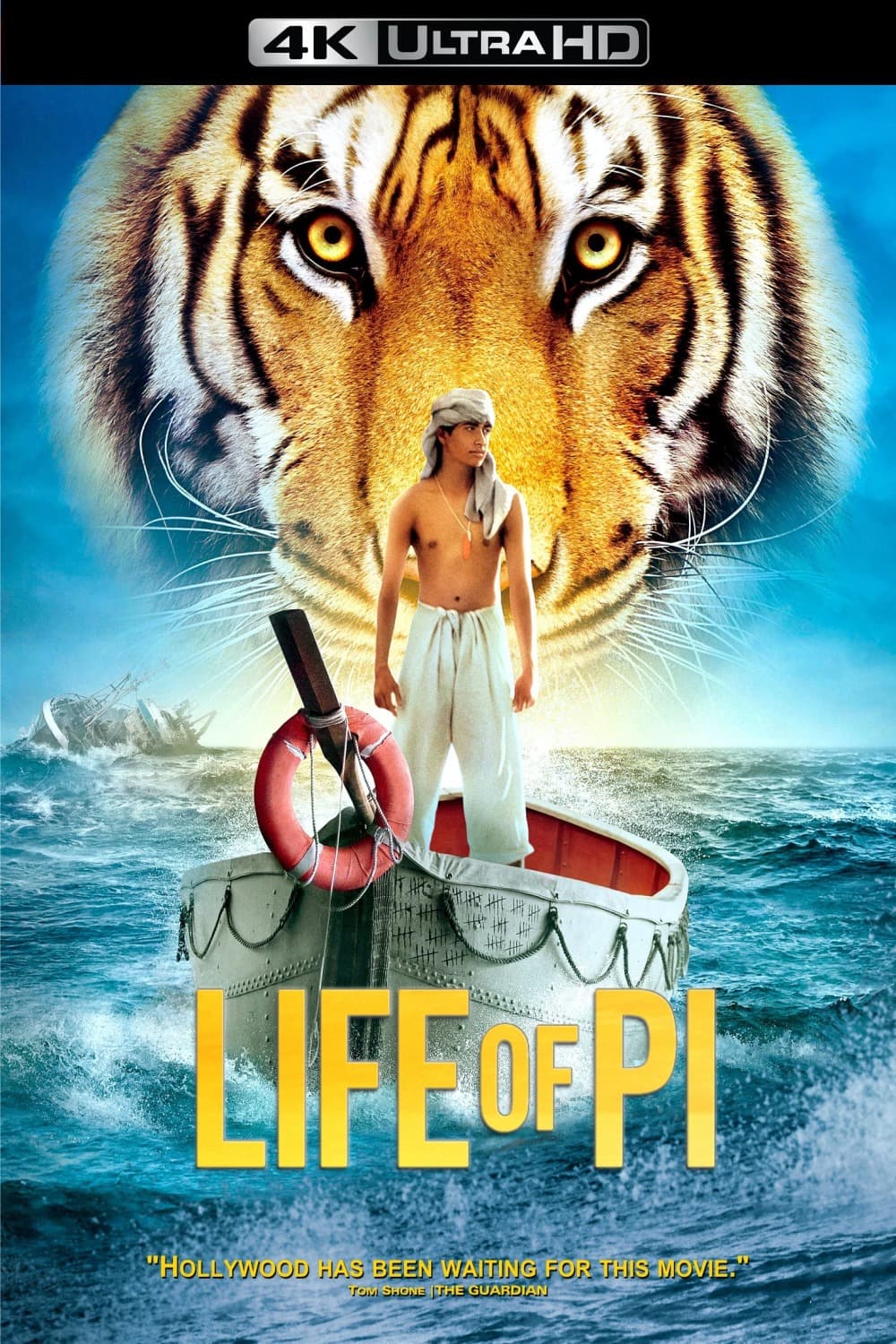
The tiger is almost entirely digital and you will not be able to tell: Ang Lee made the most beautiful 3D film there is, about a boy sharing a lifeboat with a predator.
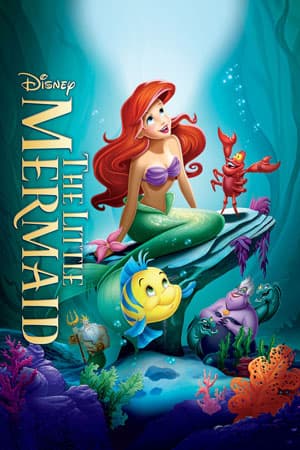
Disney's renaissance starts here: Howard Ashman and Alan Menken wrote the songs like Broadway numbers, and the studio remembered how to make an animated musical that adults would sit through.
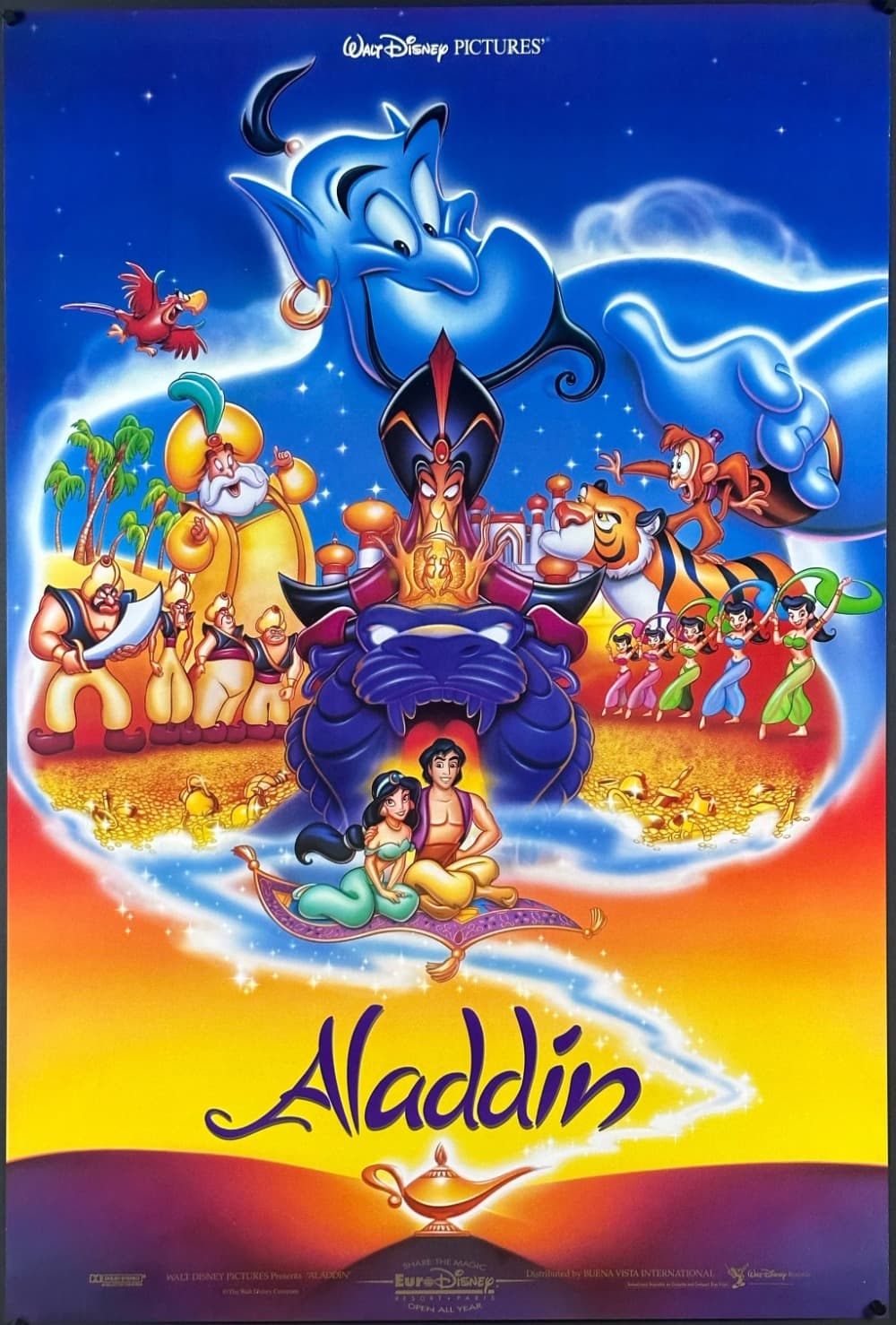
Robin Williams improvised for hours and the animators drew to whatever he gave them: the Genie is still the fastest thing in any Disney film, and every animated star cast since owes him.
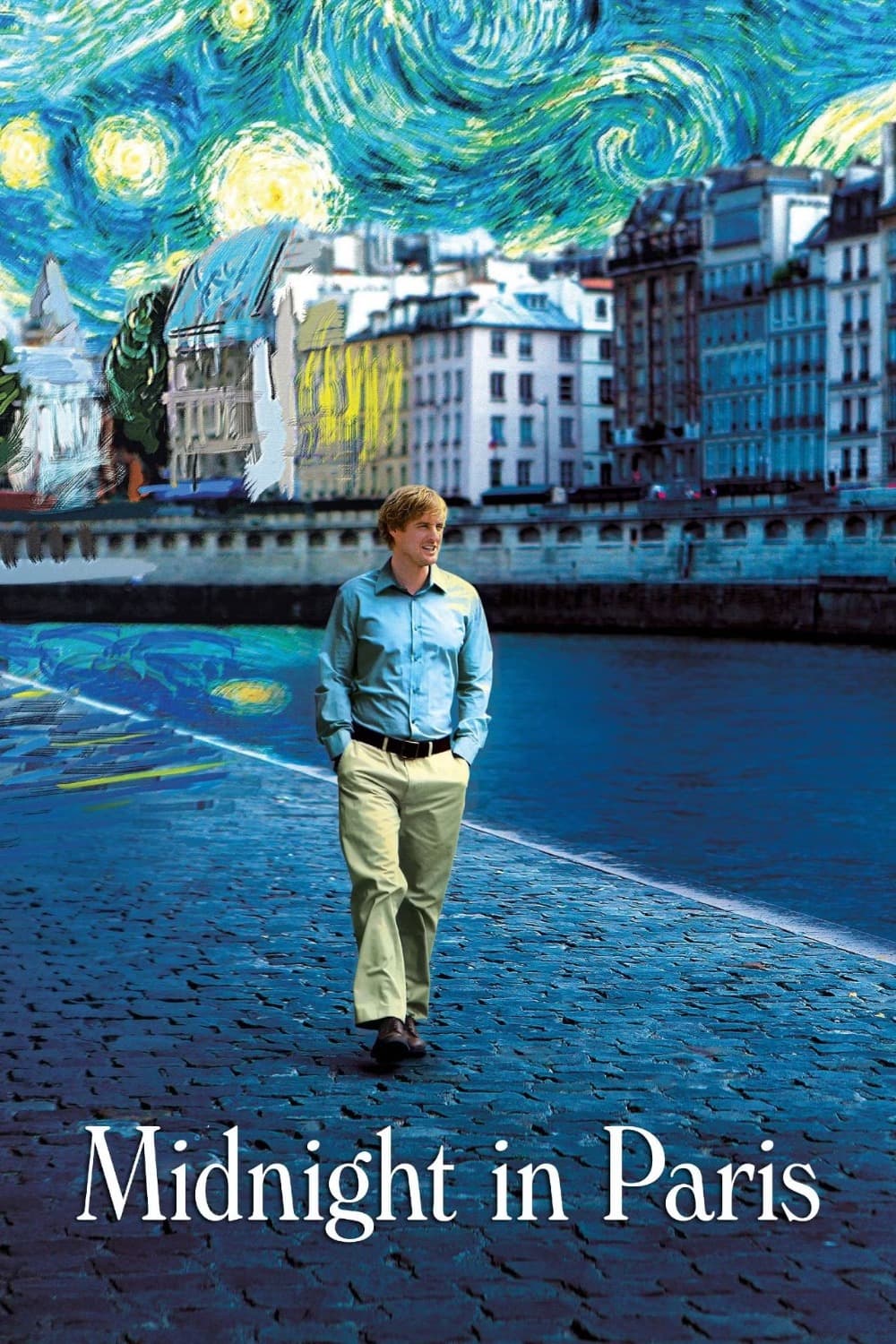
Woody Allen's biggest hit at the box office is also his gentlest: a screenwriter stuck on a novel steps into a car at midnight in Paris and is driven straight into the 1920s.
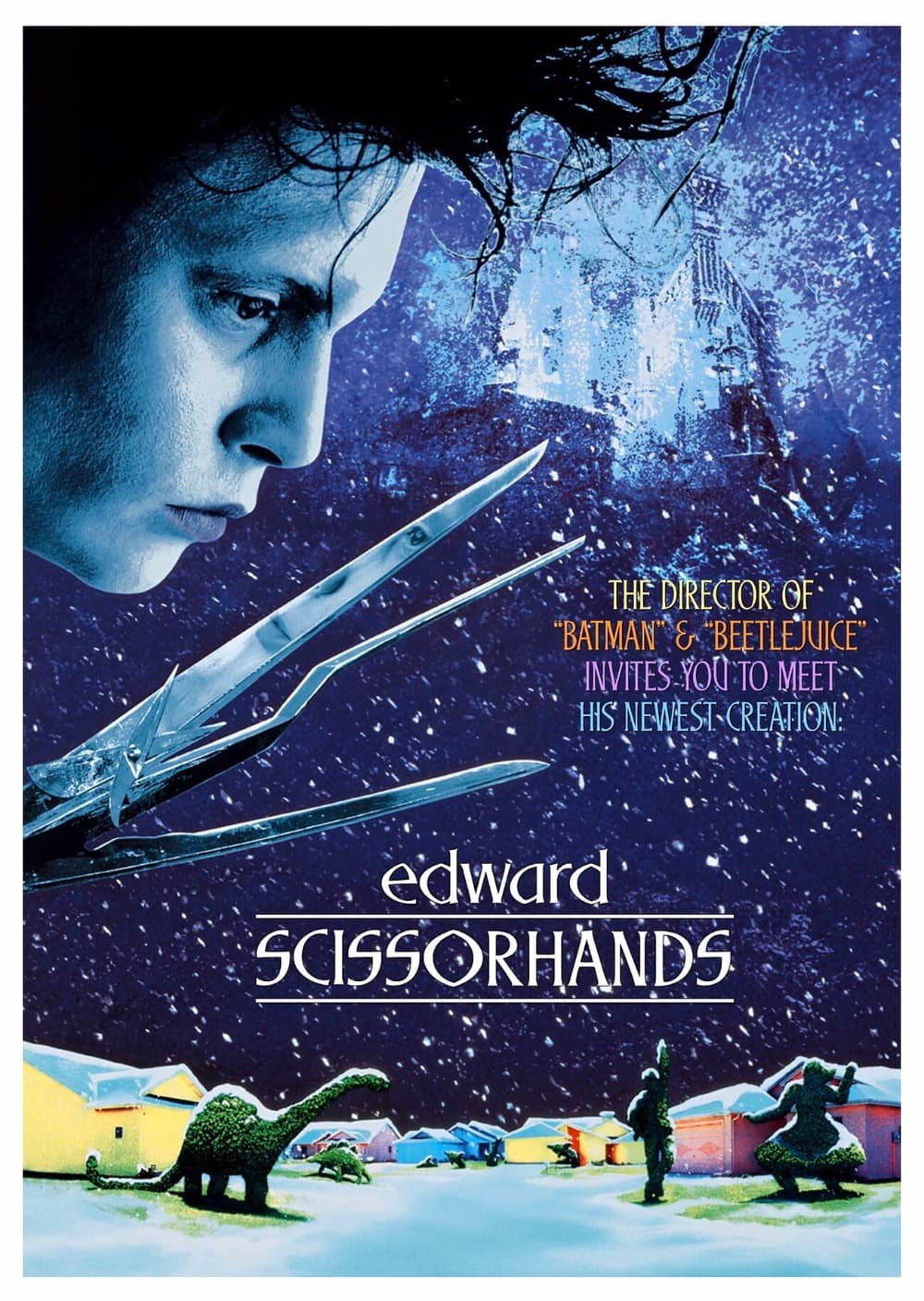
A boy with blades for hands is brought down from a gothic mansion into a pastel suburb: Tim Burton's most personal fairy tale, with the Danny Elfman score he calls a career favorite.
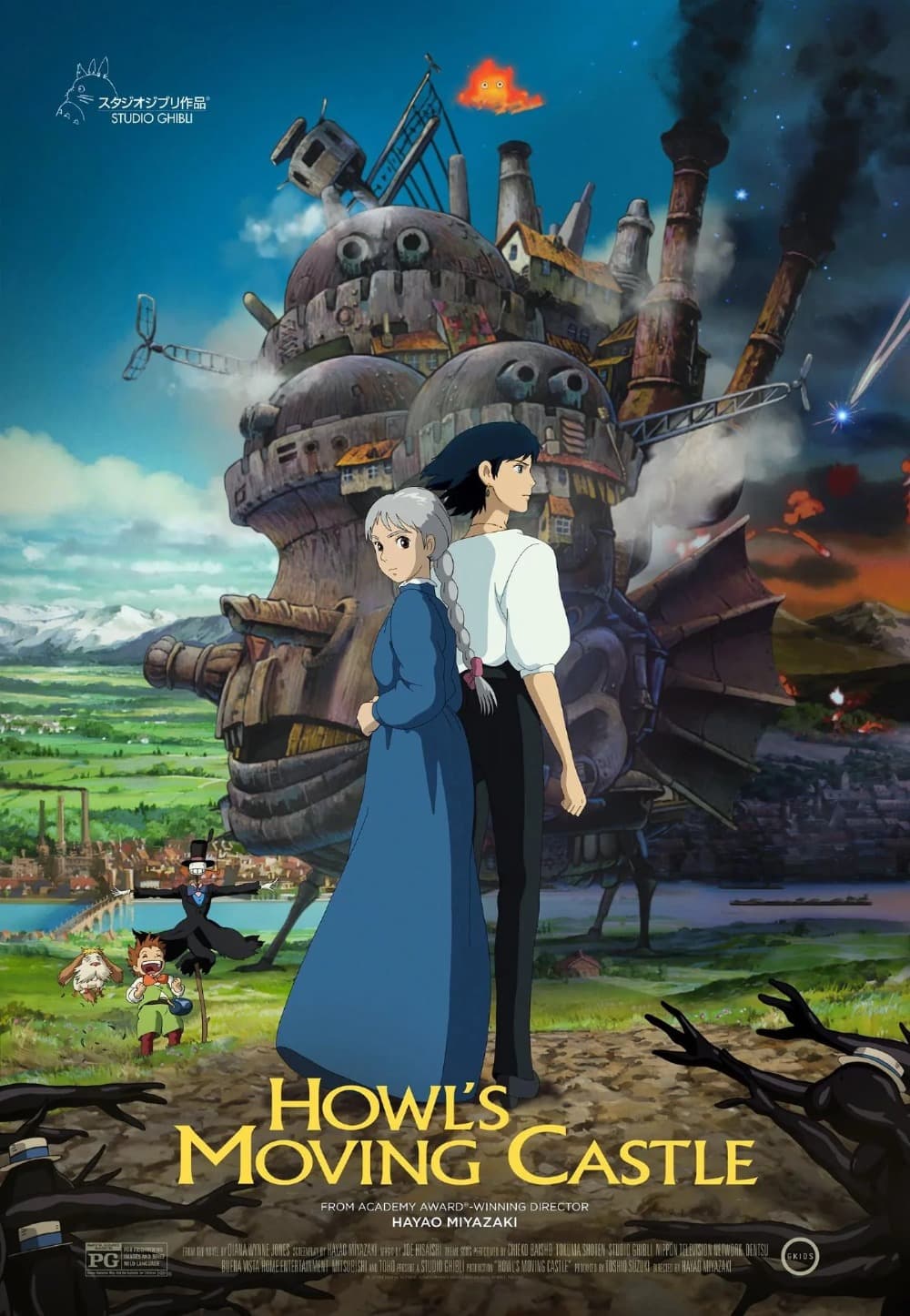
Miyazaki's most beautiful machine is a walking house held together by magic and bad temper: underneath the wonder is an angry anti-war film, made while he watched the invasion of Iraq.
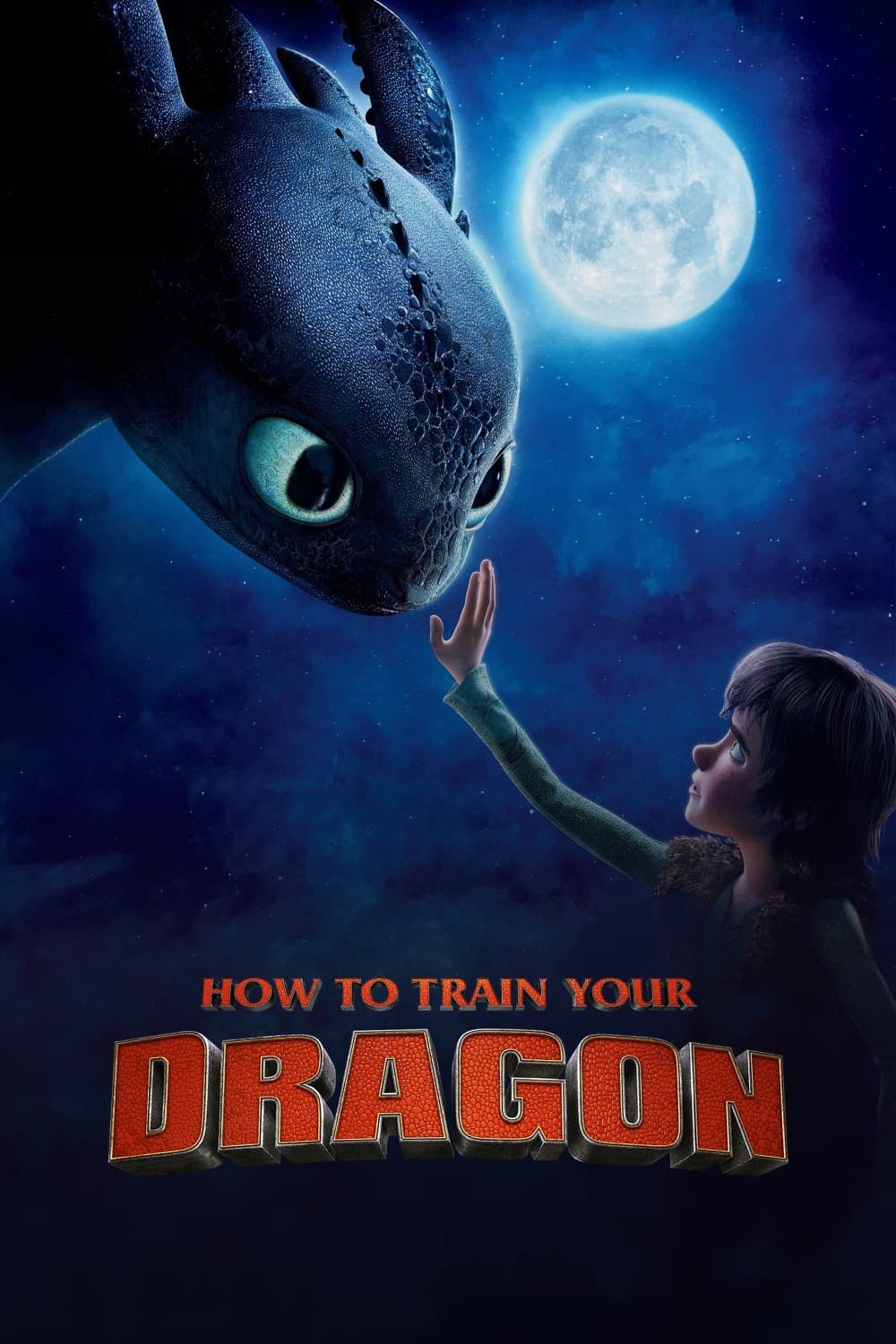
Animation has never conveyed the physical sensation of flight this well: Roger Deakins consulted on the lighting, and a Viking boy who cannot fight befriends the creature he was raised to kill.
Miyazaki announced his retirement with it, a retirement he later took back: a young man designs beautiful aircraft that become weapons, and nothing about that is resolved.

Heaven is monochrome and earth is in Technicolor, which is the whole joke: a pilot bails out without a parachute and then has to argue for his life.
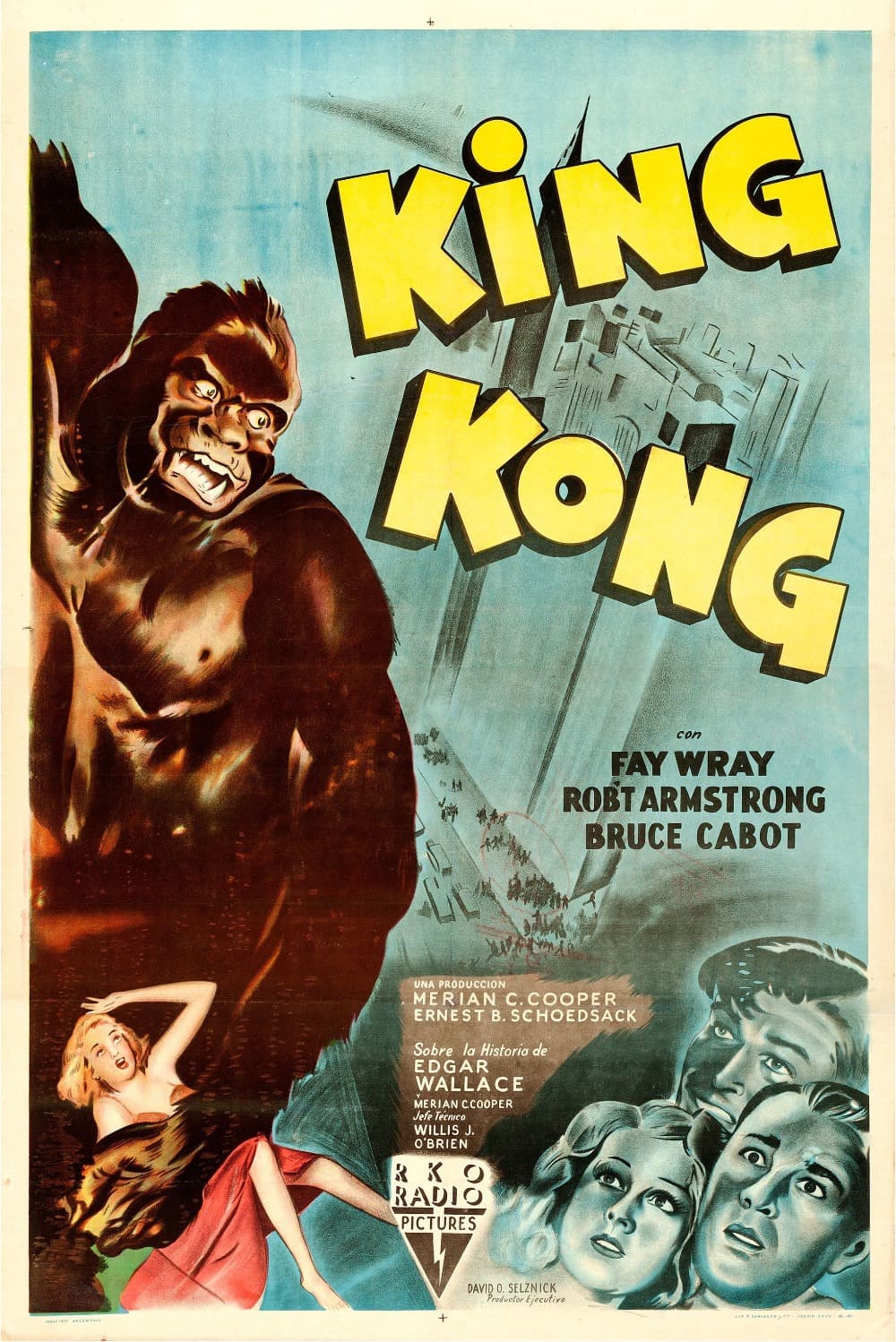
Willis O'Brien animated it a frame at a time and audiences in 1933 had never seen anything like it: the ape on that building is known to people who never watched it.
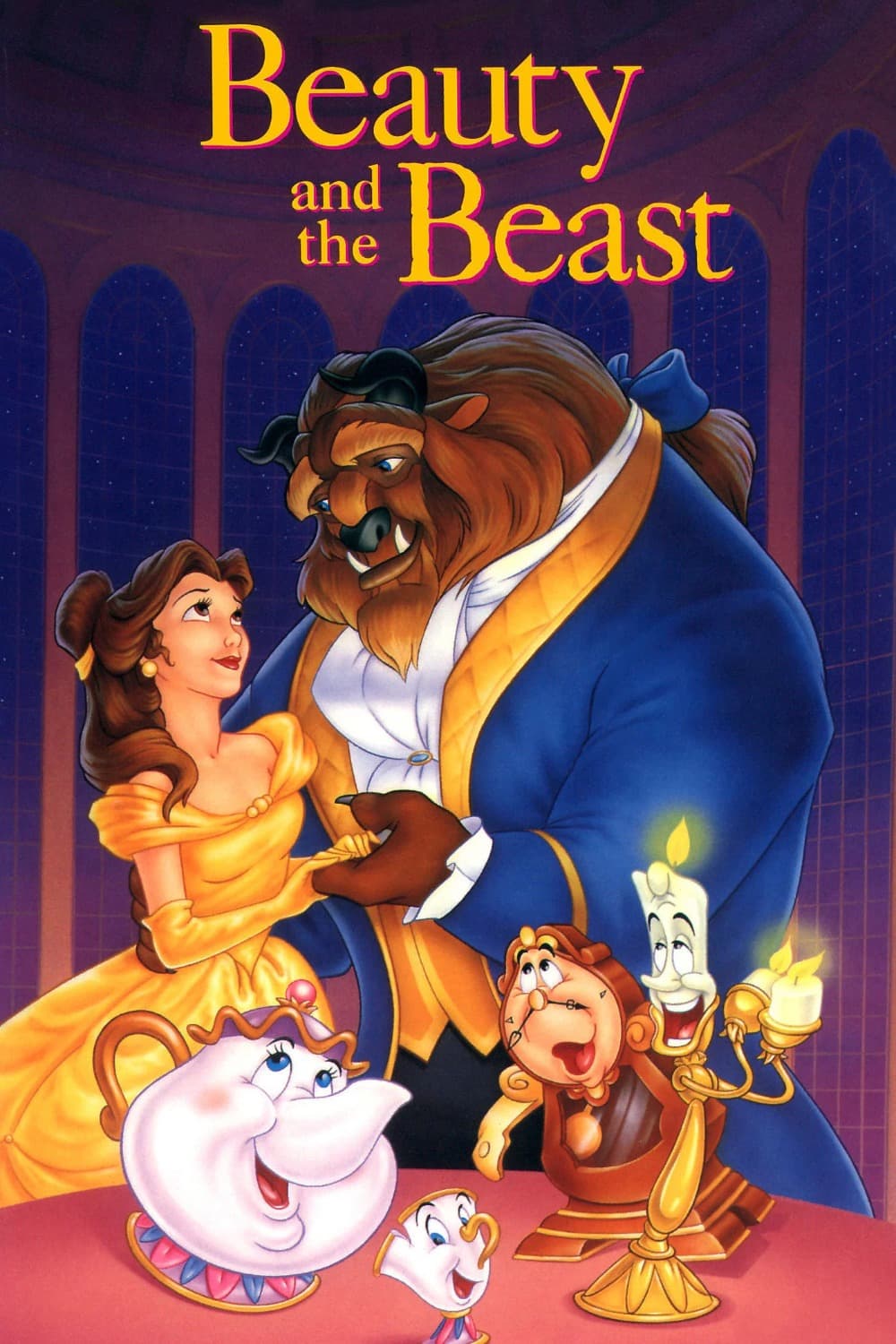
The peak of the Disney Renaissance, and the moment computers earned a place in hand-drawn animation: the ballroom sequence still looks like nothing anyone had done before.
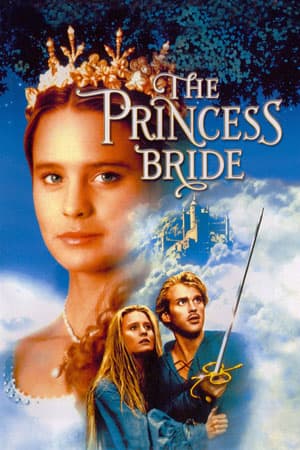
It barely registered in cinemas and built its whole following on video: pirates, giants, a six-fingered man, and a grandfather reading to a boy who does not want the story.
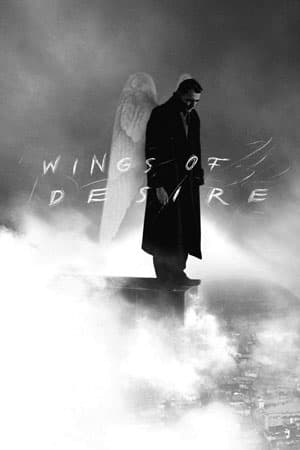
Wenders filmed a divided Berlin two years before the Wall came down and caught something nobody could stage again: angels listening in on what the people below are thinking.

Disney mortgaged his own house to make the first cel-animated feature, and the industry called it his folly: the queen's transformation still frightens small children exactly as intended.
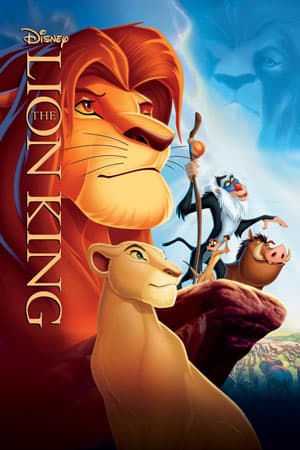
Still the highest grossing hand-drawn film ever made: Disney sent a young cub into exile with a Shakespeare plot, and the opening sunrise raises the hair every time.
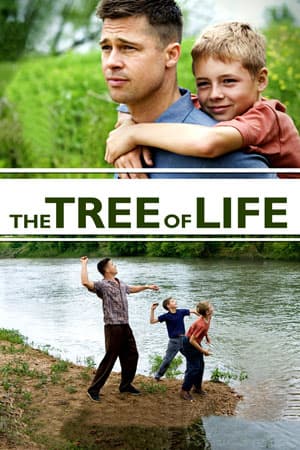
It won the Palme d'Or and audiences walked out of it: Malick set a 1950s Texas boyhood against the formation of the universe and left the connections to you.

It won four Academy Awards and remains the highest grossing foreign language film ever released in America: wire work so graceful that gravity stops being a consideration.
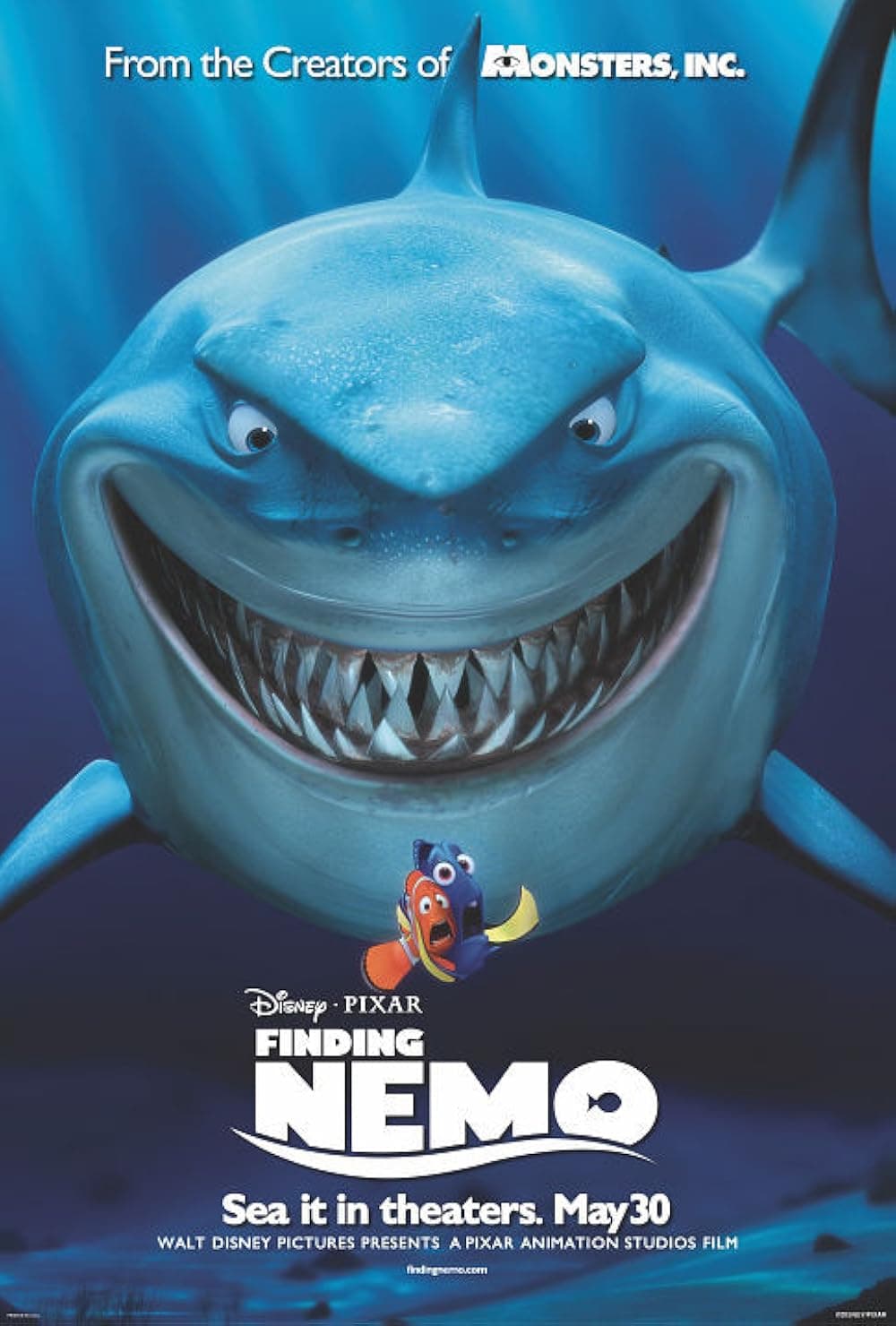
It became the highest grossing animated release to that point and pushed what animation could render: an ocean of light and current, and a frightened father crossing it.

No comedy has been quoted more relentlessly for fifty years: the Pythons could not afford horses, banged coconuts instead, and turned the budget problem into the joke.
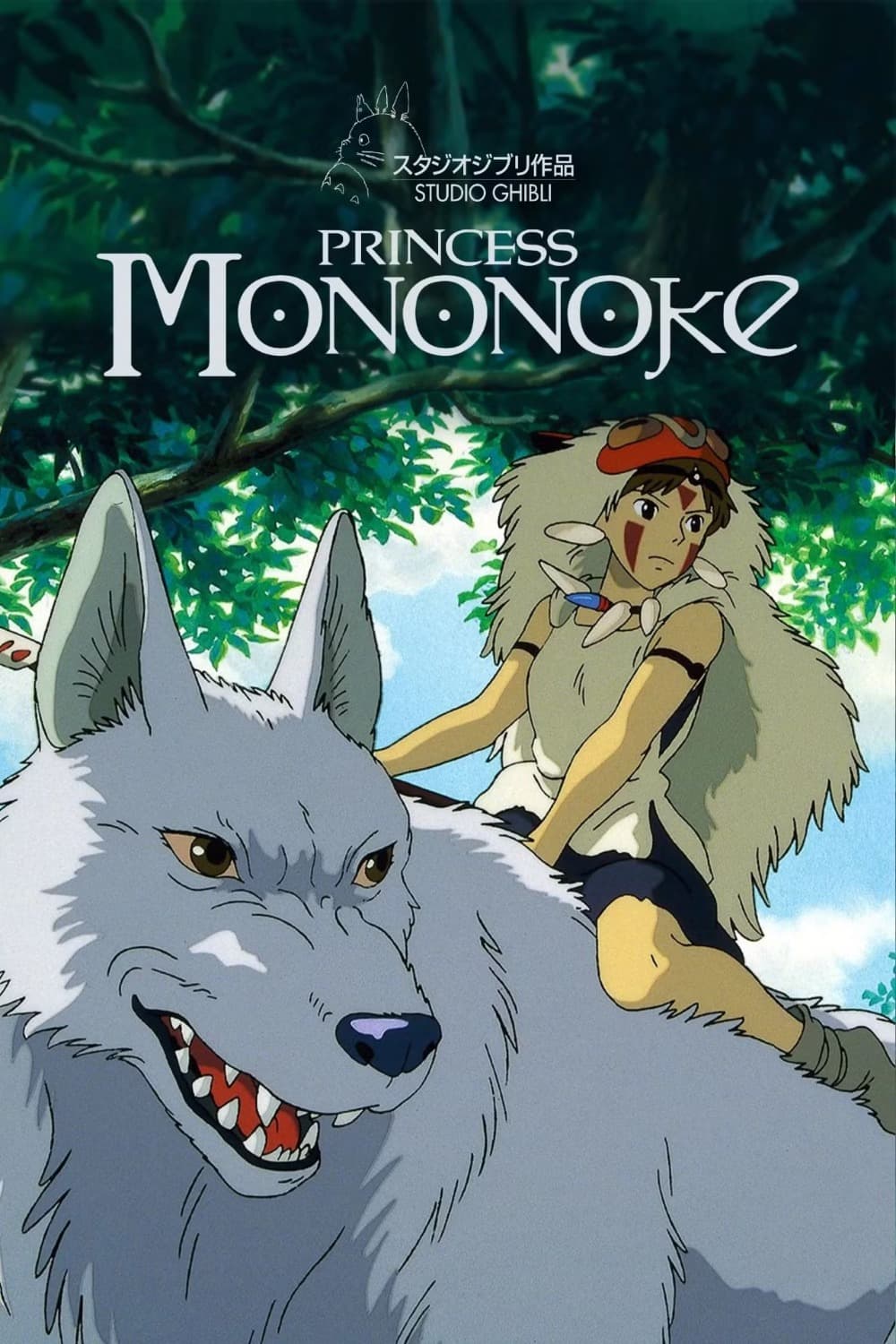
It held the Japanese box office record until Titanic arrived: Miyazaki staged a war between an iron town and the forest gods and refused to name a villain.
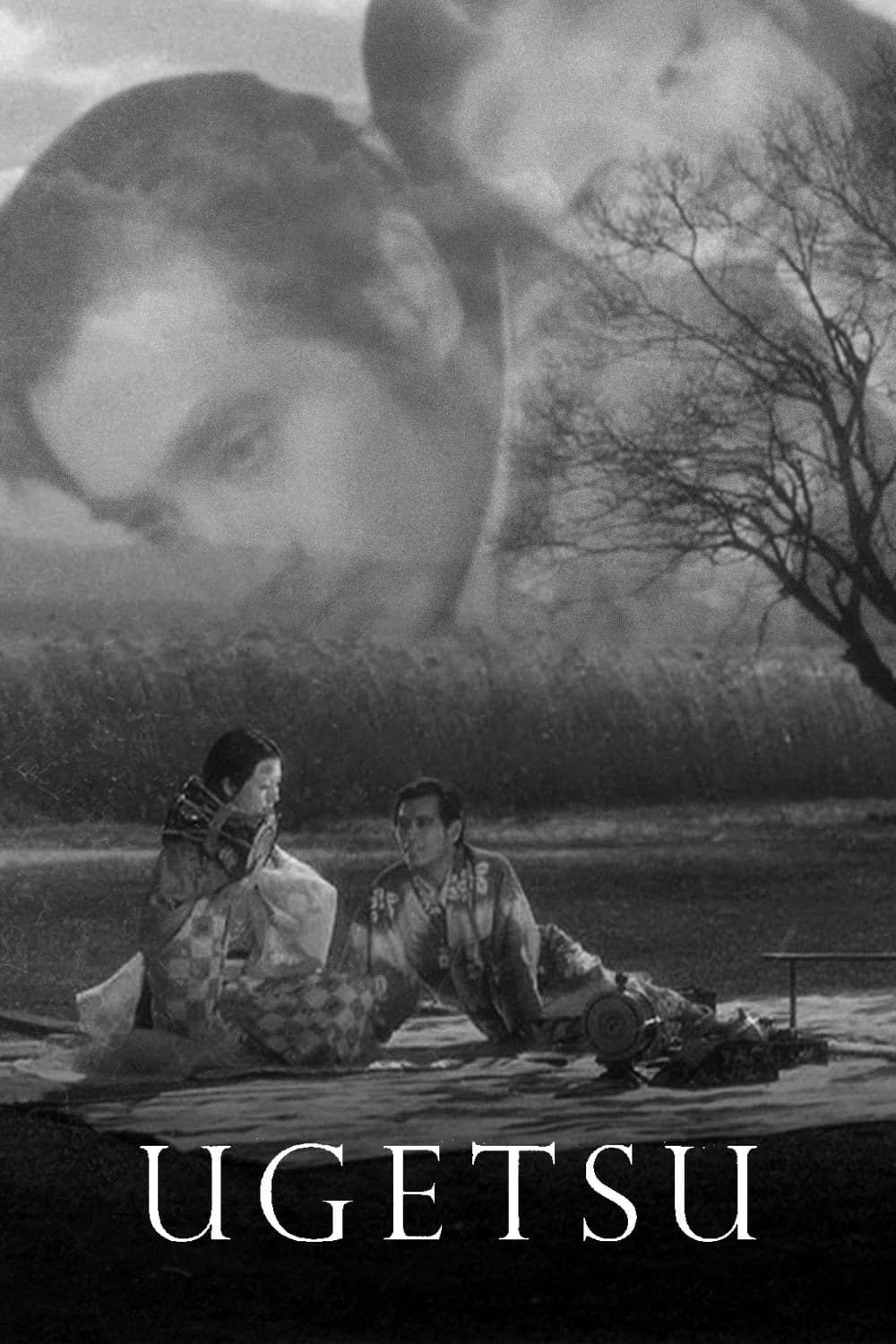
Mizoguchi's ghost story is the one other directors mention when asked what changed them: two peasants chase money through a civil war, and the crossing through fog is unearthly.
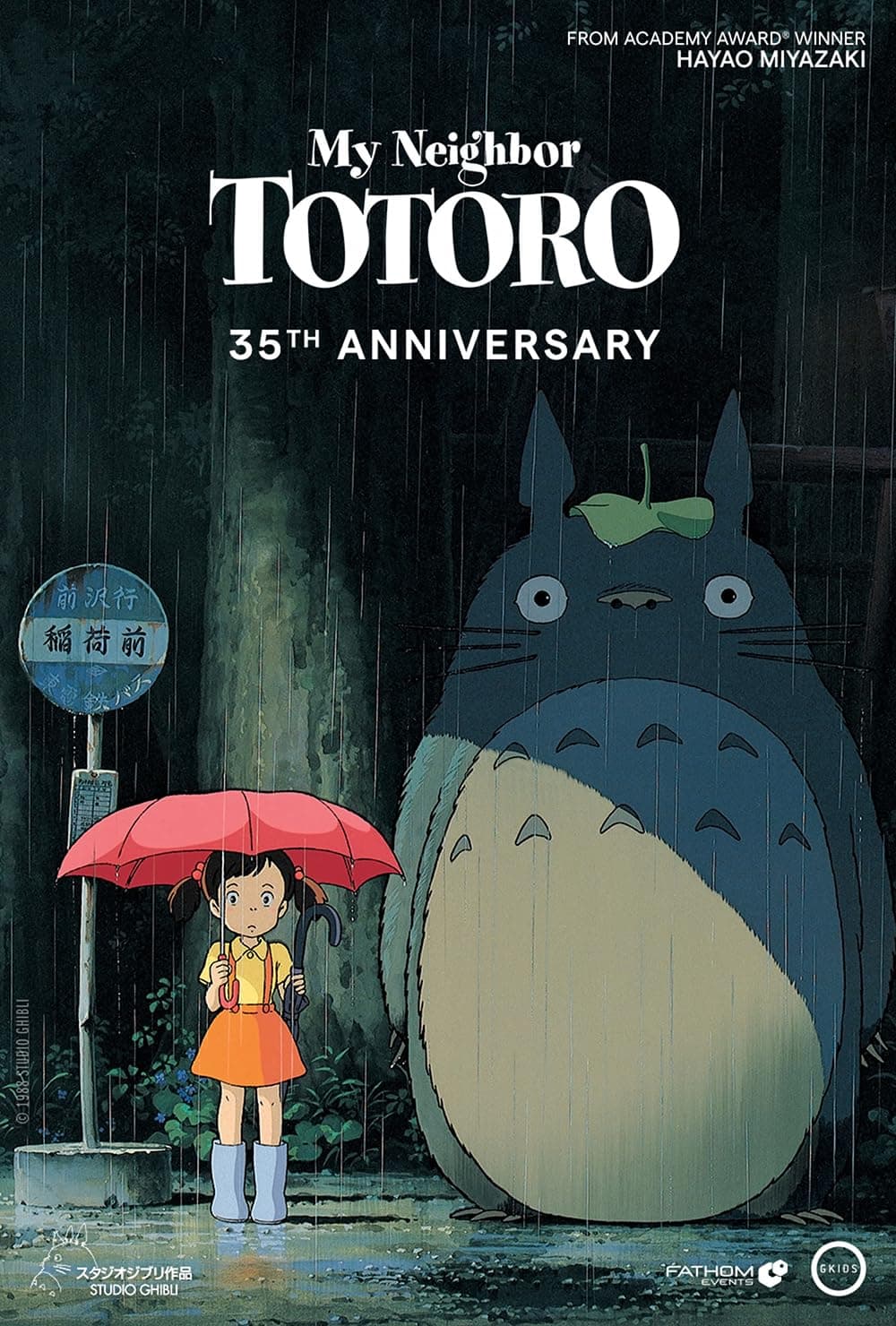
Children's films almost never dare to have no villain: Miyazaki made eighty minutes of pure safety out of two sisters and a forest spirit, and it became Ghibli's emblem.
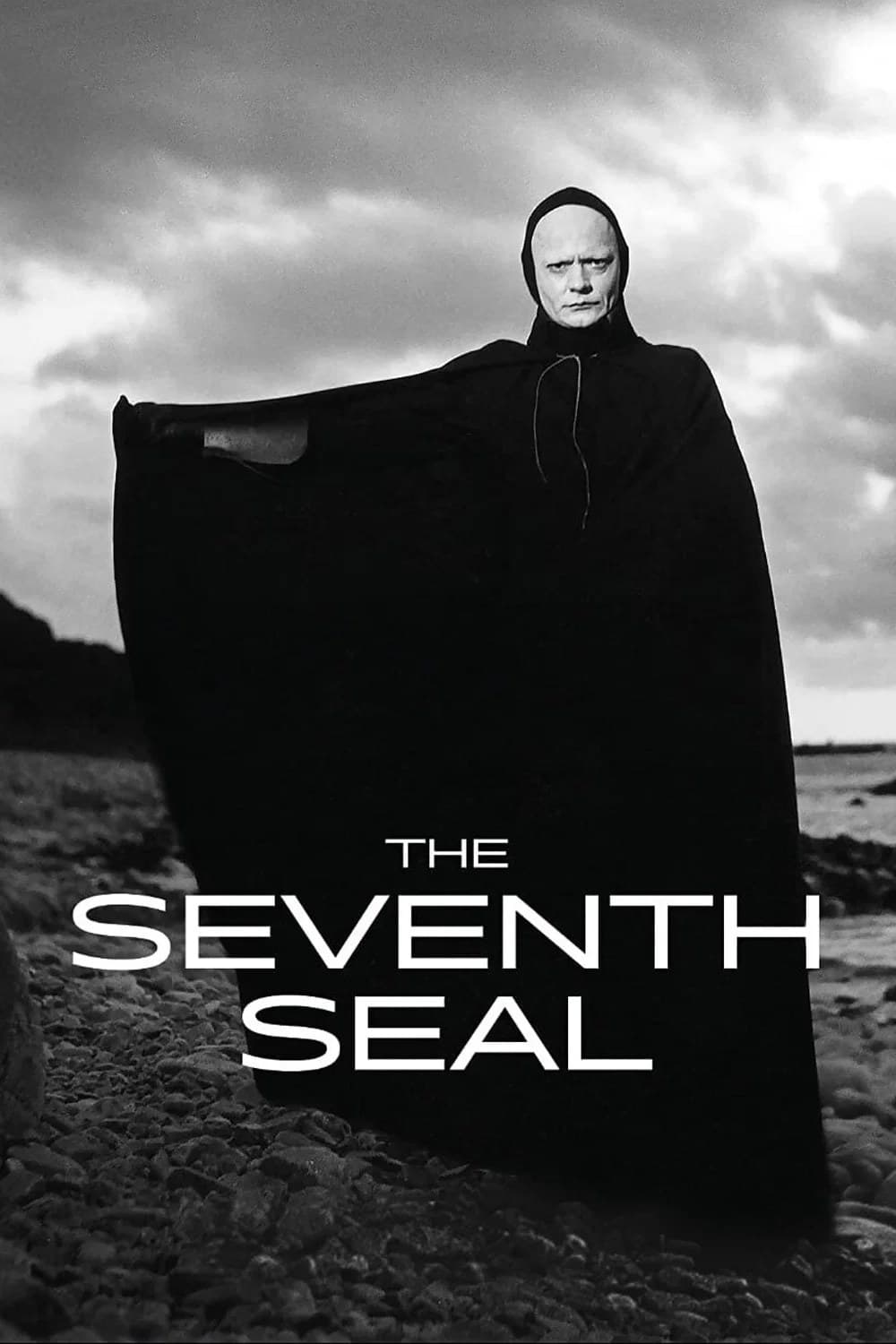
No image from any film has been parodied more: a knight plays chess with Death on a beach, and Bergman is completely serious about the question underneath it.
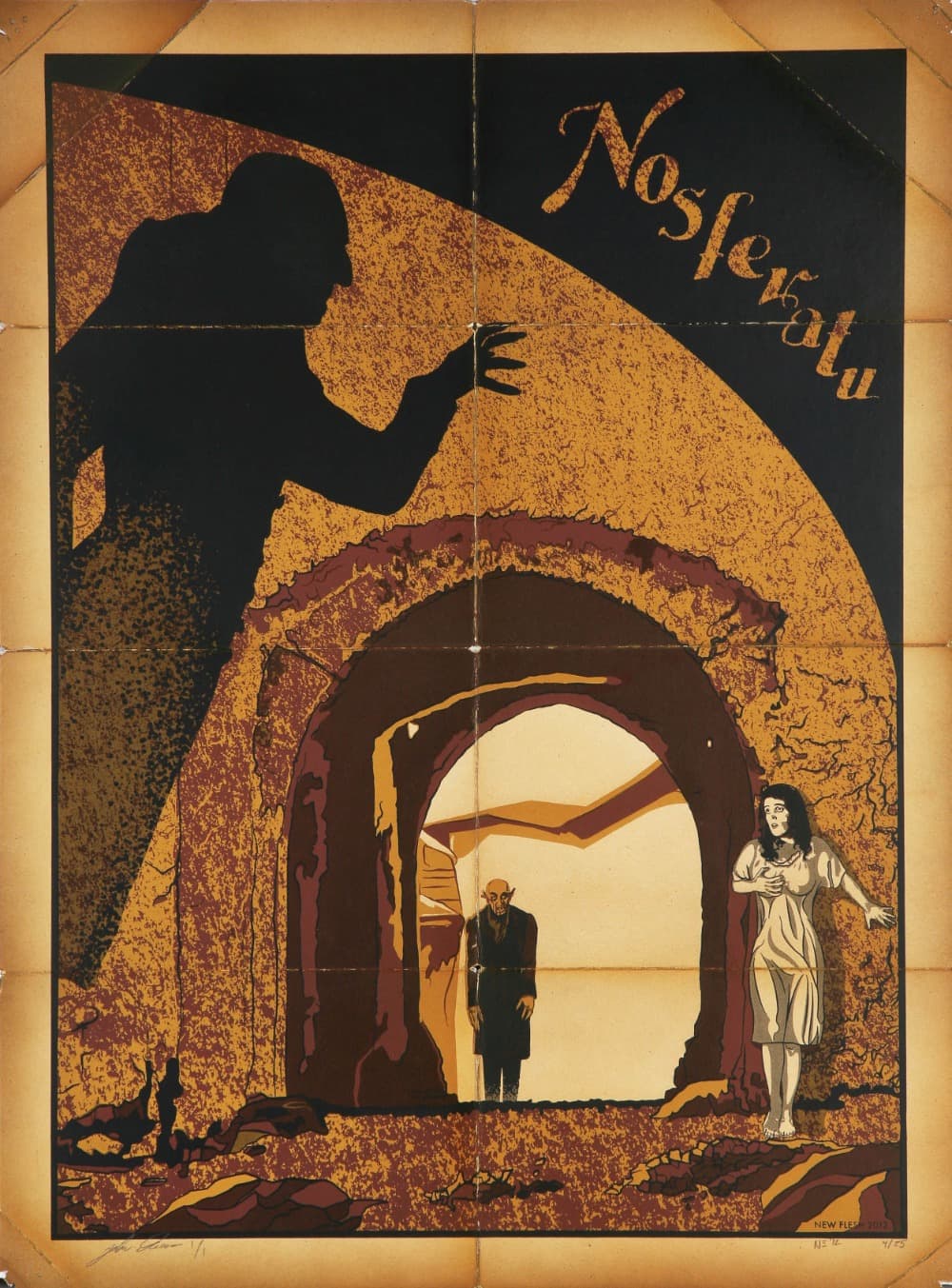
A court ordered every print destroyed and the film survived anyway: Murnau's unauthorized Dracula gave horror its first permanent image, a shadow climbing a staircase toward a door.
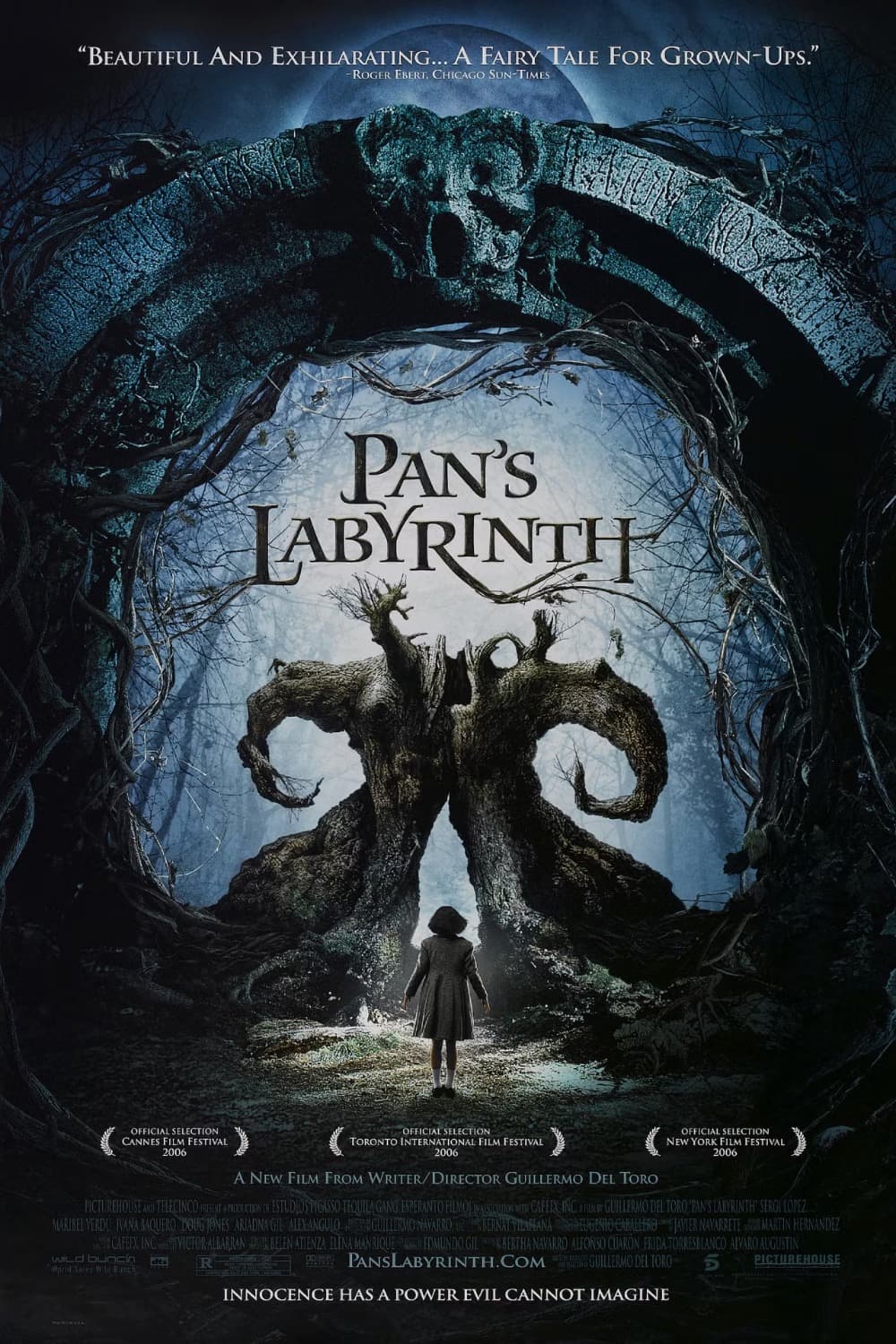
Del Toro put a child's fairy tale and Franco's Spain in the same film and refused to make either one safer: the creature with eyes in its hands follows people home.

Gollum changed what a digital character could be: Andy Serkis acted him fully and the industry rebuilt itself around motion capture, all inside a four-month night siege in the rain.
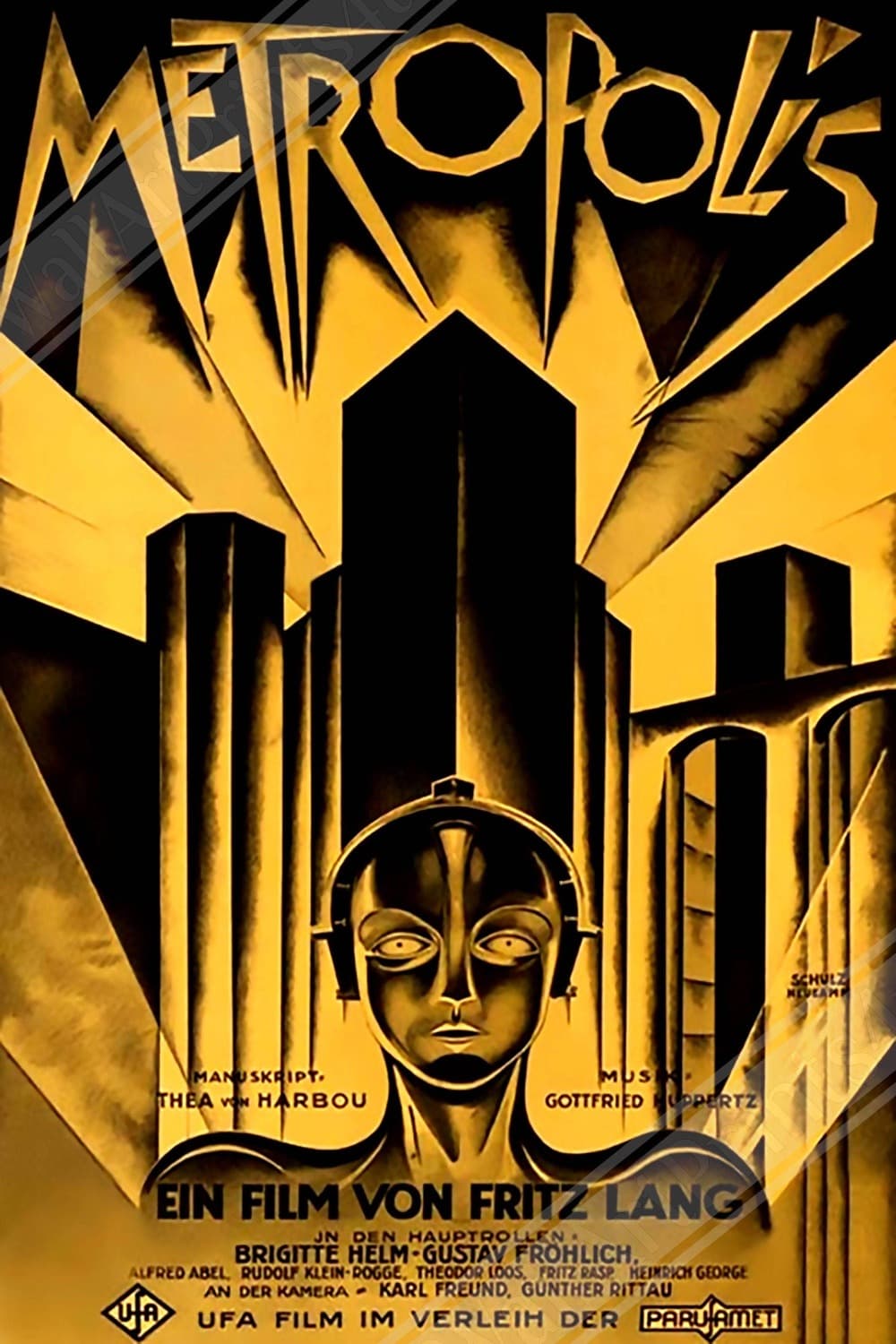
Science fiction has been raiding its designs for a century: Lang built a vertical city and a metal woman in 1927, and both are still turning up in new films.

Everyone said the book could not be filmed: Jackson shot three films at once in New Zealand and delivered a Middle-earth so furnished you stop noticing it was invented.
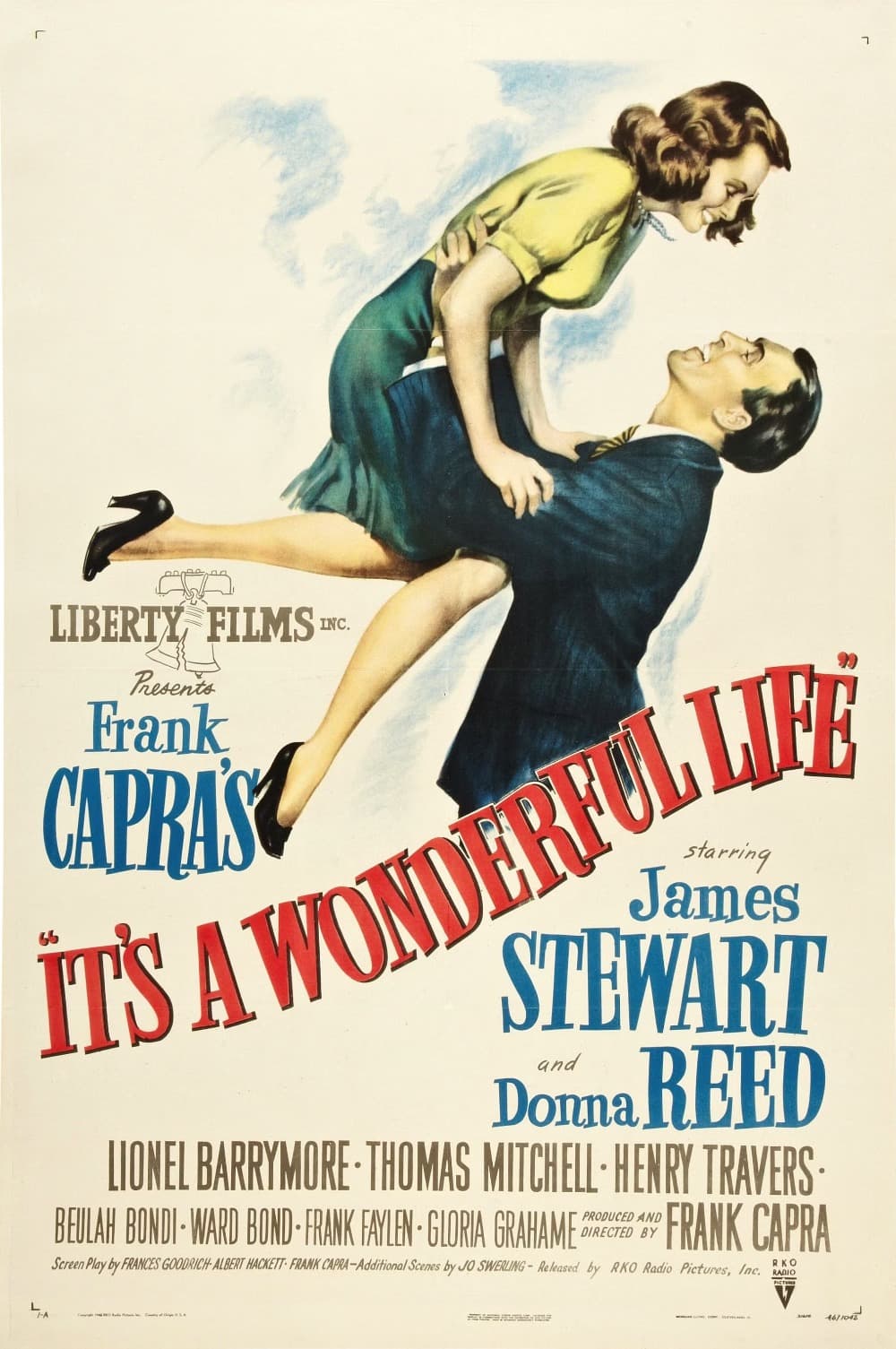
A commercial failure that decades of Christmas television turned into a national ritual: it is far darker than its reputation, and the ending earns every tear it gets.
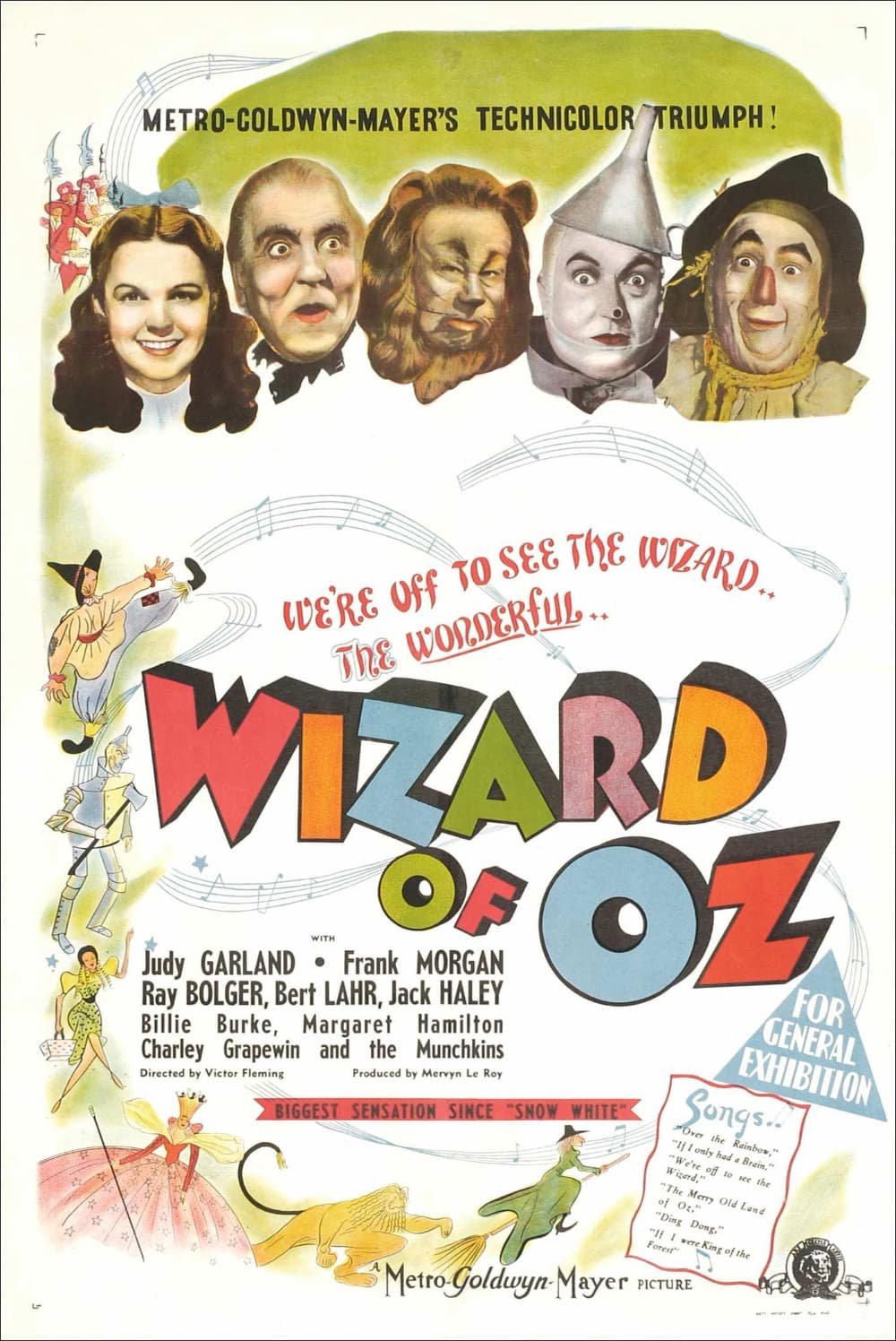
Decades of television broadcasts made it what the Library of Congress calls the most-seen film in history: the switch from sepia Kansas into Technicolor Oz still lands like a door opening.
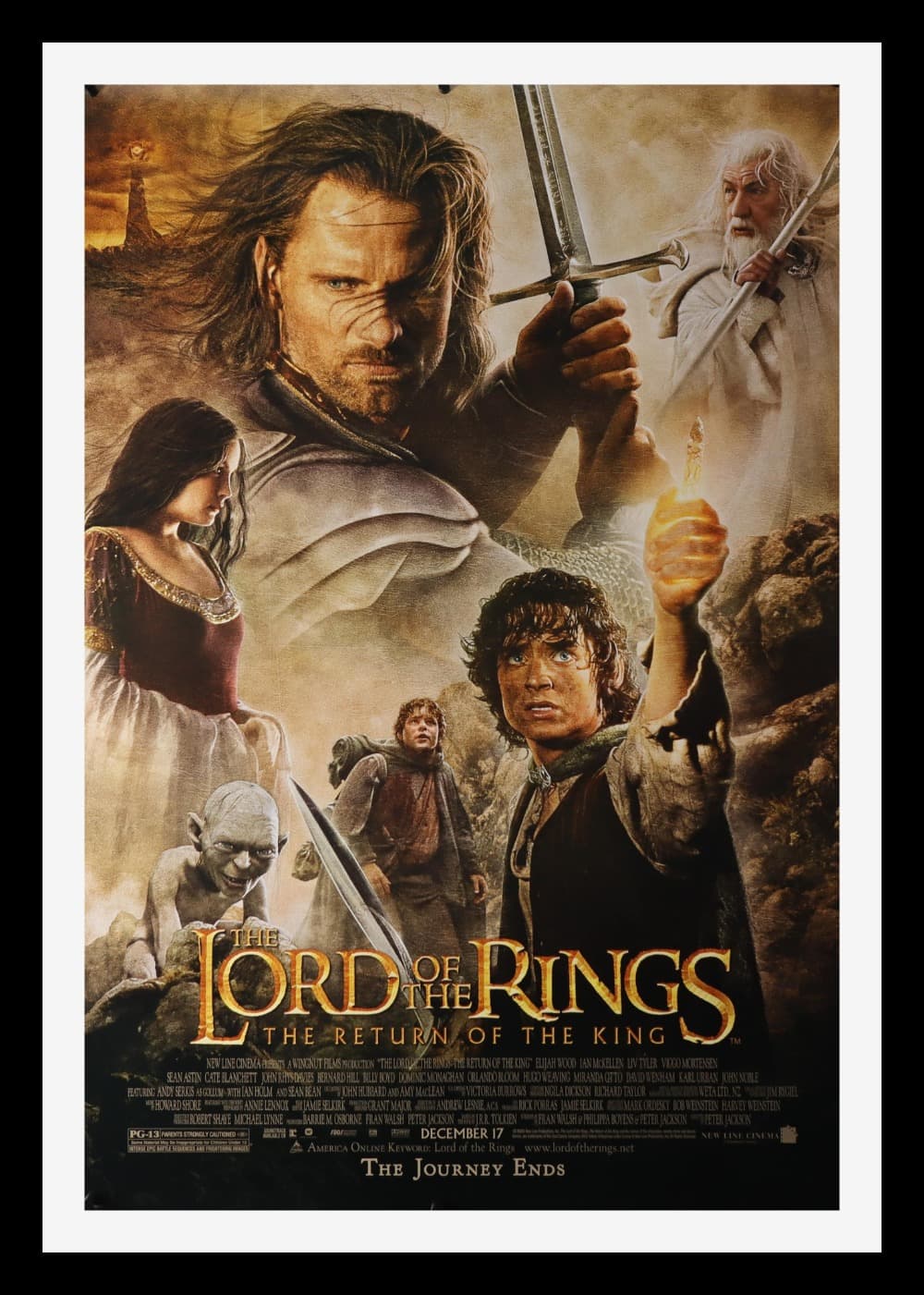
Eleven nominations and eleven wins, a clean sweep no film has bettered: Jackson closed a decade-long gamble with battles at an unattempted scale and an ending that earns its farewells.
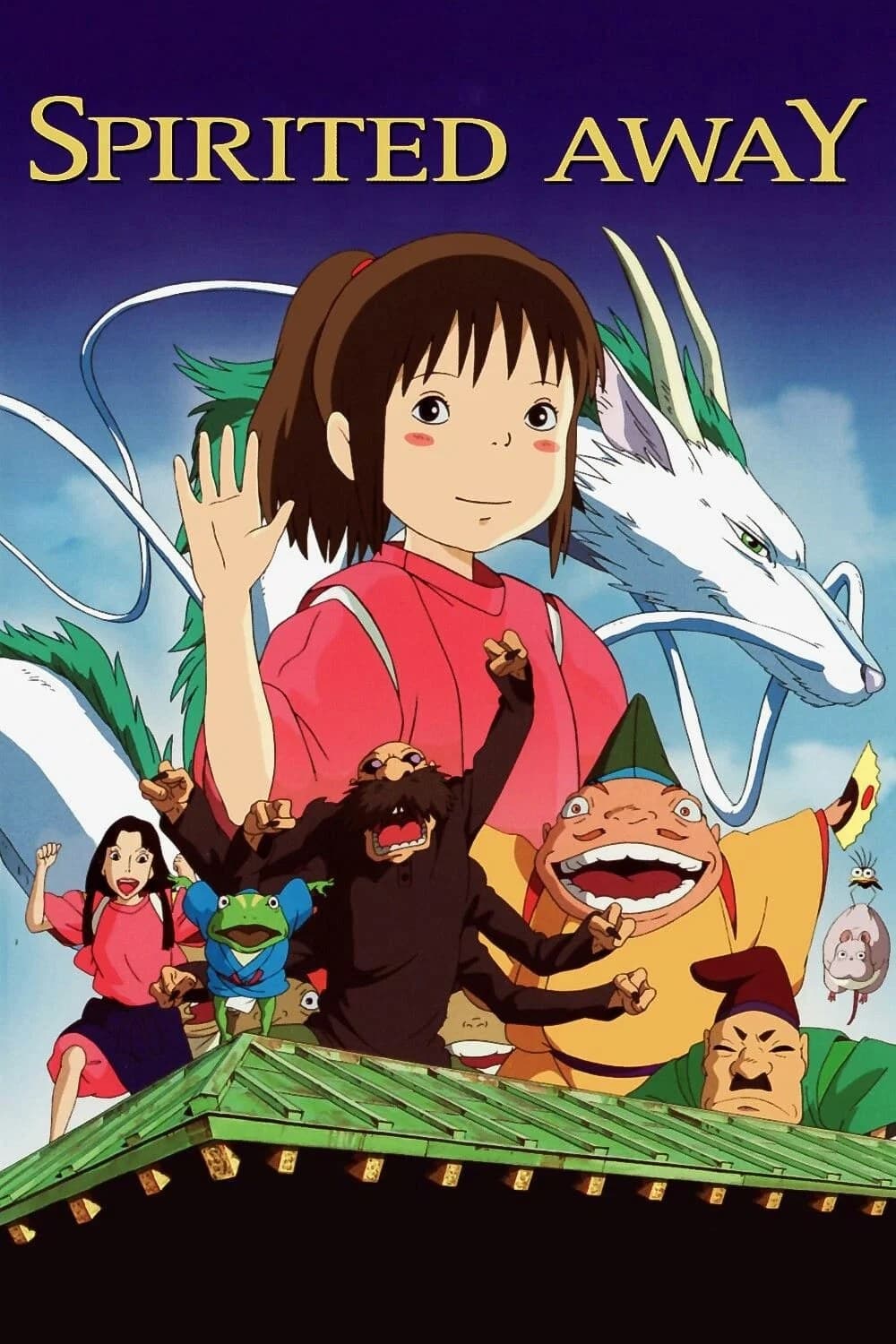
The high point of hand-drawn animation: Miyazaki invented a spirit world so dense and so unexplained that it took the Animated Feature Oscar away from every American studio.