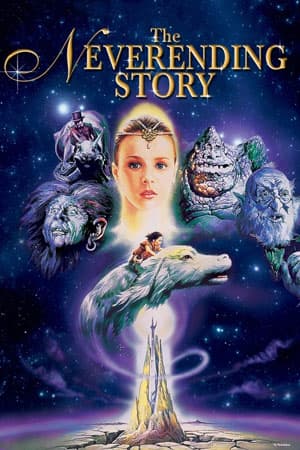
The NeverEnding Story
Directed by Wolfgang Petersen
1984
Michael Ende hated the adaptation enough to sue: a bullied boy steals a book from a shop and reads himself into a world being eaten by nothing, and the puppetry is extraordinary.
★ 3.2
 skopia
Michael Ende hated the adaptation enough to sue: a bullied boy steals a book from a shop and reads himself into a world being eaten by nothing, and the puppetry is extraordinary.
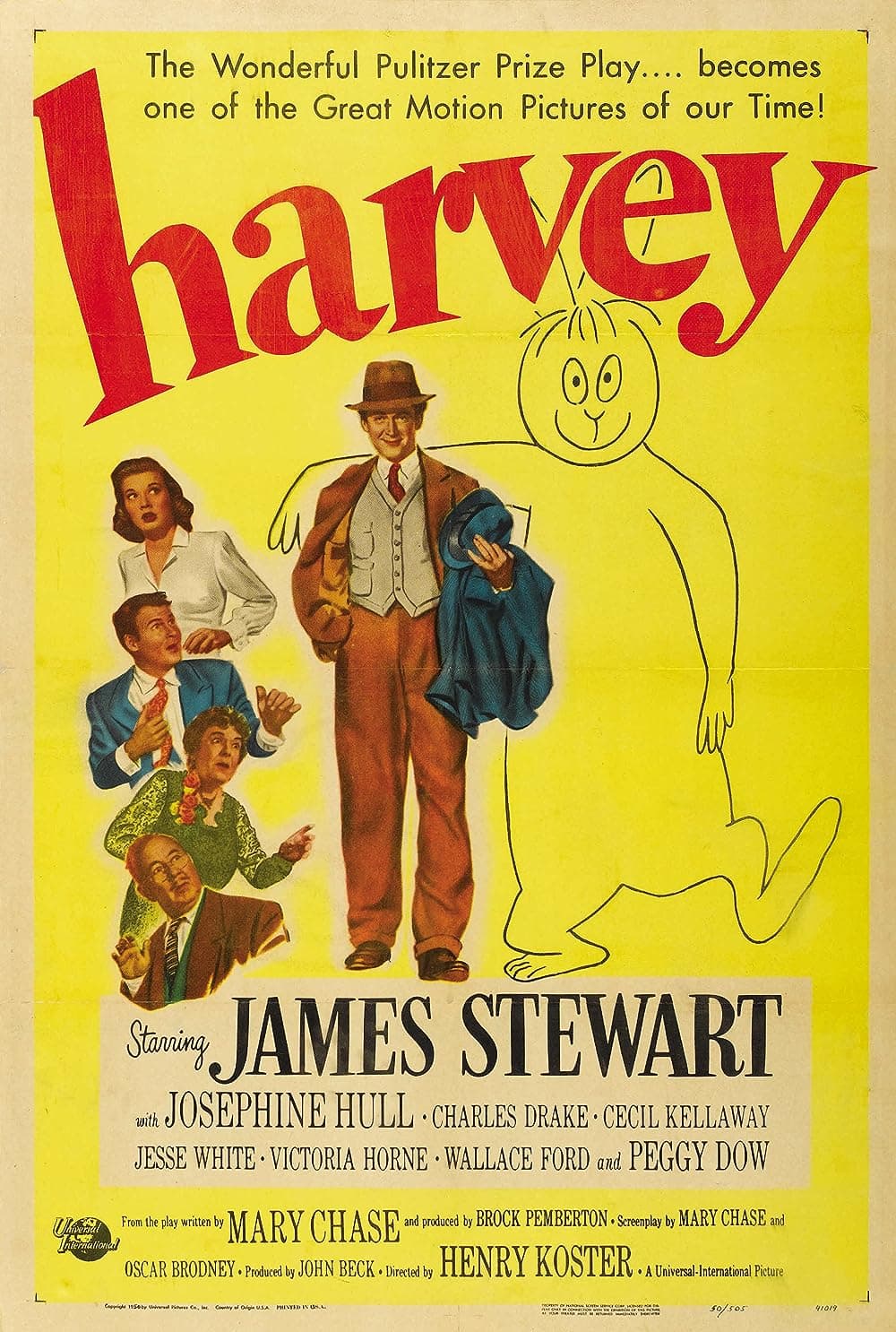
James Stewart played it on Broadway and returned to the part for decades: an unfailingly pleasant man insists his closest friend is a six-foot-three invisible rabbit, and his family wants him committed.
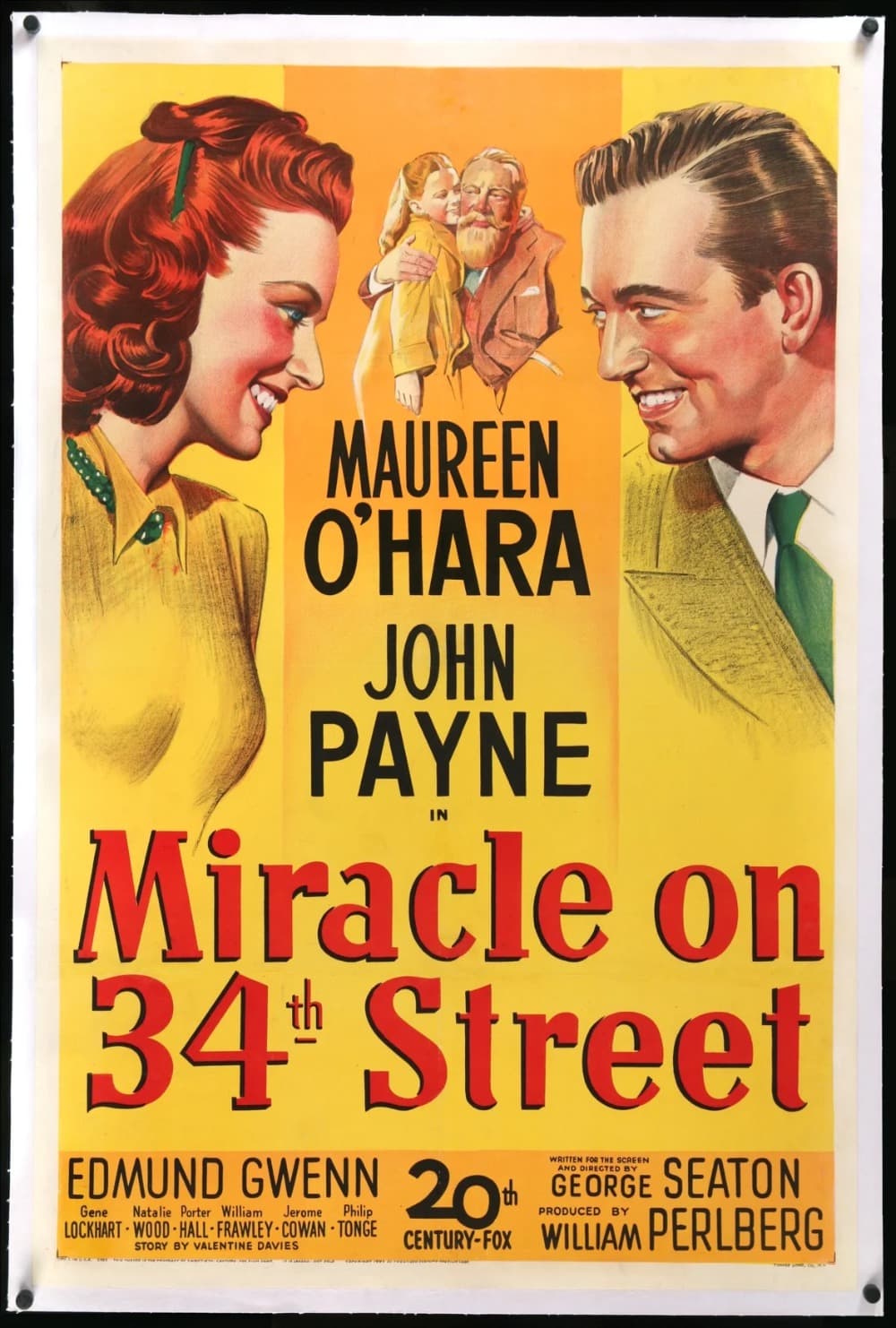
The studio released a Christmas film in May and hid the fact from its own advertising: Edmund Gwenn won an Oscar as a department store Santa who insists he is the real one.

Ten years and eight films with the same three actors growing up on camera, which no other series has managed: David Yates closes it with the largest battle the series ever attempted.
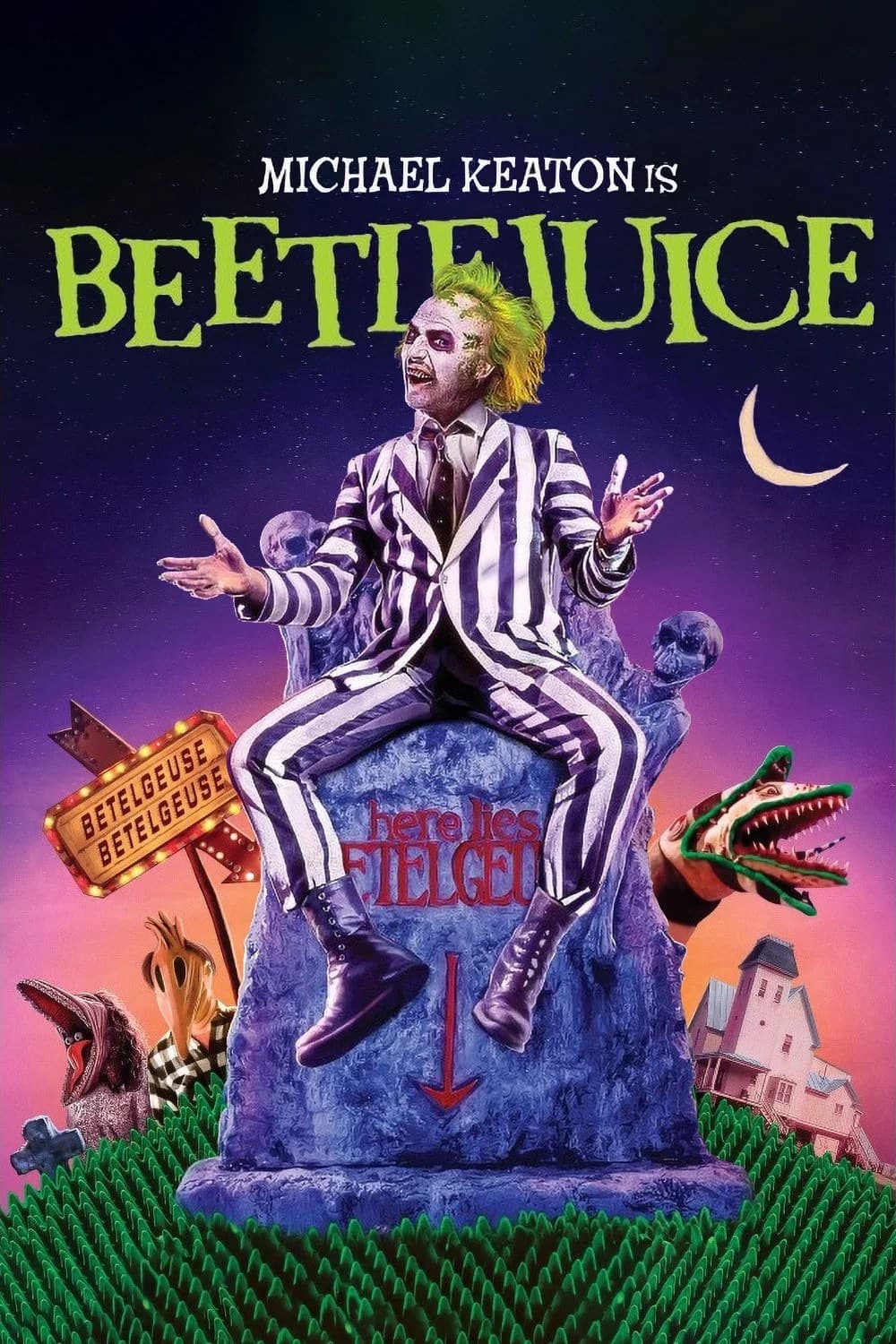
Michael Keaton appears for roughly seventeen minutes and the film belongs entirely to him: Tim Burton makes the afterlife a bureaucracy with waiting rooms, and the possessed dinner party is the peak.
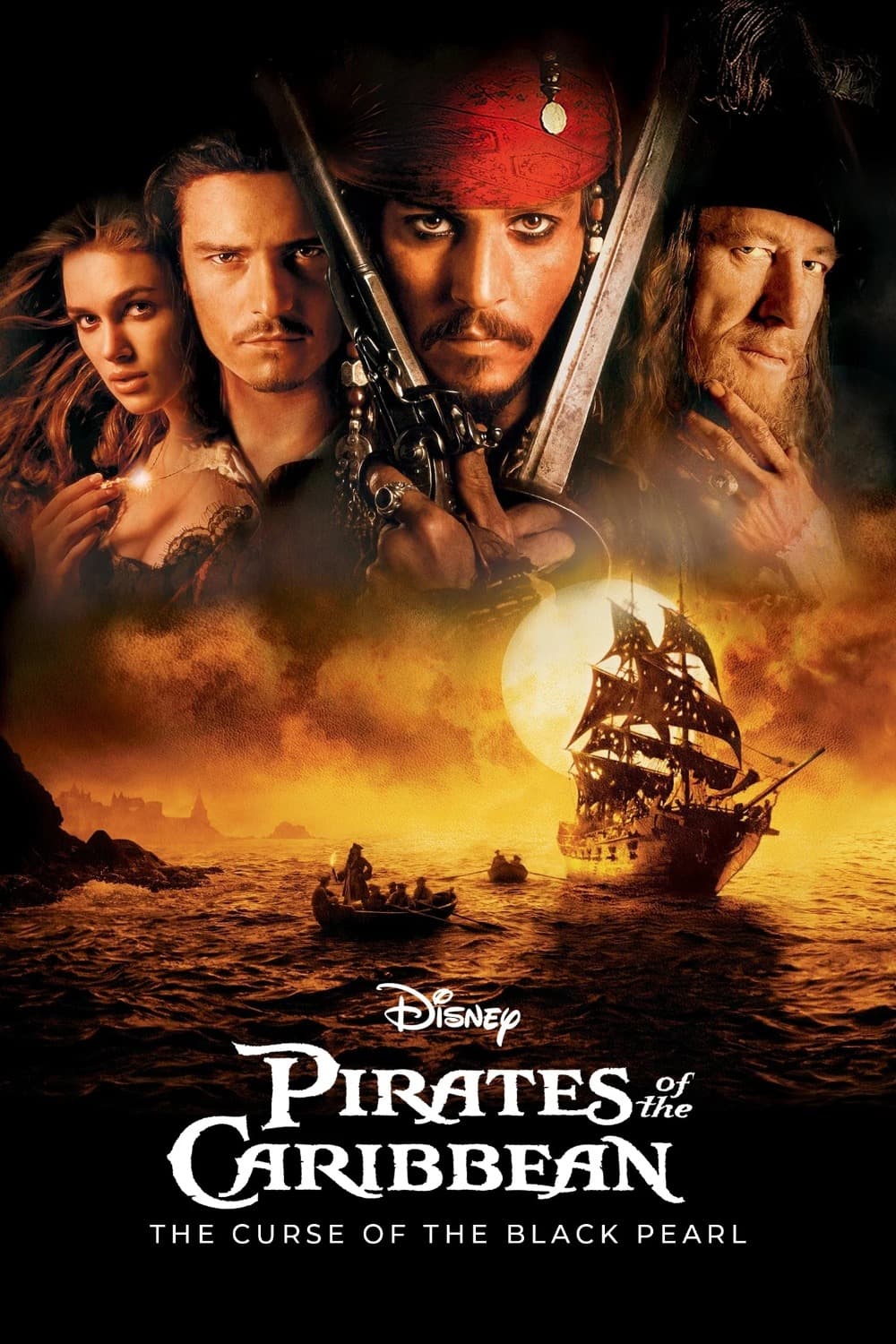
Disney executives thought Johnny Depp was ruining their film and considered replacing him: he built a pirate out of Keith Richards, and a theme park ride became a billion-dollar franchise.
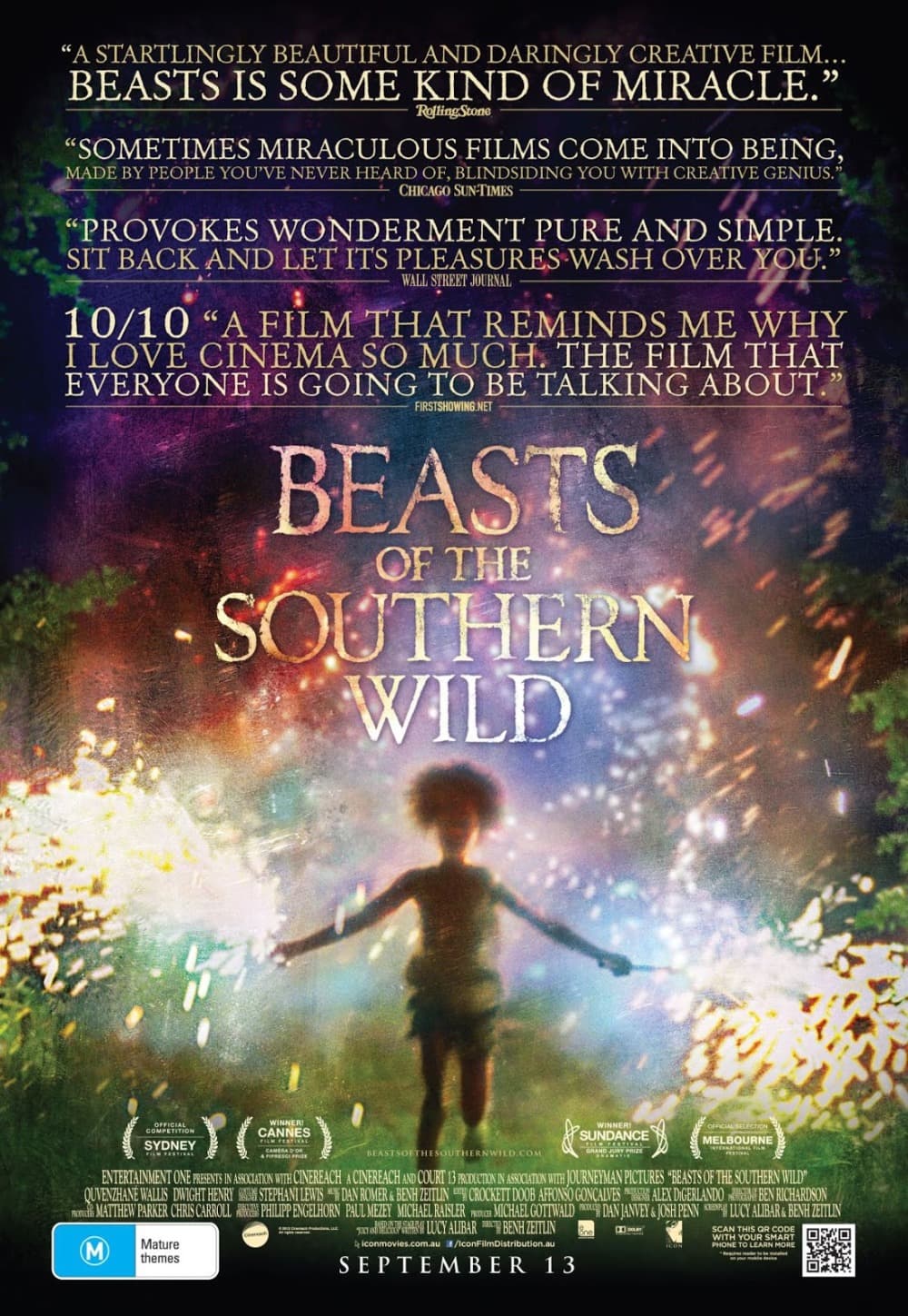
Quvenzhane Wallis was five when she auditioned and became the youngest Best Actress nominee ever: a bayou community below the levee refuses to leave, filmed like a child's own mythology.
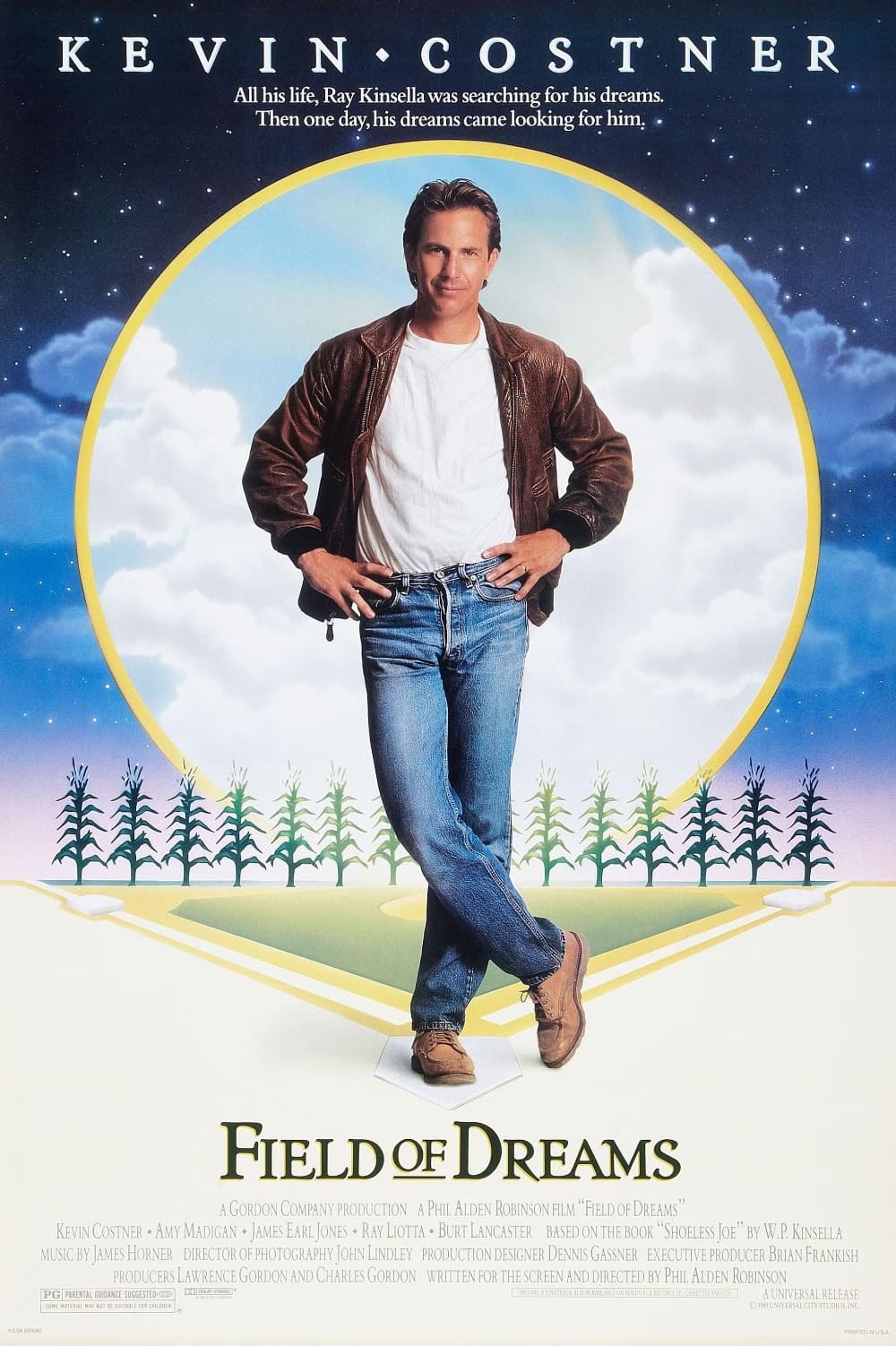
They built the field on an Iowa farm and people still drive to see it: a man plows under his corn because a voice tells him to, and the last reel gets everyone.
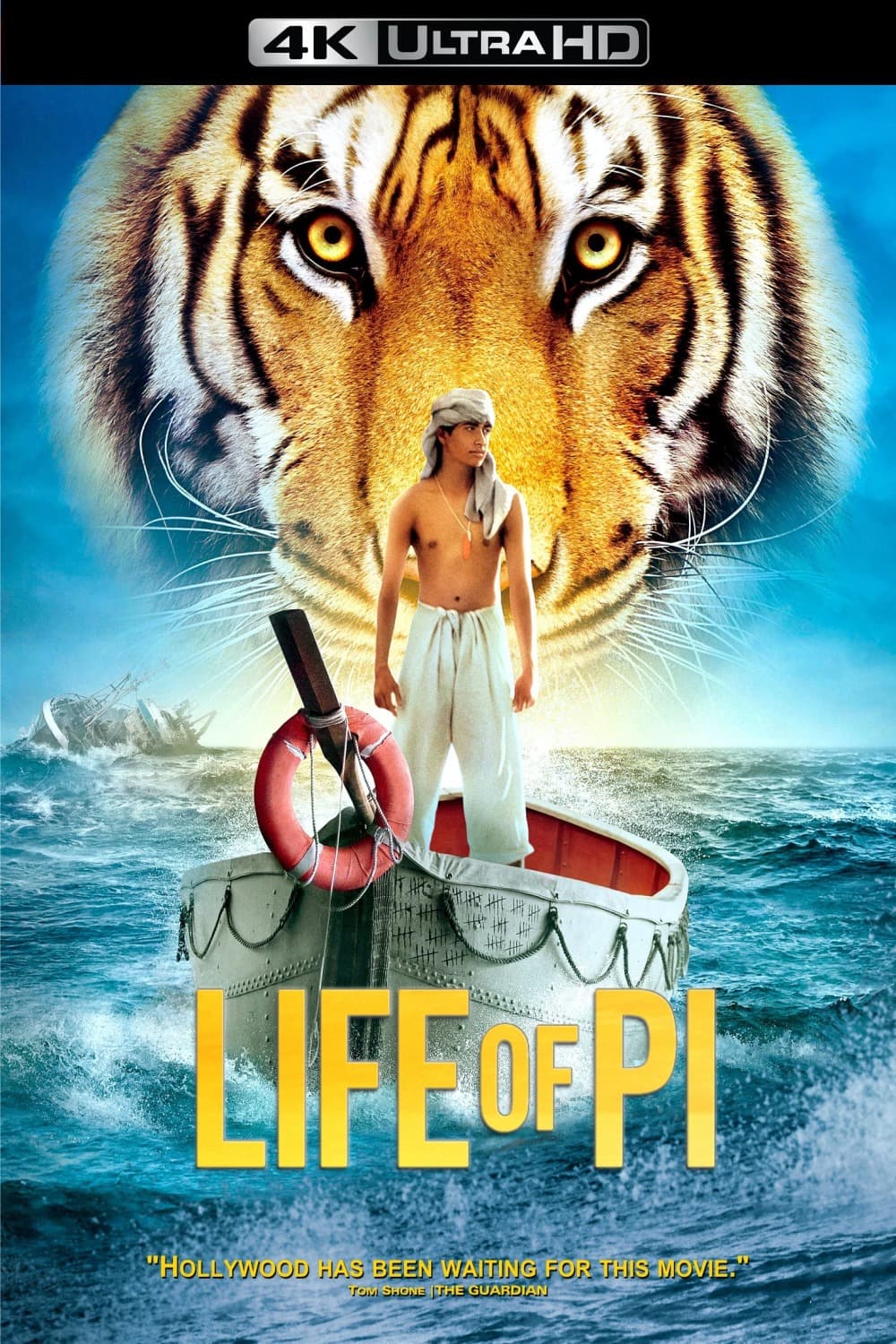
The tiger is almost entirely digital and you will not be able to tell: Ang Lee made the most beautiful 3D film there is, about a boy sharing a lifeboat with a predator.
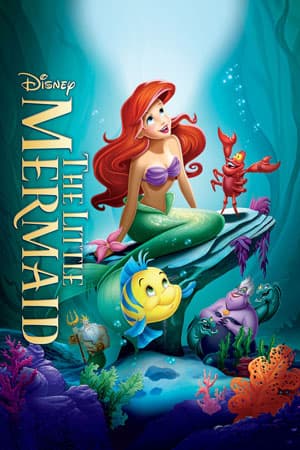
Disney's renaissance starts here: Howard Ashman and Alan Menken wrote the songs like Broadway numbers, and the studio remembered how to make an animated musical that adults would sit through.
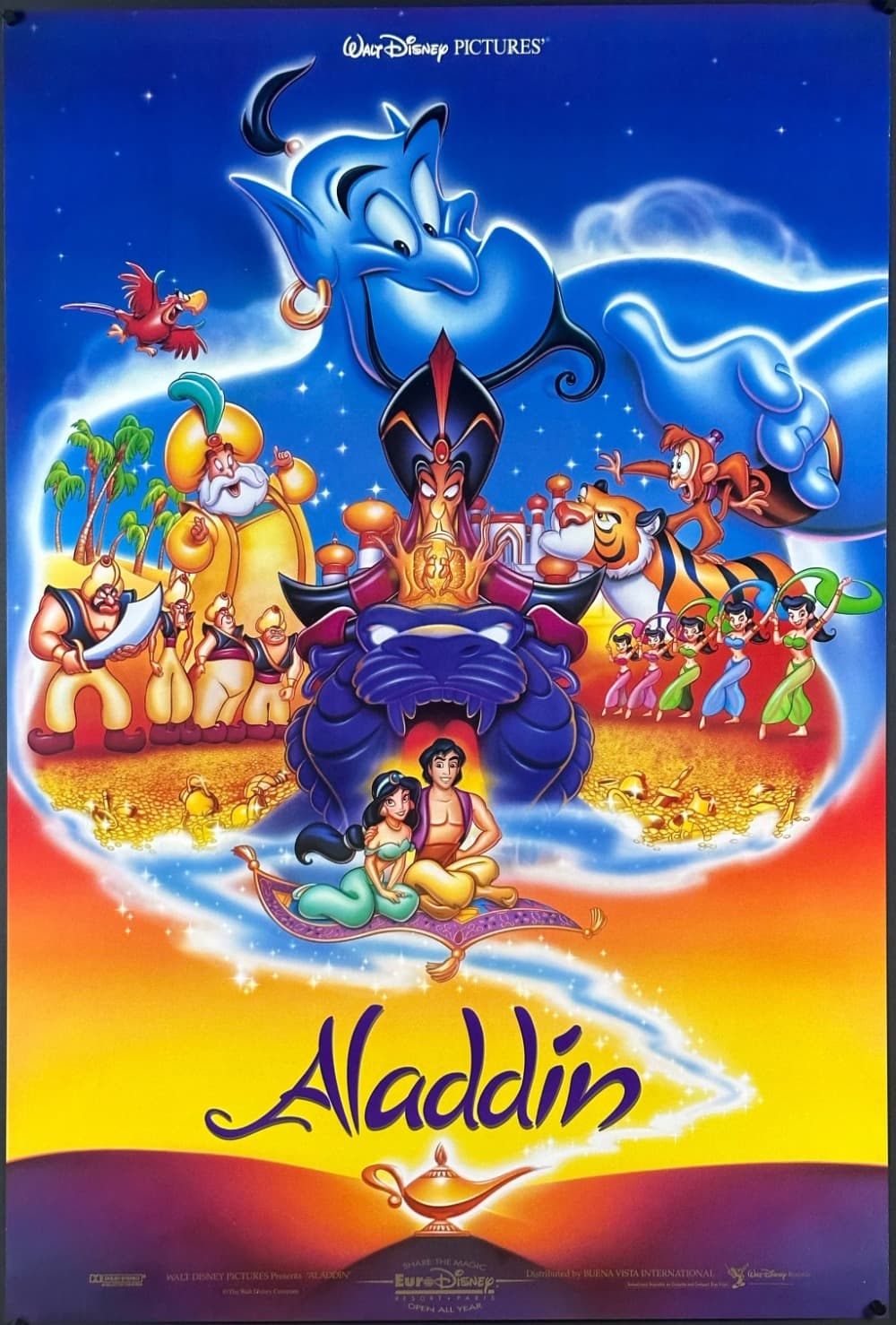
Robin Williams improvised for hours and the animators drew to whatever he gave them: the Genie is still the fastest thing in any Disney film, and every animated star cast since owes him.
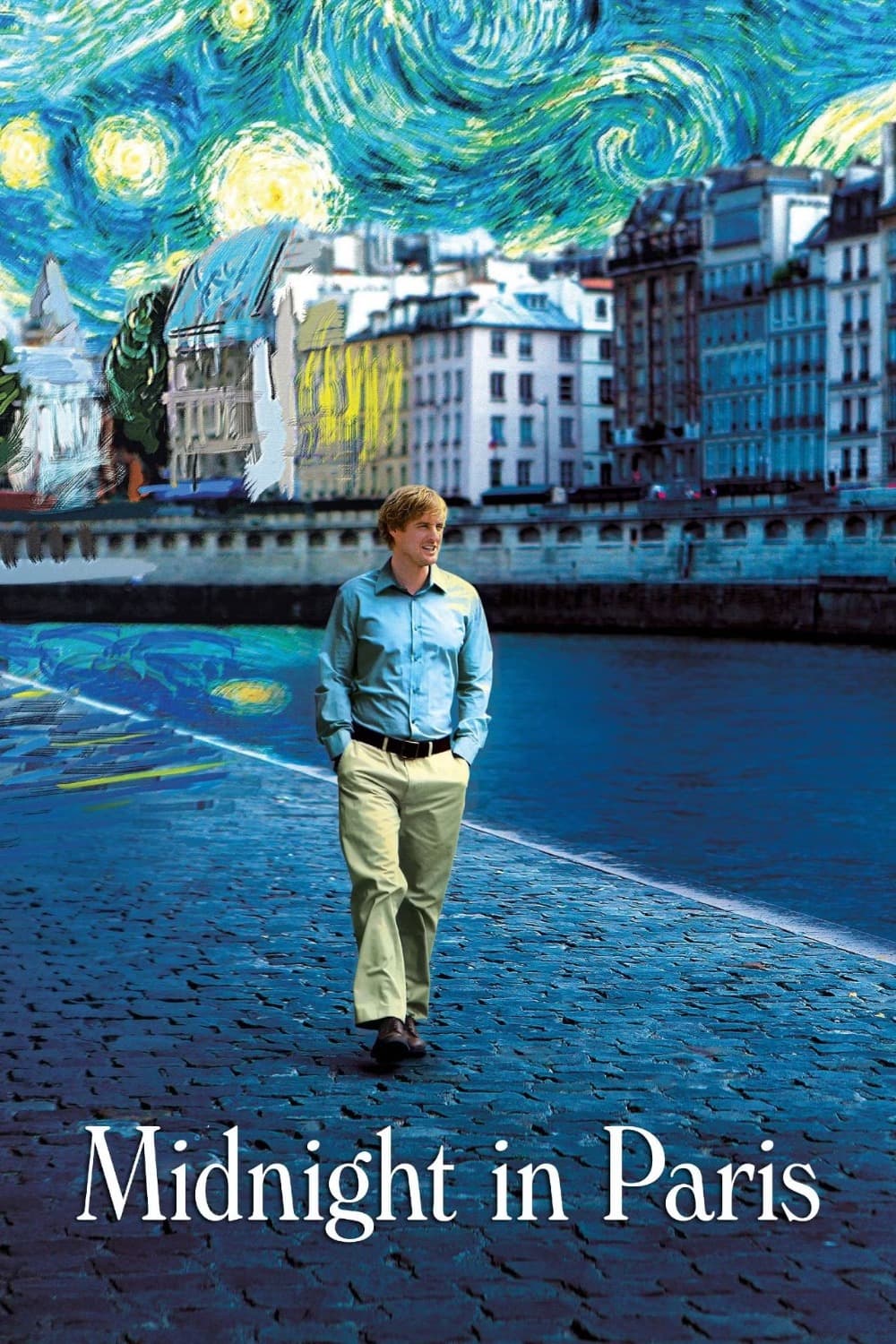
Woody Allen's biggest hit at the box office is also his gentlest: a screenwriter stuck on a novel steps into a car at midnight in Paris and is driven straight into the 1920s.
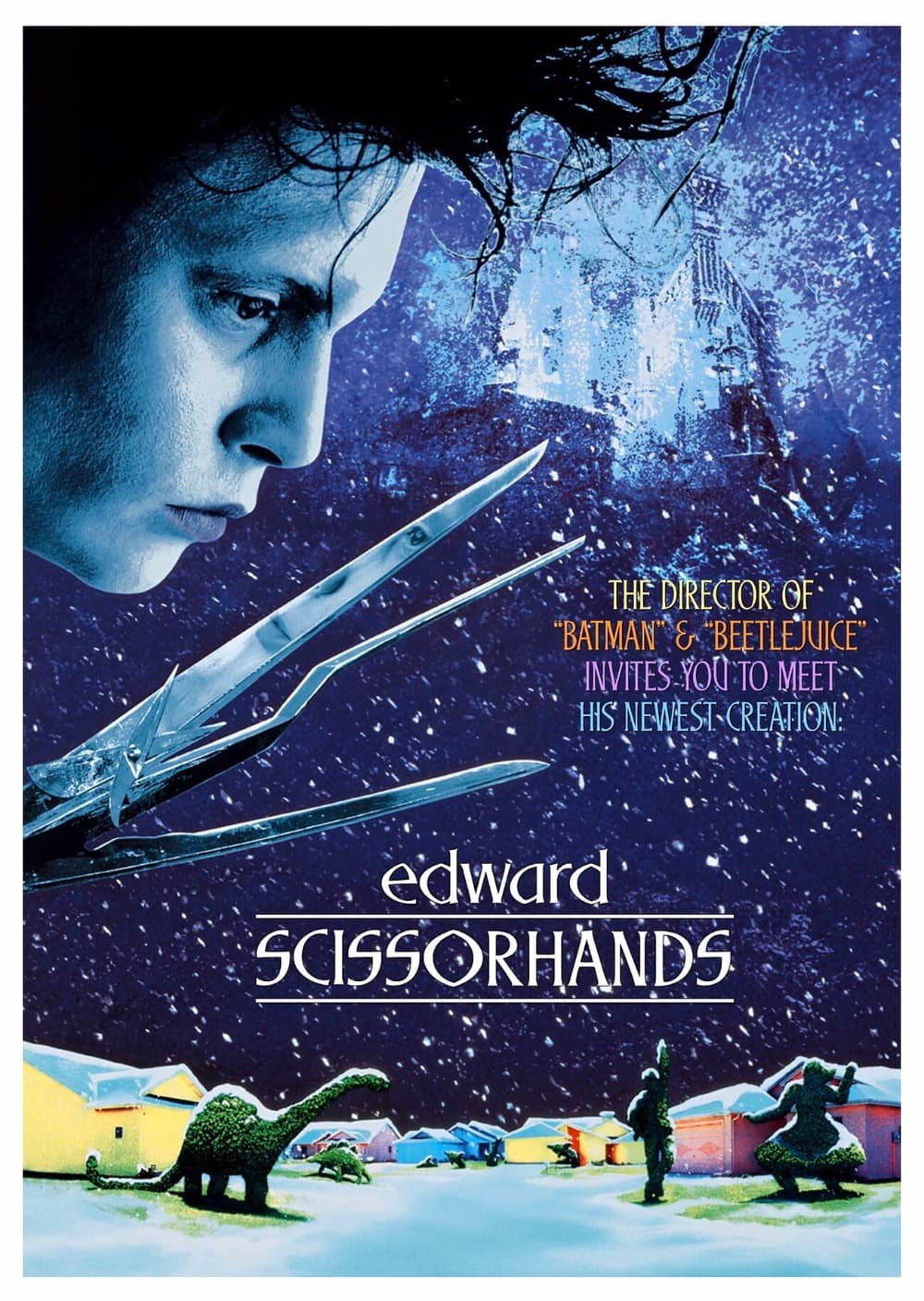
A boy with blades for hands is brought down from a gothic mansion into a pastel suburb: Tim Burton's most personal fairy tale, with the Danny Elfman score he calls a career favorite.
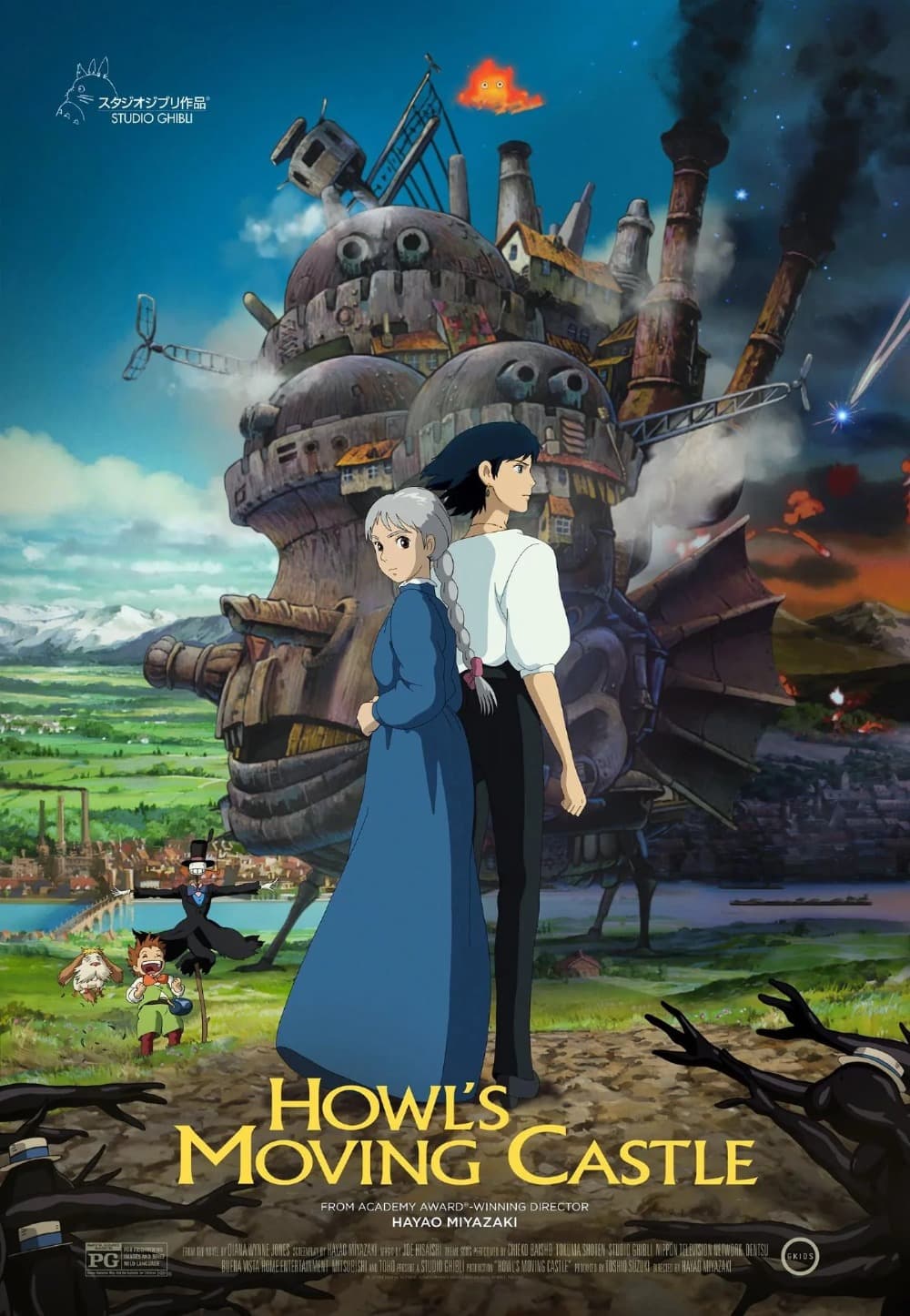
Miyazaki's most beautiful machine is a walking house held together by magic and bad temper: underneath the wonder is an angry anti-war film, made while he watched the invasion of Iraq.
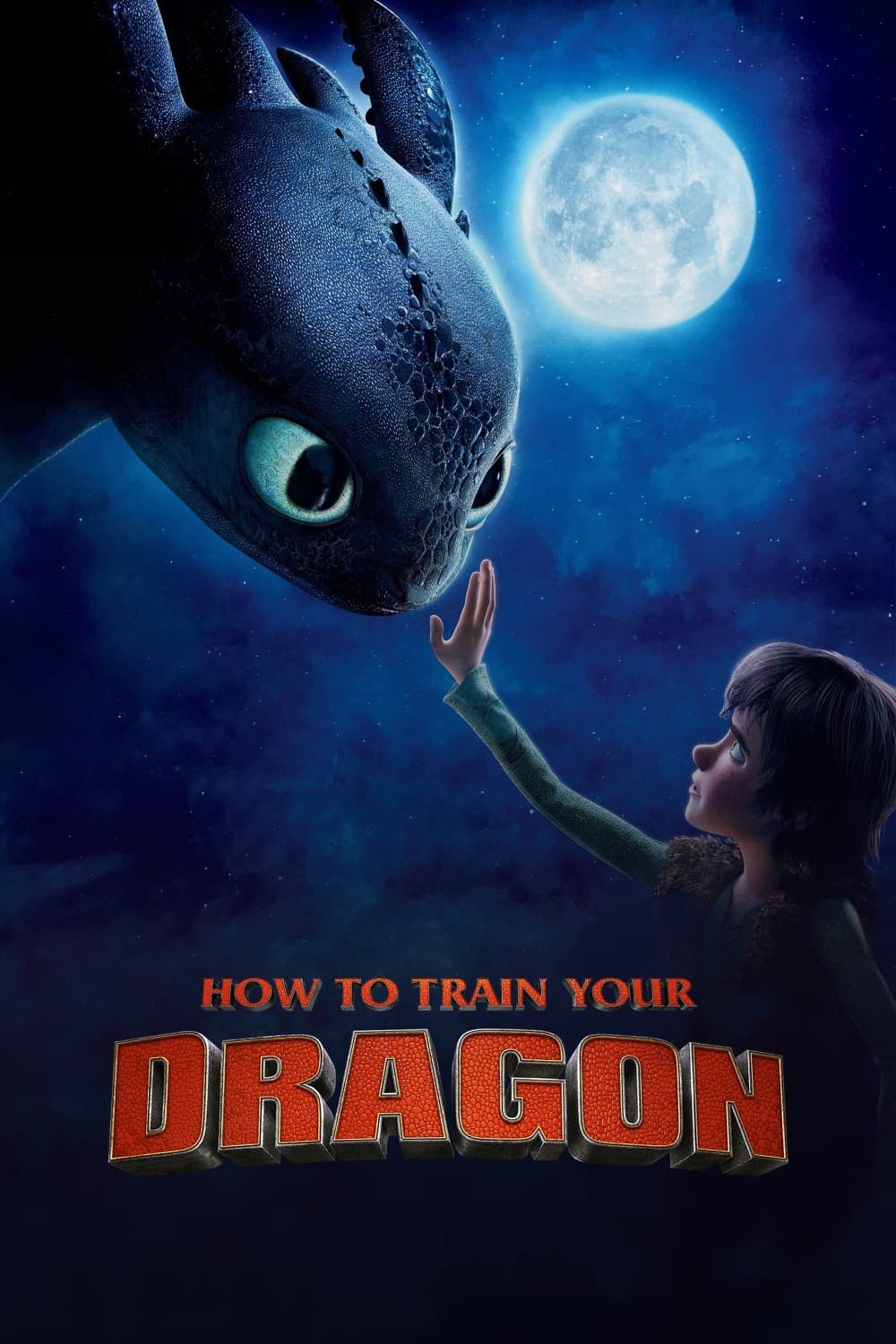
Animation has never conveyed the physical sensation of flight this well: Roger Deakins consulted on the lighting, and a Viking boy who cannot fight befriends the creature he was raised to kill.
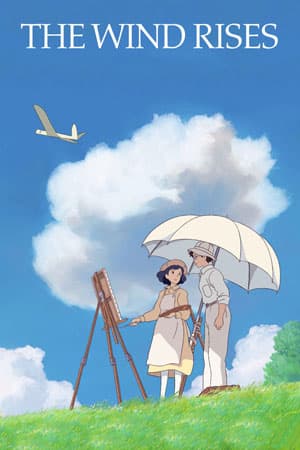
Miyazaki announced his retirement with it, a retirement he later took back: a young man designs beautiful aircraft that become weapons, and nothing about that is resolved.

Heaven is monochrome and earth is in Technicolor, which is the whole joke: a pilot bails out without a parachute and then has to argue for his life.
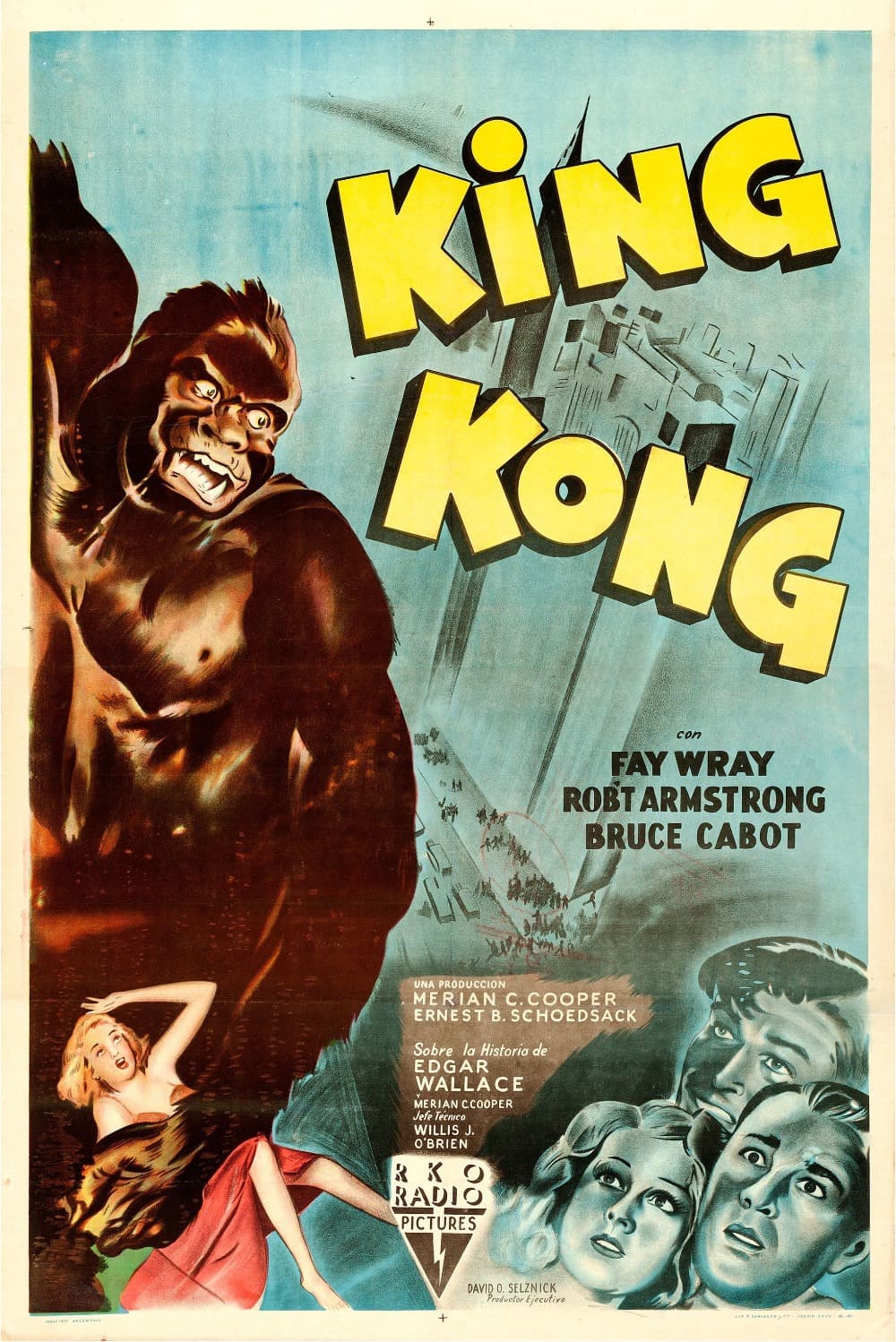
Willis O'Brien animated it a frame at a time and audiences in 1933 had never seen anything like it: the ape on that building is known to people who never watched it.
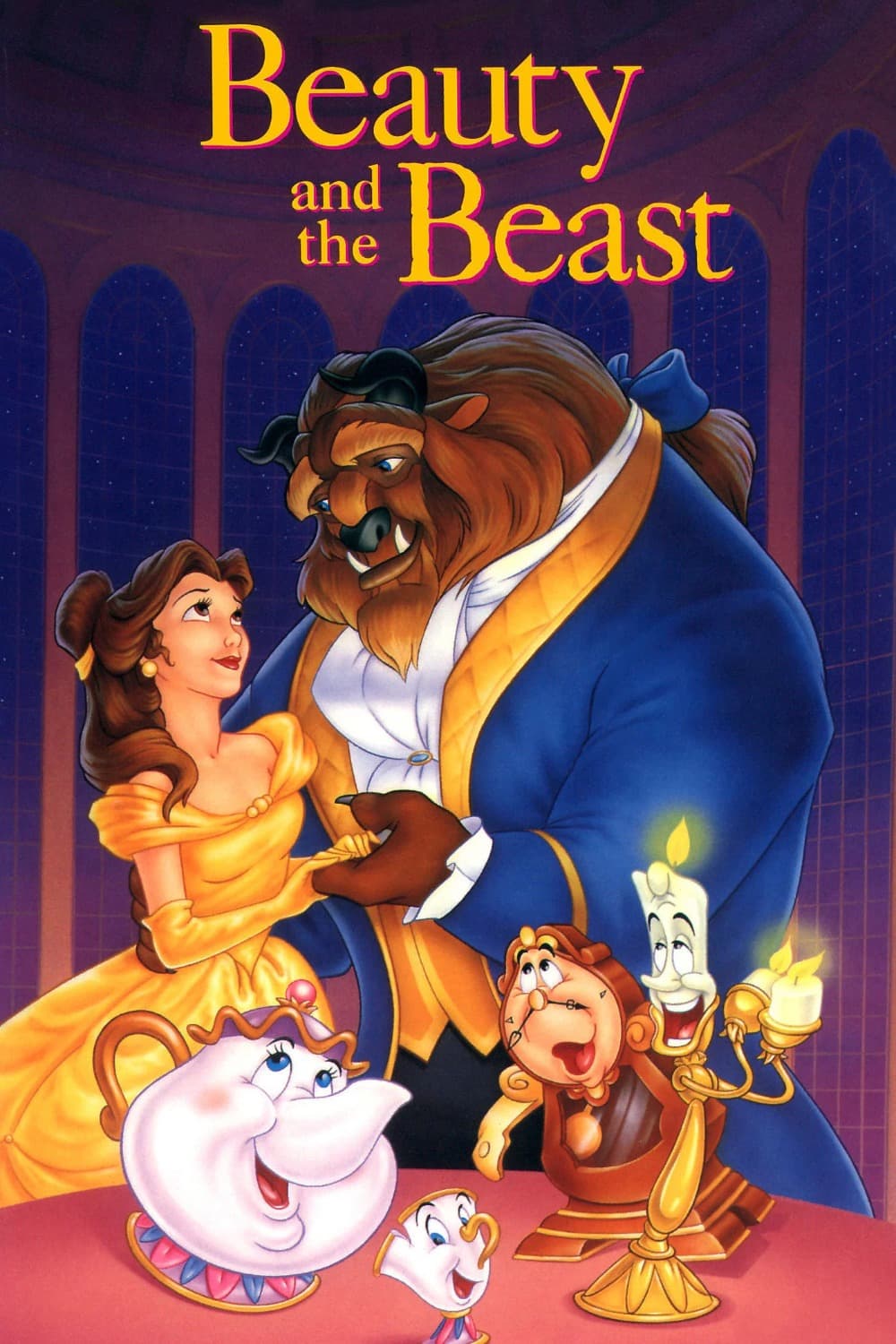
The peak of the Disney Renaissance, and the moment computers earned a place in hand-drawn animation: the ballroom sequence still looks like nothing anyone had done before.
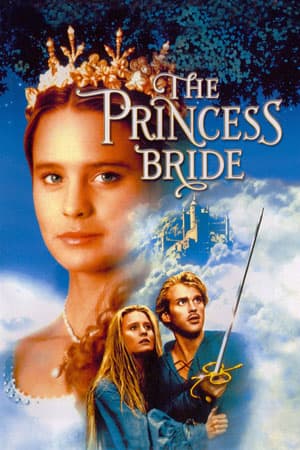
It barely registered in cinemas and built its whole following on video: pirates, giants, a six-fingered man, and a grandfather reading to a boy who does not want the story.