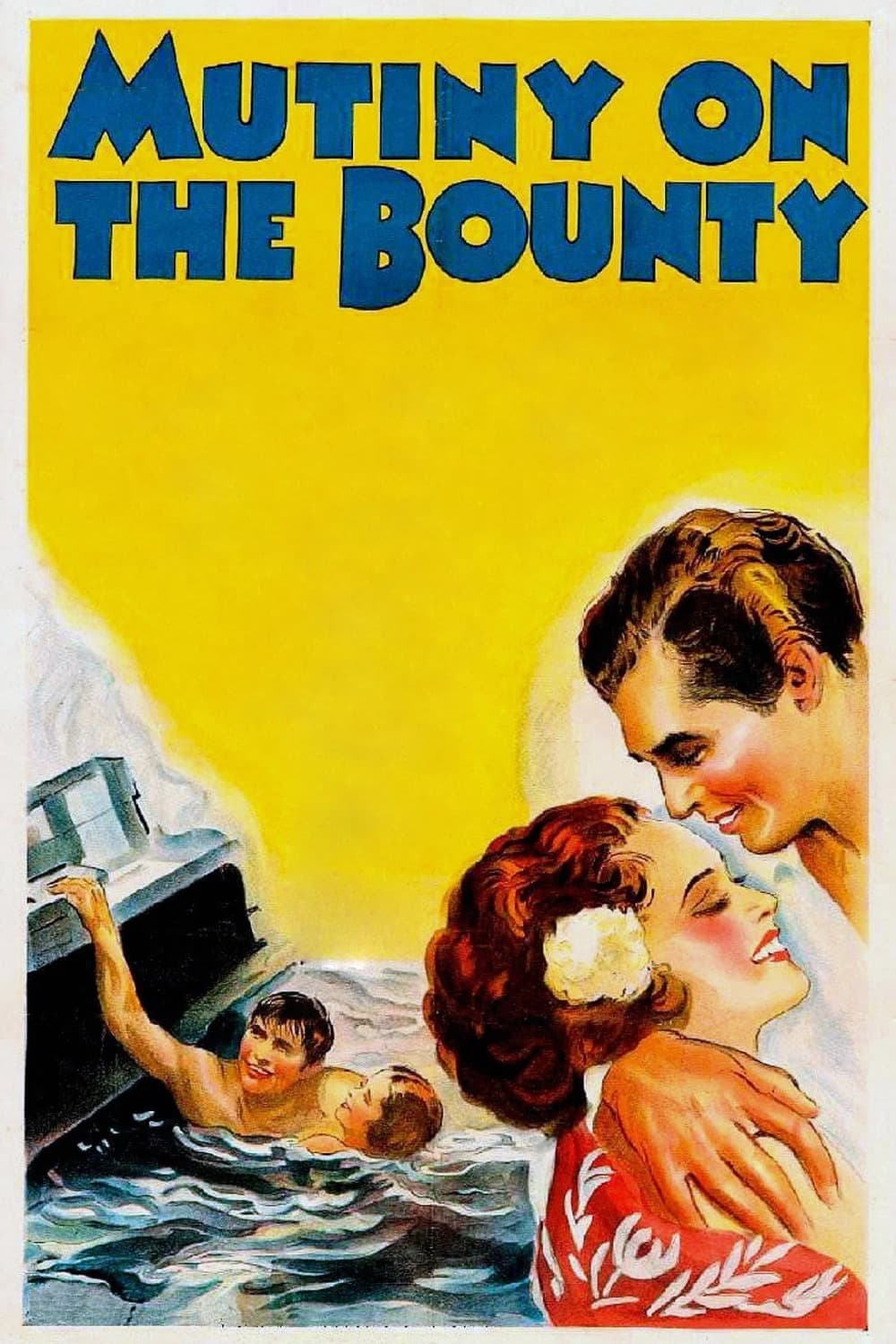
Mutiny on the Bounty
Directed by Frank Lloyd
1935
Three of its actors were nominated for Best Actor in the same year, and the supporting categories were created the next: Charles Laughton's Captain Bligh remains the definition of a tyrant.
★ 2.5
 skopia
Three of its actors were nominated for Best Actor in the same year, and the supporting categories were created the next: Charles Laughton's Captain Bligh remains the definition of a tyrant.
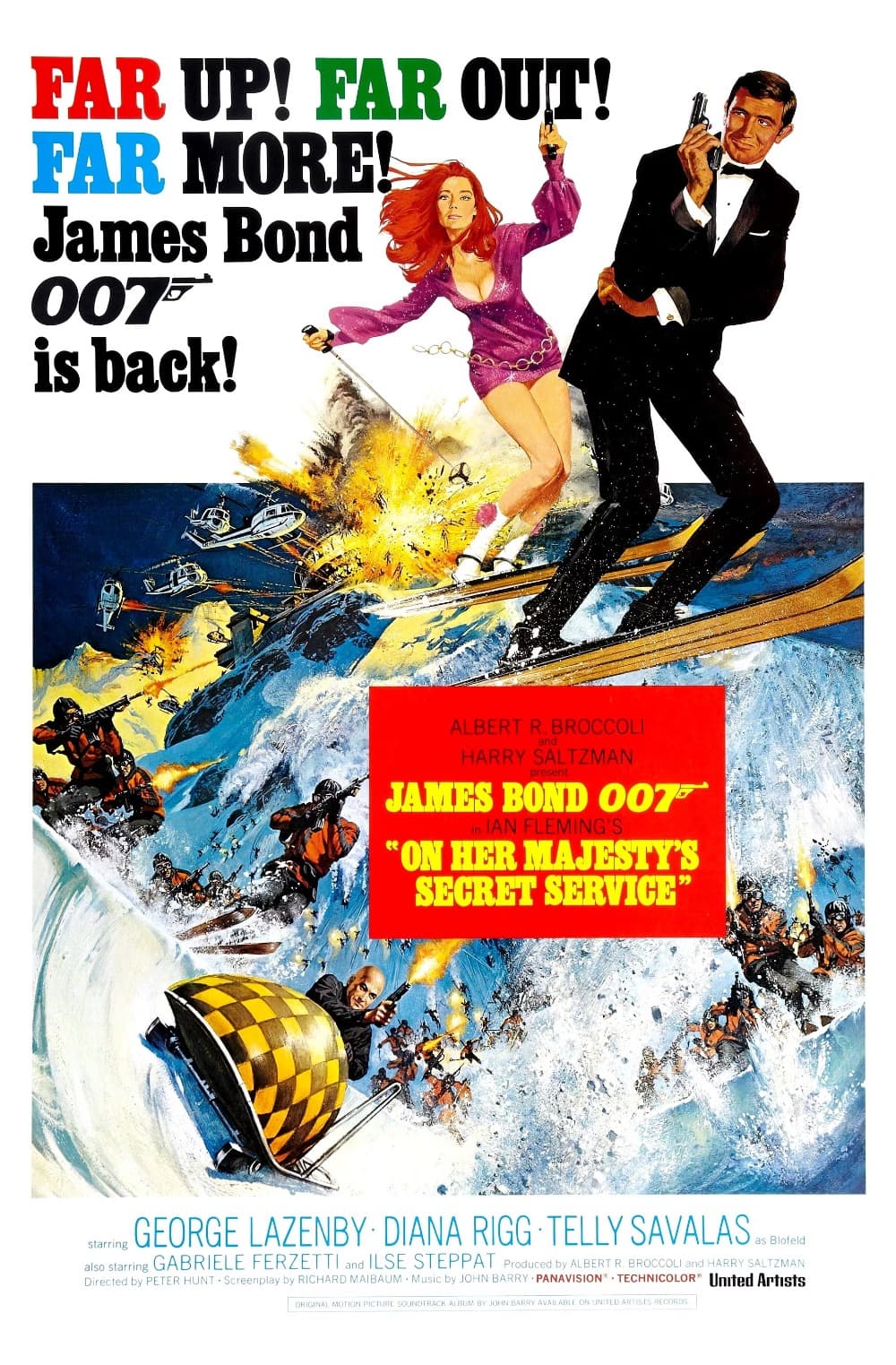
George Lazenby played Bond once and quit, and it took decades for anyone to admit how good this is: the ski chases are the best in the series, and Diana Rigg is extraordinary.
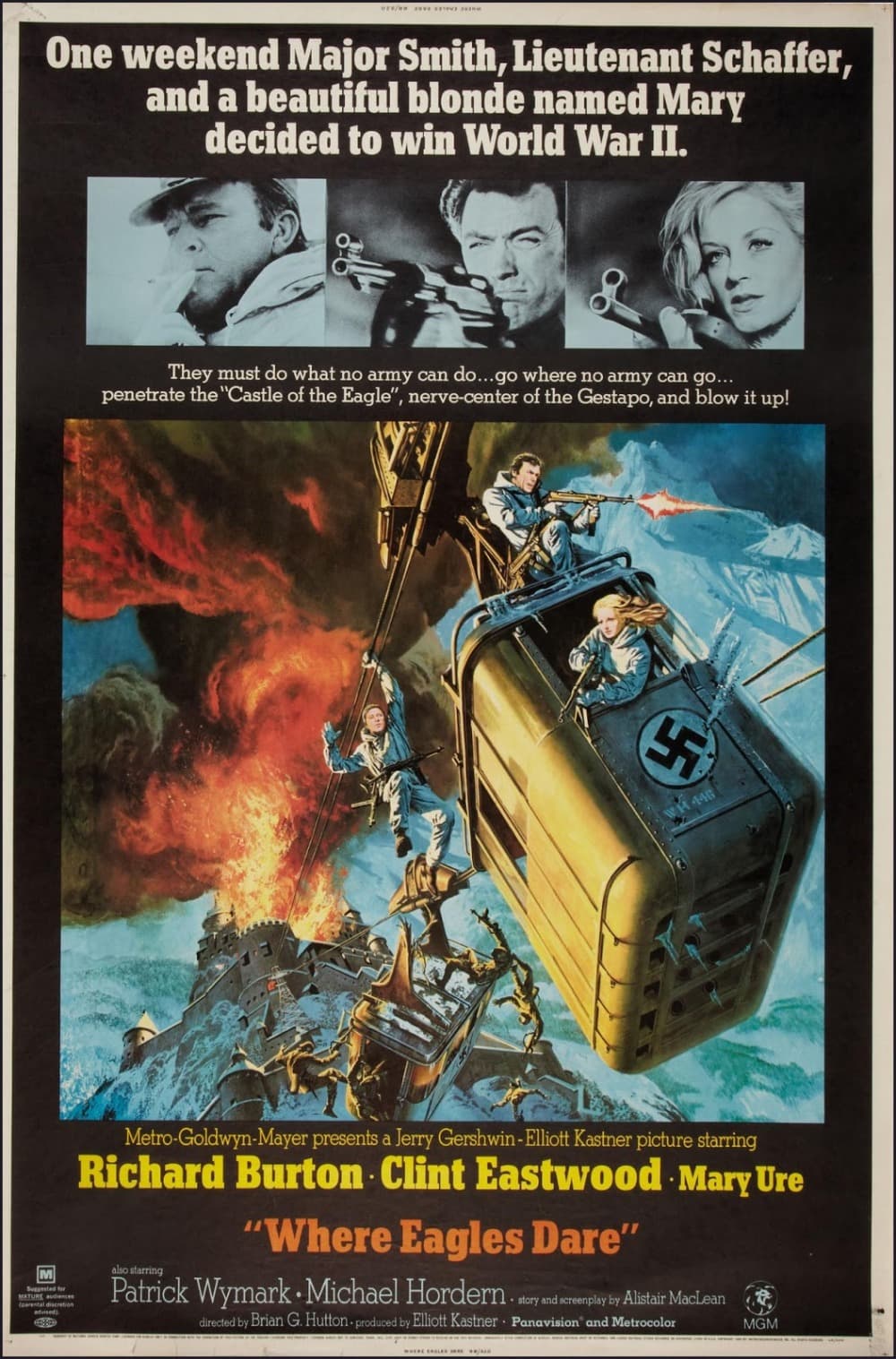
Alistair MacLean wrote it as a screenplay first and a novel second: Richard Burton and Clint Eastwood go into an Alpine castle after a captured general, and the cable car fight is superb.
The ski jump off the cliff opening a parachute painted like a Union Jack is the single best Bond stunt: Roger Moore's finest hour, with Jaws and an underwater Lotus.
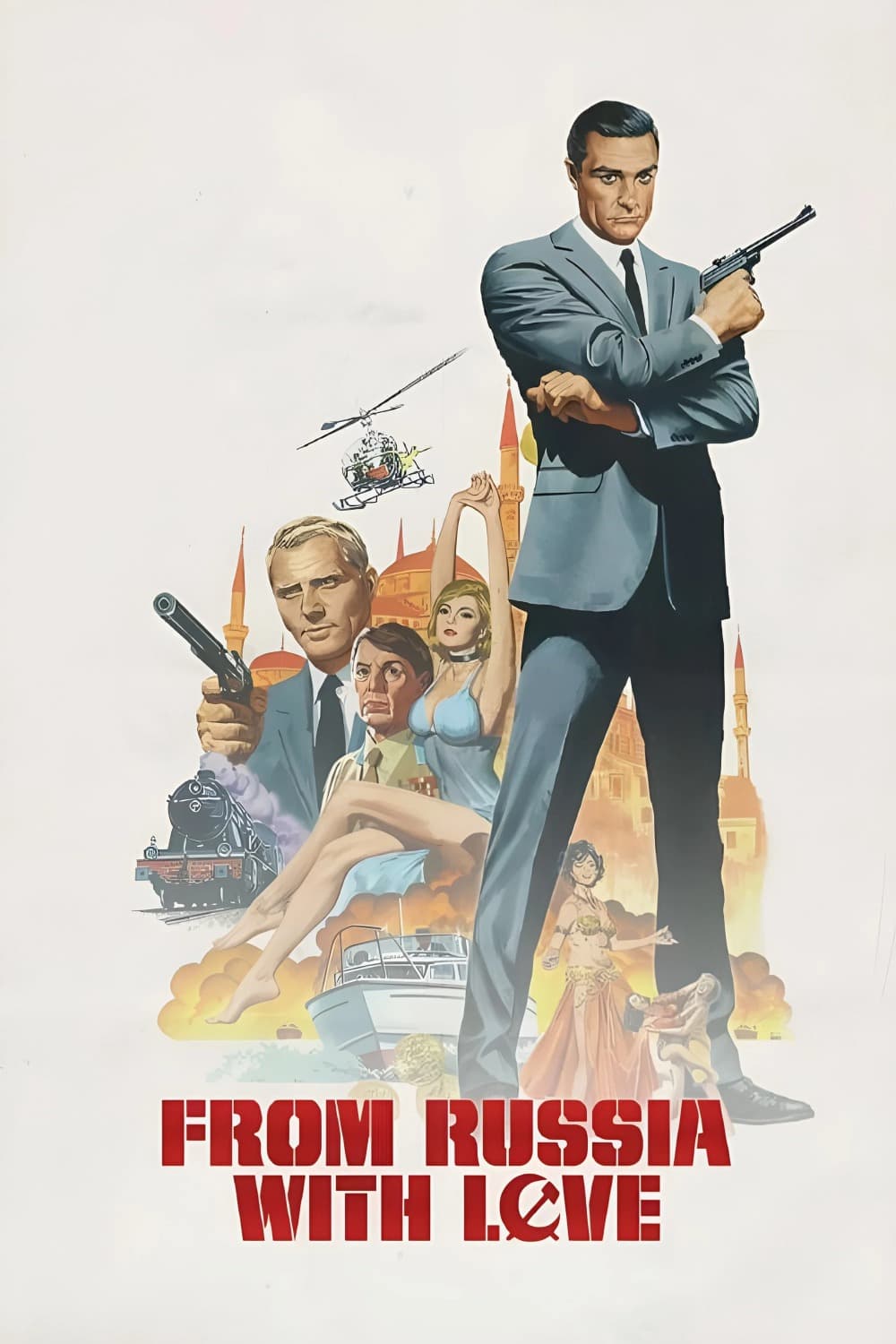
The Bond film that leans on people rather than hardware: Terence Young works a courier scheme through Istanbul and the Orient Express, and stages a train compartment fight in near silence.
Spielberg wrote the story and Richard Donner let the children shout constantly across each other's lines: a treasure map, a condemned neighborhood, and a set built so they discovered it in order.
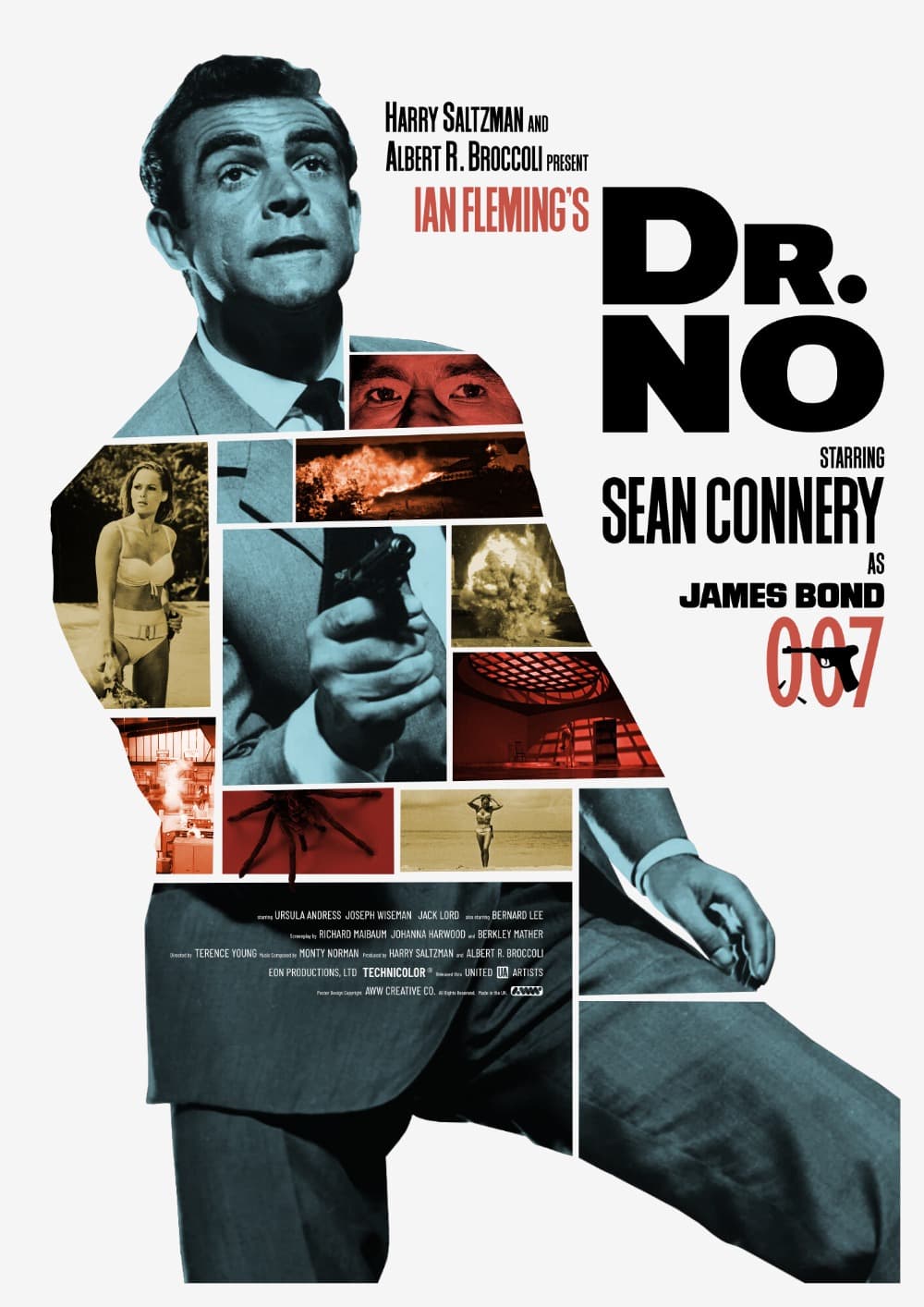
The Bond series begins here on a million dollars: Sean Connery walks into a casino and says the name, Ursula Andress comes out of the Caribbean, and nobody had met anyone like him.
J. J. Abrams solved the reboot problem by making the new timeline canon rather than a replacement: the crew meets young, the casting is uncanny, and Star Trek became a summer action film.
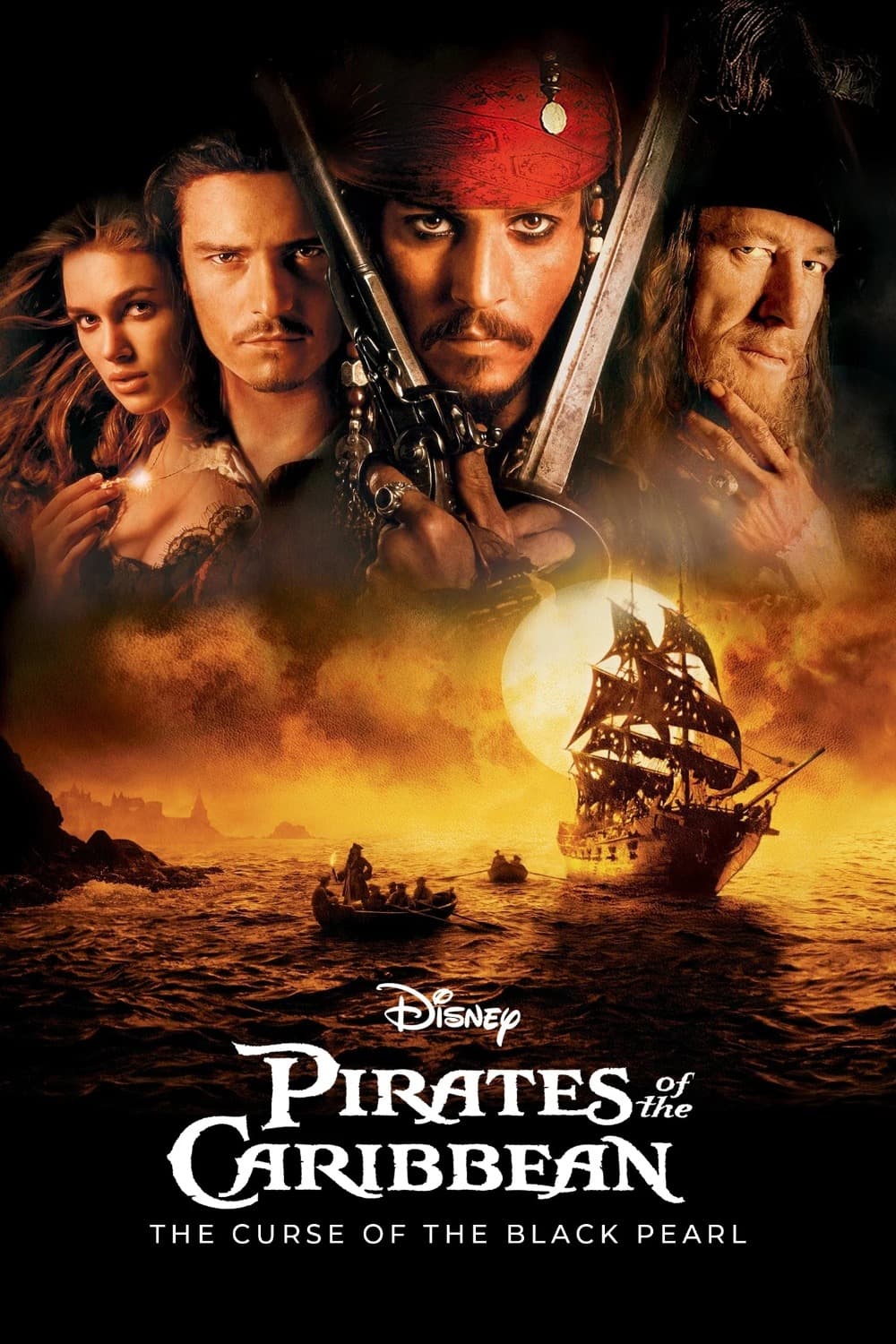
Disney executives thought Johnny Depp was ruining their film and considered replacing him: he built a pirate out of Keith Richards, and a theme park ride became a billion-dollar franchise.
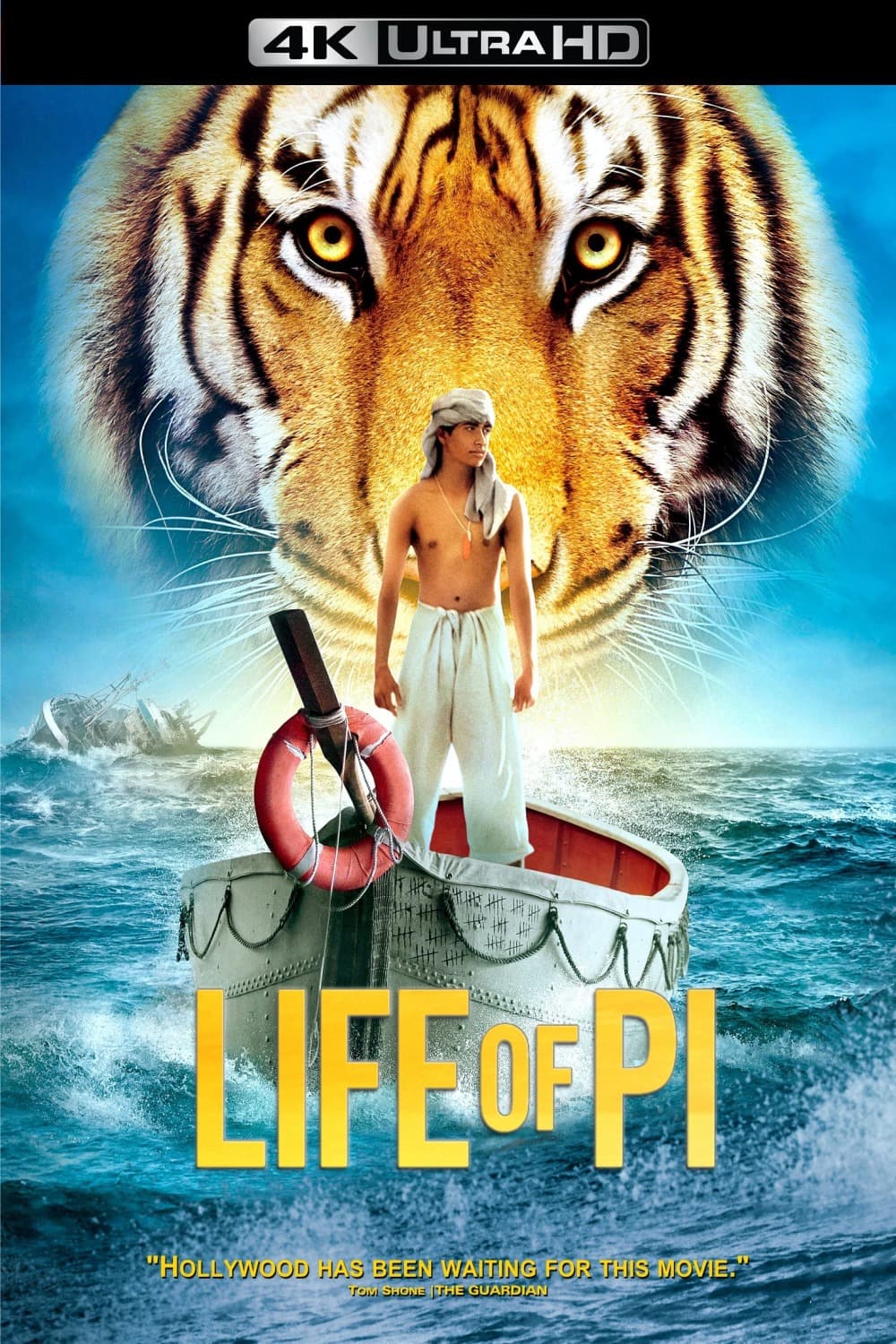
The tiger is almost entirely digital and you will not be able to tell: Ang Lee made the most beautiful 3D film there is, about a boy sharing a lifeboat with a predator.

Huston tried to make this for twenty years and finally got Connery and Caine: two British soldiers walk into Kafiristan intending to be crowned as gods, and the joke gets serious slowly.
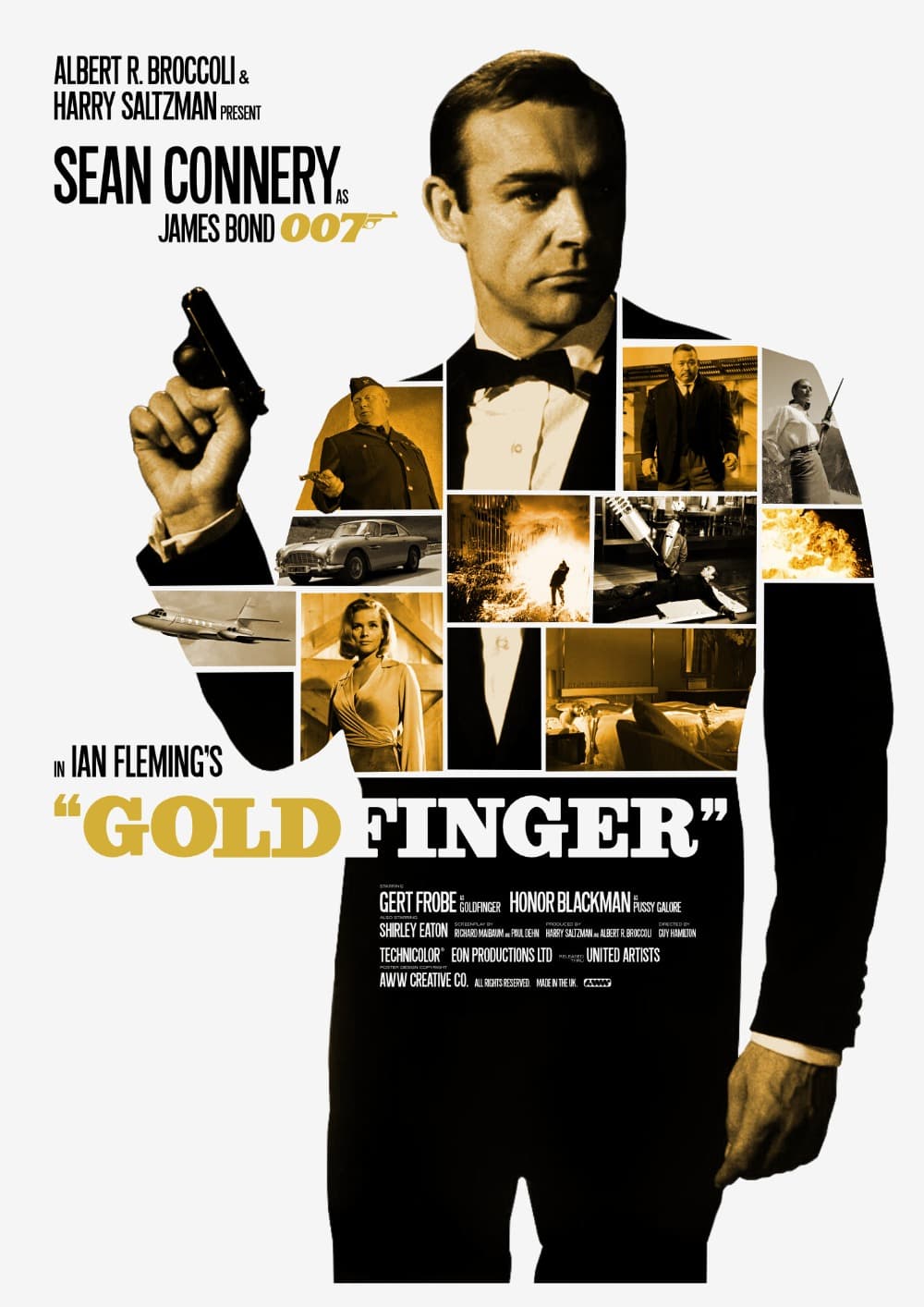
Everything the Bond series still does was fixed here: the Aston Martin, the title song belted over the opening credits, the death trap the villain explains, and a henchman with a signature weapon.
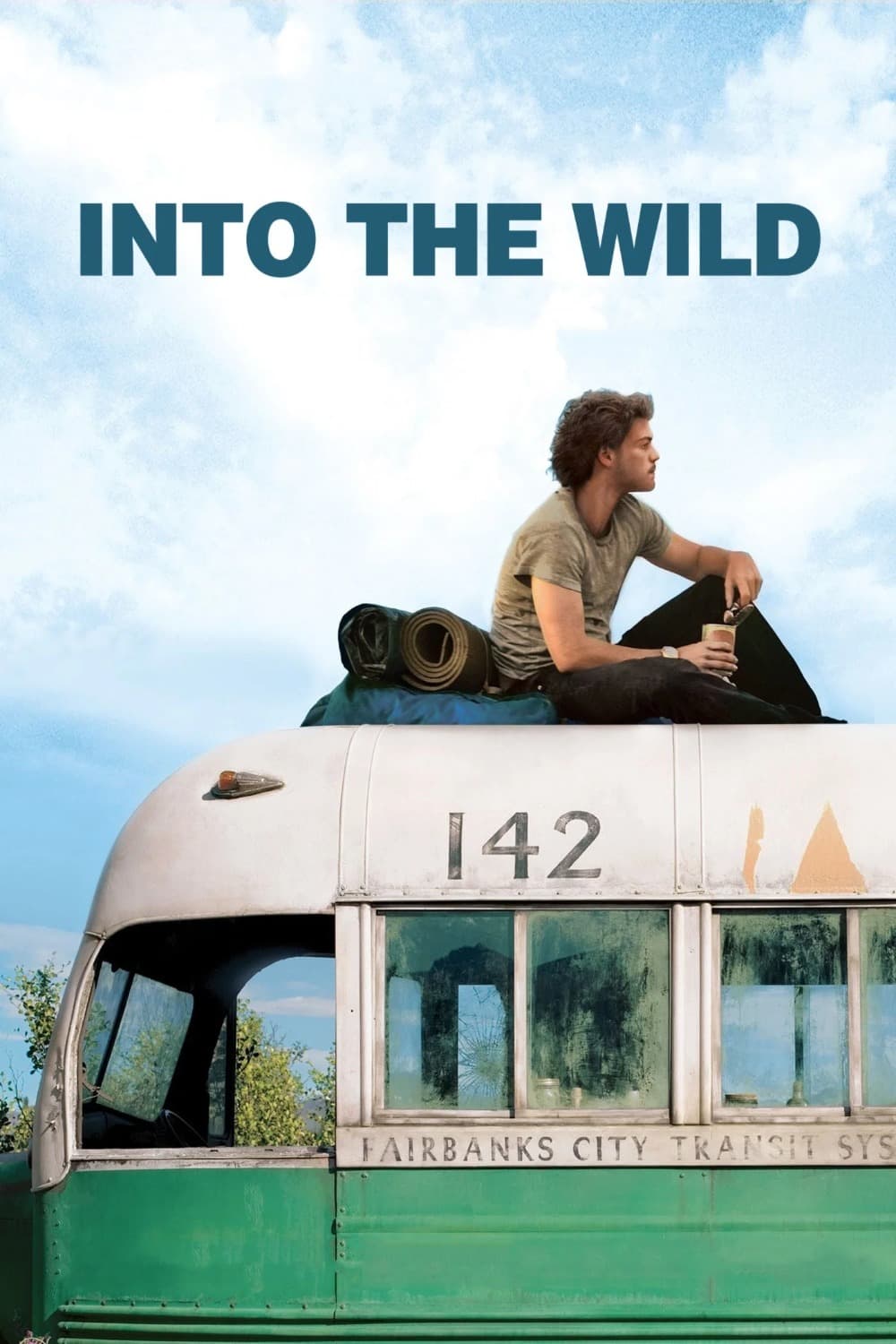
Sean Penn spent ten years persuading the family to let him film this: a graduate burns his savings and walks into the Alaskan interior, and the film neither mocks him nor canonizes him.
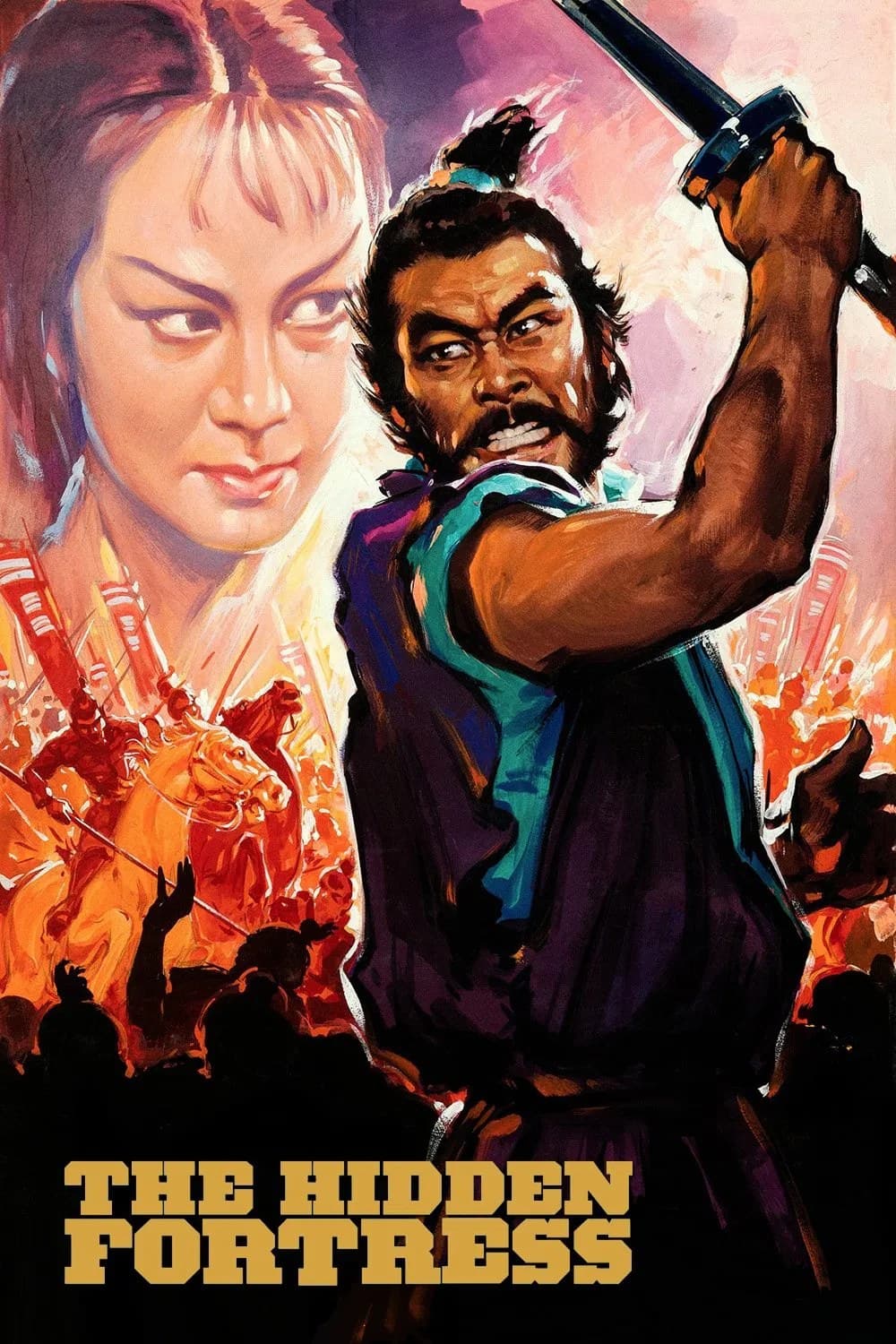
Lucas took the two bickering peasants and turned them into R2-D2 and C-3PO: Kurosawa's first widescreen film tells an escape story from the point of view of its most useless characters.

The trilogy sticks its landing: the speeder chase through Endor still moves better than most digital work made since, and the whole climax runs on puppets, models and matte paintings.
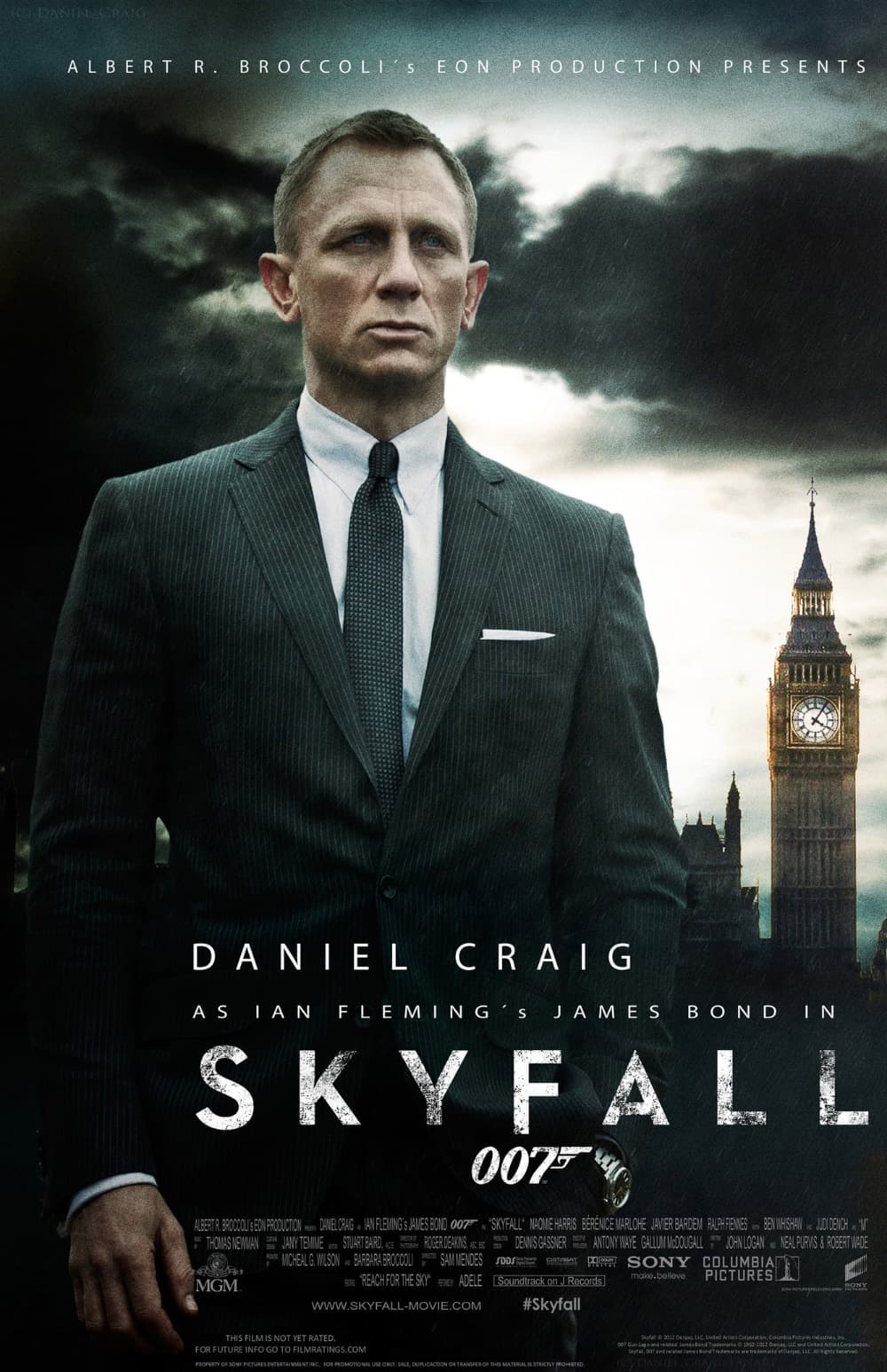
Roger Deakins photographed a James Bond film and the series has never looked the same: the Shanghai fight plays out in silhouette against neon, and the plot finally asks what Bond is for.
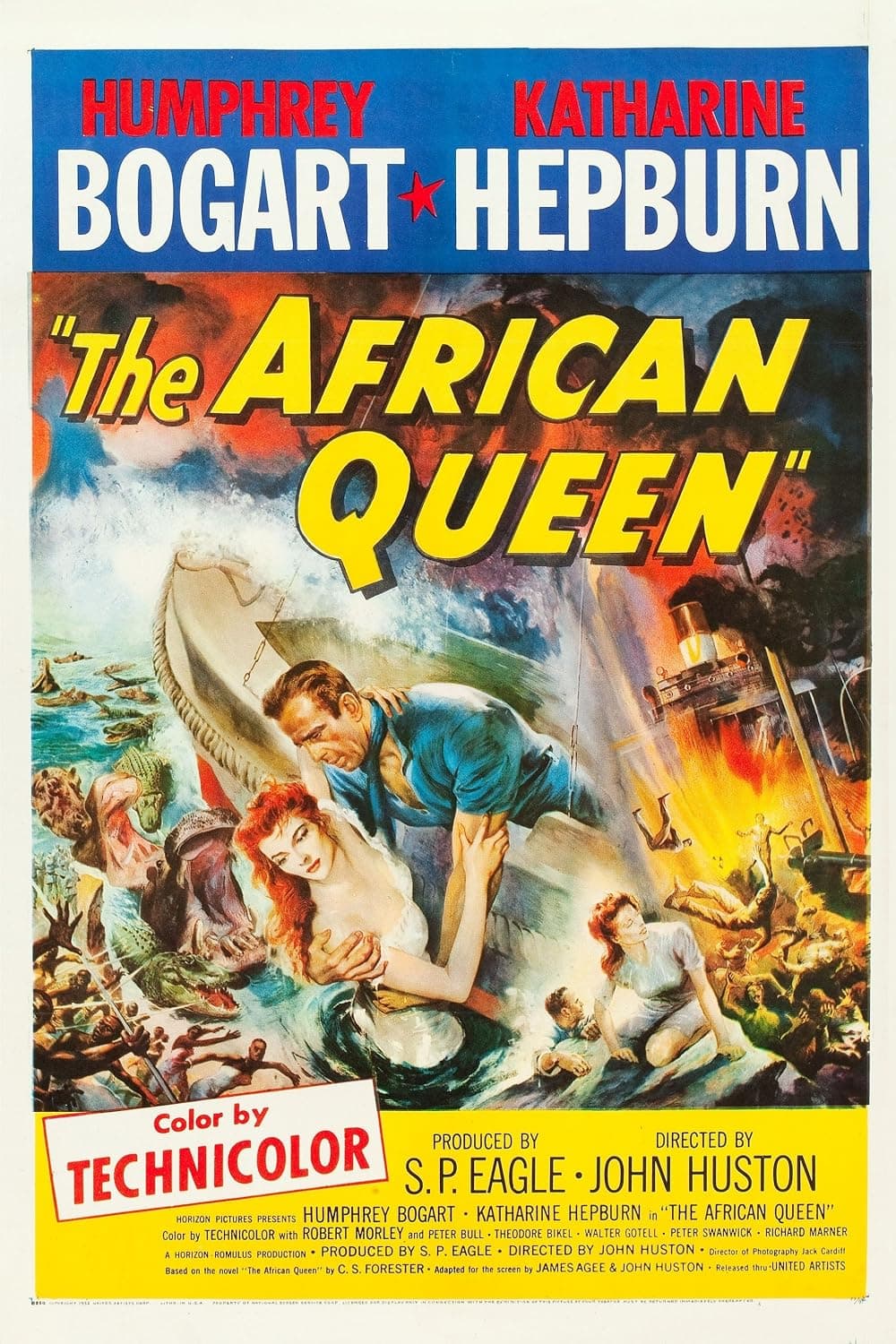
Huston took the production into the Congo and almost everyone fell ill: what came back is Bogart and Hepburn on a battered steam launch, insulting each other into something like love.
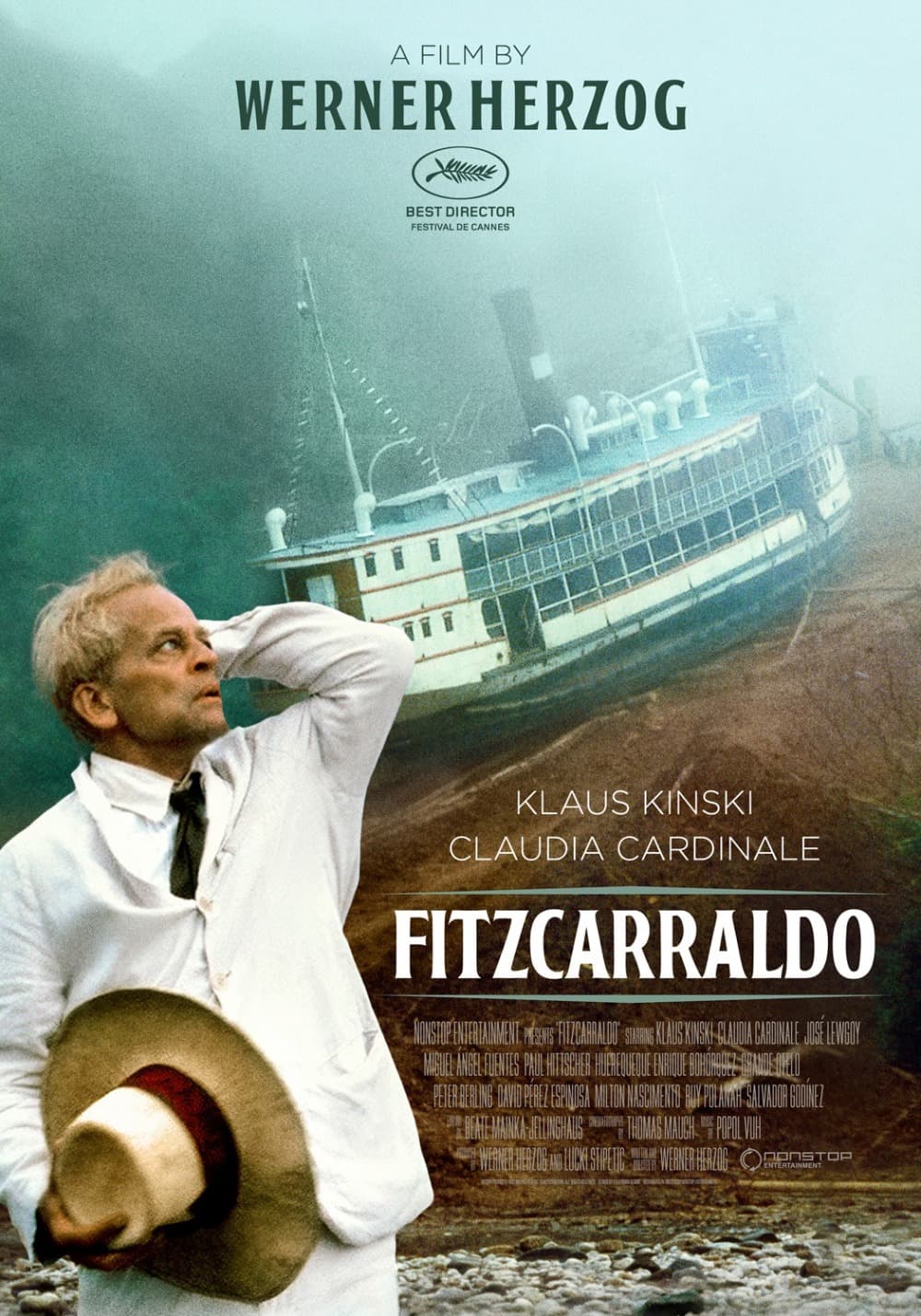
Herzog dragged a 320-ton steamship over a mountain with no models and no effects: his hero wants an opera house in the Amazon, and the production came to resemble the obsession it filmed.
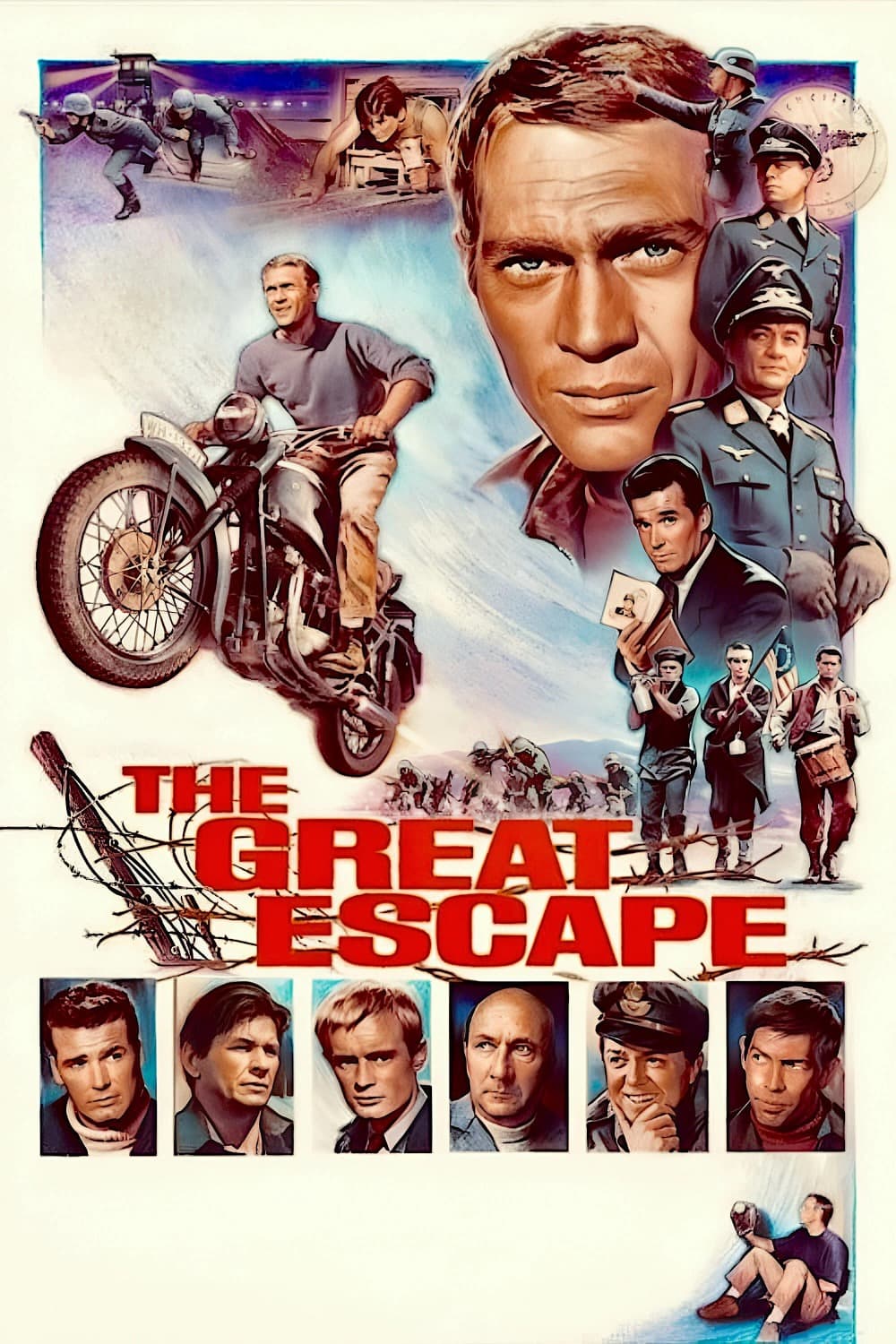
Captivity has never looked like this much fun: Sturges rebuilt a real 1944 breakout from a German camp into tunnel engineering, forged papers and men who refuse to sit still.

Casting Sean Connery as the father was the best idea the series ever had: the bickering carries a treasure hunt that would otherwise just be a rerun.