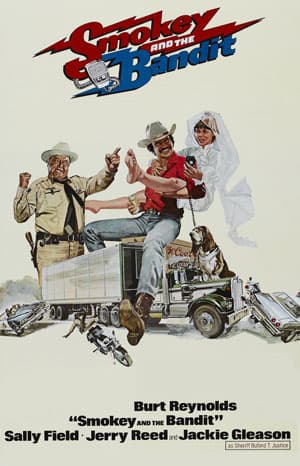
Smokey and the Bandit
Directed by Hal Needham
1977
It was the second biggest film of 1977 behind Star Wars, which nobody remembers: Burt Reynolds runs beer across state lines in a black Trans Am and grins at the camera throughout.
★ 1.9
 skopia
It was the second biggest film of 1977 behind Star Wars, which nobody remembers: Burt Reynolds runs beer across state lines in a black Trans Am and grins at the camera throughout.
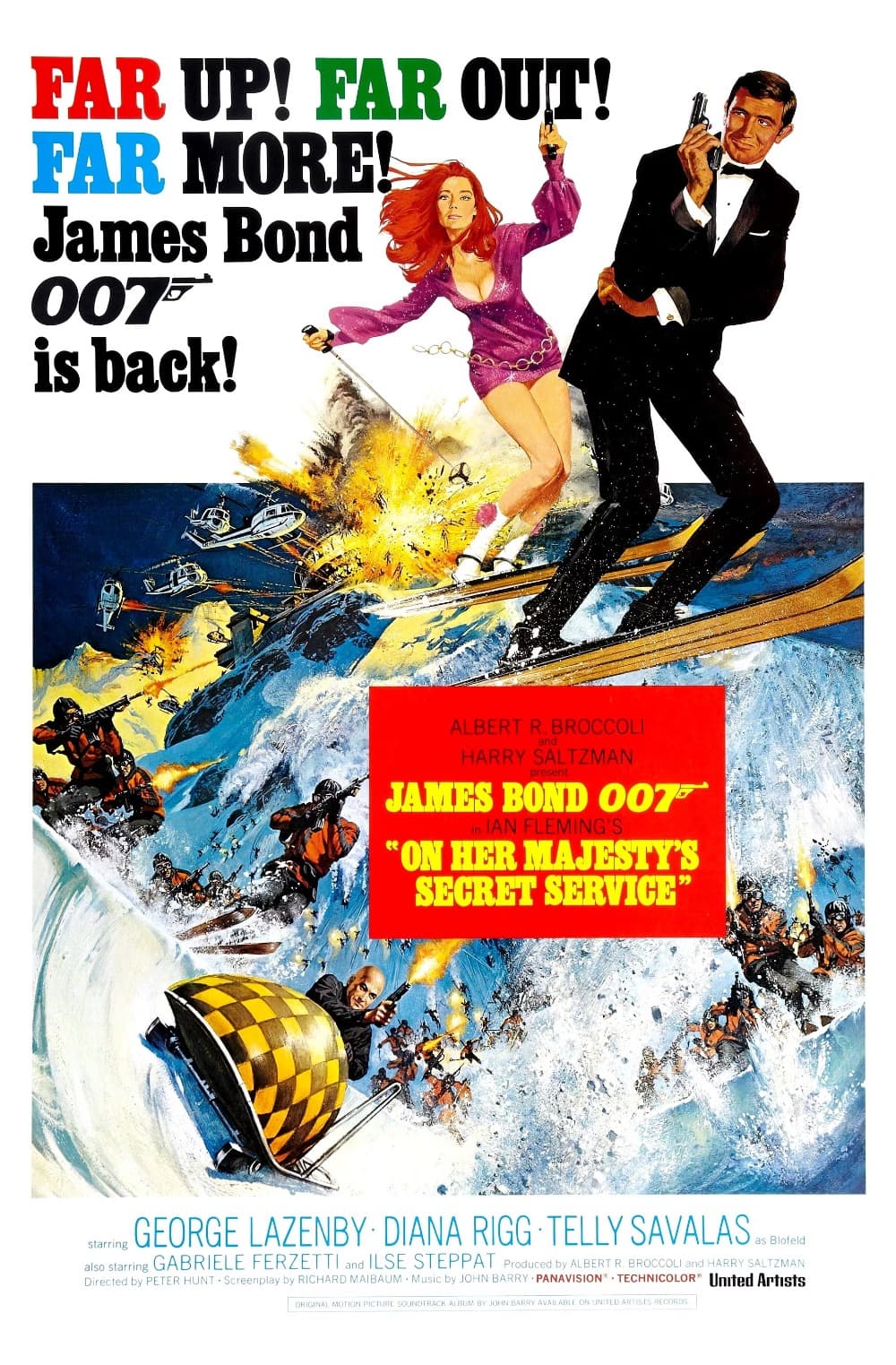
George Lazenby played Bond once and quit, and it took decades for anyone to admit how good this is: the ski chases are the best in the series, and Diana Rigg is extraordinary.
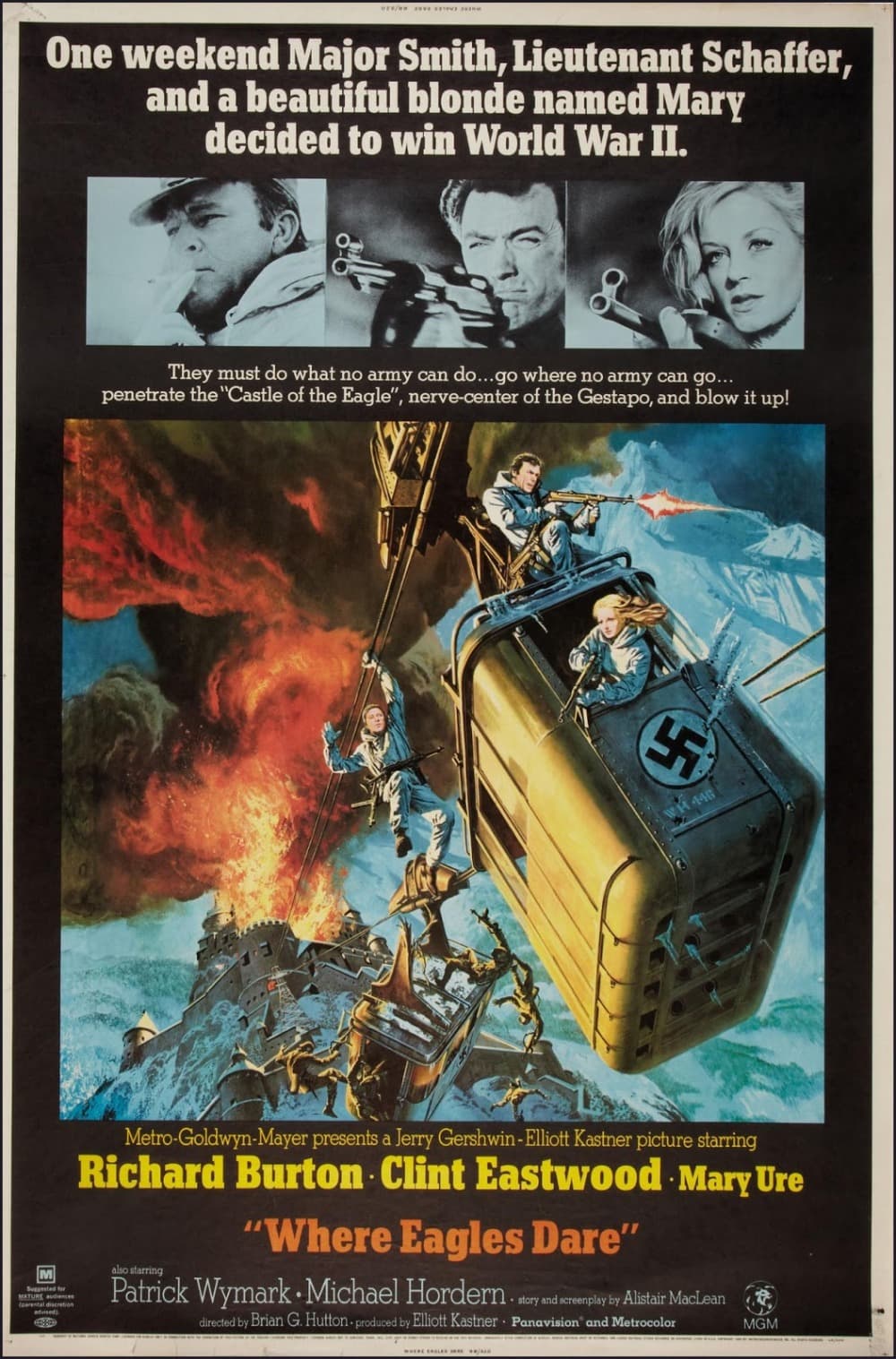
Alistair MacLean wrote it as a screenplay first and a novel second: Richard Burton and Clint Eastwood go into an Alpine castle after a captured general, and the cable car fight is superb.
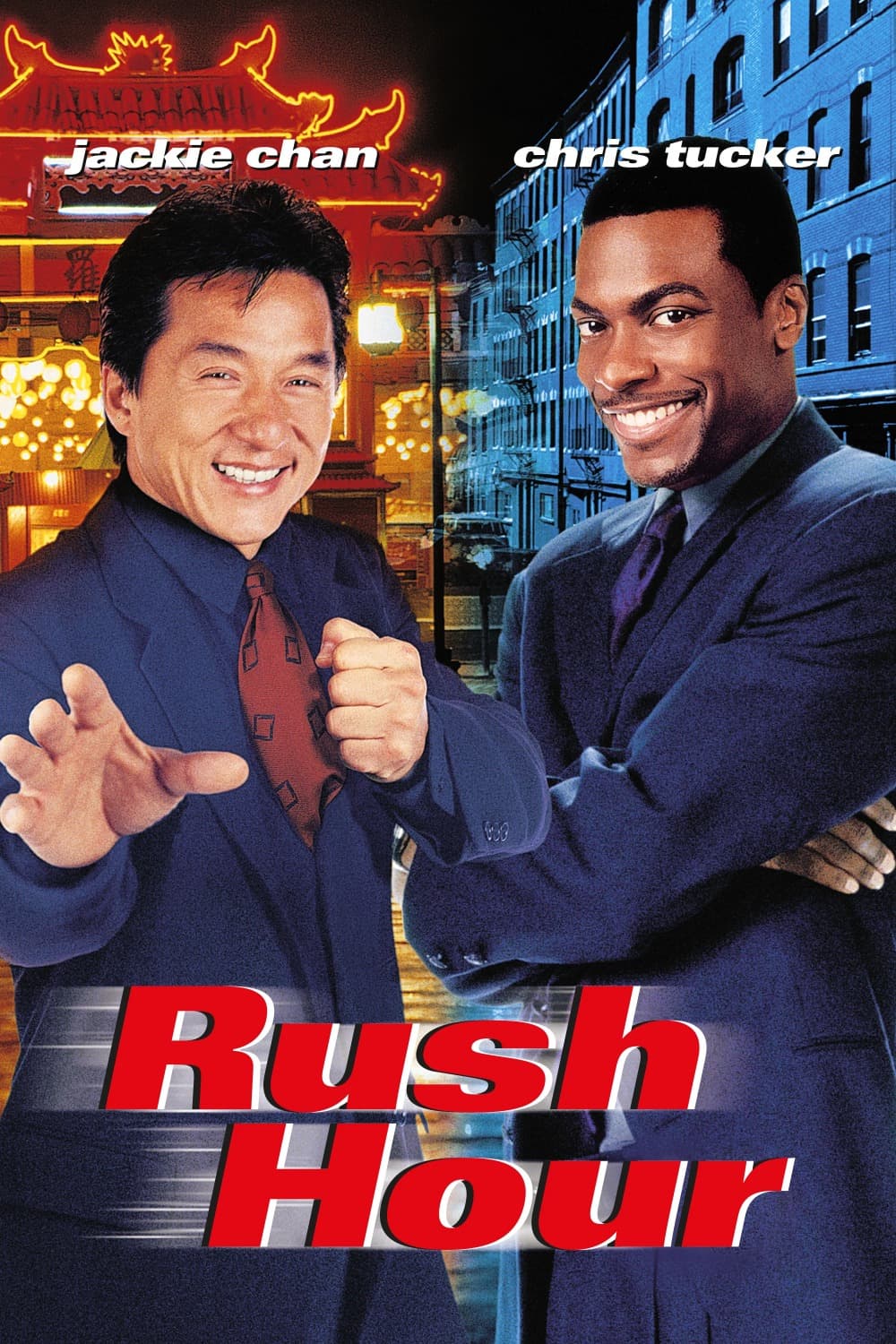
Jackie Chan had been a superstar everywhere except America and this finally fixed that: he does all his own stunts, and Chris Tucker talks at a frequency nobody else reaches.
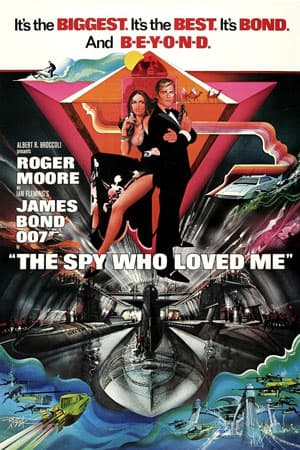
The ski jump off the cliff opening a parachute painted like a Union Jack is the single best Bond stunt: Roger Moore's finest hour, with Jaws and an underwater Lotus.
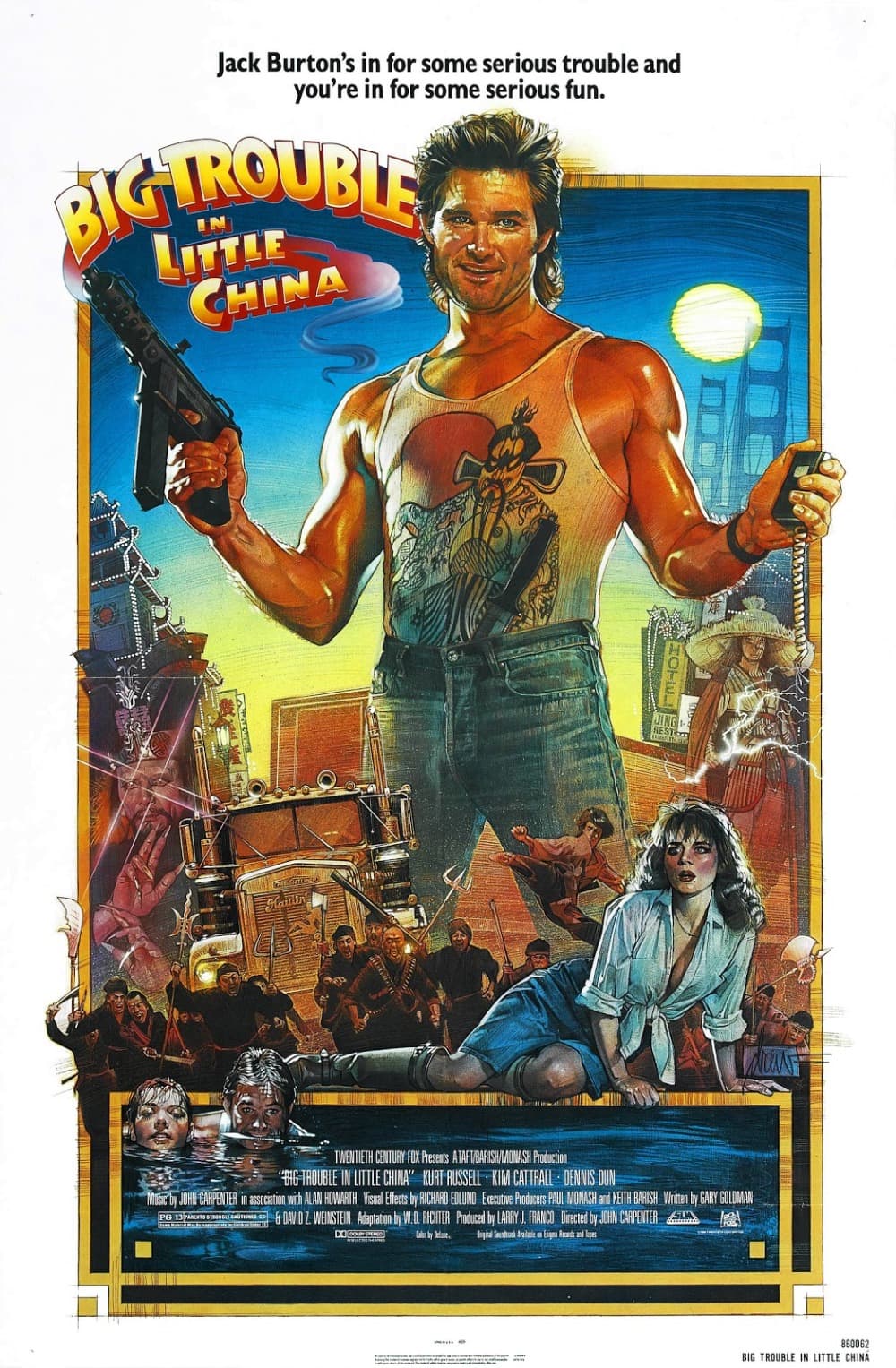
It flopped completely and then found everybody on video: Kurt Russell's swaggering trucker is really the useless sidekick, and nothing in it is ever explained to anyone.
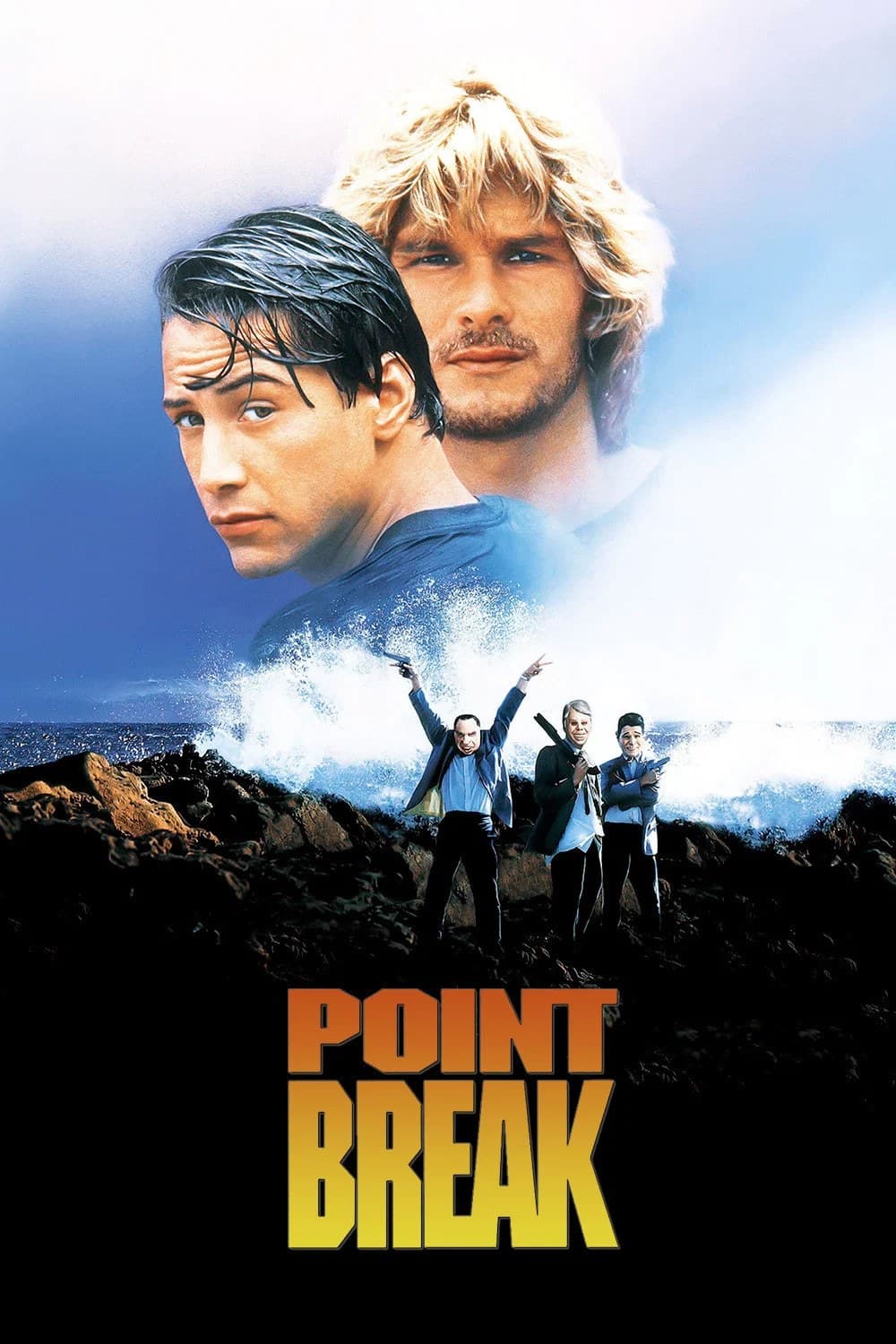
Kathryn Bigelow made the most physically committed action film anyone had attempted: an FBI agent infiltrates a crew of surfers who rob banks in president masks, and starts preferring their company.
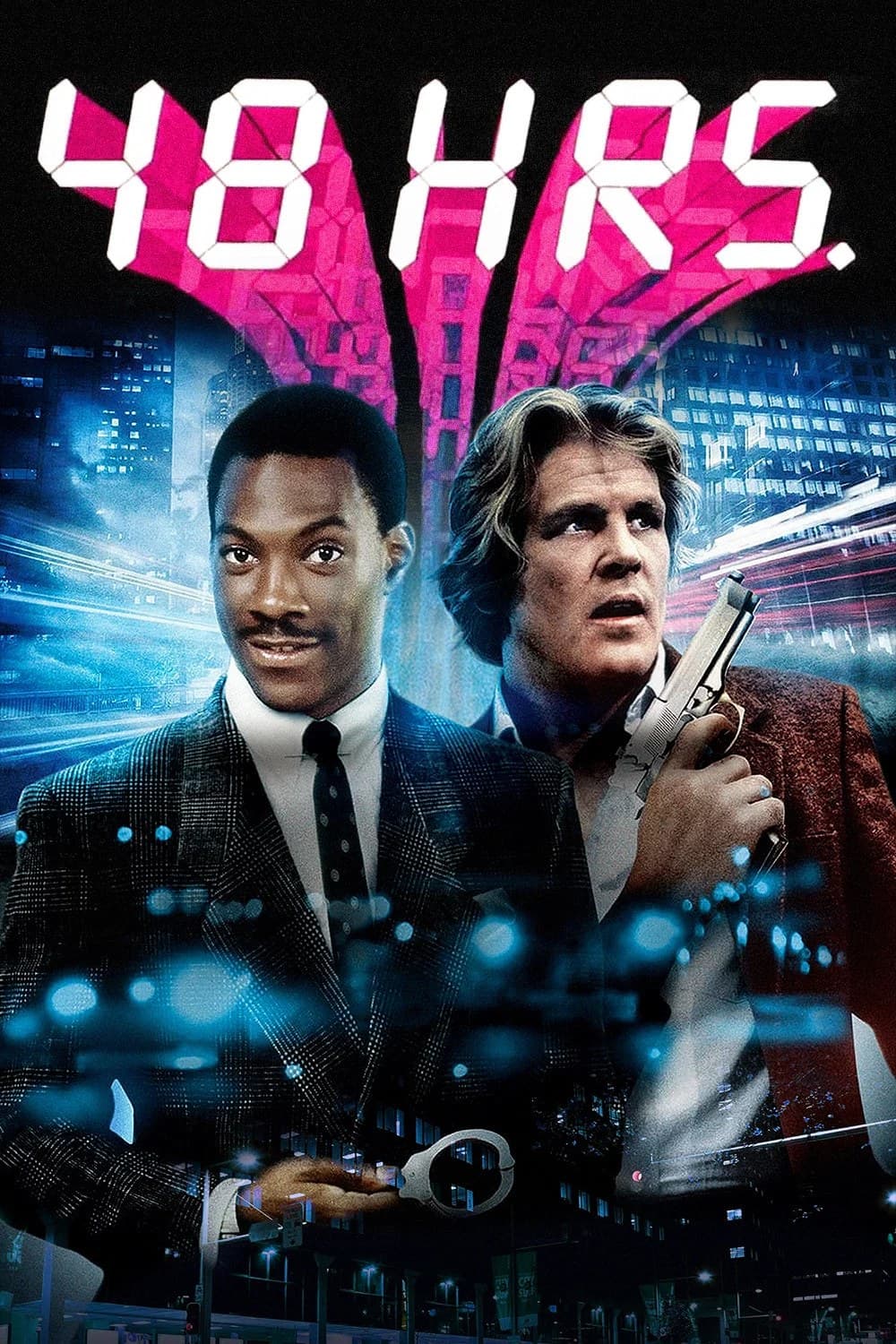
Eddie Murphy's first film role and he takes the whole thing over: Walter Hill built the interracial buddy-cop formula here, and the bar scene made a twenty-one-year-old a movie star overnight.
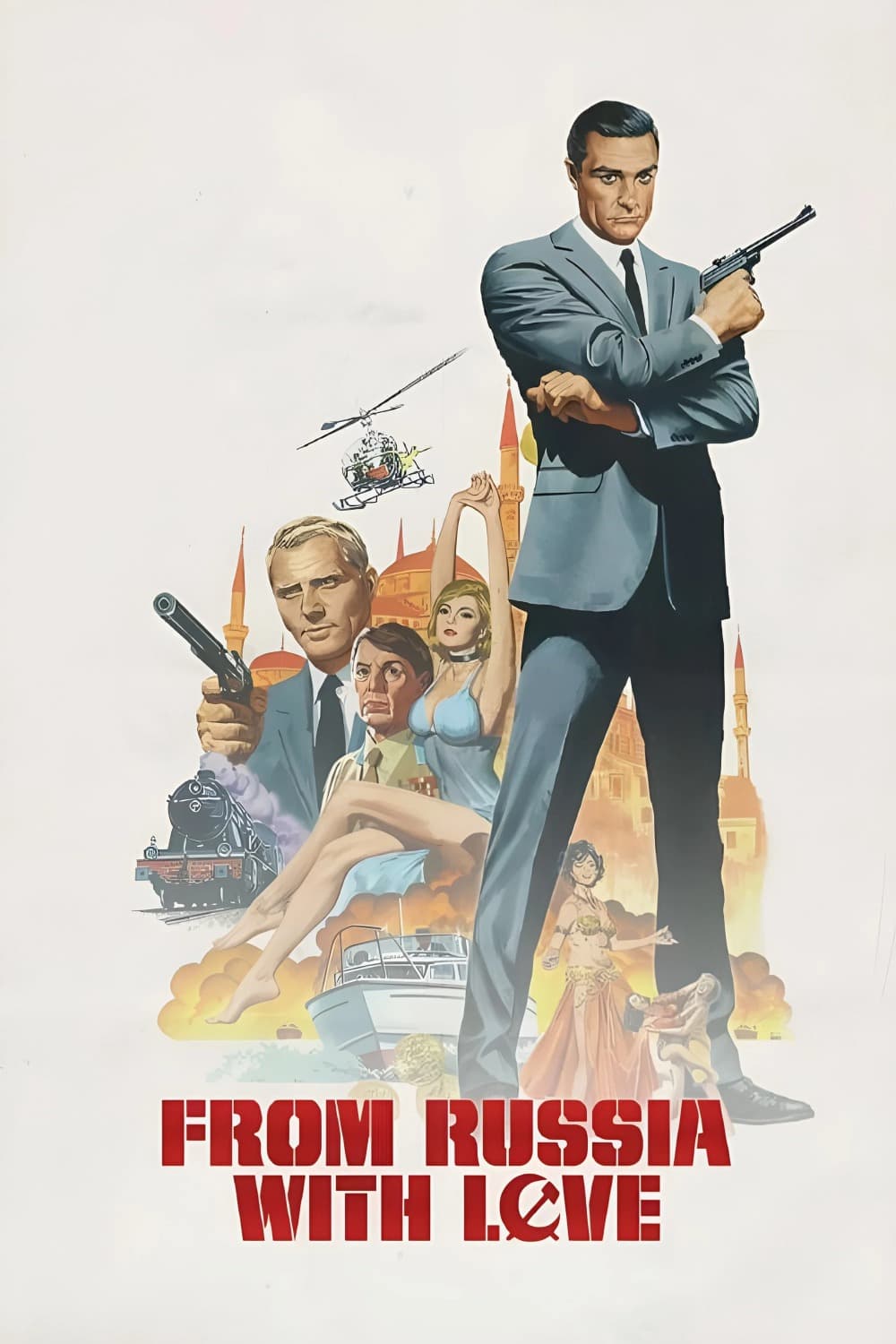
The Bond film that leans on people rather than hardware: Terence Young works a courier scheme through Istanbul and the Orient Express, and stages a train compartment fight in near silence.
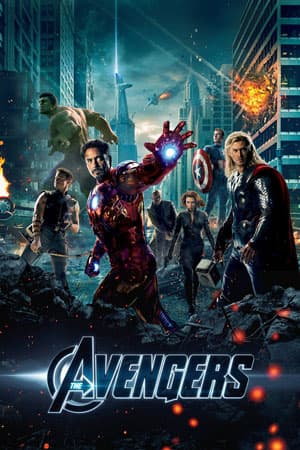
Five years of separate films paid off in one: nobody had tried a shared universe at this scale, and the circling shot of the assembled team explains why every studio copied it.
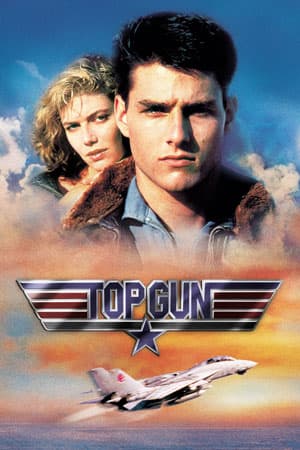
Theaters in Los Angeles and Detroit let Navy recruiters set up tables in the lobby: Tony Scott shot fighter jets in golden light and sold an entire decade on aviator sunglasses.
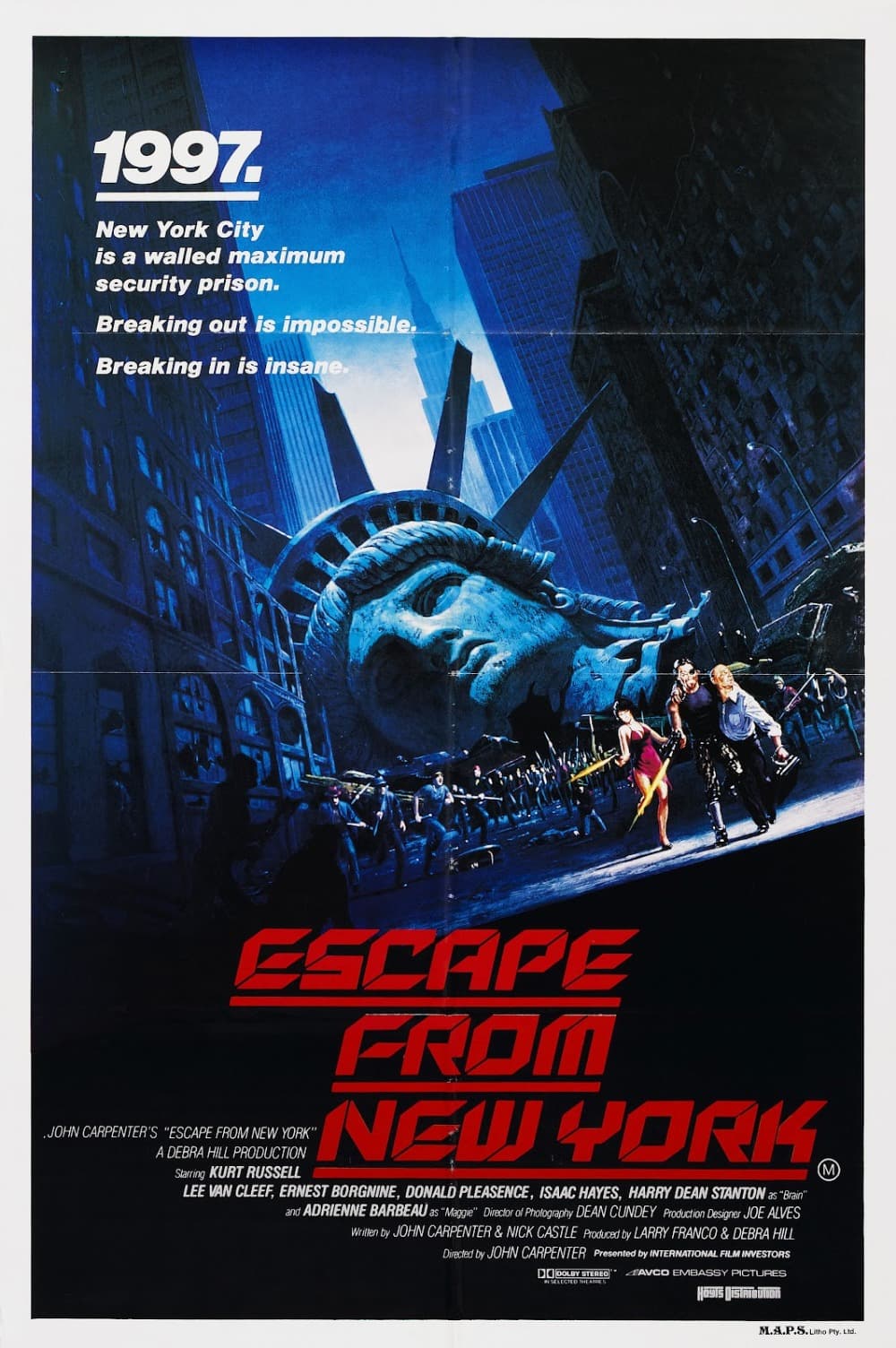
John Carpenter turned Manhattan into a prison on a shoestring and it still looks right: Kurt Russell plays a convict given twenty-two hours to retrieve the president, and enjoys none of it.
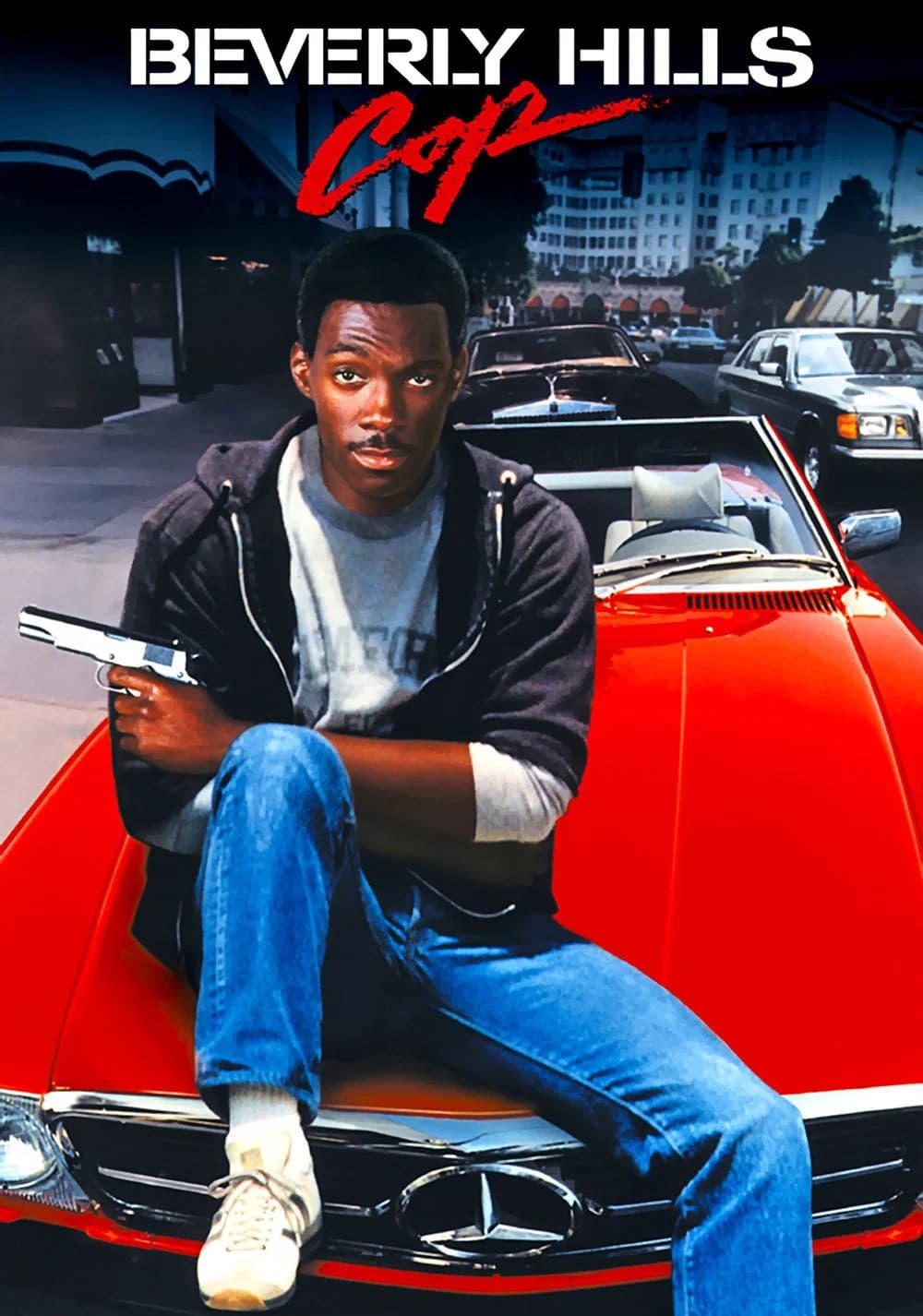
Sylvester Stallone rewrote the script into an action picture, then quit two weeks before shooting: Eddie Murphy came in days later, and nobody escaped that synthesizer theme for years.
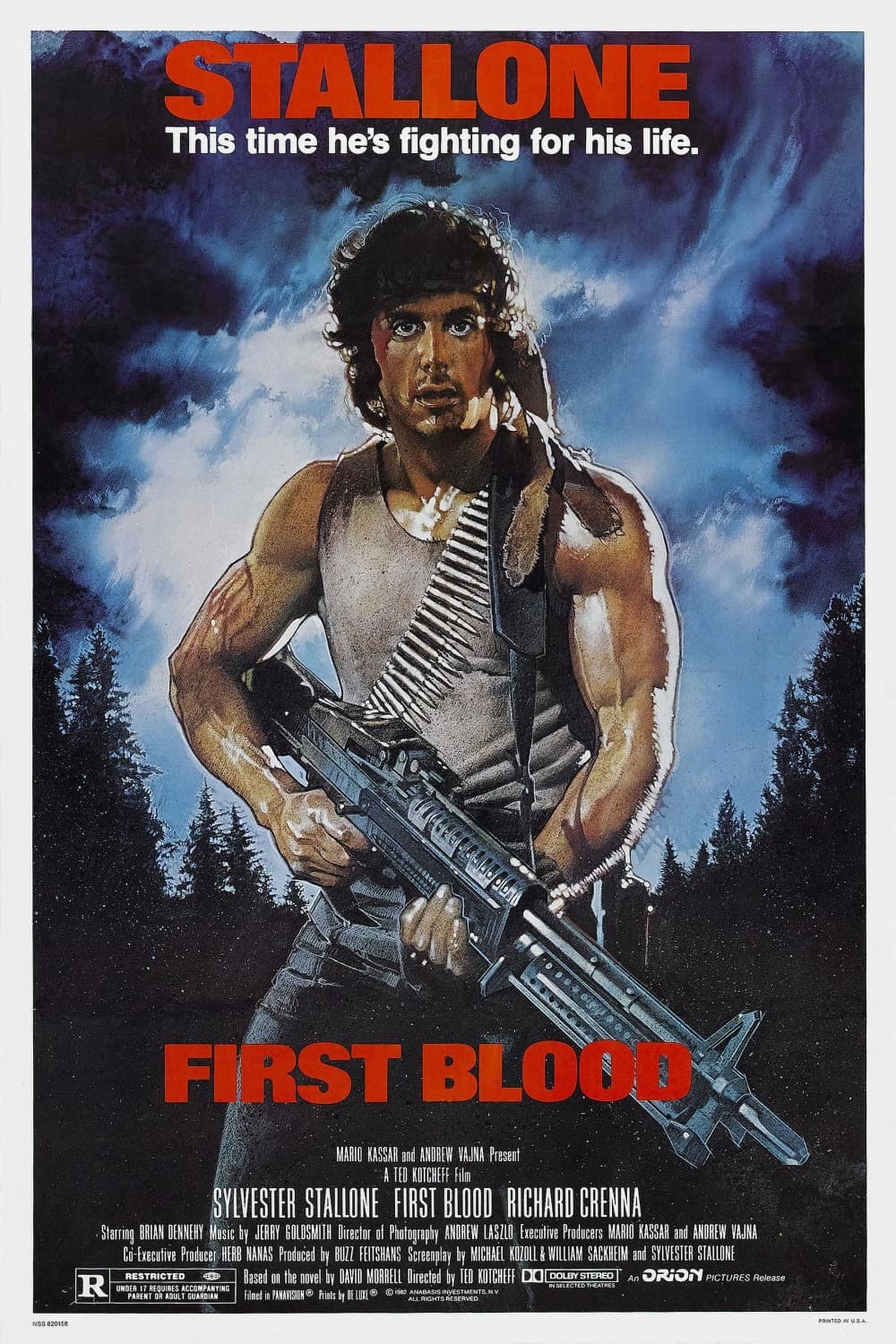
Before the sequels turned him into a cartoon, Rambo was a homeless veteran the police would not leave alone: Ted Kotcheff shot the Pacific Northwest cold and wet, and Stallone barely speaks.
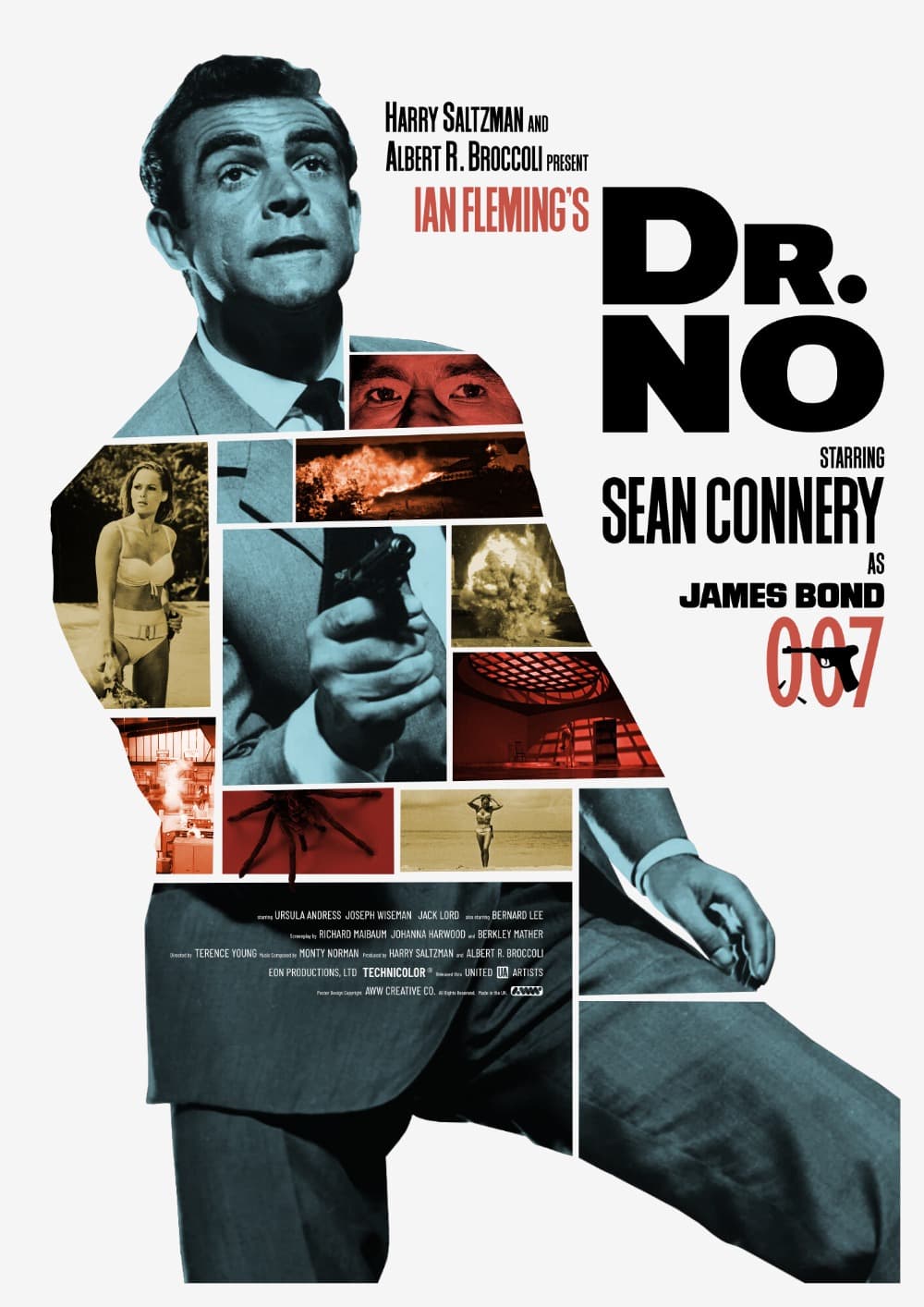
The Bond series begins here on a million dollars: Sean Connery walks into a casino and says the name, Ursula Andress comes out of the Caribbean, and nobody had met anyone like him.
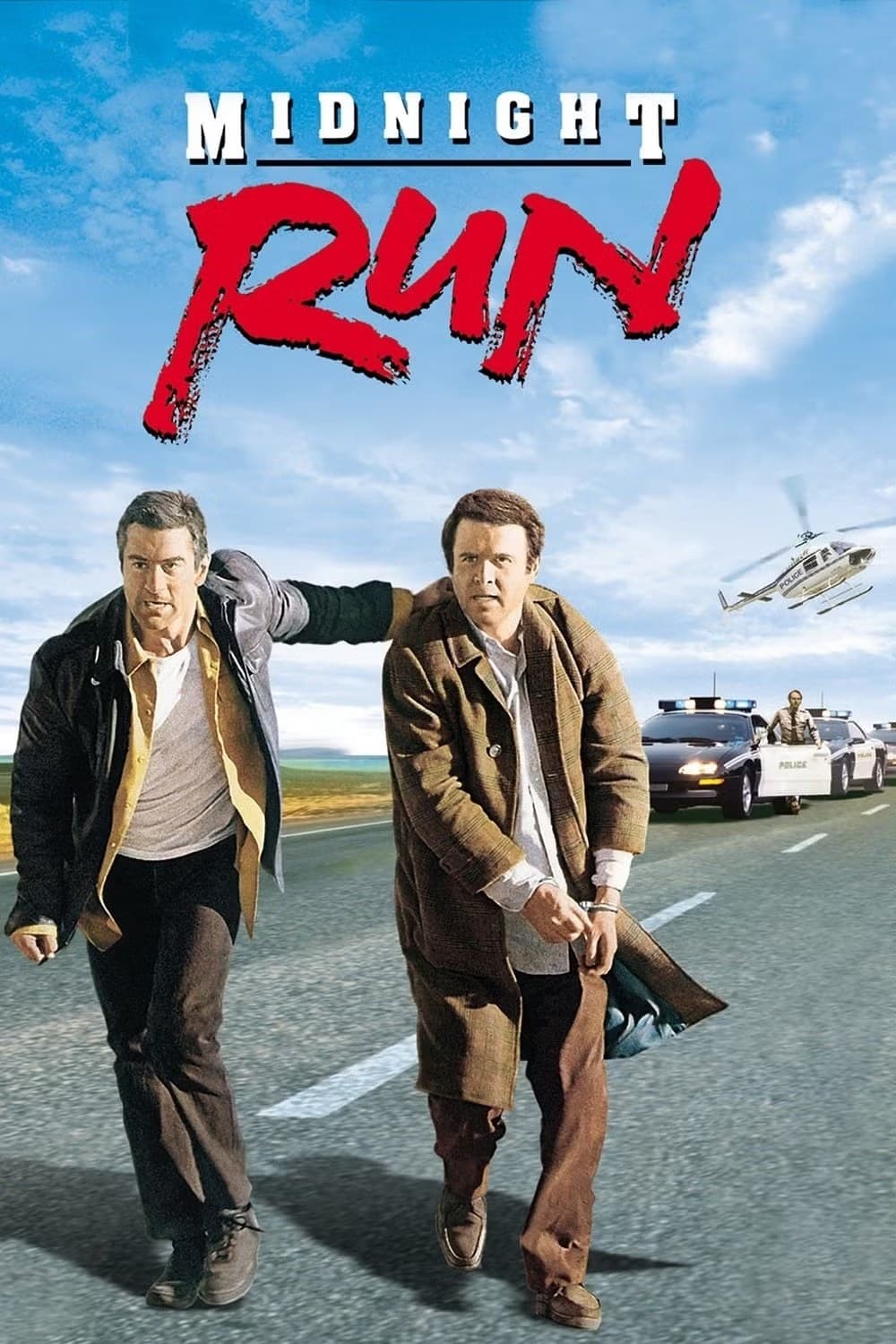
De Niro is funnier here than in any comedy he tried to be funny in: a bounty hunter has to move an embezzling accountant coast to coast, and the accountant never stops talking.
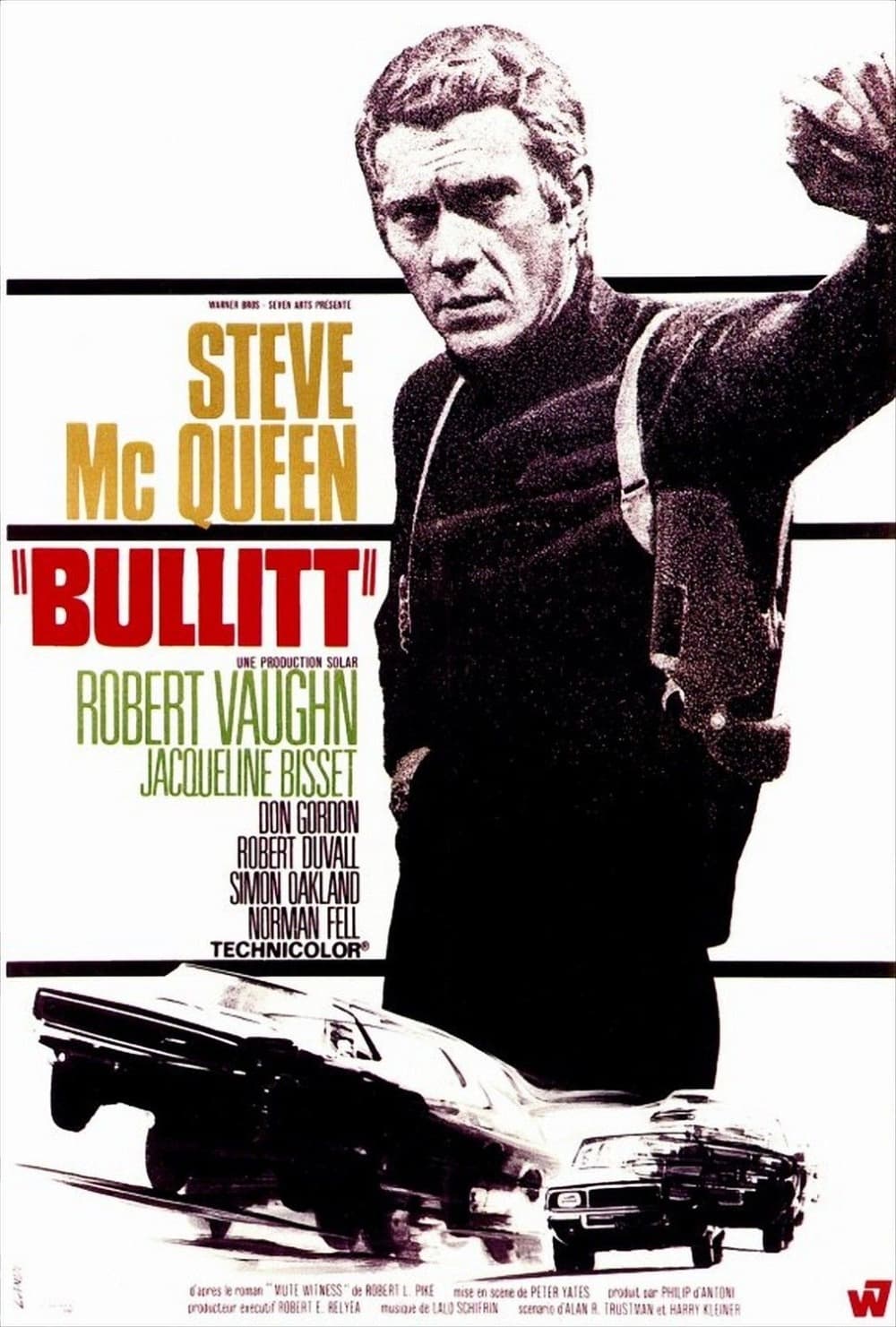
The San Francisco car chase runs almost eleven minutes with no music at all, only engines: everything since has been a response to it, and Steve McQueen keeps his talking to a minimum.
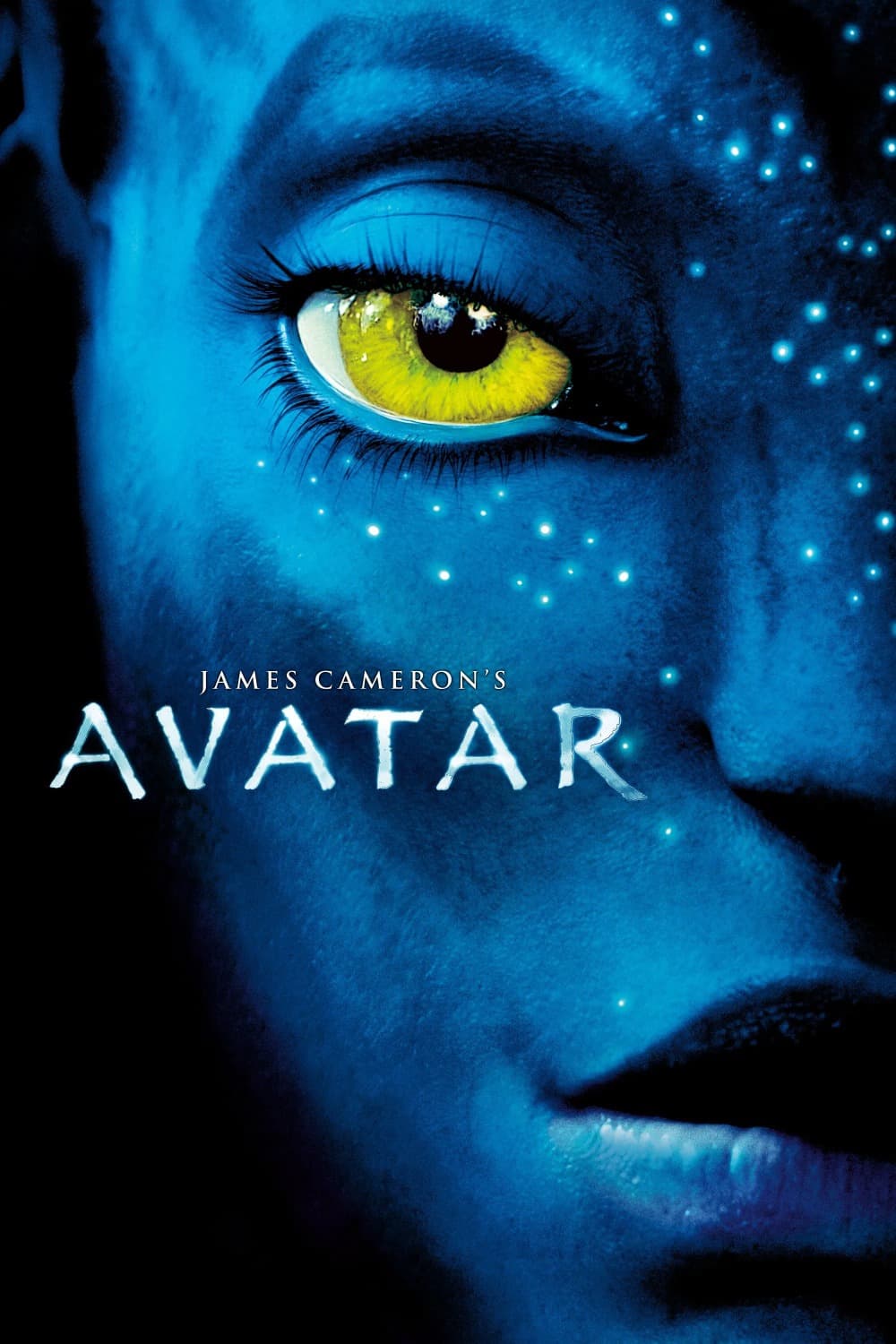
Cameron waited more than a decade for the technology to catch up to his script, then made the highest-grossing film ever released: whatever you make of the story, nothing had looked like this.
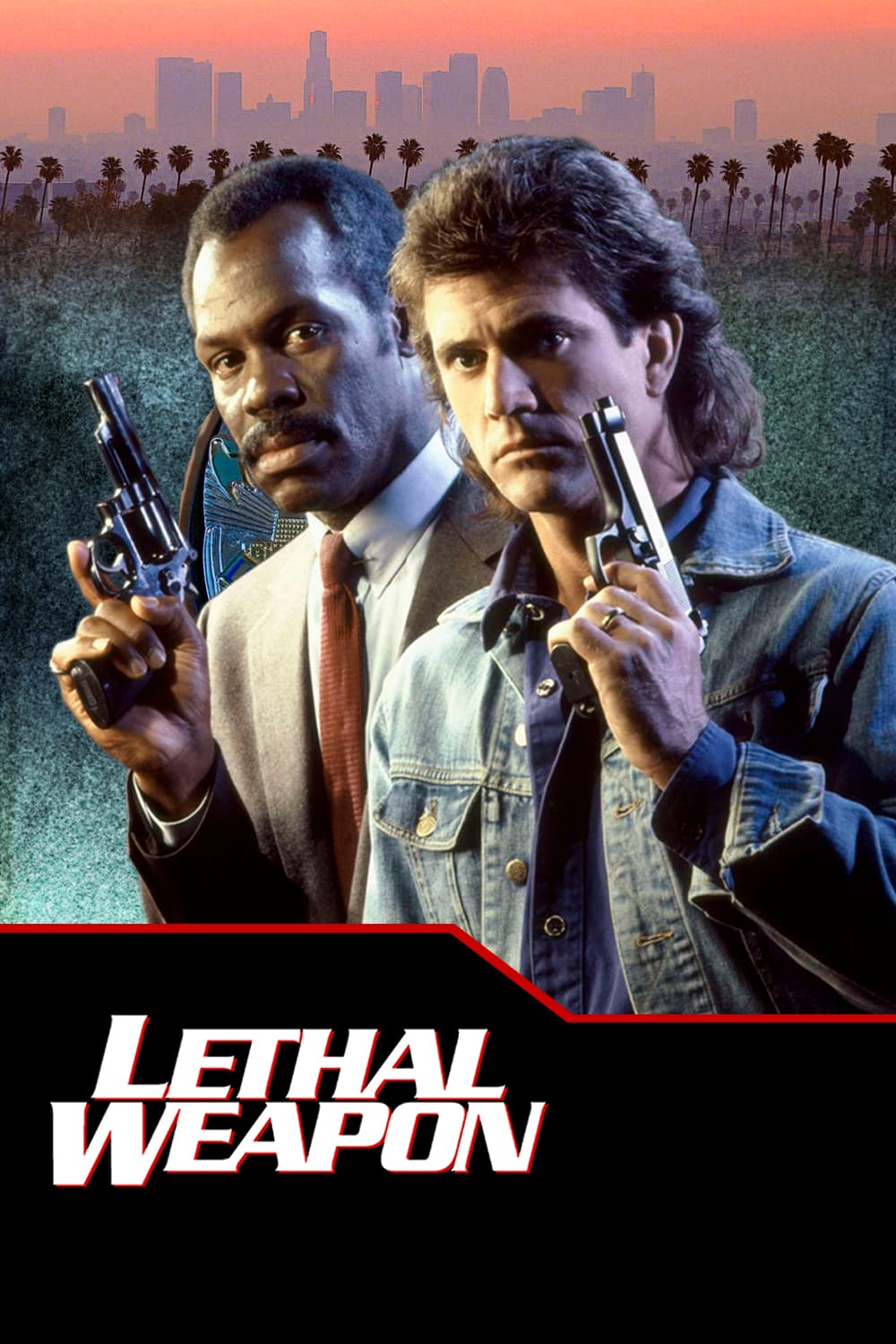
Shane Black sold the script at twenty-three and set the buddy-cop template for two decades: one cop is counting down to his pension, the other is a widower nobody trusts to be careful.
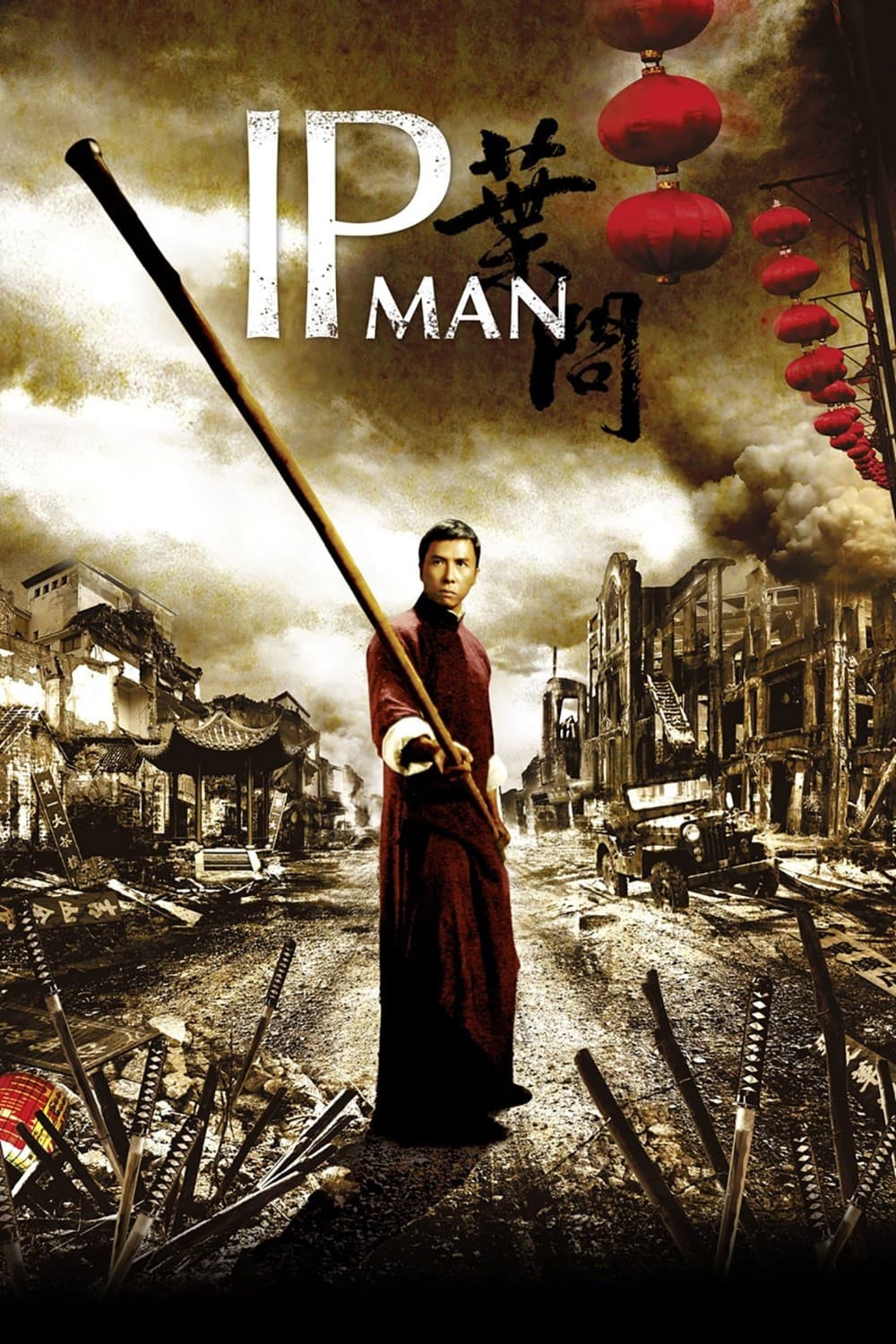
Donnie Yen plays Bruce Lee's future teacher and does his own fighting throughout: Wing Chun filmed at full speed with long takes, in a Foshan under Japanese occupation.
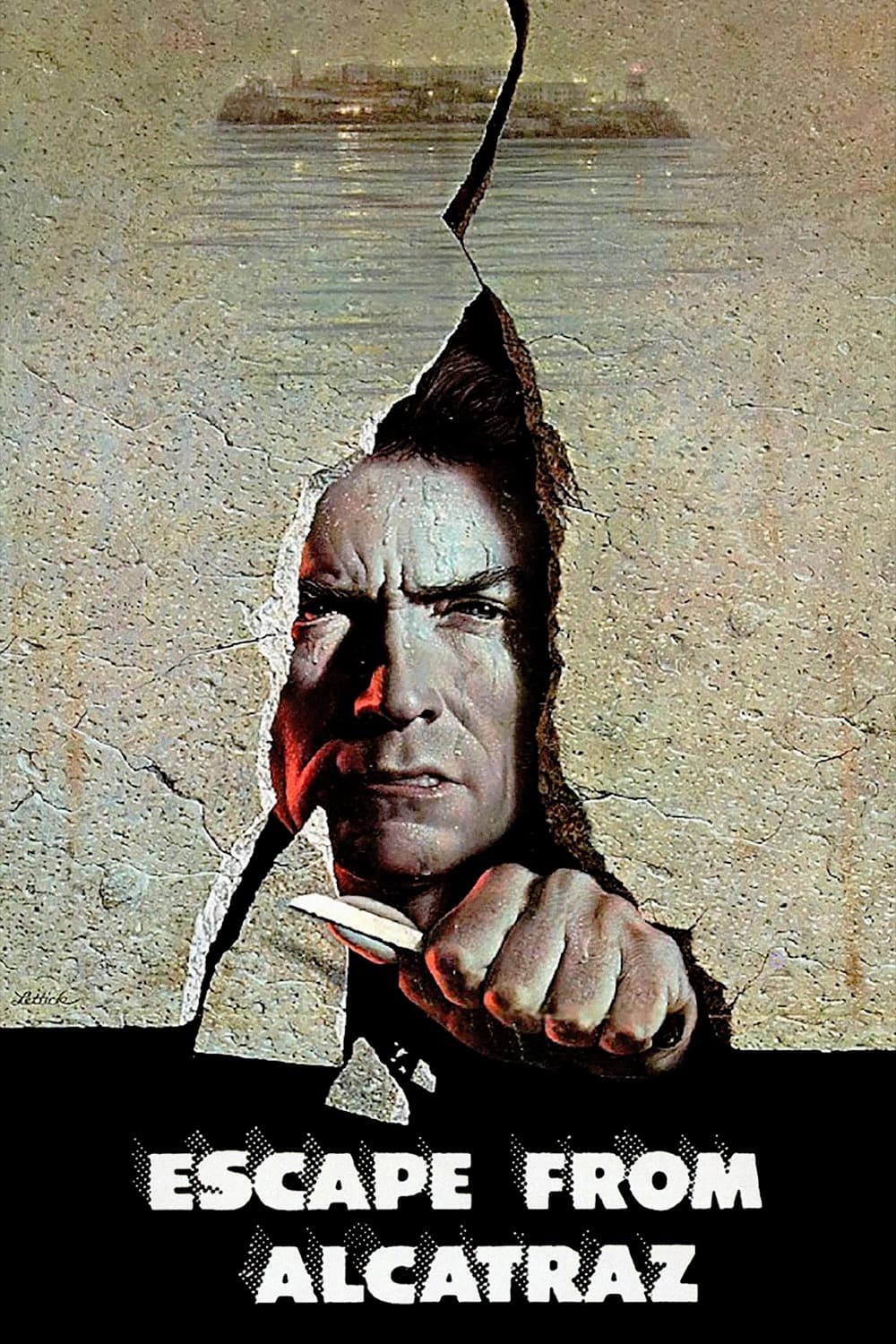
Shot on the actual island, in the actual cells: Don Siegel films a 1962 escape as pure method, spoons and paint and papier-mache heads, and explains nothing to anyone.
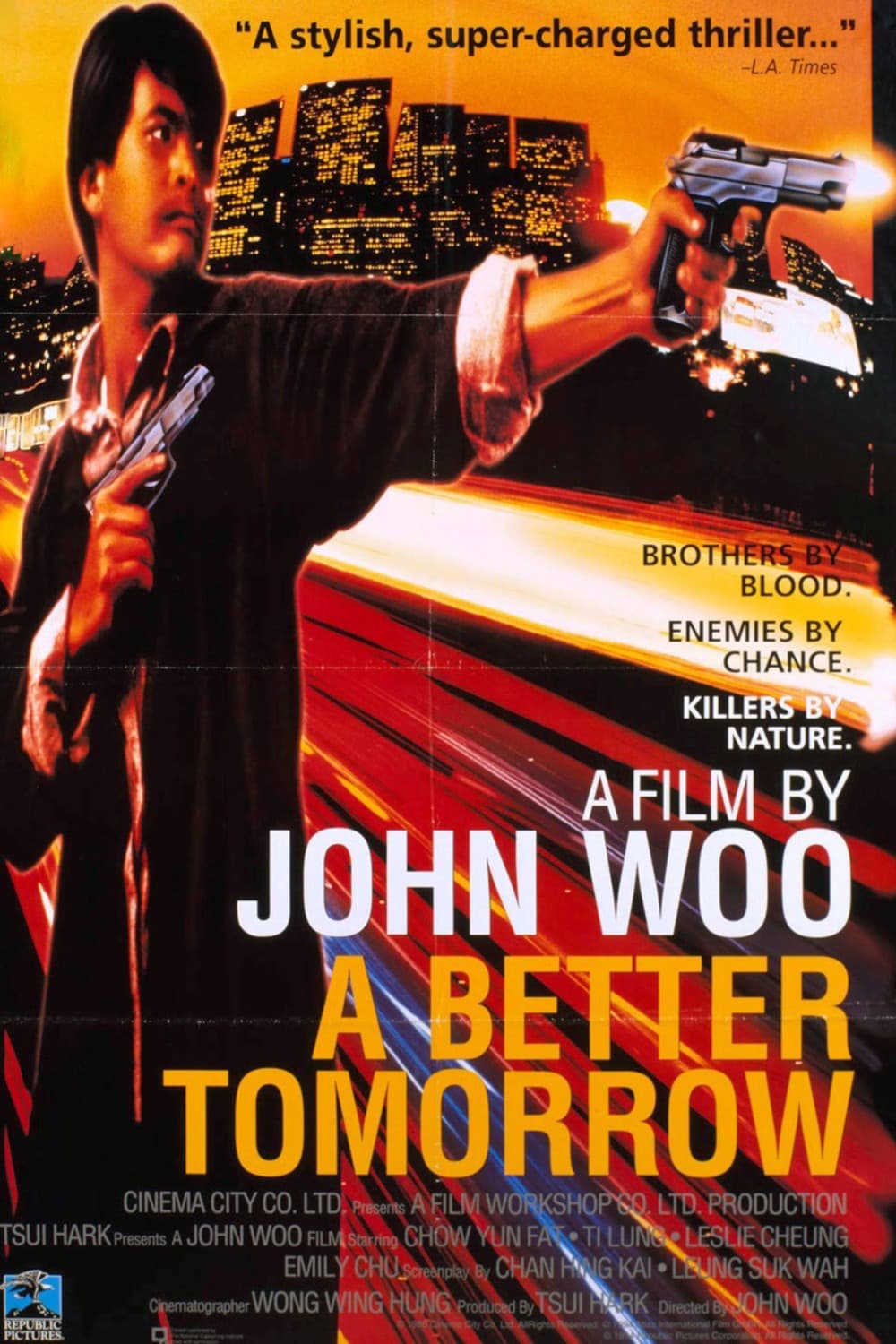
It made Chow Yun-fat a superstar and started an entire Hong Kong genre: two brothers on opposite sides of the law, and a gunman in a trenchcoat lighting a cigarette with money.
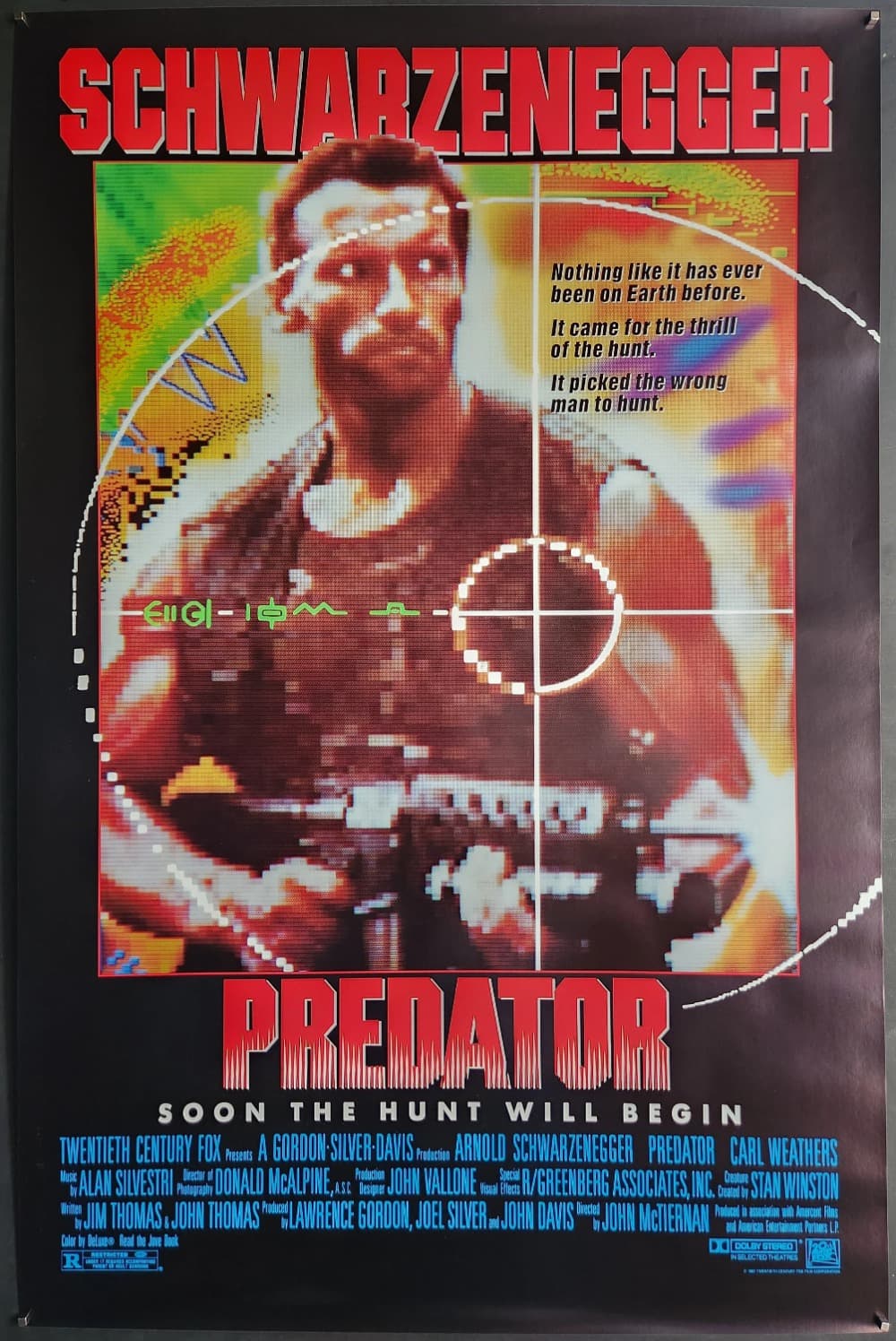
The original creature suit was so bad they scrapped it mid-shoot and had Stan Winston build another: a commando squad in the jungle slowly works out that something is hunting them.
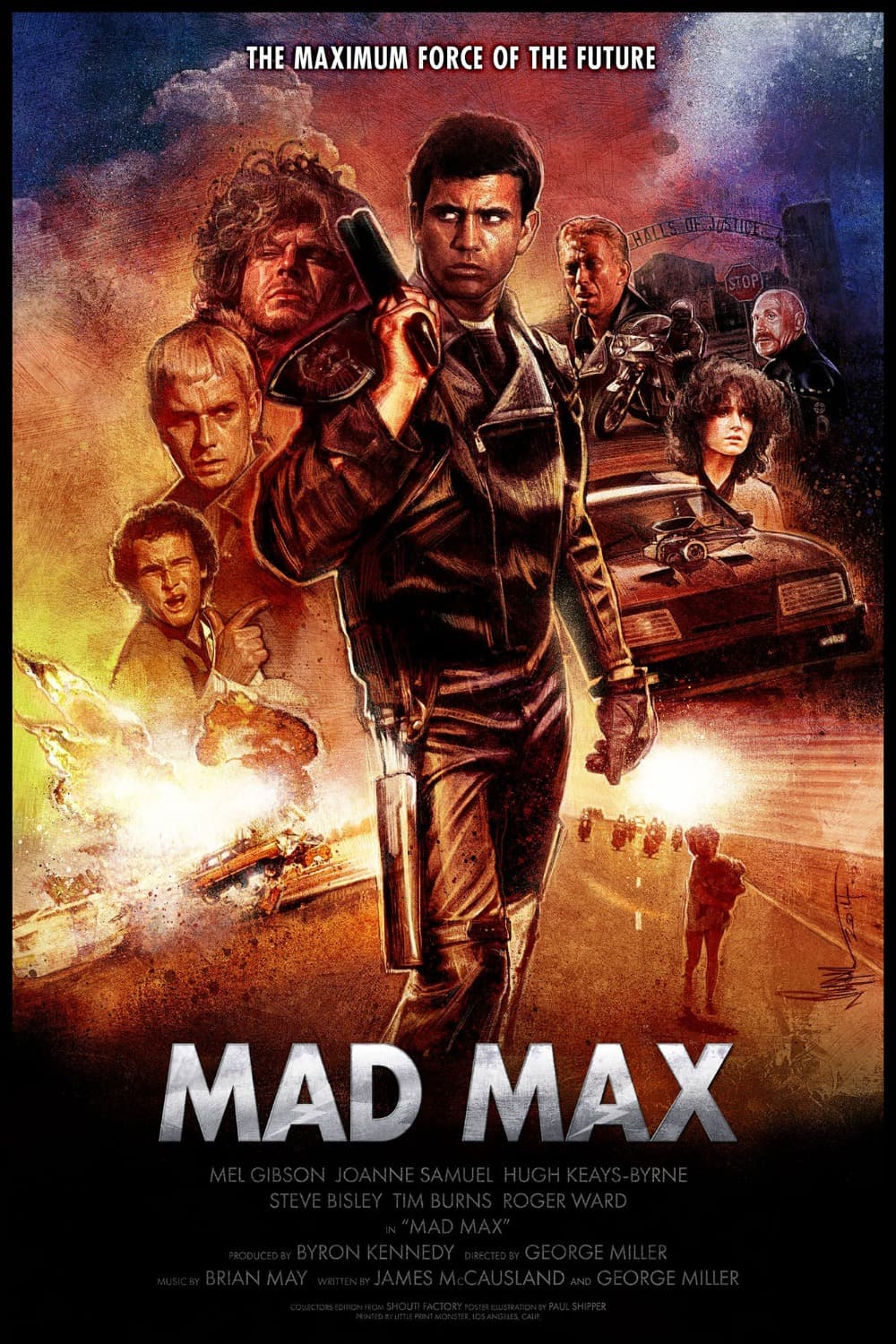
Made in Australia for four hundred thousand dollars and held a record for return on investment: George Miller was an emergency room doctor, and the crashes look like things he had seen.
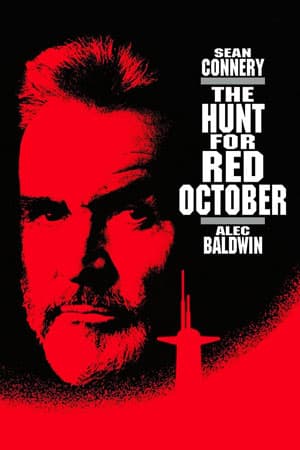
John McTiernan solves the language problem with a slow push in on the Russian political officer, and everyone speaks English from then on: submarine cat-and-mouse with almost no violence in it.
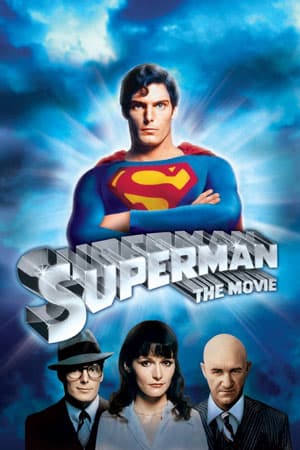
Warner promised audiences they would believe a man could fly, and they did: Christopher Reeve plays both halves so completely that a pair of glasses becomes a plausible disguise.
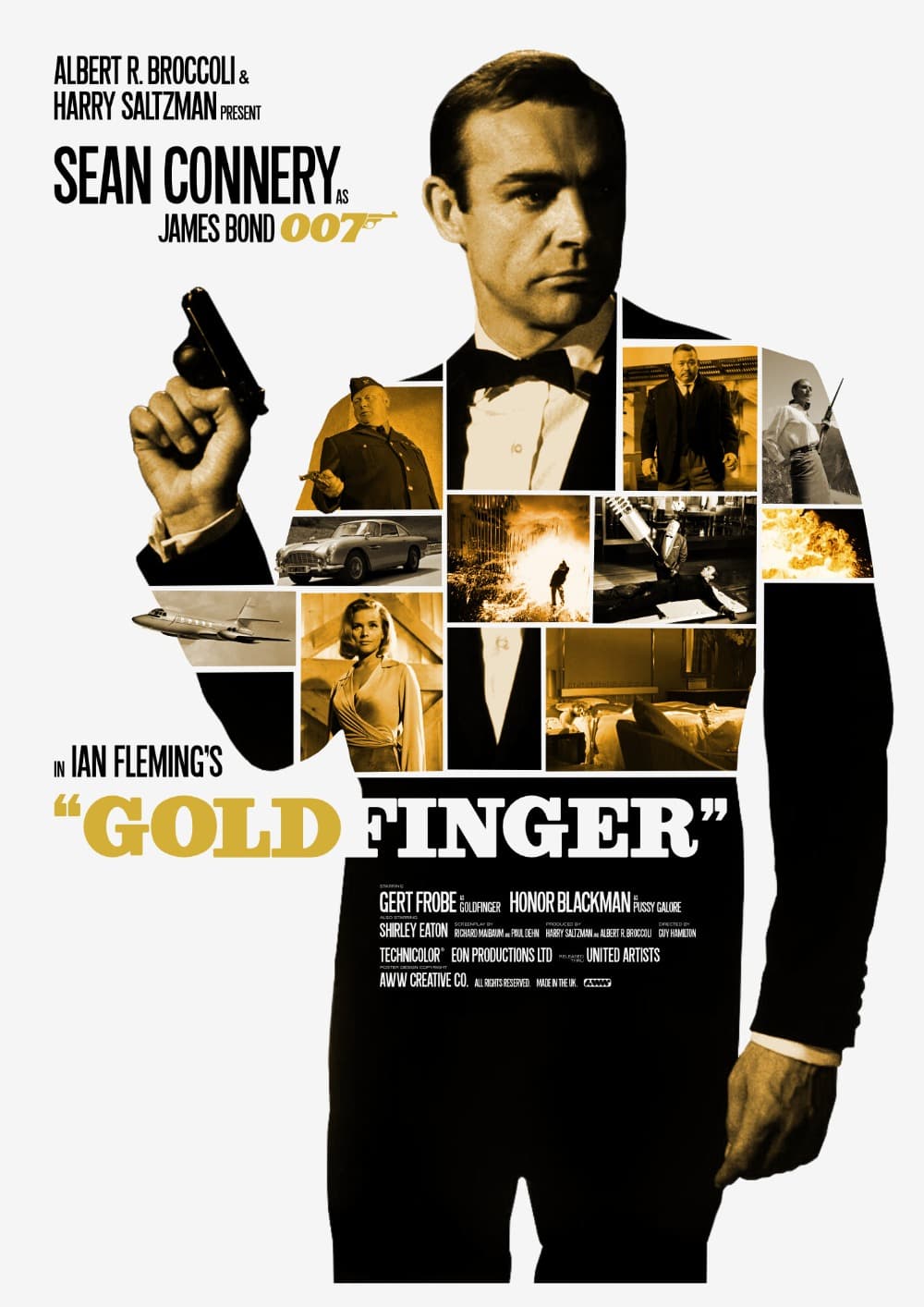
Everything the Bond series still does was fixed here: the Aston Martin, the title song belted over the opening credits, the death trap the villain explains, and a henchman with a signature weapon.
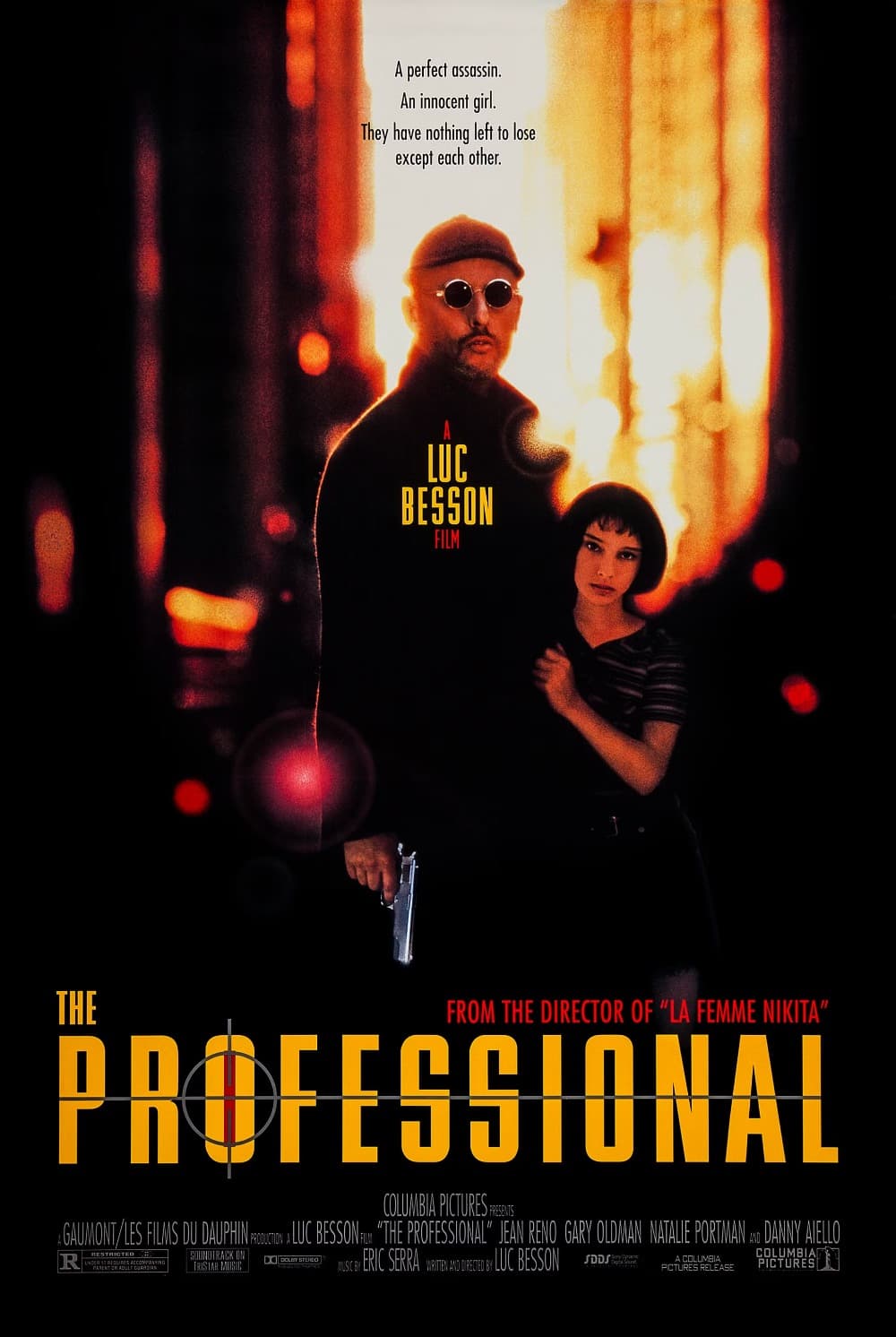
Natalie Portman was twelve and had never acted: Besson pairs her with a hitman who waters his houseplant like a dependent, and the film has been argued about ever since.
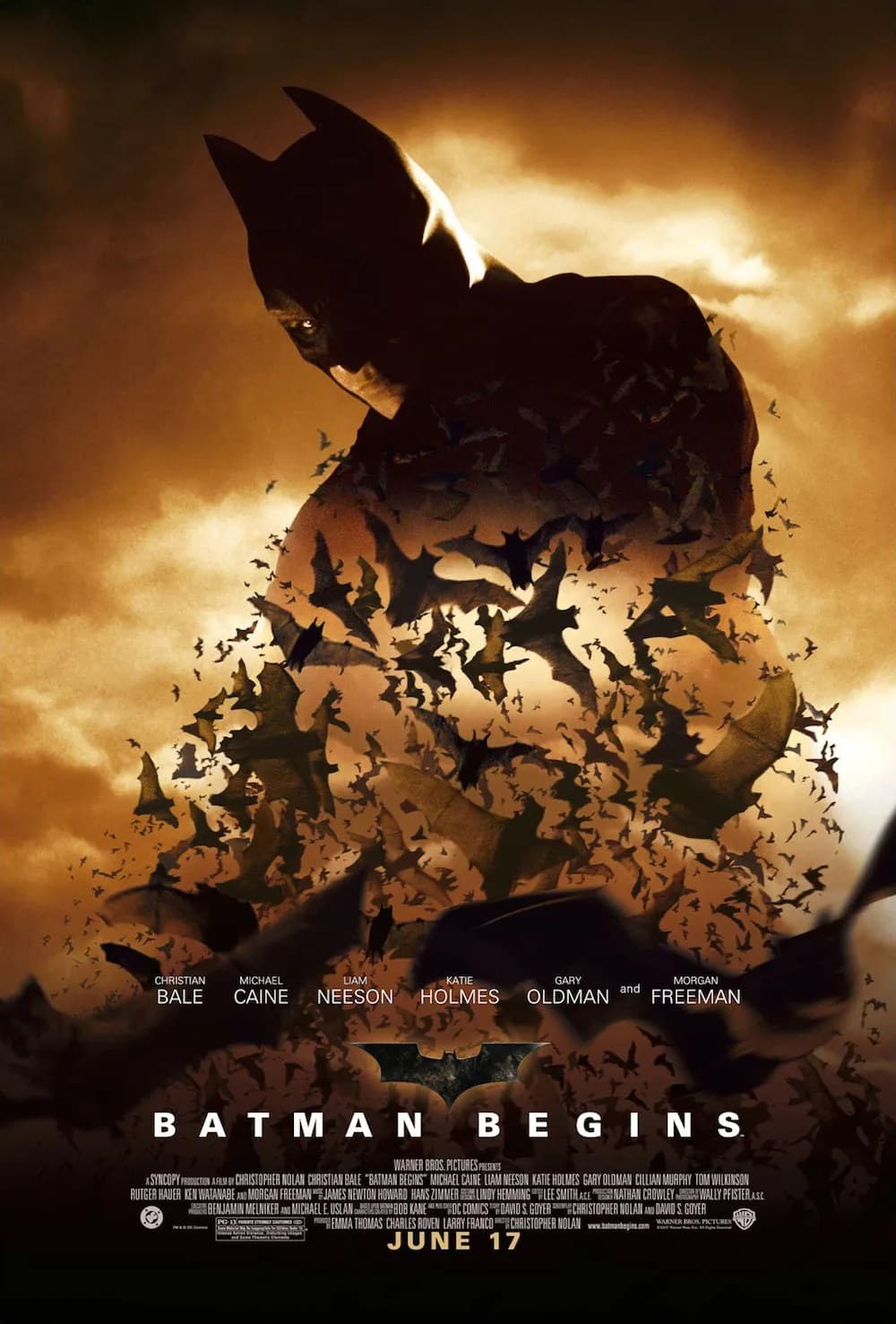
Serious superhero films begin here: Nolan built the car for real, kept Gotham plausible, and treated a man in a bat costume as a psychological problem rather than a joke.
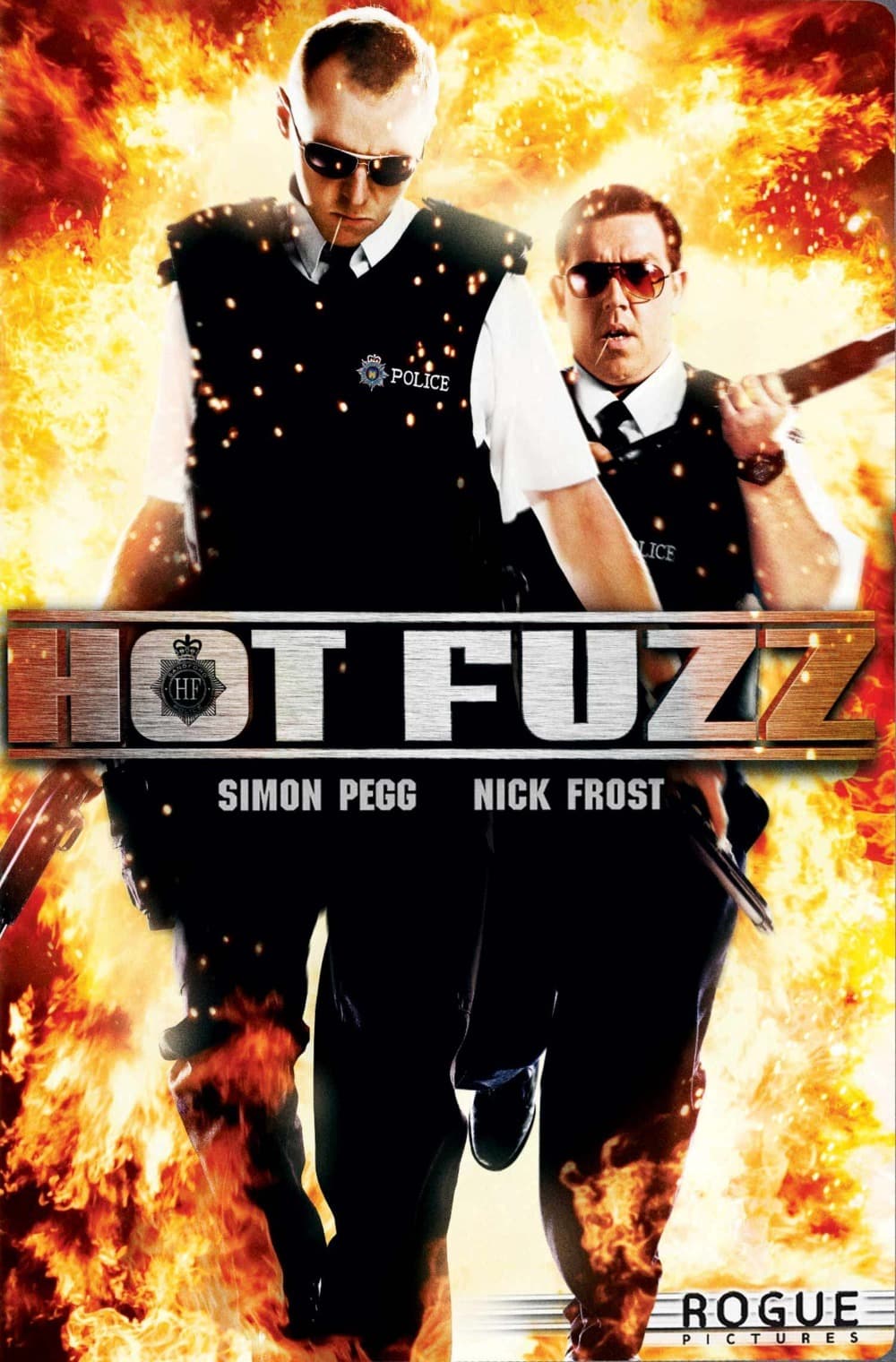
Wright's parody is better constructed than most of the films it mocks: a London supercop is exiled to a picture-perfect village, and the final act is staged better than the real thing.
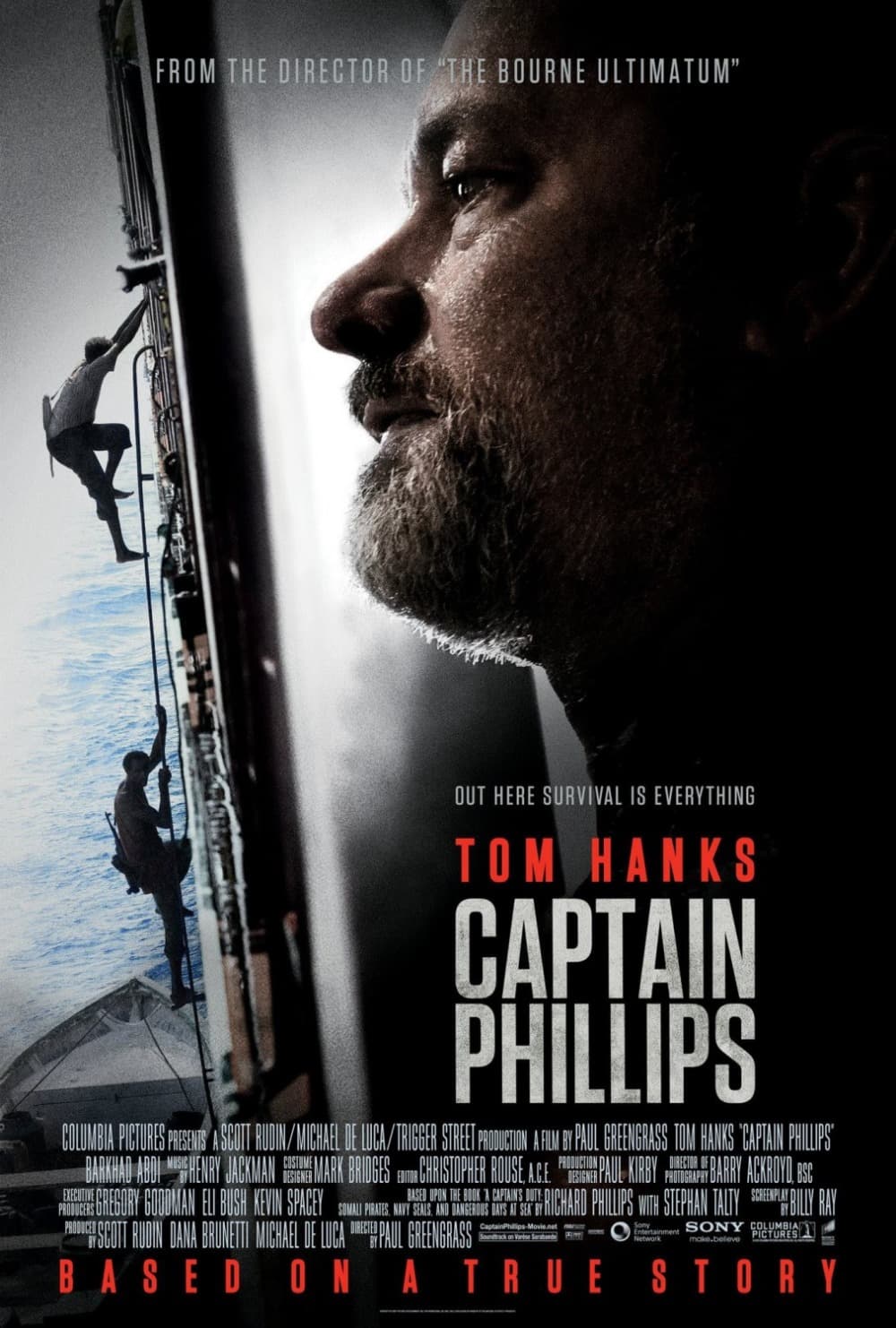
Barkhad Abdi had never acted and was cast out of a Minneapolis open call: he holds the screen against Tom Hanks through the last hour on a lifeboat off Somalia, and never blinks.
The train wreck was staged for real because it was cheaper than faking it: a surgeon convicted of his wife's murder runs, and Tommy Lee Jones's marshal is better company than the hero.
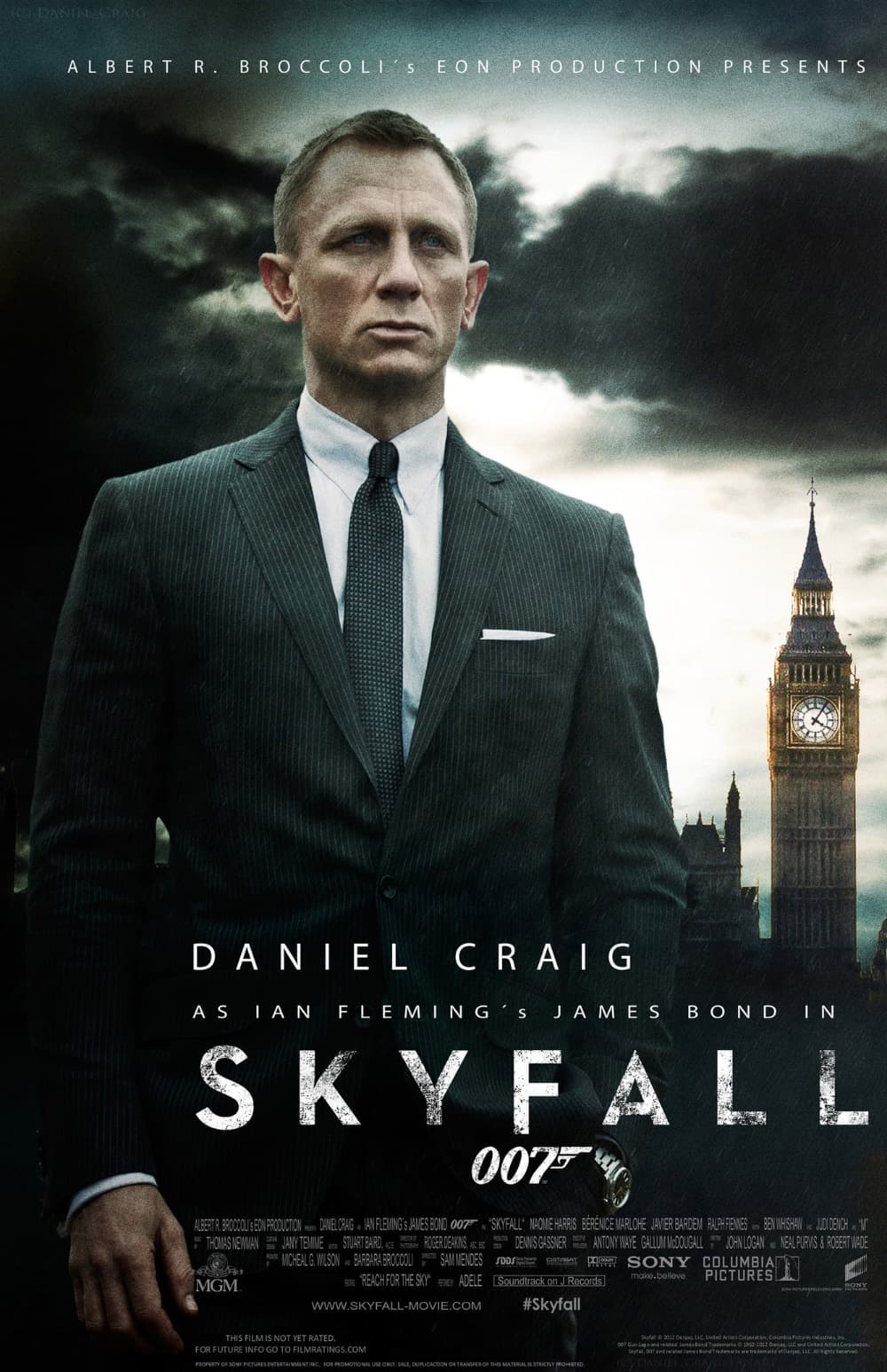
Roger Deakins photographed a James Bond film and the series has never looked the same: the Shanghai fight plays out in silhouette against neon, and the plot finally asks what Bond is for.
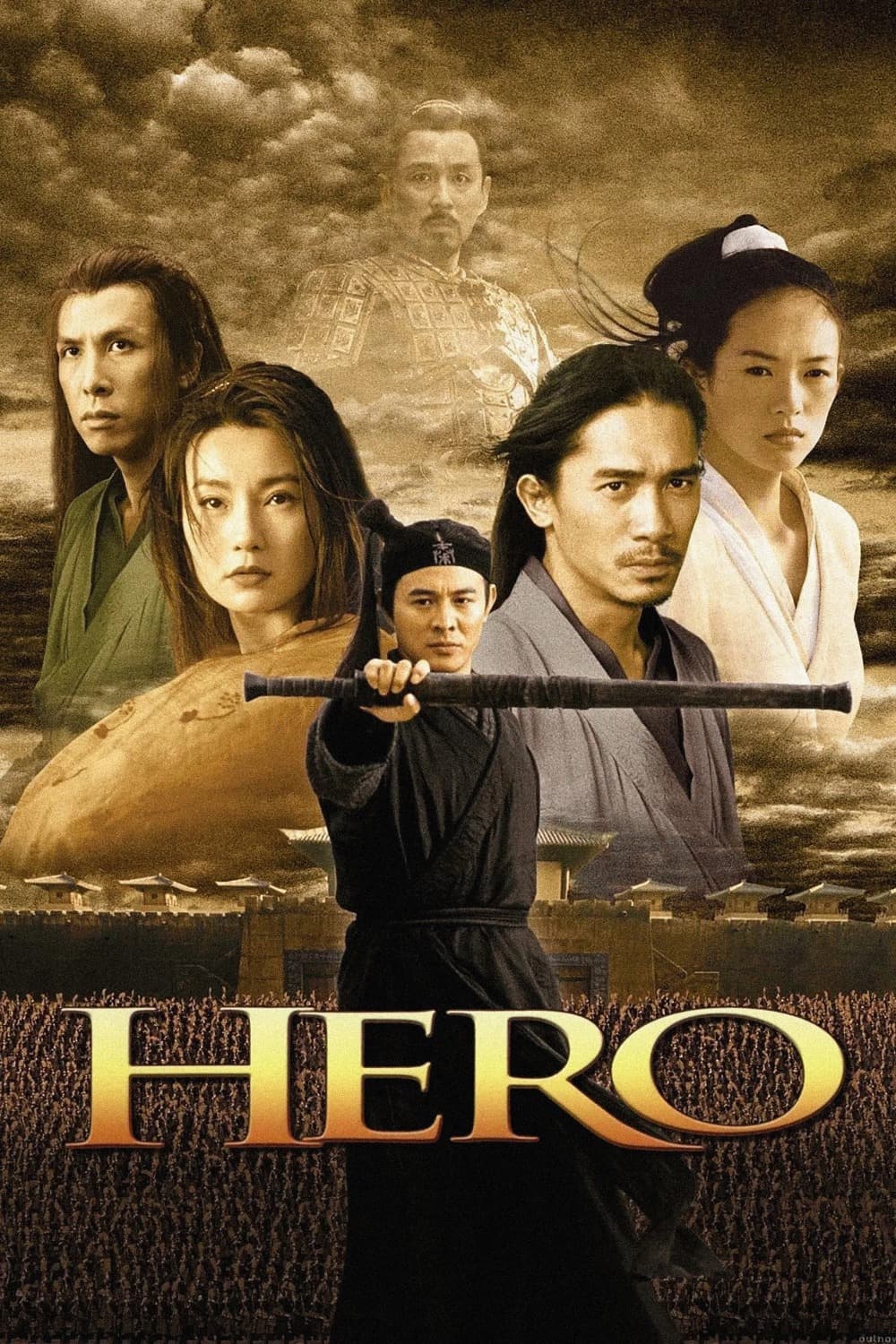
Zhang Yimou shot each retelling of one assassination attempt in a different color: Christopher Doyle's photography is so beautiful that the film's politics start an argument every single time.
Handheld chases got shakier for a decade because of this film: Greengrass films spying as legwork rather than glamour, and the Waterloo Station chase is the most tightly constructed surveillance sequence ever filmed.
Woo shoots gunfights the way other directors shoot musical numbers: two pistols, slow motion, doves, and underneath it a straight-faced story about honor between a hitman and the cop hunting him.
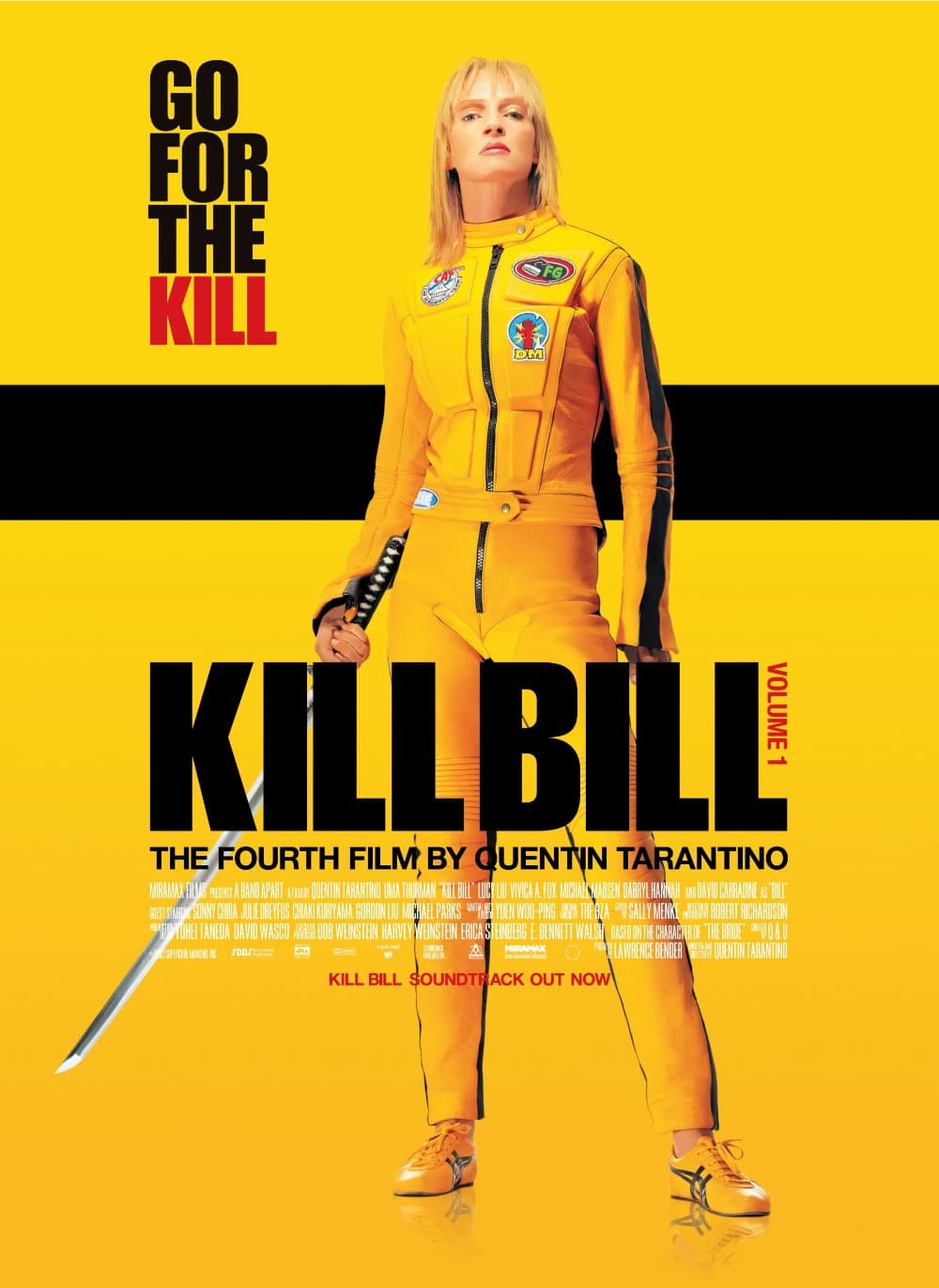
Tarantino built it out of every film he ever loved: kung fu, spaghetti westerns, anime and samurai pictures, and the House of Blue Leaves fight tops all of them.
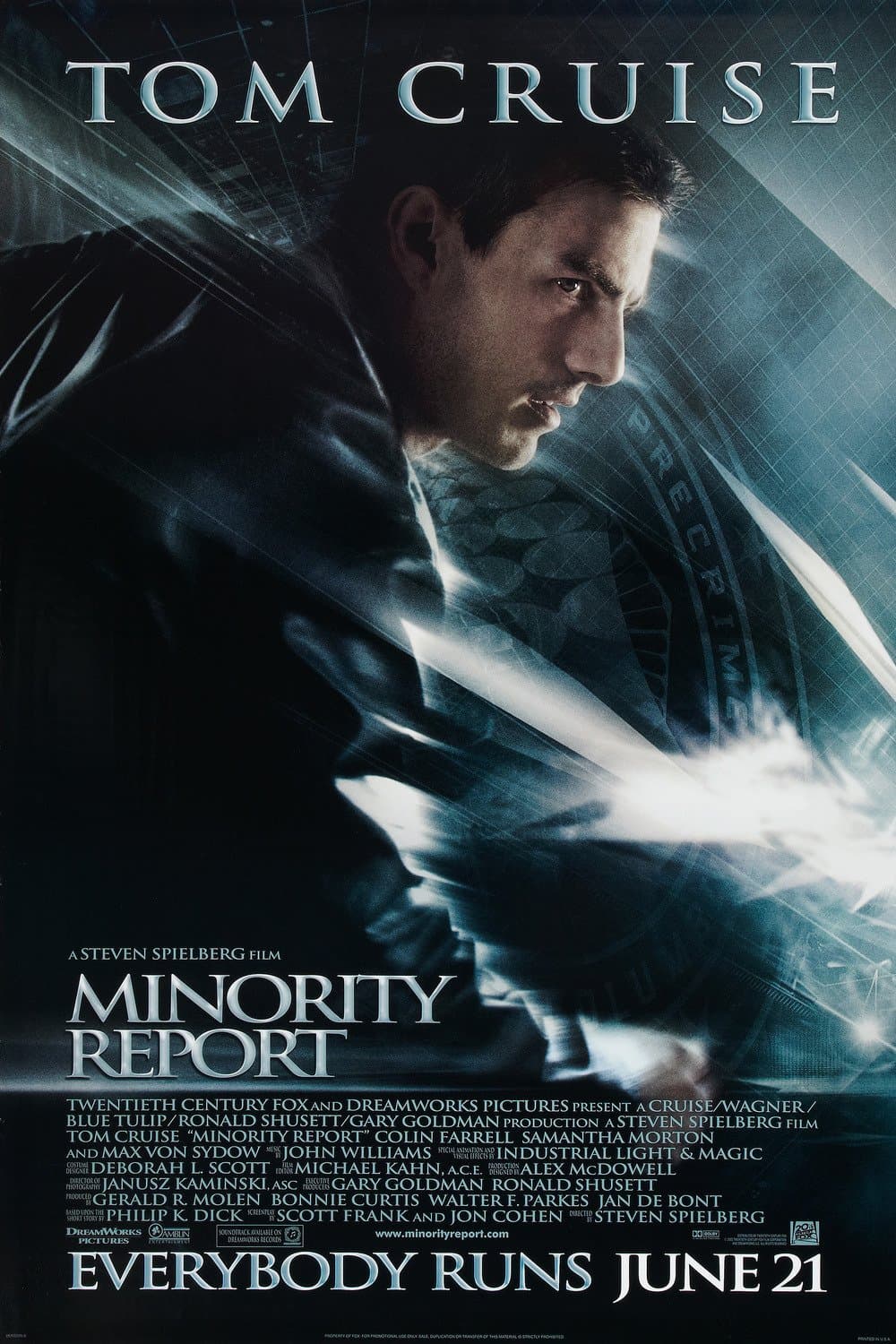
Spielberg hired futurists to design 2054 and most of what they invented has since arrived: gesture screens, targeted advertising, and a police force that arrests you beforehand.

Casting Sean Connery as the father was the best idea the series ever had: the bickering carries a treasure hunt that would otherwise just be a rerun.
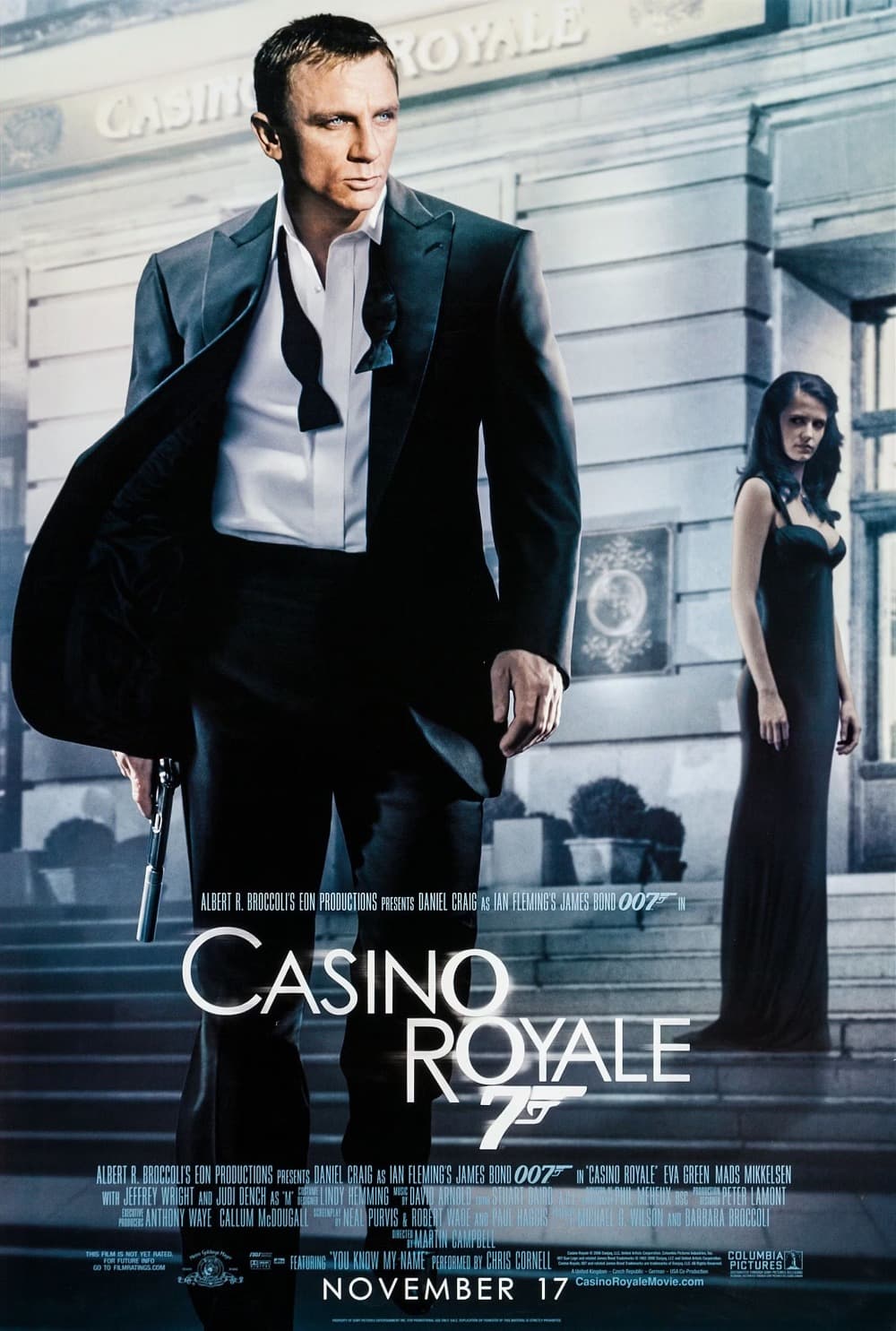
It stripped Bond back to a man who bleeds: the parkour chase in the opening twenty minutes told audiences immediately that the gadgets and the winking were gone.