
1830s
Showing 172 works across all media from the 1830s
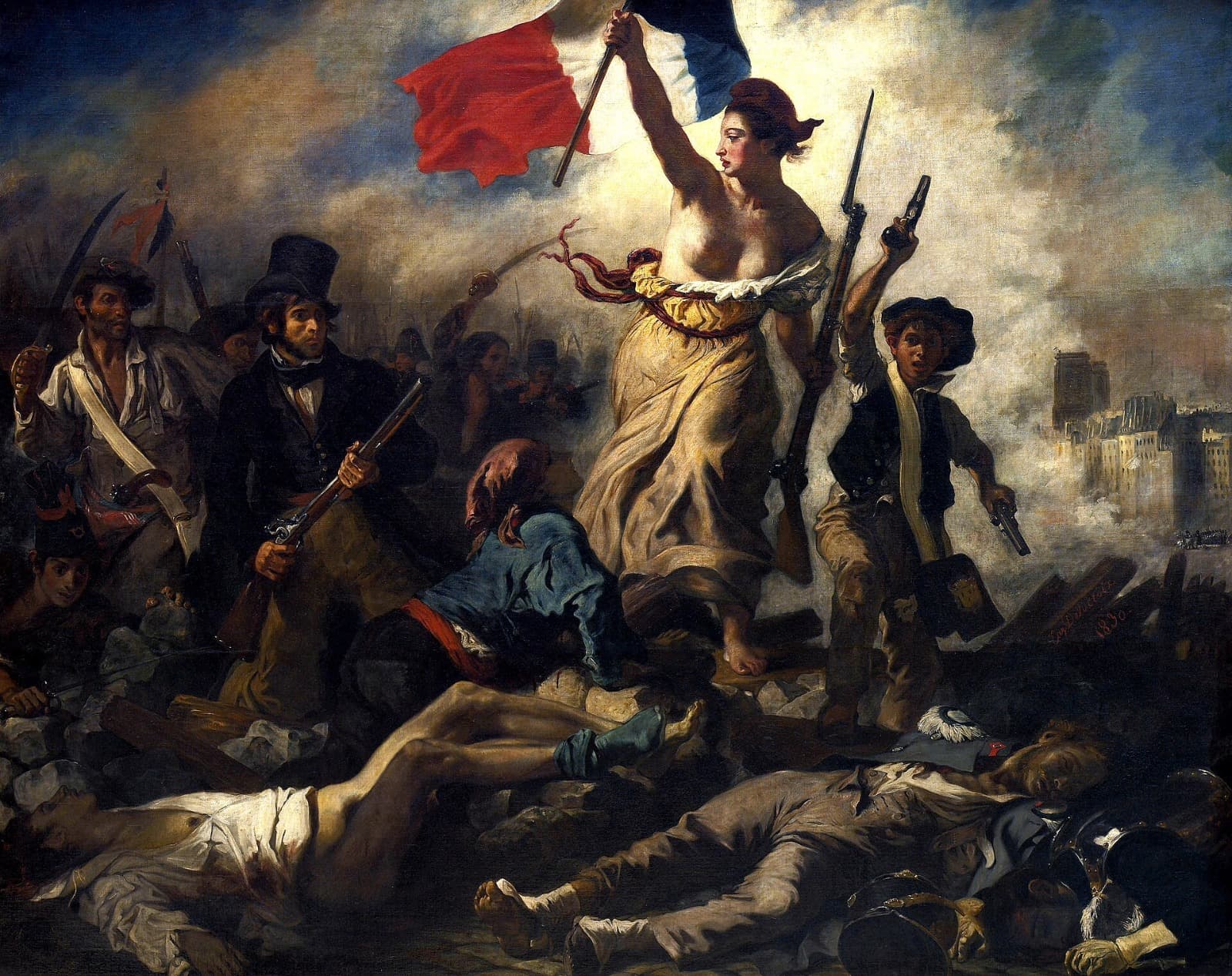
Liberty Leading the People
Liberty carries the tricolor over the barricade with a boy waving pistols beside her, painted within months of the revolution it shows.

The Great Wave off Kanagawa
Hokusai was in his seventies when he made this, using a Prussian blue newly imported from Europe, with Fuji small and calm in the trough.
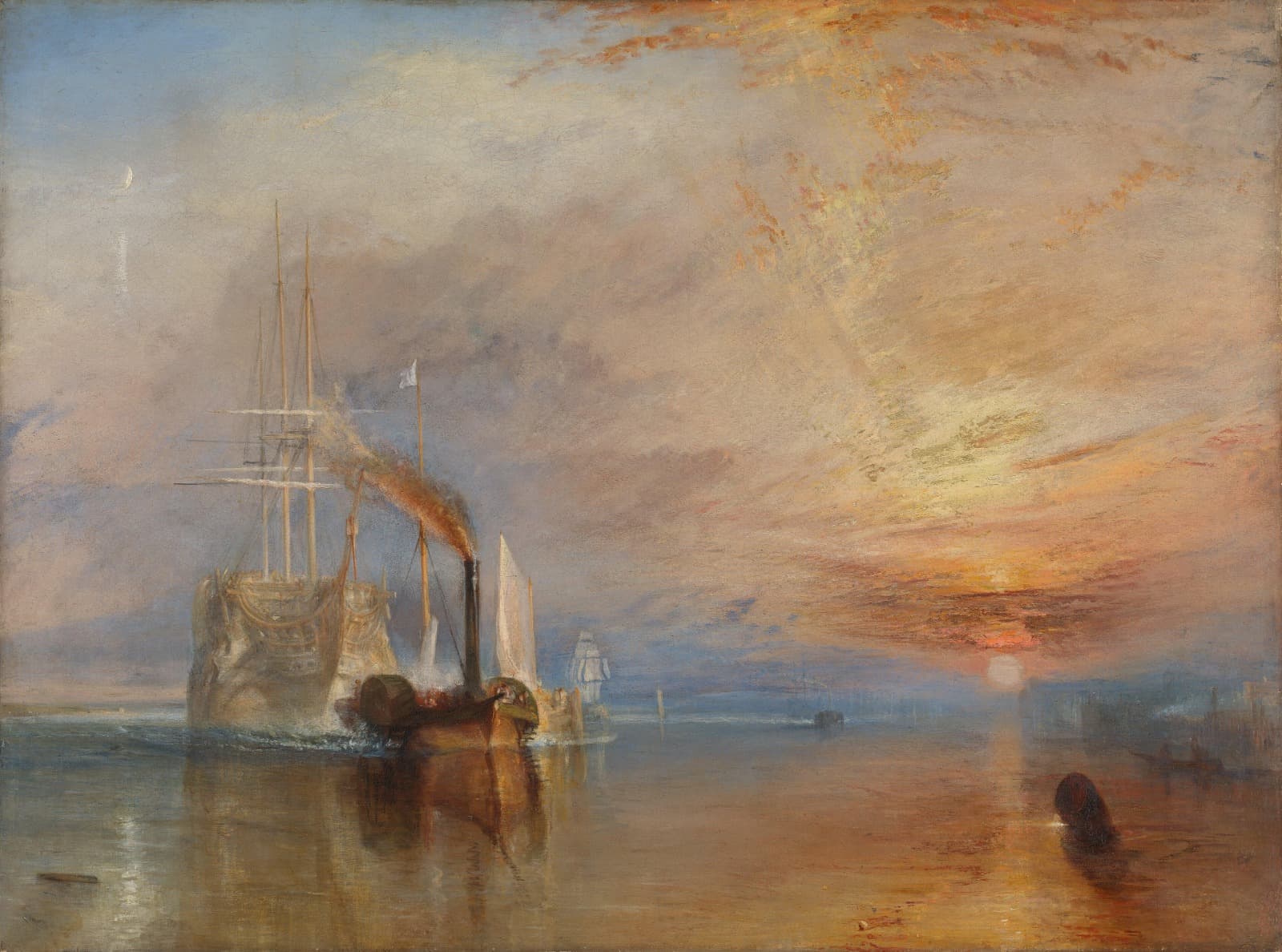
The Fighting Temeraire
A steam tug hauls a Trafalgar warship off to be broken up. Turner refused to sell the picture and left it to the nation.
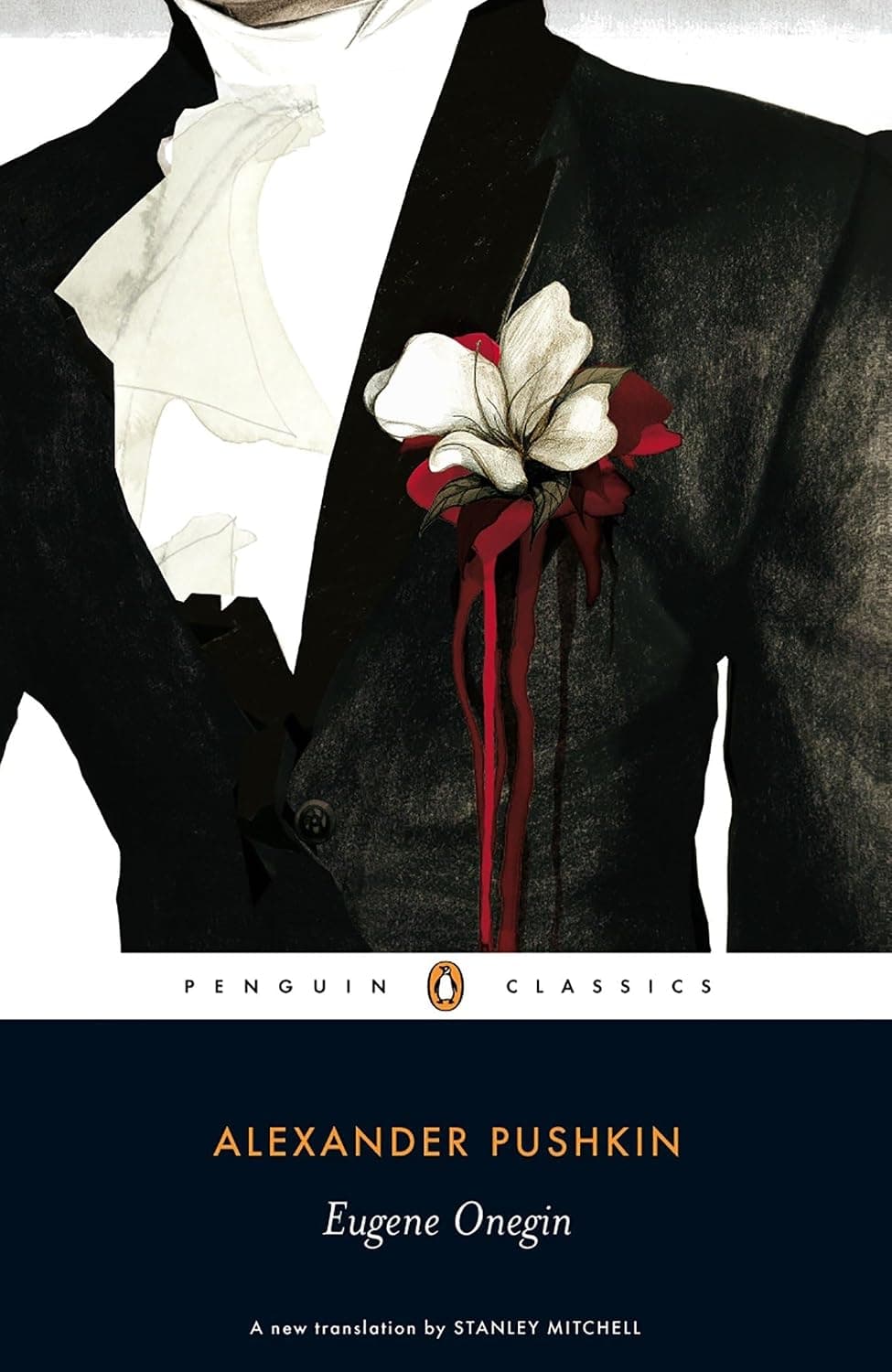
Eugene Onegin
Onegin coolly refuses a country girl's love letter, then kills a friend in a pointless duel. Pushkin wrote it in verse so quick and alive that Russians still know stanzas by heart.

The Red and the Black
Julien Sorel, a carpenter's son with a memorized Bible and enormous nerve, climbs out of provincial France into Paris society by way of two women. Stendhal reports each calculation without excusing him.

Symphonie fantastique
Berlioz wrote it while obsessed with an Irish actress he had never met. Four timpanists play at once to make the thunder in the third movement.

Portrait of Louis Francois Bertin
The newspaper magnate leans forward gripping both knees, and the picture became the face of the commercial class that ran nineteenth-century France.

The Women of Algiers
Delacroix saw a room like this once, on a trip to North Africa, and painted it from memory. Picasso later made fifteen variations on it.
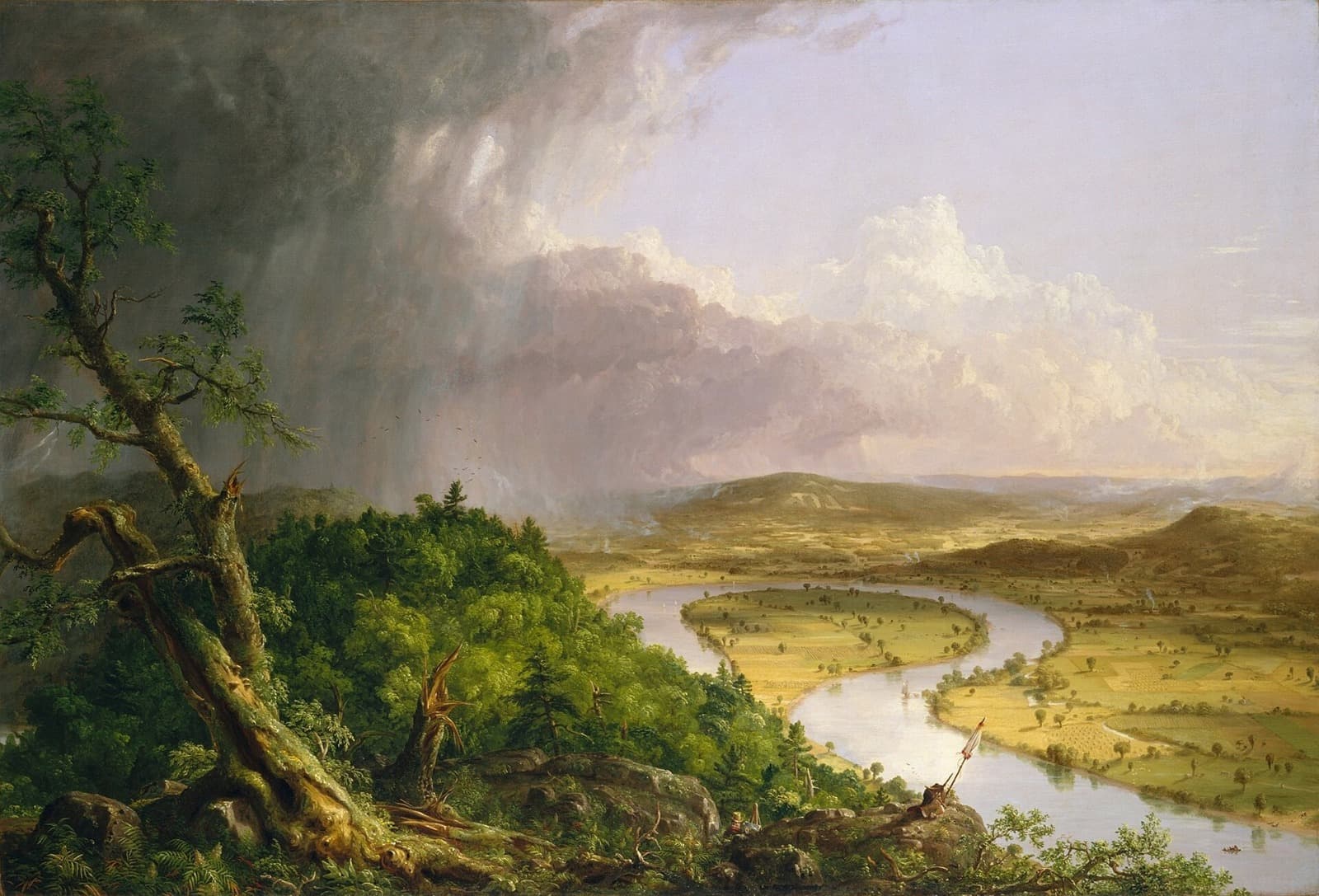
The Oxbow
Wilderness under storm on the left, farmland in sunshine on the right, and Cole himself down in the middle, tiny, looking up from his easel.

Old Man Goriot
In a shabby Paris boarding house, an old man sells off everything for two daughters ashamed to be seen with him. Balzac counts every franc and shows what money does to love.
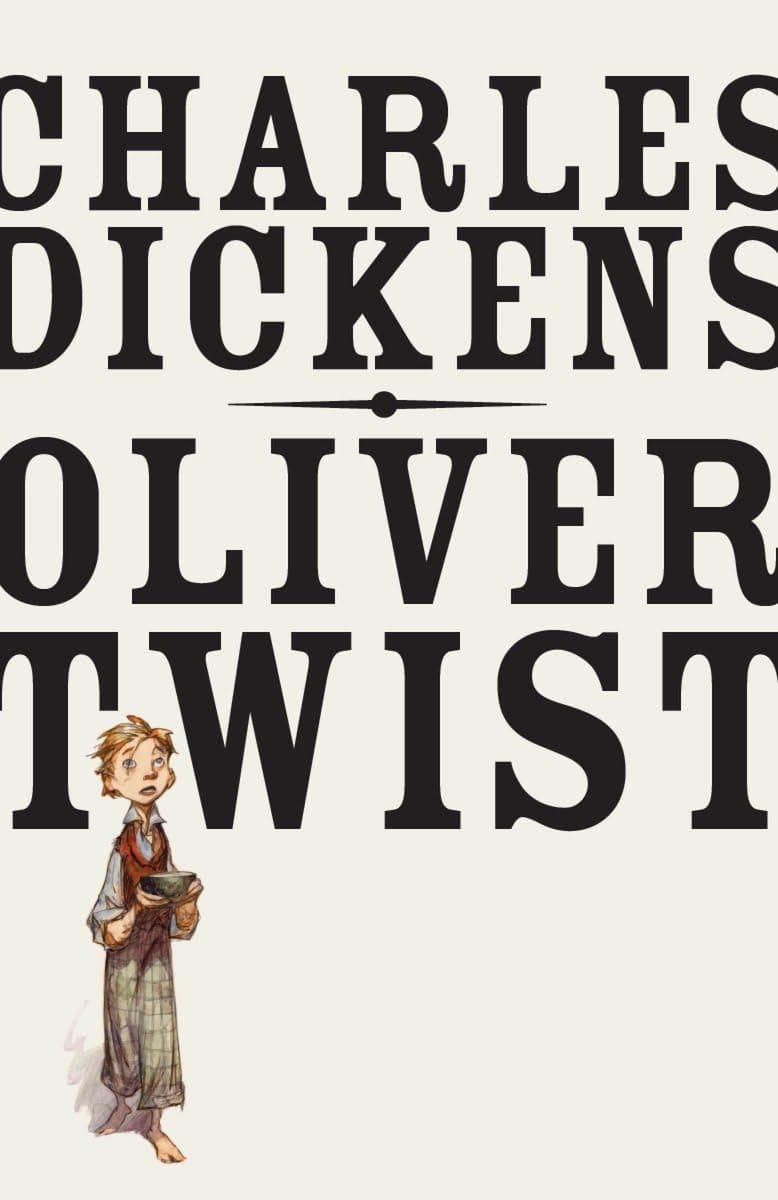
Oliver Twist
Born in a workhouse, Oliver asks for more, is sold off, and runs to London, where Fagin's gang of child pickpockets takes him in. Dickens made child poverty impossible to ignore.

The Charterhouse of Parma
Seventeen years old, Fabrice del Dongo wanders onto the field at Waterloo and cannot tell whether he fought there. What follows is court intrigue, a prison tower, and love signaled through a window.

The Voyage of the Beagle
Five years at sea gave Darwin fossil giants in Patagonia, an earthquake lifting the Chilean coast, and Galapagos tortoises. He wrote it as travel narrative, and evolution grew out of these notes.

The French Revolution
Carlyle writes the Revolution in the present tense, as though standing in the crowd. The Bastille falls and the Terror arrives as things still happening, history delivered as thunder rather than explanation.
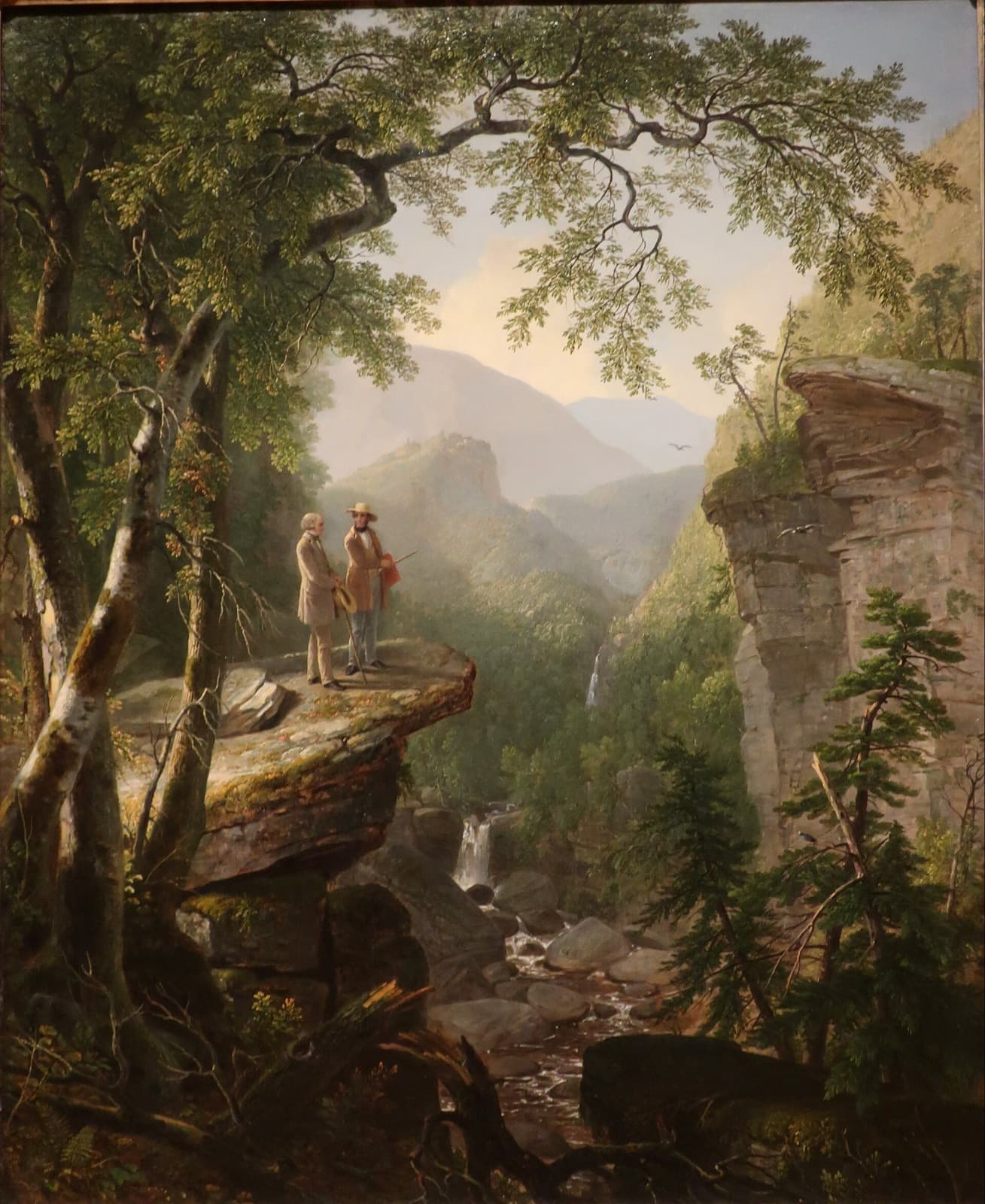
Kindred Spirits
Thomas Cole and the poet Bryant stand on a ledge in the Catskills. Durand painted it as a memorial after Cole died young.
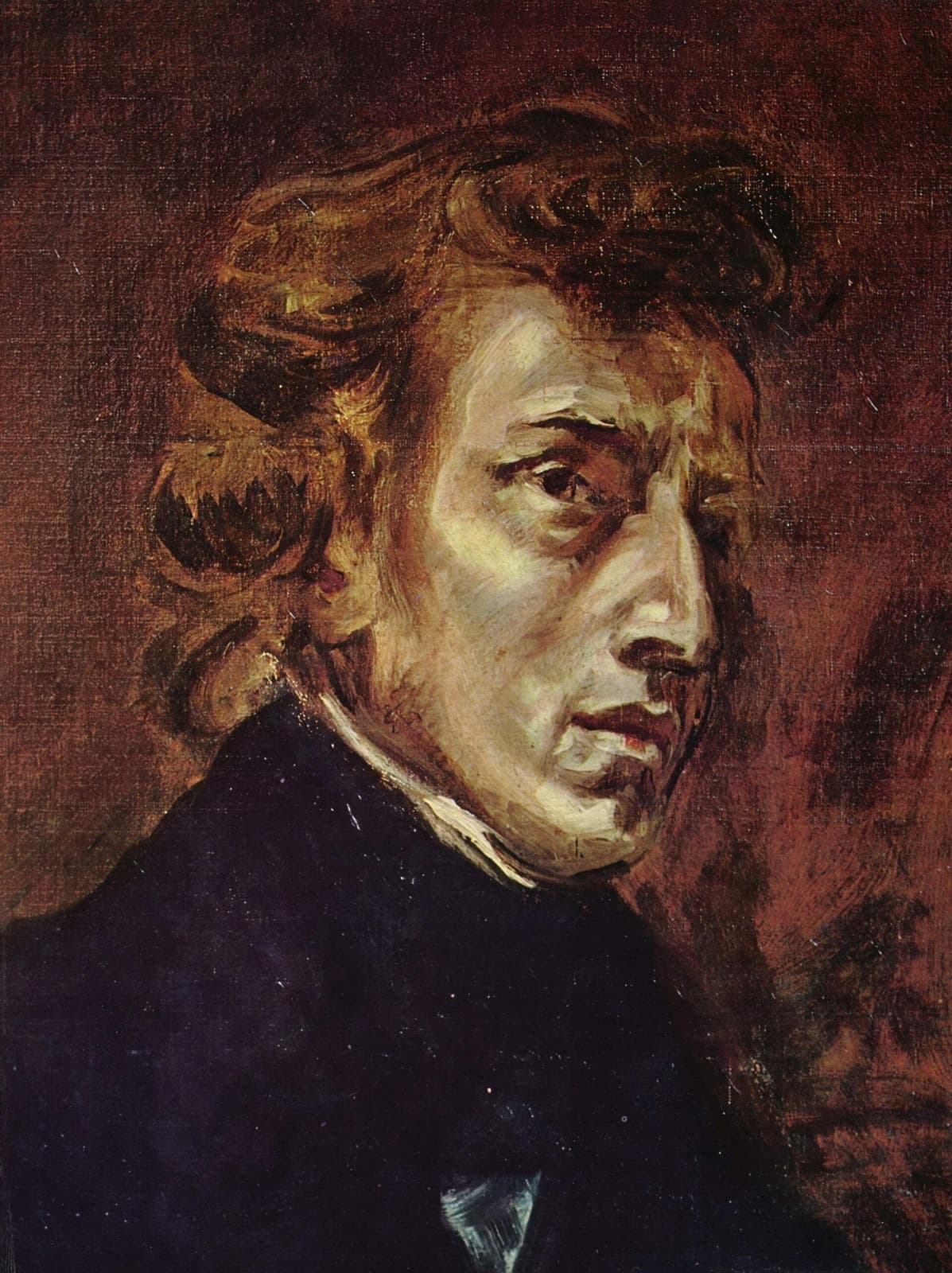
Frederic Chopin
It was half of a double portrait with George Sand listening at the piano, until somebody cut the canvas in two.

Fairy Tales
Andersen wrote his tales instead of collecting them, and put grief where the folk versions put magic. The mermaid pays for legs with her voice and every step feels like walking on knives.
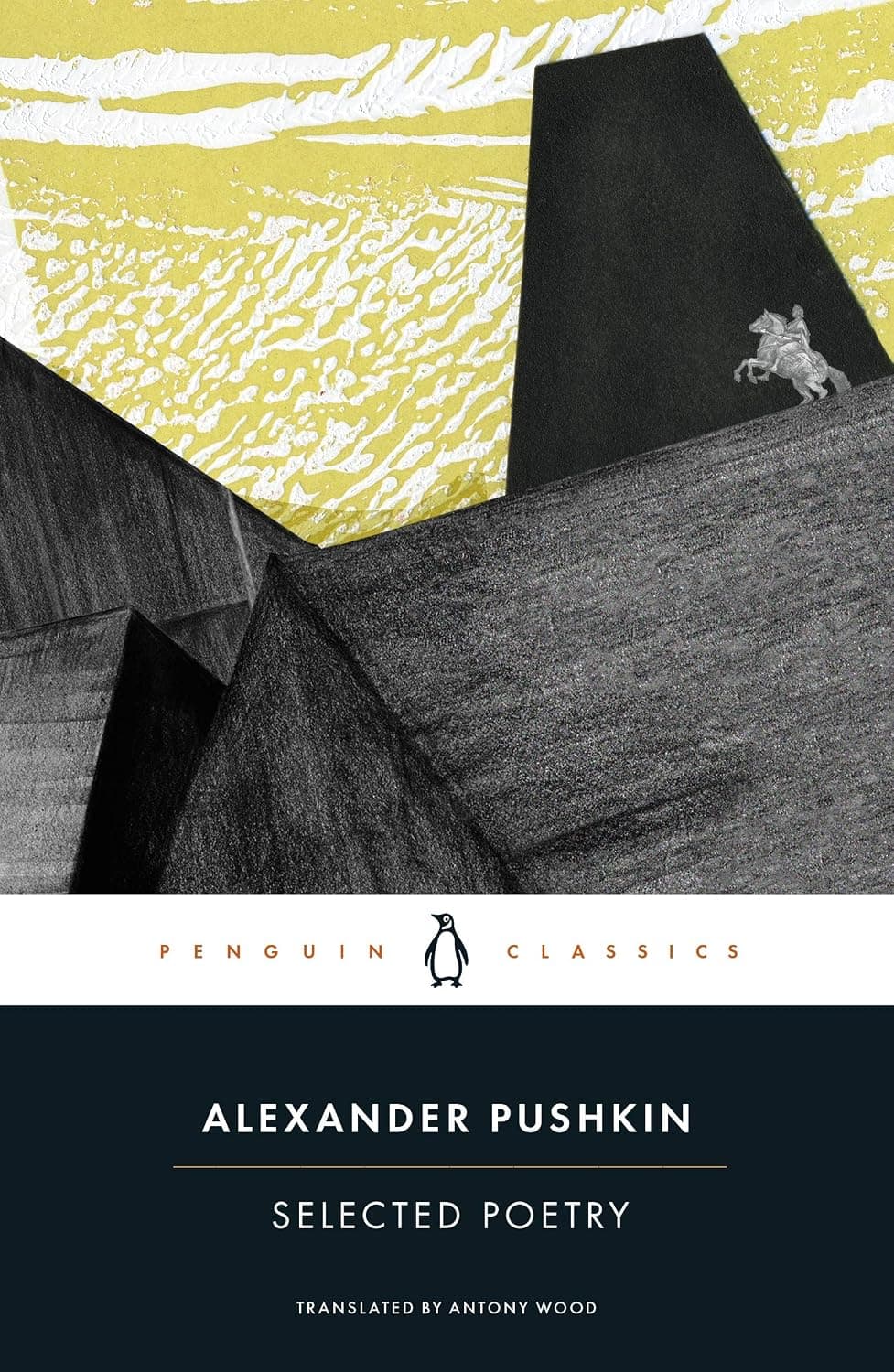
Selected Poetry
Pushkin's clerk in "The Bronze Horseman" loses everything to a flood, curses the tsar's statue, and is chased by it through Petersburg. Every Russian writer since has worked inside the language he made.

The Hunchback of Notre Dame
Medieval Paris rebuilt around the cathedral, where a deaf bell-ringer loves a dancer the archdeacon also wants. The novel made crumbling Notre-Dame a national cause and saved it from the wreckers.
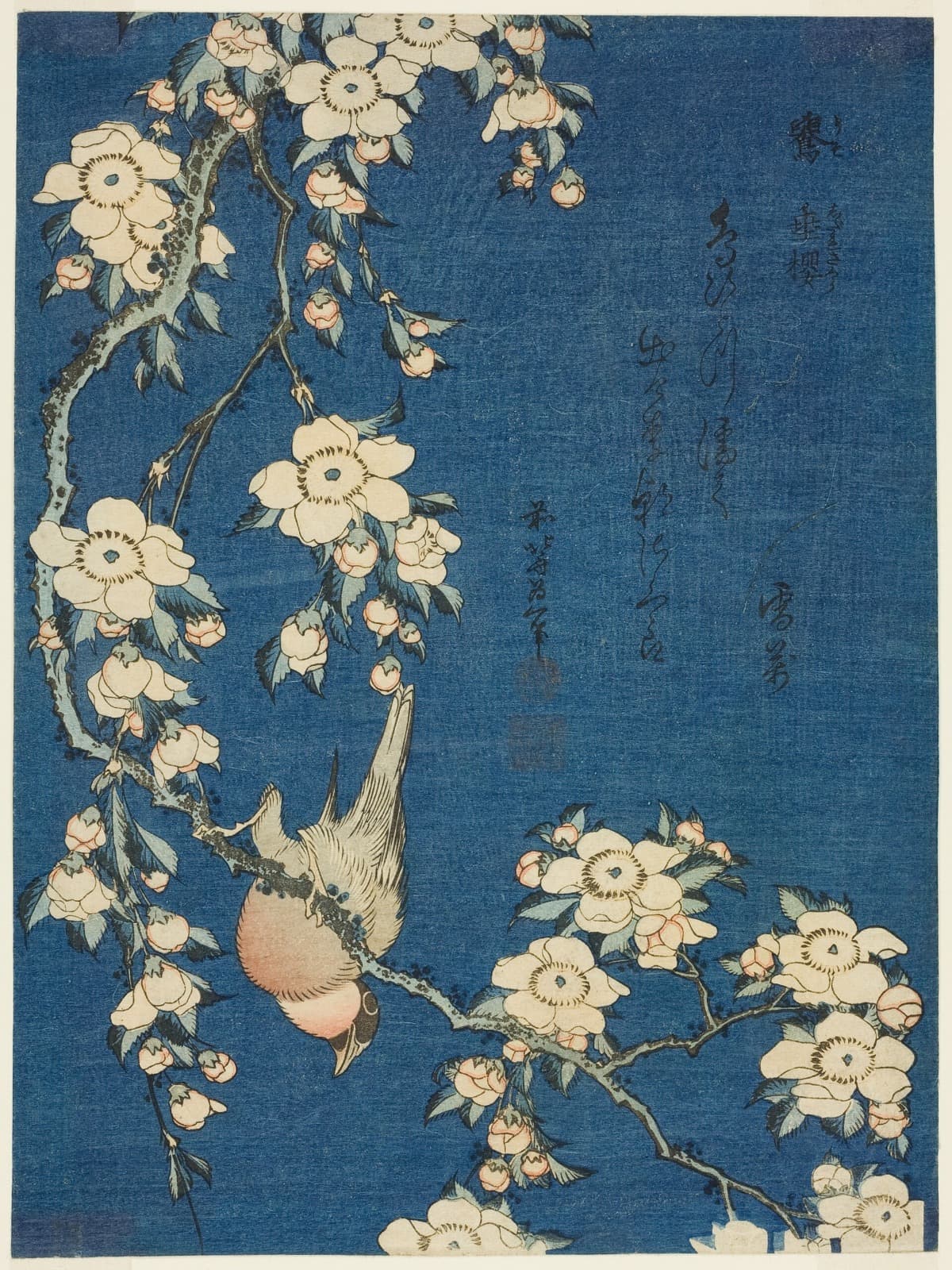
Bullfinch on Weeping Cherry
One plump bullfinch on a cherry sprig, a poem written beside it. The other Hokusai, quiet and exact, nothing like the wave.

Novels, Tales, Journeys
Pushkin cut Russian storytelling down to speed and clarity. An officer bullies an old countess for the secret of three winning cards, and a young soldier is swept into Pugachev's peasant rebellion.
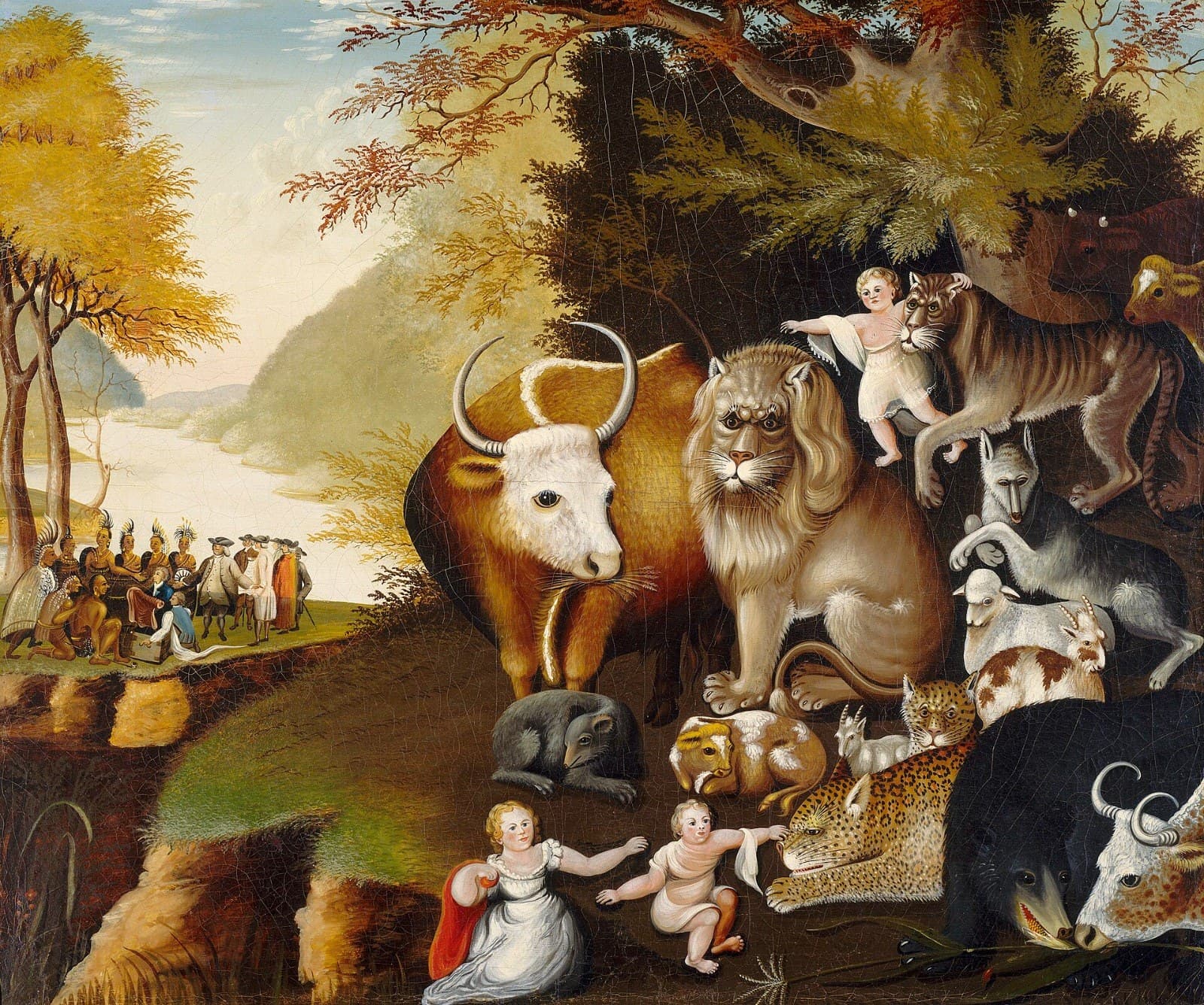
The Peaceable Kingdom
Hicks was a Quaker preacher and sign-painter who returned to Isaiah's prophecy about sixty times. Penn signs his treaty in the background.

Modern Rome - Campo Vaccino
The Roman Forum was a cattle pasture when Turner painted it, and he let the columns of empire evaporate into gold air.
Eternal vigilance by the people is the price of liberty.