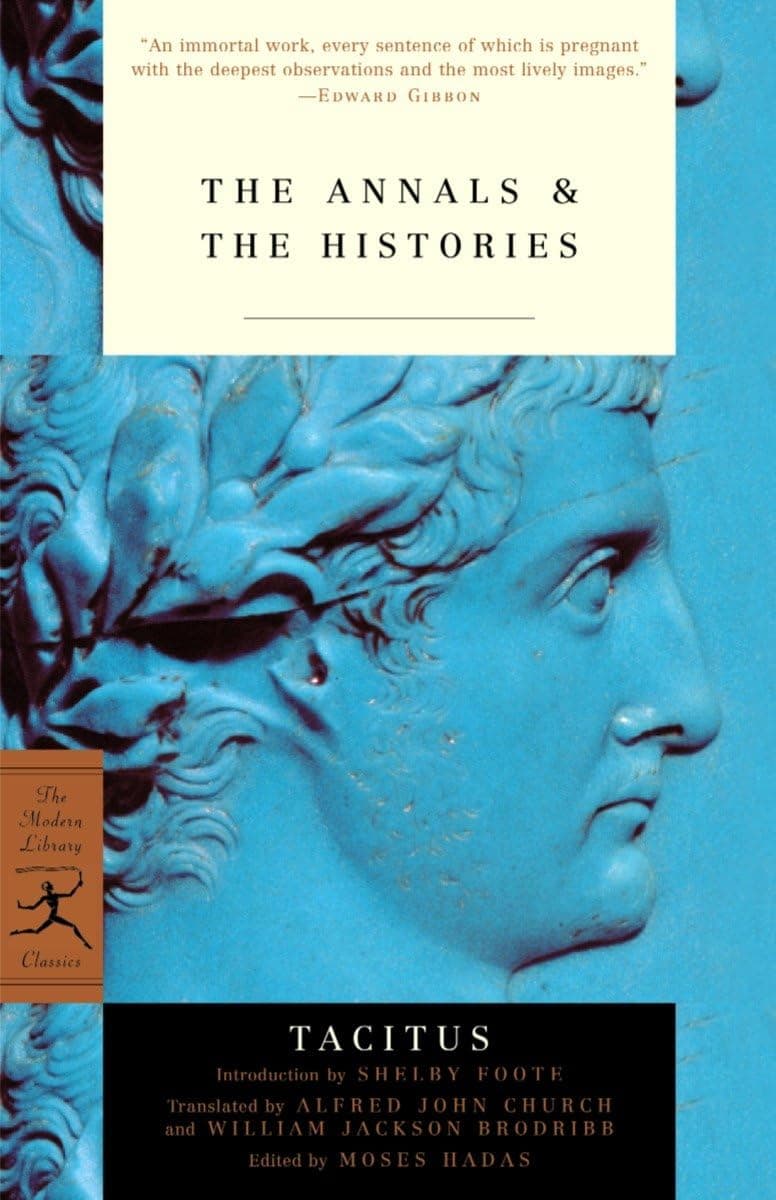
The Annals
117 · 596 pages
Tacitus promises to write without anger or partiality, then follows Rome from Augustus through Tiberius, Claudius, and Nero, ruining each of them in half a sentence. Power has never had a colder witness.
★ 7.6
 skopia
Tacitus promises to write without anger or partiality, then follows Rome from Augustus through Tiberius, Claudius, and Nero, ruining each of them in half a sentence. Power has never had a colder witness.
Born a slave, Epictetus taught that nothing is yours except what you make of what happens. These are his classroom talks, and he is losing patience with you.
On campaign at the Danube, Marcus Aurelius, emperor of Rome, wrote notes reminding himself to expect rude people and to die well. He is talking himself into it, and you can hear that.
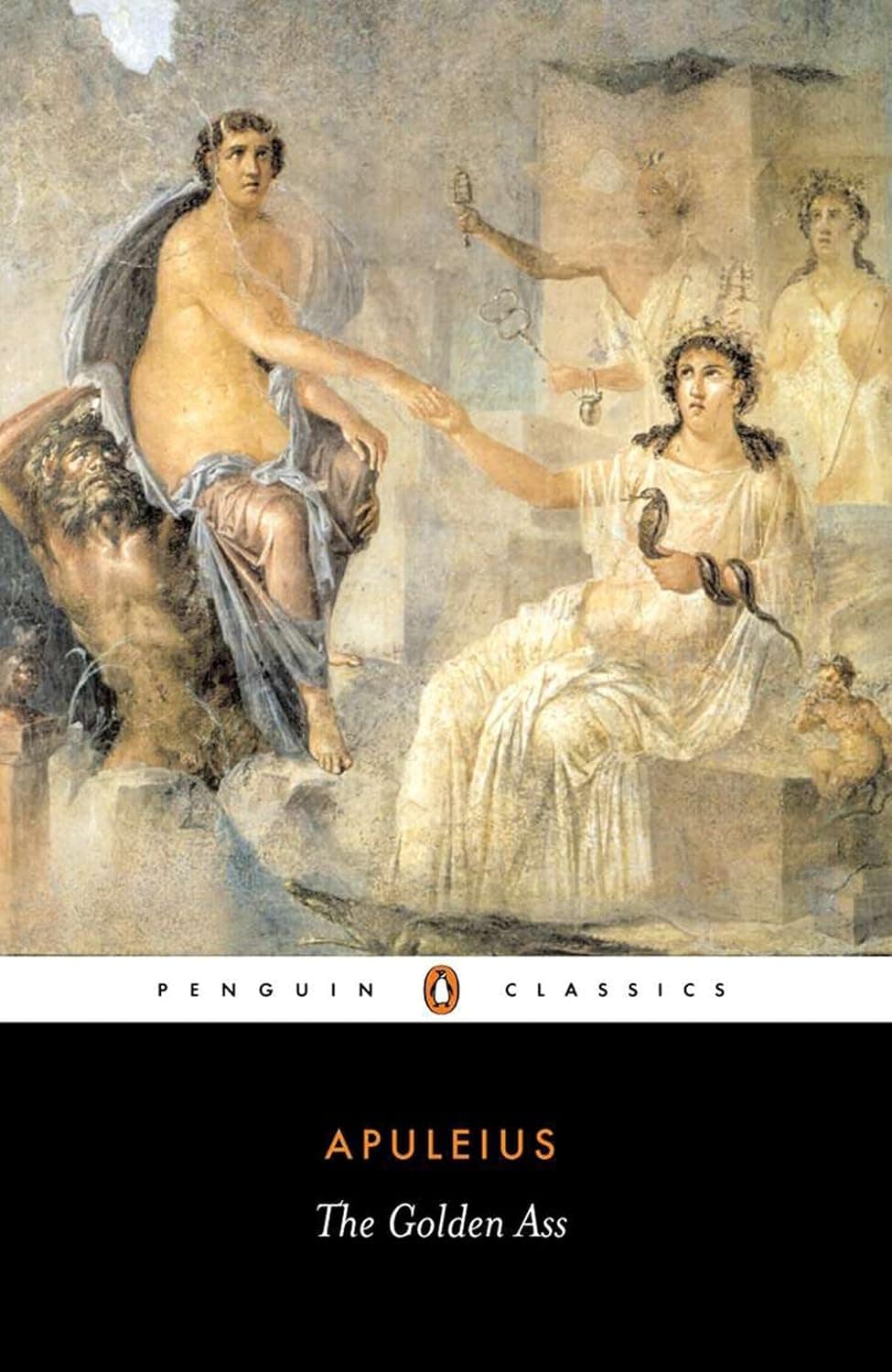
Meddling with magic, Lucius turns himself into a donkey and is beaten from owner to owner across Greece. The tale of Cupid and Psyche sits at the center, and the ending turns holy.

Stoicism cut down to a pocket manual: sort everything into what is up to you and what is not, stop wanting the second kind, and meet what comes without complaint.
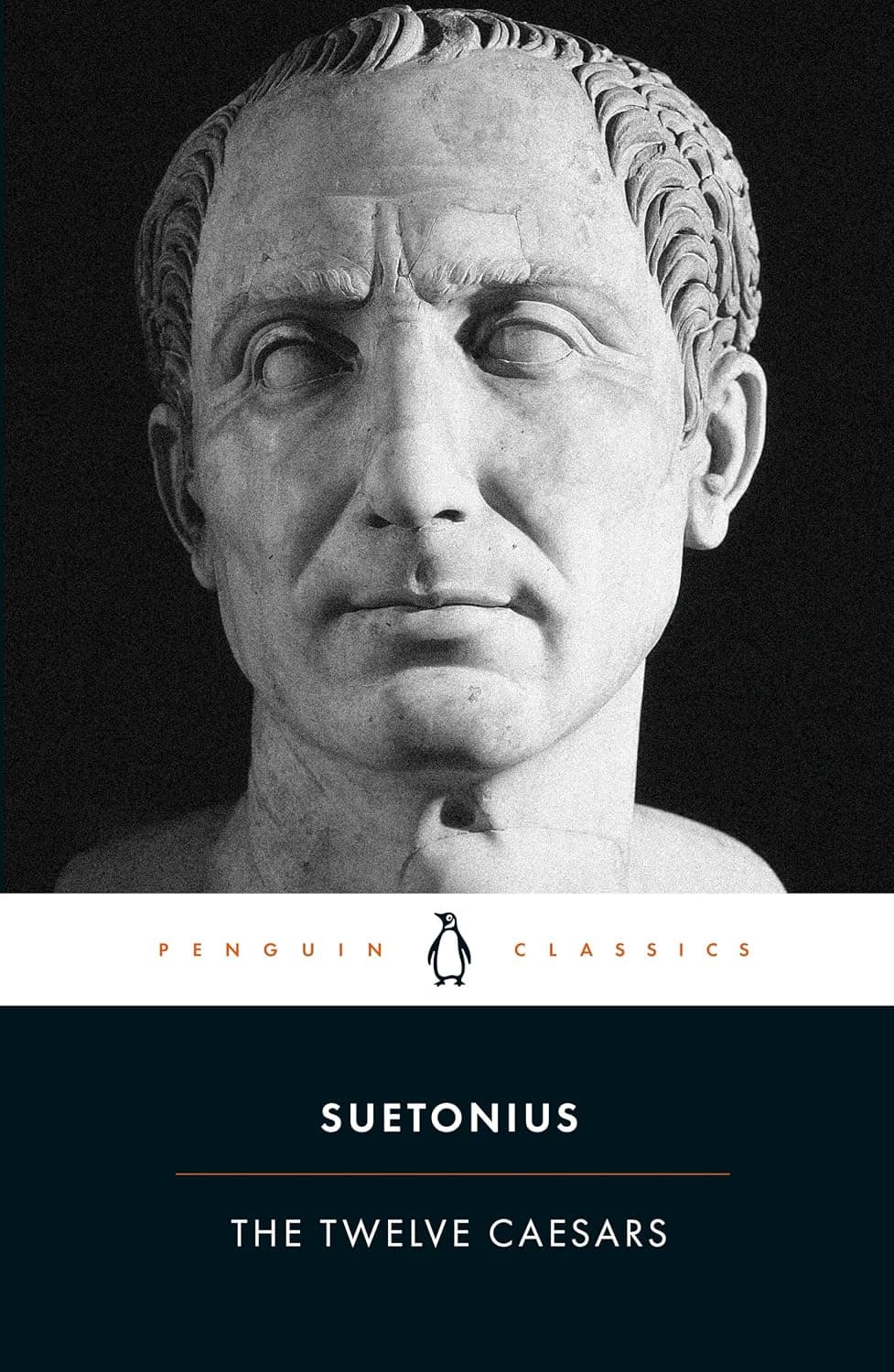
Secretary to the emperor Hadrian, Suetonius wrote the lives of Julius Caesar and eleven emperors after him, omens, gossip, last words and all. Our picture of Nero comes straight from these pages.