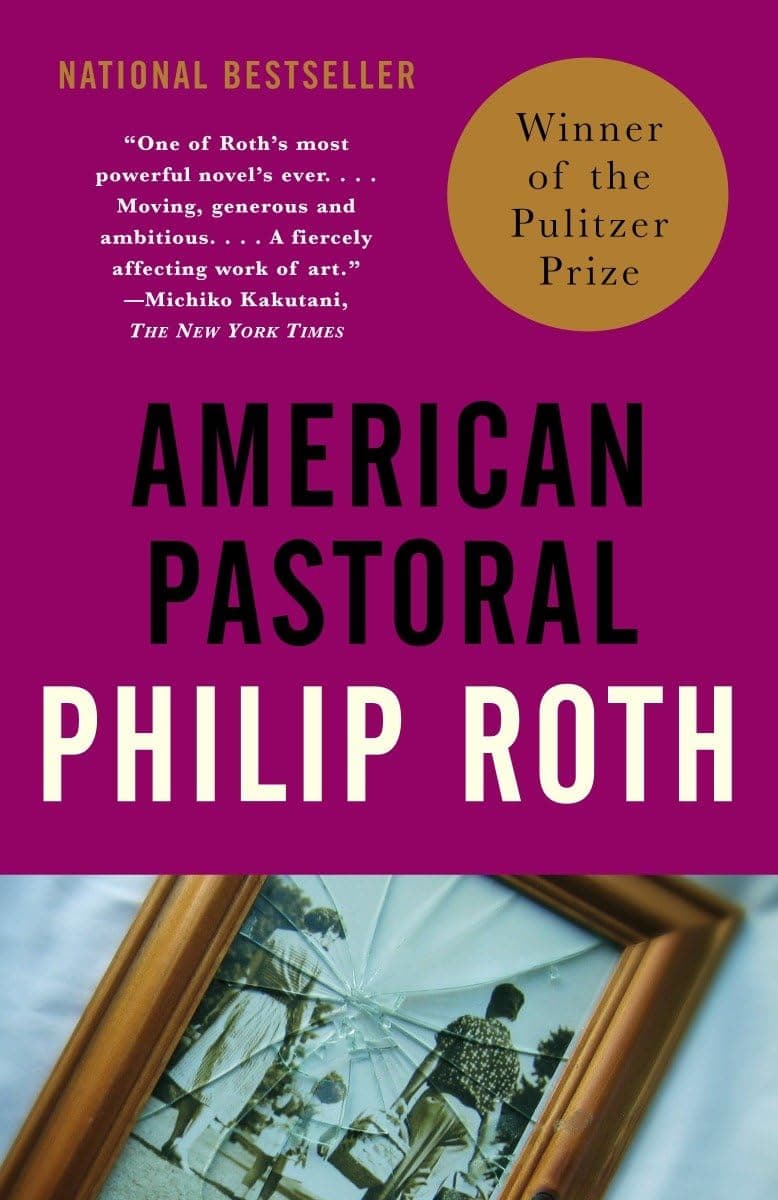
American Pastoral
1997 · 423 pages
Seymour Levov has a glove factory, a beauty queen wife, and the whole postwar American promise, until his stuttering daughter plants a bomb in 1968. Roth takes a decent man apart.
★ 7.7
 skopia
Seymour Levov has a glove factory, a beauty queen wife, and the whole postwar American promise, until his stuttering daughter plants a bomb in 1968. Roth takes a decent man apart.

Didion went into Haight-Ashbury in 1967 and came back with a five-year-old on acid and children improvising a society in a vacuum. She rebuilt American nonfiction prose around the sound of her sentences.
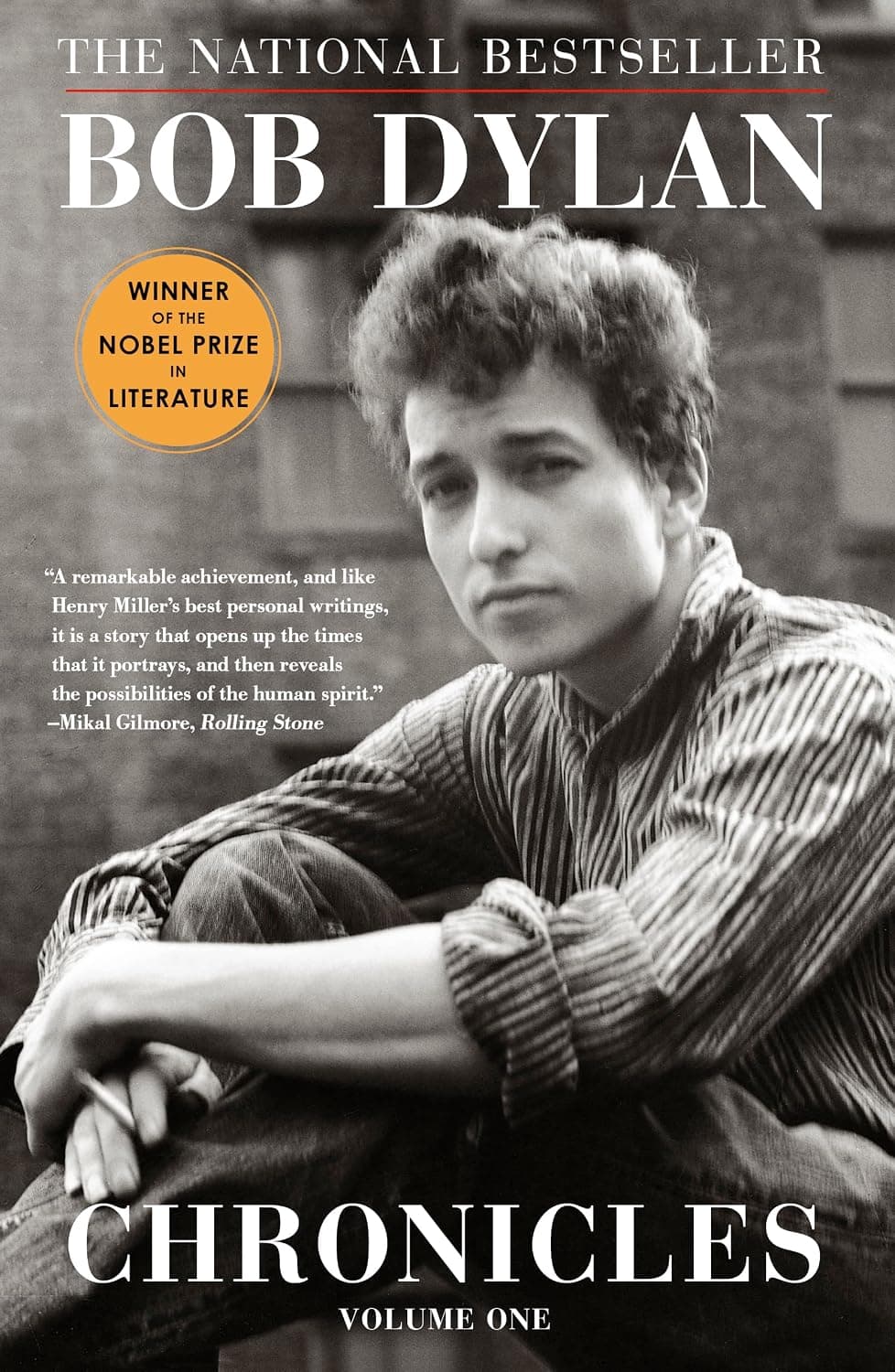
Dylan refuses the story everyone wants. He writes instead about borrowed couches in Greenwich Village in 1961 and a New Orleans studio in 1989, in prose as good as his songs.

Raoul Duke and his attorney drive to Las Vegas with a trunk of narcotics to cover a desert motorcycle race and a drug enforcement conference. The bender becomes Thompson's autopsy of the sixties.
"We tell ourselves stories in order to live," the title essay begins, then takes the story apart: the Manson trial, a Doors session going nowhere, and a psychiatric report on Didion herself.

Hearing the Beatles song years later, a man returns to 1969 Tokyo, where his best friend's suicide left him loving two women at once. Murakami dropped the fantastic entirely, and Japan devoured it.