
The Master and Margarita
1967 · 411 pages
The devil arrives in Stalin's Moscow with a retinue that includes an enormous talking cat, and the literary bureaucrats never recover. Threaded through it runs a stark short novel about Pontius Pilate.
★ 8.7
 skopia
The devil arrives in Stalin's Moscow with a retinue that includes an enormous talking cat, and the literary bureaucrats never recover. Threaded through it runs a stark short novel about Pontius Pilate.

Reveille to lights out in a Soviet labor camp, where the prisoner Shukhov scrounges an extra crust and lays bricks well in the cold. He counts it almost a happy day.
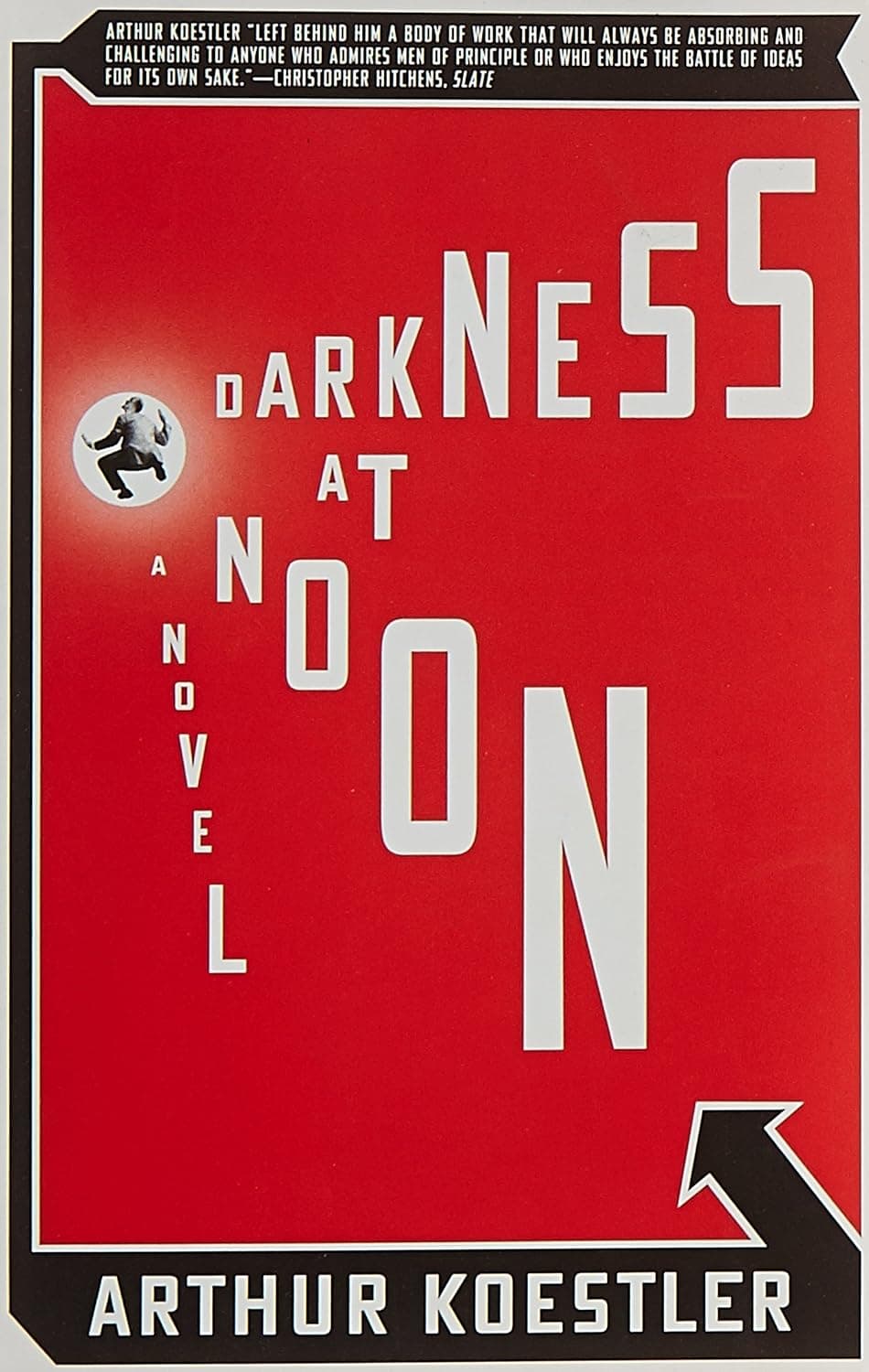
Arrested by the revolution he helped build, Rubashov confesses to crimes he never committed. The novel sold half a million copies in France and pulled a generation of Western leftists away from Moscow.
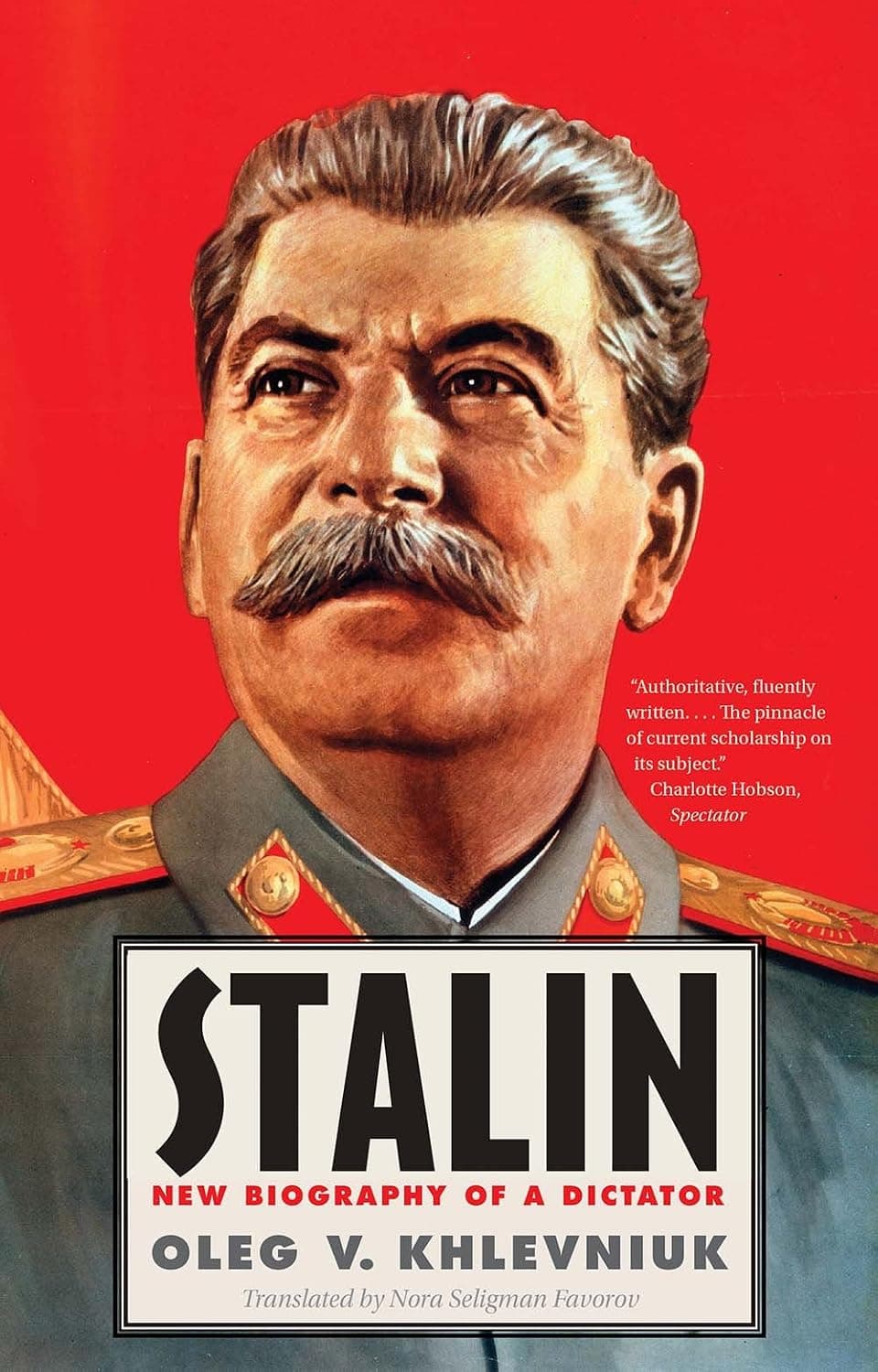
Each chapter opens with Stalin on his dacha floor in 1953, unattended for hours. From the archives Khlevniuk builds the rest: a micromanager who read everything and signed the death lists himself.

Kitchen by kitchen, Alexievich recorded Soviet citizens describing what the collapse did to them. They talk about lost savings and lost faith, and a bewildering grief for the country that jailed their parents.

Liberal democracy won, Fukuyama argued as the Soviet Union fell: no rival idea of how to organize a society remains. Then he asks what becomes of men with nothing left to struggle over.

Hergé sent his boy reporter into a Soviet Union he had never visited, cribbed from one anti-Bolshevik tract of rigged elections and staged factories. Crude work, and the series it opened conquered Europe.