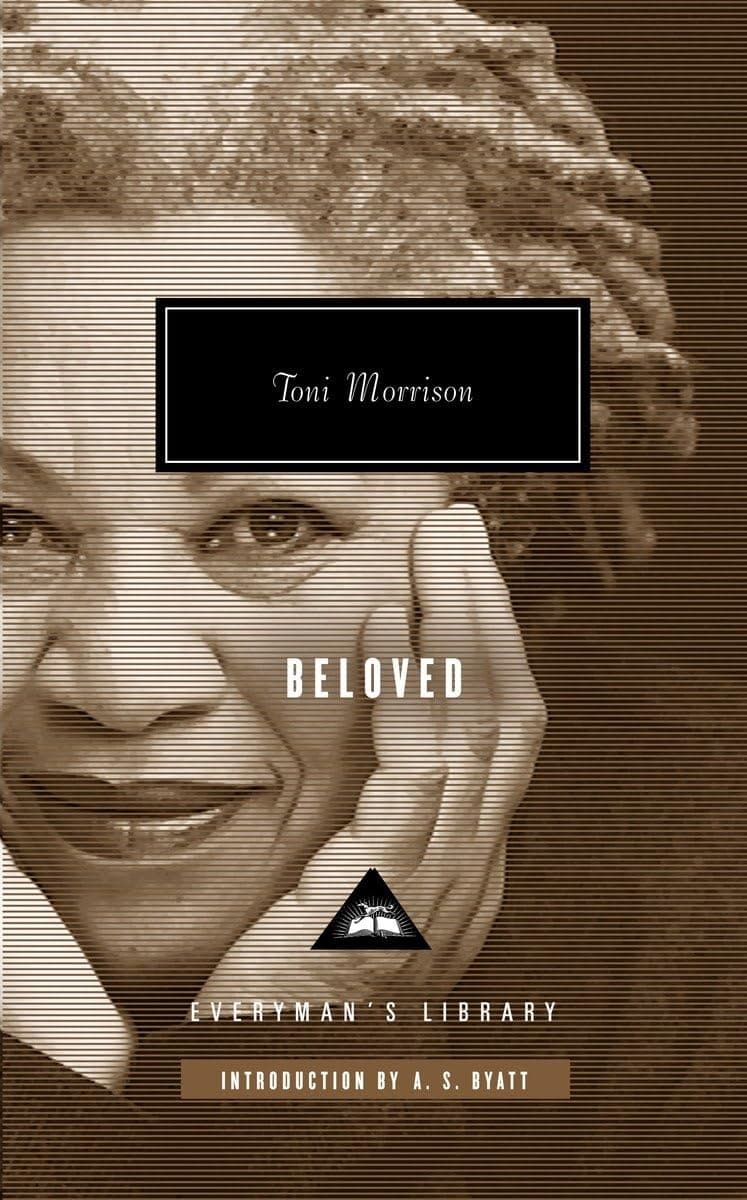
Beloved
1987 · 360 pages
Sethe escaped slavery years ago and cannot escape the daughter she lost, who comes back to the house as a young woman. Morrison writes American history's worst chapter with unbearable tenderness.
★ 9.4
 skopia
Sethe escaped slavery years ago and cannot escape the daughter she lost, who comes back to the house as a young woman. Morrison writes American history's worst chapter with unbearable tenderness.
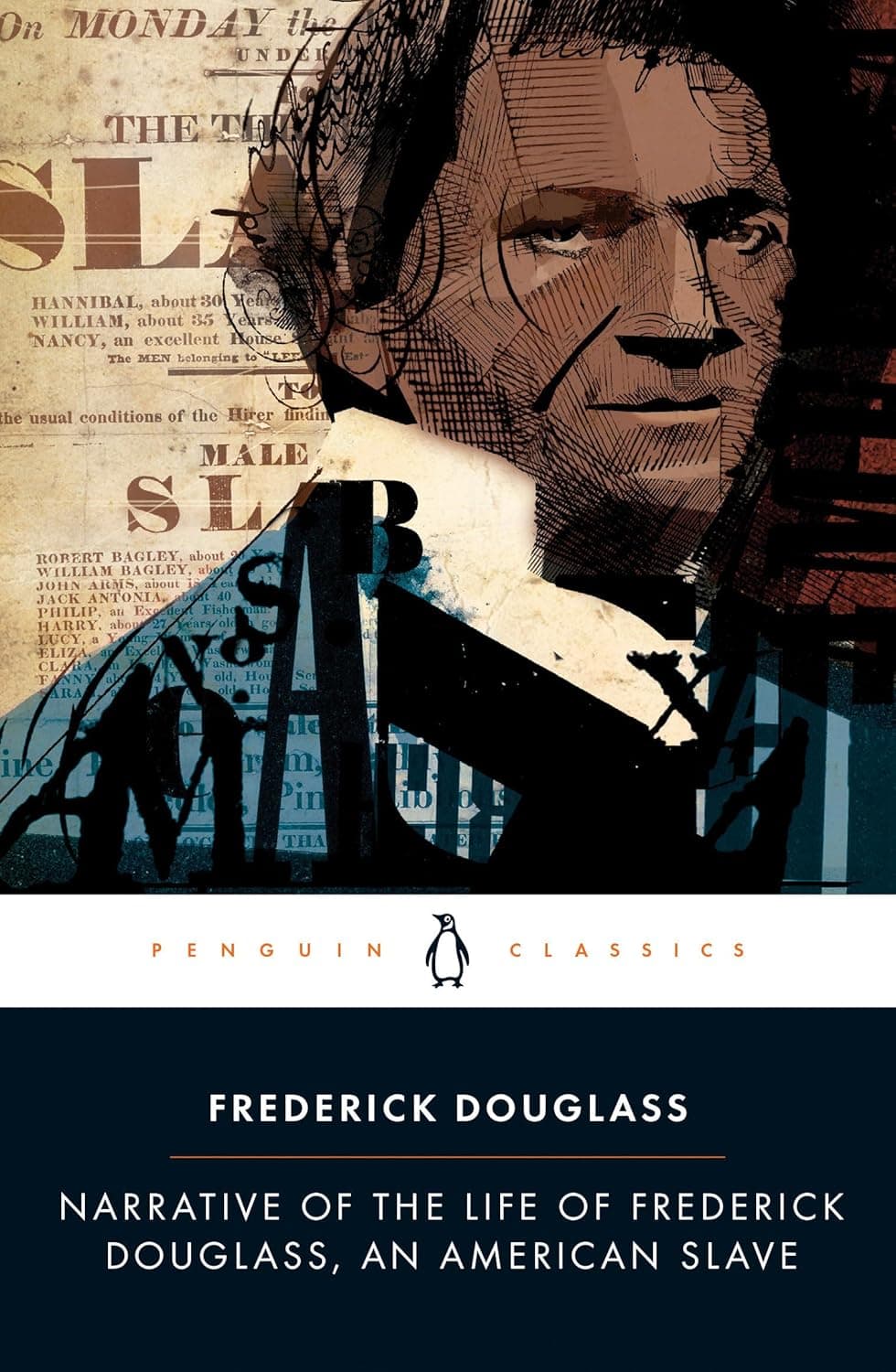
Born into slavery, Douglass taught himself to read in secret, fought the slave-breaker he was hired out to, and escaped. Naming his owners in print at twenty-seven forced him out of the country.

Enslaved people freed themselves, Du Bois argues, walking off plantations in a general strike that broke the Confederacy. He then shows what Black voters built during Reconstruction and who tore it down.
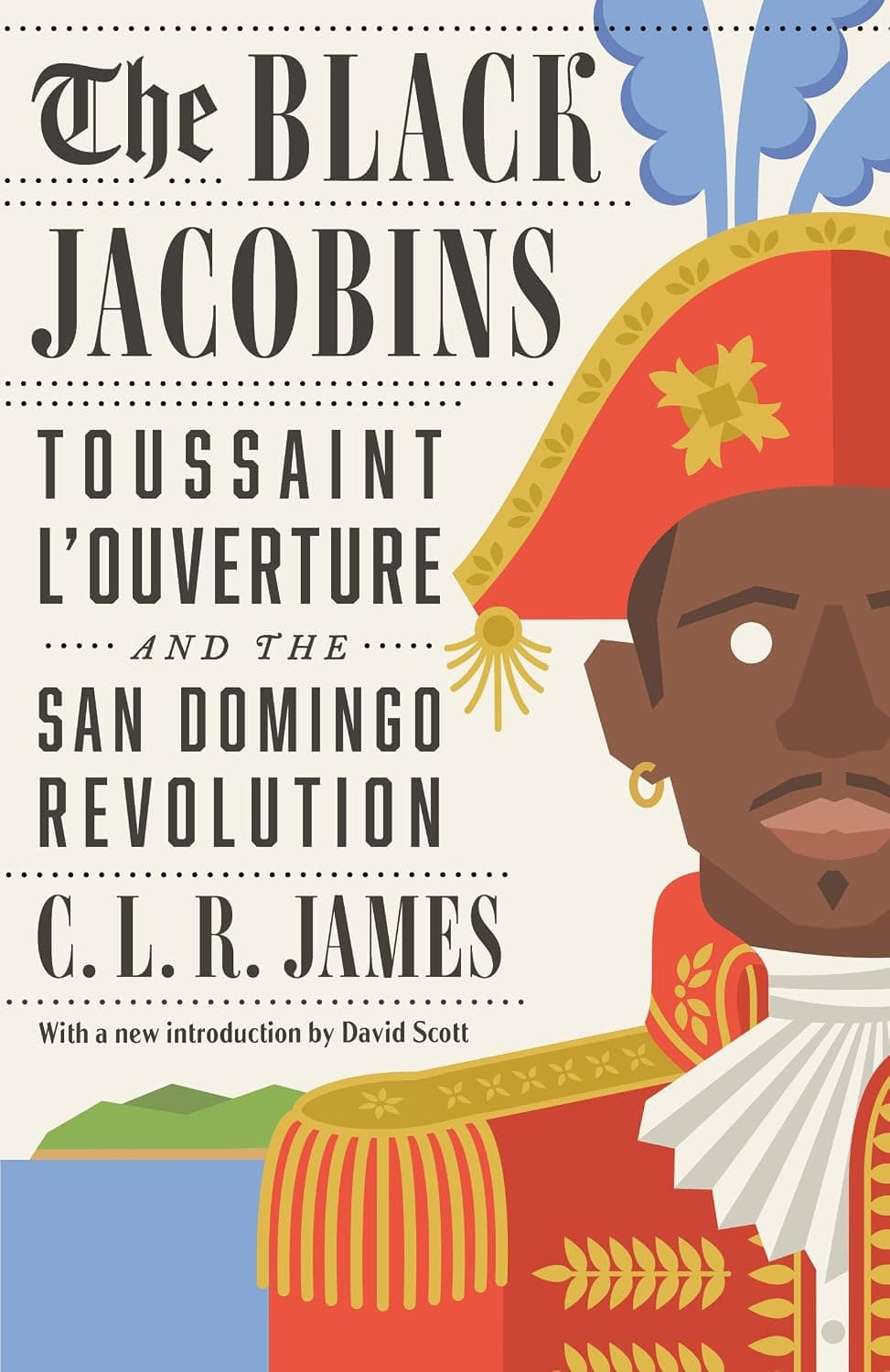
Enslaved people in the French colony that became Haiti rose in 1791 and defeated Napoleon's army. James wrote their revolution as world history, with Toussaint Louverture, born a slave, at its center.

Northup was a free New Yorker with a family and a violin. Lured to Washington in 1841, he woke chained in a slave pen and spent twelve years on Louisiana cotton plantations.

Virginia's planters learned from the uprising of 1676 that poor whites and enslaved Africans might combine against them, and answered by writing racial contempt into law. Morgan makes freedom and slavery one story.

Seven years in a crawlspace three feet high, watching her children through a peephole. Jacobs named what men's slave narratives left out: the owner who pursued her from her teens.

Eliza crosses the frozen Ohio on breaking ice with her child. Stowe sold three hundred thousand copies within twelve months and made slavery intolerable to Northerners who had lived comfortably beside it.

Henry Townsend was bought out of slavery by his father and came to own more than thirty slaves himself. Jones wrote the novel that forced American fiction to hold Black slaveholders in view.

Scarlett O'Hara claws her plantation back through the burning of Atlanta, wanting the wrong man. Mitchell's romance of a gallant South sold thirty million copies and fixed a pastoral memory of slavery.

Born enslaved in Virginia, Washington built Tuskegee from nothing and wrote it up as a parable of self-help. His bargain with white America, separate as the fingers, split Black politics.
Dana, a Black writer in 1976 Los Angeles, is pulled to a Maryland plantation and made to keep alive the white boy who will father her line. Each return costs her more.

Carpentier's preface named the marvelous real: Latin American history already outruns anything the surrealists could invent. He proves it across the Haitian Revolution, watched from below by an enslaved man named Ti Noel.

Life on the plantation seen from the slave quarters outward: Genovese shows how the enslaved turned the master's claim of paternal care into leverage and made Christianity mean what the master never intended.

A Dominican friar who watched it happen set down, island by island, what Spain did to the people of the Caribbean. He forced an empire to argue whether the conquered were human.

Stampp argued in 1956 that Southern slavery was a profitable labor system sustained by violence, not the benign paternalism white historians taught. The plantation legend never recovered its standing in American history departments.