The Structure of Scientific Revolutions
Science does not creep forward by adding facts, Kuhn argues. It works inside one framework until the anomalies pile up and the whole picture flips. Paradigm shift is his phrase and his idea.

Science does not creep forward by adding facts, Kuhn argues. It works inside one framework until the anomalies pile up and the whole picture flips. Paradigm shift is his phrase and his idea.

Victor Frankenstein builds a man from corpses and flees when it opens its eyes. The creature teaches itself to read, then comes back to bargain with its horrified maker for one companion.

Five years at sea gave Darwin fossil giants in Patagonia, an earthquake lifting the Chilean coast, and Galapagos tortoises. He wrote it as travel narrative, and evolution grew out of these notes.

Why does a pane of glass reflect some of the light striking it? Feynman answers with arrows on paper and not one equation, handing quantum electrodynamics whole to readers who never took physics.

Weber told students in a collapsing Germany what science and politics demand: science can give you clarity but never choose your values, and politics is the slow boring of hard boards.

Cylinders fall on Horsell Common outside Woking, and the Martians rise out of them with heat-rays and walking machines. Wells turned the British Empire's own conquests around and pointed them at Surrey.

Einstein's physics taken as seriously as Einstein's life. Pais knew him at Princeton, could follow the mathematics, and produced the account against which every later scientific life of Einstein is measured.

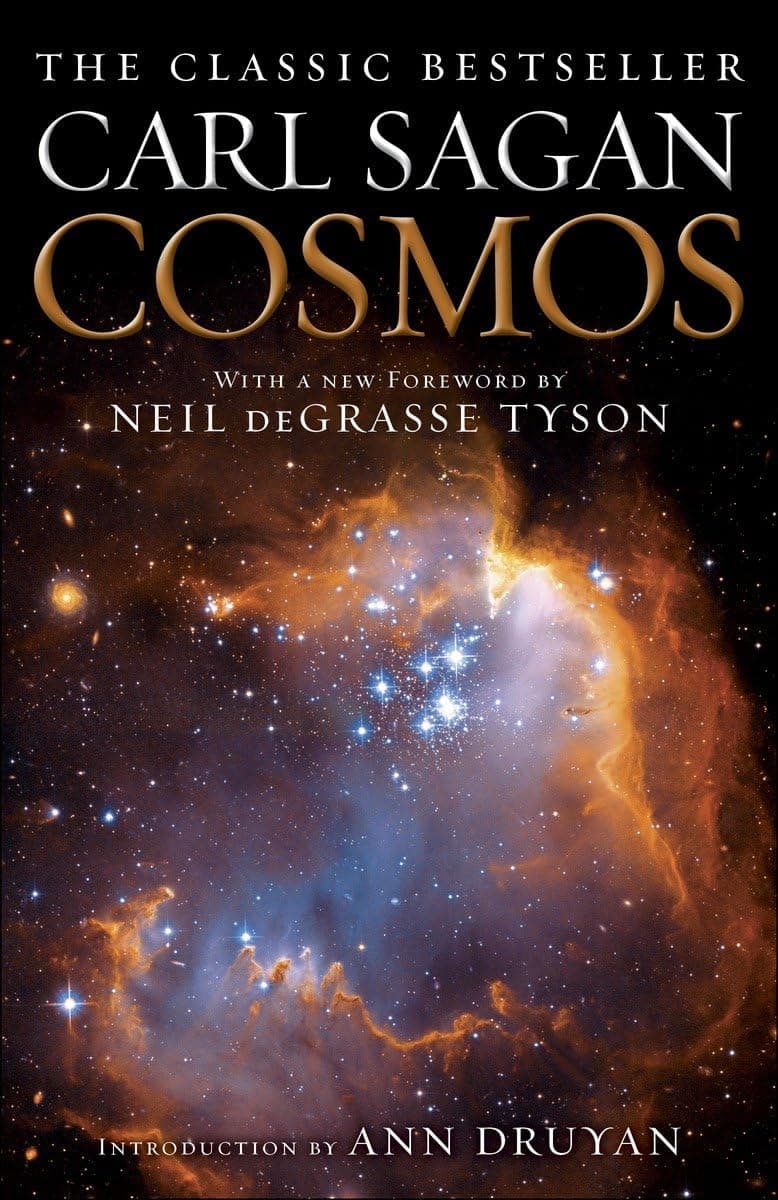
Sagan moves from the Big Bang to the Library of Alexandria to the carbon in your body, forged inside dying stars. No science book written in English had ever sold so well.

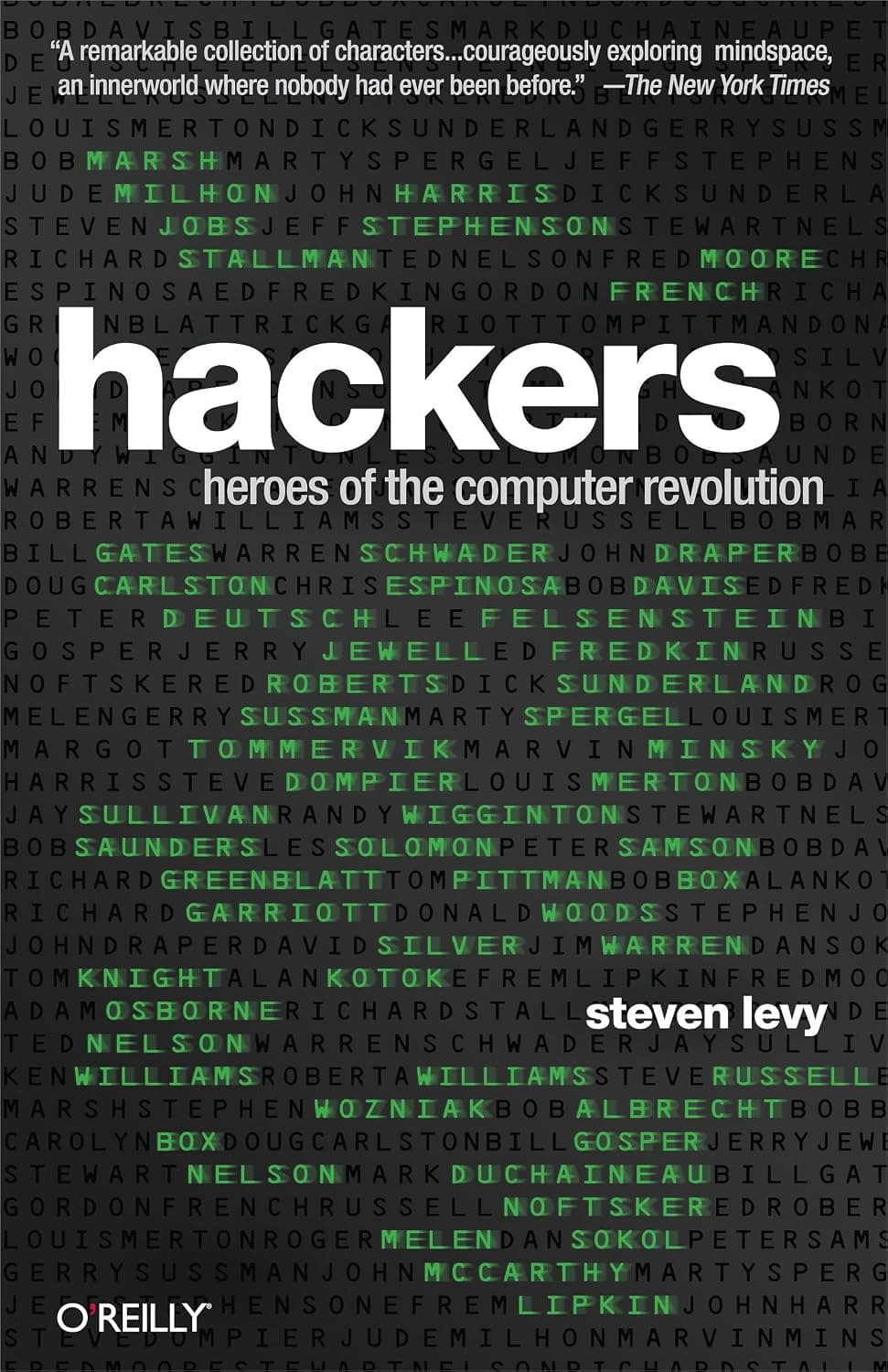
Levy found the hacker ethic among MIT students who monopolized the university's computers all night: all information should be free, mistrust authority, judge a person by the code. Silicon Valley still recites it.

Gamow carries a reader from counting to infinity, from atoms to the expanding universe, drawing every illustration himself. The psychologist Steven Pinker traces his science writing to reading this as a boy.