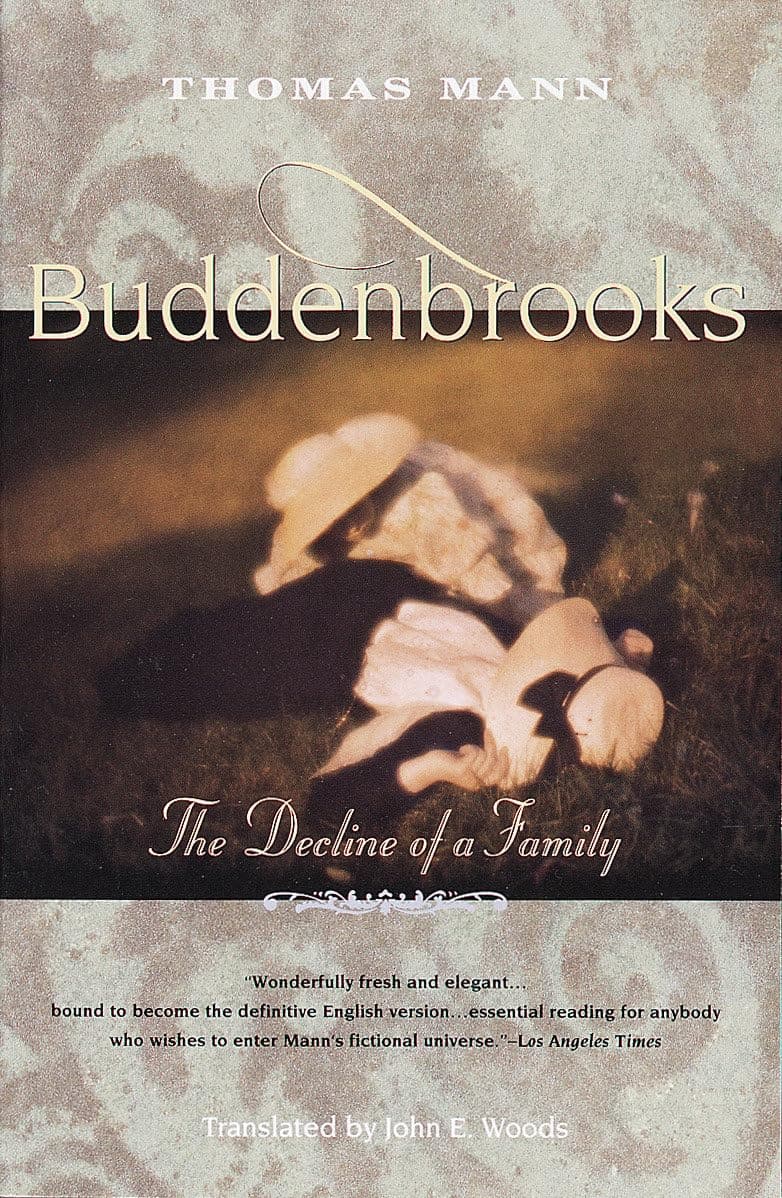
Buddenbrooks
1901 · 731 pages
Four generations of a north German grain family run the firm, growing more refined and less fit to survive. Mann counts every dinner and funeral until the decline turns personal.
★ 8.0
 skopia
Four generations of a north German grain family run the firm, growing more refined and less fit to survive. Mann counts every dinner and funeral until the decline turns personal.
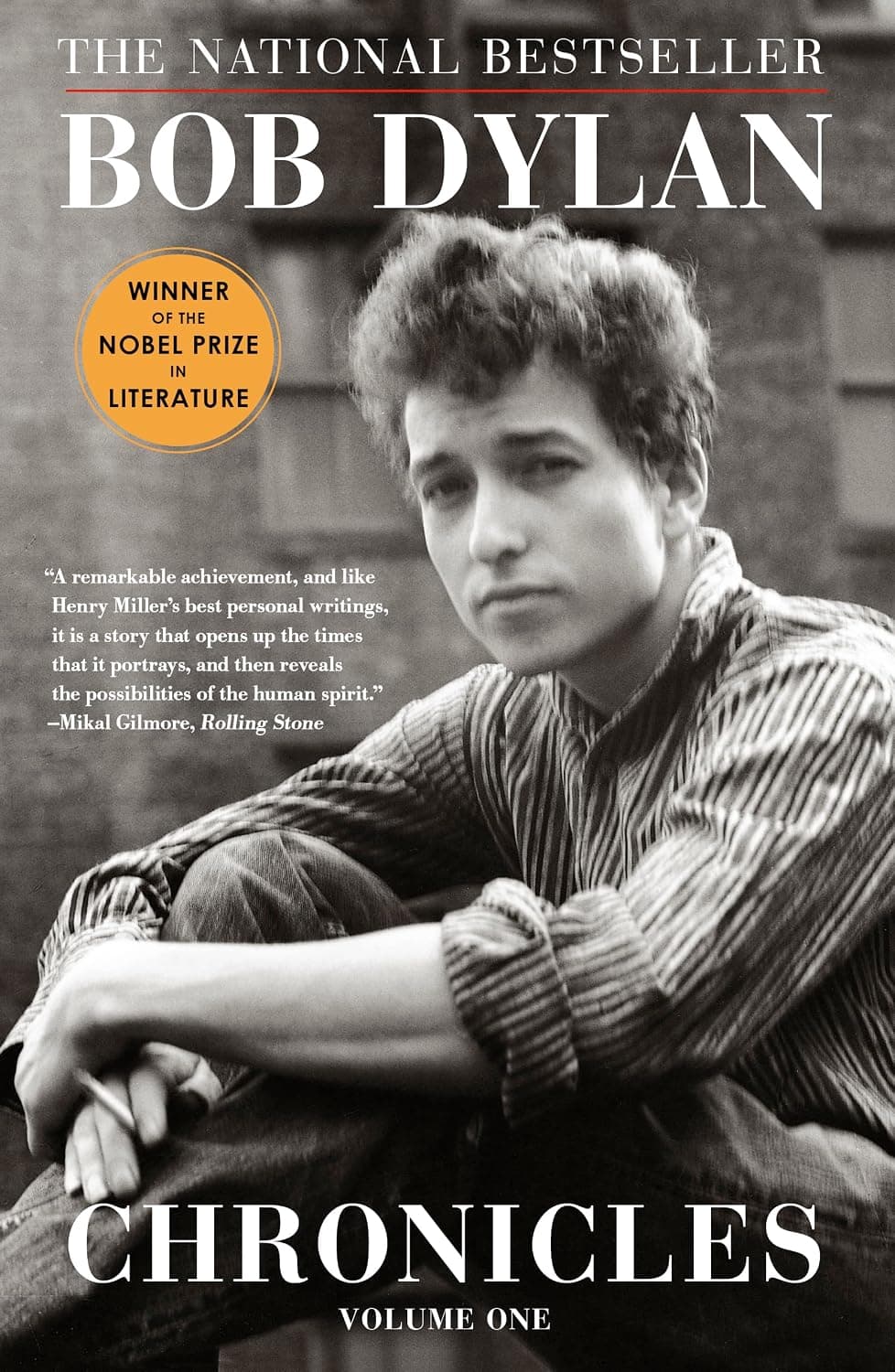
Dylan refuses the story everyone wants. He writes instead about borrowed couches in Greenwich Village in 1961 and a New Orleans studio in 1989, in prose as good as his songs.
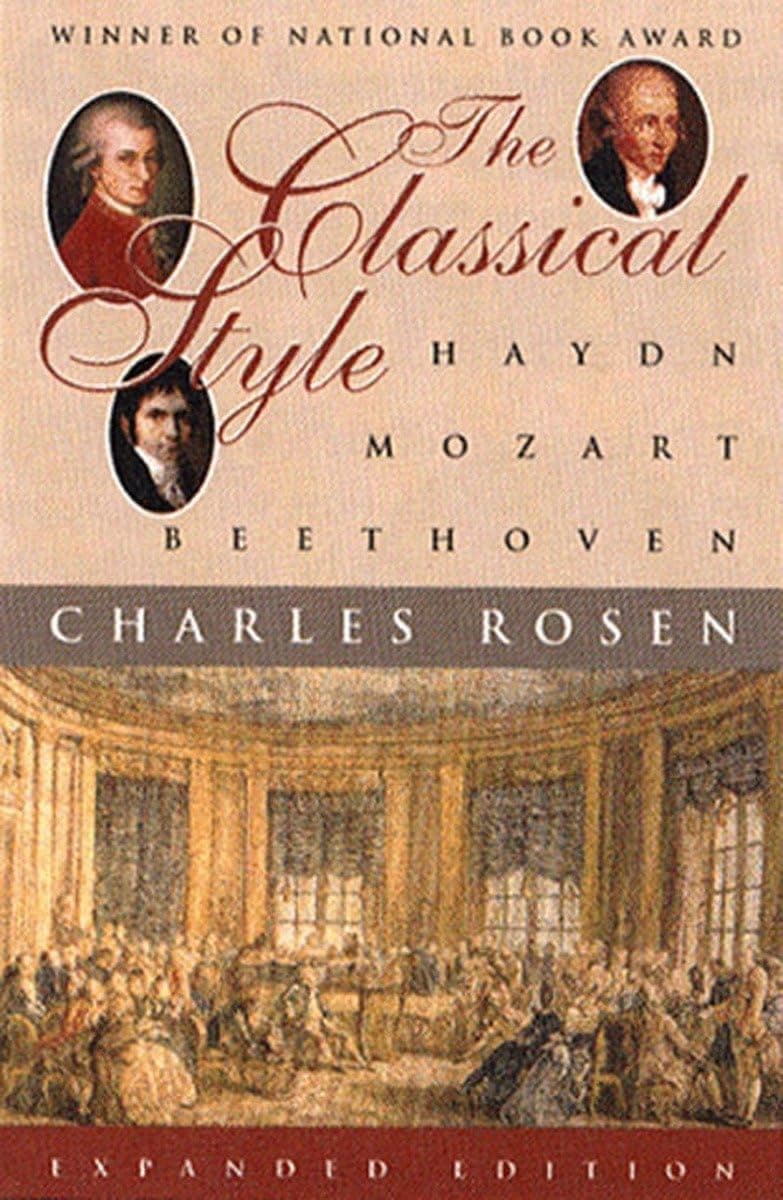
Haydn, Mozart, and Beethoven made drama out of harmony itself, Rosen shows, with tension and resolution shaping every movement. A concert pianist wrote it, and it changed how musicians hear the whole period.
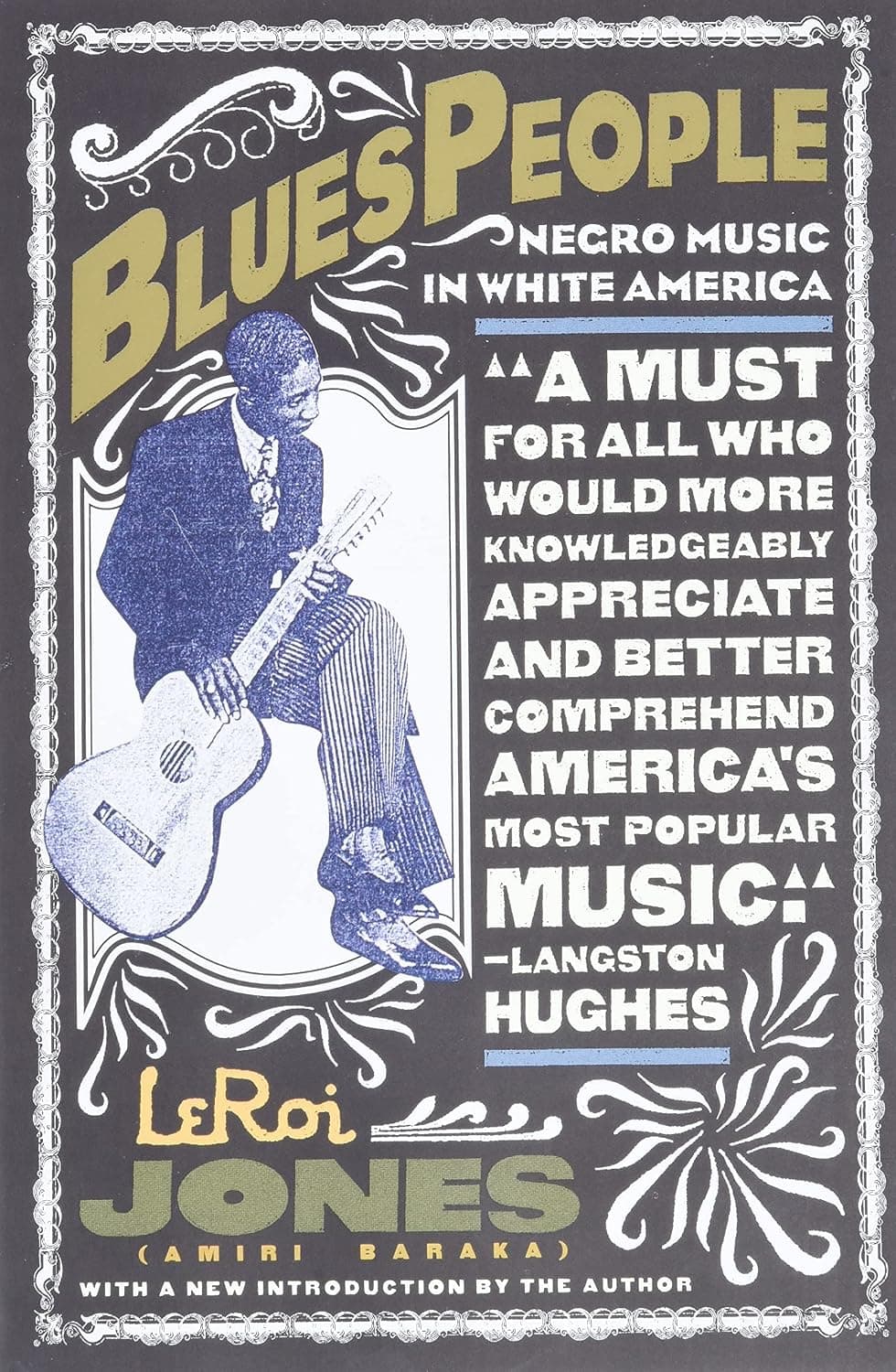
Baraka wrote the first full-length history of blues and jazz by a Black American, hearing in the move from work song to blues to bebop the record of what happened to a people.
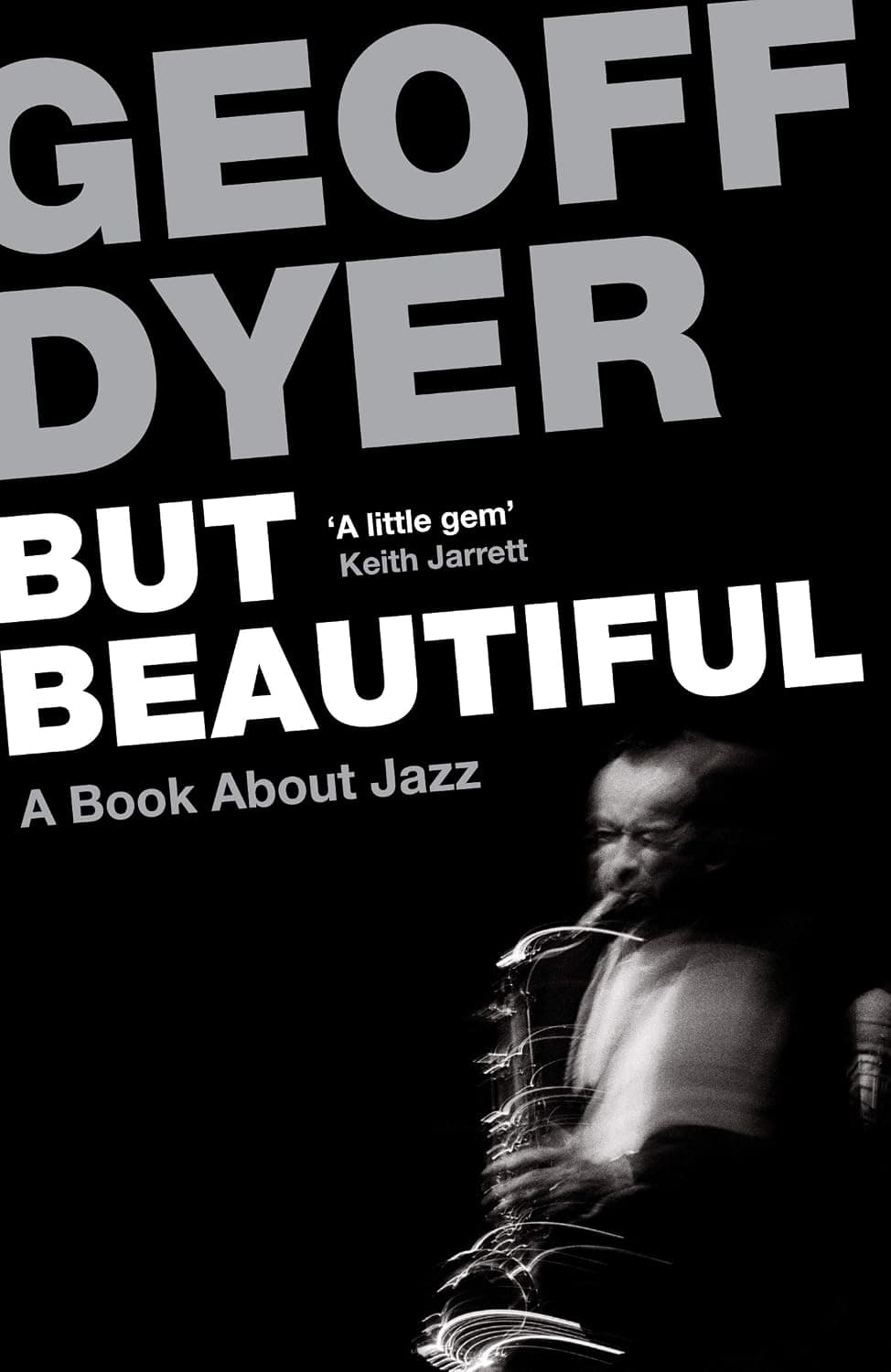
Dyer imagines his way into the nights of jazz musicians, Lester Young after the army broke him and Thelonious Monk alone at a piano, inventing scenes to reach what no biography can.
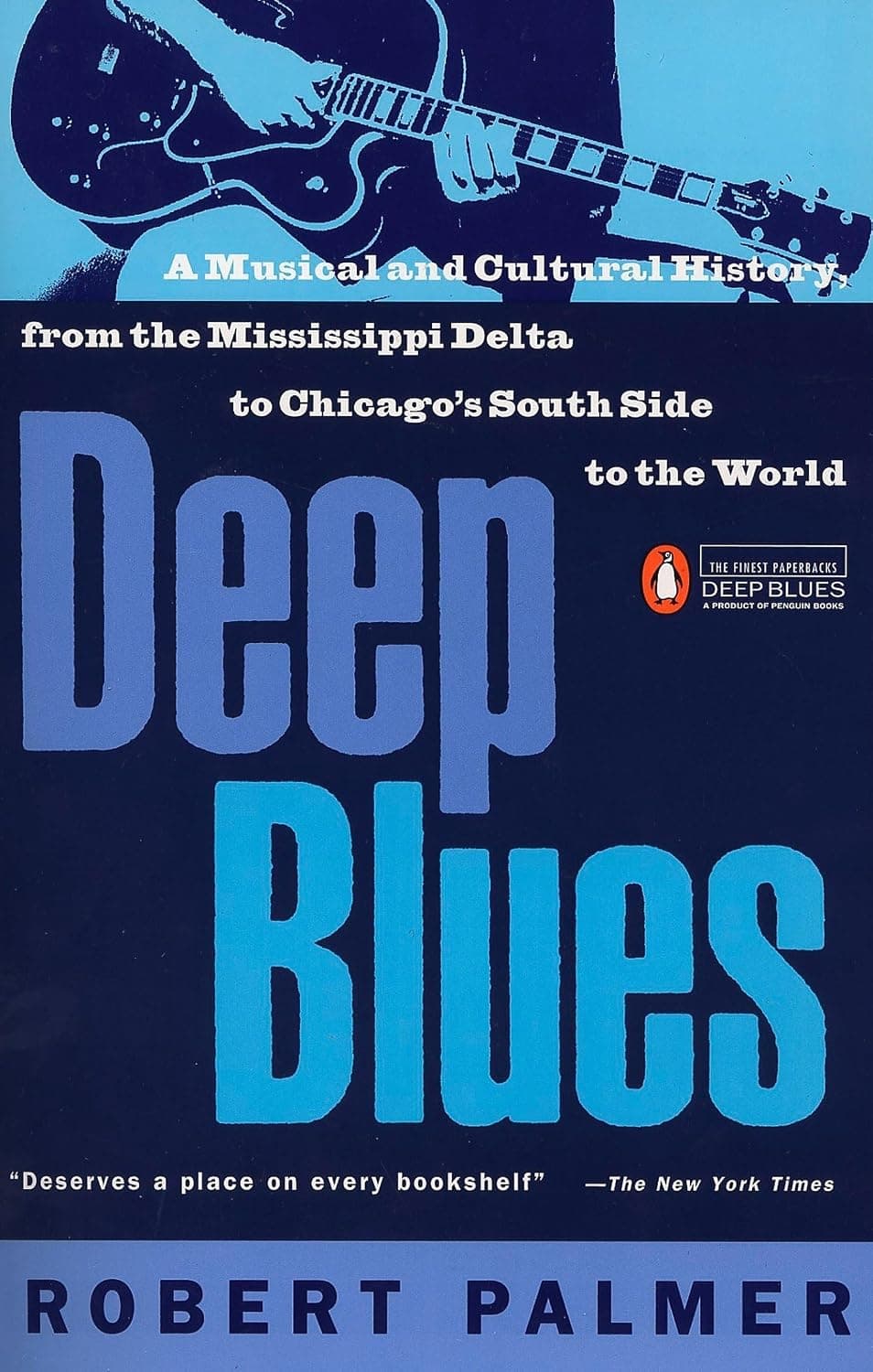
Palmer traces the blues from Mississippi Delta plantations through Memphis to Chicago's South Side, and he hears exactly what Charley Patton, Robert Johnson, and Muddy Waters were doing on the strings.

Guerrillas storm a vice president's mansion somewhere in South America and hold the room for months. Among the hostages is a soprano who sings each morning, and everyone begins falling in love.
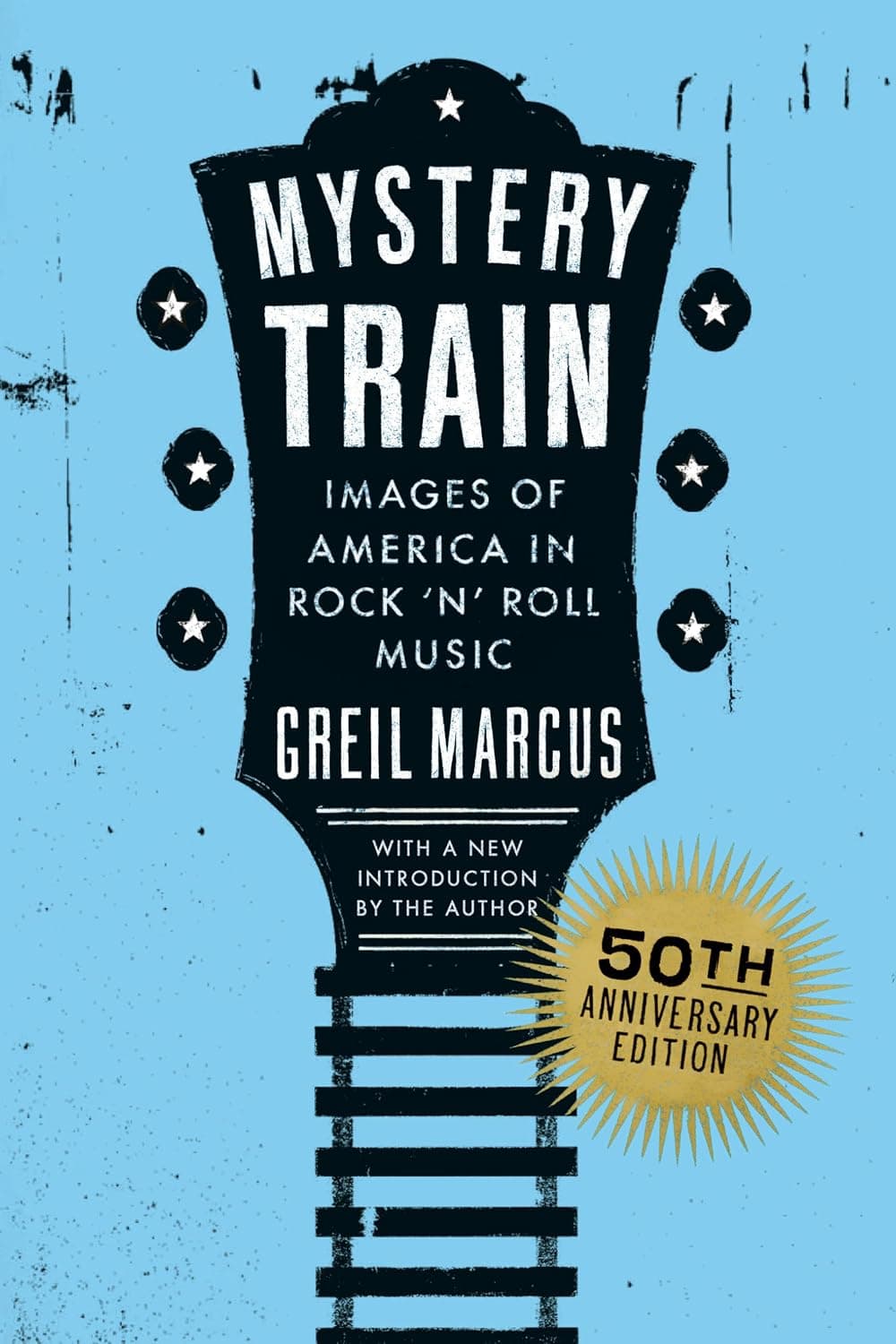
Still the sharpest book written about rock and roll. Marcus treats Elvis, Robert Johnson, and Sly Stone as American artists on the scale of Melville, reading their records for what America is.
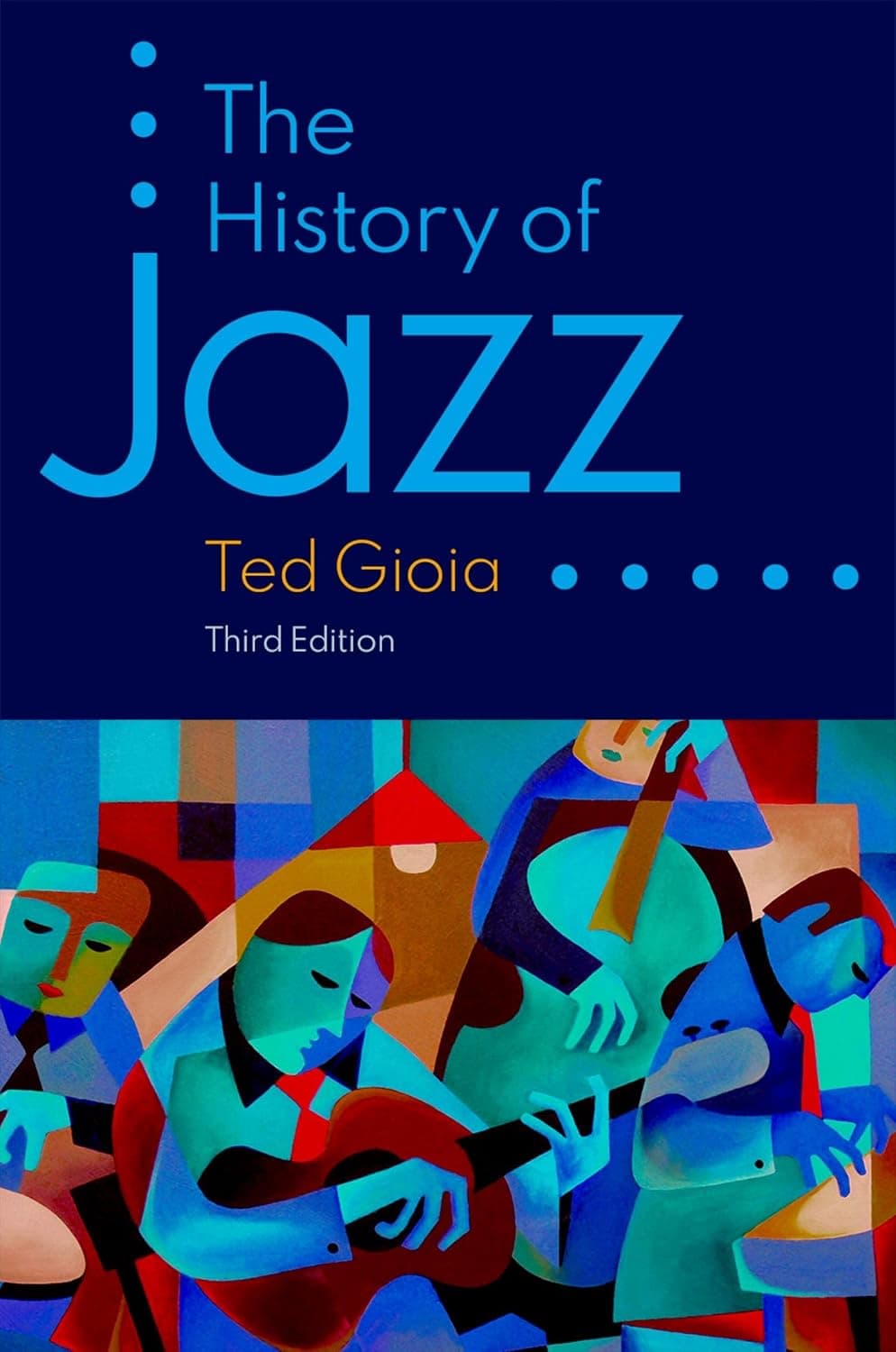
Gioia plays jazz piano and writes criticism, and both show in the single history worth owning, which runs from the New Orleans brass bands through bebop and Coltrane to what is played now.
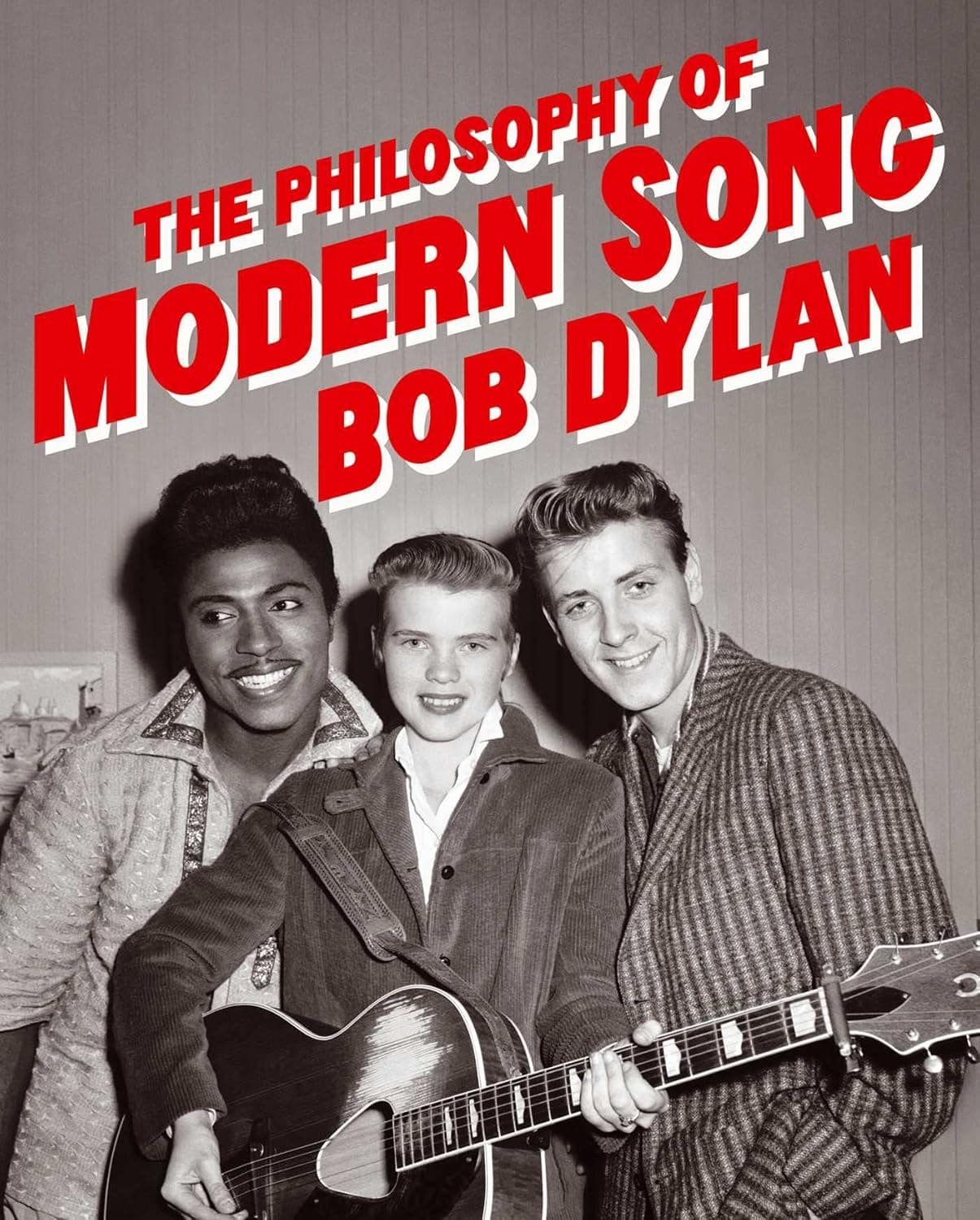
Sixty-six songs, from Sinatra to the Who, each taken twice: Dylan writes his way inside the record in second person, then steps back and talks craft. Nobody listens to music this closely.

No history of hip hop is better. Chang begins with landlords burning the Bronx, arrives at Kool Herc's turntables, and reads Public Enemy and the Los Angeles riots as one generation's politics.

Byrne argues that music is written backward from the room it will fill, cathedral or CBGB. He works outward through recording, technology and money, explaining everything that shapes what reaches your ear.

Cash tells it in his own voice: picking cotton in Dyess, Arkansas, the brother a saw killed at fifteen, the amphetamine decades, and the night he crawled into Nickajack Cave to die.