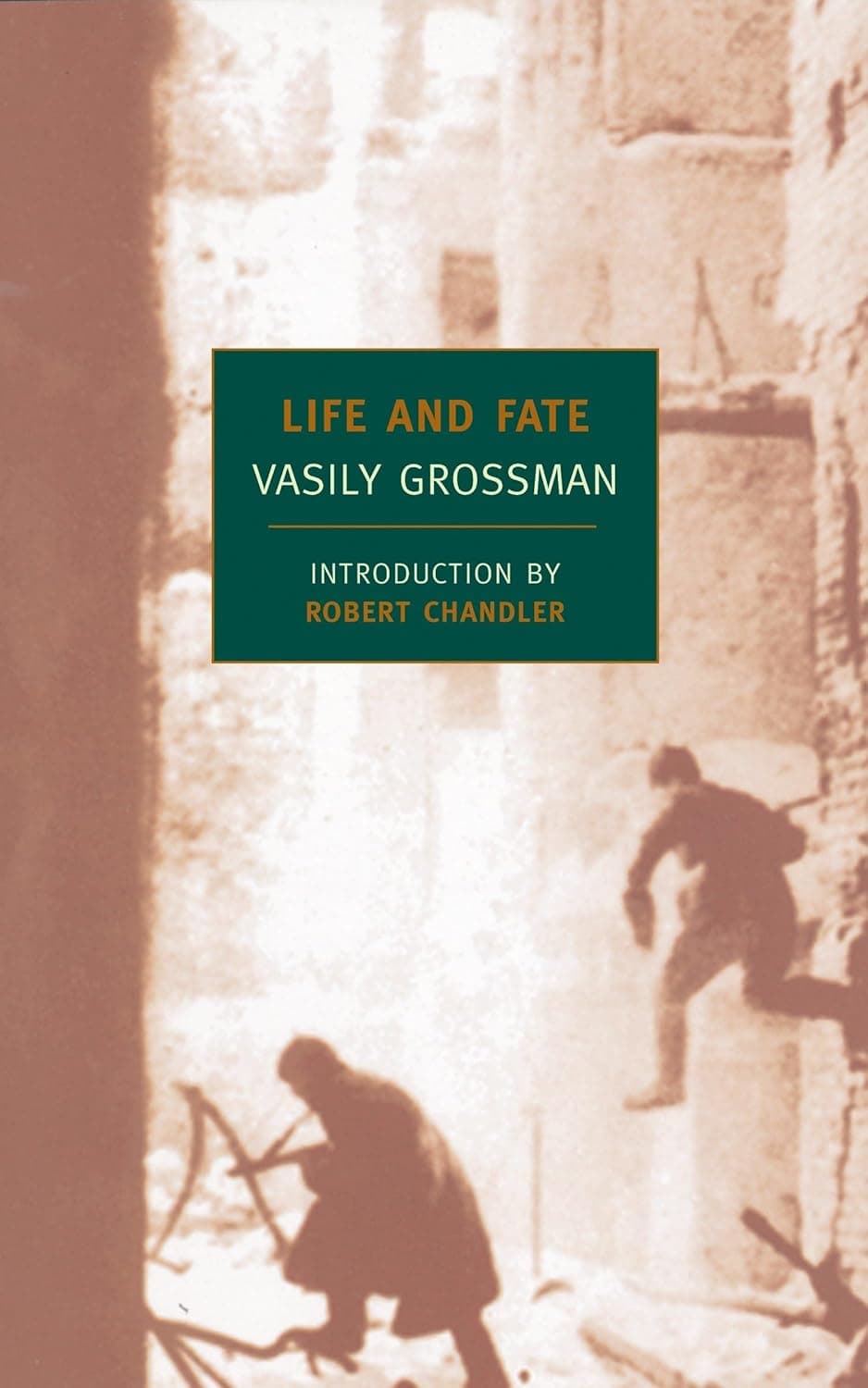
Life and Fate
1980 · 896 pages
During the siege of Stalingrad, a Soviet physicist receives his mother's last letter from a Nazi ghetto. Grossman wrote the war at Tolstoy's scale and said plainly that both tyrannies were one thing.
★ 8.7
 skopia
During the siege of Stalingrad, a Soviet physicist receives his mother's last letter from a Nazi ghetto. Grossman wrote the war at Tolstoy's scale and said plainly that both tyrannies were one thing.

Levi was an Italian chemist deported to Auschwitz at twenty-four. He survived, then spent months making his way home across a ruined Europe, and reports all of it without raising his voice.

Two years in hiding behind an Amsterdam office, set down by a girl who wrote about her mother, her boredom, and who she meant to become. She was fifteen when they were found.
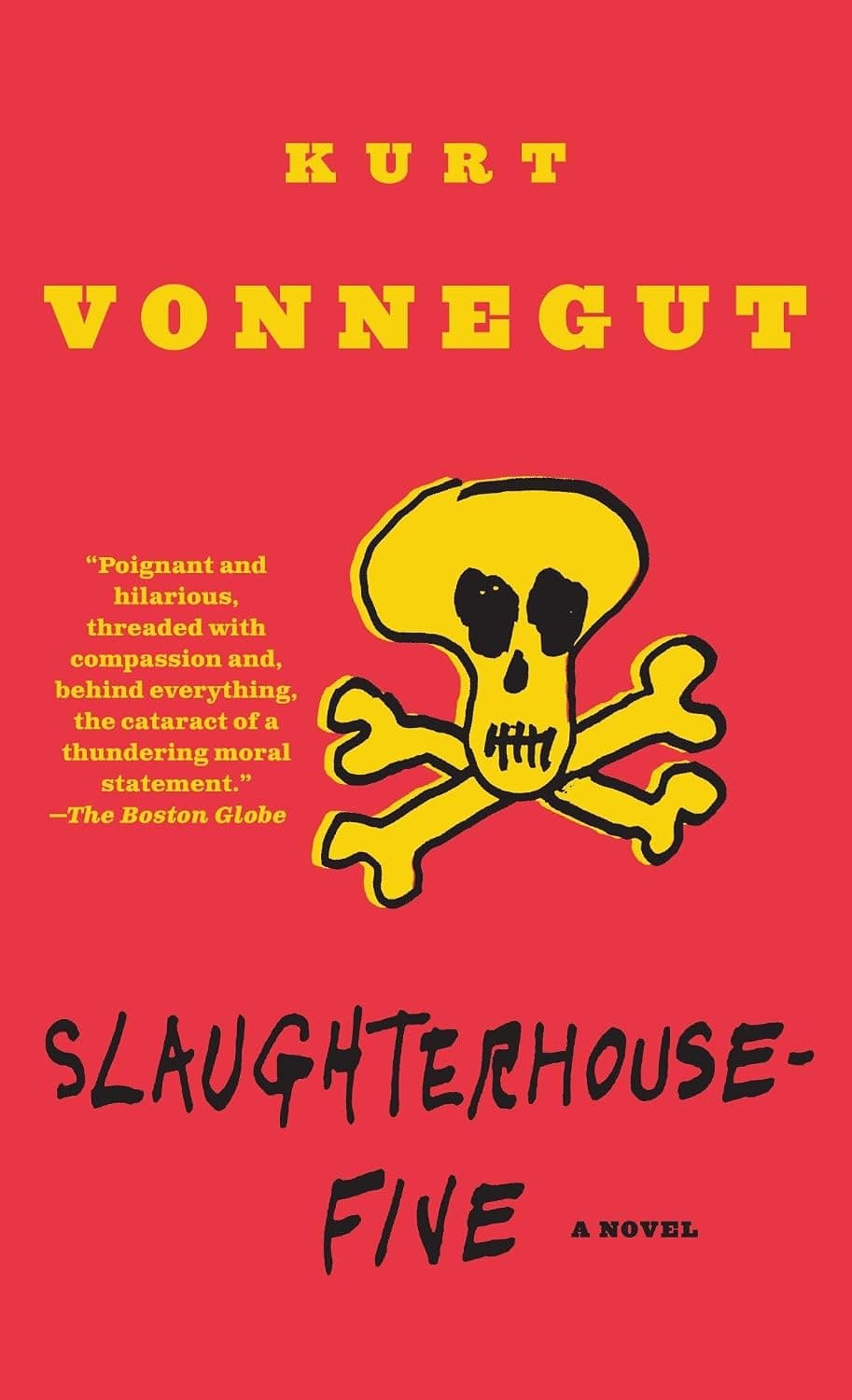
Billy Pilgrim comes unstuck in time, between a Dresden meat locker during the firebombing and a zoo on another planet. Vonnegut was in that cellar, and writes "So it goes" after every death.
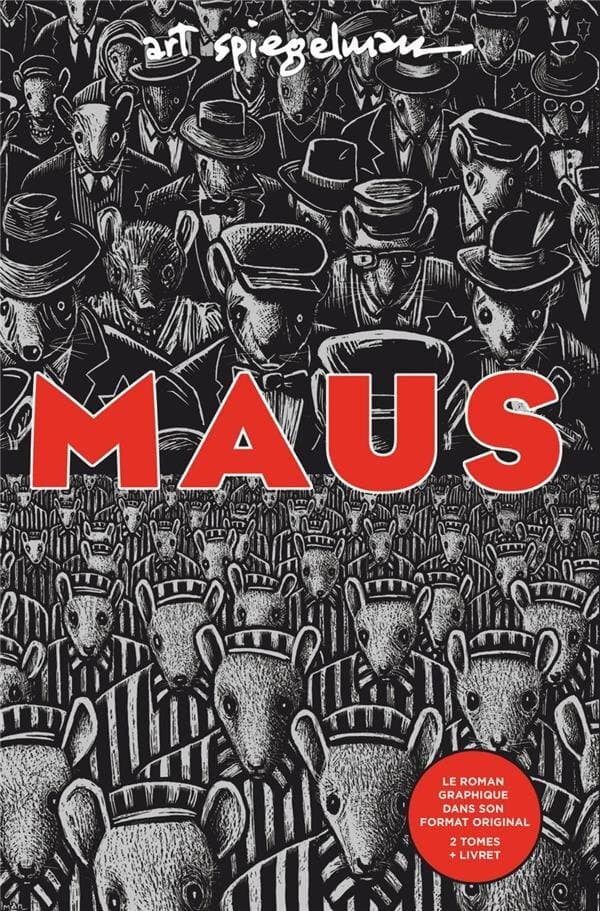
Spiegelman drew his father's survival of Auschwitz as a comic, Jews as mice and Nazis as cats, and drew himself failing to get along with the old man telling it.
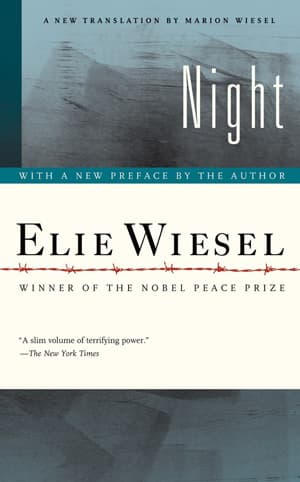
Wiesel was a religious teenager when his town was emptied and he arrived at Auschwitz with his father. He tells it in short flat sentences, and the flatness is unbearable.

Reporting from the Jerusalem trial of the Nazi official who organized the deportations, Arendt found not a monster but a careerist who never thought. Her phrase, the banality of evil, still starts fights.
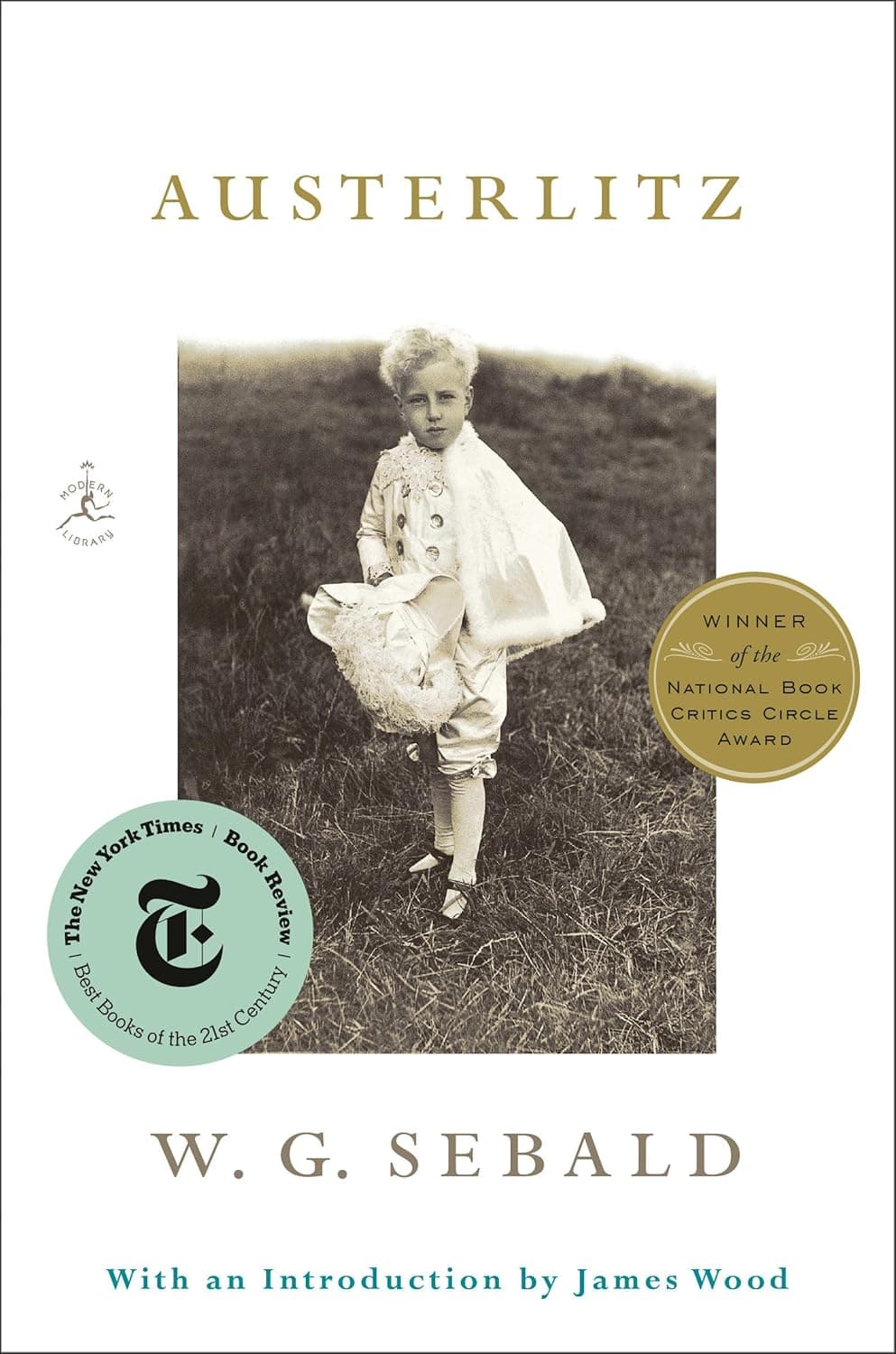
A stranger in an Antwerp waiting room talks about architecture, and over years of meetings tells how he was sent out of Prague on a train in 1939. The grief is never named.

Frankl, a Viennese psychiatrist, lost his wife and parents to the camps and survived Auschwitz himself. He watched who endured and who gave up, and named the last freedom: choosing your own response.
In a Brooklyn rooming house in 1947, a Southern writer falls in with Sophie, a Polish Catholic who survived Auschwitz, and her violent lover. The title is now English for an impossible decision.

A maid hid 264 Japanese carvings in her mattress while the Nazis stripped the Vienna palace of the Ephrussi bankers. De Waal, their descendant, follows the objects through his family's rise and ruin.

From a medieval massacre of the Jews of York to Auschwitz, one family produces in each generation one of the thirty-six hidden just men whose suffering, by legend, holds up the world.

Oskar Schindler, a Nazi profiteer, spent the fortune he made on slave labor buying more than a thousand Jews out of the camps. Keneally builds him from survivors' testimony and offers no explanation.
György Köves is fourteen when he is taken from Budapest to Auschwitz, and he reports each stage as it arrives, without hindsight. Back home he tries to explain the camps' happiness.
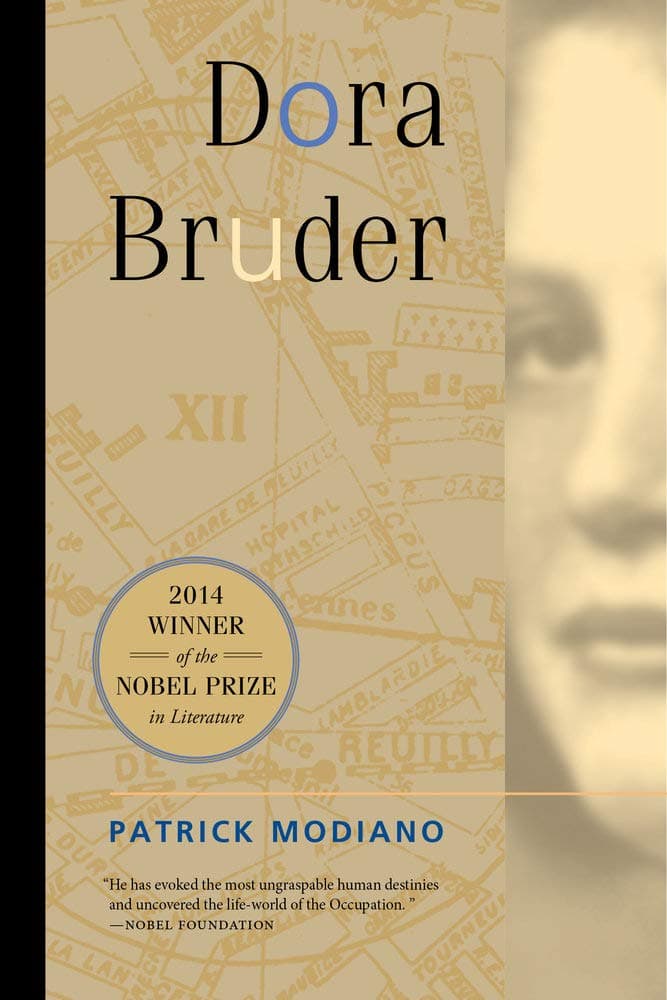
A missing-person notice from December 1941 sends Modiano into Paris archives after Dora Bruder, a Jewish fifteen-year-old who fled her convent school. He recovers her addresses and the date she was deported.
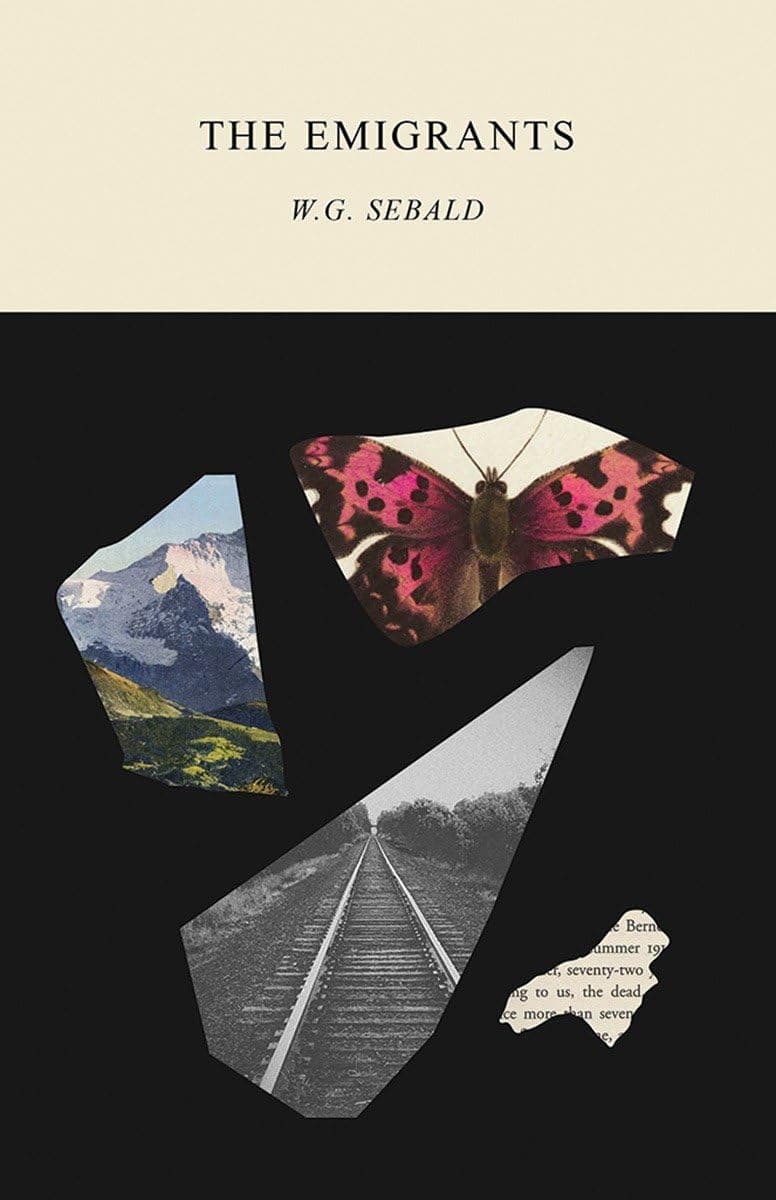
Sebald follows four émigré lives quietly undone by the twentieth century, each coming apart decades after the danger had passed. Unlabeled photographs surface throughout the prose and you read them as evidence.

At Auschwitz a Nazi officer courts the commandant's wife while the commandant, a preening drunk, complains about his workload. The third narrator is a Jewish prisoner made to burn the bodies.