War and Peace
1869 · 1392 pages
Five families carried through Napoleon's invasion of Russia, with battle, marriage, farming, and a theory of history held in one design. You finish it knowing these people better than your own friends.
★ 9.8
 skopia
Five families carried through Napoleon's invasion of Russia, with battle, marriage, farming, and a theory of history held in one design. You finish it knowing these people better than your own friends.

Punishment stopped tearing bodies apart in public and became timetables and cells. Foucault explains why: constant watching disciplines better than pain, and the same technique now runs schools and factories.

Castrated rather than executed for defending a general, Sima Qian lived to finish his history: twenty-five centuries of China told through emperors, assassins, and merchants. The portraits are alive on the page.

Plutarch pairs each famous Greek with a Roman, Alexander with Caesar, and judges them, holding that a jest can reveal a man better than a battle. Shakespeare took three plays out of it.
Benjamin asks what photography did to art and answers that a work loses its aura once anyone can copy it. Elsewhere history appears as an angel blown backward, staring at the wreckage.
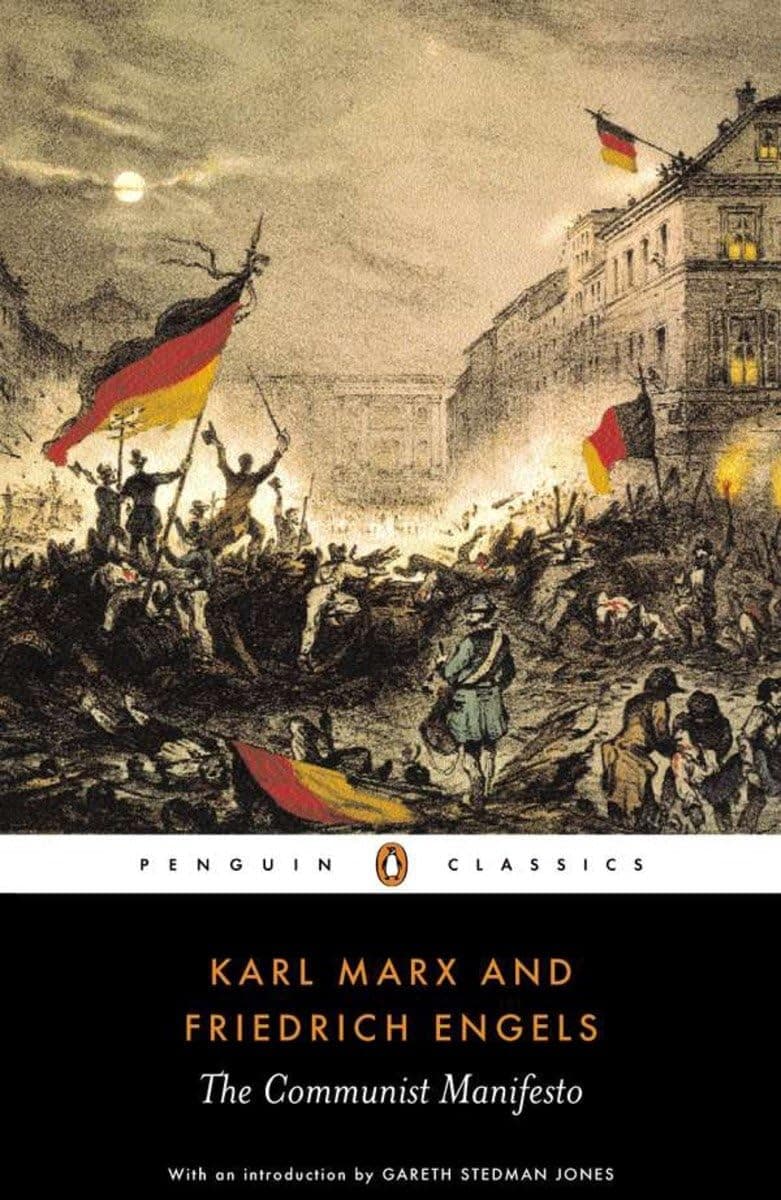
A spectre is haunting Europe, Marx and Engels announce, then read all recorded history as class struggle and hand the workers of the world a program. No pamphlet has moved more people.
Bloch's son asked what the use of history was. He answered from hiding: history is the science of men in time, and evidence speaks only when questioned. The Gestapo shot him in 1944.

Rebecca West traveled through Yugoslavia in 1937 and wrote eleven hundred pages. A lamb bled on a Macedonian rock and a Serbian poem of chosen defeat become her account of Europe's death wish.
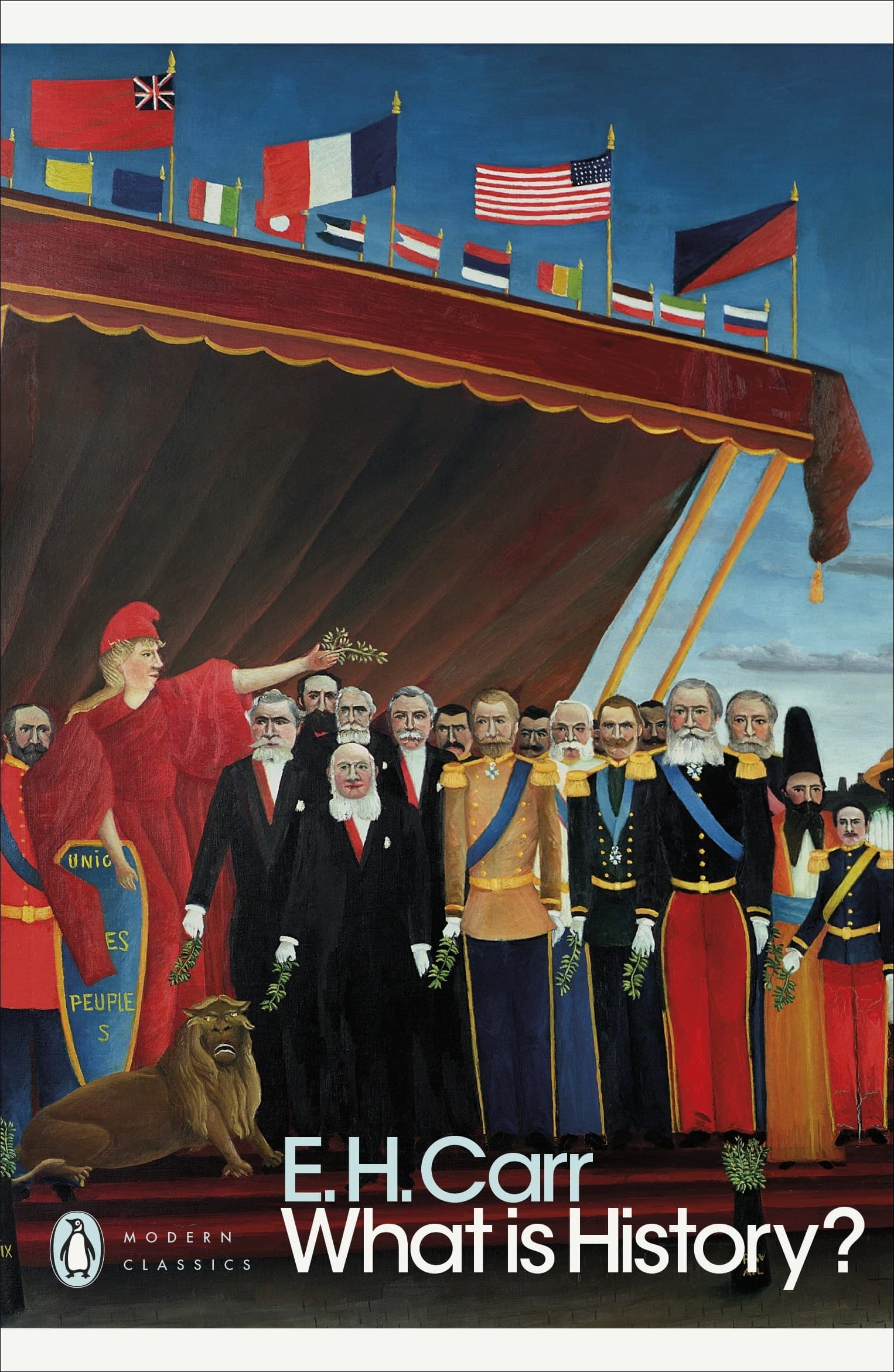
Facts do not speak for themselves, Carr insists. The historian decides which ones get to speak, so study the historian before the evidence. English-speaking historians are still arguing with him.

Bored in a hospital bed, a Scotland Yard inspector studies a portrait of Richard III and reopens the murder of the two princes, working entirely from chronicles and documents fetched to his bedside.