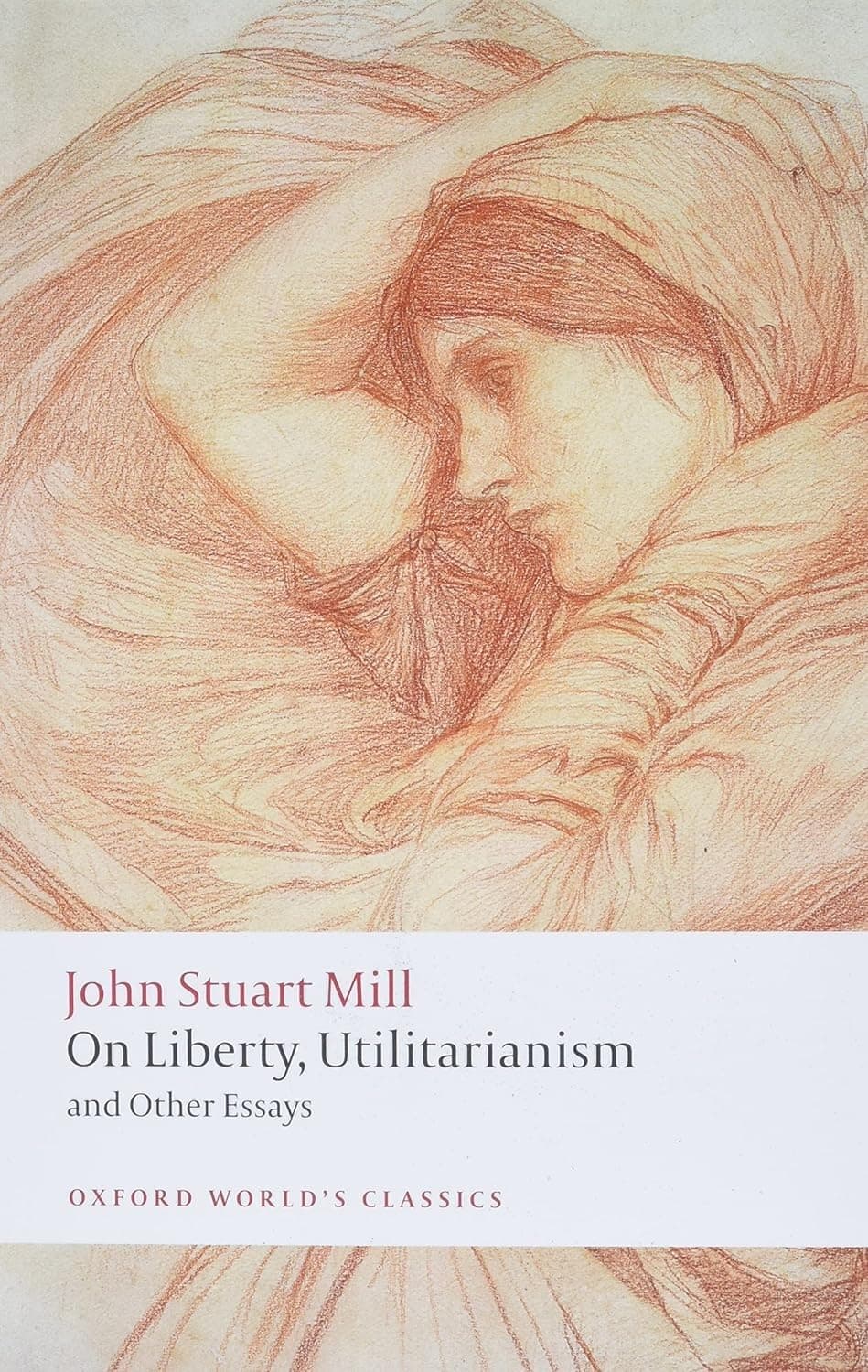
On Liberty
1859 · 592 pages
Mill sets the limit that still governs the argument: society may interfere with you only to prevent harm to others. Silence an opinion and you rob everyone, including the people who are right.
★ 8.2
 skopia
Mill sets the limit that still governs the argument: society may interfere with you only to prevent harm to others. Silence an opinion and you rob everyone, including the people who are right.
Zhuang Zhou dreams he is a butterfly and wakes unsure which one is dreaming. The jokes, tall tales, and arguments with logicians that follow work to loosen your grip on your own categories.

Montesquieu sorts governments into republics that run on virtue, monarchies on honor, and despotisms on fear, then argues that liberty survives only where power is divided. The American framers read him closely.

Man is born free, and everywhere he is in chains. Nobody holds natural authority over anyone, Rousseau argues, so law binds you only if you helped make it. Geneva burned the book.

You know you ought to do what you would rather not, and Kant takes that as proof you are free. Freedom, God, and immortality return as what practical reason must assume.

Northup was a free New Yorker with a family and a violin. Lured to Washington in 1841, he woke chained in a slave pen and spent twelve years on Louisiana cotton plantations.

Hume's clearest book, and his most dangerous: no testimony establishes a miracle, he argues, unless its falsehood would be more miraculous than the event reported. Every later defense of miracles answers him.

Political freedom depends on economic freedom, Friedman argues, since markets disperse power governments concentrate. Proposals that read as heresy in 1962, ending the draft and floating the dollar, were policy by 1973.
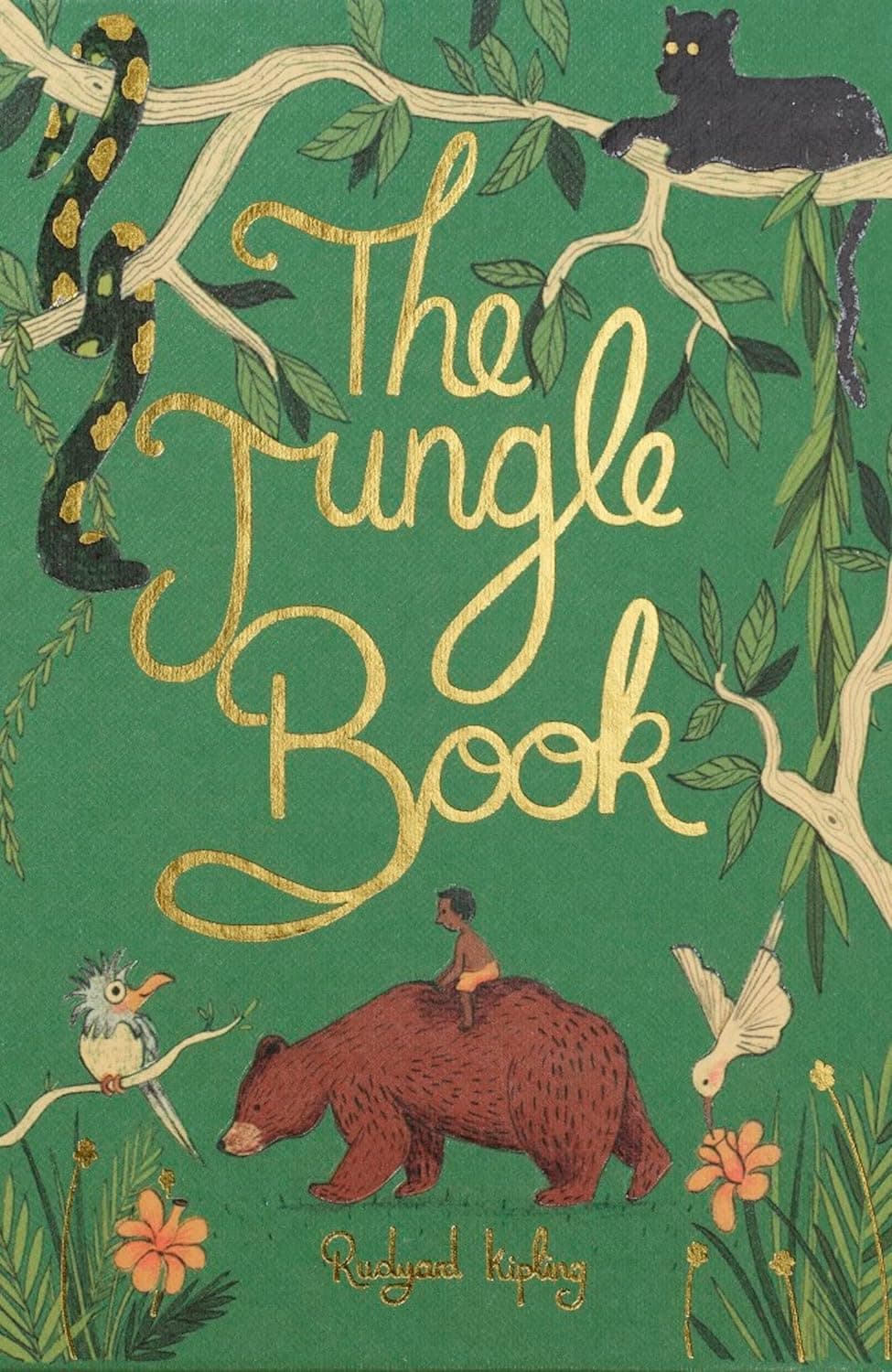
Raised by wolves and schooled by a bear and a black panther, Mowgli lives hunted by the tiger Shere Khan. Kipling's Law of the Jungle went into English as a phrase everyone uses.

Carpentier's preface named the marvelous real: Latin American history already outruns anything the surrealists could invent. He proves it across the Haitian Revolution, watched from below by an enslaved man named Ti Noel.
Individuals have rights, Nozick begins, so a just state shrinks to police, courts, and defense. A million fans paying a basketball star a quarter gave libertarianism its sharpest weapon against redistribution.