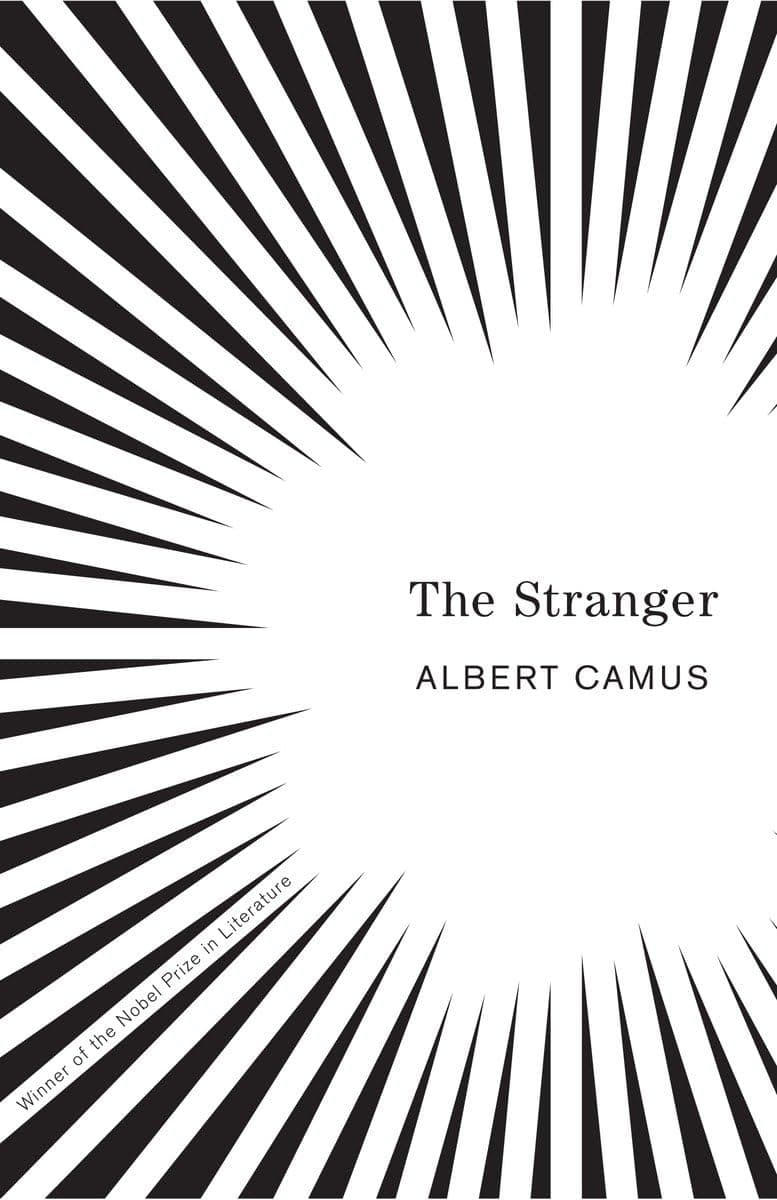
The Stranger
1942 · 123 pages
Meursault buries his mother without crying, takes a lover, and shoots a man on a hot Algiers beach. At his trial the tears he never shed matter more than the killing.
★ 8.9
 skopia
Meursault buries his mother without crying, takes a lover, and shoots a man on a hot Algiers beach. At his trial the tears he never shed matter more than the killing.

Holed up in a shabby Petersburg room, a spiteful clerk talks at you, insisting people will wreck their own lives to prove they are free. Every alienated narrator since speaks in his voice.

Abraham climbs the mountain to sacrifice Isaac, and Kierkegaard asks how obedience to God can require a murder. Faith suspends ethics altogether, and the believer cannot explain himself to anyone.

Pechorin seduces, duels, and wrecks lives across the Caucasus, then records in his diary exactly why he does it. Russian fiction took its habit of merciless self-analysis from this bored young officer.

Beauvoir rebuilds the pious Paris girlhood she fought her way out of, and sets against her own escape the fate of Zaza, the friend whose family refused her the man she loved.

Existence precedes essence, Sartre told a packed Paris hall in 1945: you invent yourself by choosing and may blame nothing. The student torn between the Resistance and his mother is told to choose.