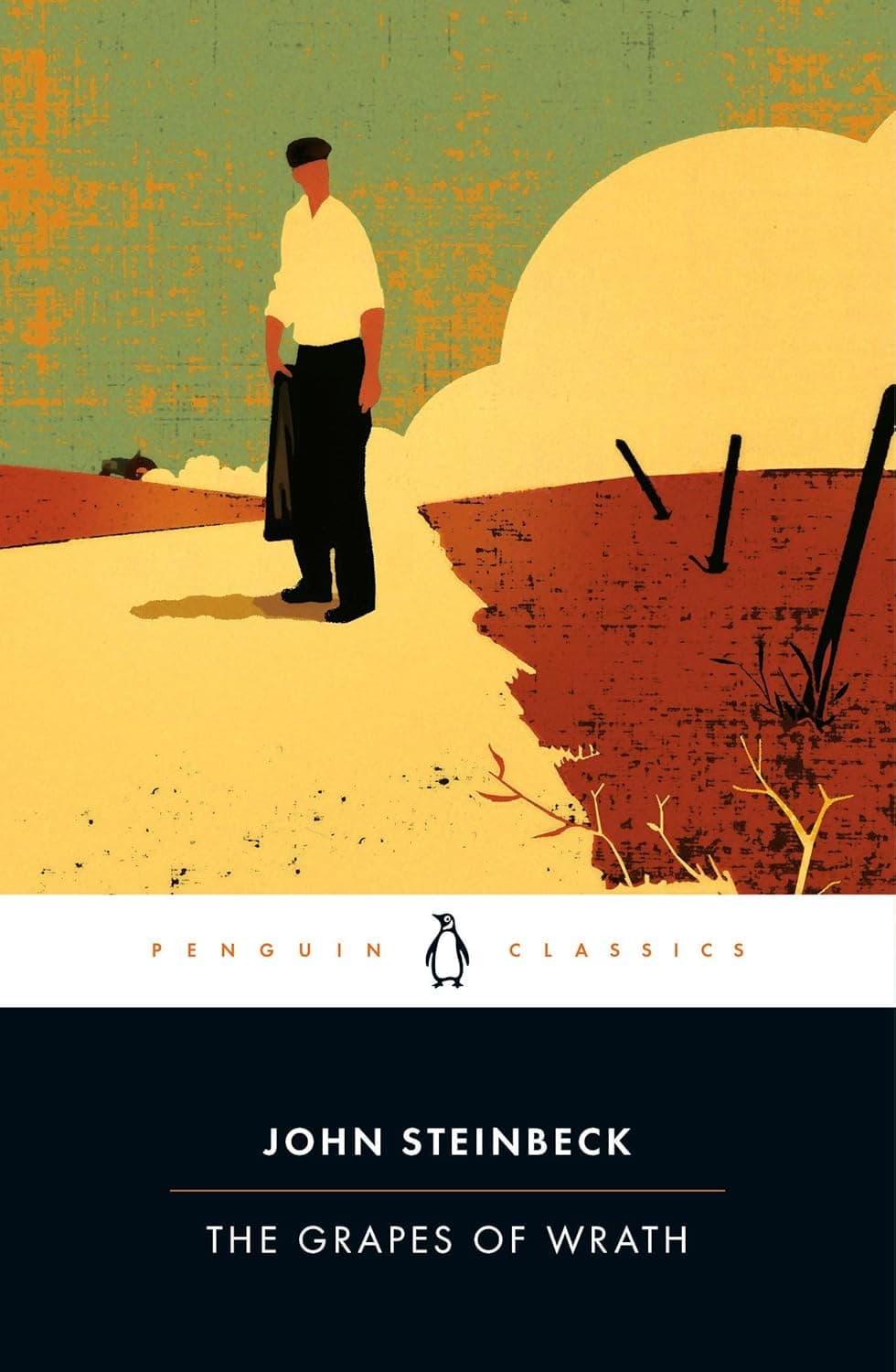
The Grapes of Wrath
1939 · 464 pages
The Joads lose their Oklahoma farm and drive west to California, where the promised work is a lie. Steinbeck's fury at what was done to them still comes off the page.
★ 9.0
 skopia
The Joads lose their Oklahoma farm and drive west to California, where the promised work is a lie. Steinbeck's fury at what was done to them still comes off the page.

Born in a workhouse, Oliver asks for more, is sold off, and runs to London, where Fagin's gang of child pickpockets takes him in. Dickens made child poverty impossible to ignore.

Eighteen years in the Bastille have left Doctor Manette making shoes in the dark. Dickens carries his daughter's household from London into the Terror, where Madame Defarge knits a death list.

Seventeen-hour shifts in a Paris restaurant kitchen, then the tramps' road between London workhouses. Orwell went into poverty himself and came back able to describe what hunger does to a mind.

Eighteen years of hired labor buy Bjartur a stretch of Icelandic moorland, and he defends his independence against weather, debt, and his own family. Laxness makes stubbornness heroic and ruinous at once.
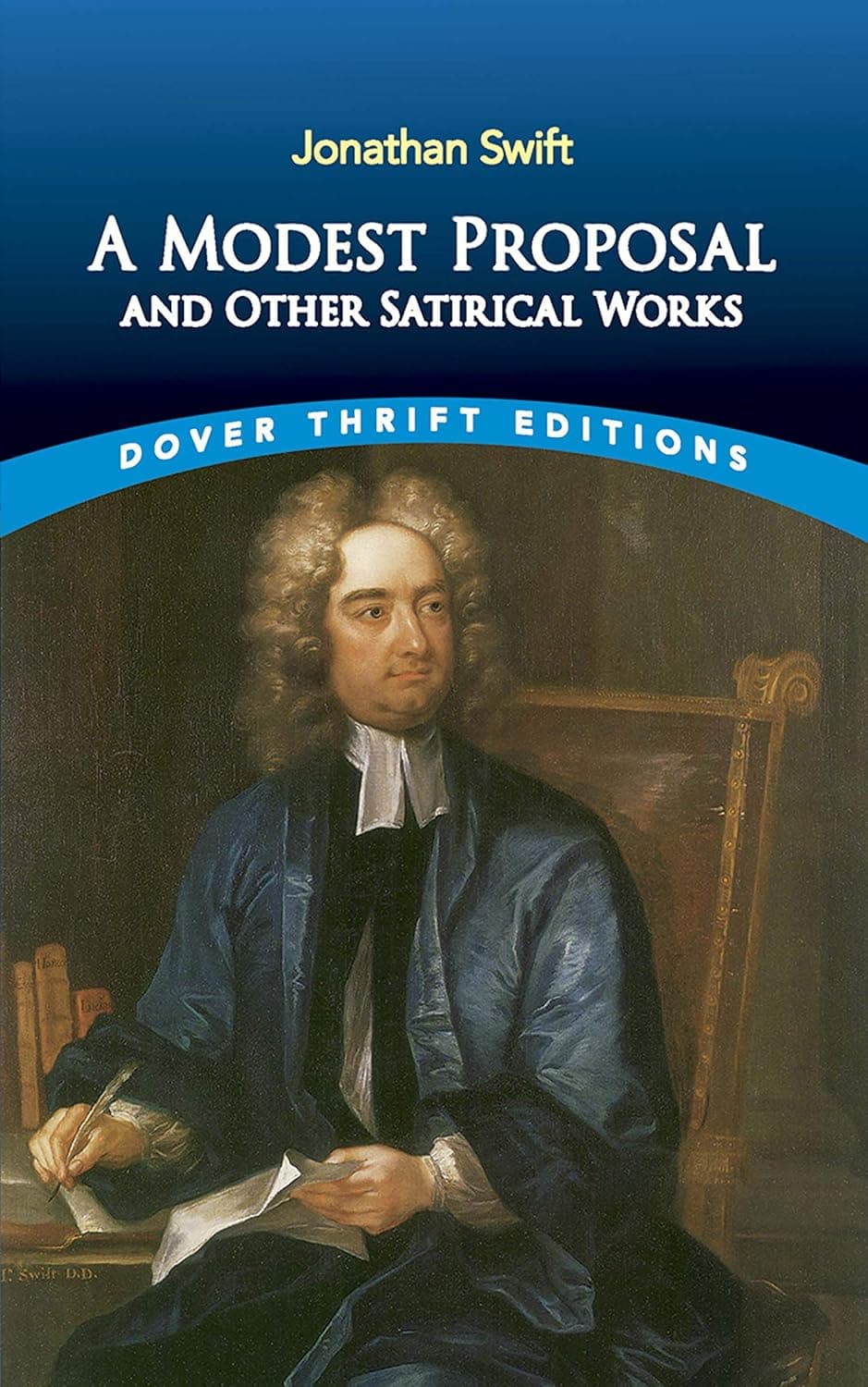
No other satire cuts this cleanly. A reasonable gentleman proposes that the infants of the Irish poor be fattened and sold as food to landlords, and calculates the savings to the shilling.

Sent to Alabama in 1936 to report on cotton tenancy, Agee returned with an act of devotion: three sharecropping families recorded down to the nails in their shoes, alongside Walker Evans's photographs.

Mack and his friends, unemployed and unhurried, decide to repay Doc the marine biologist with a party. Steinbeck writes a Monterey street of bums and grocers and whores as a functioning society.

Macabéa is a half-starved typist from Brazil's Northeast, and the writer narrating her keeps stopping to ask what right he has to her poverty. Lispector makes that discomfort the whole book.

Boo spent three years in Annawadi, a slum beside the Mumbai airport, following a teenage garbage trader, a woman scheming her way to power, and the neighbor whose self-immolation puts them on trial.

Lutie Johnson believes what Benjamin Franklin promised about work and thrift, and rents an apartment on 116th Street to raise her son. The men who watch her climb the stairs have other plans.

Banished by Mussolini to a village in the Italian south, a Turin doctor found peasants convinced Christ had stopped short of them. The book made postwar Italy confront a region it had abandoned.

McCourt's father drank the wages and his mother begged for coal in a Limerick lane, and three of his siblings died before he turned seven. He tells it laughing.

Xiangzi pulls a rented rickshaw through 1920s Beijing and wants a cart of his own. Soldiers seize the first he buys, a policeman takes his savings, and Lao She grinds him to nothing.

Three Palestinian men pay a driver to smuggle them from Iraq into Kuwait inside a water tanker. Kanafani turned those hours in the metal into the defining image of Palestinian exile.
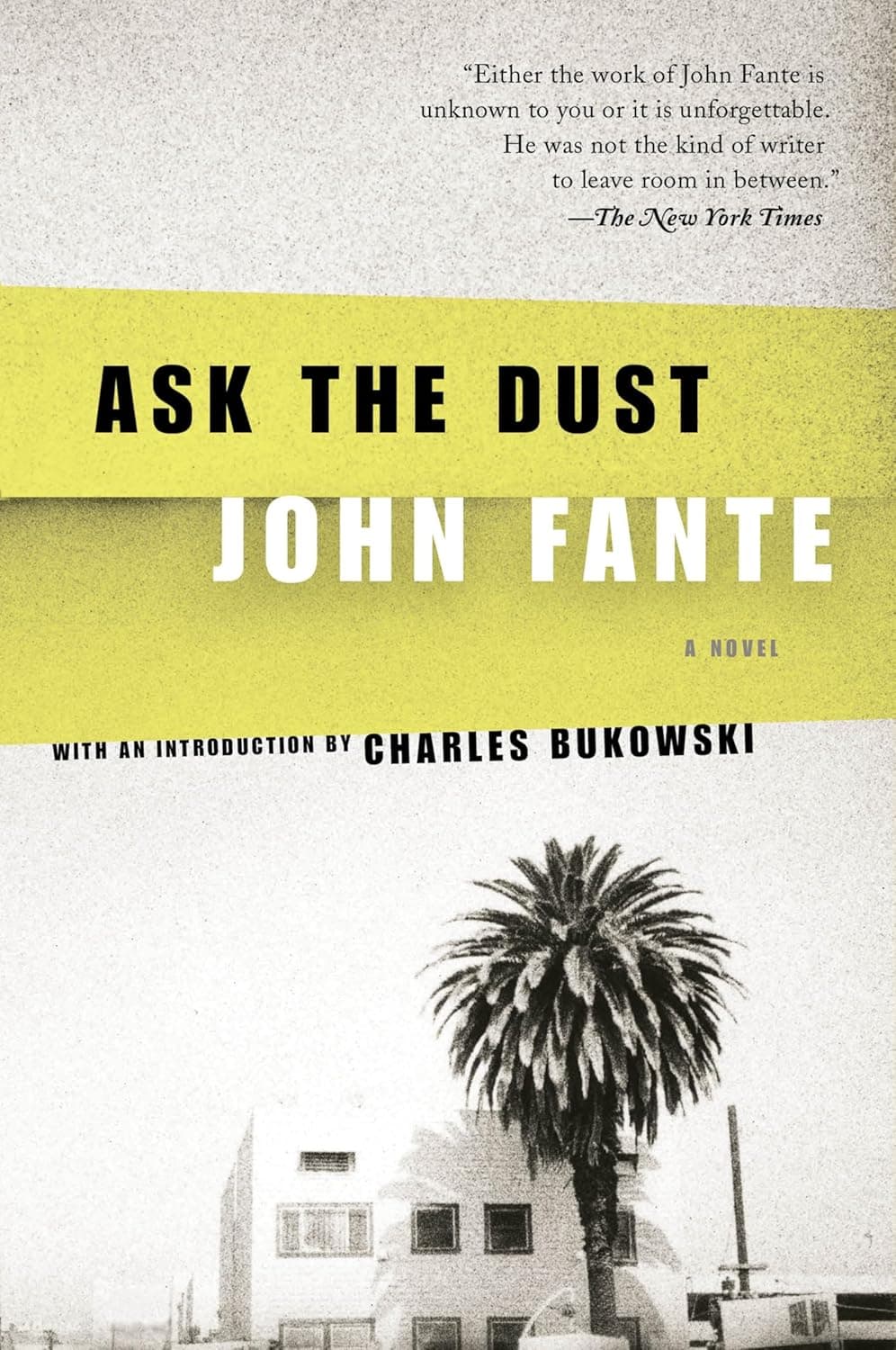
Arturo Bandini starves in a Bunker Hill hotel in Depression Los Angeles, wanting to be a great writer and loving a Mexican waitress he cannot stop insulting. Bukowski called Fante his god.
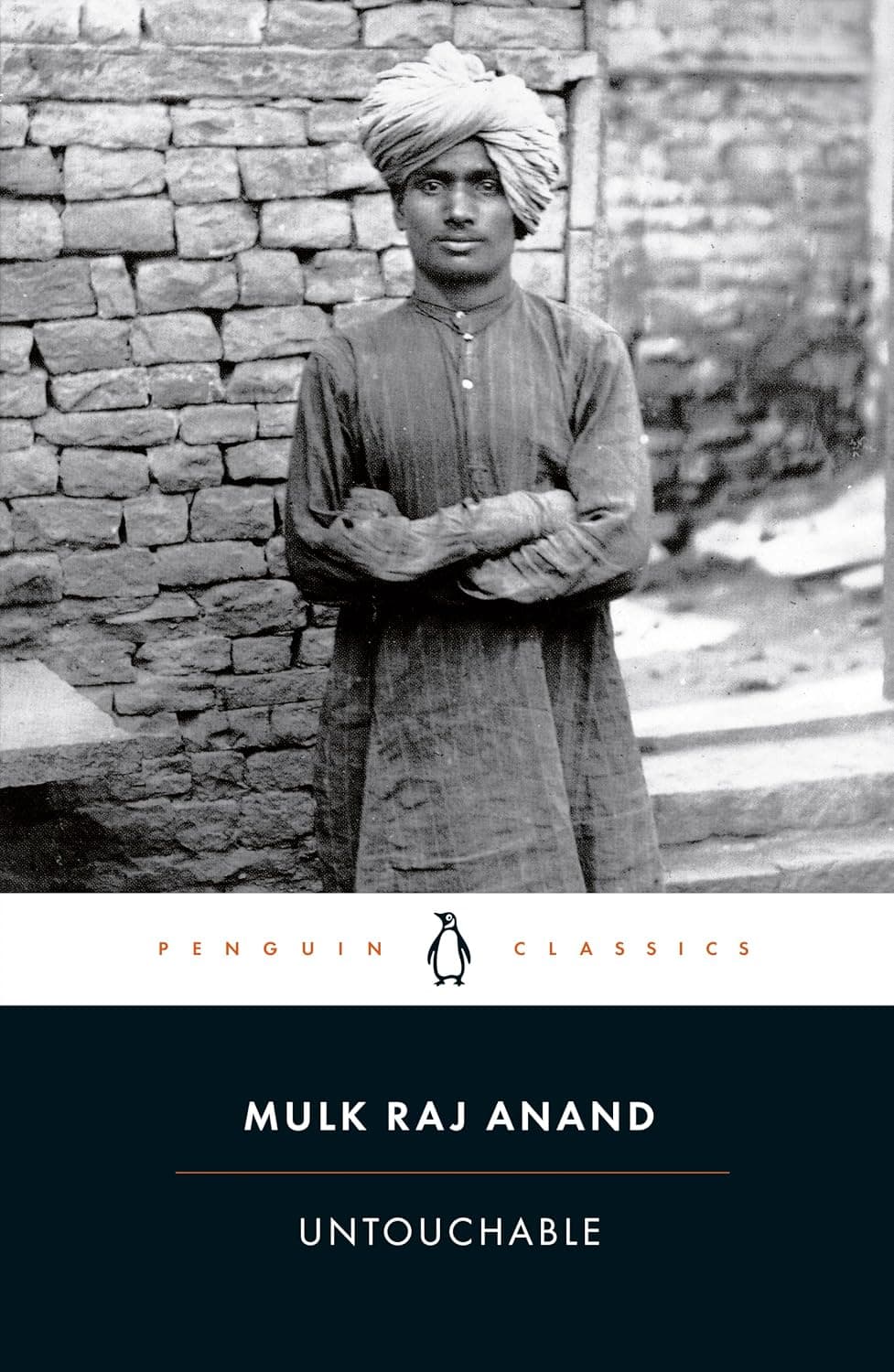
One day in the life of Bakha, who cleans latrines in a small Indian town and is slapped for brushing against a high-caste man. Anand renders caste from its lowest rung.

Azaro is an abiku, a spirit child who keeps refusing to die, and Okri sets him loose in a Nigerian slum where ghosts crowd the bar and political thugs hand out poisoned milk.

The philanthropists of the title are house painters who give their labor away and defend the system that ruins them. Owen, the socialist, cuts up bread to demonstrate the money trick.

Evicted tenants, migrant pickers, stockbrokers, and a man who ran for president tell Terkel what the Depression did to them. What comes through hardest is how many took the collapse as personal failure.
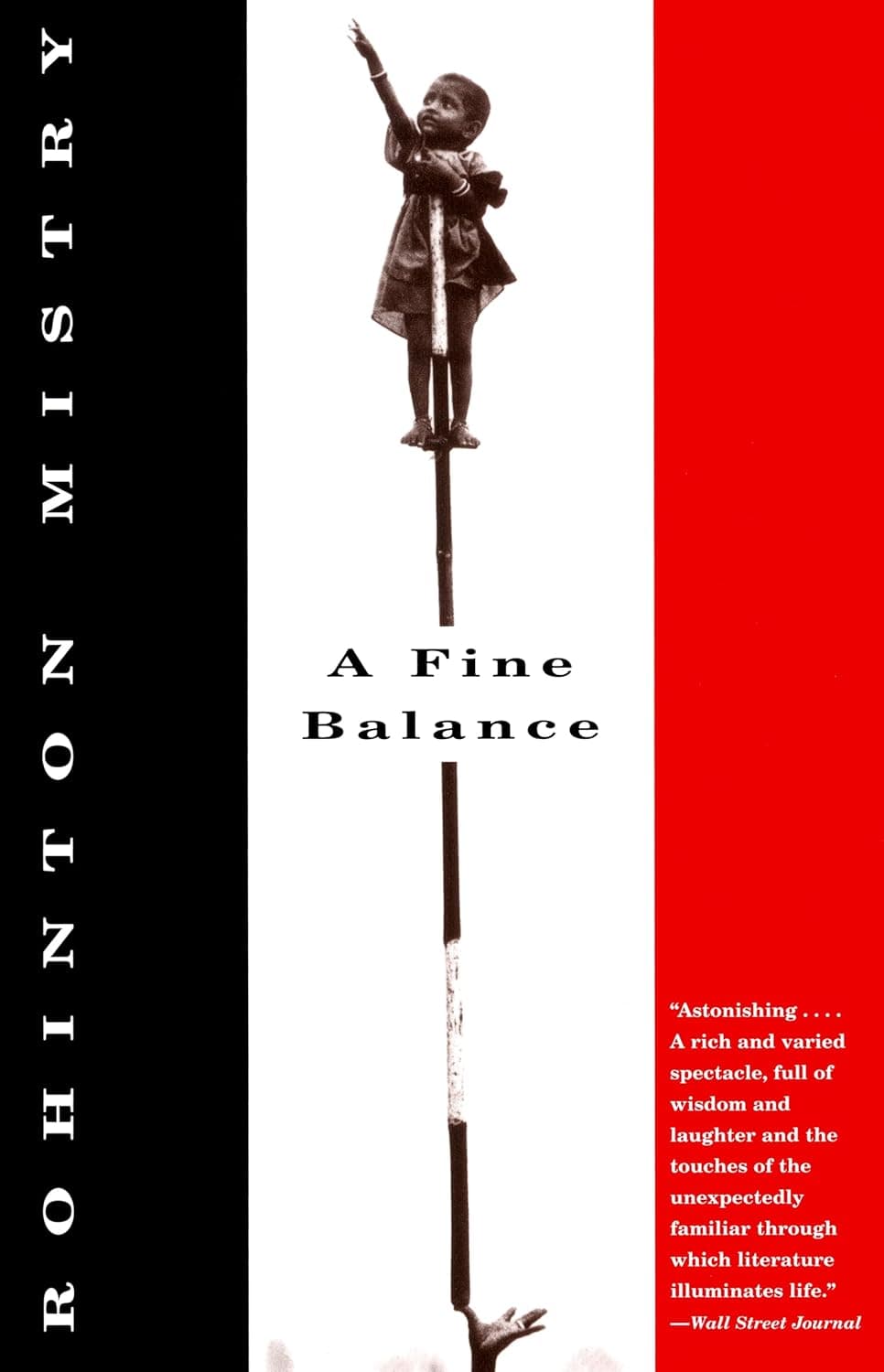
A widow takes in two tailors fleeing caste violence and a student, and under Indira Gandhi's Emergency the four become a family. Mistry lets you love them before the sterilization camps arrive.

Mitchell listened to New York for decades: the regulars at McSorley's, the fishermen at Fulton Market, and Joe Gould, a Village drifter compiling a nine-million-word oral history from everything he overheard.

Riis went into New York's tenements at night with a camera and flash powder, and brought back the room where twelve people slept. Roosevelt sought him out, and the worst blocks came down.

Twelve months on a Washington corner with Black men without steady work. They fail as husbands and fathers, Liebow shows, not from any inherited culture but because the jobs cannot support a family.