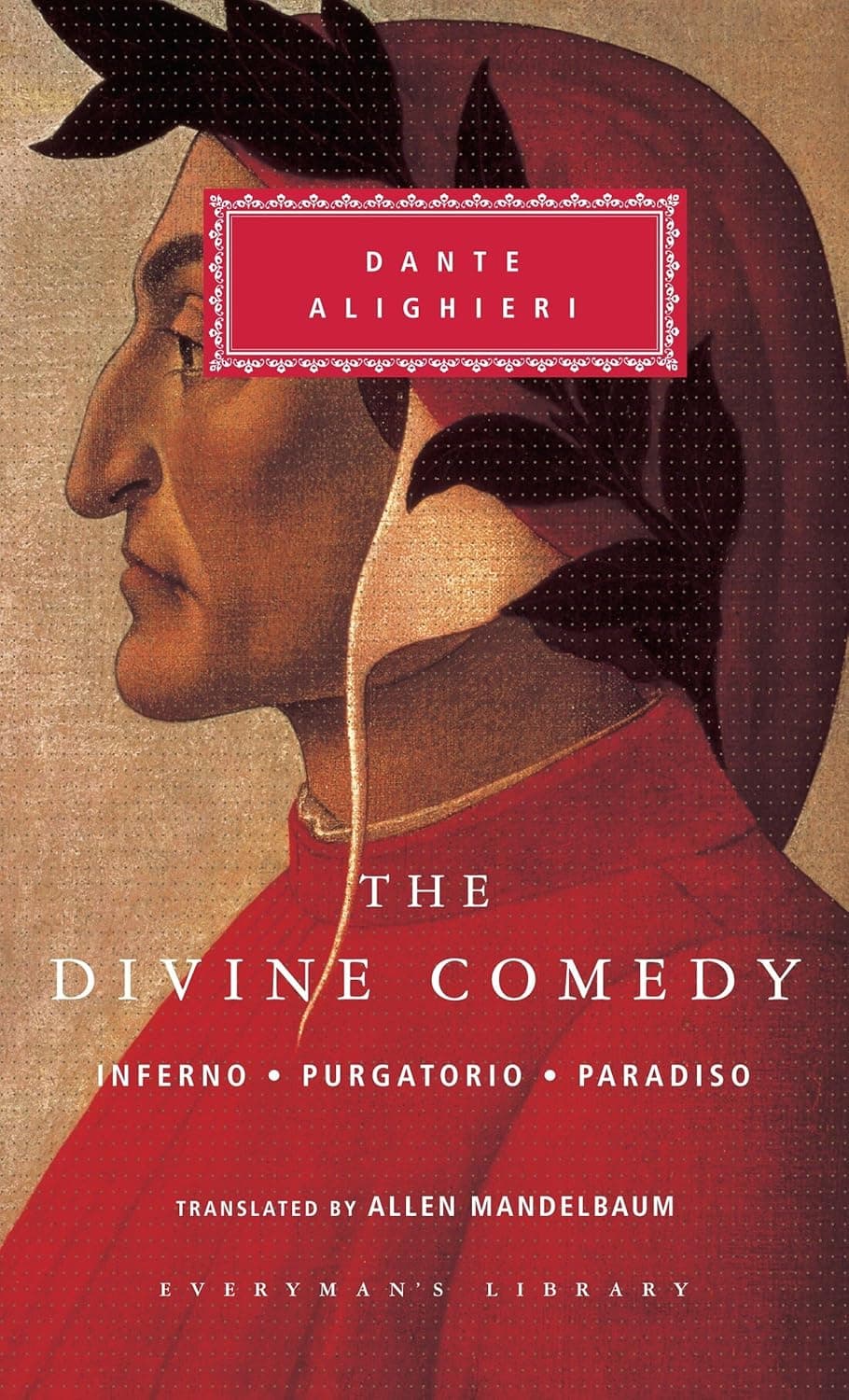
The Divine Comedy
1321 · 798 pages
No poem has reached higher. Dante goes down through hell, up the mountain of purgatory, and into the light of God, settling scores with real Florentines and arriving where Beatrice waits.
★ 9.8
 skopia
No poem has reached higher. Dante goes down through hell, up the mountain of purgatory, and into the light of God, settling scores with real Florentines and arriving where Beatrice waits.
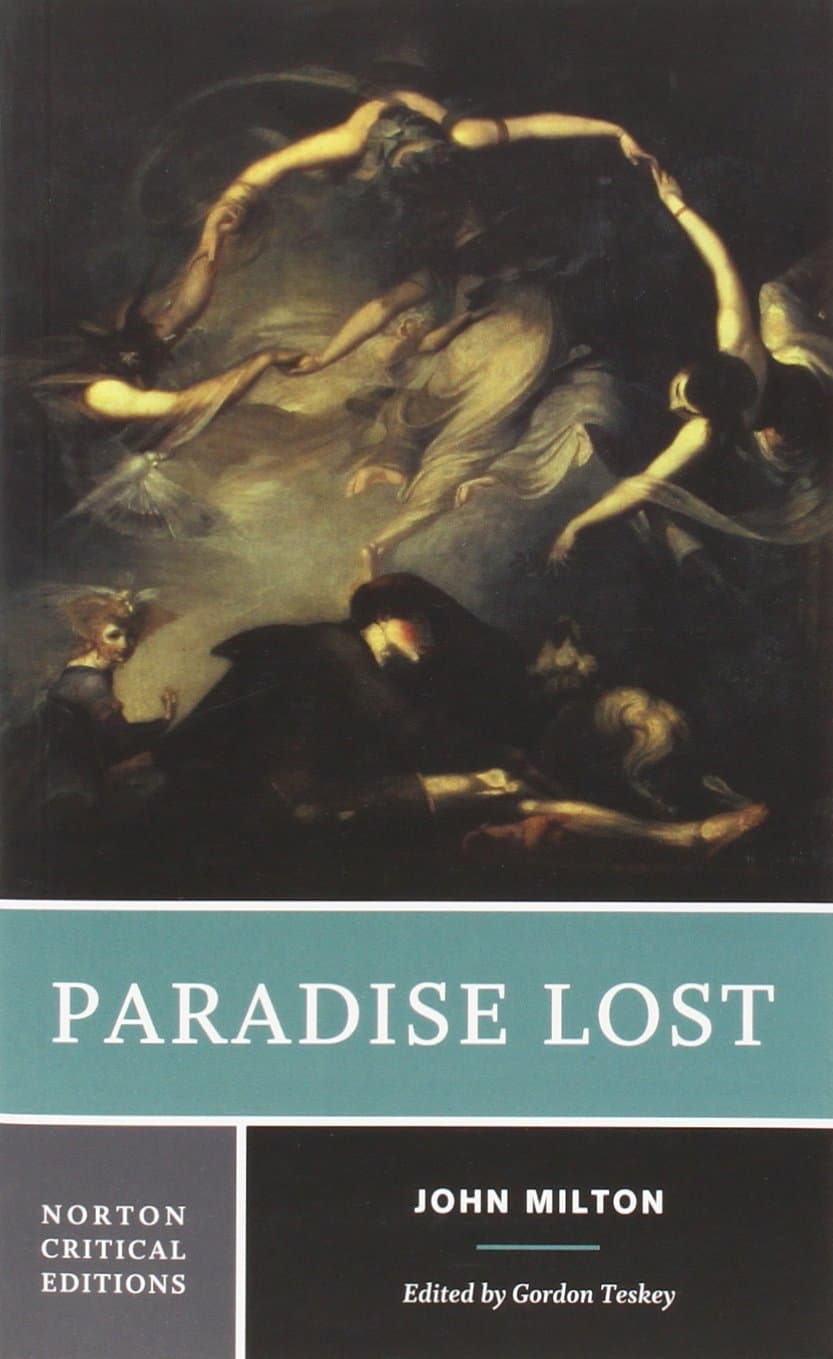
Satan rebels in heaven, loses, and comes for the first two people. Milton meant to justify God and produced a devil so magnificent he nearly walks off with the greatest poem in English.
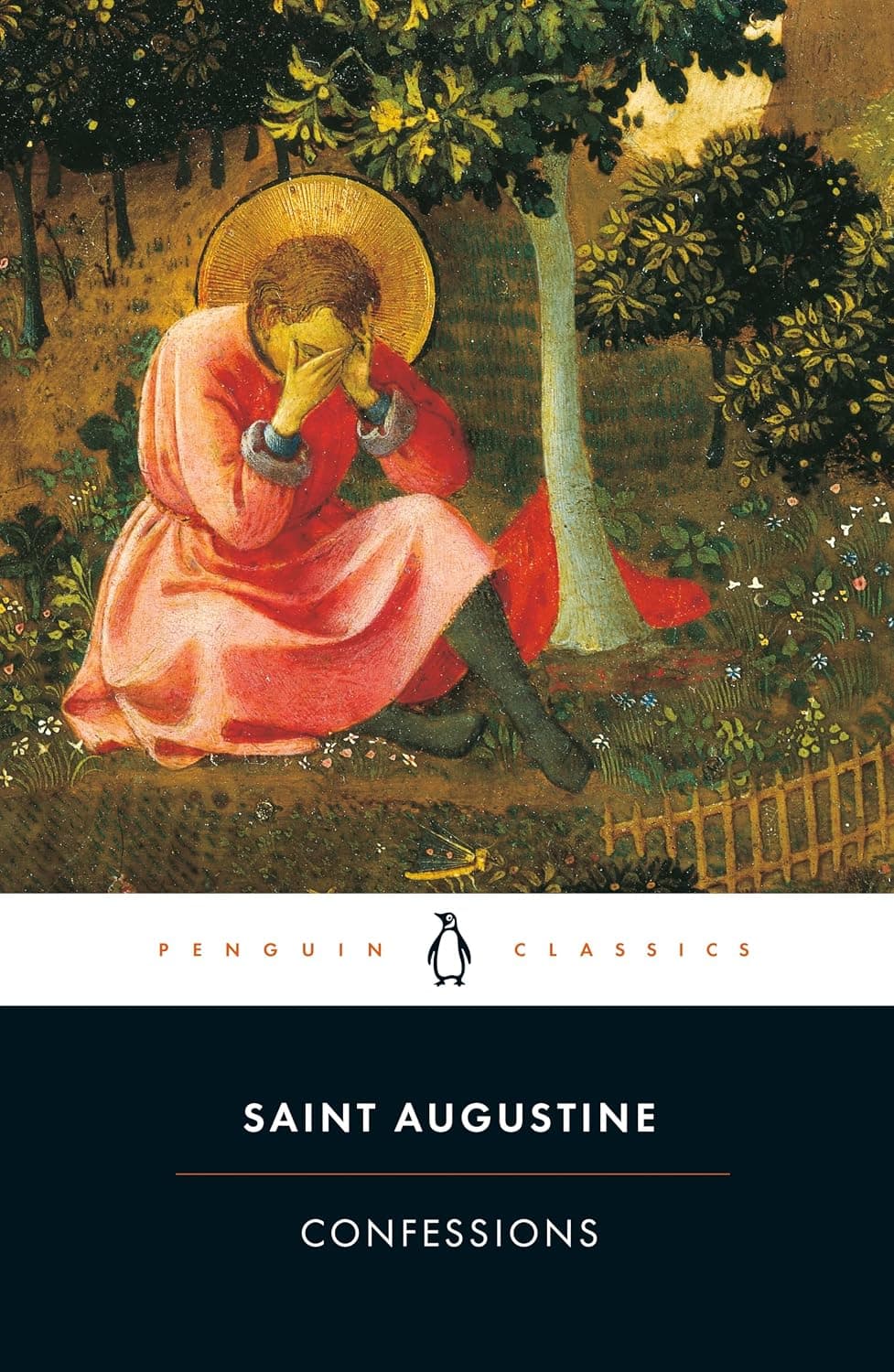
Augustine addresses God directly, confessing the stolen pears, the years of lust, and a prayer for chastity but not yet. Sixteen centuries on, his self-examination still cuts deeper than modern memoir.

Gibbon follows Rome from its imperial peak to the fall of Constantinople thirteen centuries later, in the finest prose English history possesses. His contempt for Christianity still makes readers laugh.

Zarathustra comes down from his mountain to announce that God is dead and man is something to be overcome. Nietzsche wrote it as scripture rather than argument, and readers take it personally.

On a Georgia back road a grandmother who talked her family into a detour meets an escaped killer. O'Connor's stories stay funny until the violence arrives, which is how grace arrives too.

Monks are dying at an Italian abbey in 1327, the library is a labyrinth no one may enter, and a Franciscan detective and his novice go in. Eco made medieval theology a thriller.

Rome fell to the Goths in 410 and pagans blamed the Christians. Augustine answers by sorting all history into two cities, one built on love of God and one on love of self.
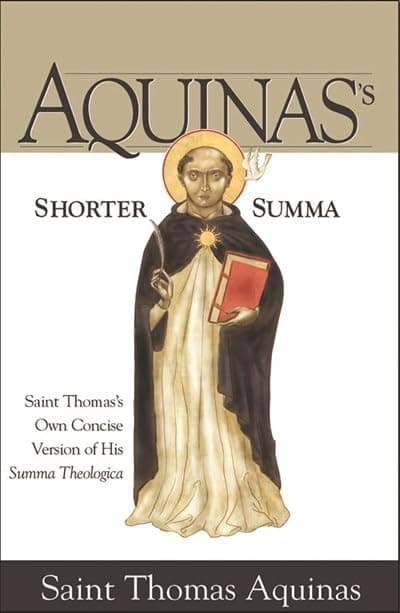
Aquinas asks thousands of questions about God, law, virtue, and sin, and answers each only after stating the strongest case against himself. Catholic thought has been arguing with him for 750 years.
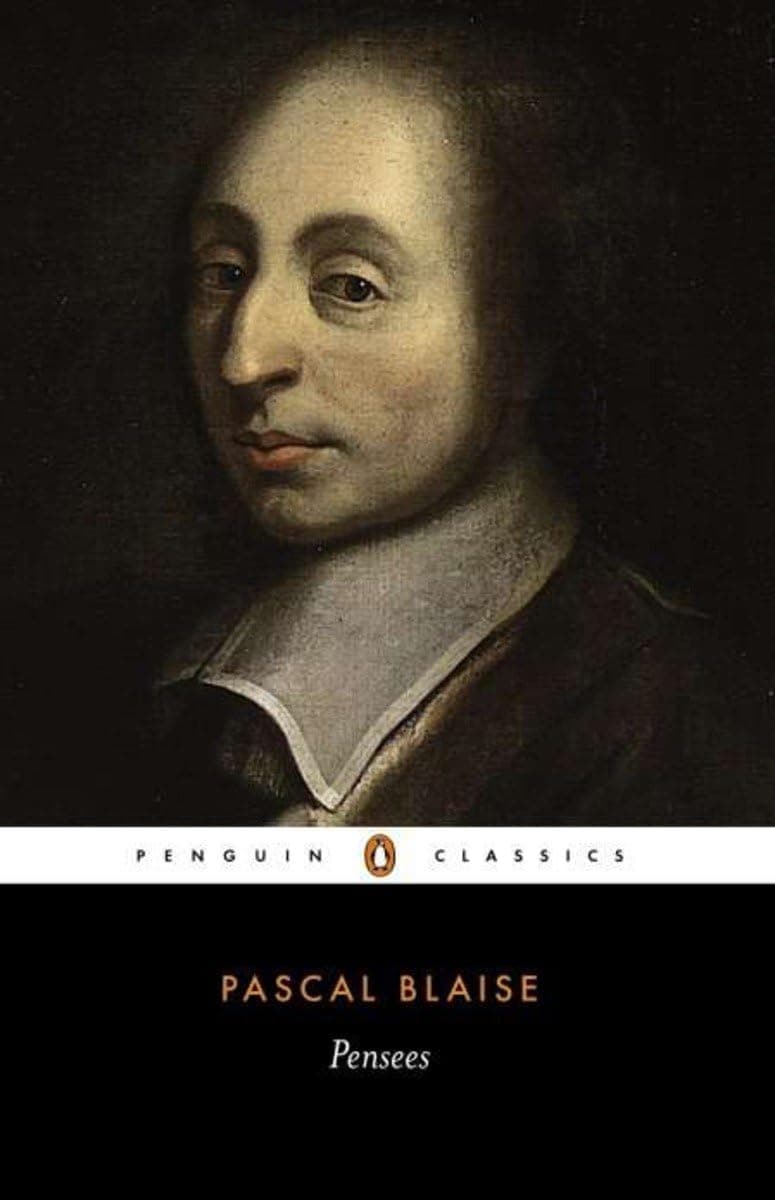
You are already betting on whether God exists, Pascal says, since refusing to choose is a choice. Around that wager sit fragments on why no one can sit alone in a room.
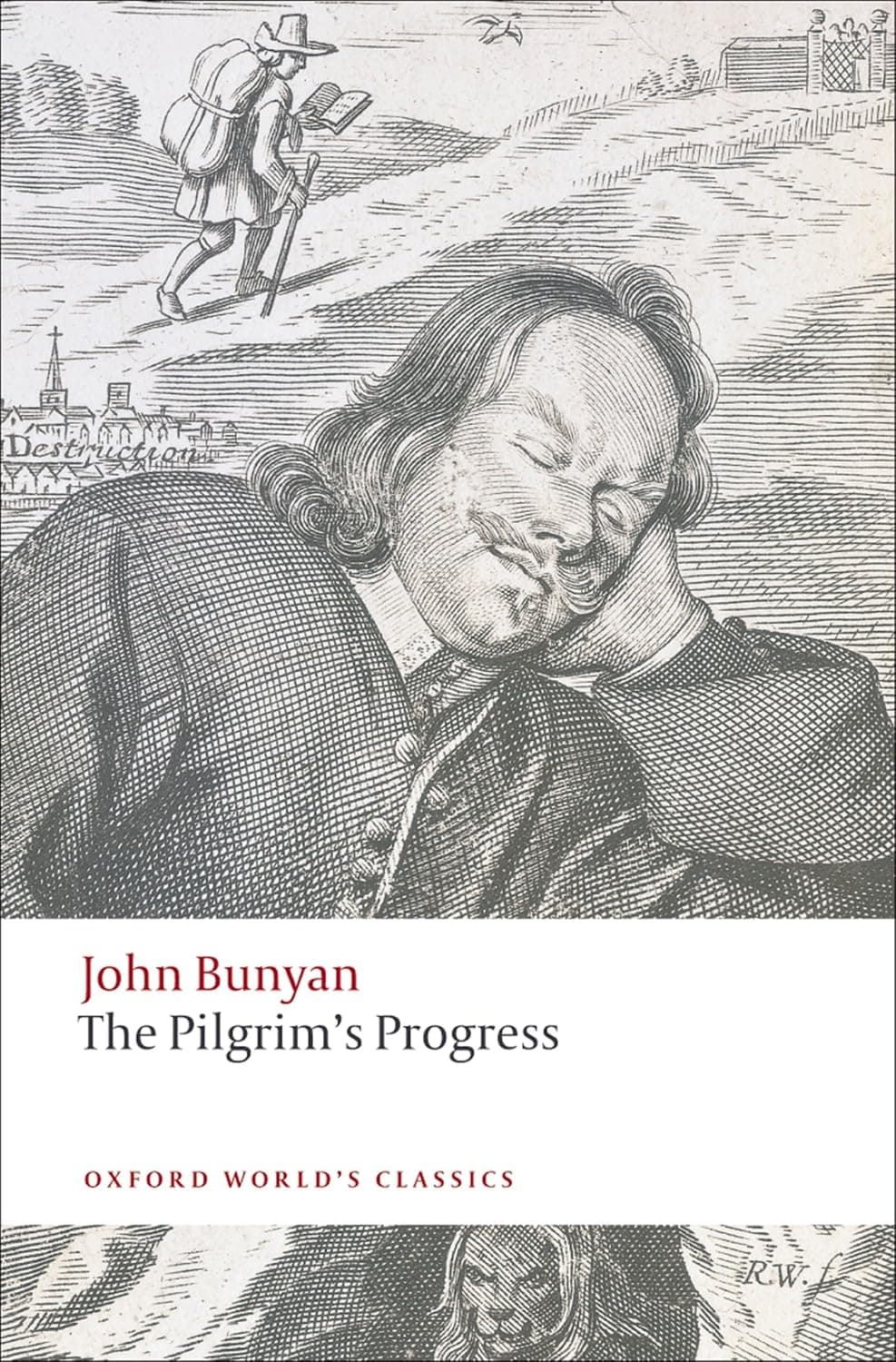
Christian sets out with a burden on his back toward the Celestial City, through the Slough of Despond and Vanity Fair. For two centuries only the Bible was read more widely in English.

Guilt began as unpaid debt, Nietzsche argues, and conscience is cruelty turned inward for want of anyone else to hurt. Three essays dig up where good and evil came from.
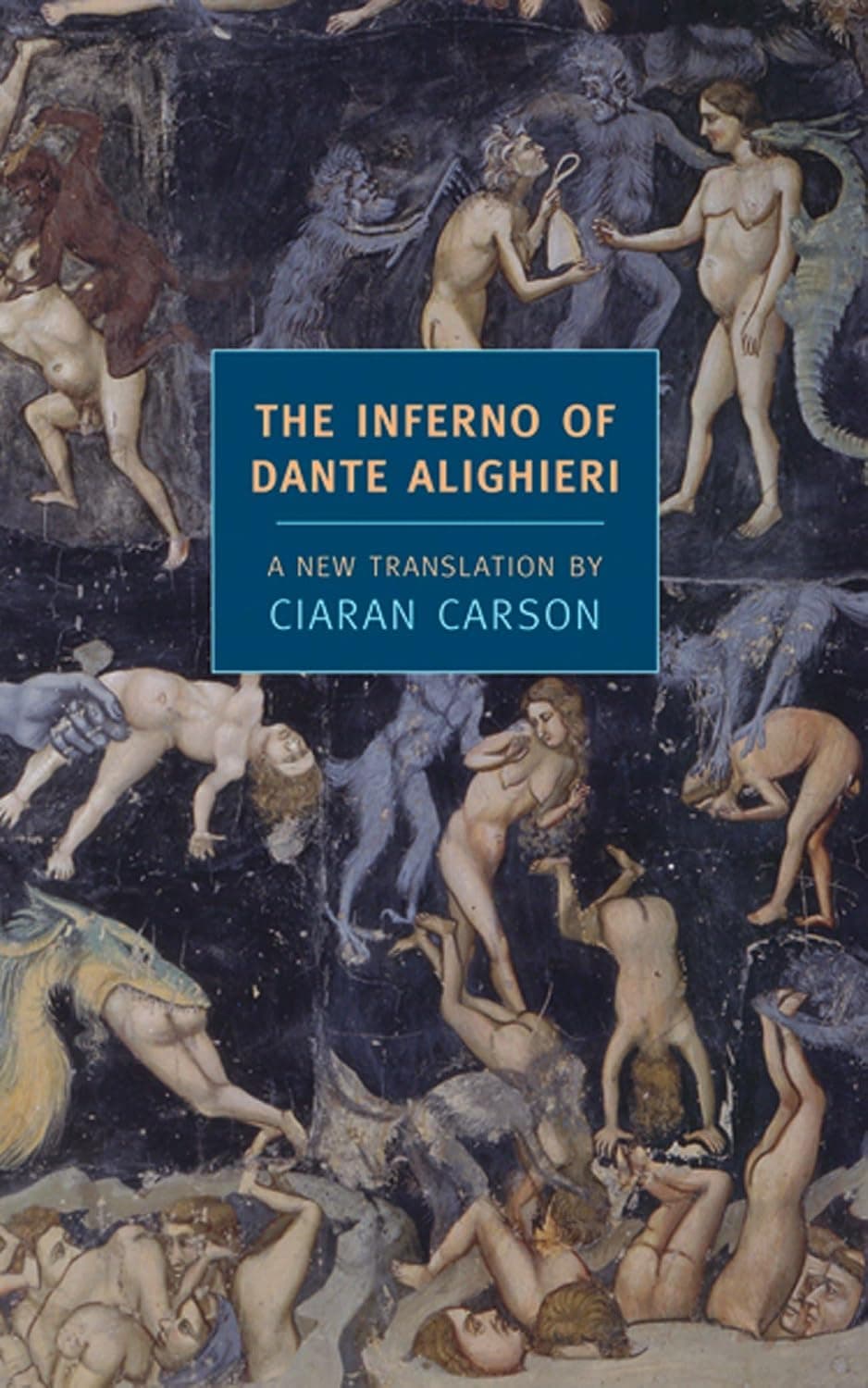
Lost in a dark wood, Dante follows the Roman poet Virgil down through nine circles, past lovers, popes, and traitors frozen in ice. Every punishment is built to answer its sin.

Abraham climbs the mountain to sacrifice Isaac, and Kierkegaard asks how obedience to God can require a murder. Faith suspends ethics altogether, and the believer cannot explain himself to anyone.

Runciman tells the Crusades from Constantinople looking west, and the men in armor come off badly. Three volumes of grand narrative build toward his verdict: one long act of intolerance in God's name.

Calvin set all of Protestant belief in order: who God is, what humanity became, and how grace arrives unearned to those God has chosen. Reformed churches have run on this book ever since.
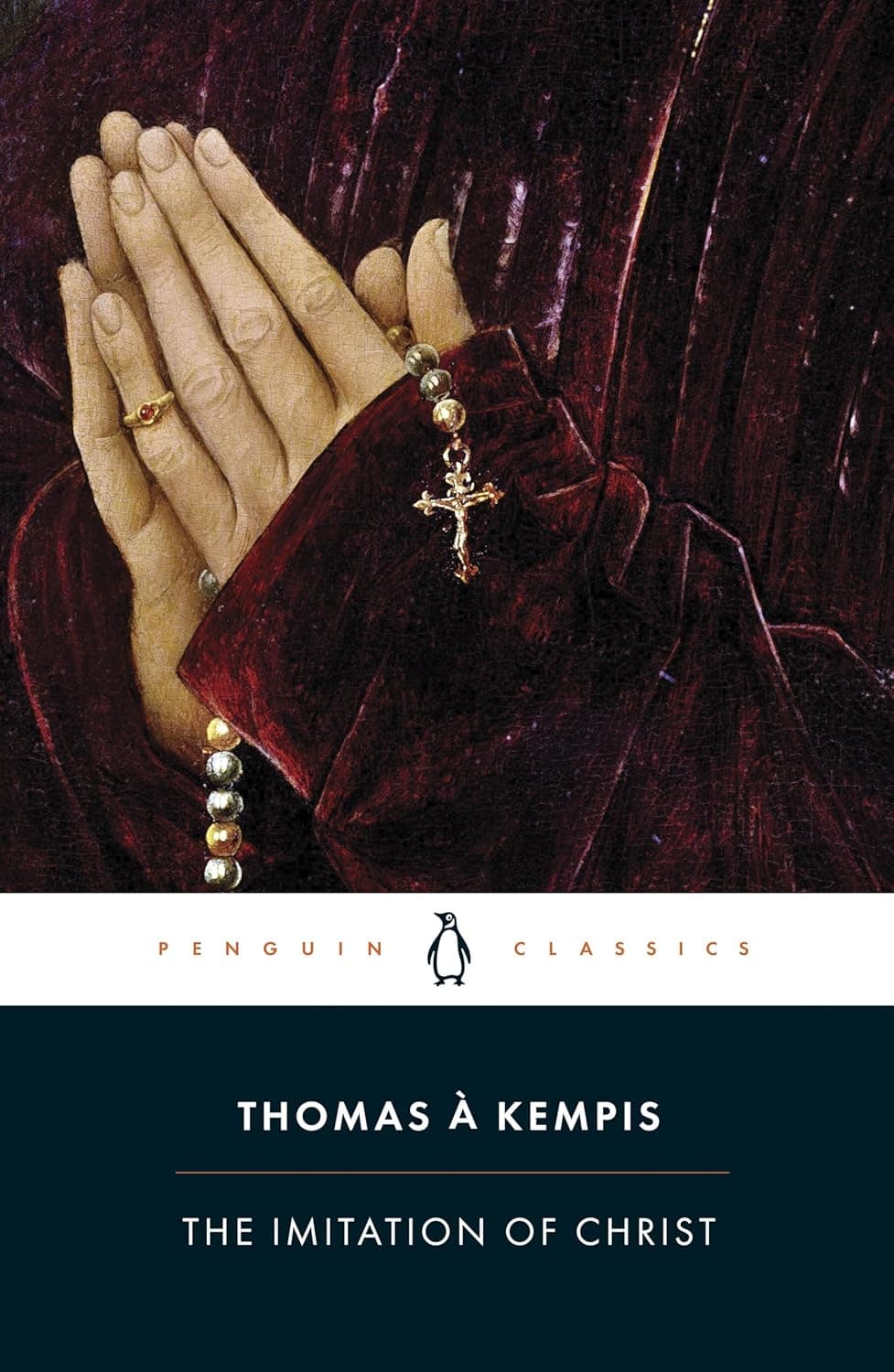
Only the Bible has passed through more Christian hands. Thomas a Kempis asks for a life emptied of vanity and worldly reputation, turned inward, and remade in the imitation of Christ.

Erasmus said the will helps choose salvation. Luther answered that it is a beast ridden by God or Satan, never choosing its rider. Protestants have argued about grace on his terms ever since.

Eliza crosses the frozen Ohio on breaking ice with her child. Stowe sold three hundred thousand copies within twelve months and made slavery intolerable to Northerners who had lived comfortably beside it.

A Zulu parson goes to Johannesburg to find his son and learns the boy killed a white man who fought for black South Africans. Paton's fifteen million readers made apartheid a world scandal.
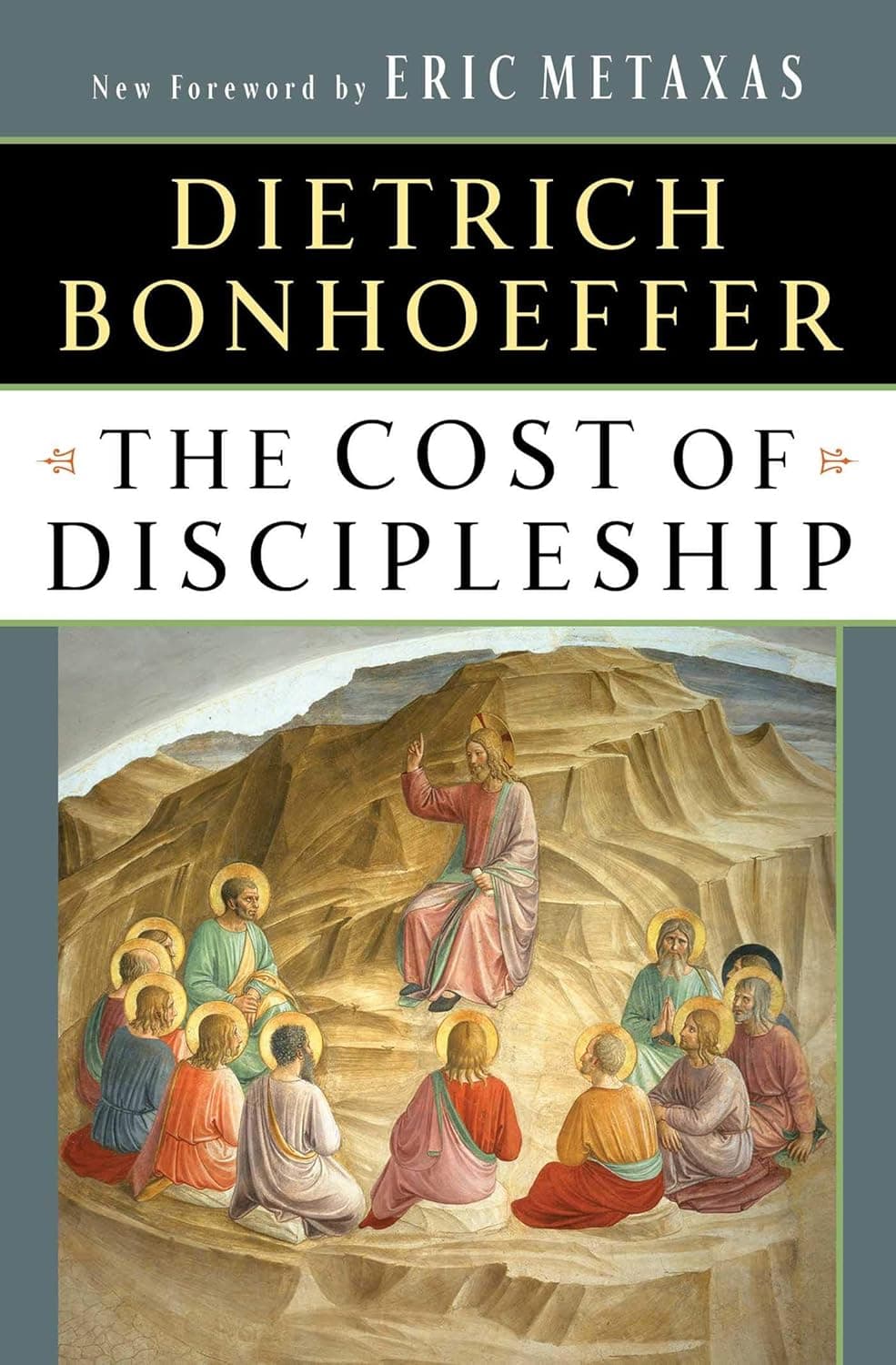
Cheap grace forgives without changing anyone, Bonhoeffer wrote from an outlawed seminary in Nazi Germany. Real grace costs a life: Christ calls a man to come and die. He was hanged in 1945.

John Grimes turns fourteen in Harlem in 1935 and spends the night on a storefront church floor, fighting for salvation. Baldwin pours the sins of three adults into that one boy's conversion.

The earliest surviving English book by a woman came from an anchoress sealed into a cell beside a Norwich church. Julian saw all creation lying in her palm, small as a hazelnut.
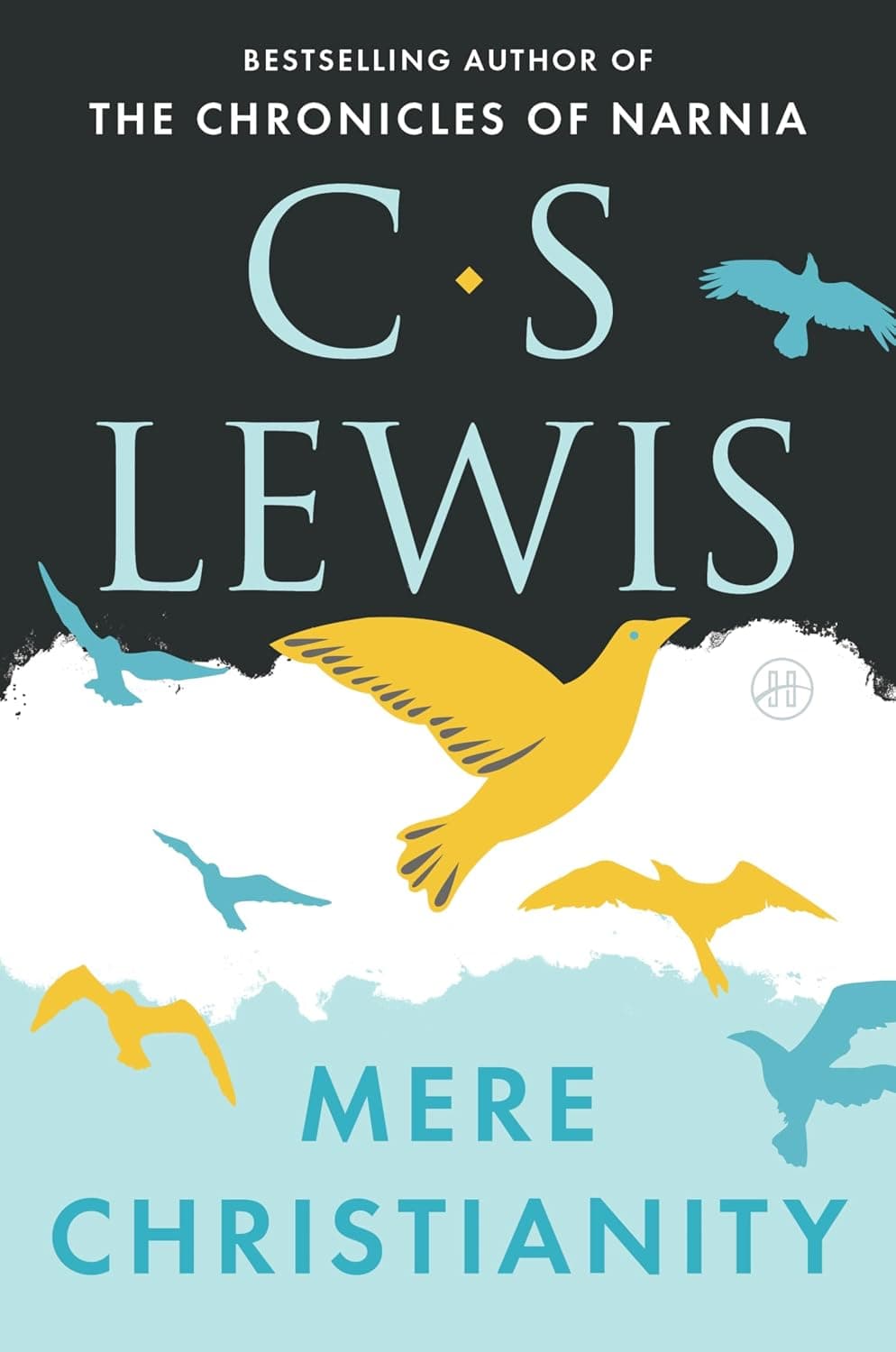
Broadcasting to a Britain at war, Lewis started from one claim: everyone appeals to a standard of right nobody invented. The talks became the book that does most of modern Christianity's arguing.

Gregory, bishop of Tours, is the reason sixth-century Gaul is visible at all. He records Clovis splitting a soldier's skull over a looted vase, queens ordering assassinations, and miracles at the saints' tombs.
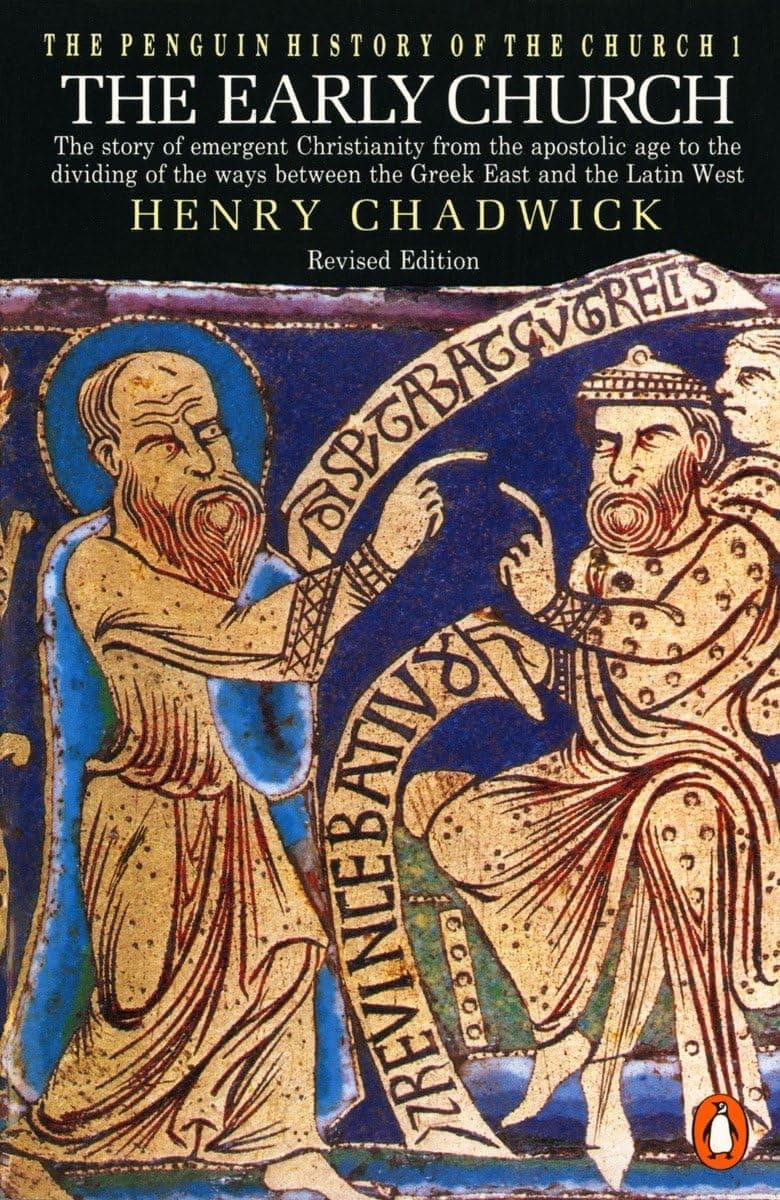
Six centuries in which a persecuted Jewish sect became the Roman state's religion. Chadwick tracks the arguments that decided what Christians believe, from Gnostic rivals through Nicaea to Gregory the Great.

Standing before a Connecticut congregation in 1741, Edwards said God holds sinners over hell as one holds a spider over a fire. The moaning grew so loud he had to pause.
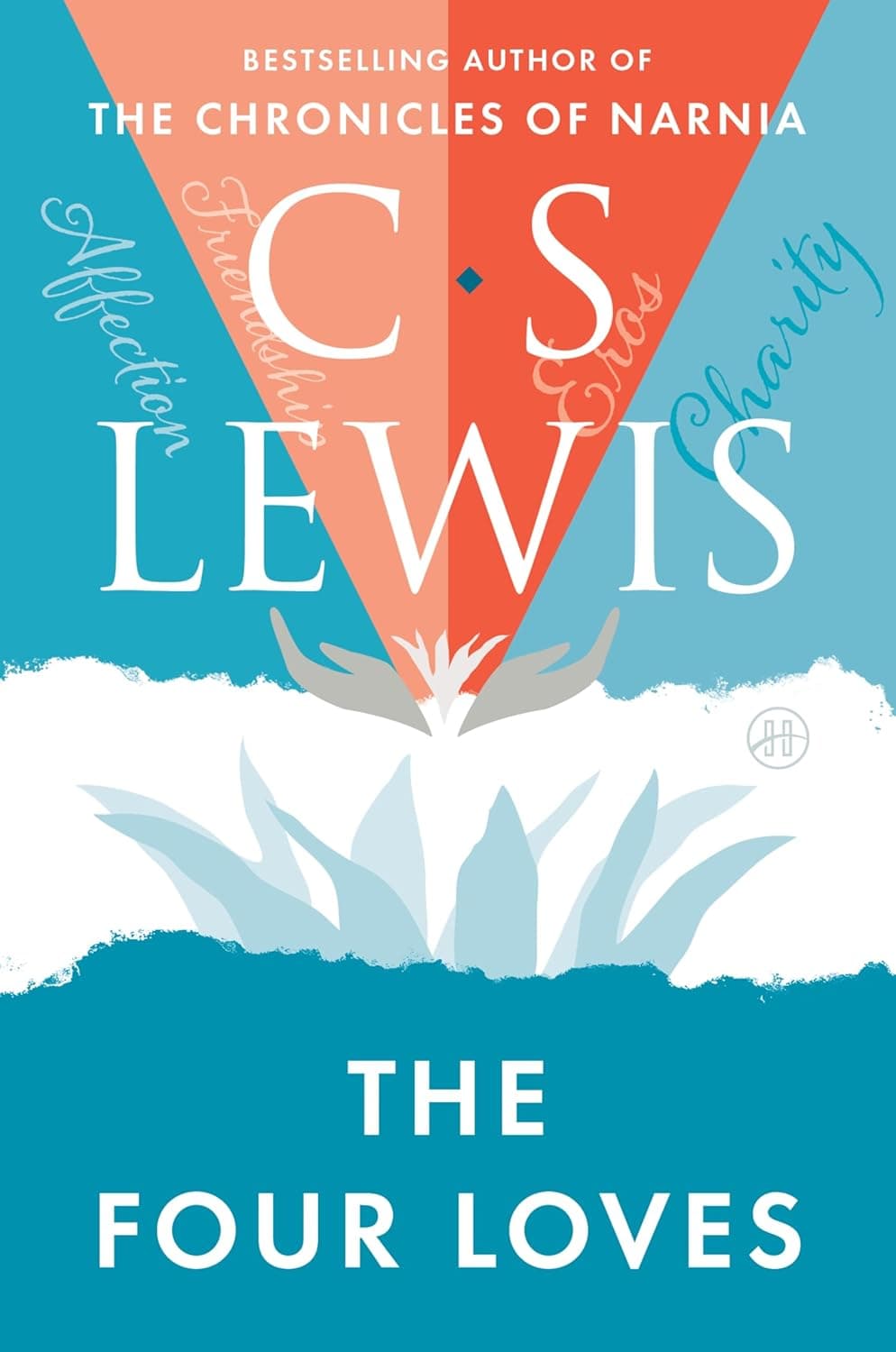
To love at all is to be vulnerable, Lewis writes, then sorts the risk into affection, friendship, eros and charity. Each natural love turns demonic the moment it is made into a god.

Christianity as a three-thousand-year argument, beginning with Greece and Israel long before Christ. MacCulloch refuses to tell it as a Western story: after eight centuries, Baghdad looked a likelier capital than Rome.