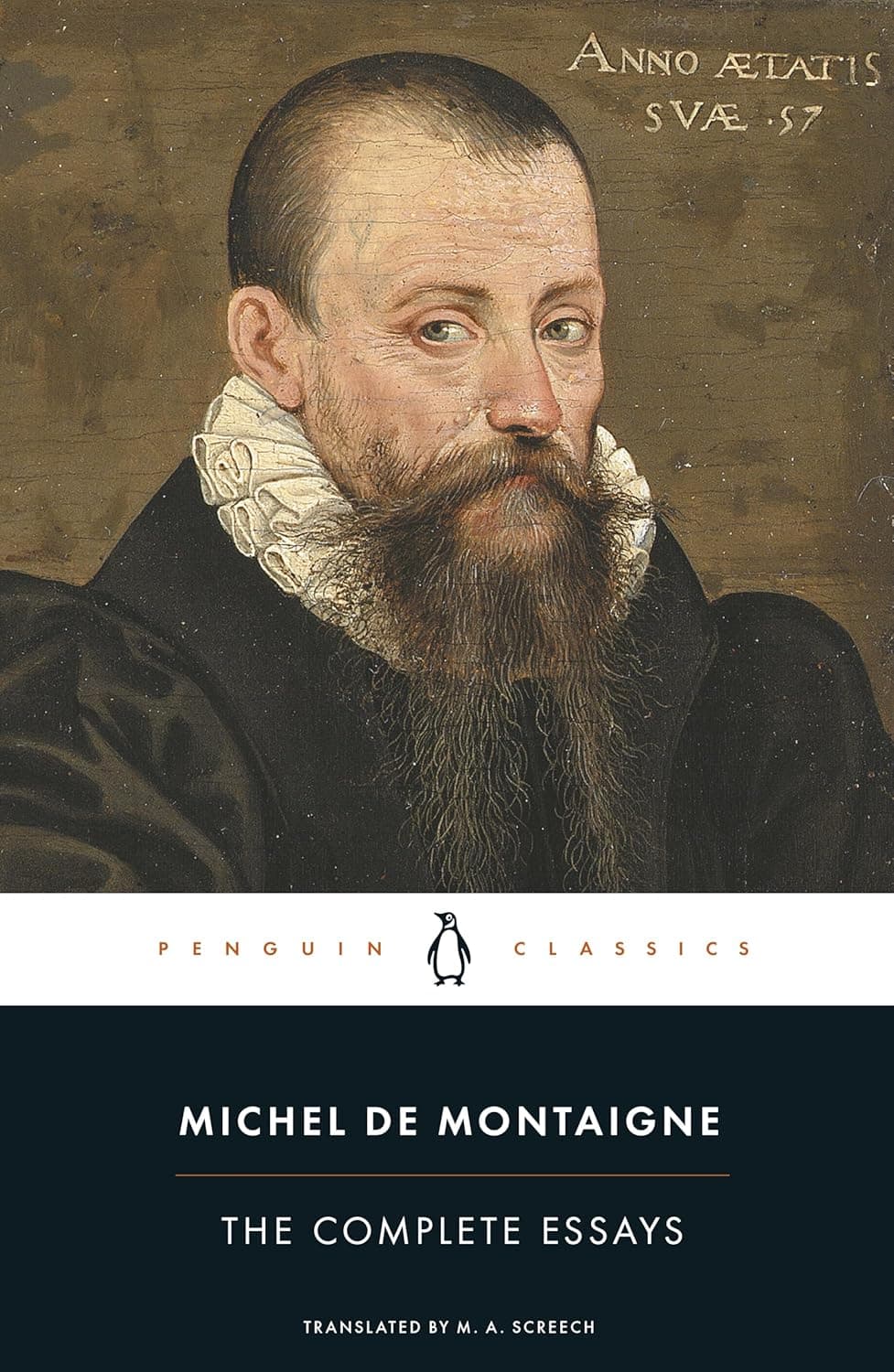
Essays
1580 · 1283 pages
Montaigne wrote short pieces on friendship, fear, sleep, and his kidney stones, and invented the essay doing it. As company on the page he remains unmatched in four centuries.
★ 9.3
 skopia
Montaigne wrote short pieces on friendship, fear, sleep, and his kidney stones, and invented the essay doing it. As company on the page he remains unmatched in four centuries.

Du Bois named the double consciousness of seeing yourself through white eyes and called the color line the problem of the twentieth century. The chapter on his firstborn son's death is unbearable.

Give a woman five hundred a year and a room with a lock and she will write, Woolf argues, then invents a gifted sister for Shakespeare and follows her to a terrible end.

Baldwin buries his father on his nineteenth birthday while Harlem riots, and winters as the only Black man in a Swiss village. He turns his own life into an argument about America.
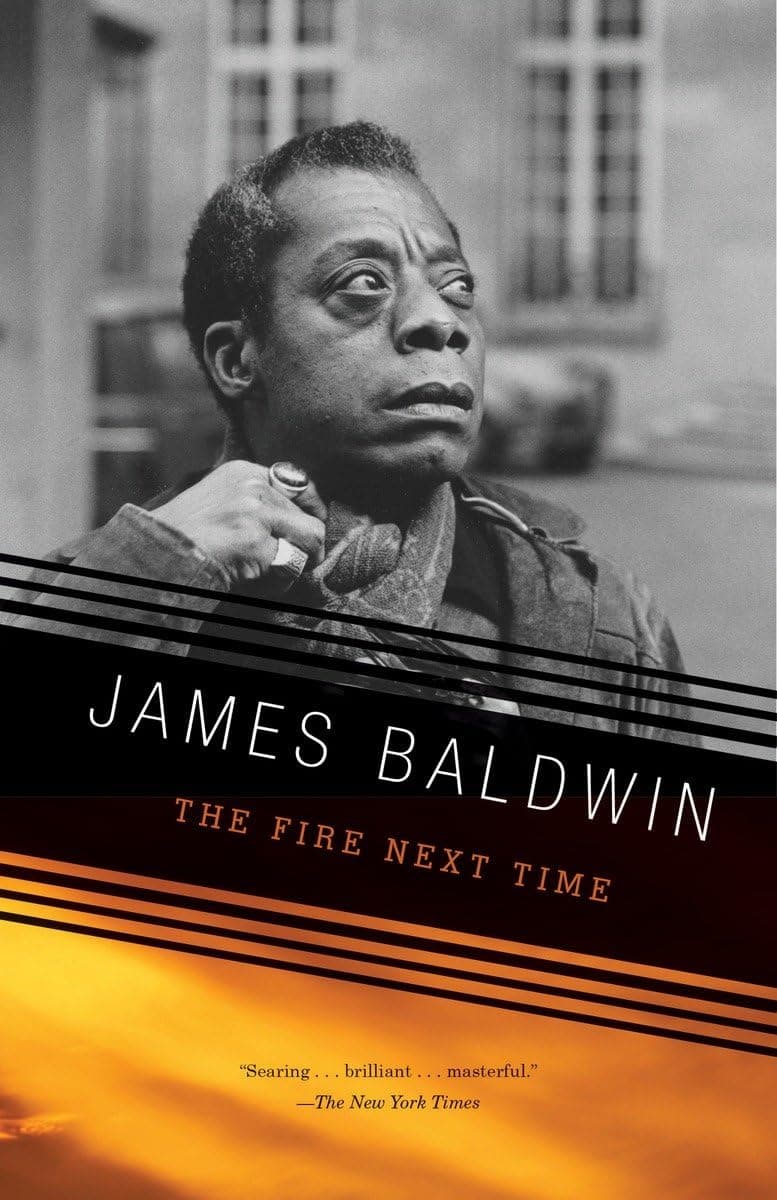
Writing to his teenage nephew, Baldwin remembers preaching in Harlem and dining with the leader of the Nation of Islam. He spares white America nothing and refuses to hate it.
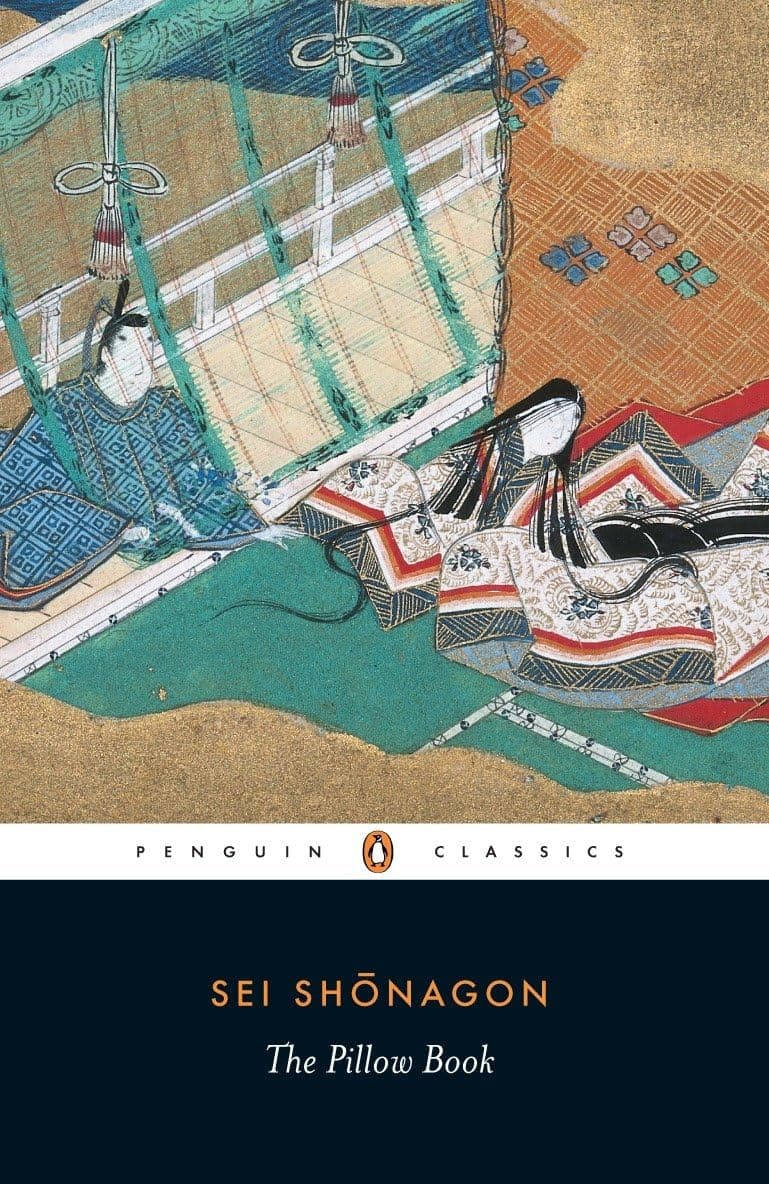
A thousand years ago in the Japanese court, a lady-in-waiting kept lists of things that make the heart beat faster and things she found hateful. Her snobbery is part of the pleasure.
The only serious philosophical question, Camus opens, is whether to kill yourself. His answer: the universe will never explain itself, so you live anyway, unreconciled, like Sisyphus happy pushing his rock uphill forever.

Taking a picture is a form of acquisition, close to aggression, Sontag argues, and a world drowning in images loses the power to feel them. You will not photograph casually again.
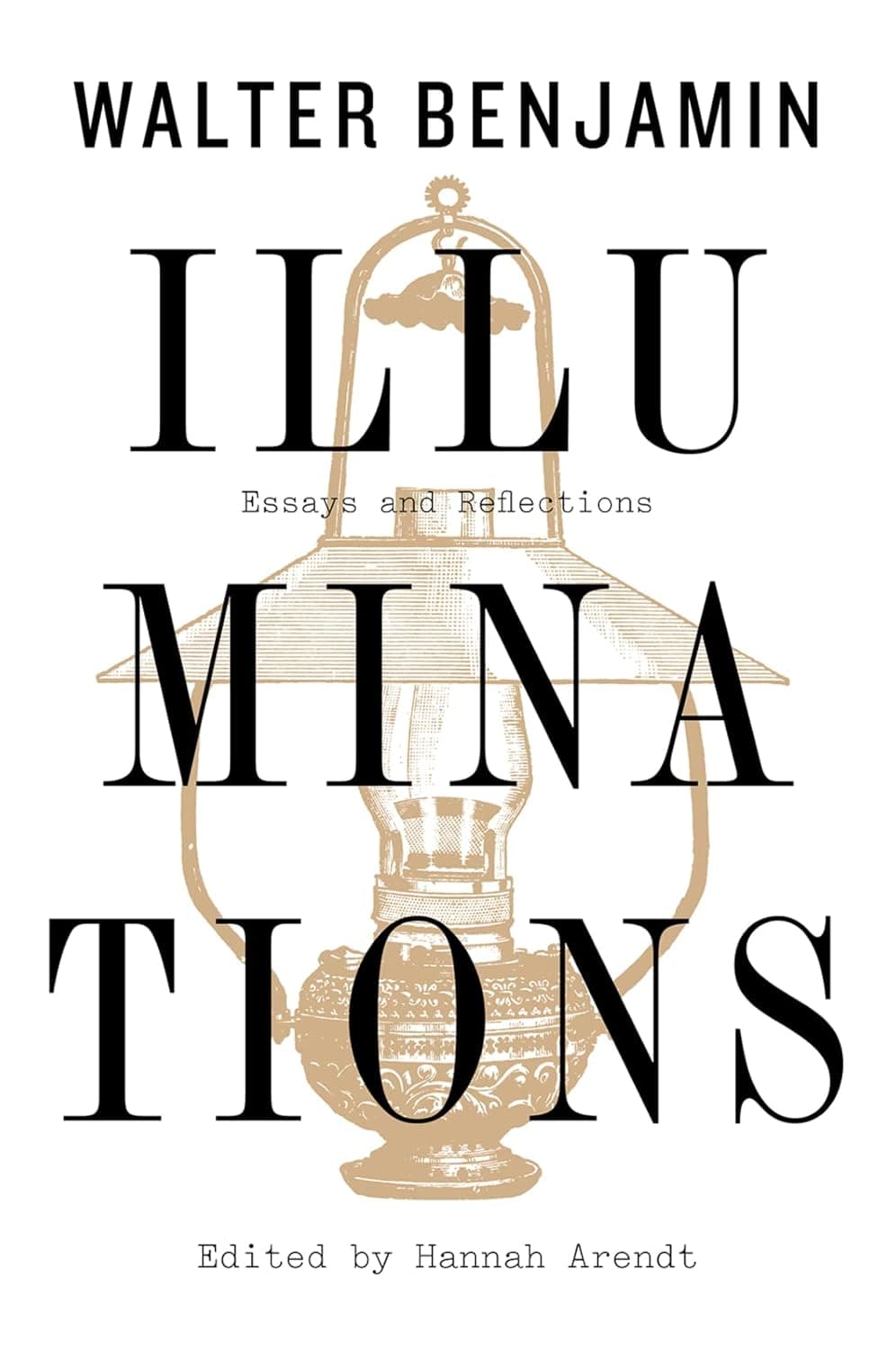
Benjamin asks what photography did to art and answers that a work loses its aura once anyone can copy it. Elsewhere history appears as an angel blown backward, staring at the wreckage.
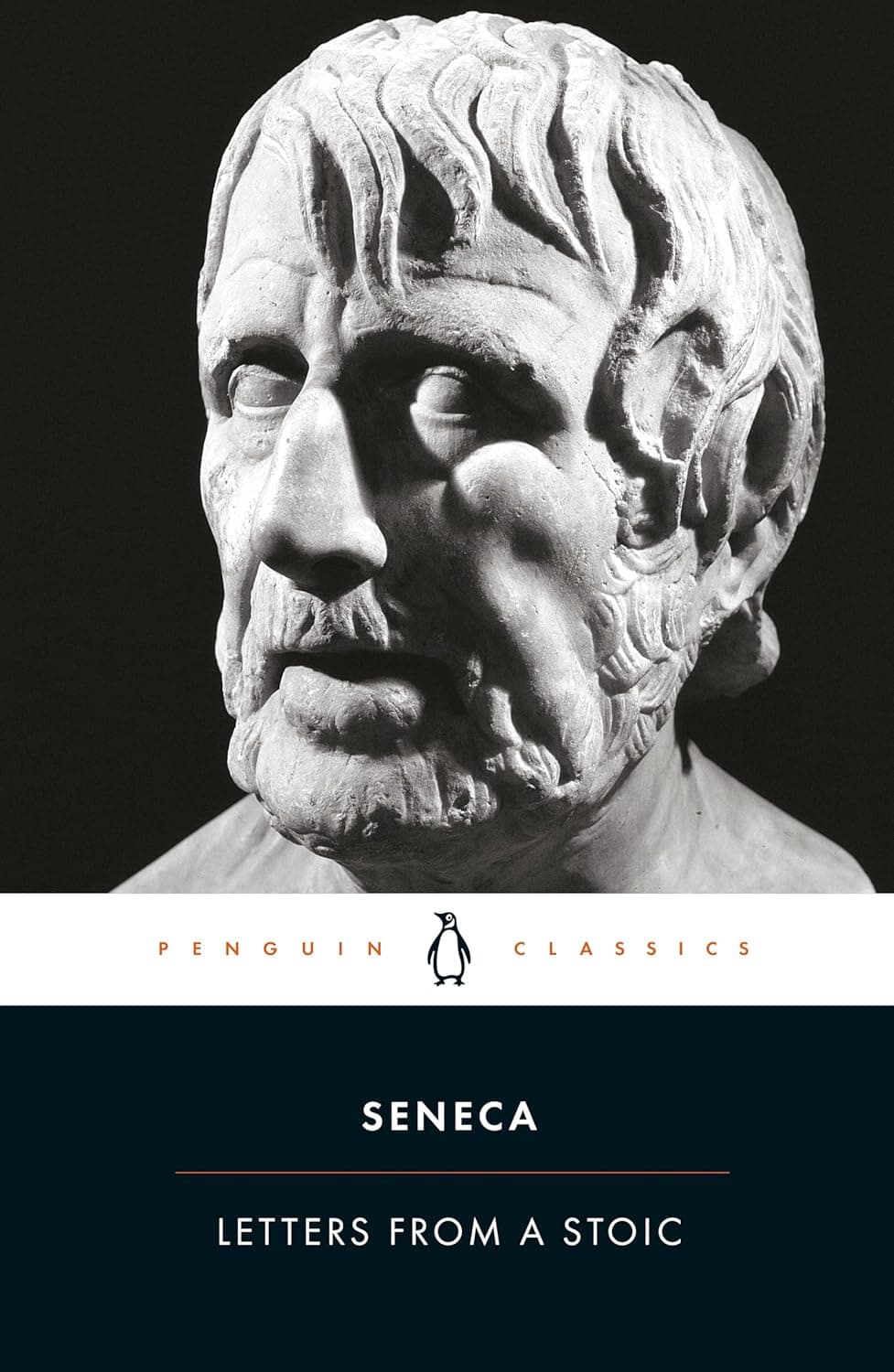
Nero's tutor sets down how to die, how to hold wealth lightly, and how to stop waiting for life to begin. Philosophy arrives as advice from someone who likes you.
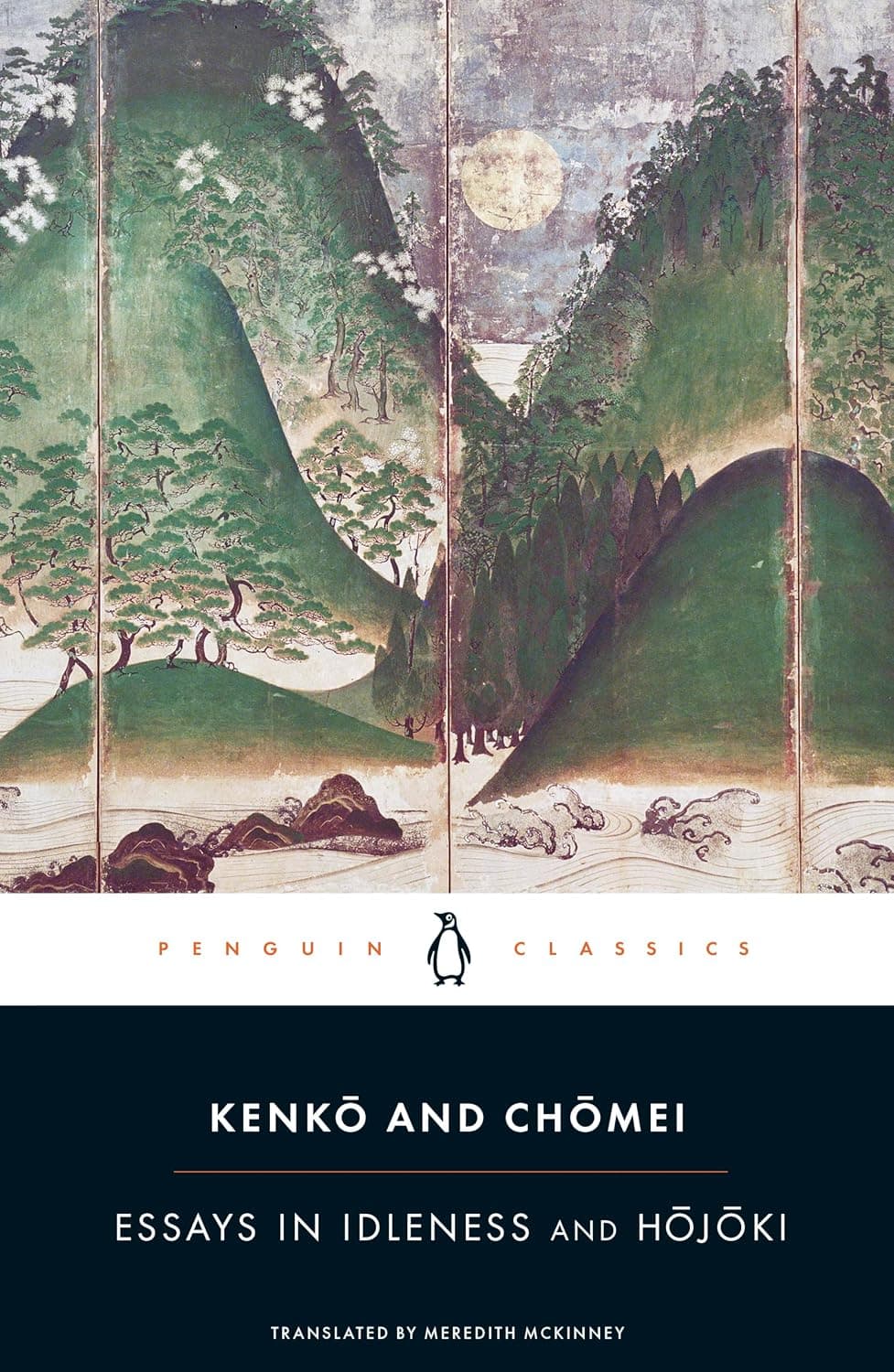
Writing in fourteenth-century Japan, the monk Kenko set down fragments on manners, boredom, and death, asking why we look at cherry blossoms only in full bloom. Impermanence makes attention urgent.

Culture is not what people do, Geertz argues, but the meanings hung on it, and thick description means reading a Balinese cockfight the way you would read a poem.
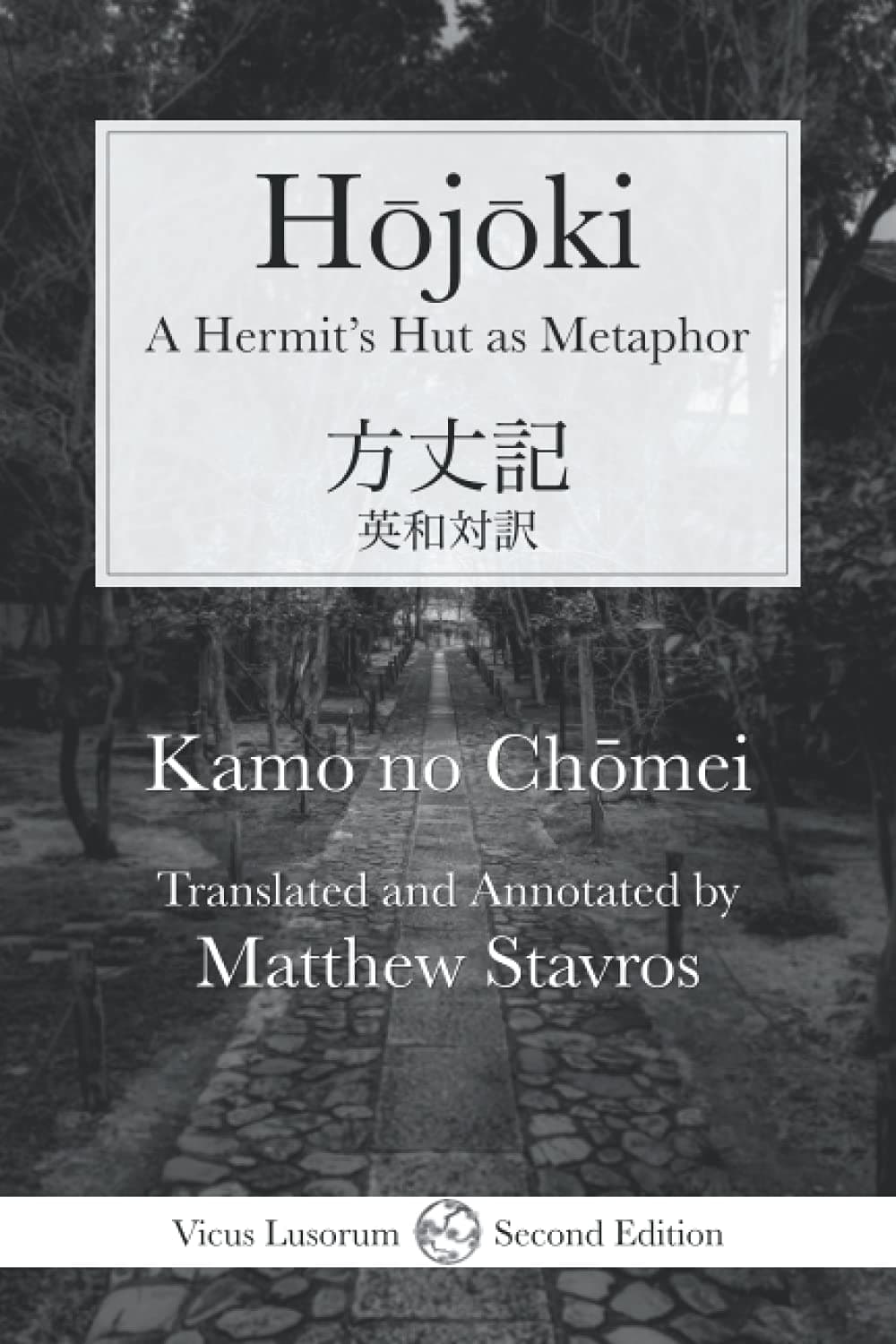
Writing from a hut ten feet square, a Kyoto recluse recalls the fire, whirlwind, famine, and earthquake that destroyed the capital, and concludes that nothing built by people is meant to stay.

Didion went into Haight-Ashbury in 1967 and came back with a five-year-old on acid and children improvising a society in a vacuum. She rebuilt American nonfiction prose around the sound of her sentences.
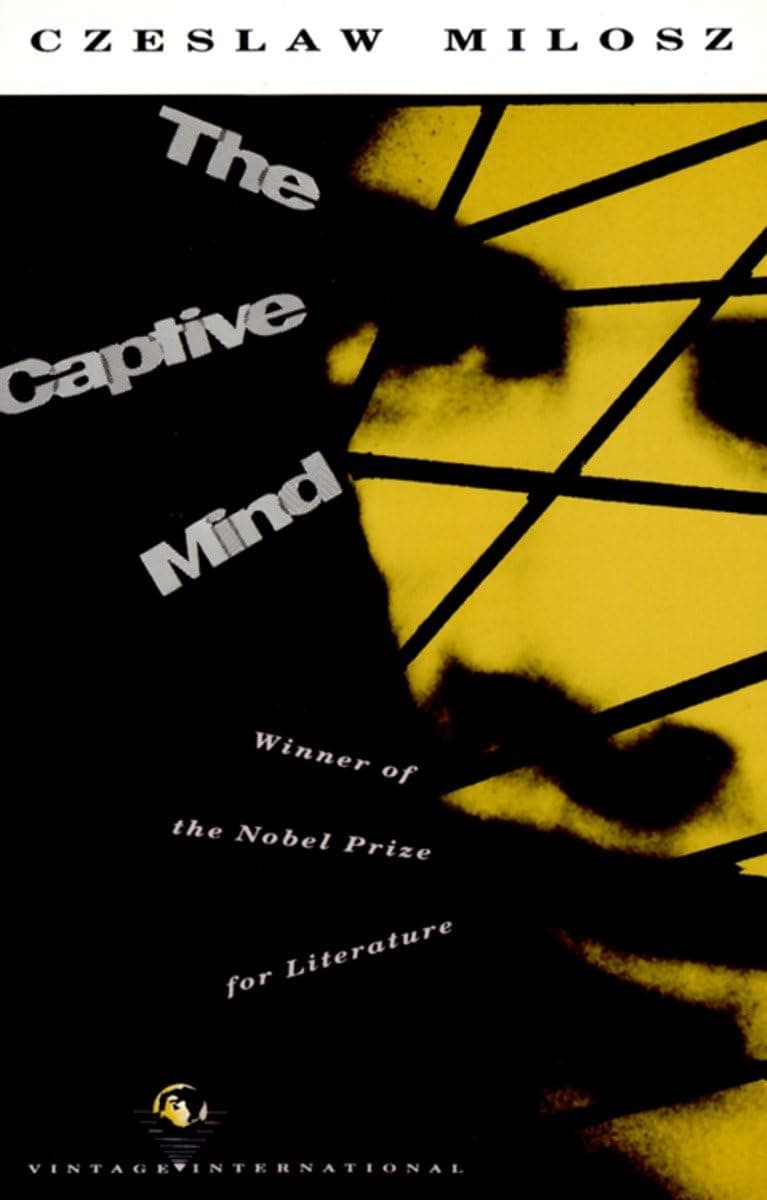
Milosz, a Polish poet who served the new regime and then defected, explains how intelligent people talked themselves into Stalinism. Ketman, he calls it: believing one thing and professing another.
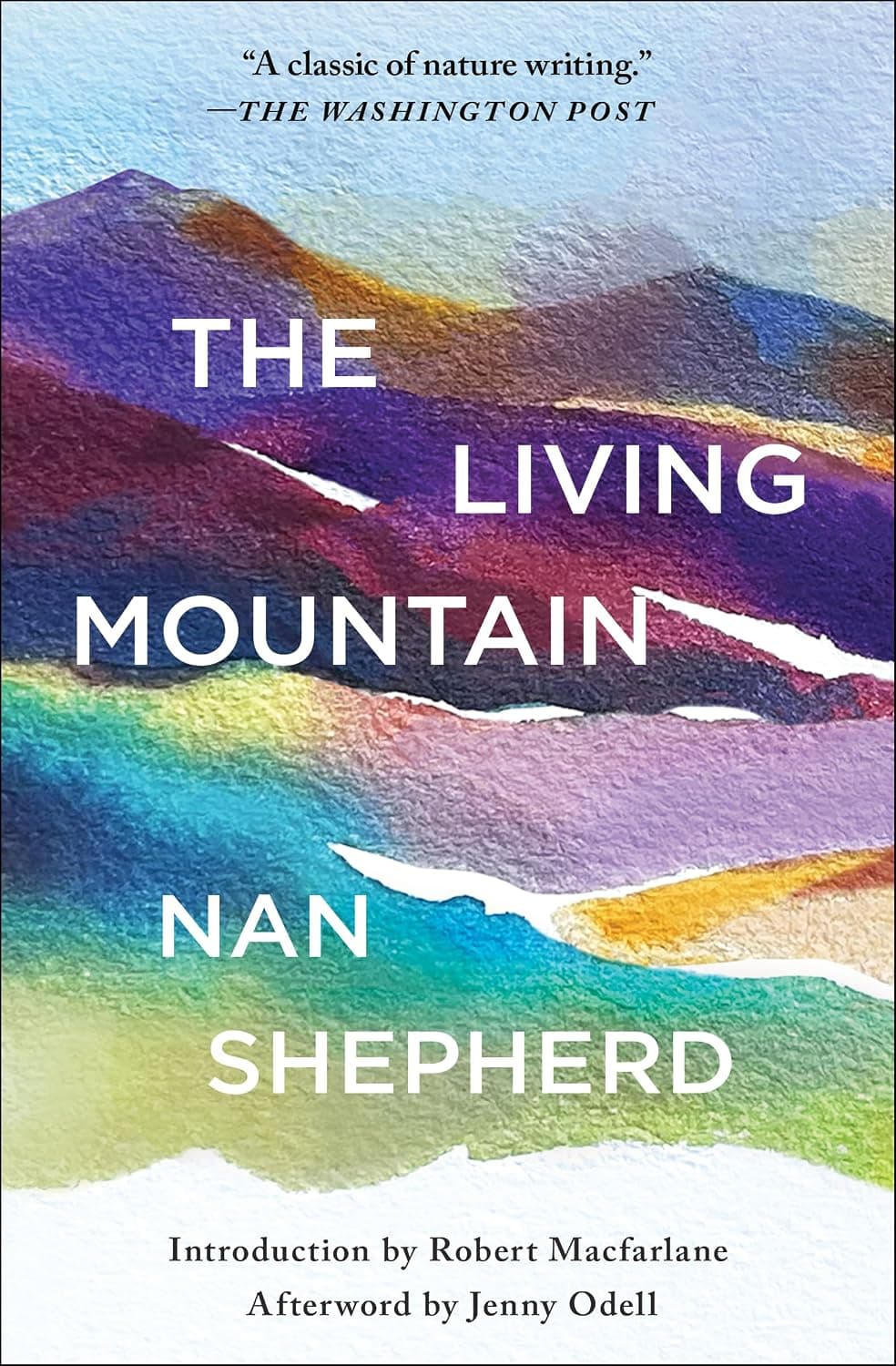
Summits barely register. Shepherd spent a lifetime in the Scottish Cairngorms and writes about going into the mountain rather than up it, attending to water and frost until the seeing becomes the point.

Sontag's charge against criticism: pulling meaning out of a work is a way of not experiencing it. She wants attention paid to surface and speed, and asks for an erotics of art instead.

Trust thyself, Emerson writes, and every heart vibrates to that iron string. The poet Oliver Wendell Holmes called his Harvard address the declaration of independence of American intellectual life.

The legal subordination of one sex to the other is wrong in itself and a hindrance to human improvement. Mill wrote that when a married Englishwoman could own nothing and had no vote.
Weber told students in a collapsing Germany what science and politics demand: science can give you clarity but never choose your values, and politics is the slow boring of hard boards.

Americans tell themselves a story of innocence, abundance, and invincibility. The South knew defeat, poverty, and the guilt of slavery, and Woodward offers that history as the corrective a superpower needs.

Hoggart set down working-class Leeds as he had lived it, then indicted the slick magazines displacing it. Seven years later he founded the Birmingham center that made popular culture an academic discipline.

Niebuhr's argument: an individual can rise above self-interest and a nation cannot, so justice comes from power balanced against power. Cold War strategists and Martin Luther King alike thought in his terms.

Mexicans wear masks, Paz argues, because the Conquest left them sons of a violated mother, heirs to two pasts they refuse to join. Mexico has quarreled with these essays for seventy years.

Hofstadter strips the myths off American statesmen from Jefferson to Franklin Roosevelt and finds one propertied creed underneath. The Emancipation Proclamation, he writes, had all the moral grandeur of a bill of lading.
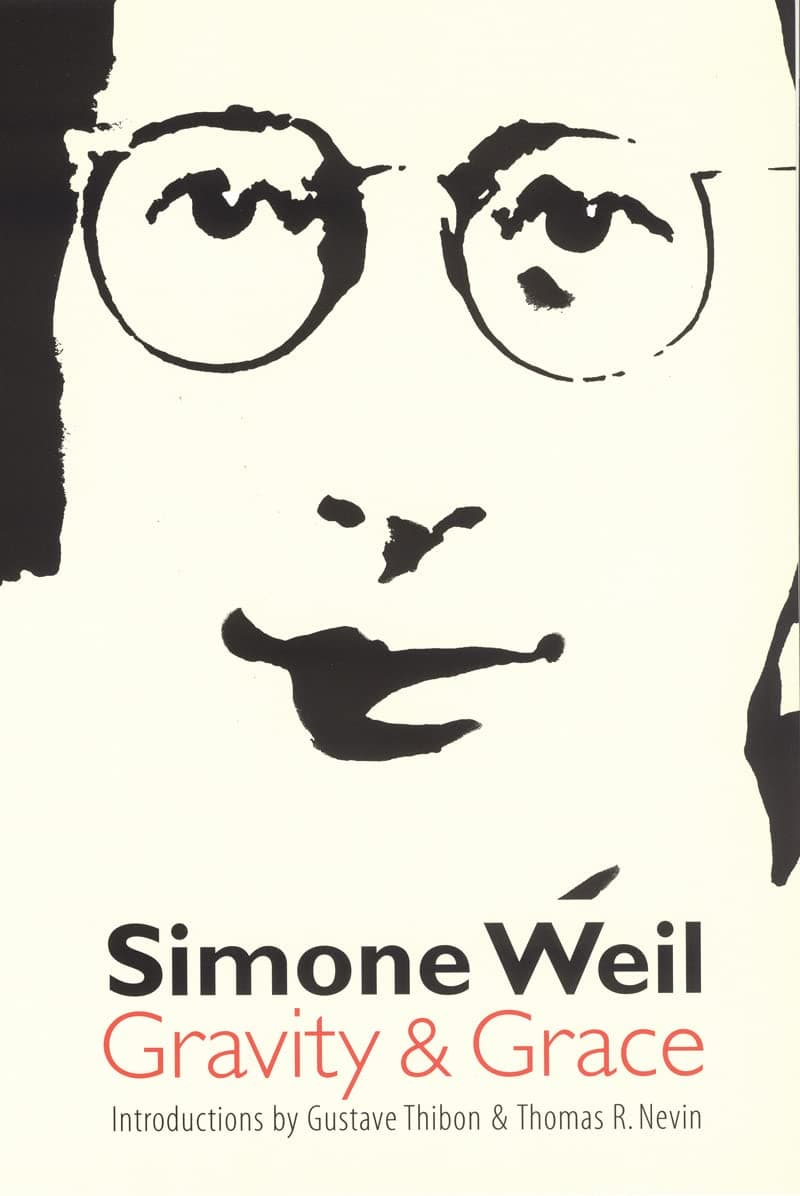
Weil held that the soul falls by a law as fixed as gravity and that grace enters only a void, which is why affliction, stripping everything away, can open a person to God.

Tea began as a medicine and grew into a beverage, writes Okakura, a Japanese art curator addressing the West, who then draws from one cup an entire aesthetic of imperfection and attention.

Freedom from interference and freedom to become your true self are different things, the philosopher Isaiah Berlin warned, and tyrants prefer the second. His Tolstoy essay divides all thinkers into hedgehogs and foxes.

Borges wrote criticism the way he wrote fiction, in short pieces with trapdoors, on subjects from Dante to King Kong. Every writer creates his own precursors, he argues, and literary history rearranges itself.

Sent to the Maine Lobster Festival, Wallace asks whether boiling an animal alive is defensible. The same scruple drives his reports on a porn awards show and Senator McCain's presidential campaign.

Seven nights on a Caribbean luxury liner, where the pampering drives Wallace to despair. He also traces how television swallowed the irony American novelists invented, and why that irony became a trap.
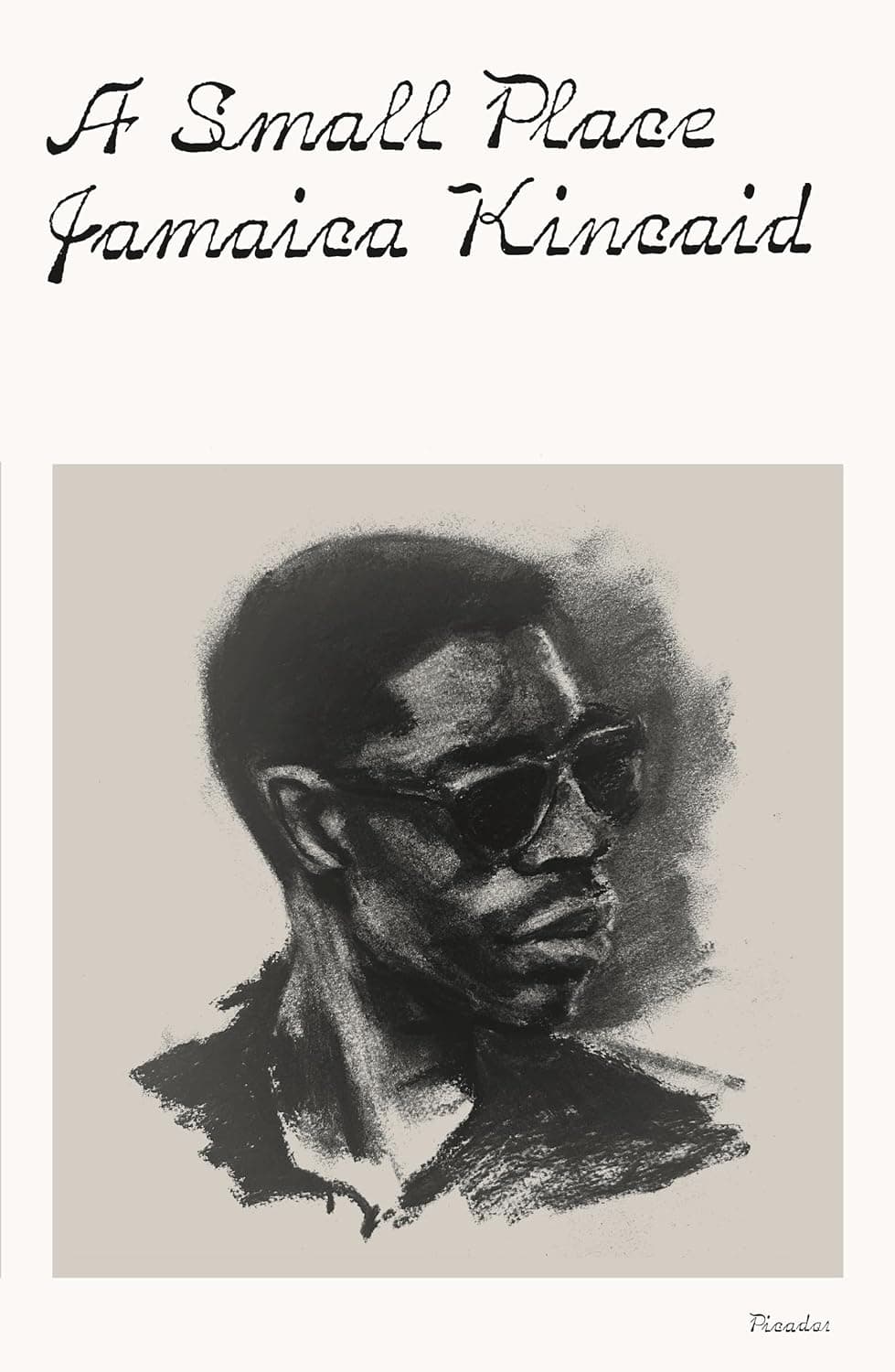
You arrive in Antigua as a tourist and Kincaid tells you what you look like to the people who live there, then turns on the empire and the government that wrecked the island.
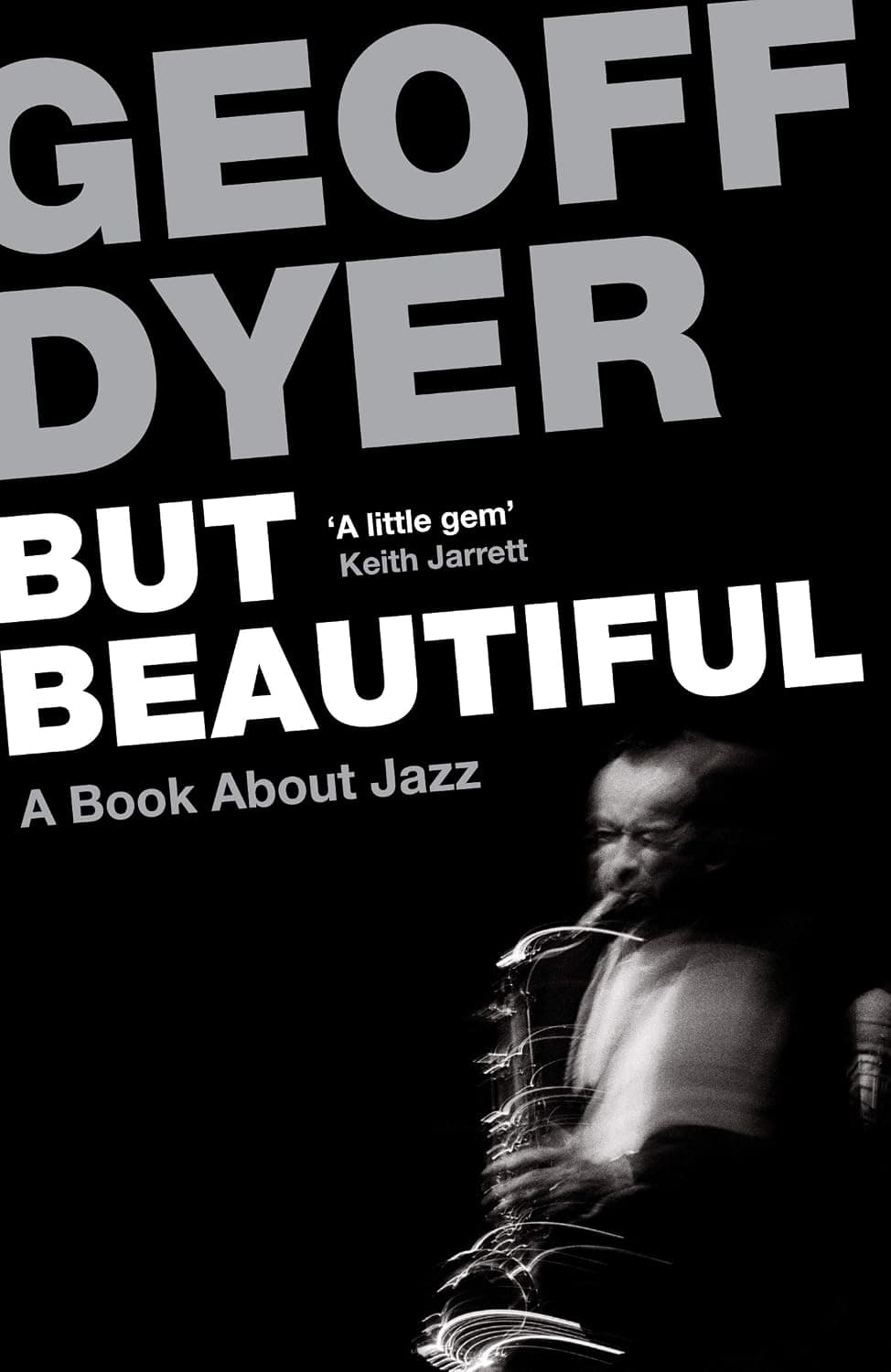
Dyer imagines his way into the nights of jazz musicians, Lester Young after the army broke him and Thelonious Monk alone at a piano, inventing scenes to reach what no biography can.

Standing before a Connecticut congregation in 1741, Edwards said God holds sinners over hell as one holds a spider over a fire. The moaning grew so loud he had to pause.

Leopold shot a wolf and watched the green fire go out of her eyes. Land is a community we belong to, he concluded, and his land ethic became American environmentalism's creed.

For a year Dillard watches a creek in Virginia's mountains, where a giant water bug drains a frog to an empty skin. She wants to know what kind of God made this world.
"We tell ourselves stories in order to live," the title essay begins, then takes the story apart: the Manson trial, a Doors session going nowhere, and a psychiatric report on Didion herself.

Mitchell listened to New York for decades: the regulars at McSorley's, the fishermen at Fulton Market, and Joe Gould, a Village drifter compiling a nine-million-word oral history from everything he overheard.
No English-language essayist of his generation wrote with more range or less caution. These 107 pieces run from Orwell and Jefferson to Iraq and Afghanistan, and Hitchens had himself waterboarded before writing one.
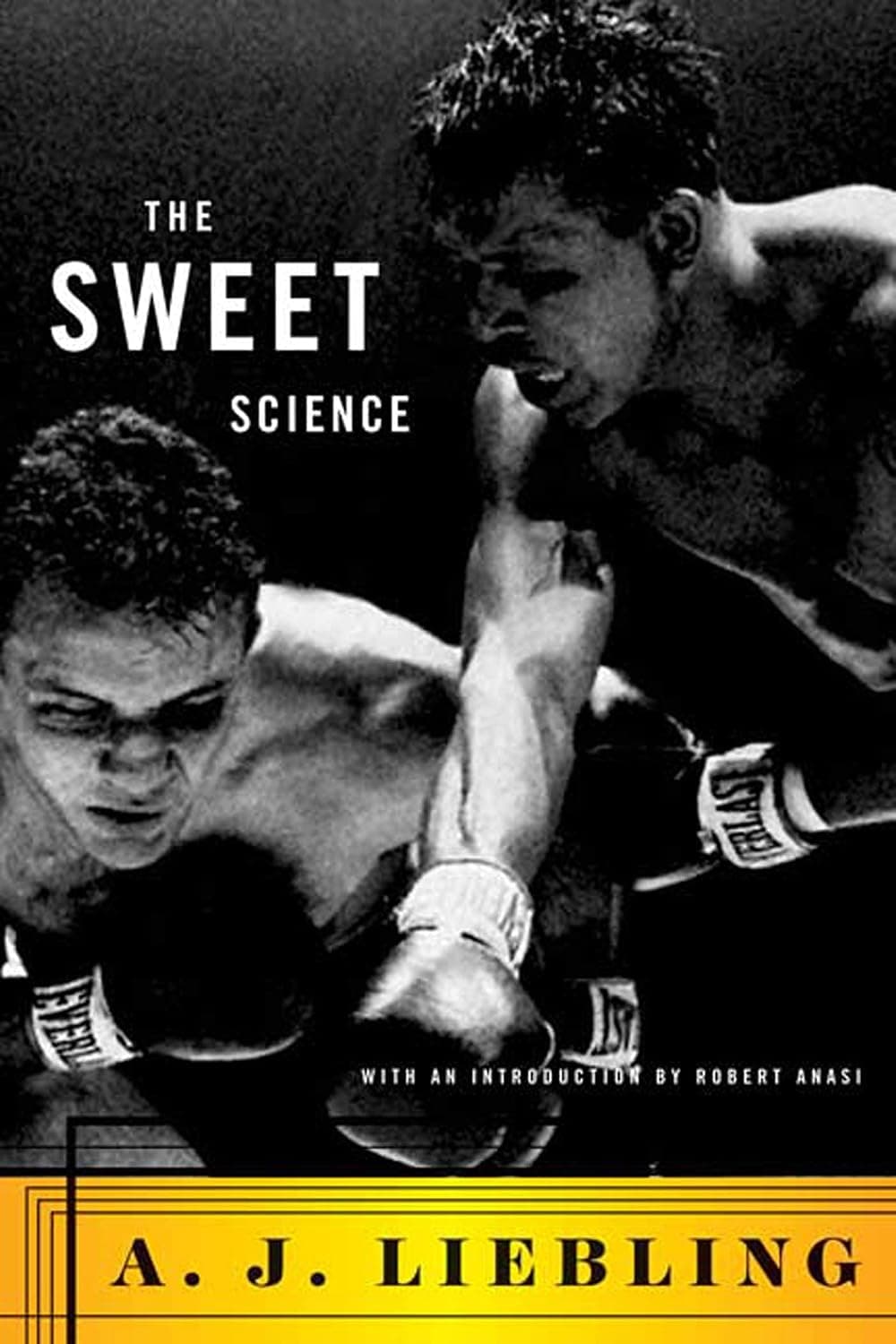
Liebling covered Rocky Marciano knocking out an aging Joe Louis, writing the trainers and cornermen with as much relish as the champions. He set the standard American boxing writing still works from.