
The Art of Eating
1954 · 784 pages
Fisher wrote about oysters, wartime rationing, and eating alone, and made food a way of writing about hunger of every kind. The poet W.H. Auden said nobody in America wrote better prose.
★ 7.0
 skopia
Fisher wrote about oysters, wartime rationing, and eating alone, and made food a way of writing about hunger of every kind. The poet W.H. Auden said nobody in America wrote better prose.

Brillat-Savarin, a French magistrate, made the table a subject for philosophy: tell me what you eat, he wrote, and I will tell you what you are. No food writer has bettered him.

Egypt expelled its Jews after Suez, and Roden, exiled in London, collected recipes from displaced Sephardi and Arab families and the histories behind them. English-speaking kitchens learned hummus, tabbouleh, and mezze from her.

Gray gave up an editor's job for stone quarries in Tuscany, Catalonia, Naxos, and Apulia, cooking wild greens, snails, and game over wood fires and setting down a Mediterranean already disappearing.

Freetown, Virginia was founded by freed slaves, including Edna Lewis's grandfather, and her cookbook is that community's year: what the farm gave in each season and the meal it made.

Marcella Hazan taught America what Italians actually eat, region by region, and her rule is exacting: buy well, do less, wait. Her tomato sauce is a can, an onion halved, and butter.
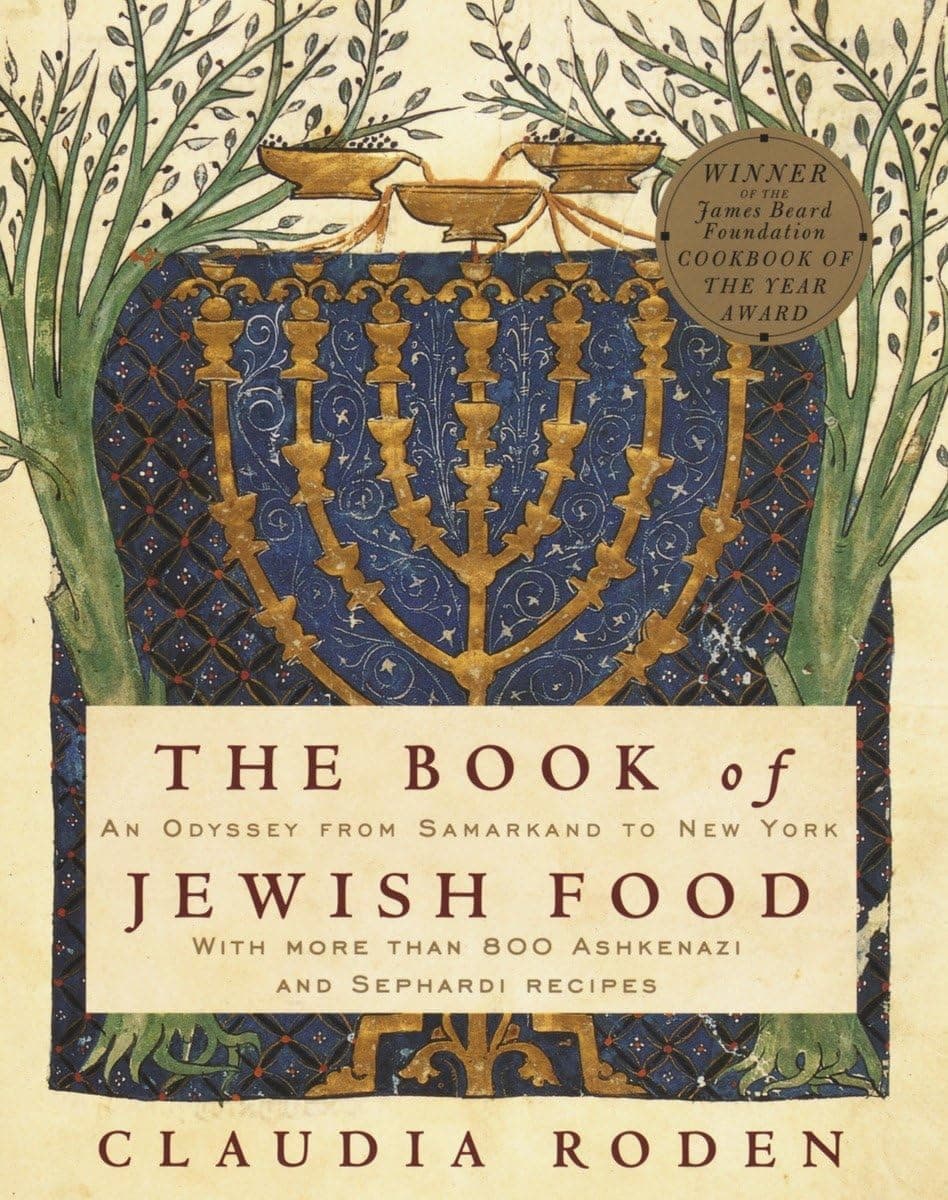
From Aleppo and Samarkand to Vilna and New York, Roden gathered eight hundred recipes and the histories that traveled with them. She was born into Cairo's Jewish community and expelled along with it.