
The Brothers Karamazov
1880 · 832 pages
Old Karamazov is murdered and each of his three sons had reason. Around the crime Dostoevsky stages the fiercest argument fiction has ever made about God and the suffering of children.
★ 9.7
 skopia
Old Karamazov is murdered and each of his three sons had reason. Around the crime Dostoevsky stages the fiercest argument fiction has ever made about God and the suffering of children.

Raskolnikov murders a pawnbroker to prove he stands above ordinary morality, then comes apart as a magistrate circles him. It reads like a thriller and works like a confession.
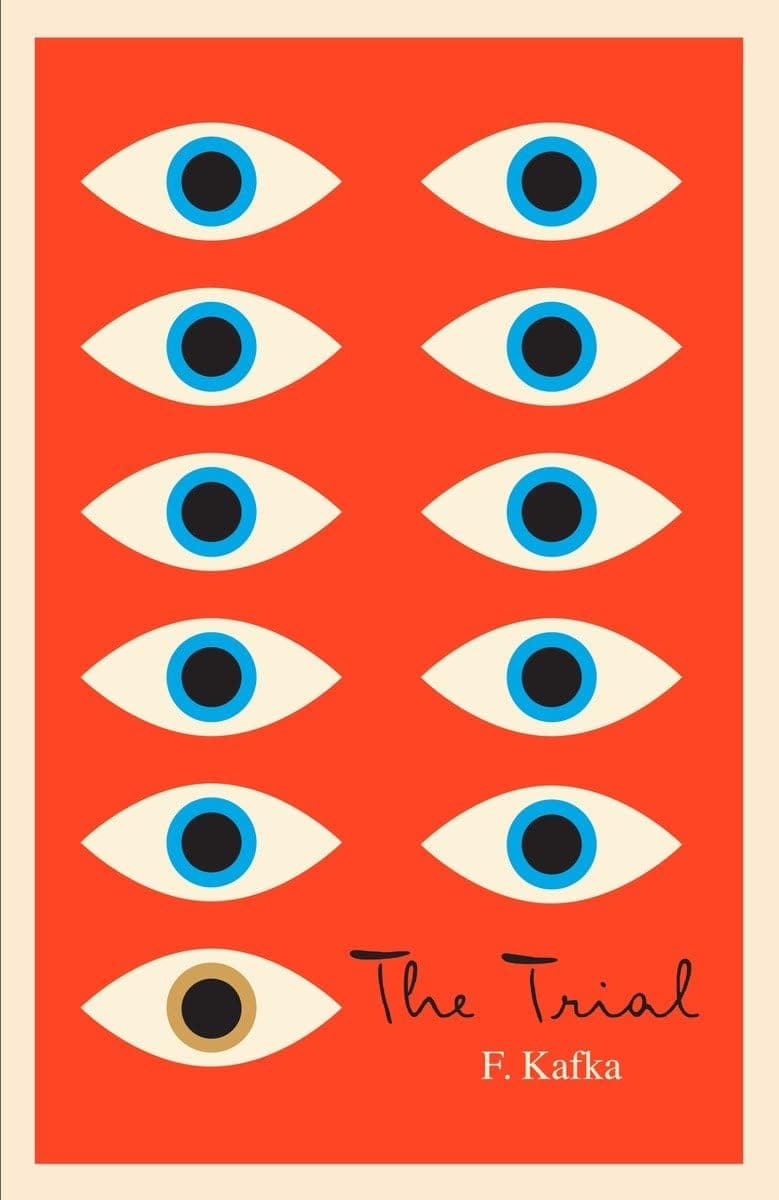
Josef K. is arrested one morning, never told the charge, and ruined by his own efforts to clear himself. Kafka made faceless authority funny, and gave the century its word for dread.
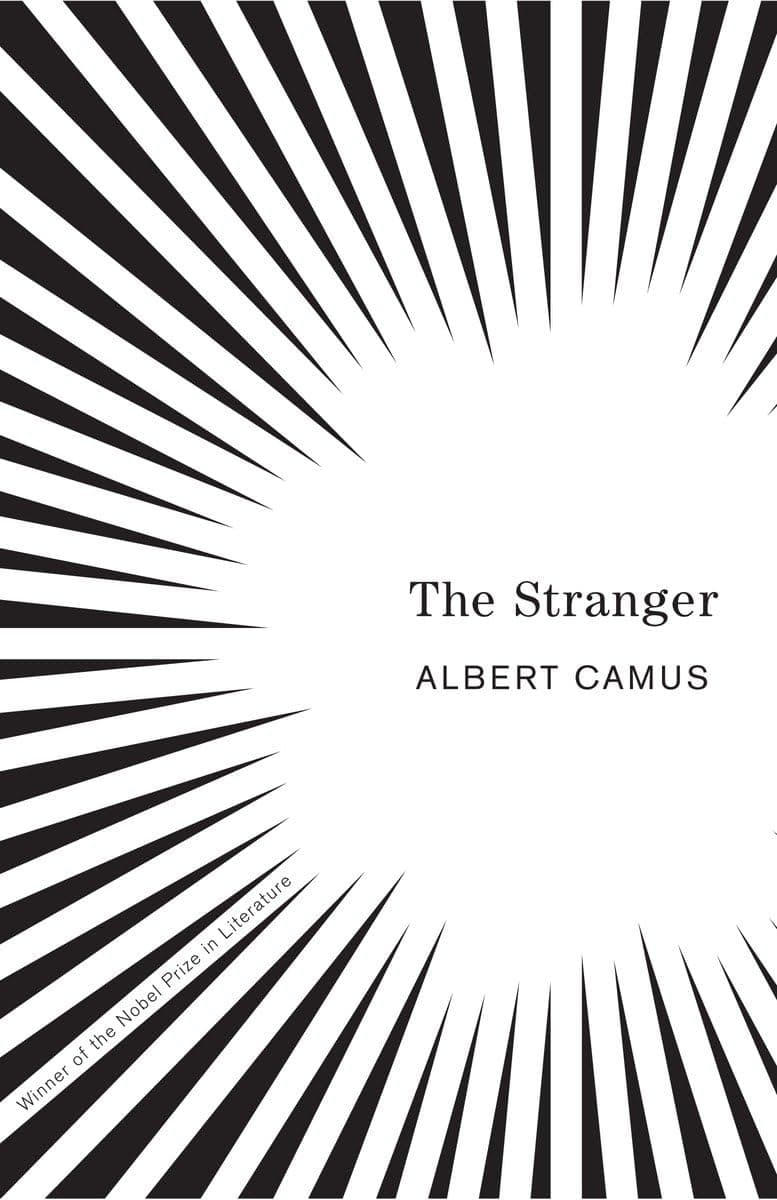
Meursault buries his mother without crying, takes a lover, and shoots a man on a hot Algiers beach. At his trial the tears he never shed matter more than the killing.
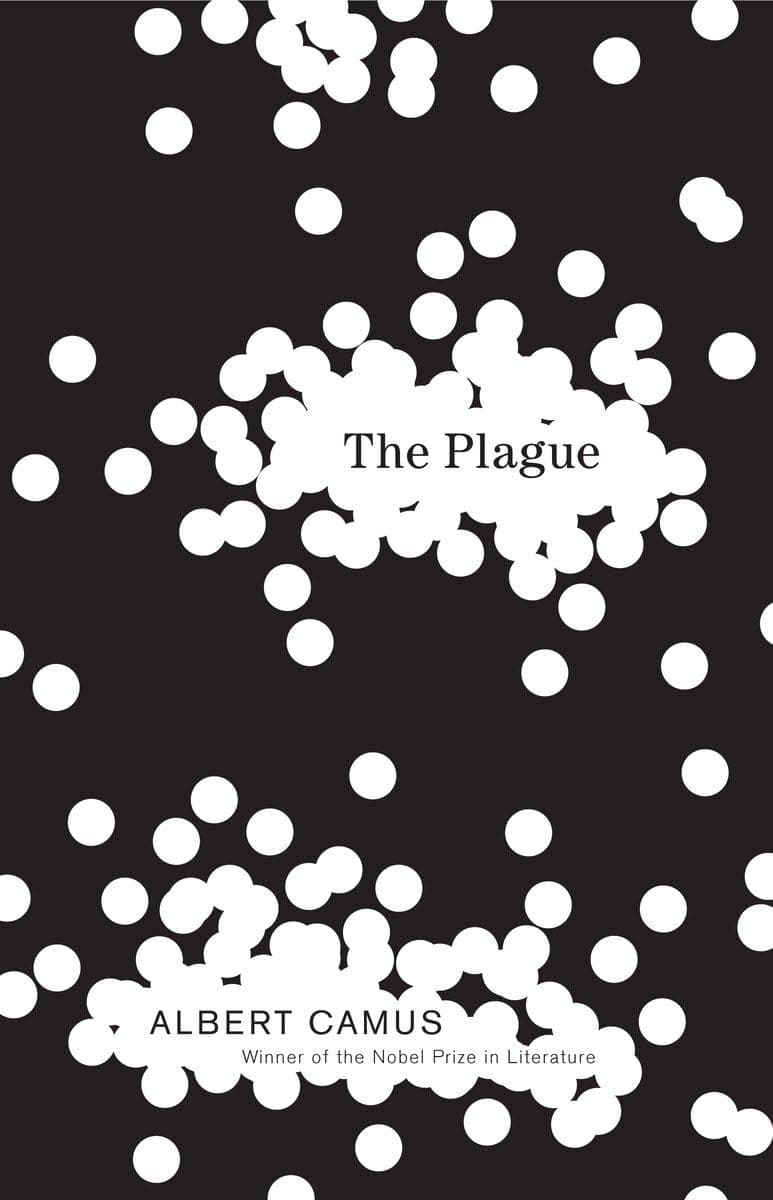
Rats die in the streets of an Algerian port, the gates shut, and a doctor named Rieux keeps working. Camus meant the German occupation, and every epidemic since has proved him right.

Zarathustra comes down from his mountain to announce that God is dead and man is something to be overcome. Nietzsche wrote it as scripture rather than argument, and readers take it personally.
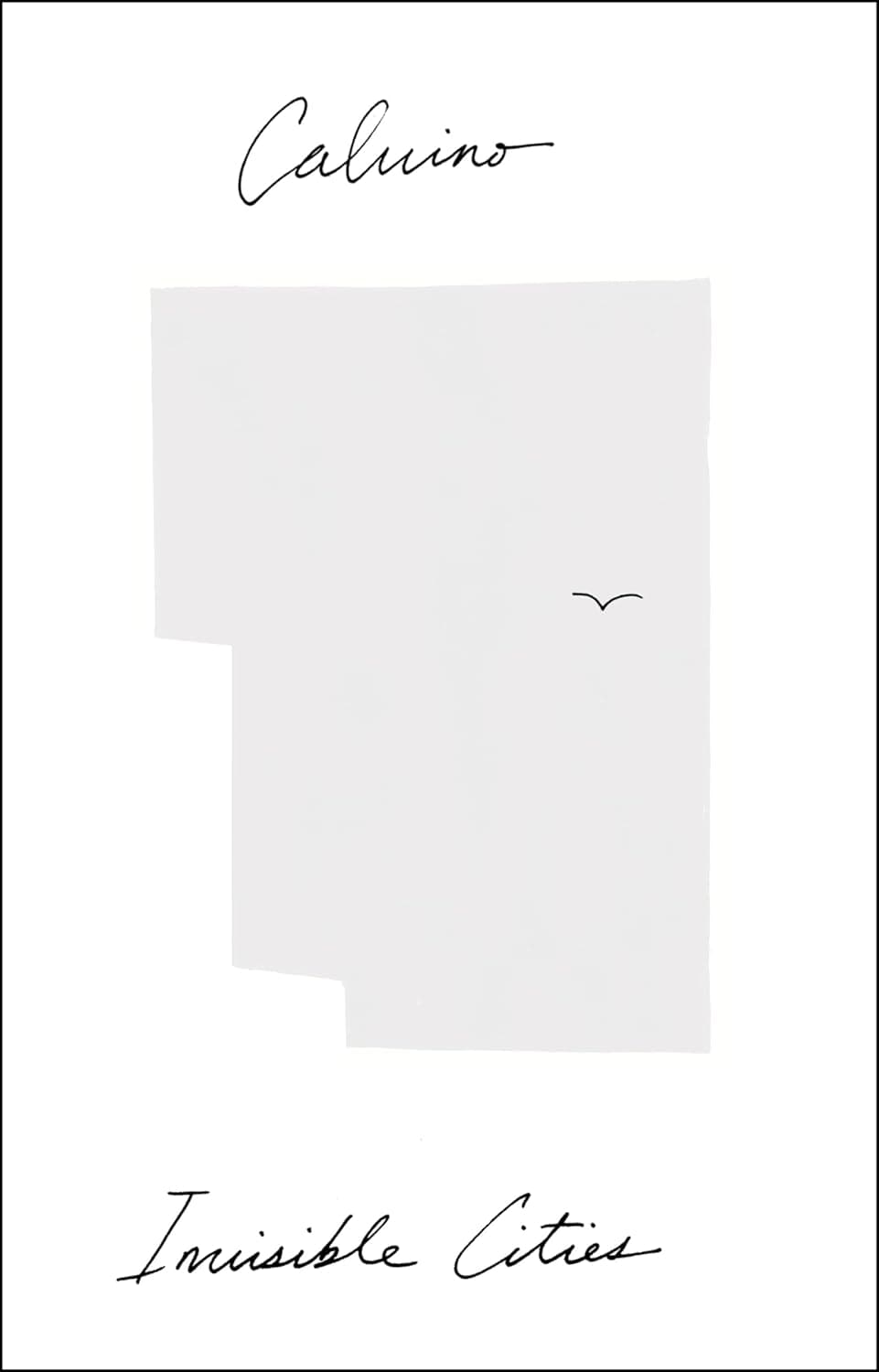
Marco Polo describes fifty-five cities that cannot exist to the emperor Kublai Khan, a page or two each, and every one of them is another way of describing Venice.

Kundera puts a Prague surgeon who cannot stop having affairs, the woman who loves him, and the Soviet tanks of 1968 together, then asks whether a life lived once can weigh anything.
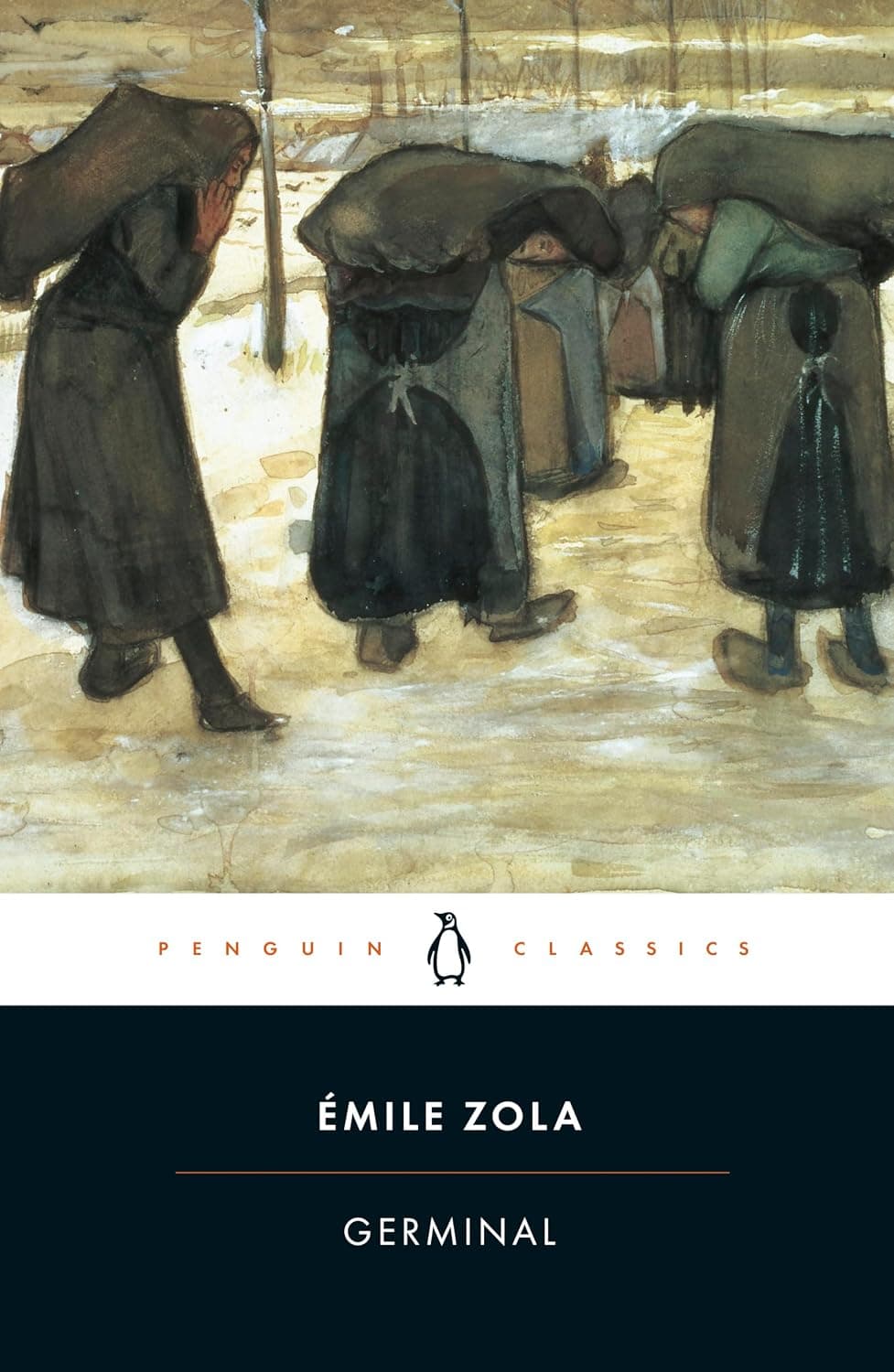
Etienne Lantier takes work in a French coal pit and talks the starving miners into striking. Zola went down a real mine to write this, and you feel the rock overhead.

Nothing in fiction gets nearer to dying. Ivan Ilyich knocks his side hanging a curtain, and his family and his doctors keep up the pretense while a peasant servant tells the truth.
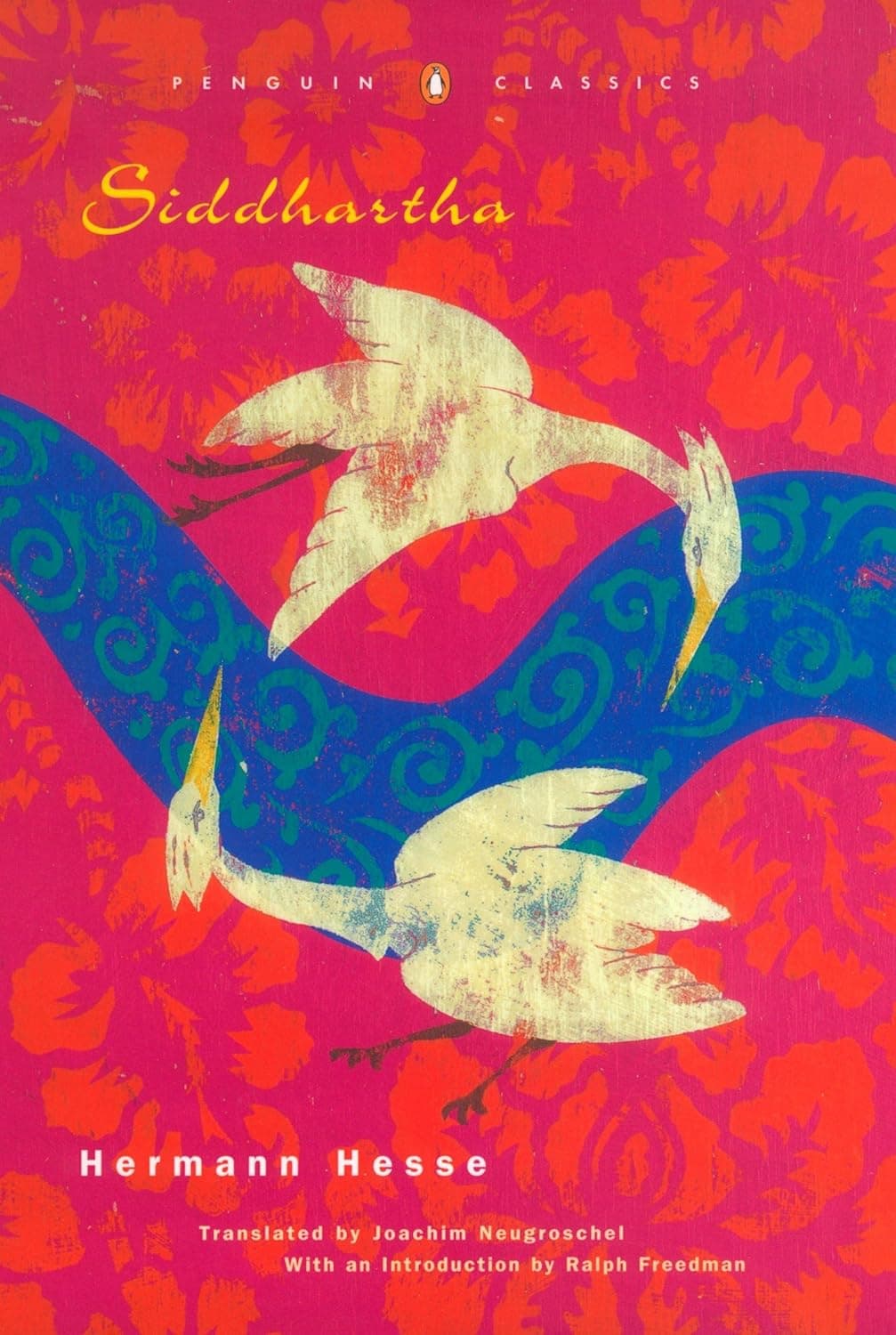
Siddhartha leaves home to seek enlightenment, meets the Buddha and declines to follow him, then spends years chasing money and a courtesan. What finally teaches him is a river and its ferryman.

Told by a charming aristocrat that beauty is everything, Dorian Gray wishes his portrait would age in his place, and it does. Wilde's epigrams carry every page, and the horror arrives beneath them.

Spanish Golden Age drama peaks here. King Basilio locks his newborn son in a tower to outrun a prophecy, then has him drugged, brought to court, and told it was a dream.

Seventeen days on a motorcycle carry a father and son from Minnesota to California while he works out what Quality means and recovers the man he was before electroshock erased him.

Chiang treats theology, linguistics and free will with the rigor of proofs. A linguist learns an alien script written all at once, and it changes how she experiences her whole life.

Mizoguchi stammers, and the beauty of Kyoto's Golden Pavilion stands between him and every living thing. Mishima builds the 1950 arson by an acolyte into a case for destroying what you cannot possess.
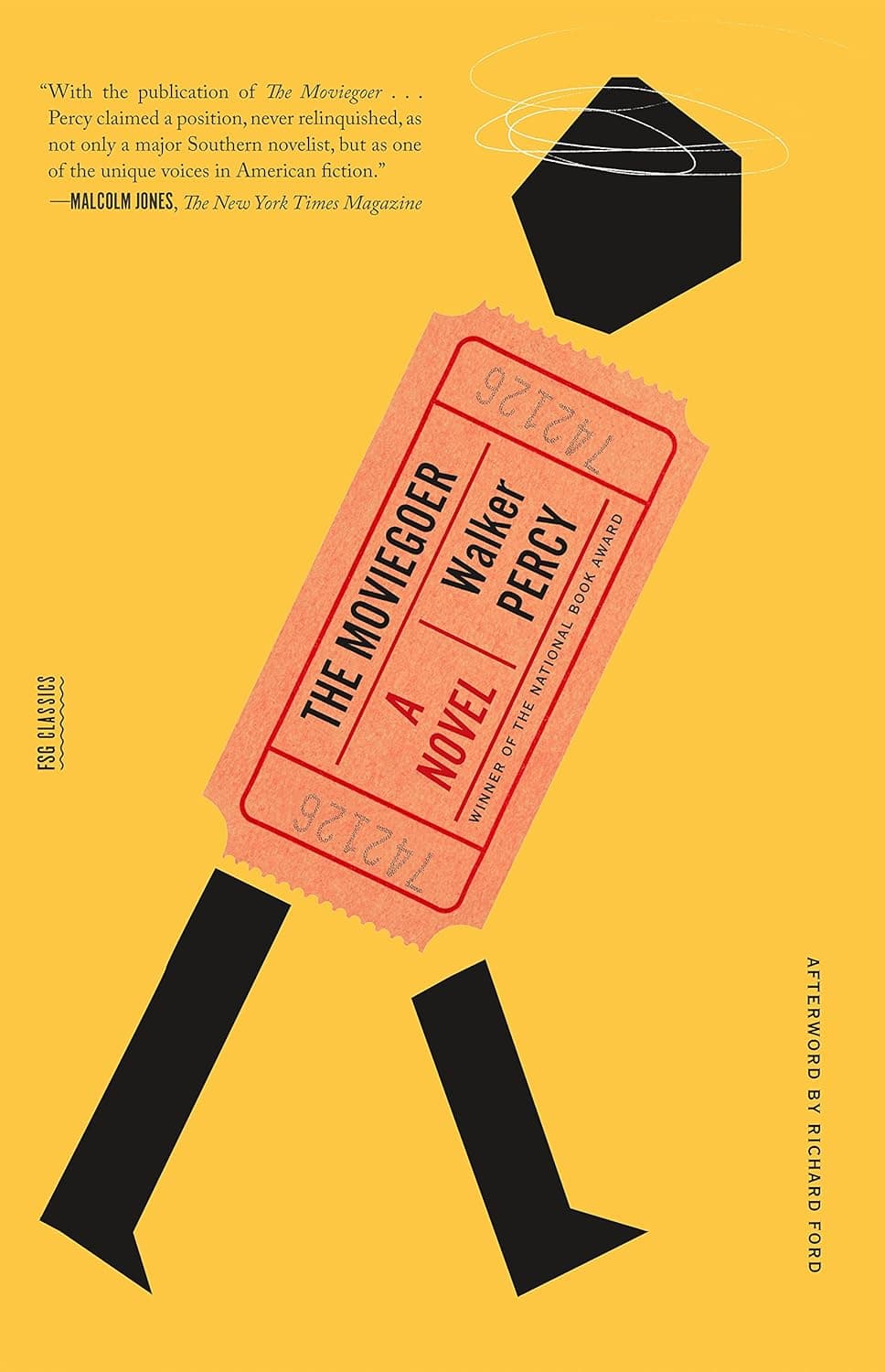
Binx Bolling sells stocks in a New Orleans suburb, sits through afternoon movies, and calls his way out of everydayness the search. Percy's first novel beat Catch-22 to the National Book Award.

Alex is fifteen and narrates his nights of assault in Nadsat, a slang welded from Russian and Cockney. The state conditions the violence out of him, and Burgess asks whether forced goodness counts.
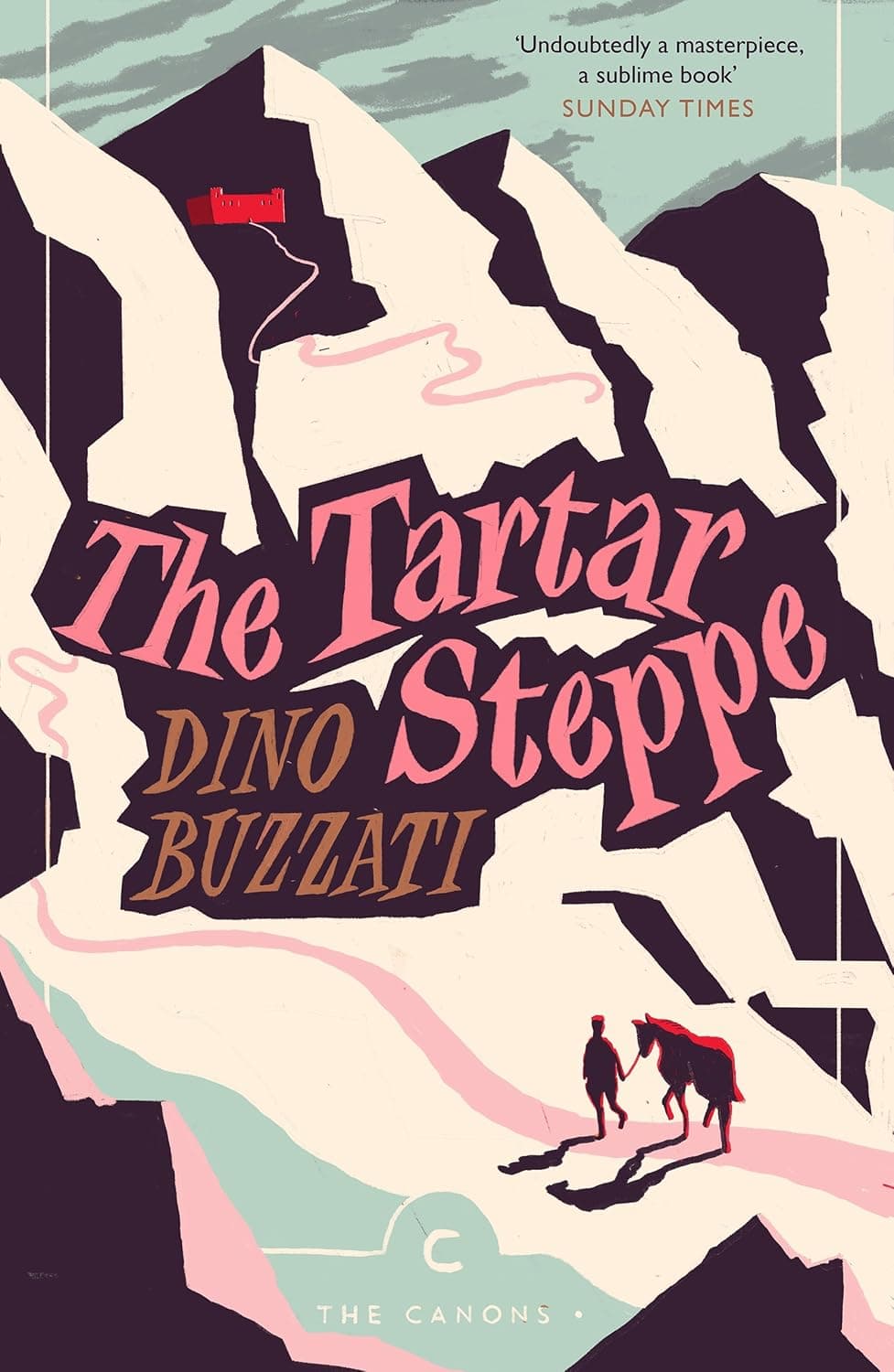
Giovanni Drogo rides out to a frontier fortress and gives it his life, scanning an empty desert for the enemy who would justify it. Buzzati turned postponement into a form of terror.
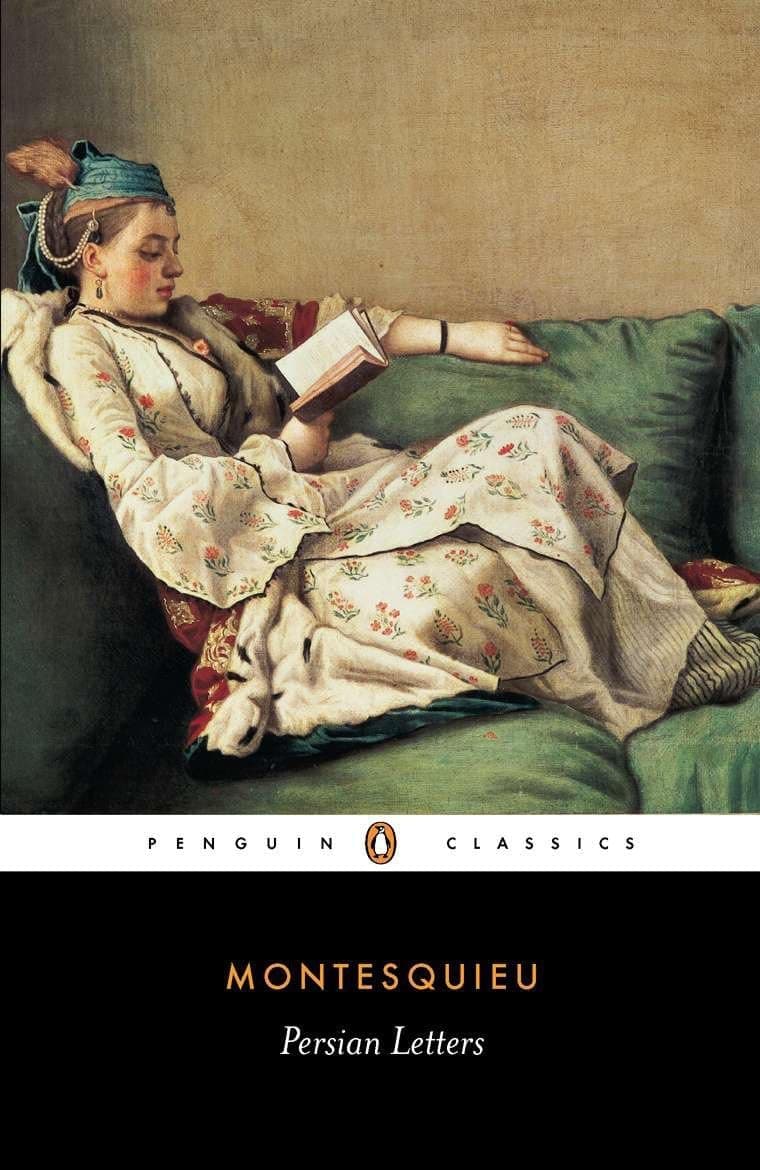
Two Persian travelers in Paris write home about a king who conjures money from paper and a pope who makes bread into flesh. In Isfahan, the harem one of them left is collapsing.
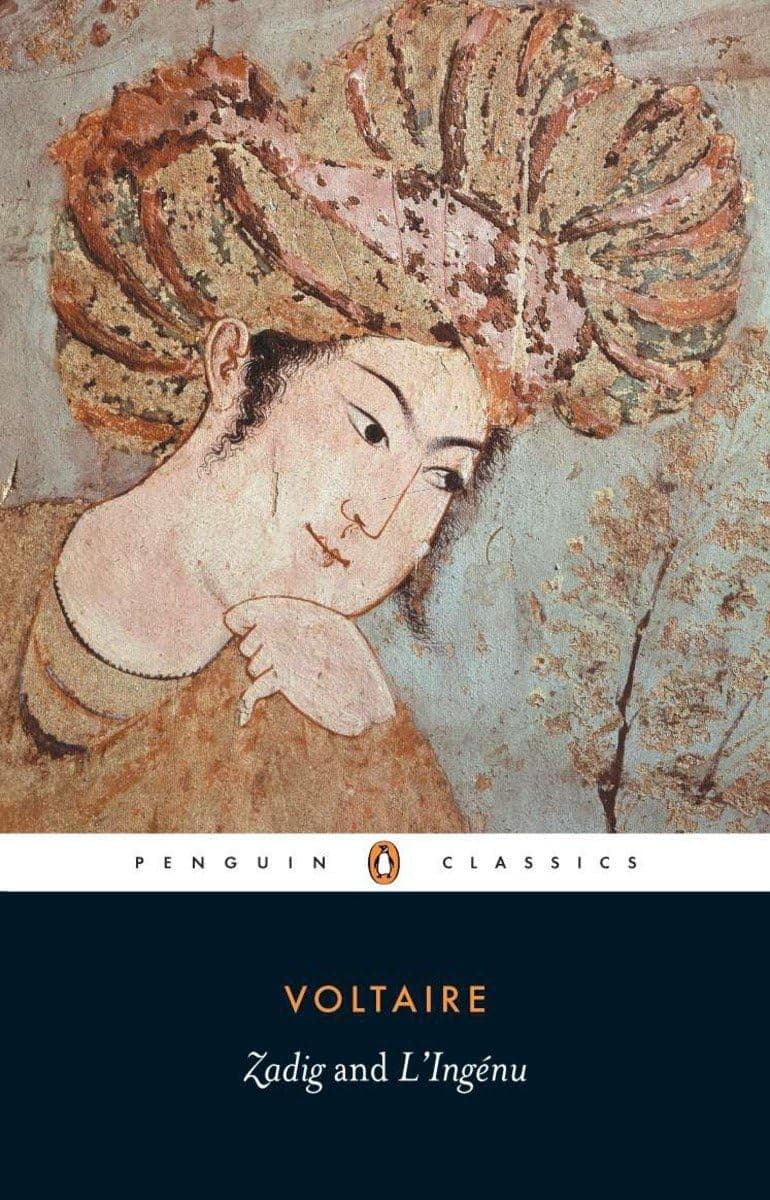
Voltaire uses wit as a demolition tool. Zadig reconstructs a dog and horse from their tracks and is fined for knowing too much, and a Canadian Huron in Brittany finds French religion absurd.