
The Collected Poems
1954 · 583 pages
Stevens sold insurance in Hartford and wrote sumptuous poems about what the imagination makes once God is gone. Read "The Emperor of Ice-Cream" aloud and the sound arrives before the sense.
★ 8.6
 skopia
Stevens sold insurance in Hartford and wrote sumptuous poems about what the imagination makes once God is gone. Read "The Emperor of Ice-Cream" aloud and the sound arrives before the sense.
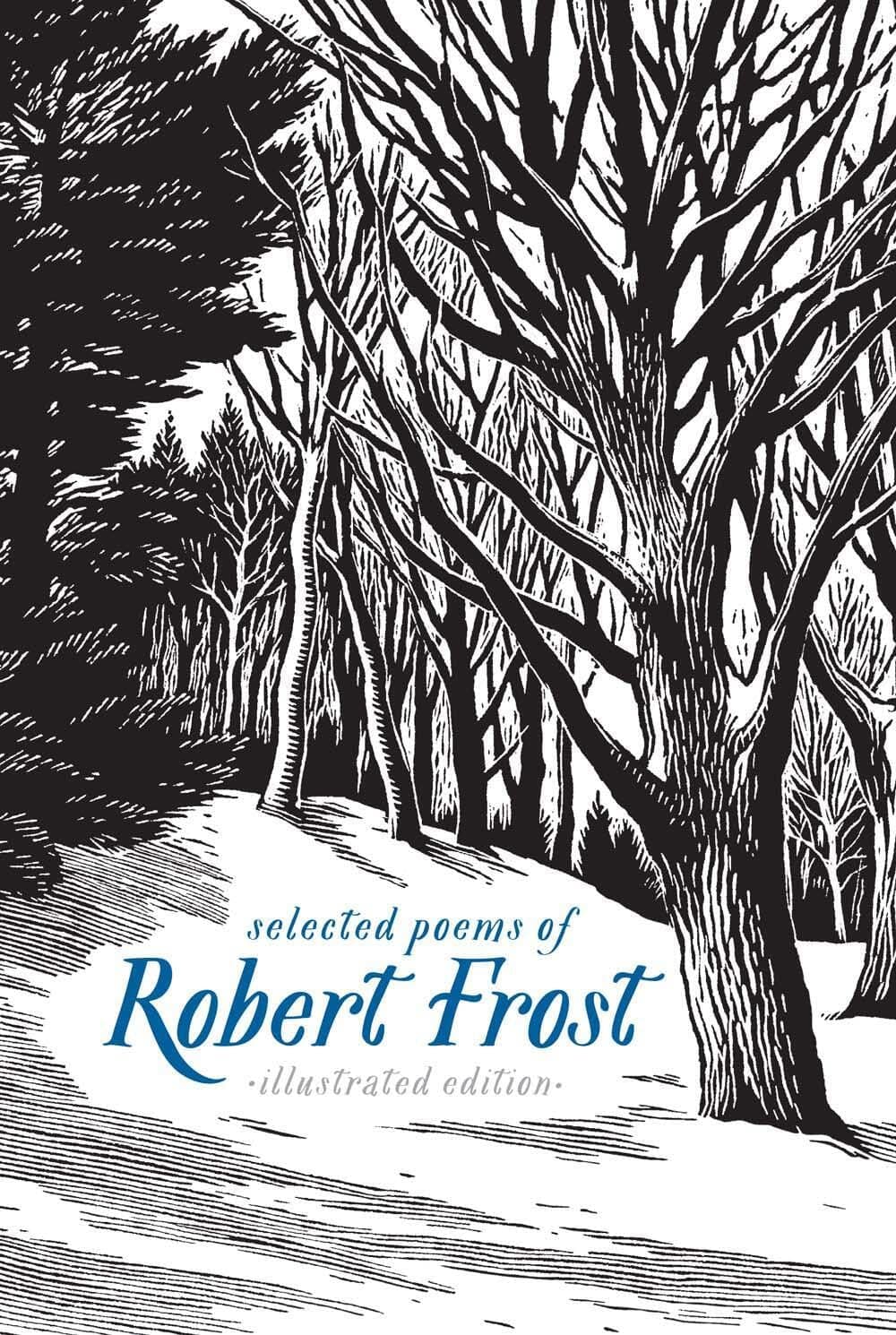
Frost's New England of stone walls and deep snow arrives in plain talk held to strict meter, with something much colder underneath. Stopping by Woods on a Snowy Evening offers no comfort.
Bishop looks at a fish, a filling station, a moose in the road, and never tells you what to feel. In "One Art" she calls losing things an art you can master.
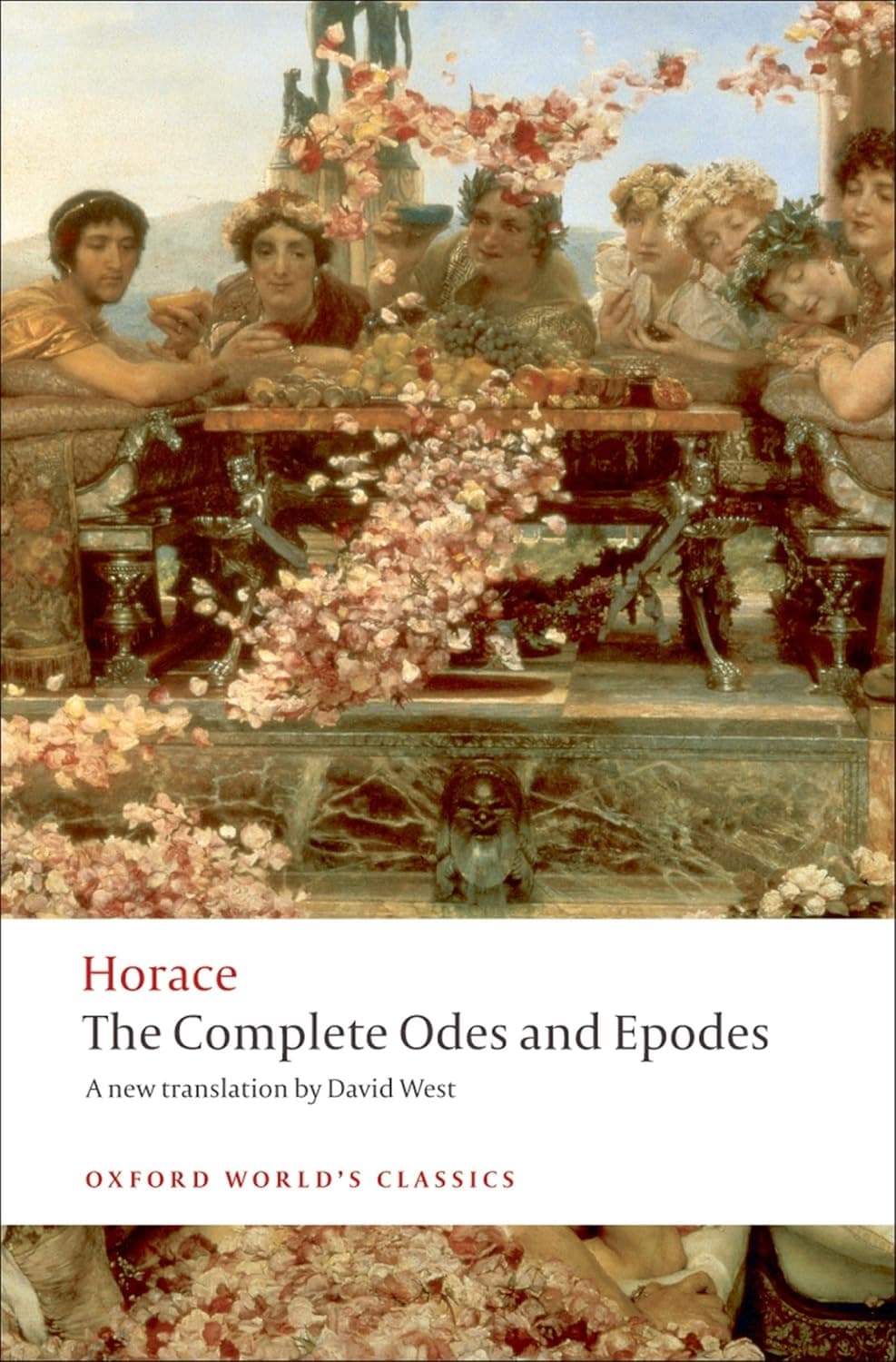
Horace compresses wine, friendship, and the certainty of death into stanzas of exact and unhurried form, the summit of Latin lyric. Carpe diem is his line, and in context it is not cheerful.
Latin love poetry begins with Catullus, counting kisses by the thousand for the aristocrat he calls Lesbia and then admitting he hates and loves her at once. The obscenity still stings.
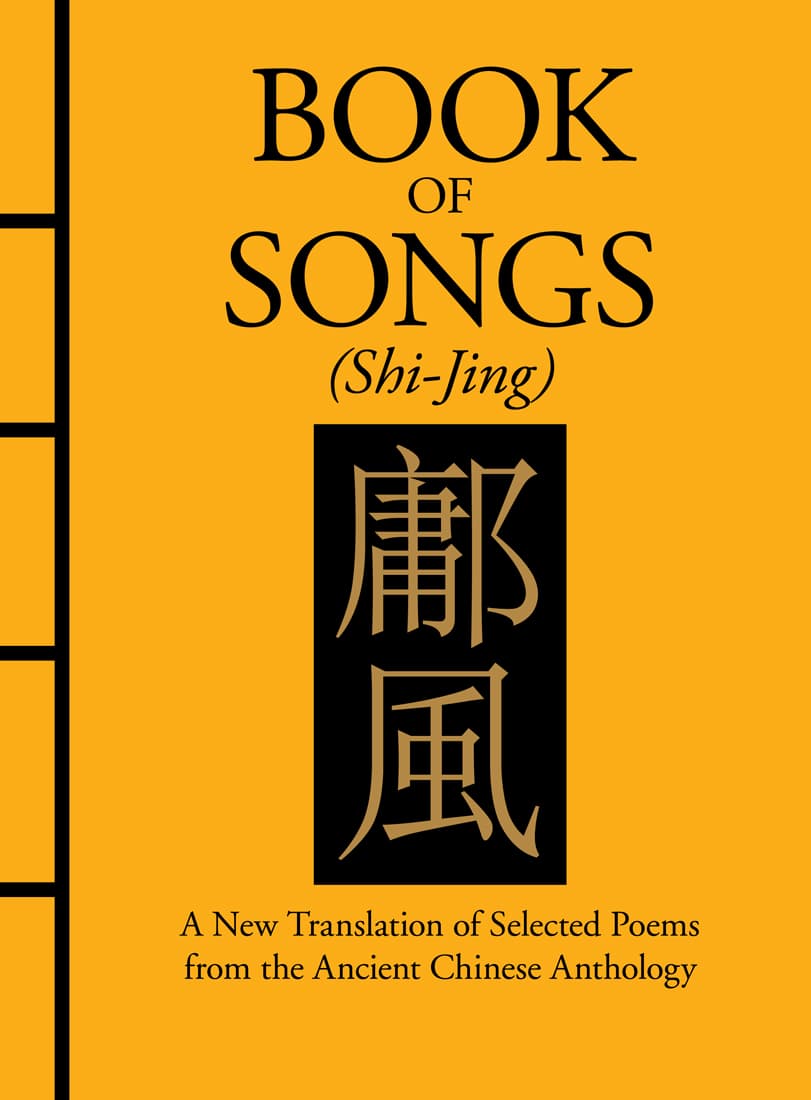
Three hundred and five songs from ancient China about courtship, harvest, soldiers on campaign, and bad government. Confucius taught from them, and every Chinese poet since has written with them in earshot.
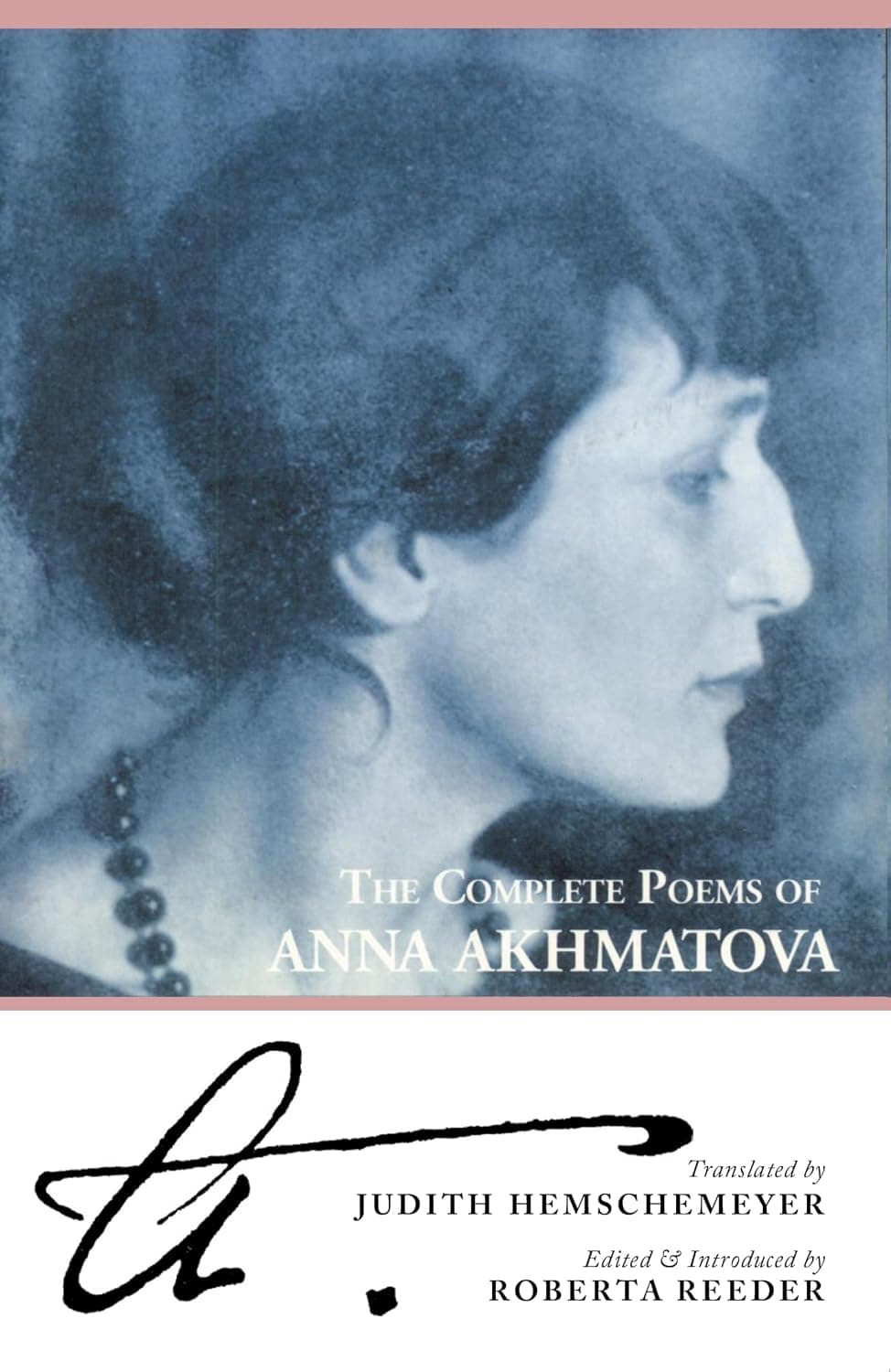
Waiting outside a Leningrad prison with a parcel for her son, Akhmatova was asked whether she could describe this. Requiem was the answer. Her love lyrics have the same merciless exactness.
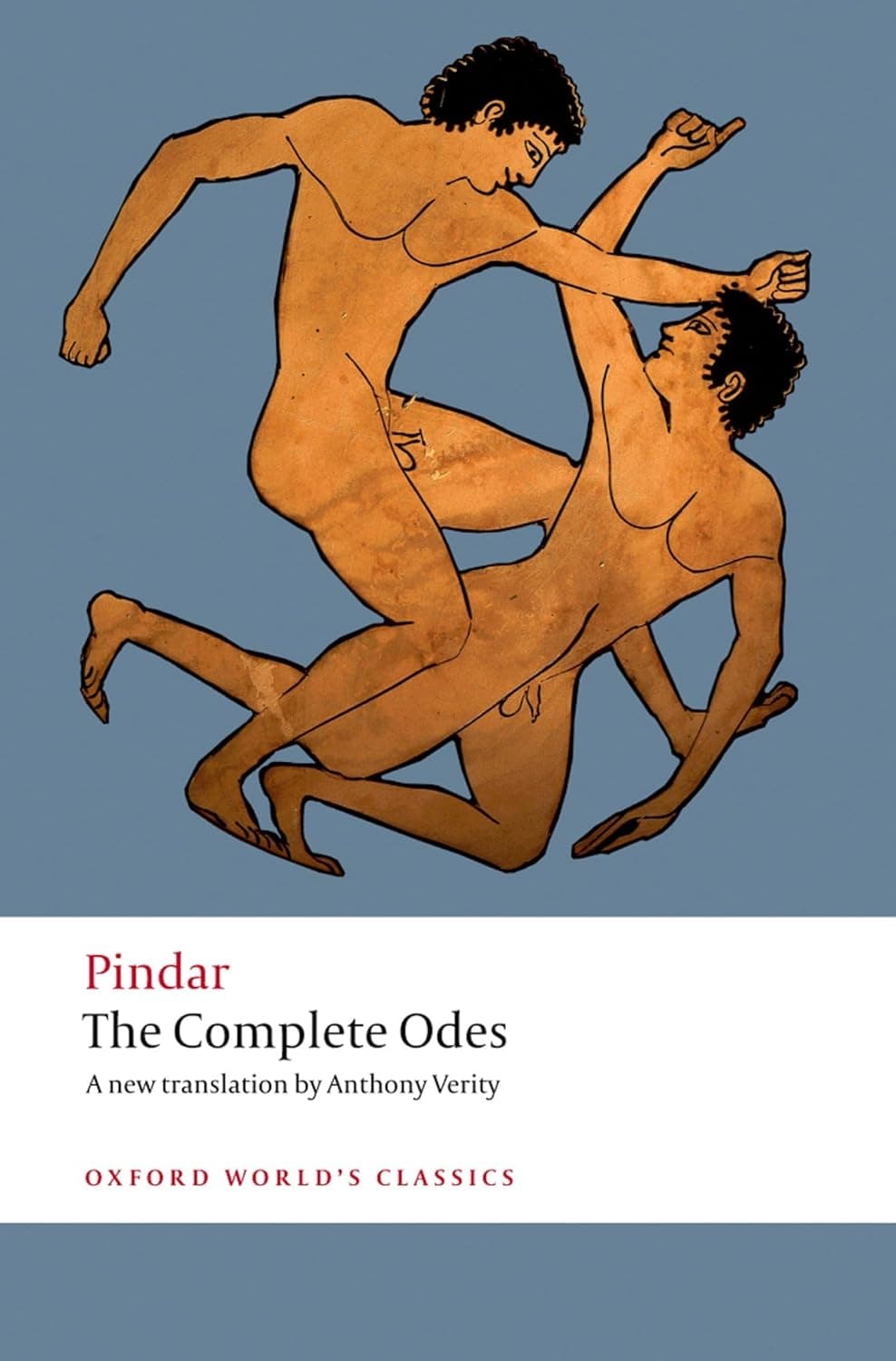
Water is best, the first ode opens, then praises a Sicilian king whose horse won at Olympia. Pindar makes athletic victory an occasion for myth and for warnings about mortal limits.
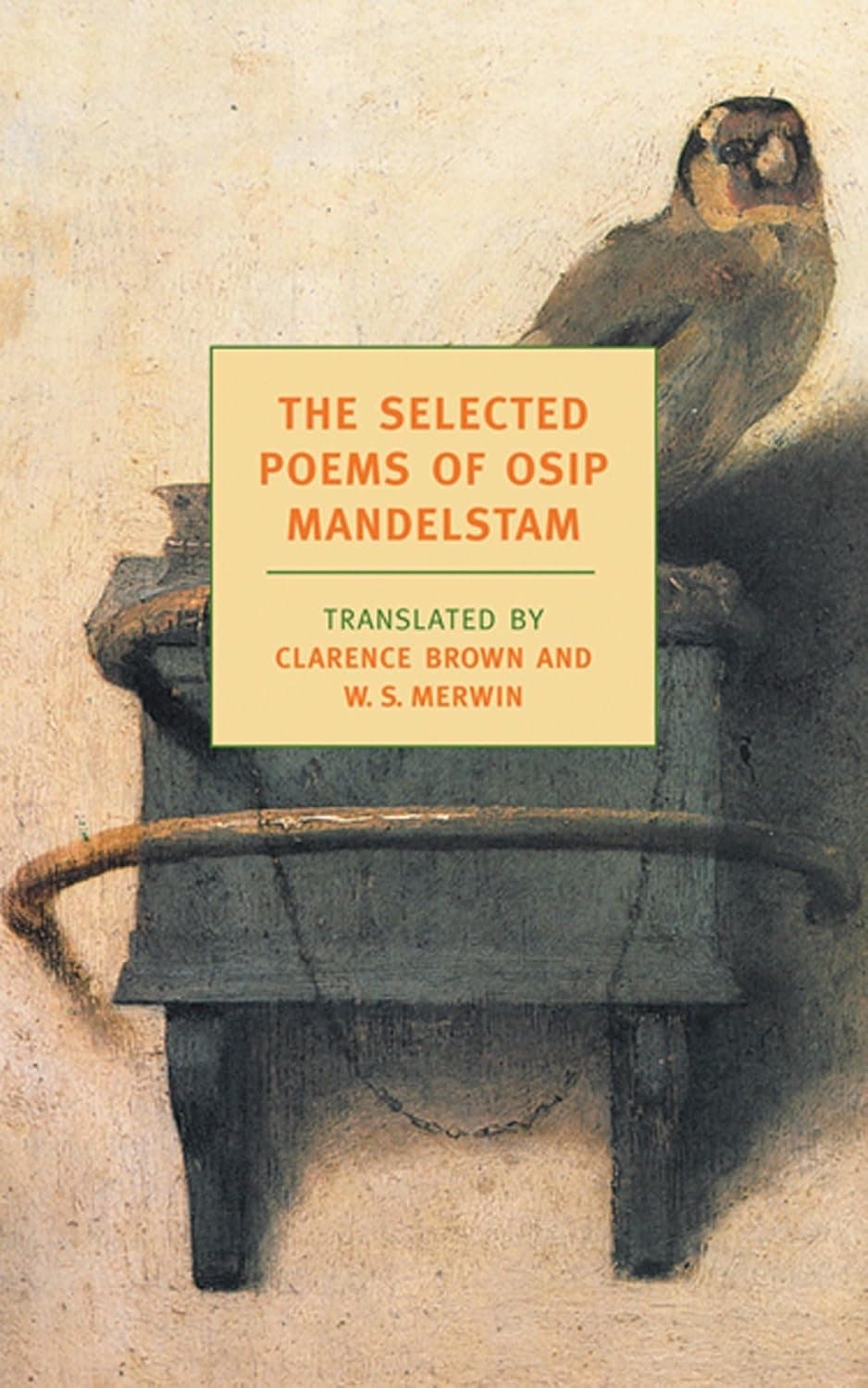
Dense, classical, and packed with Petersburg stone and Black Sea light, from a poet the state killed for sixteen lines about Stalin. His widow saved them by memorizing every one.
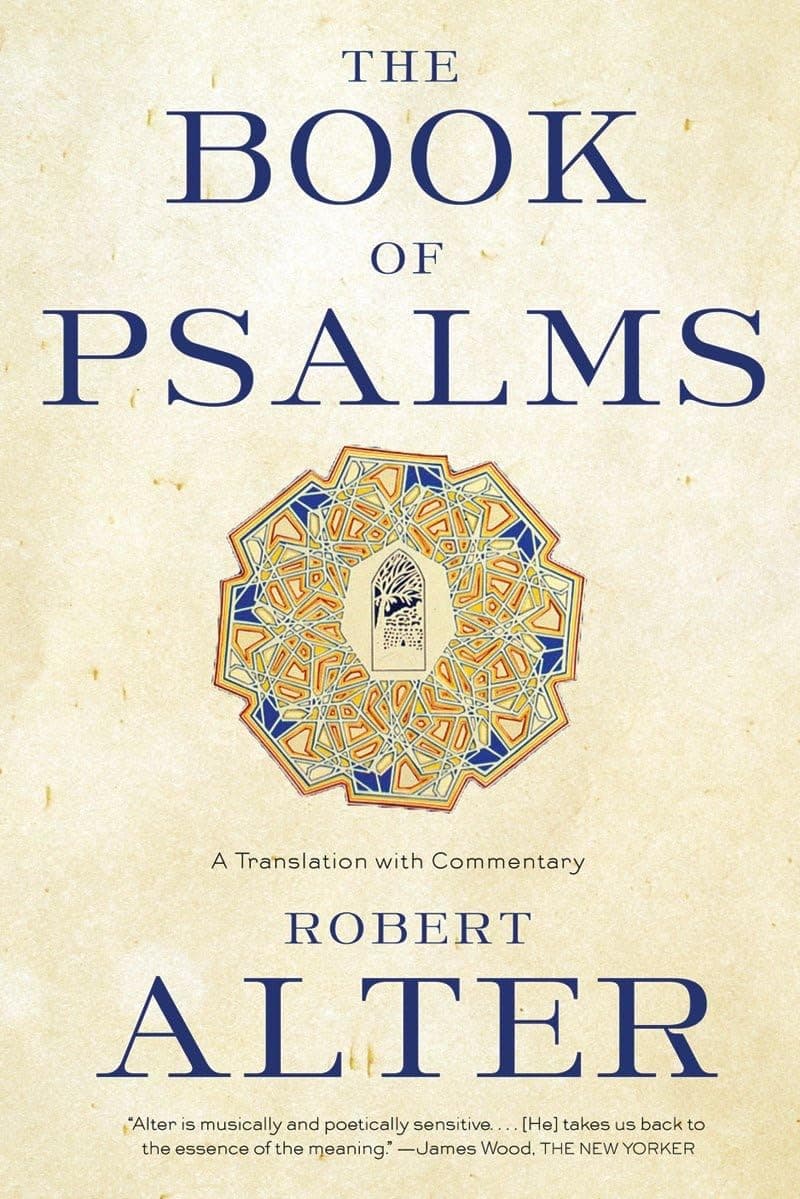
One hundred fifty poems of praise, terror, and rage at God, restored to their Hebrew compression by the translator Robert Alter. The shepherd psalm sits beside one ending with infants dashed on rocks.

Western love poetry starts with Sappho, and starts at full pitch: the tongue breaks, thin fire runs under the skin. The poet Anne Carson brackets every gap where the papyrus tore.
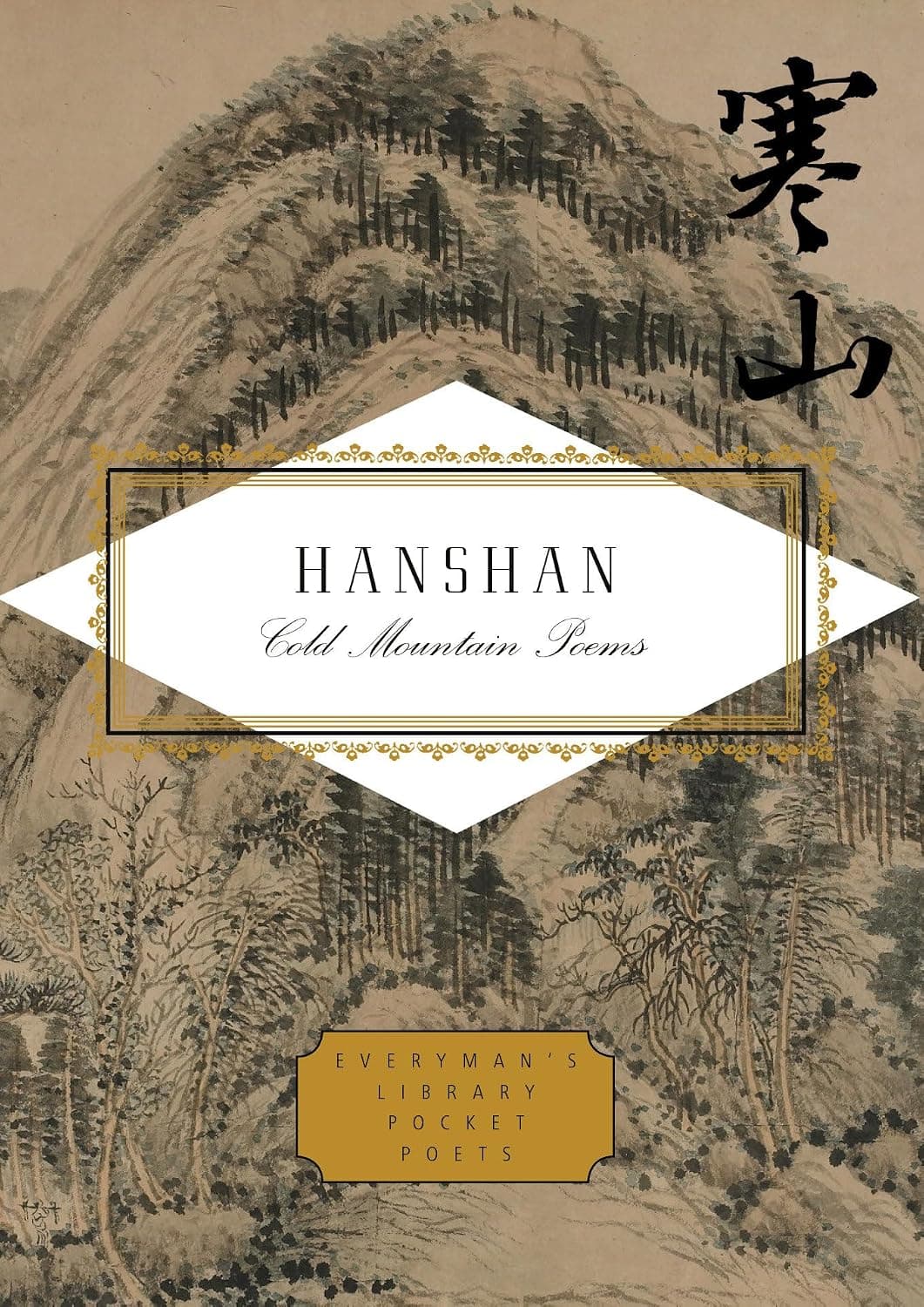
A recluse calling himself Cold Mountain scratched more than three hundred poems onto rocks in Tang China, plain about hunger, cold, and the folly of ambition. Kerouac dedicated The Dharma Bums to him.

No more passionate voice ever sounded in twentieth-century Russian poetry, the poet Brodsky said of Tsvetaeva. She came back from exile to Stalin's Russia, where the secret police took her husband and daughter.
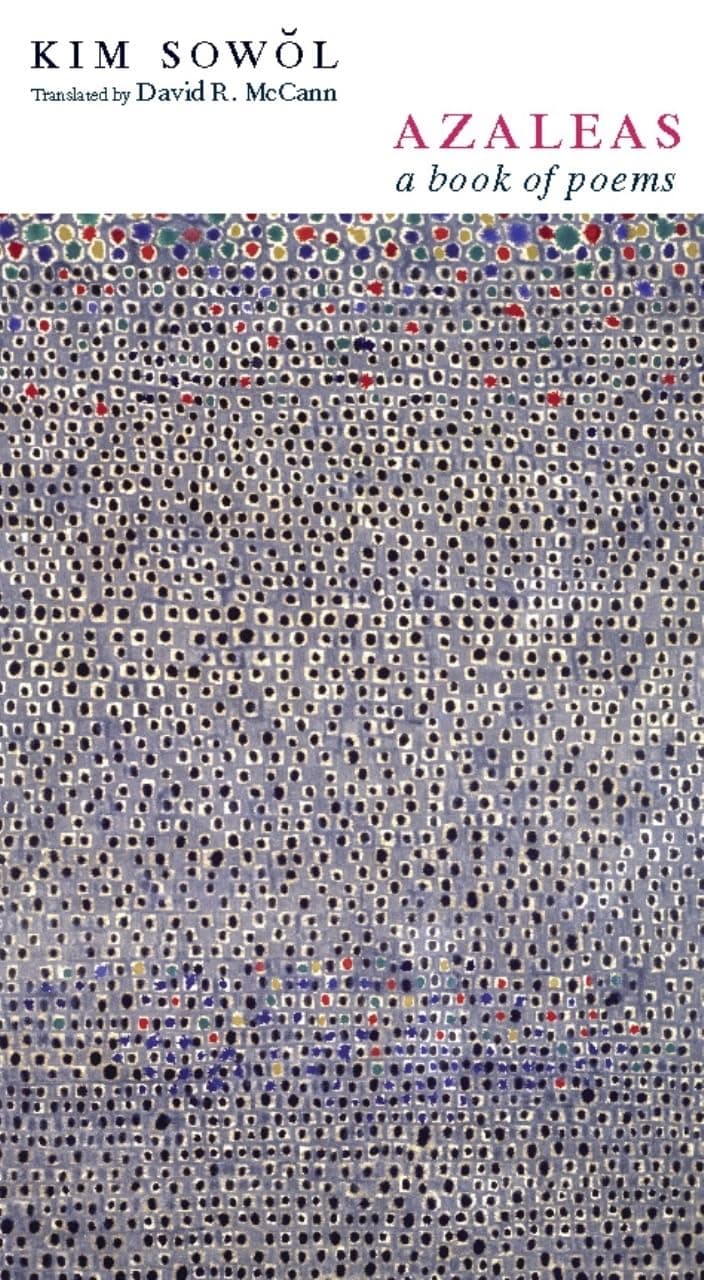
A woman watches her lover go and promises to scatter azaleas in his path rather than weep. Kim Sowol put Korean folk-song rhythm into modern verse, and the whole country memorized him.