Essays
1580 · 1283 pages
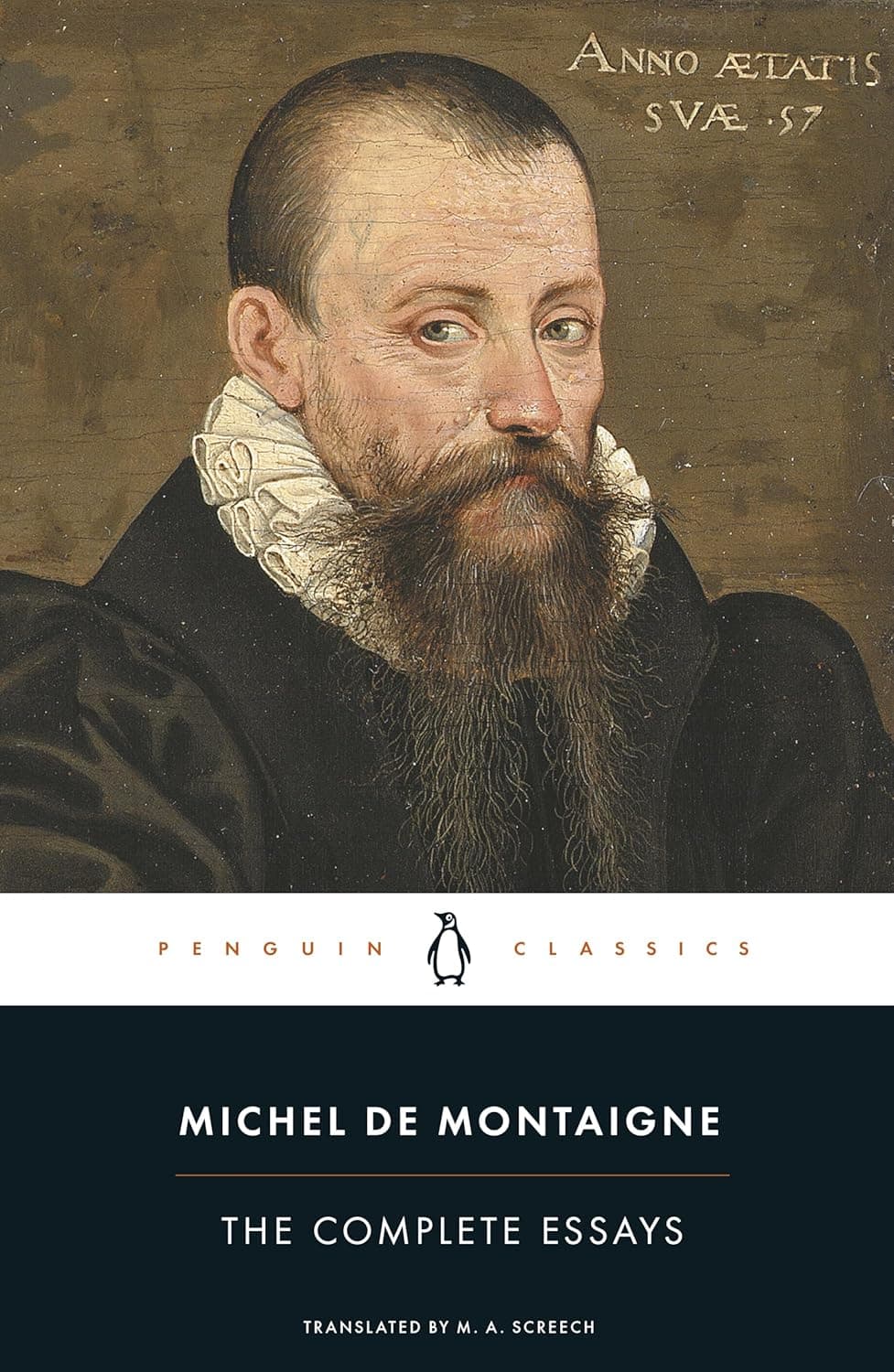
Montaigne wrote short pieces on friendship, fear, sleep, and his kidney stones, and invented the essay doing it. As company on the page he remains unmatched in four centuries.
★ 9.3
 skopia
Montaigne wrote short pieces on friendship, fear, sleep, and his kidney stones, and invented the essay doing it. As company on the page he remains unmatched in four centuries.

Du Bois named the double consciousness of seeing yourself through white eyes and called the color line the problem of the twentieth century. The chapter on his firstborn son's death is unbearable.

Give a woman five hundred a year and a room with a lock and she will write, Woolf argues, then invents a gifted sister for Shakespeare and follows her to a terrible end.

Baldwin buries his father on his nineteenth birthday while Harlem riots, and winters as the only Black man in a Swiss village. He turns his own life into an argument about America.
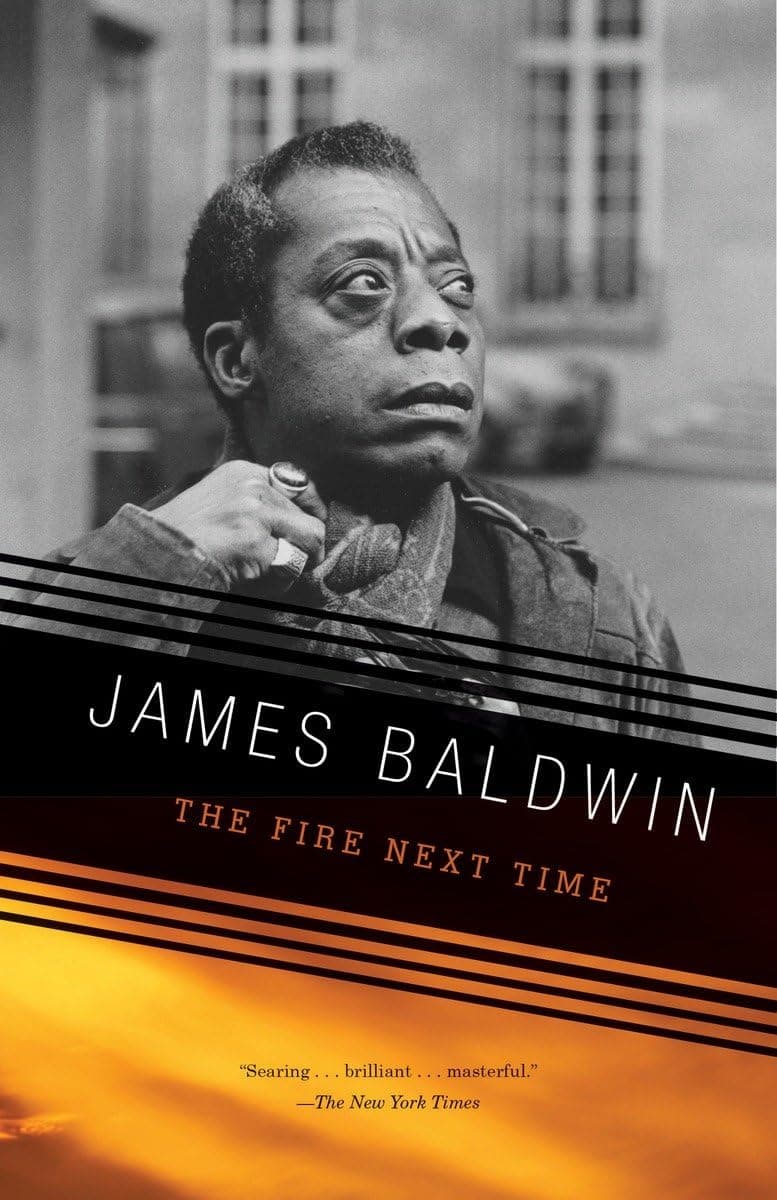
Writing to his teenage nephew, Baldwin remembers preaching in Harlem and dining with the leader of the Nation of Islam. He spares white America nothing and refuses to hate it.
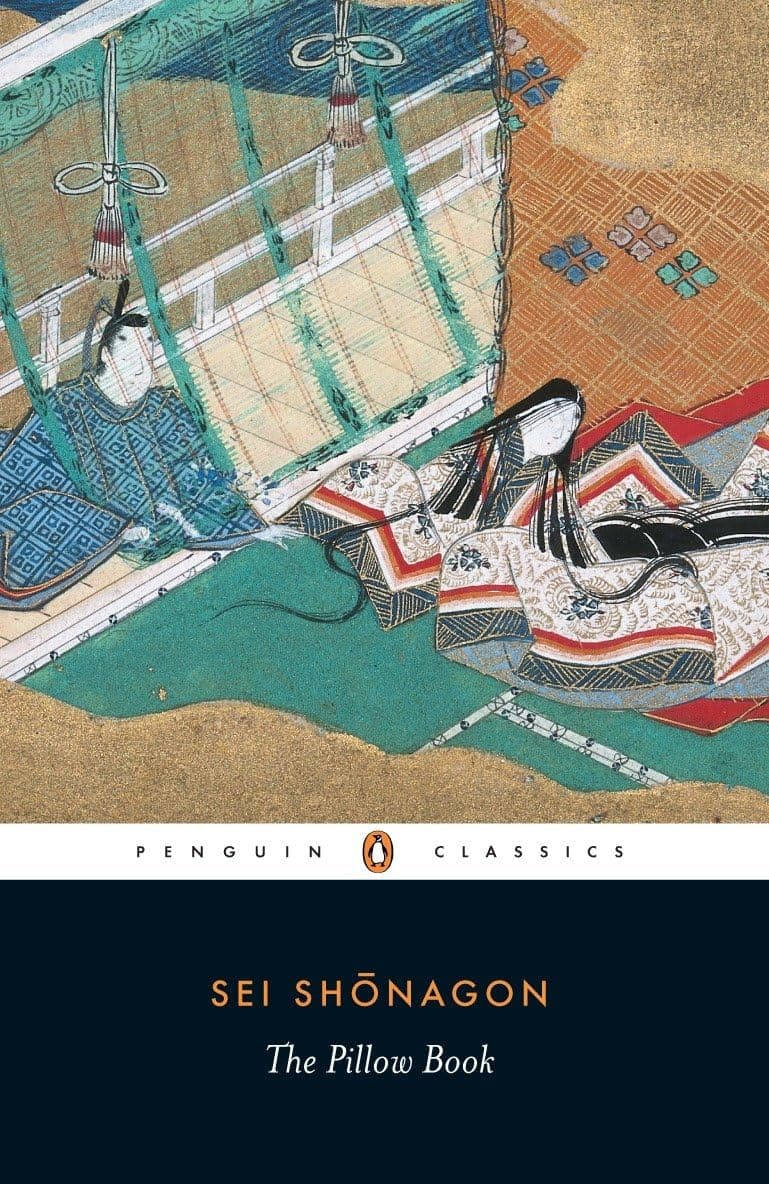
A thousand years ago in the Japanese court, a lady-in-waiting kept lists of things that make the heart beat faster and things she found hateful. Her snobbery is part of the pleasure.
The only serious philosophical question, Camus opens, is whether to kill yourself. His answer: the universe will never explain itself, so you live anyway, unreconciled, like Sisyphus happy pushing his rock uphill forever.

Taking a picture is a form of acquisition, close to aggression, Sontag argues, and a world drowning in images loses the power to feel them. You will not photograph casually again.
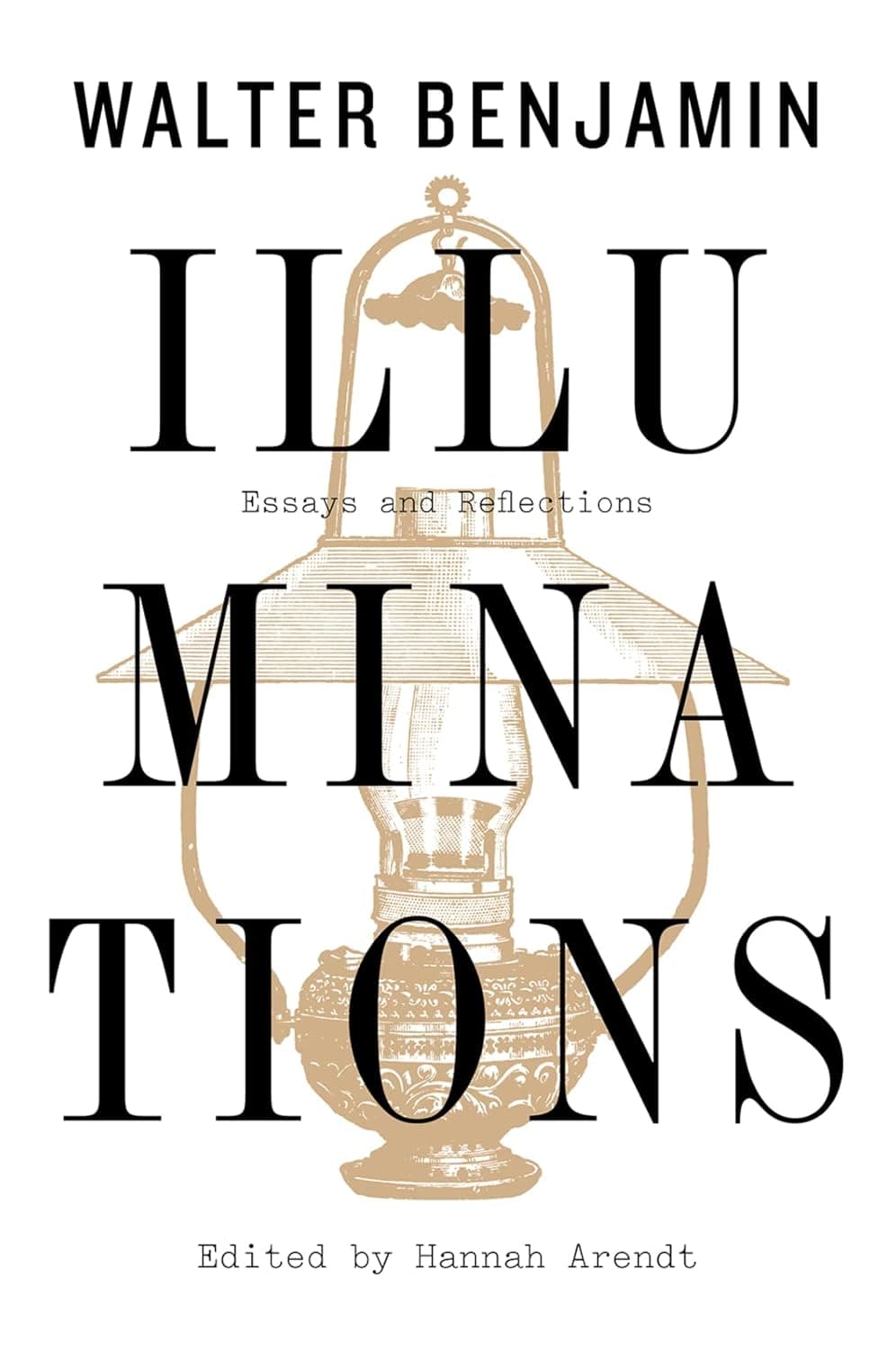
Benjamin asks what photography did to art and answers that a work loses its aura once anyone can copy it. Elsewhere history appears as an angel blown backward, staring at the wreckage.
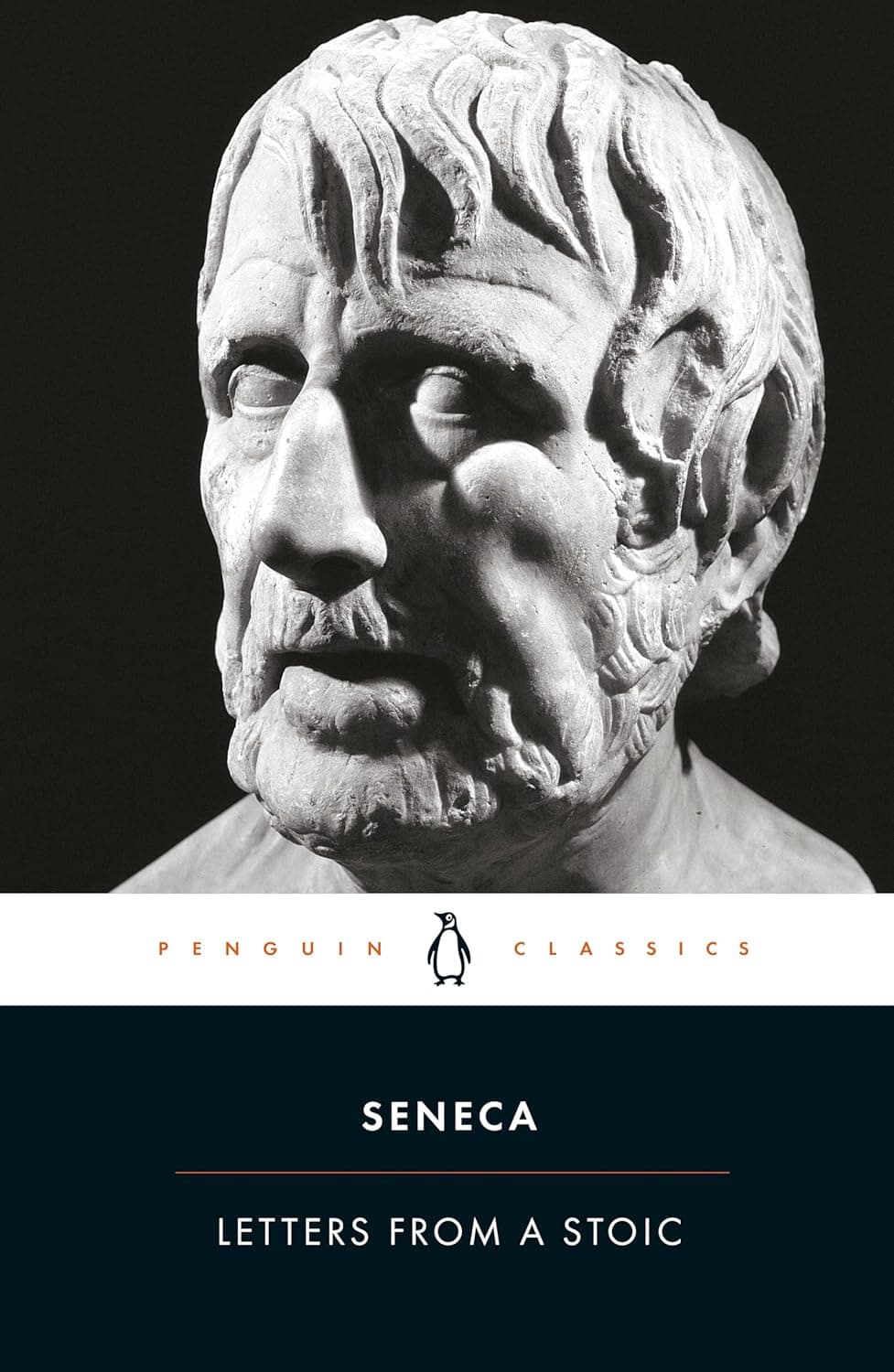
Nero's tutor sets down how to die, how to hold wealth lightly, and how to stop waiting for life to begin. Philosophy arrives as advice from someone who likes you.
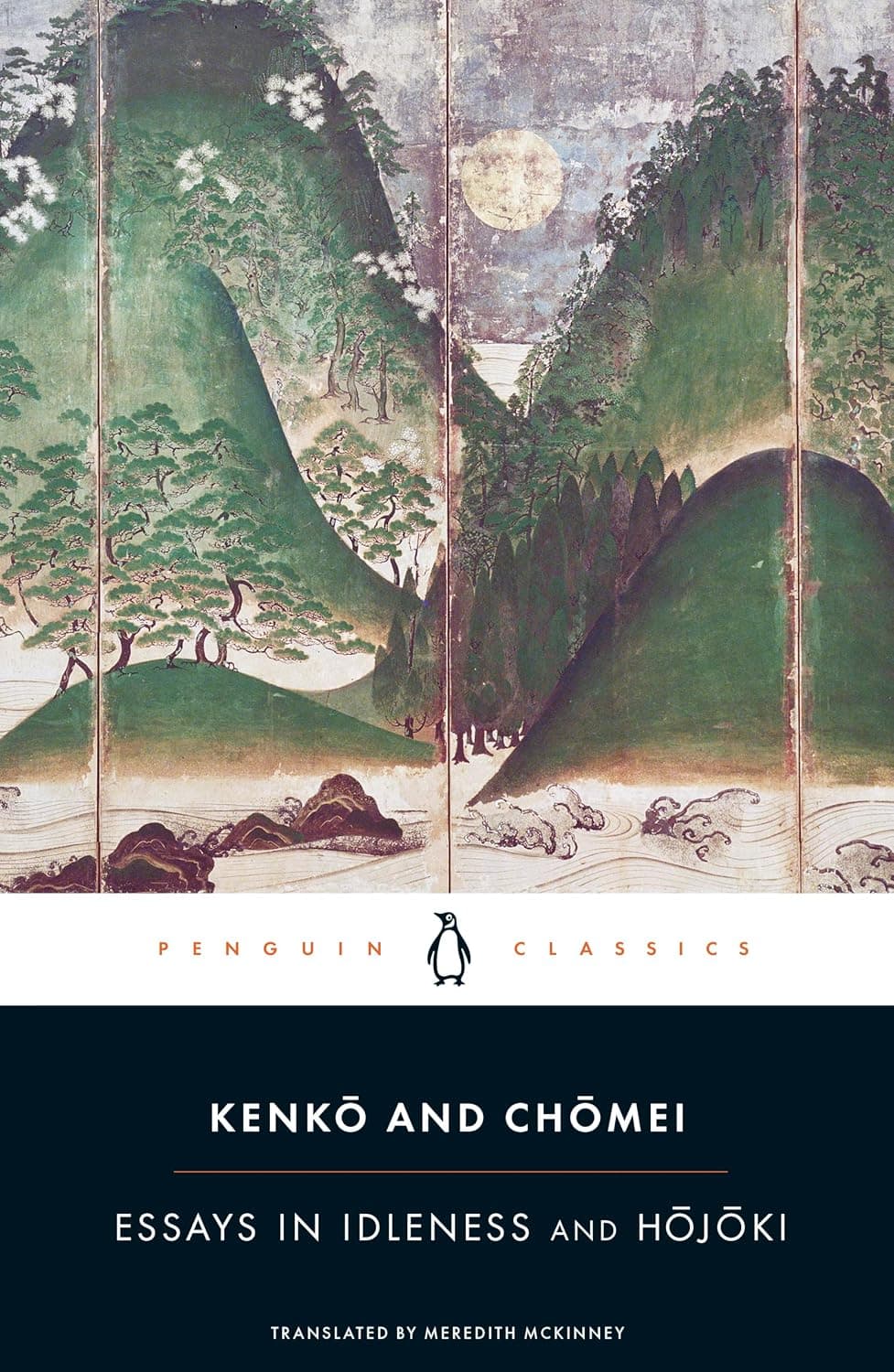
Writing in fourteenth-century Japan, the monk Kenko set down fragments on manners, boredom, and death, asking why we look at cherry blossoms only in full bloom. Impermanence makes attention urgent.

Culture is not what people do, Geertz argues, but the meanings hung on it, and thick description means reading a Balinese cockfight the way you would read a poem.
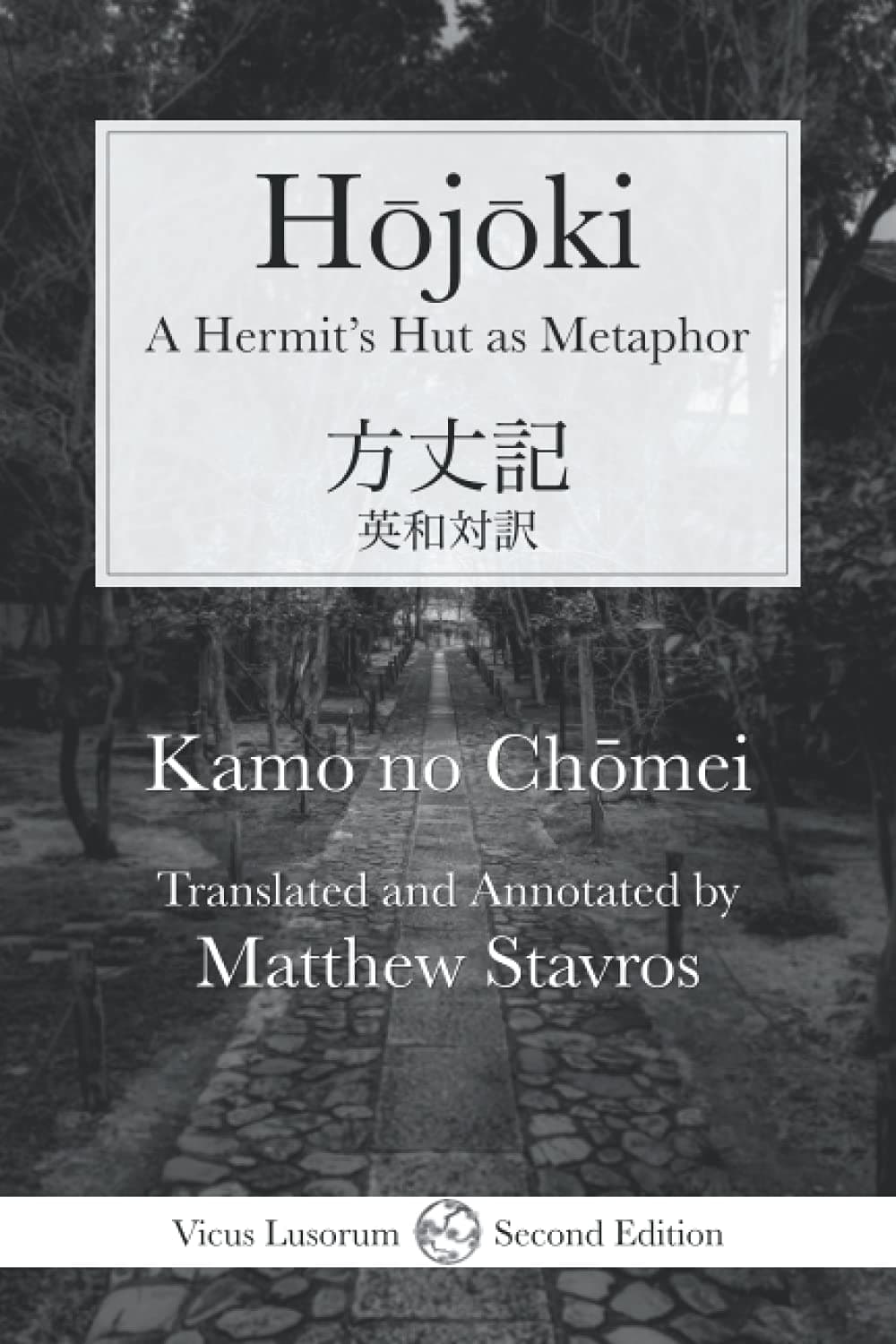
Writing from a hut ten feet square, a Kyoto recluse recalls the fire, whirlwind, famine, and earthquake that destroyed the capital, and concludes that nothing built by people is meant to stay.

Didion went into Haight-Ashbury in 1967 and came back with a five-year-old on acid and children improvising a society in a vacuum. She rebuilt American nonfiction prose around the sound of her sentences.
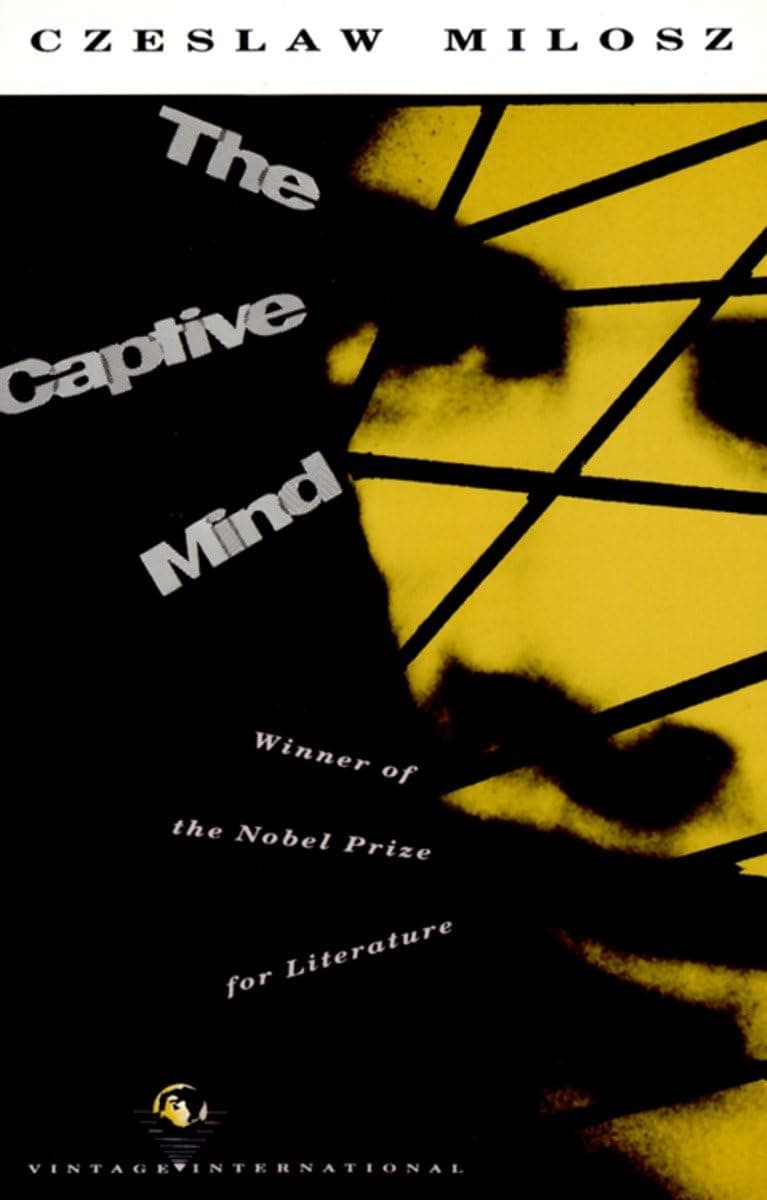
Milosz, a Polish poet who served the new regime and then defected, explains how intelligent people talked themselves into Stalinism. Ketman, he calls it: believing one thing and professing another.
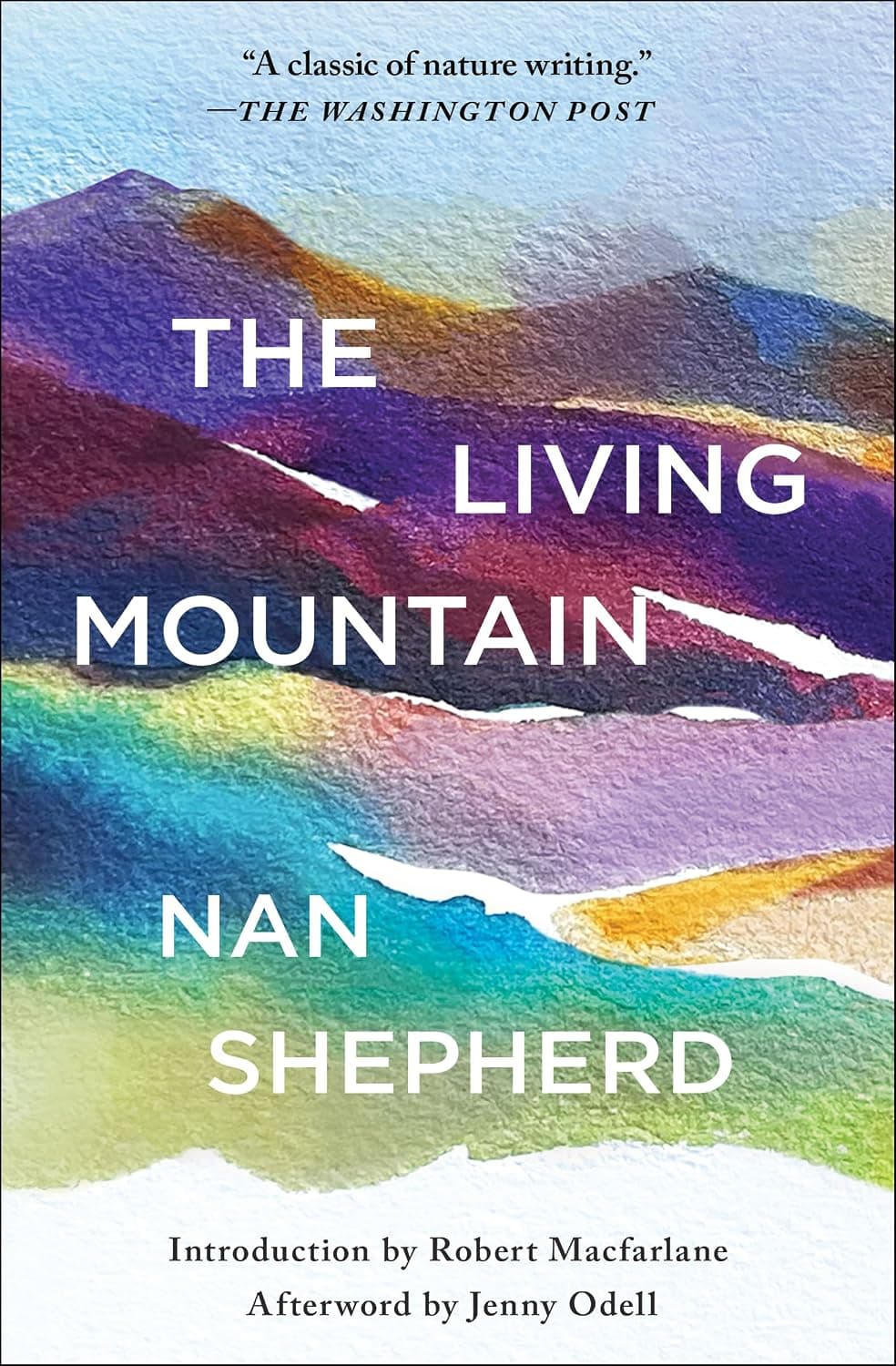
Summits barely register. Shepherd spent a lifetime in the Scottish Cairngorms and writes about going into the mountain rather than up it, attending to water and frost until the seeing becomes the point.

Sontag's charge against criticism: pulling meaning out of a work is a way of not experiencing it. She wants attention paid to surface and speed, and asks for an erotics of art instead.

Trust thyself, Emerson writes, and every heart vibrates to that iron string. The poet Oliver Wendell Holmes called his Harvard address the declaration of independence of American intellectual life.

The legal subordination of one sex to the other is wrong in itself and a hindrance to human improvement. Mill wrote that when a married Englishwoman could own nothing and had no vote.
Weber told students in a collapsing Germany what science and politics demand: science can give you clarity but never choose your values, and politics is the slow boring of hard boards.