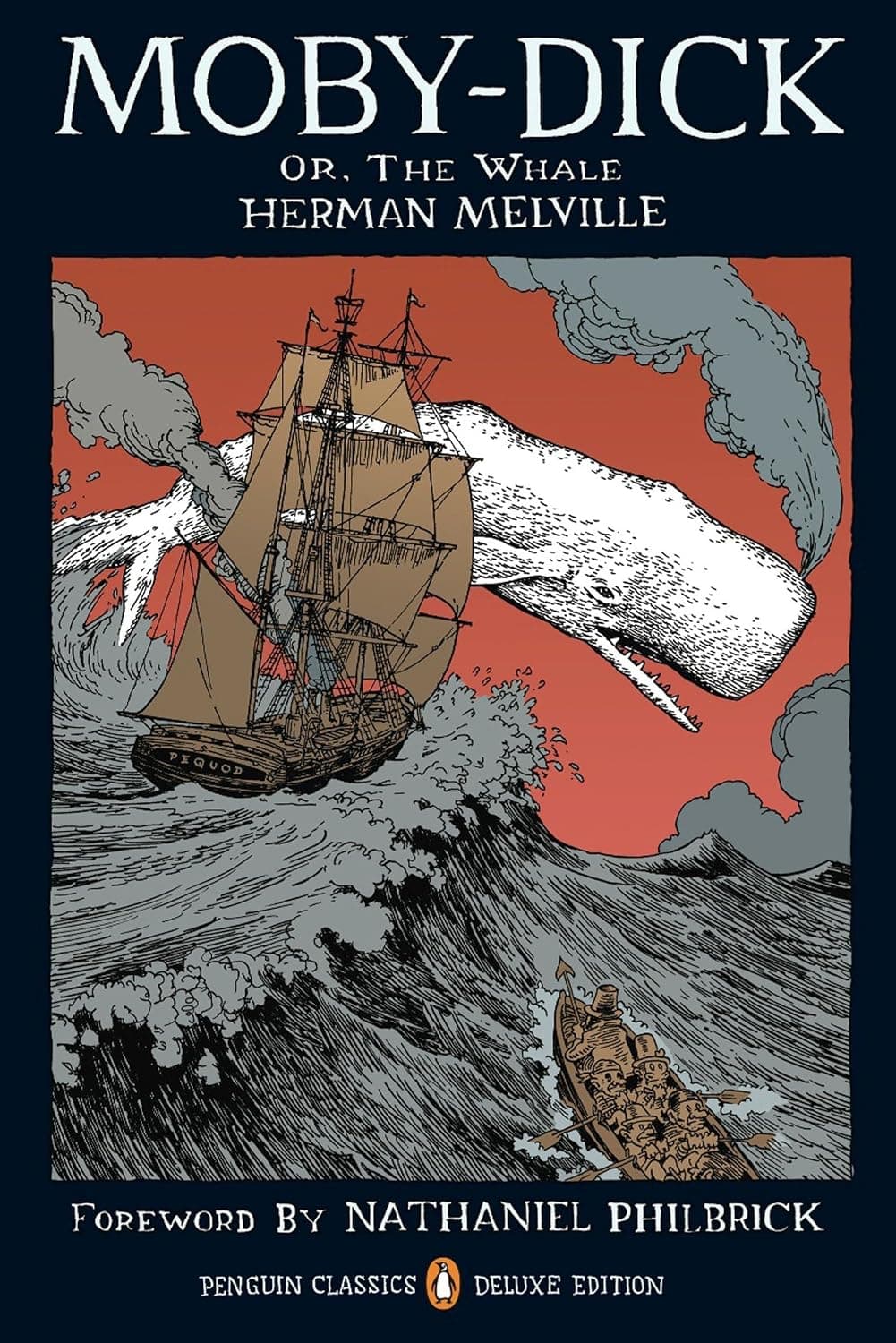
Moby Dick
1851 · 672 pages
American fiction has attempted nothing bigger. Ahab drags a whaling crew across the world after the whale that took his leg, and Melville keeps stopping the hunt to explain whales.
★ 9.6
 skopia
American fiction has attempted nothing bigger. Ahab drags a whaling crew across the world after the whale that took his leg, and Melville keeps stopping the hunt to explain whales.
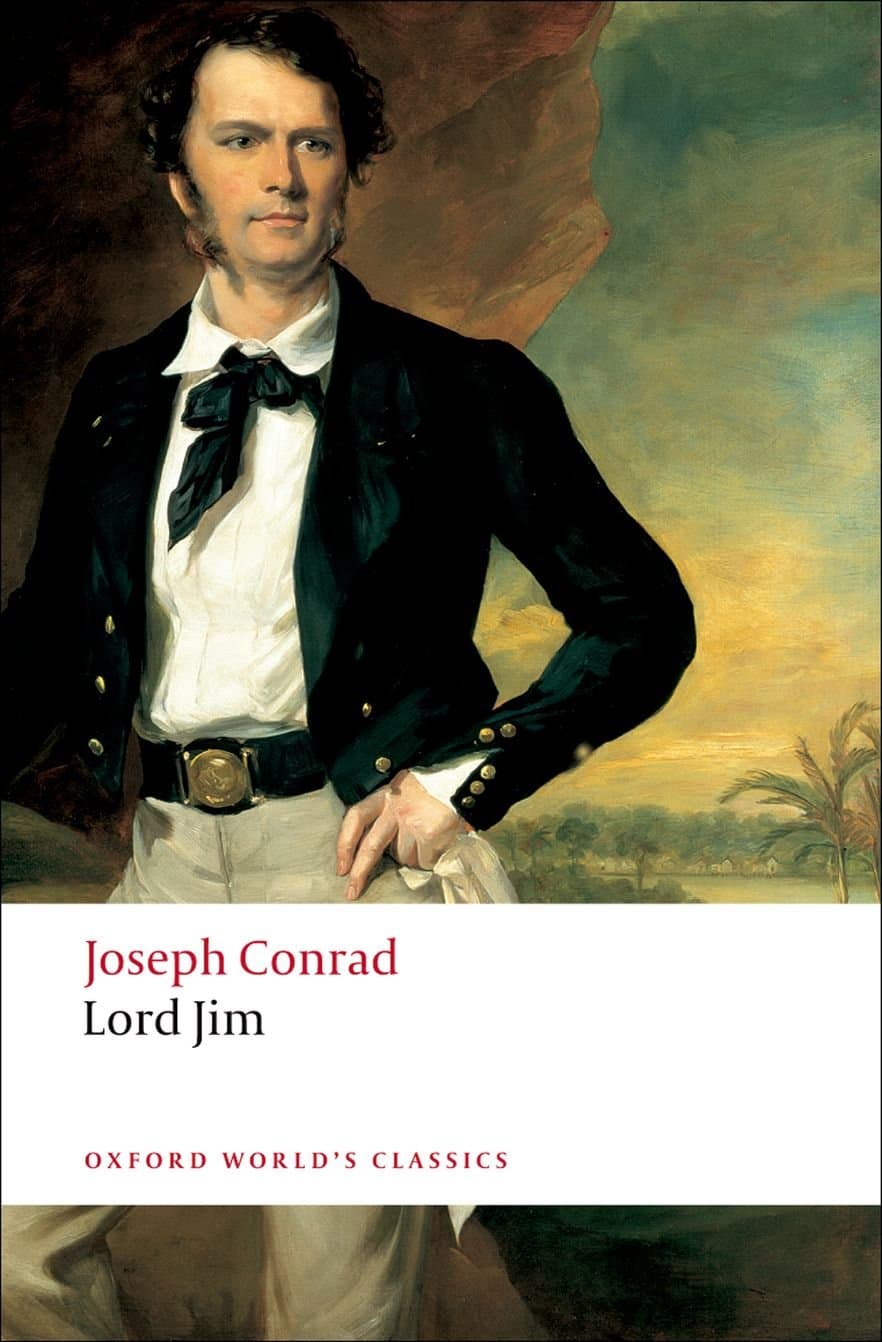
Jim jumps from a sinking pilgrim ship that then does not sink, and never afterward proves to himself the jump was not really him. Conrad makes one second of cowardice bottomless.
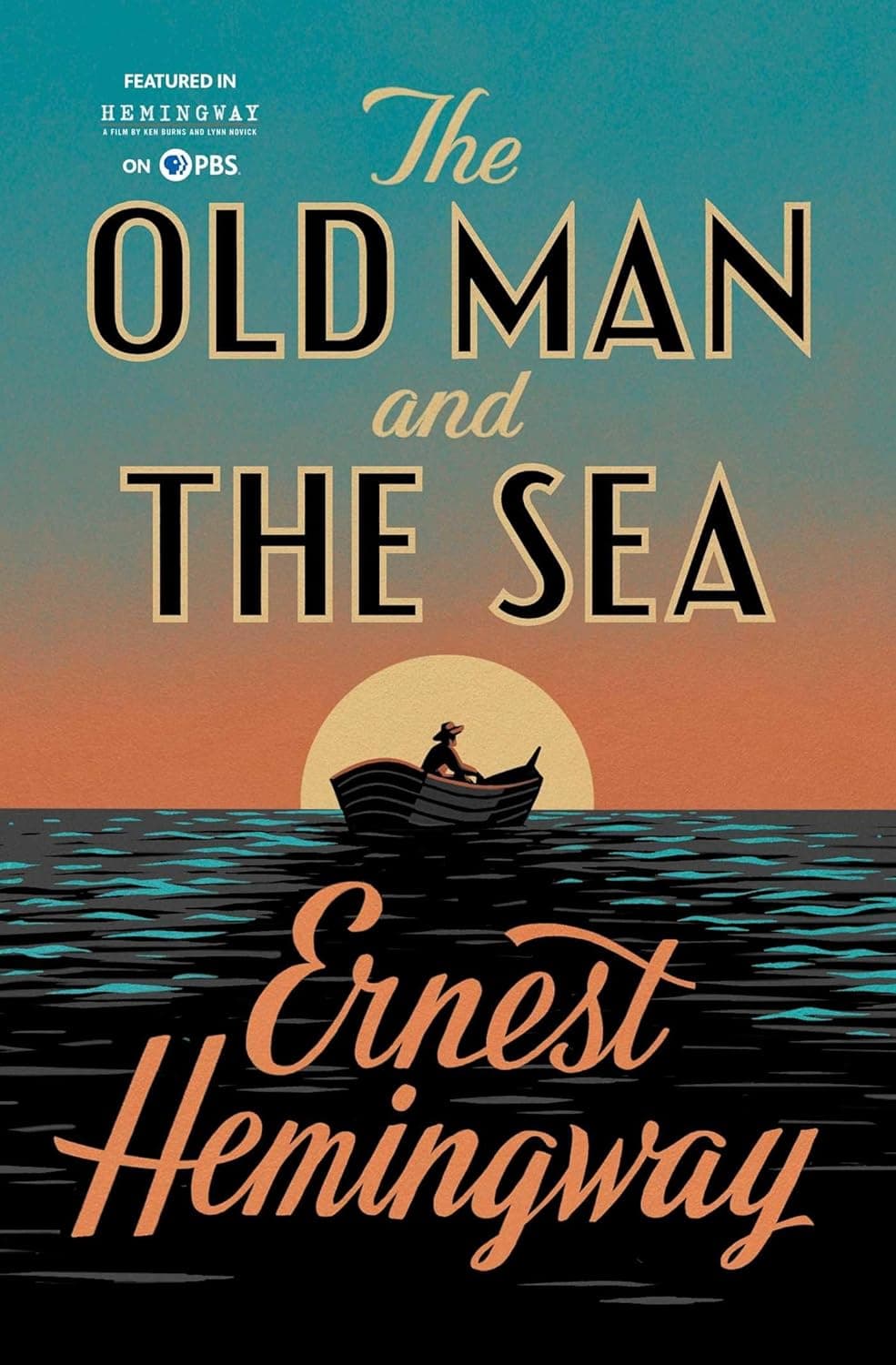
Eighty-four days without a fish, and an old Cuban fisherman hooks a marlin longer than his boat and is towed out to sea. A man can be destroyed but not defeated, Santiago thinks.

Stopped outside a wedding, a guest must hear an old sailor out: he shot an albatross for no reason, and the ship fell becalmed with water everywhere and none to drink.
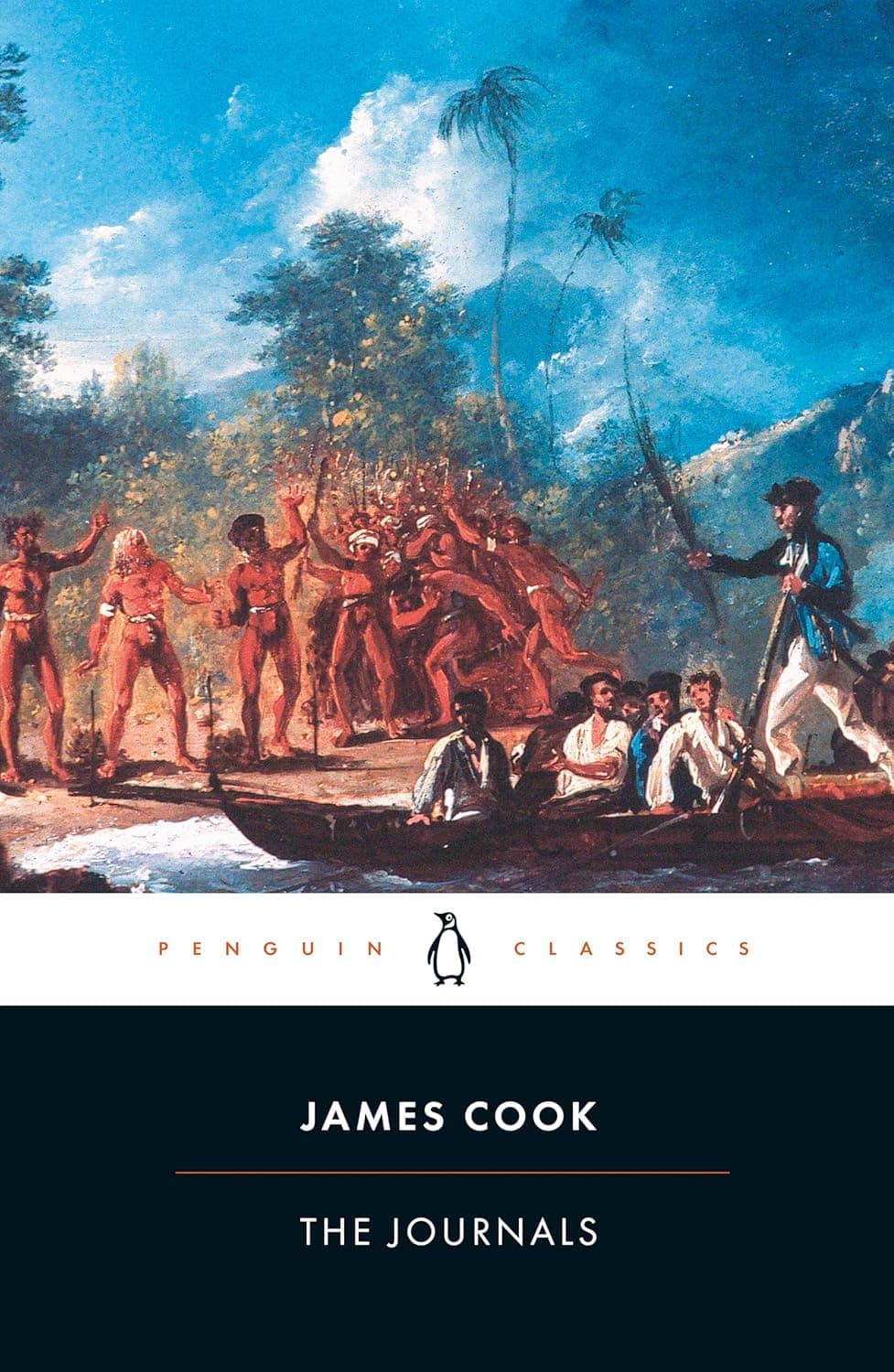
Cook charts New Zealand and eastern Australia in his own hand, and sails until no southern continent is left to find. The log calls the Aborigines happier than Europeans, then claims their coast.

Columbus wrote it all down, and the wonder and the greed are inseparable from the start: islands more beautiful than anything he has seen, and people he judges would make good servants.

Slocum rebuilt an oyster sloop, left Boston in 1895, came back three years later the first person to circle the earth alone. He recounts it in the practical voice of a working sailor.
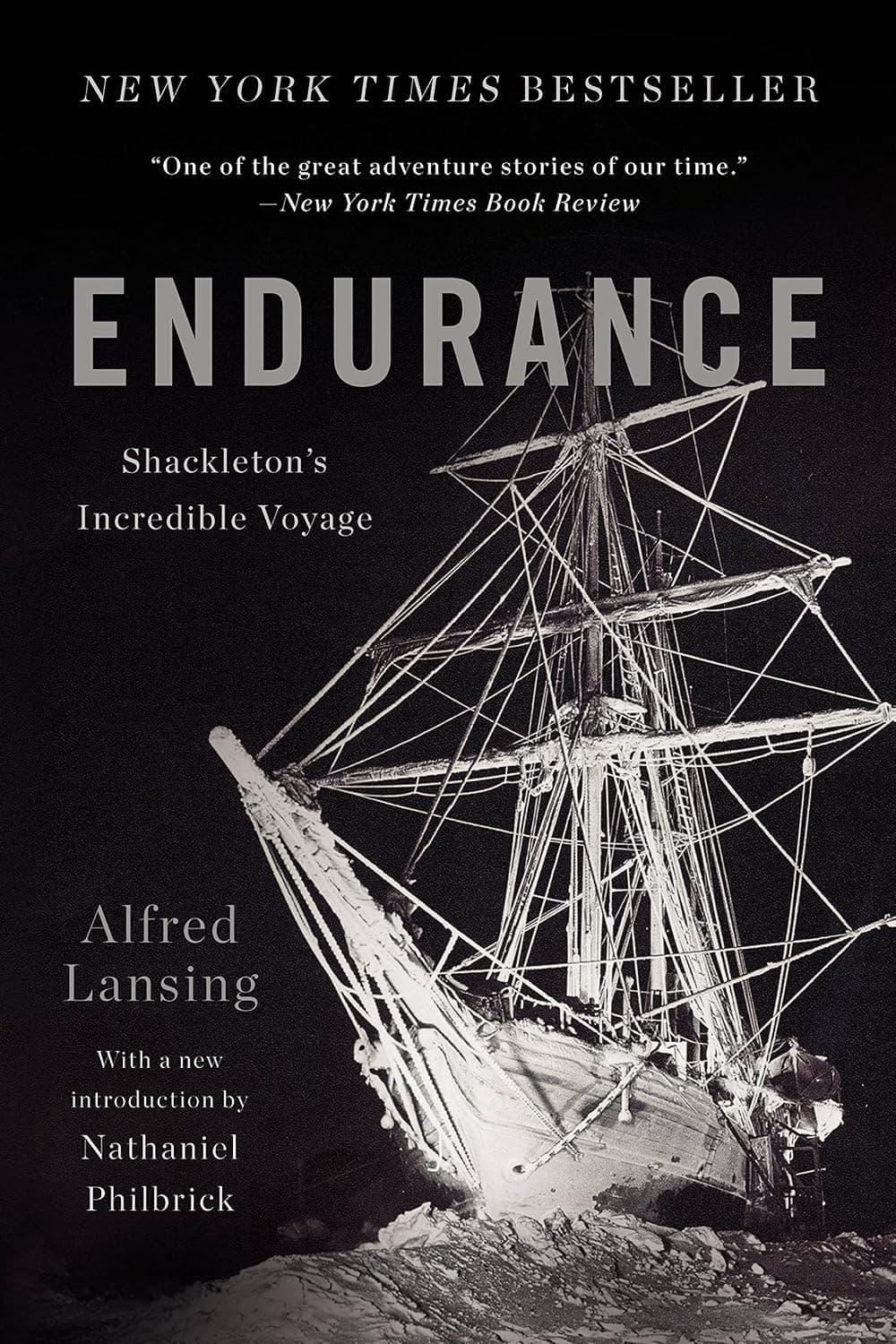
Antarctic pack ice crushes their ship in 1915, leaving twenty-eight men on a drifting floe. Shackleton sails an open boat eight hundred miles for help. Lansing reconstructed it all from the crew's diaries.

Five ships left Seville in 1519 and one came home three years later with eighteen men aboard. Zweig tells the circumnavigation as the story of an obstinate will set against an unmapped ocean.