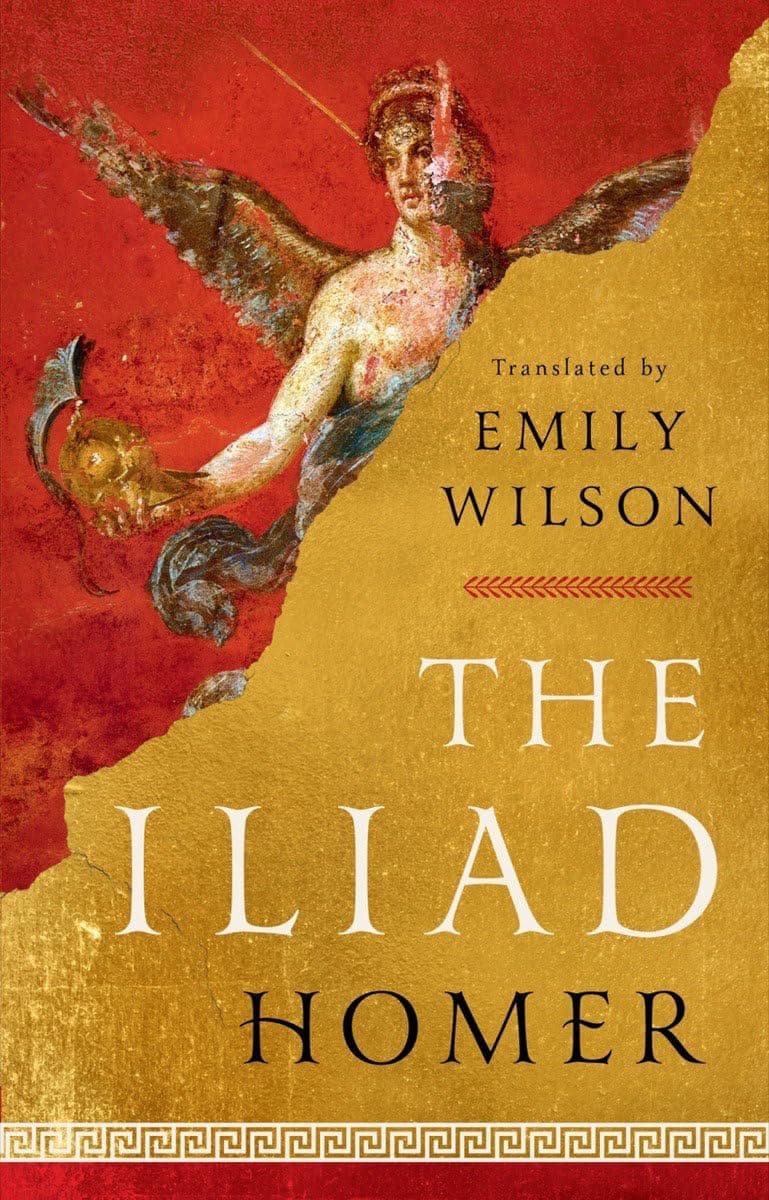
The Iliad
750 BC · 848 pages
Achilles withdraws from the fighting over a stolen prize and his friends die outside Troy for it. Nothing written about war since has matched Homer's fury, or the mercy of the final scene.
★ 9.9
 skopia
Achilles withdraws from the fighting over a stolen prize and his friends die outside Troy for it. Nothing written about war since has matched Homer's fury, or the mercy of the final scene.
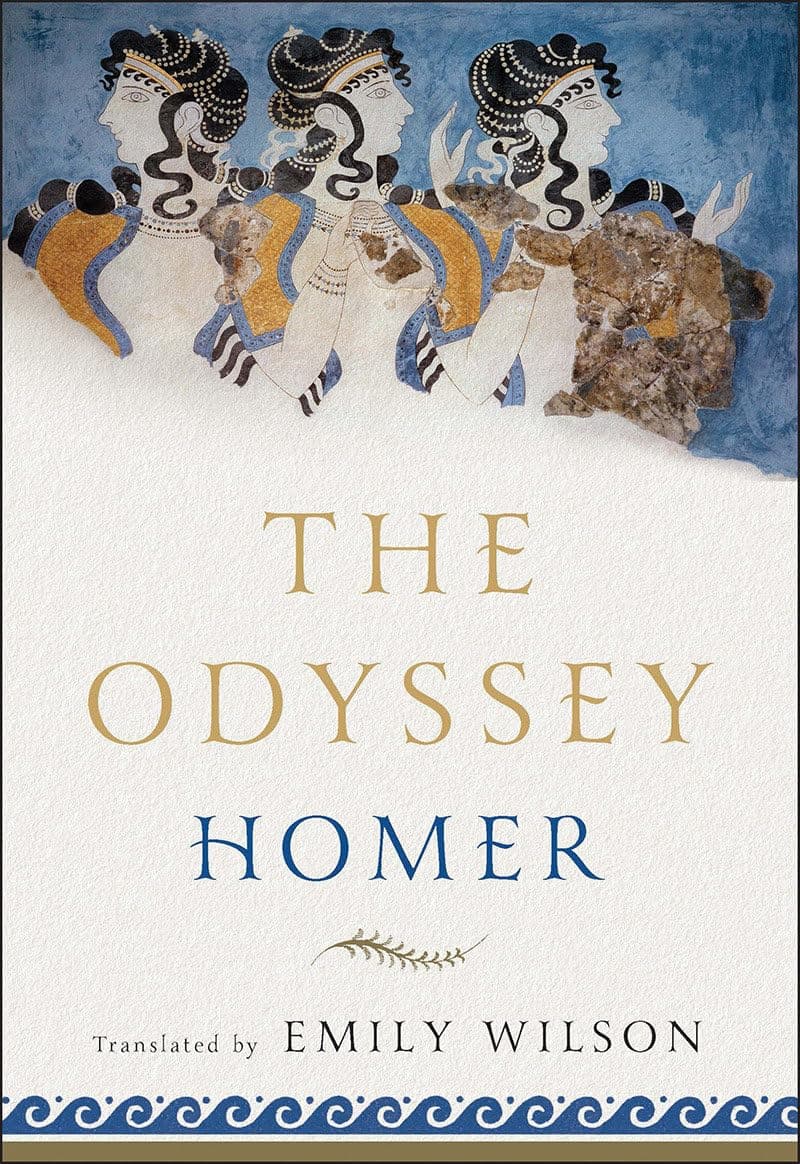
Ten years of storms, monsters, and a goddess who will not let him go stand between a soldier and his own front door. Every adventure story since descends from Odysseus.
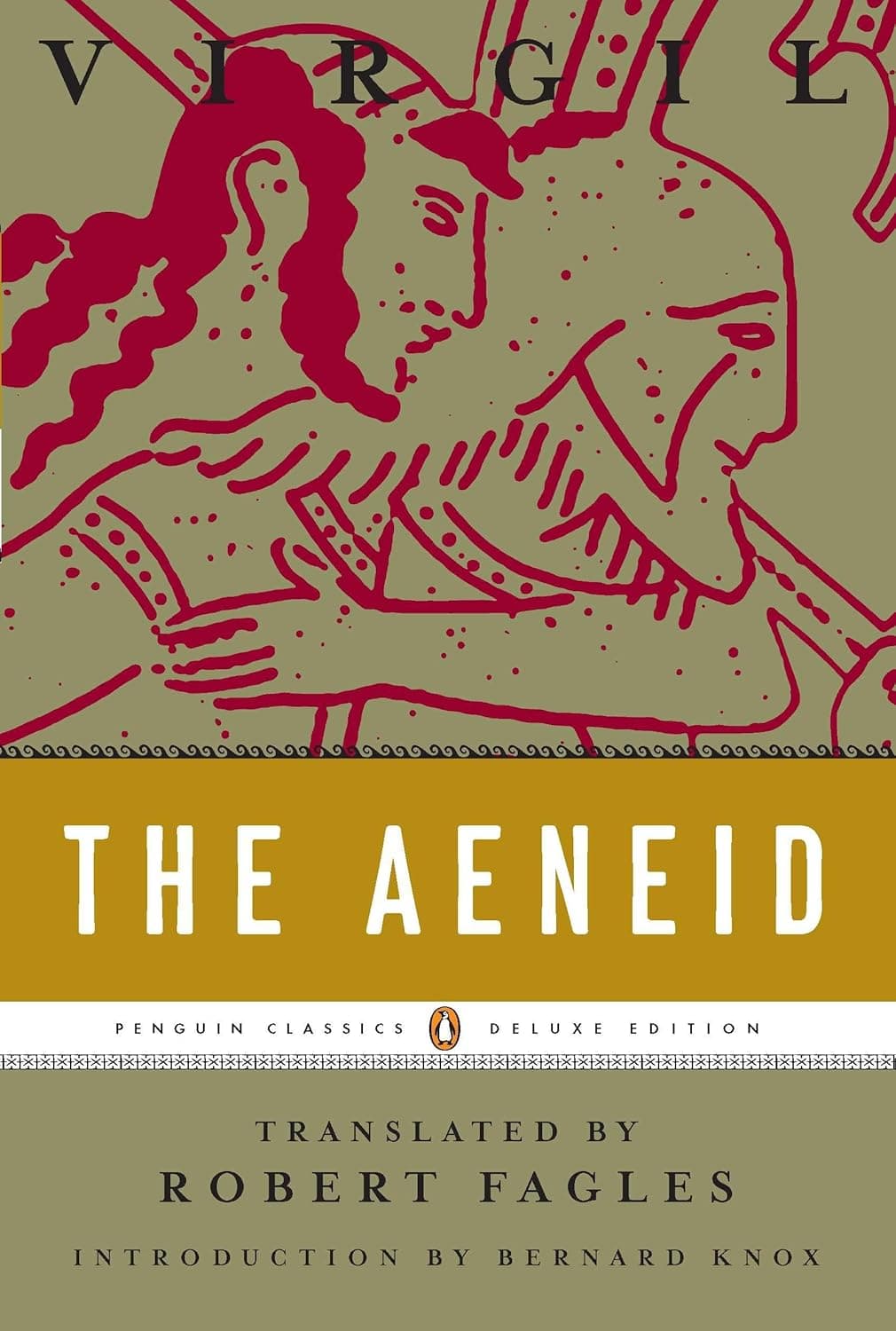
Aeneas carries his father out of burning Troy and is sent to found Rome, abandoning the queen who loves him. Duty wins, and Dido's grief is the greatest passage in Latin poetry.
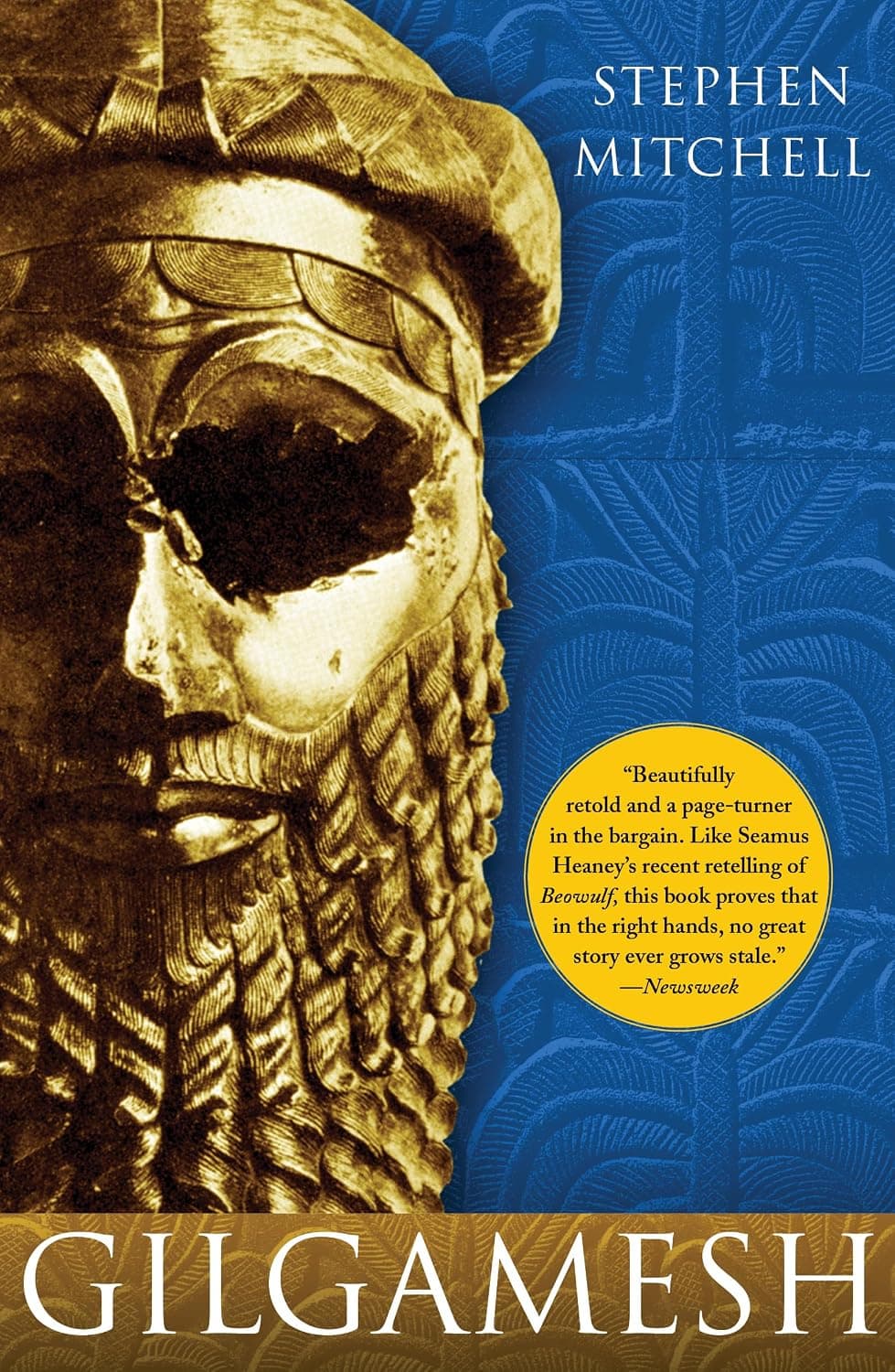
Literature begins here. Gilgamesh bullies his city until the gods send a wild man to match him. They become friends, one dies, and grief drives the survivor to the end of the world.
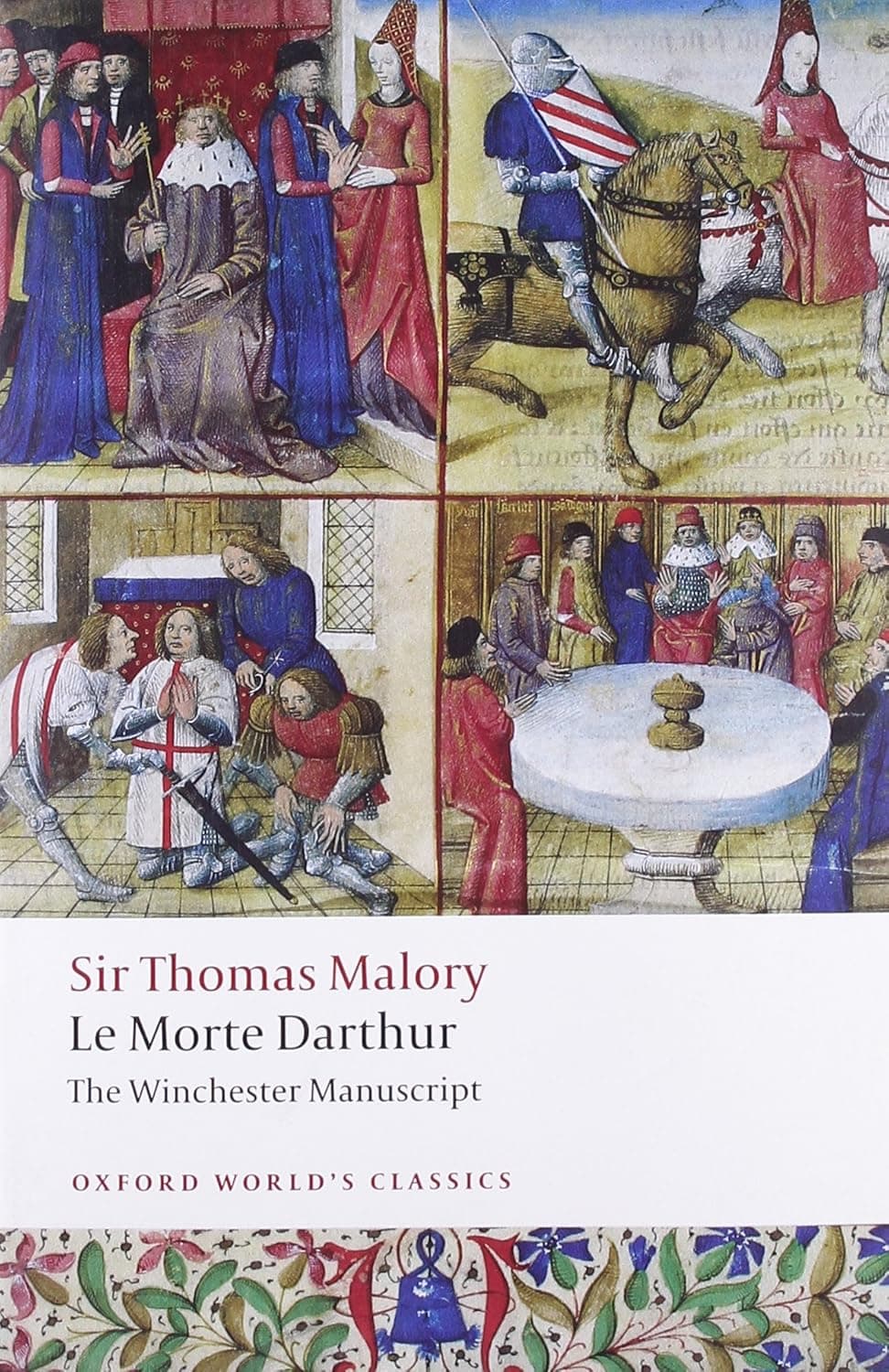
Arthur pulls the sword from the stone and the finest knights come to his table, until his wife's love for Lancelot brings it down. Every Camelot since comes from Malory.
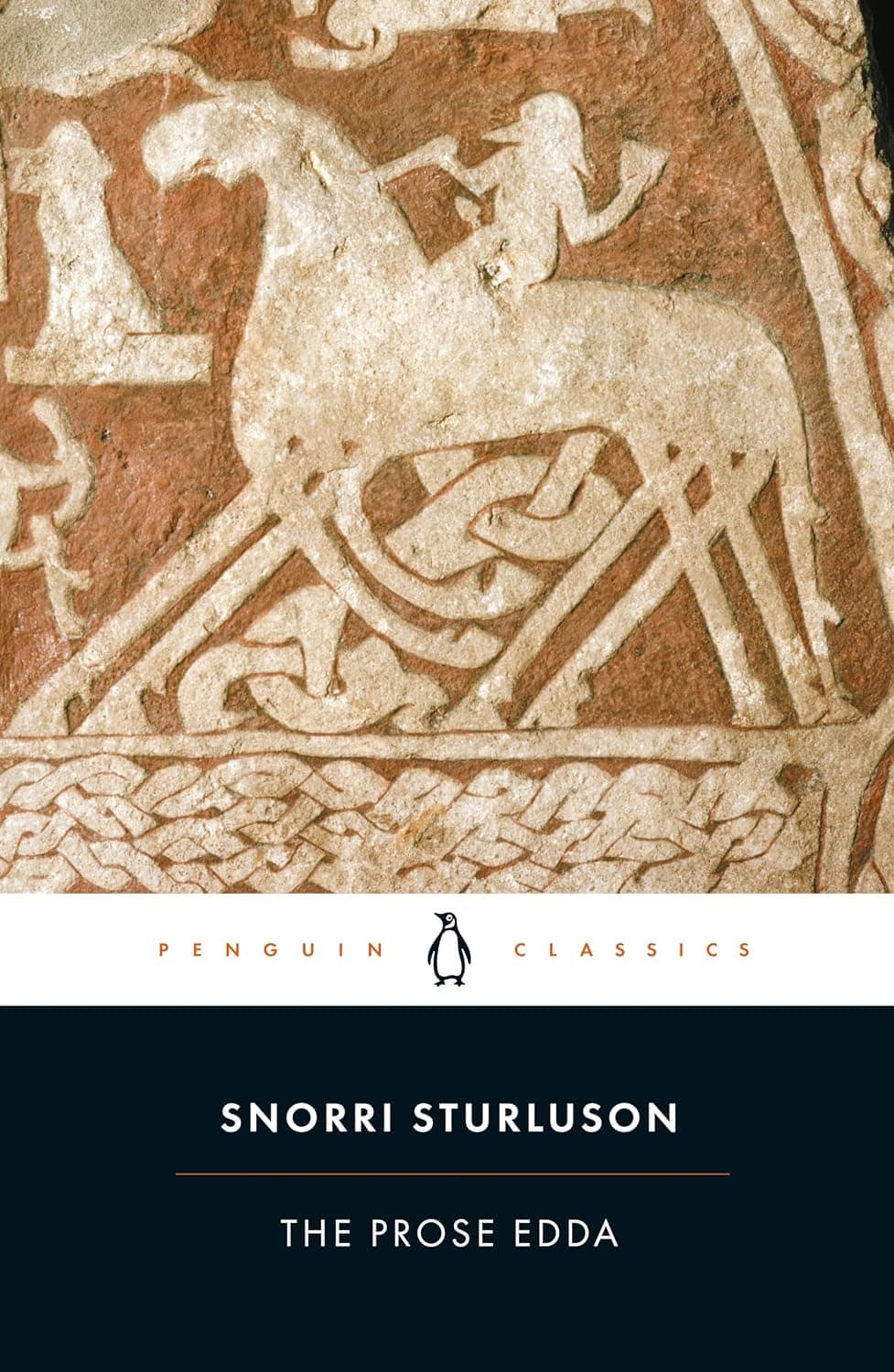
A Swedish king walks into a hall and asks three strangers how the world began and how it ends. Their answers are nearly all anyone now knows about Thor, Loki, and Ragnarok.

Chaos comes first, then gods who overthrow their fathers in turn until Zeus wins and holds. Hesiod then turns to his idle brother to explain when to plow and why work is holy.
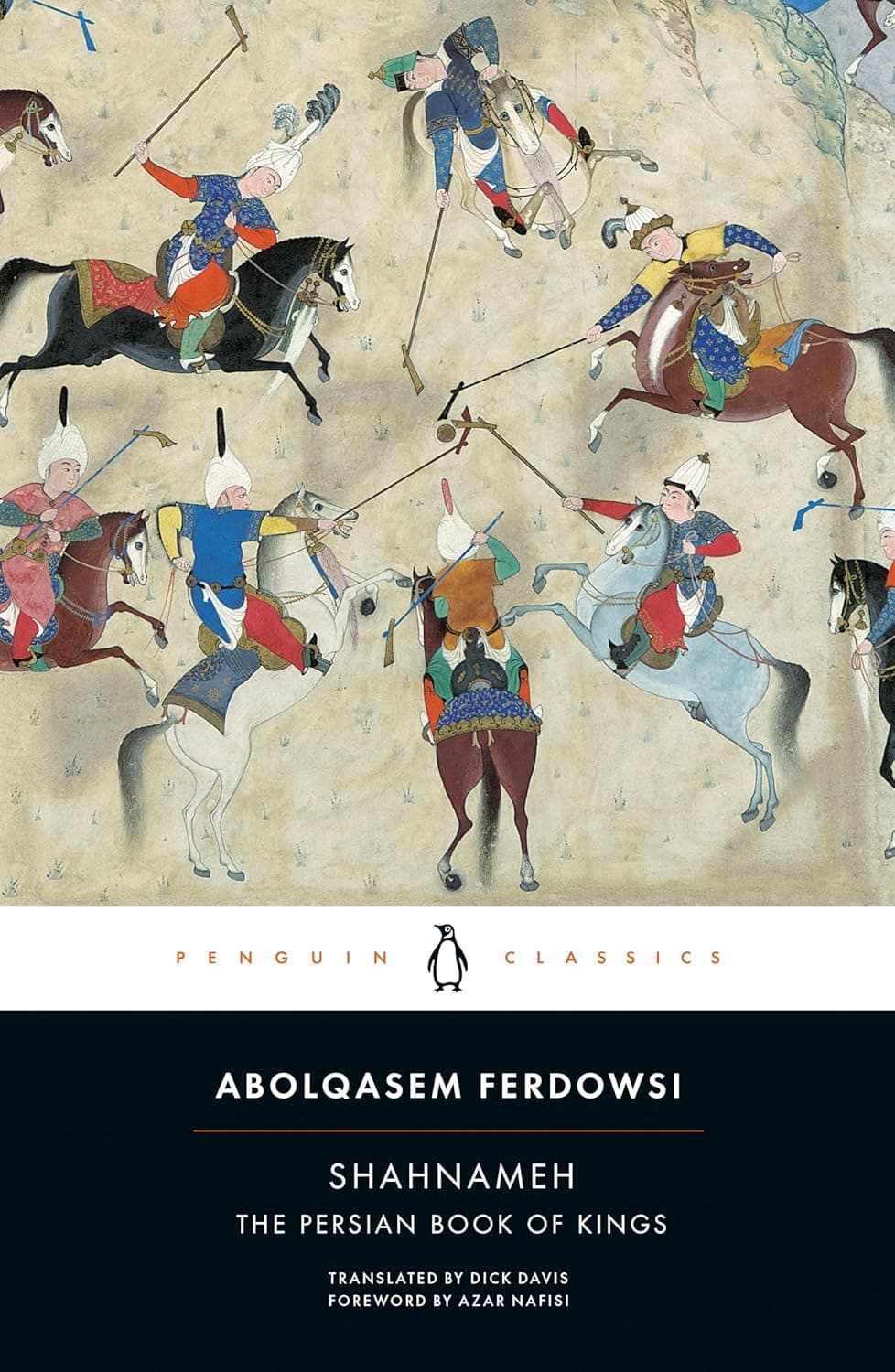
Fifty thousand couplets carry Iran from creation to the Arab conquest, past a tyrant with snakes growing from his shoulders and the hero Rostam meeting a young champion he does not recognize.
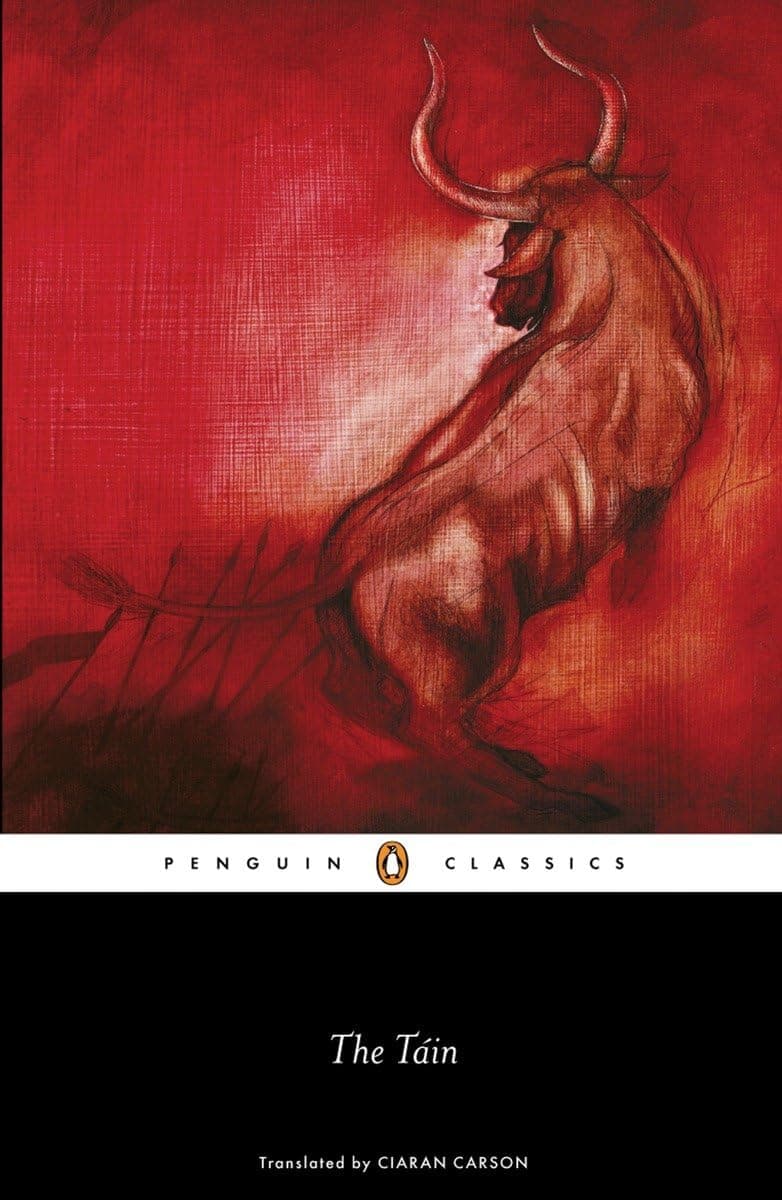
Seventeen years old, Cu Chulainn holds the fords against the army Medb of Connacht raised to steal a bull, with Ulster's warriors paralyzed by birth pangs. Yeats built a national mythology on him.