
The Holy Bible (King James Version)
Various
1611 · 1728 pages
God makes the world, loses the people in it, and spends the rest of the book getting them back. The English of this translation is the English later writers have had to answer.
★ 9.8
 skopia
God makes the world, loses the people in it, and spends the rest of the book getting them back. The English of this translation is the English later writers have had to answer.
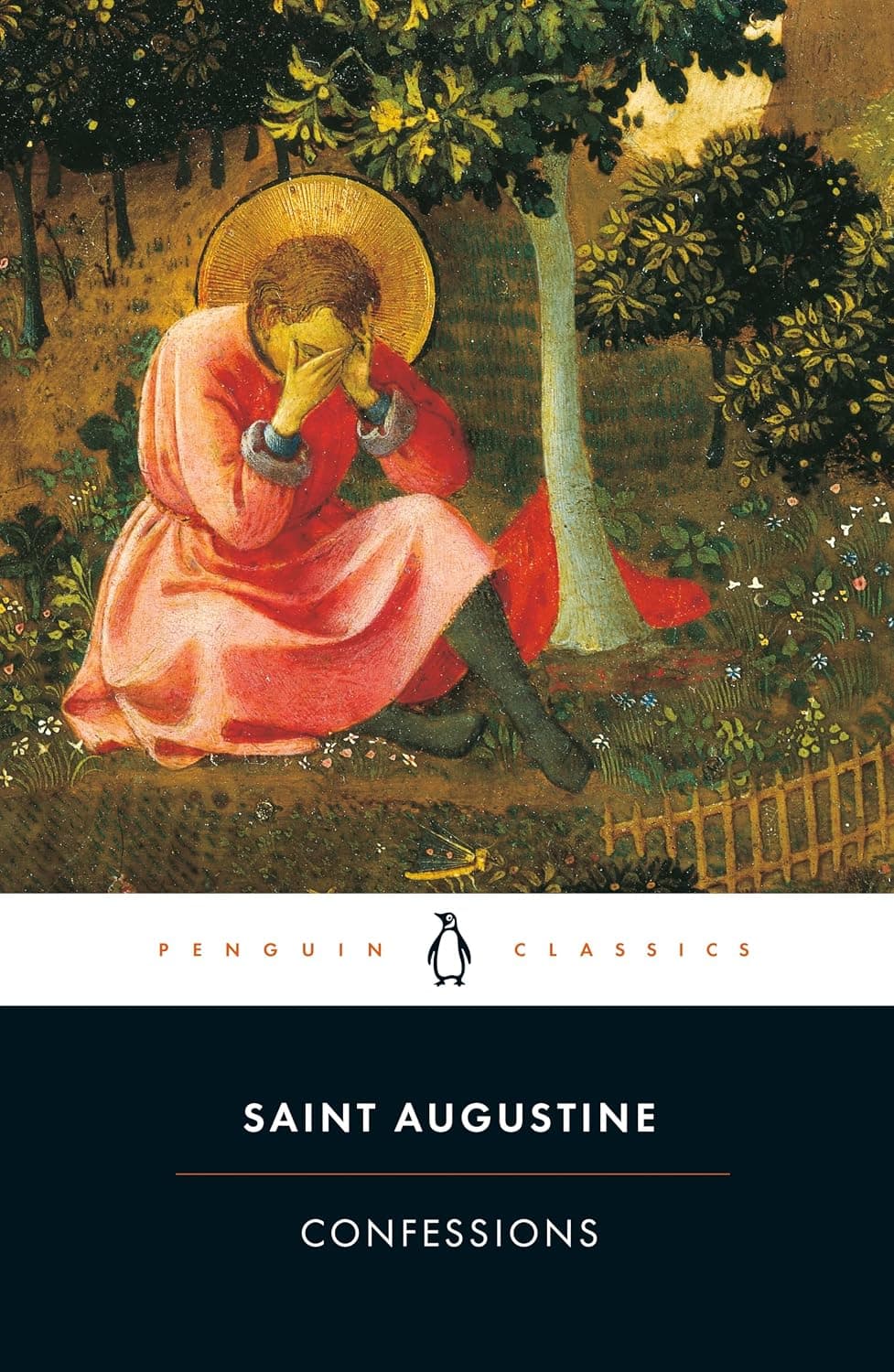
Augustine addresses God directly, confessing the stolen pears, the years of lust, and a prayer for chastity but not yet. Sixteen centuries on, his self-examination still cuts deeper than modern memoir.
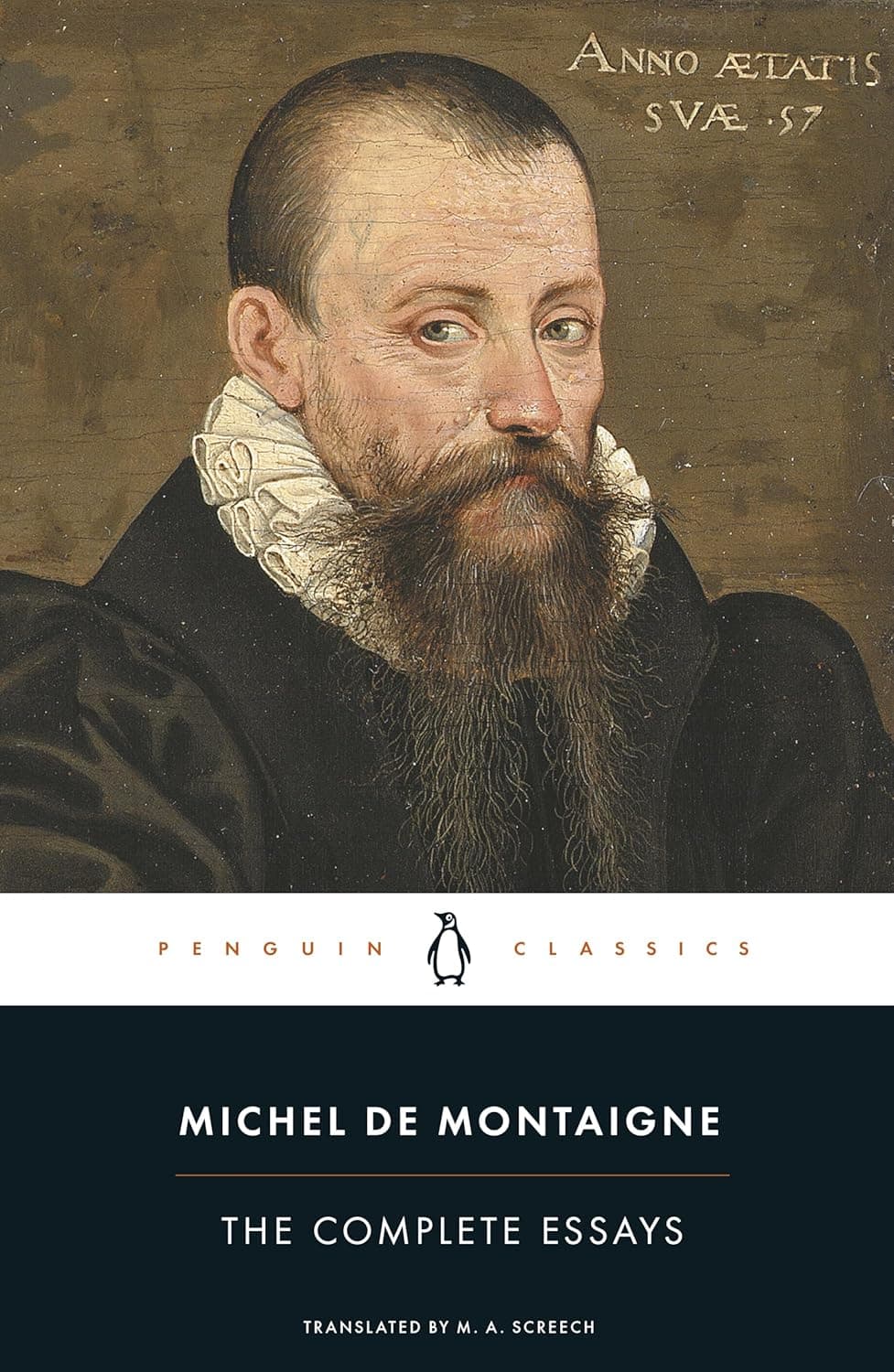
Montaigne wrote short pieces on friendship, fear, sleep, and his kidney stones, and invented the essay doing it. As company on the page he remains unmatched in four centuries.

More creatures are born than can survive, they differ, and the useful differences carry forward. Darwin builds that one plain idea into an explanation of every living thing on earth.
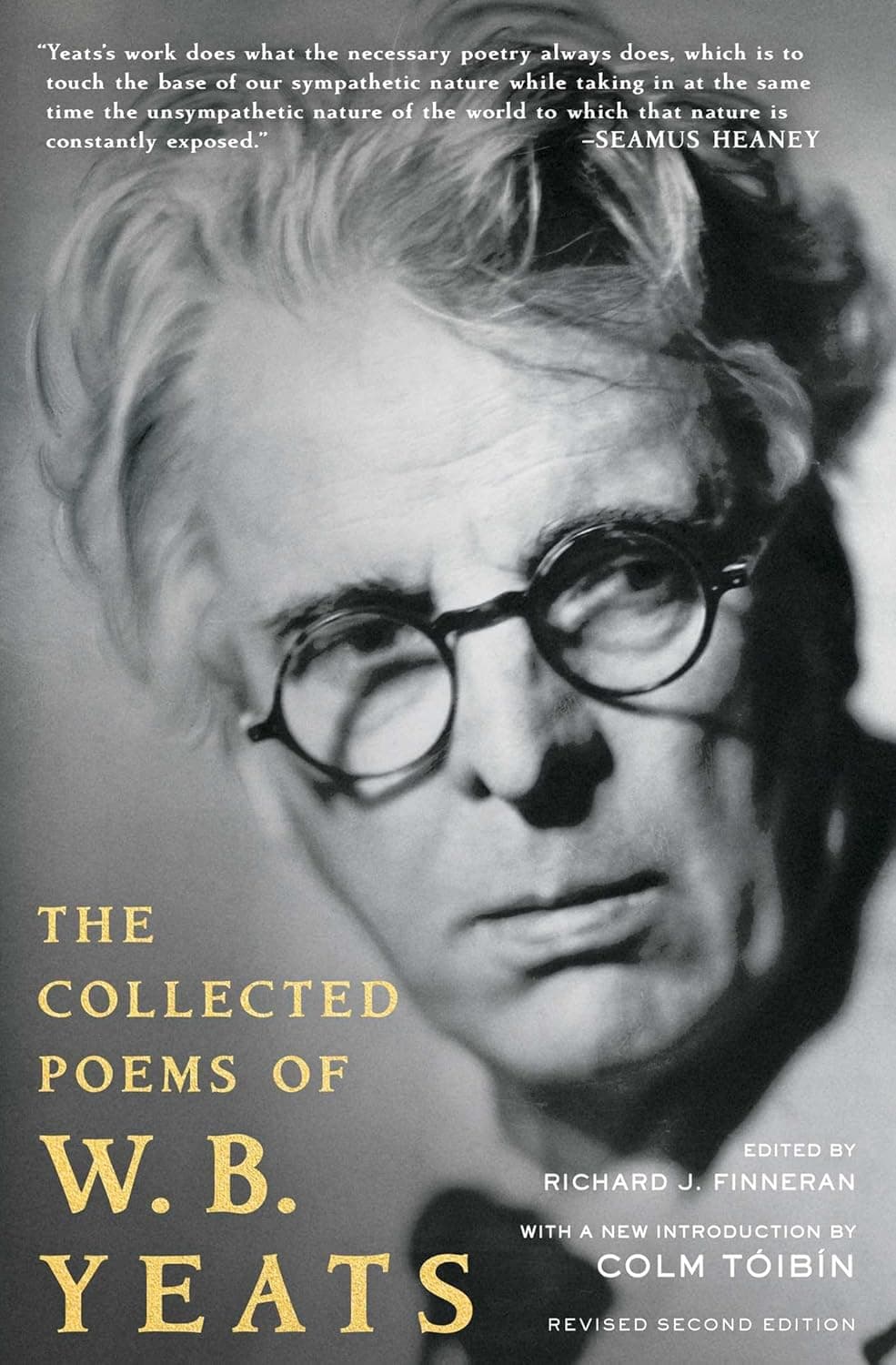
Irish myth and fairy tale at the start, then old age, politics, and desire handled with frightening force. Yeats wrote things fall apart, the centre cannot hold, and a terrible beauty is born.

Dickinson wrote nearly eighteen hundred poems in a Massachusetts bedroom, on death, God, and her own mind, and remade the English lyric. Begin with "Because I could not stop for Death."

Solzhenitsyn served eight years in the camps, then gathered hundreds of survivors' accounts into a single prisoner's journey from arrest through interrogation to the labor gangs. Publishing it got him deported.
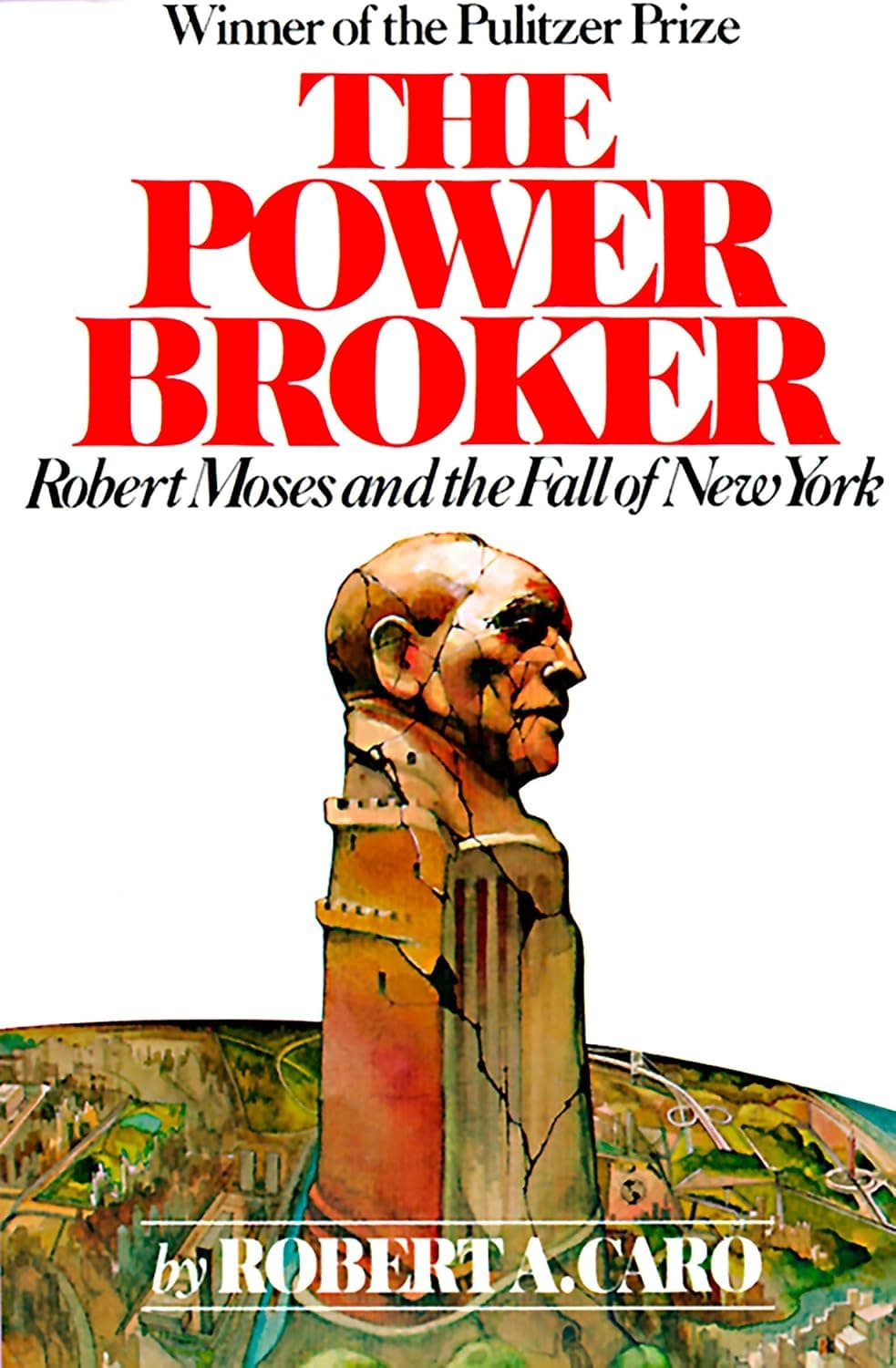
Robert Moses was never elected to anything and remade New York for forty years, throwing up bridges and expressways and flattening the neighborhoods in their way. Caro shows exactly how it was done.
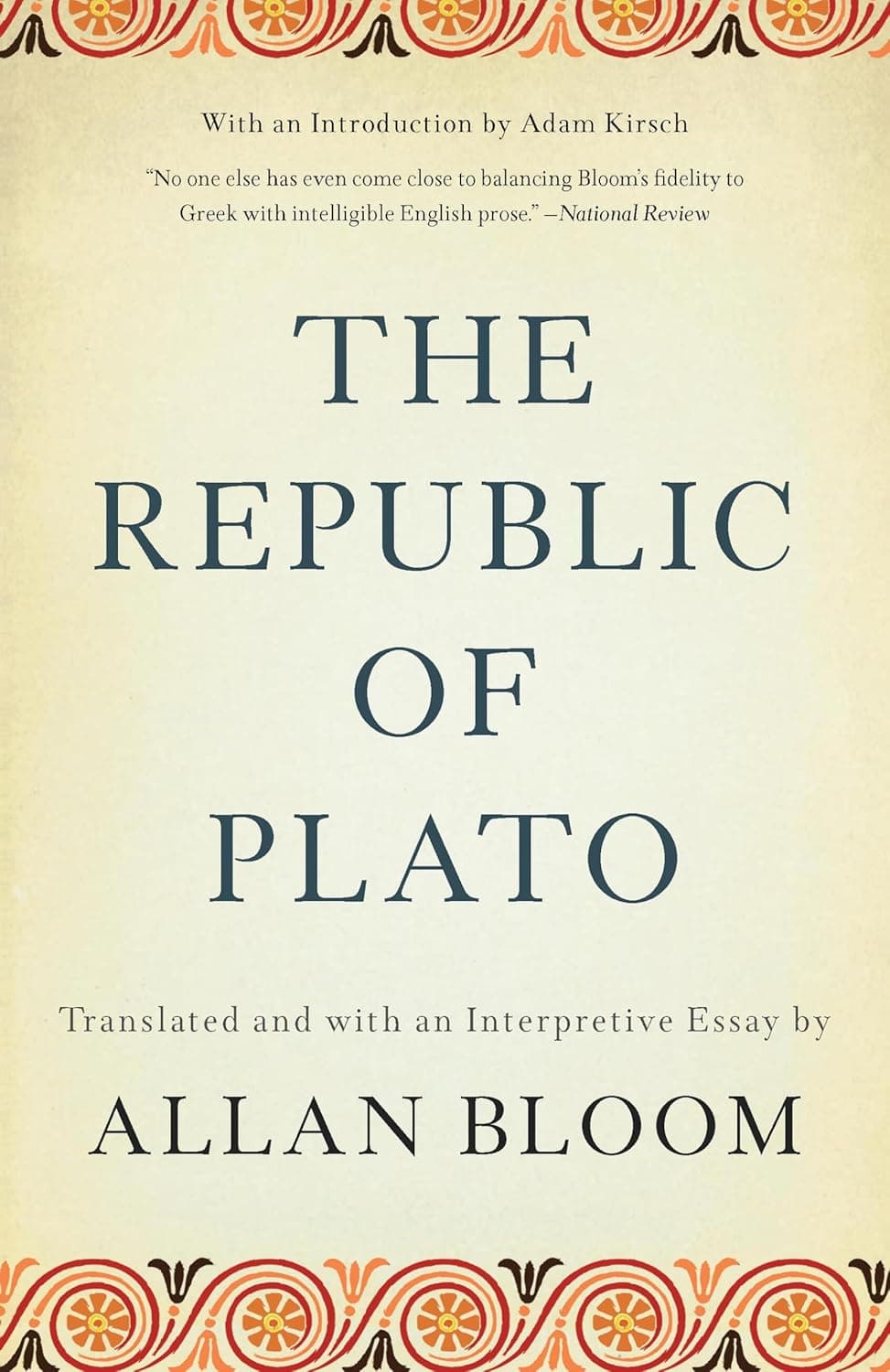
Asked why anyone should be just when nobody is watching, Socrates answers by building an entire city in conversation. The allegory of the cave has never stopped explaining people to themselves.

Gibbon follows Rome from its imperial peak to the fall of Constantinople thirteen centuries later, in the finest prose English history possesses. His contempt for Christianity still makes readers laugh.
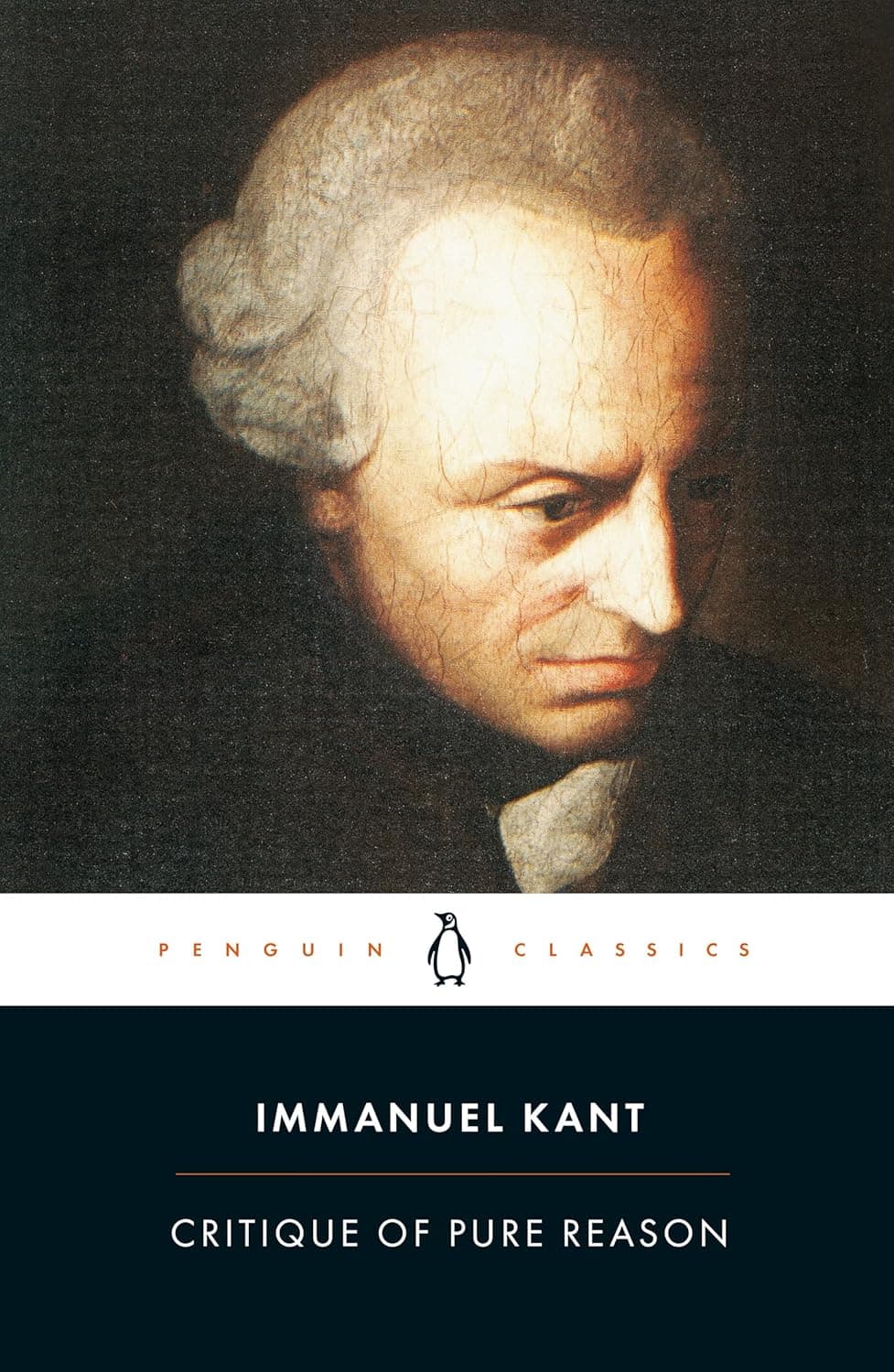
Western thought divides at this book. Kant argues that space, time, and cause belong to the mind doing the looking rather than to the world, and marks the boundary reason cannot cross.

One is not born a woman, Beauvoir argues, but becomes one. She works through biology, history, myth, marriage, and old age to prove it, and modern feminism begins in these pages.

Stevens sold insurance in Hartford and wrote sumptuous poems about what the imagination makes once God is gone. Read "The Emperor of Ice-Cream" aloud and the sound arrives before the sense.
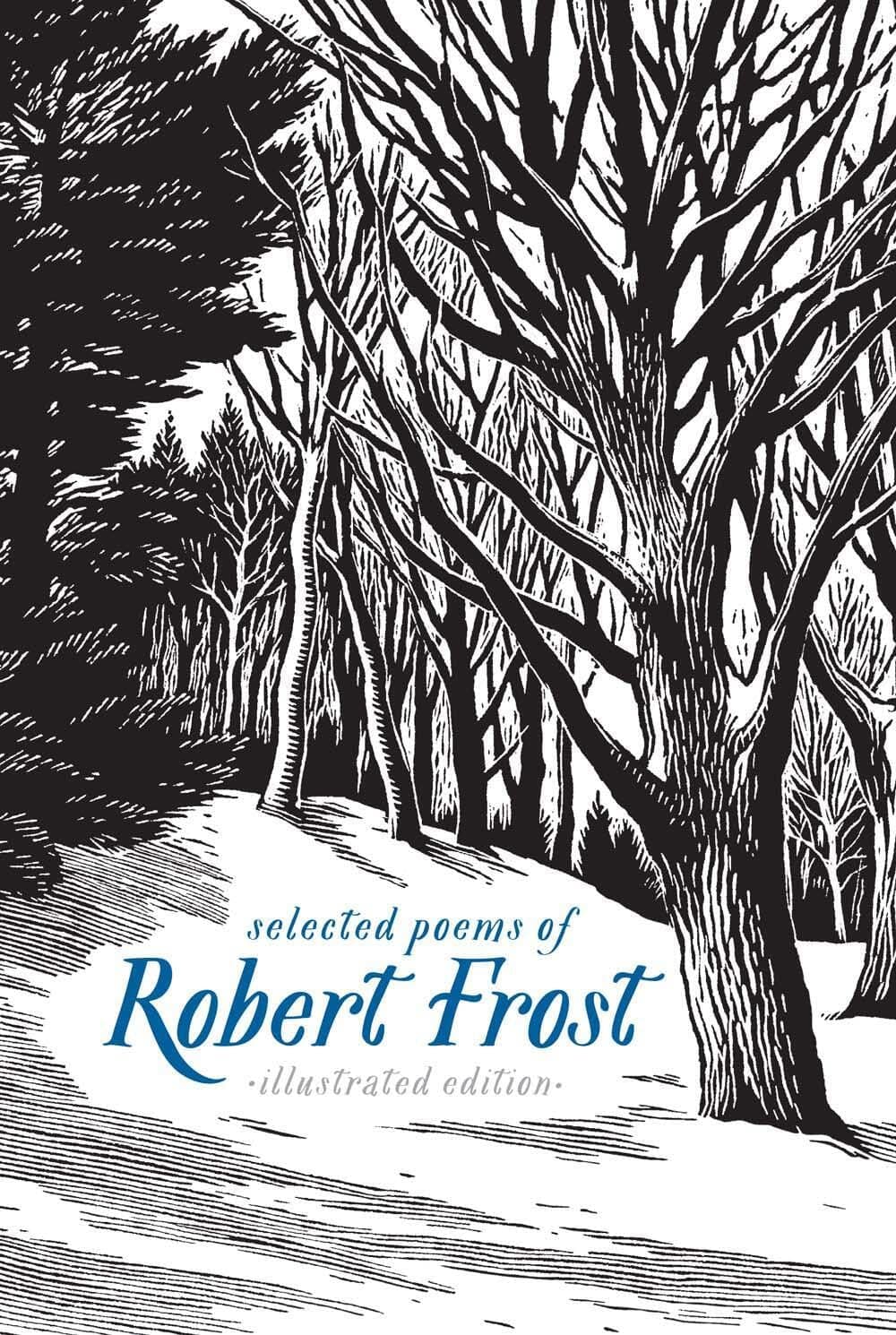
Frost's New England of stone walls and deep snow arrives in plain talk held to strict meter, with something much colder underneath. Stopping by Woods on a Snowy Evening offers no comfort.

Levi was an Italian chemist deported to Auschwitz at twenty-four. He survived, then spent months making his way home across a ruined Europe, and reports all of it without raising his voice.

Two years in hiding behind an Amsterdam office, set down by a girl who wrote about her mother, her boredom, and who she meant to become. She was fifteen when they were found.

No foreigner has ever read America this well. Touring the young republic in 1831, Tocqueville found equality rather than liberty the engine of the place, and warned that majority opinion smothers free minds.

Zarathustra comes down from his mountain to announce that God is dead and man is something to be overcome. Nietzsche wrote it as scripture rather than argument, and readers take it personally.
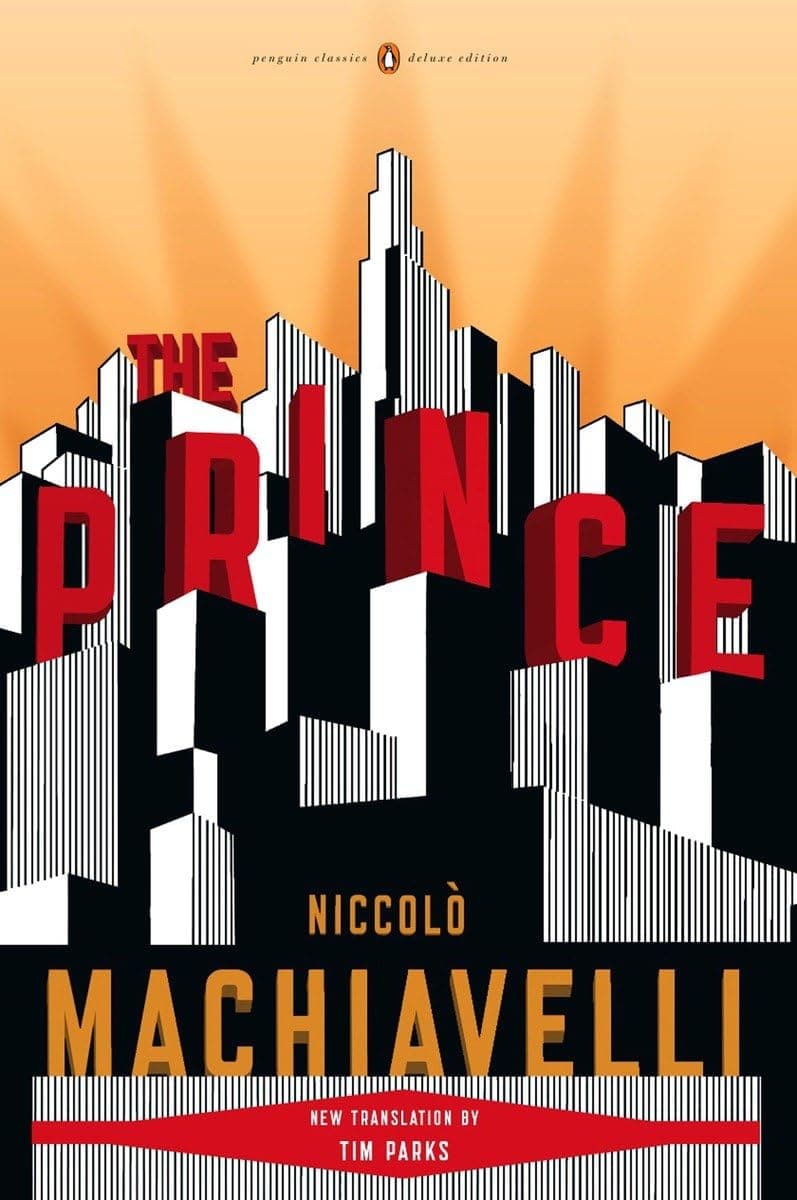
Machiavelli threw out the question of how a ruler ought to behave and asked how power is taken and kept. His answer, that a prince does better feared than loved, still unsettles people.

Modern poetry starts here, in gorgeous verse about boredom, rot, and the crowds of Paris. Baudelaire opens by calling the reader his hypocrite brother, then makes ugliness beautiful.
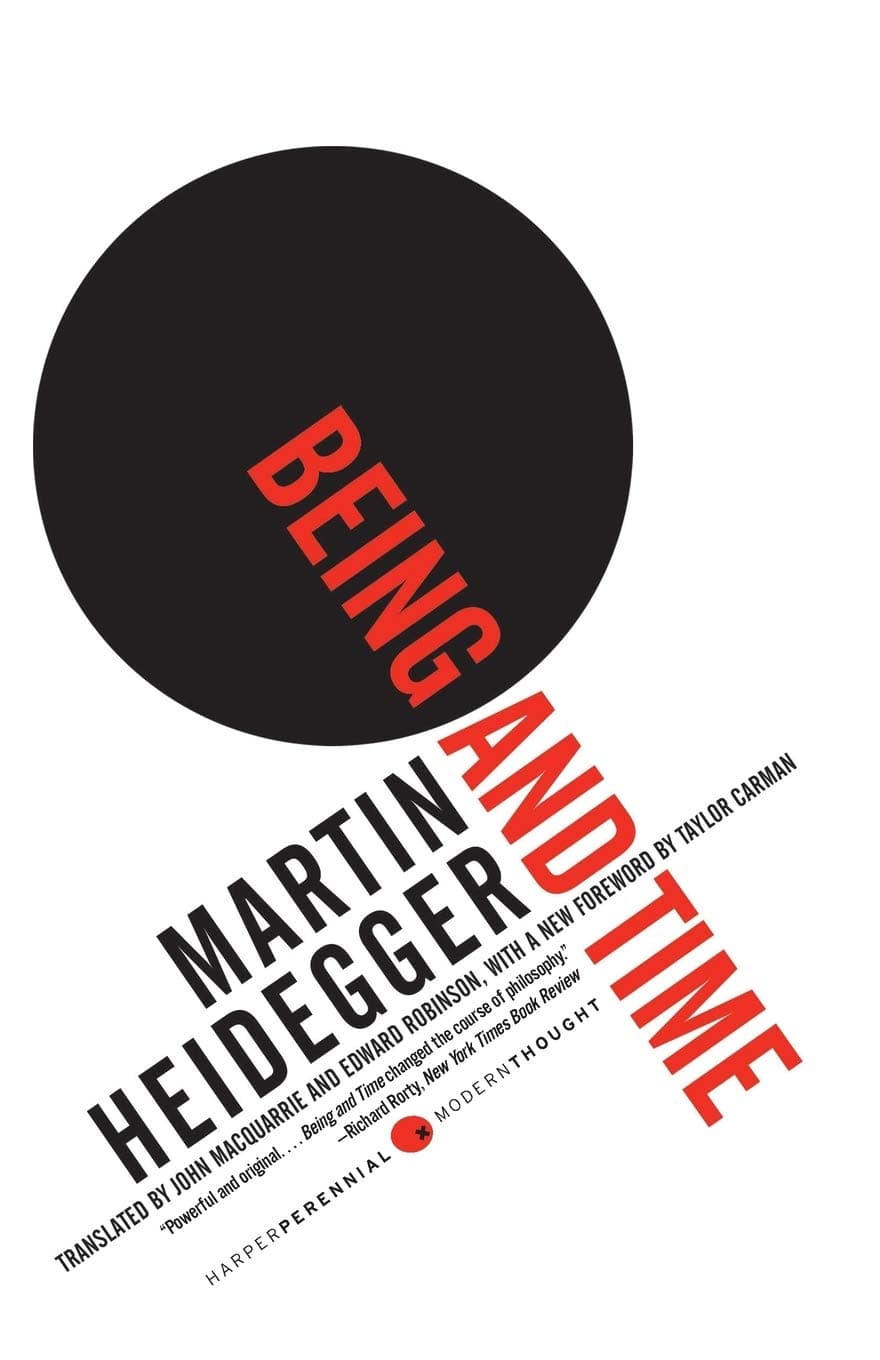
Philosophy forgot to ask what it means for anything to exist. Heidegger rebuilds the question around the ordinary human being, thrown into a world he did not choose and running out of time.

Science does not creep forward by adding facts, Kuhn argues. It works inside one framework until the anomalies pile up and the whole picture flips. Paradigm shift is his phrase and his idea.

Spiegelman drew his father's survival of Auschwitz as a comic, Jews as mice and Nazis as cats, and drew himself failing to get along with the old man telling it.
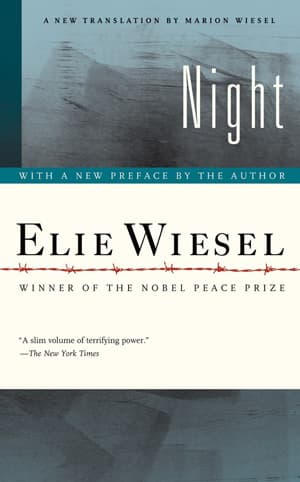
Wiesel was a religious teenager when his town was emptied and he arrived at Auschwitz with his father. He tells it in short flat sentences, and the flatness is unbearable.

Malcolm X was a Michigan boy, then a Harlem hustler, then a convict copying the dictionary, then a speaker no one in America could ignore. He was still changing when he was murdered.

Jacobs watched her Greenwich Village street and argued that crowded sidewalks, short blocks, and eyes on the street are what keep a city alive. After this, bulldozing a neighborhood stopped looking like progress.

Rawls asks which rules you would pick for a society without knowing your place in it. His answer, equal liberties and inequality only when it lifts the worst off, reset political philosophy.

Exiled after losing a city, Thucydides wrote the war that ruined Athens, explaining it by fear and self-interest, not the gods. At Melos his Athenians say the strong do what they can.

Wealth is not gold in a vault but what a country produces, and specialization multiplies it. Smith begins with ten men making pins and every economic argument since descends from him.
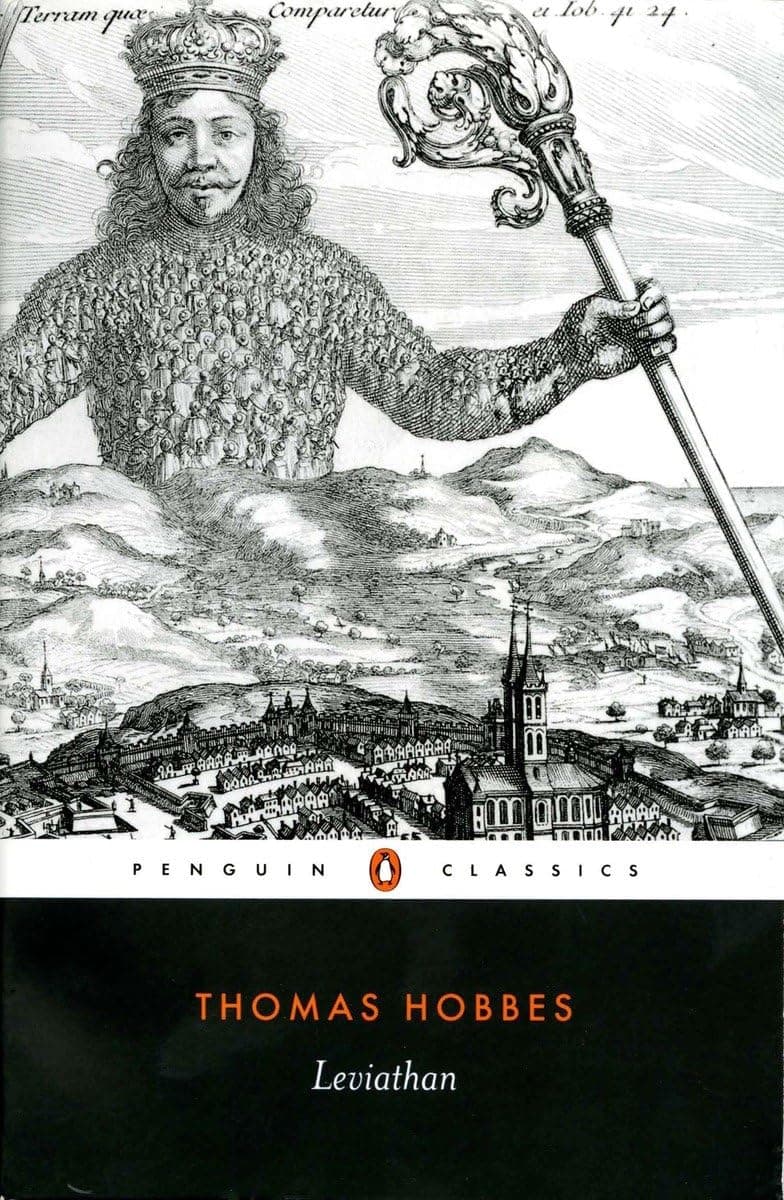
Strip away the state, Hobbes argues, and life becomes a war of everyone against everyone, nasty, brutish, and short. The remedy is to hand all our power to one sovereign.
Hegel tracks the mind from bare sensation to full self-knowledge, each stage collapsing under its own contradictions into the next. His fight between master and slave has been argued over ever since.
Mill sets the limit that still governs the argument: society may interfere with you only to prevent harm to others. Silence an opinion and you rob everyone, including the people who are right.

Philosophers smuggle their own prejudices in as truth, Nietzsche says, and the morality they defend was invented by the weak. He writes in short bursts aimed straight at the reader.

Seven numbered propositions draw the limits of what can be said. Language pictures facts, Wittgenstein argues, so ethics and God fall outside it, and the final proposition tells you to stop talking.
Two years in a cabin by a Massachusetts pond, and the permanent argument against a life spent earning. Thoreau writes about beans, loons, and why most people lead lives of quiet desperation.

Du Bois named the double consciousness of seeing yourself through white eyes and called the color line the problem of the twentieth century. The chapter on his firstborn son's death is unbearable.

Short poems in simple meter about lambs, chimney sweeps, and a tiger burning in the forests of the night. Blake sets an innocent version beside a bitter one and lets you decide.

Give a woman five hundred a year and a room with a lock and she will write, Woolf argues, then invents a gifted sister for Shakespeare and follows her to a terrible end.
Six people survived the bomb at Hiroshima and Hersey follows them through the year after: a clerk, a widow, two doctors, and two clergymen. He writes flatly and it is unbearable.
In 1959 two ex-convicts murdered a Kansas farm family of four they had never met. Capote spent years with the killers and turned reporting into a novel, patient and entirely without comfort.