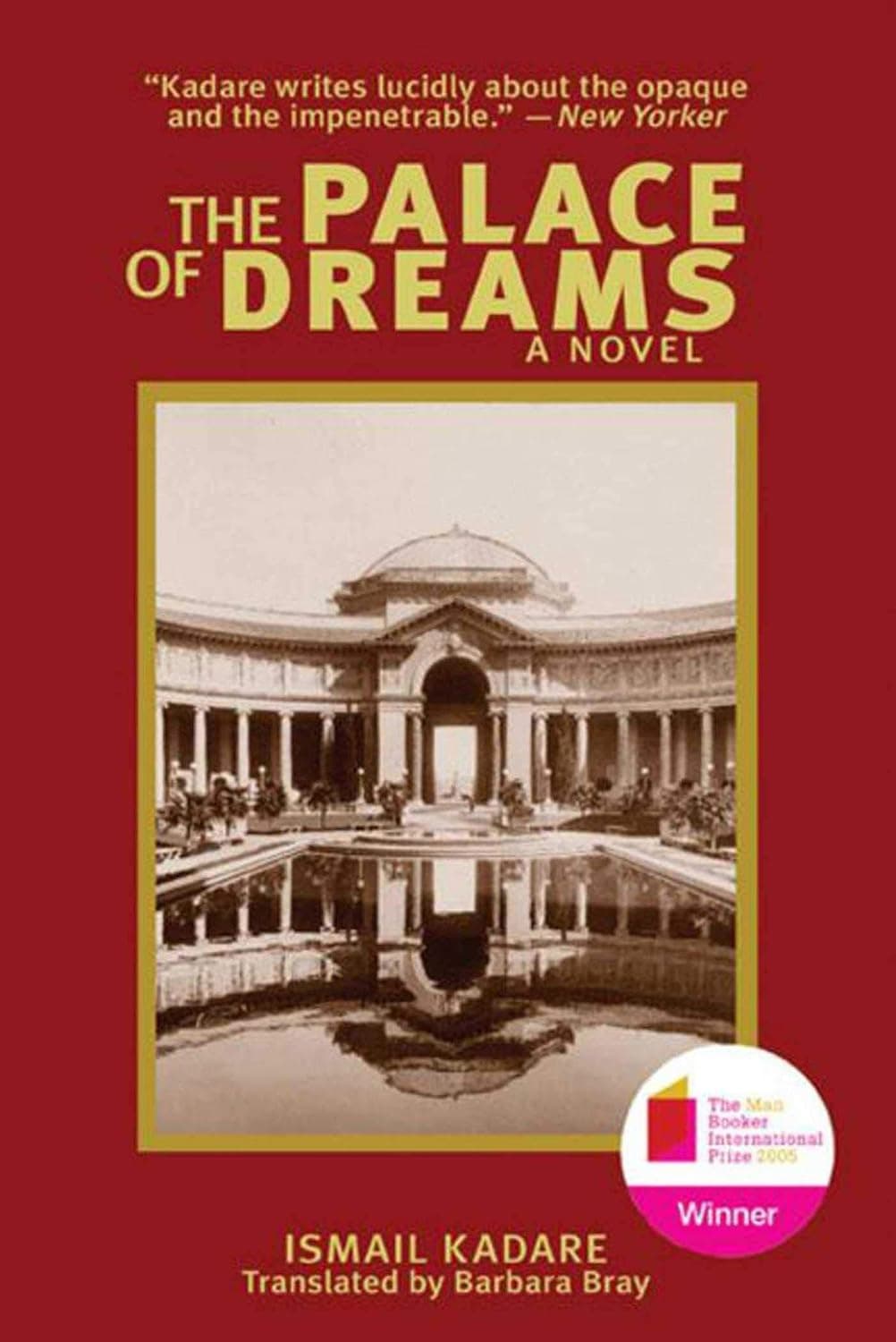
Palace of Dreams
1981 · 208 pages
Clerks in an Ottoman ministry collect the dreams of every subject and sift them for the one that foretells the empire's fate. Albania's dictatorship banned it within months, after twenty thousand copies sold.
★ 6.3
 skopia
Clerks in an Ottoman ministry collect the dreams of every subject and sift them for the one that foretells the empire's fate. Albania's dictatorship banned it within months, after twenty thousand copies sold.
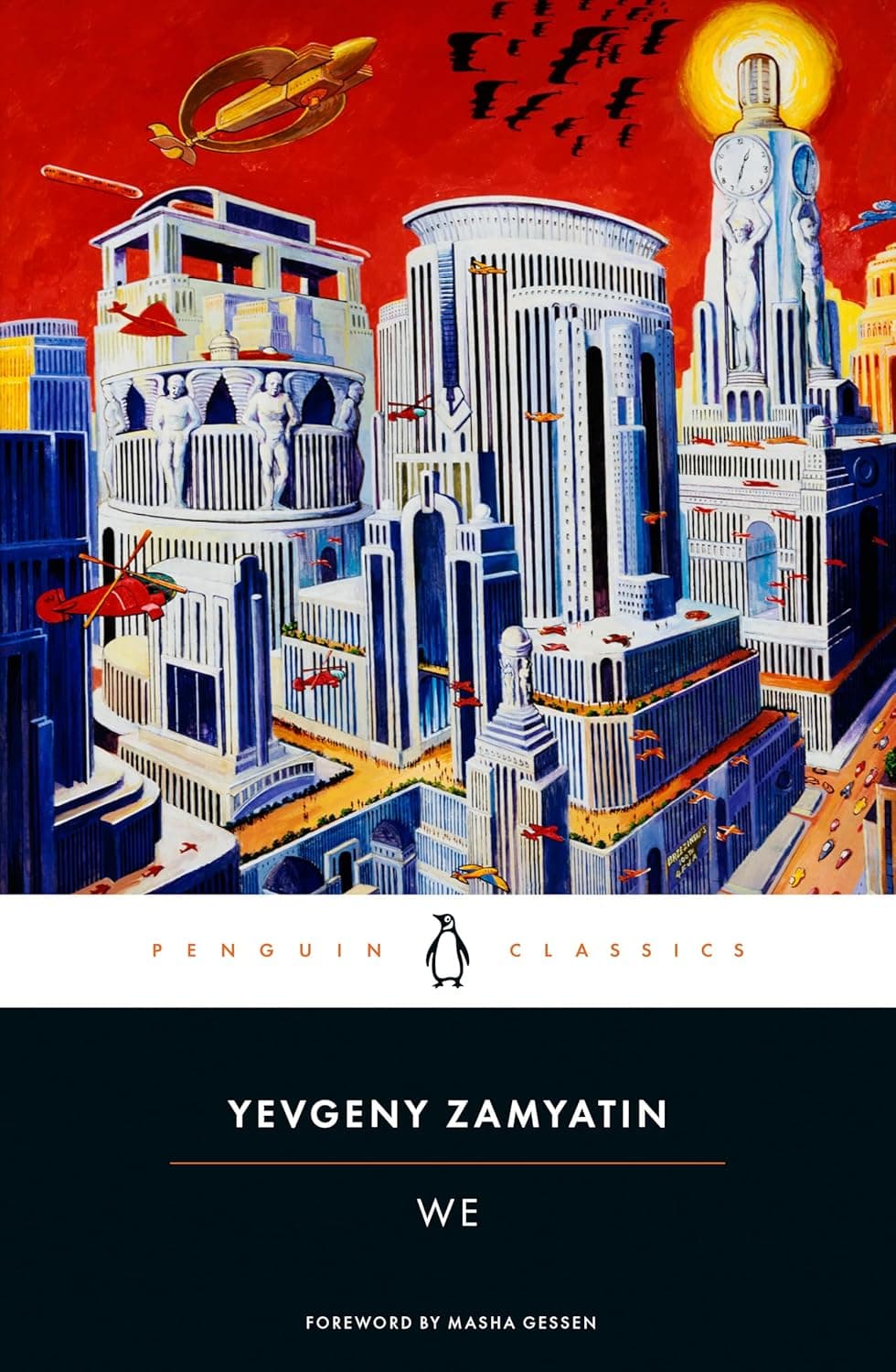
Numbered citizens live in glass apartments under a Table of Hours, and the engineer D-503 records his own unraveling. Banned in Russia until 1988, it gave Orwell his model for Nineteen Eighty-Four.

Fifteen years after the Axis won, dealers in Japanese-occupied San Francisco sell forged Americana to the conquerors. Dick's people consult the I Ching and pass around a novel where the Allies won.

Tradition stopped telling anyone what authority or freedom means, and Arendt refuses to invent a substitute. She reopens each concept instead, arguing that education fails when adults stop taking responsibility for the world.
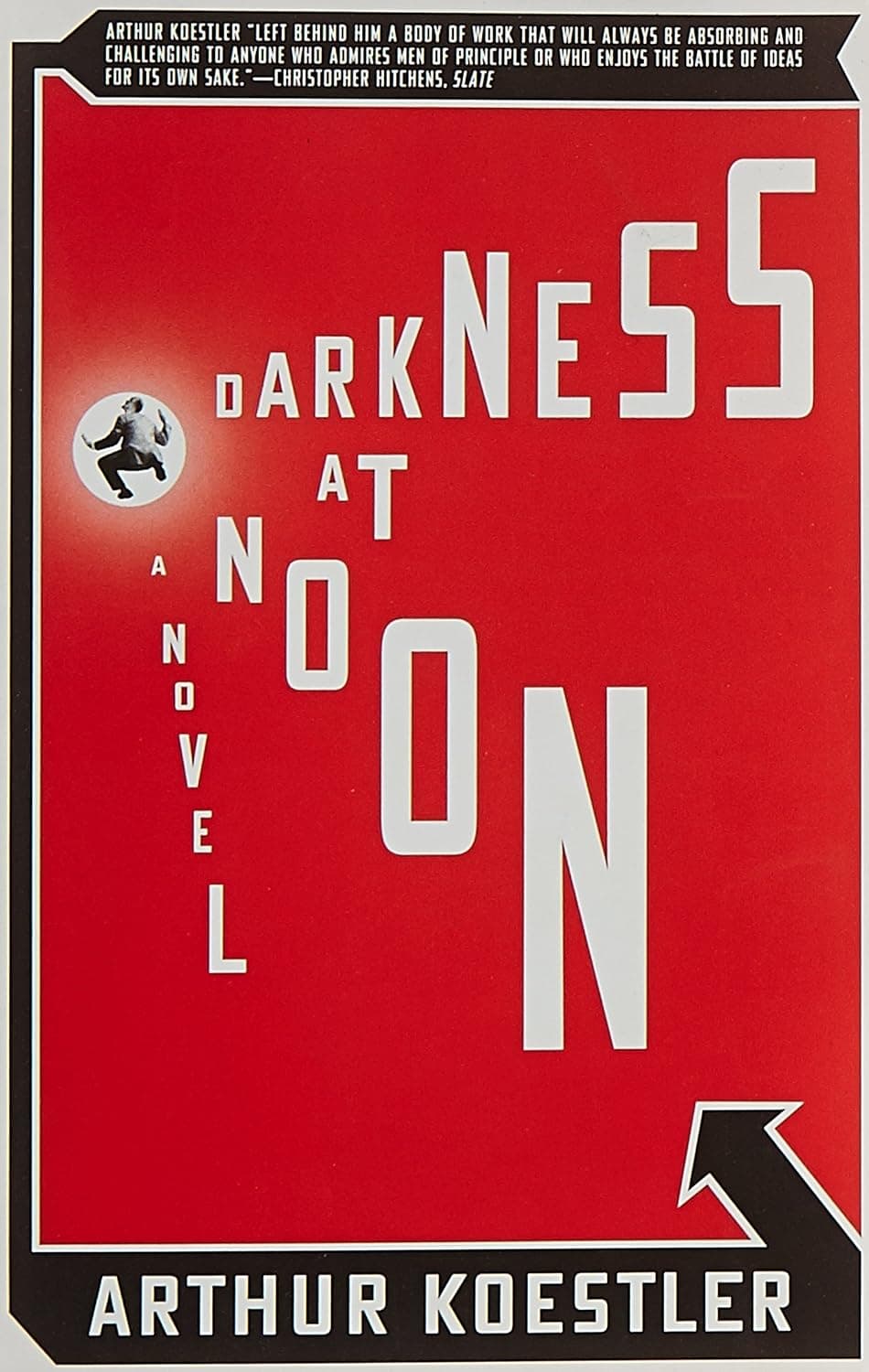
Arrested by the revolution he helped build, Rubashov confesses to crimes he never committed. The novel sold half a million copies in France and pulled a generation of Western leftists away from Moscow.
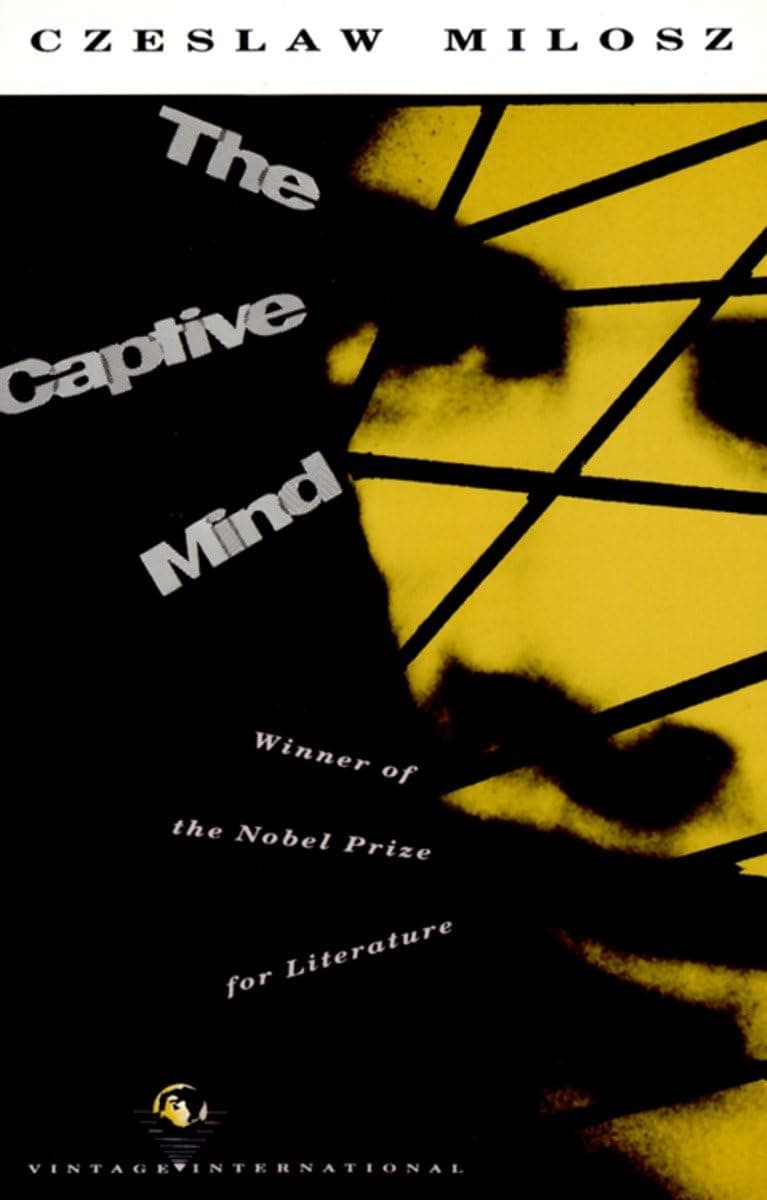
Milosz, a Polish poet who served the new regime and then defected, explains how intelligent people talked themselves into Stalinism. Ketman, he calls it: believing one thing and professing another.

Osip Mandelstam wrote sixteen lines mocking Stalin and died in a camp for them. His widow Nadezhda memorized the poems to keep them alive, then set down exactly how the fear worked.
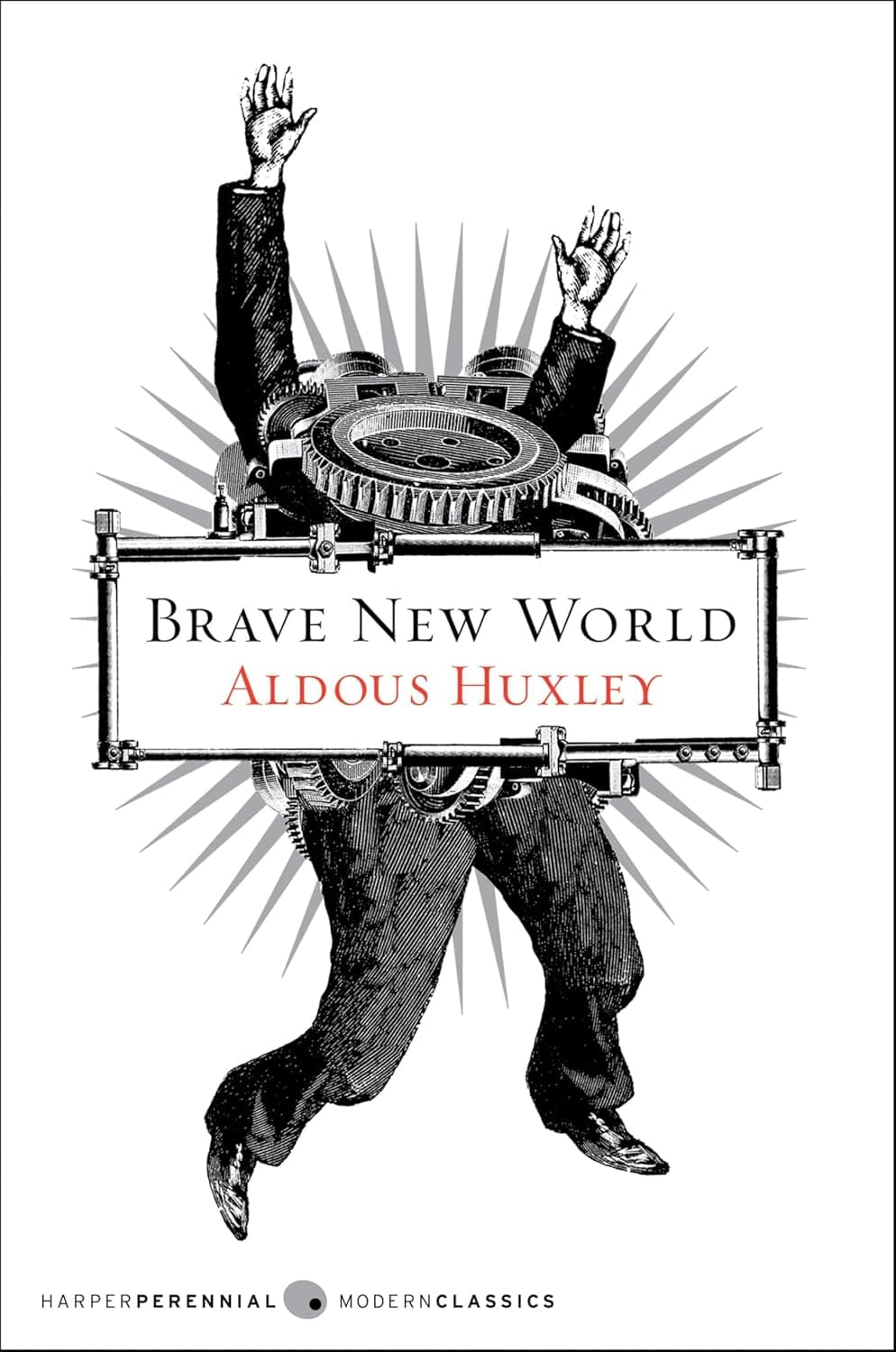
Babies are decanted from bottles into castes, everyone takes a drug called soma, and nobody is unhappy. Huxley saw that a tyranny of pleasure would hold better than one of fear.
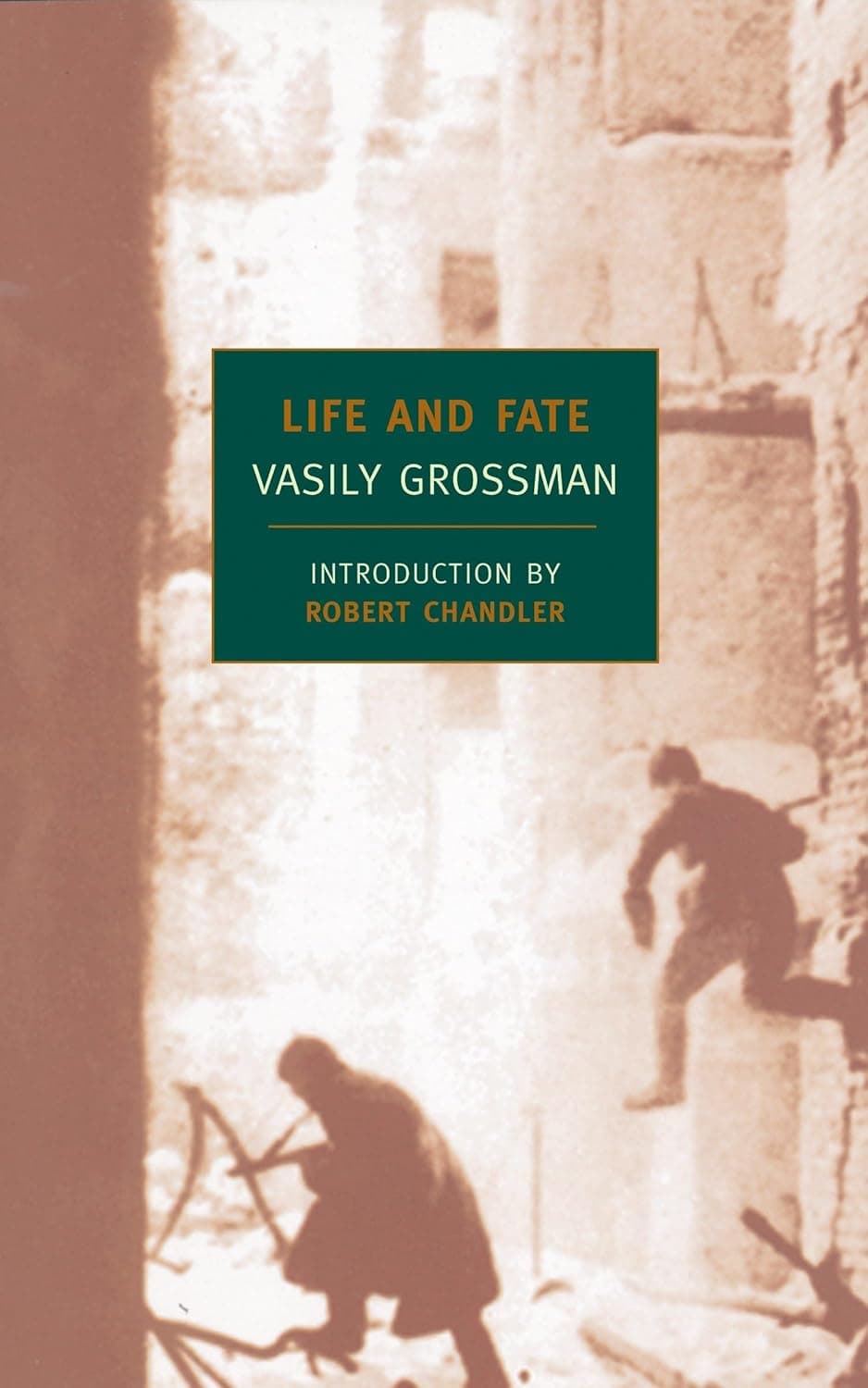
During the siege of Stalingrad, a Soviet physicist receives his mother's last letter from a Nazi ghetto. Grossman wrote the war at Tolstoy's scale and said plainly that both tyrannies were one thing.
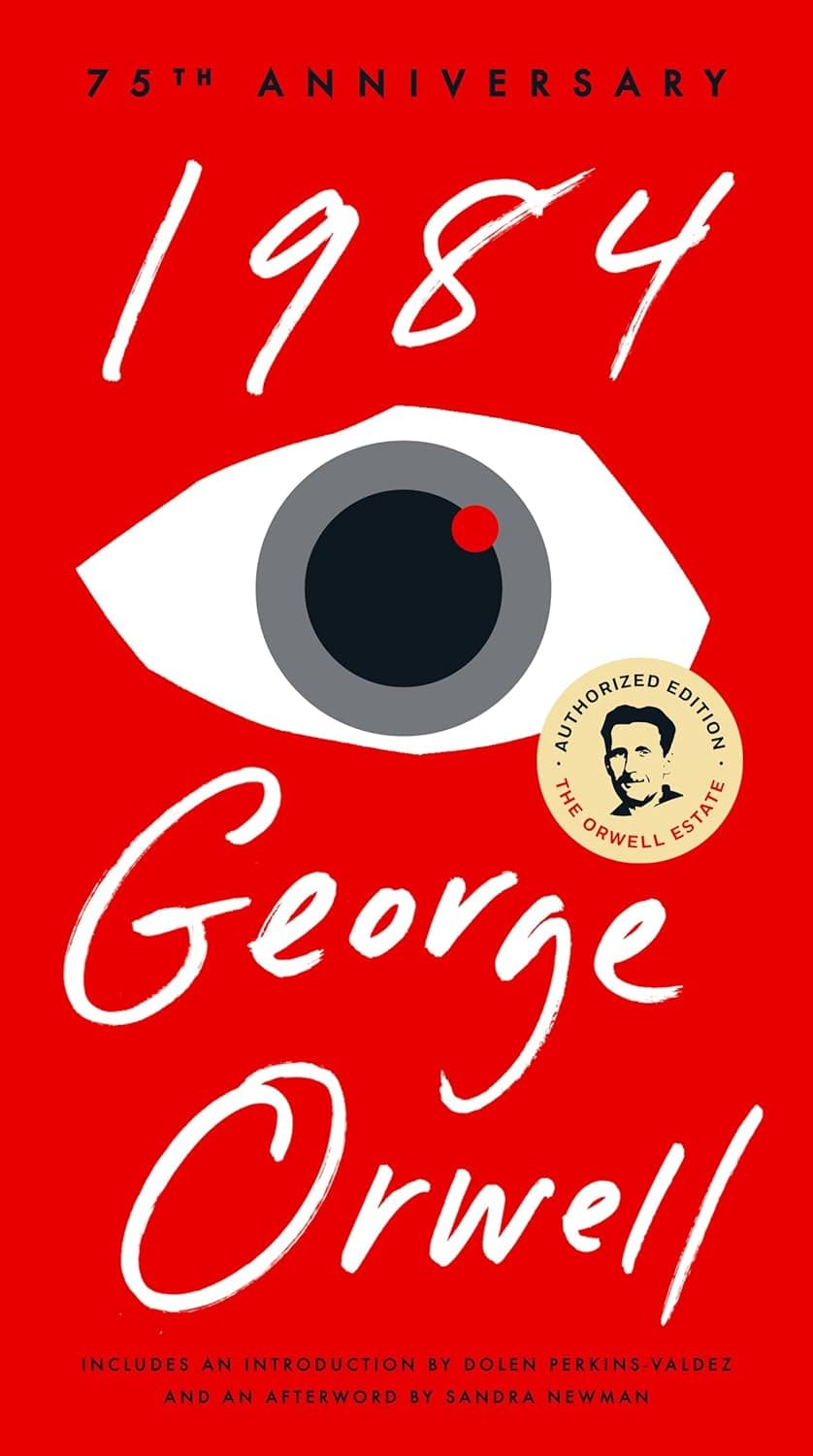
Winston Smith rewrites old newspapers so history agrees with the Party, then risks a diary and a love affair. Orwell built the machinery so exactly that reading it feels like being watched.