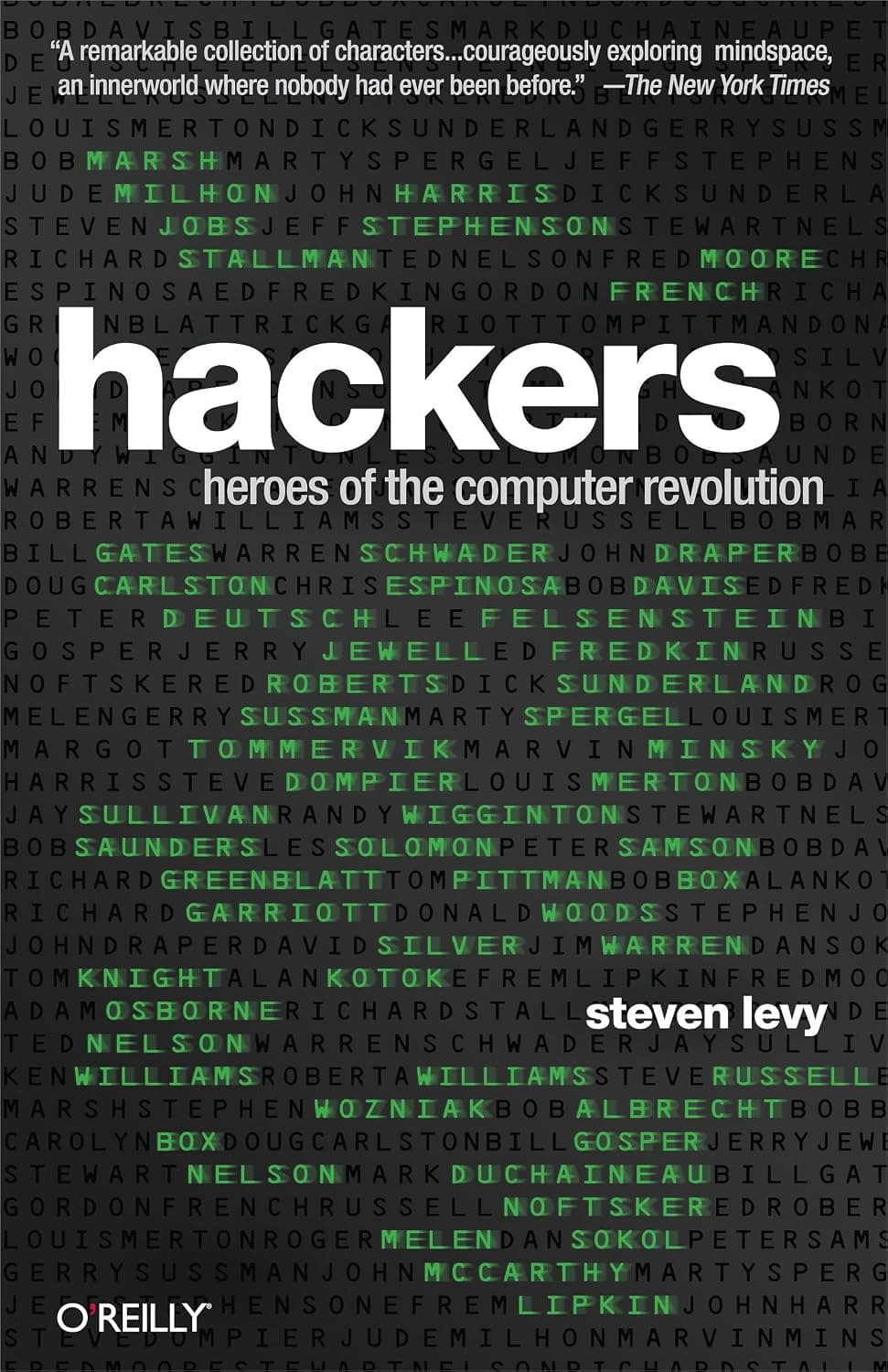
Hackers
1984 · 659 pages
Levy found the hacker ethic among MIT students who monopolized the university's computers all night: all information should be free, mistrust authority, judge a person by the code. Silicon Valley still recites it.
★ 4.7
 skopia
Levy found the hacker ethic among MIT students who monopolized the university's computers all night: all information should be free, mistrust authority, judge a person by the code. Silicon Valley still recites it.
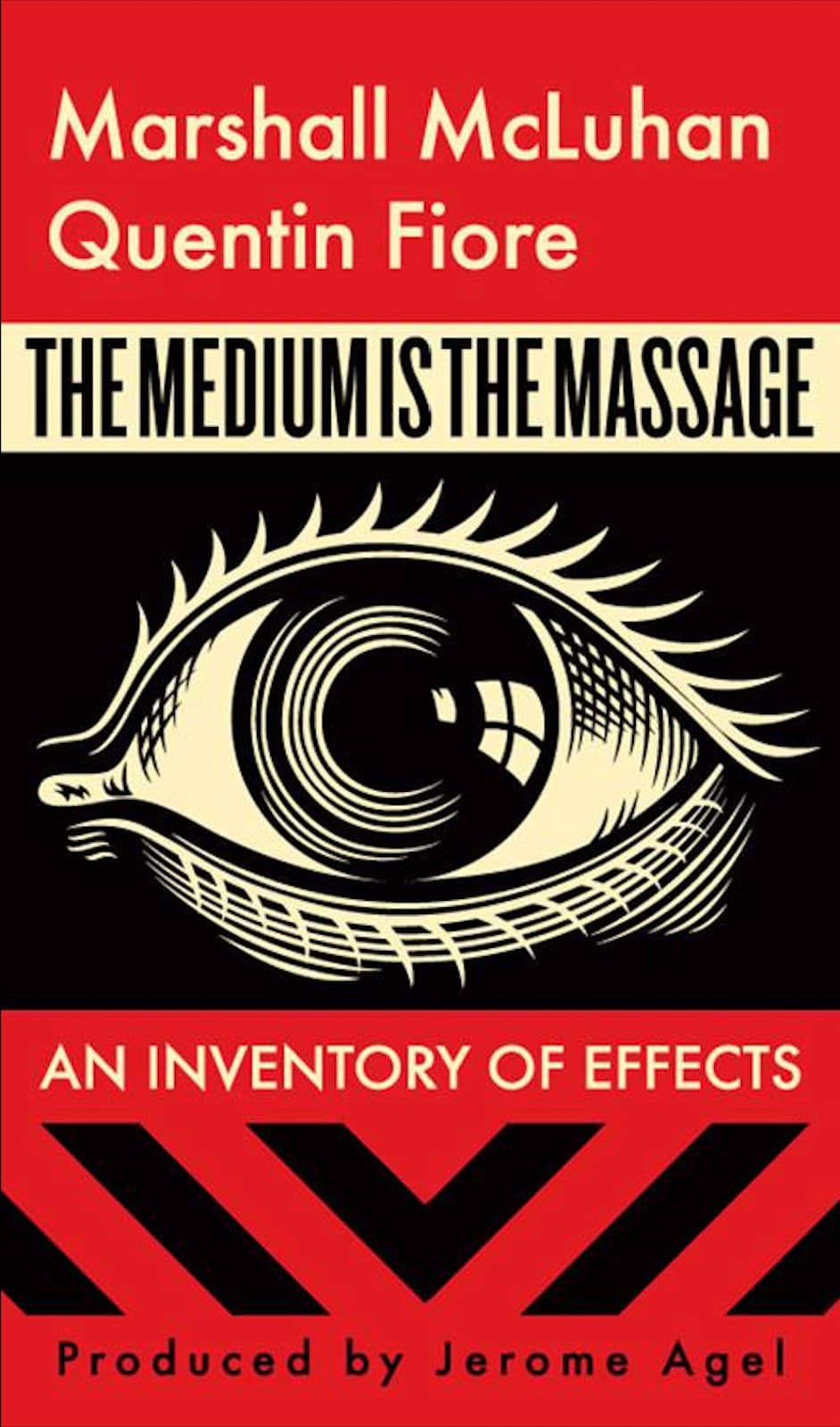
Working with the designer Quentin Fiore, McLuhan turned media theory into a paperback collage of aphorisms and pages printed backwards. Every technology remakes your senses before you notice what it carries.
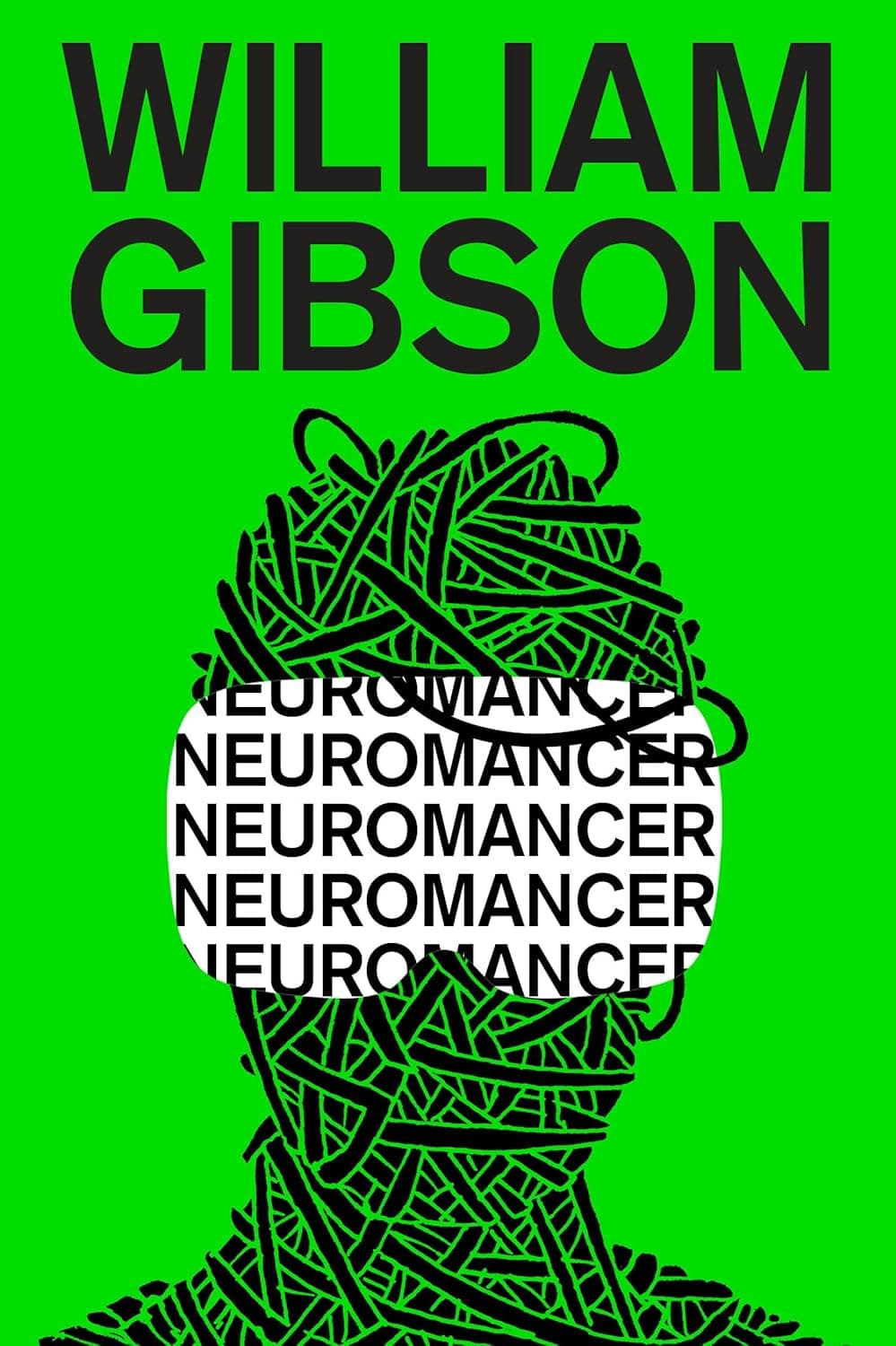
Case, a burned-out hacker in Chiba City, has his nervous system rebuilt in exchange for one last job. Gibson gave cyberspace its look and its slang, and programmers spent decades building toward it.
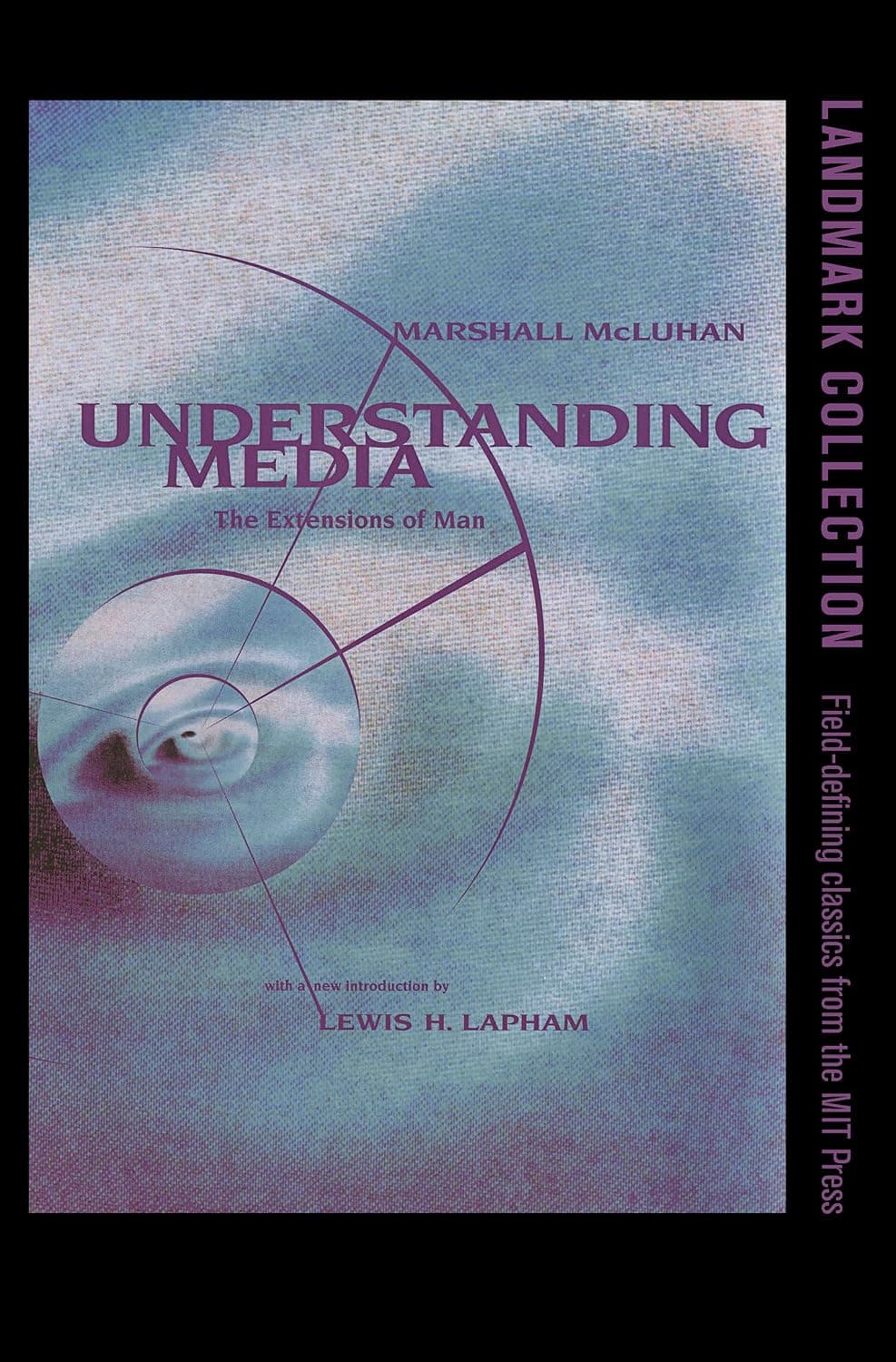
The medium is the message, McLuhan wrote in 1964: a technology reshapes perception regardless of what it carries. Everyone arguing about what screens do to us is working inside the frame he built.

Working nights in a Massachusetts basement, a crew of young engineers races to build a new computer in a year, and Kidder catches every argument. Nobody had made engineering a literary subject.
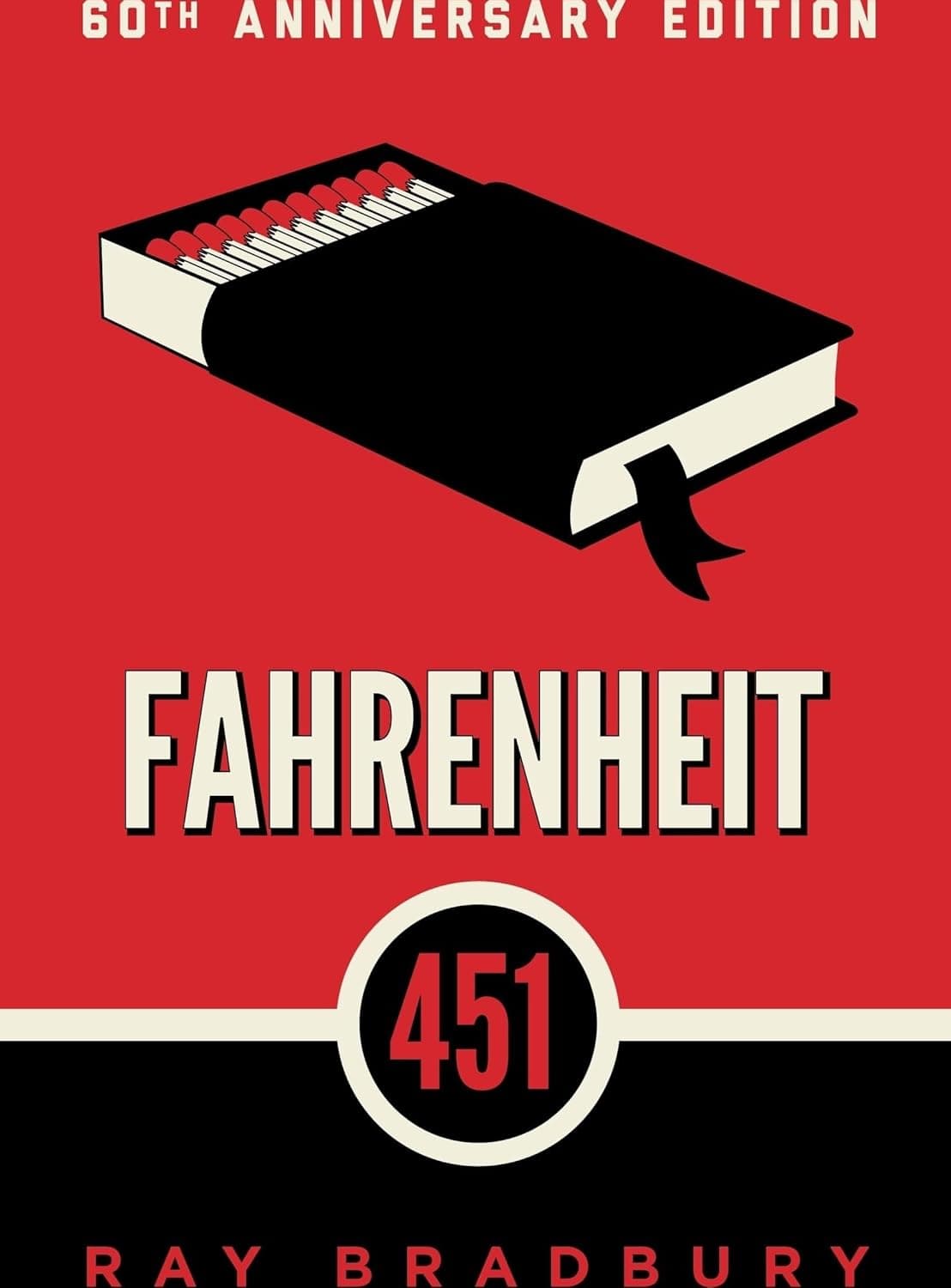
Montag burns books for a living until a neighbor's questions and a woman who chooses to burn with her library break him open. Bradbury's target is a public that stopped wanting to read.
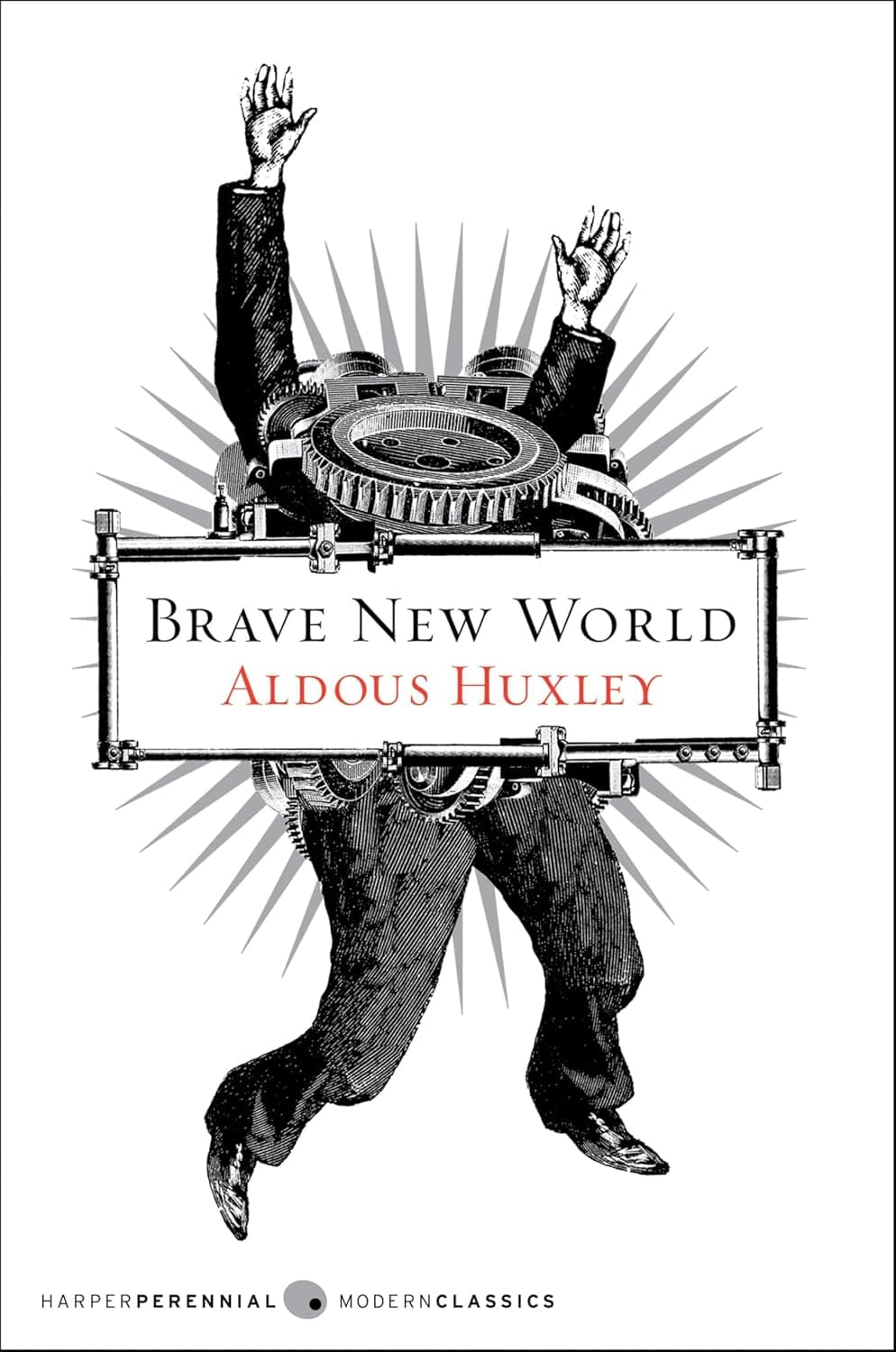
Babies are decanted from bottles into castes, everyone takes a drug called soma, and nobody is unhappy. Huxley saw that a tyranny of pleasure would hold better than one of fear.