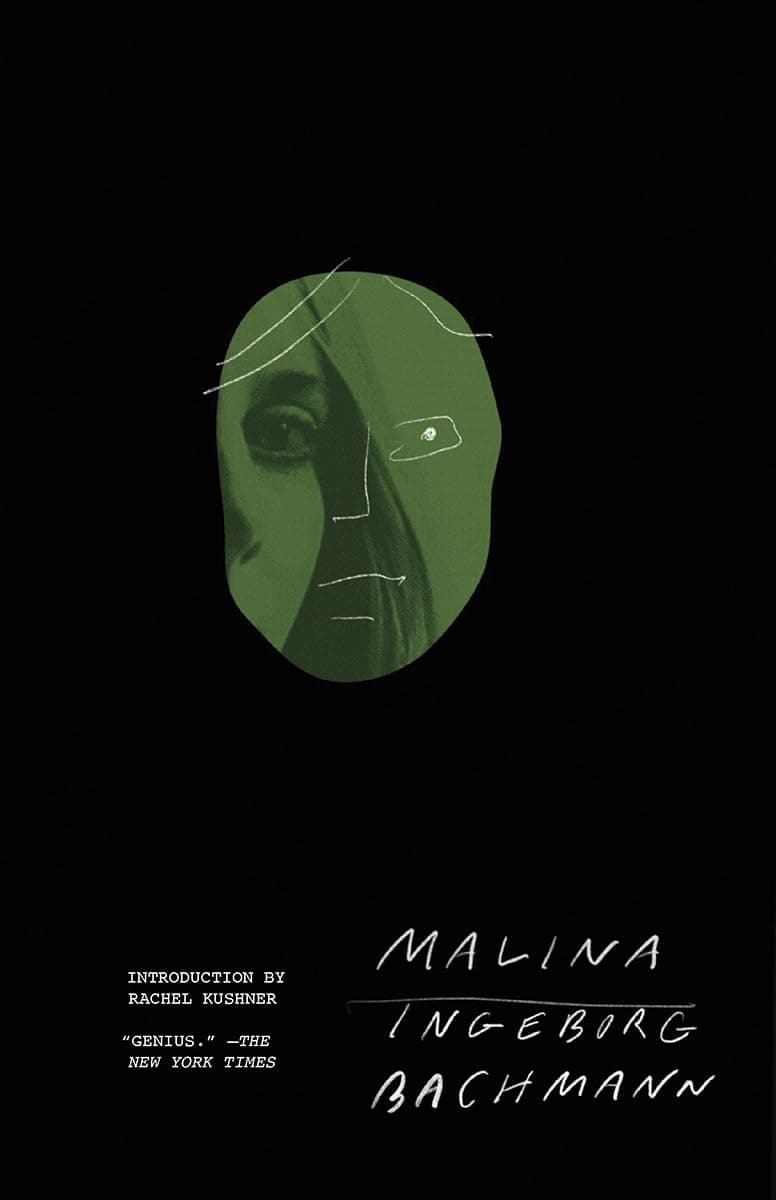
Malina
1971 · 283 pages
In a Vienna apartment a woman without a name loves Ivan and lives with Malina, and her interior life comes apart. Bachmann writes private ruin and Austria's buried fascism as the same catastrophe.
★ 6.1
 skopia
In a Vienna apartment a woman without a name loves Ivan and lives with Malina, and her interior life comes apart. Bachmann writes private ruin and Austria's buried fascism as the same catastrophe.
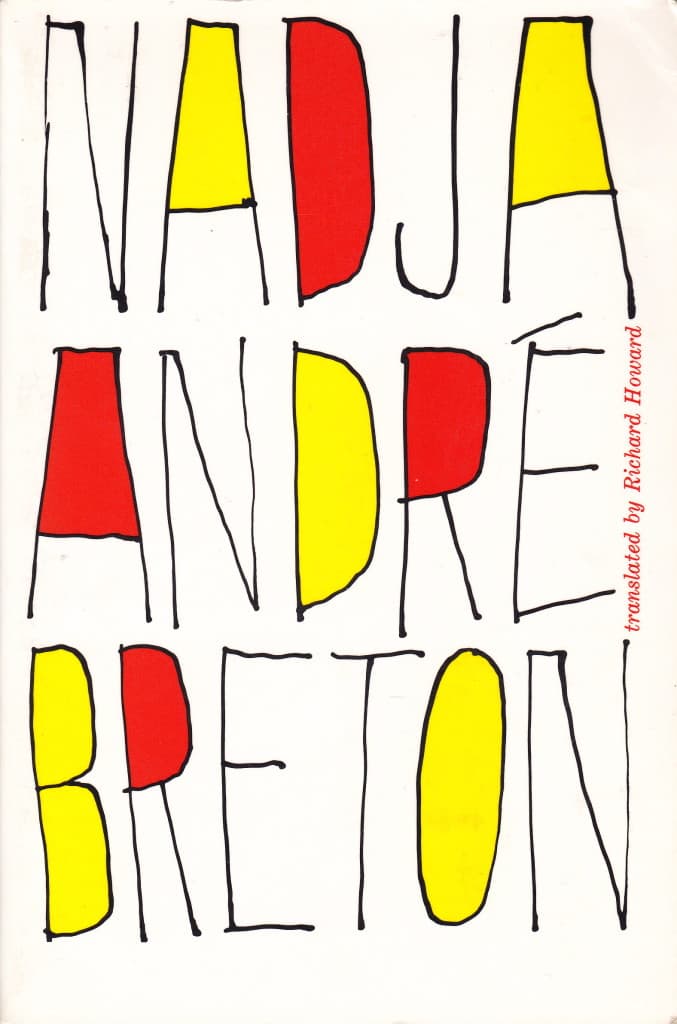
Walking Paris in 1926, Breton meets a woman who calls herself Nadja and lives entirely by chance. Photographs of the real streets interrupt the account, and surrealism never came closer to a novel.

At a tea ceremony in postwar Japan, a young man is steered toward a bride and finds his dead father's mistresses waiting. Kawabata routes the affair entirely through inherited tea bowls.

Qays, an Arab poet, loves Layli so openly that his tribe calls him Majnun, the possessed, and her father marries her elsewhere. Poets from Anatolia to Mughal India rewrote Nezami's version for centuries.

Neruda was nineteen when these poems appeared, mapping a woman's body onto hills, water, and dusk with a directness that startled readers. Millions of copies later, they are the best-selling poetry in Spanish.

Crossing the Mekong by ferry in 1929, a French girl of fifteen meets the Chinese man who becomes her lover. Duras writes it in fragments that refuse both romance and pity.