The Books canon

Sourced and shelved.

Every book chosen by hand and annotated for why it matters.
Browse all 1,178 books or filter by subject, era, place, and author.

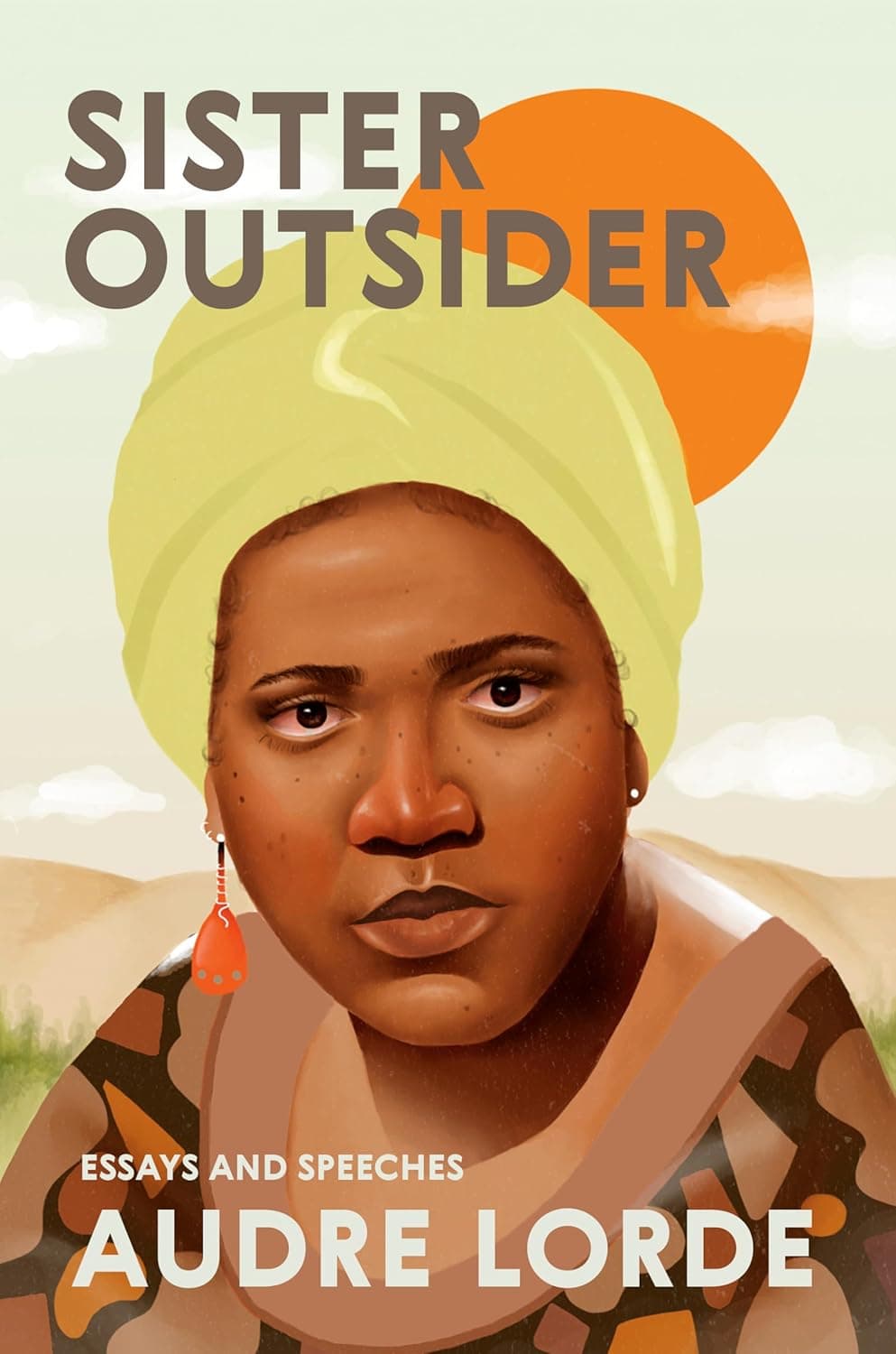
Sister Outsider

Essays and Speeches
1984 · 190 pages

At a 1979 feminist conference that had sidelined Black and lesbian women, Lorde said the master's tools will never dismantle the master's house. These essays turn anger and difference into working instruments.

★ 5.3

W. E. B. Du Bois

Biography of a Race, 1868-1919
1993 · 715 pages

Du Bois took the first Harvard doctorate given a Black American, wrote The Souls of Black Folk, and helped found the NAACP. Lewis won Pulitzers for this volume and for its sequel.

★ 6.0

Cry, the Beloved Country

1948 · 320 pages

A Zulu parson goes to Johannesburg to find his son and learns the boy killed a white man who fought for black South Africans. Paton's fifteen million readers made apartheid a world scandal.

★ 6.7

Parting the Waters

America in the King Years, 1954-63
1988 · 1088 pages

Branch follows Martin Luther King from the Montgomery bus boycott to Birmingham, moving between black church basements, the Kennedy White House, and the FBI, and ten years become full American history.

★ 6.9

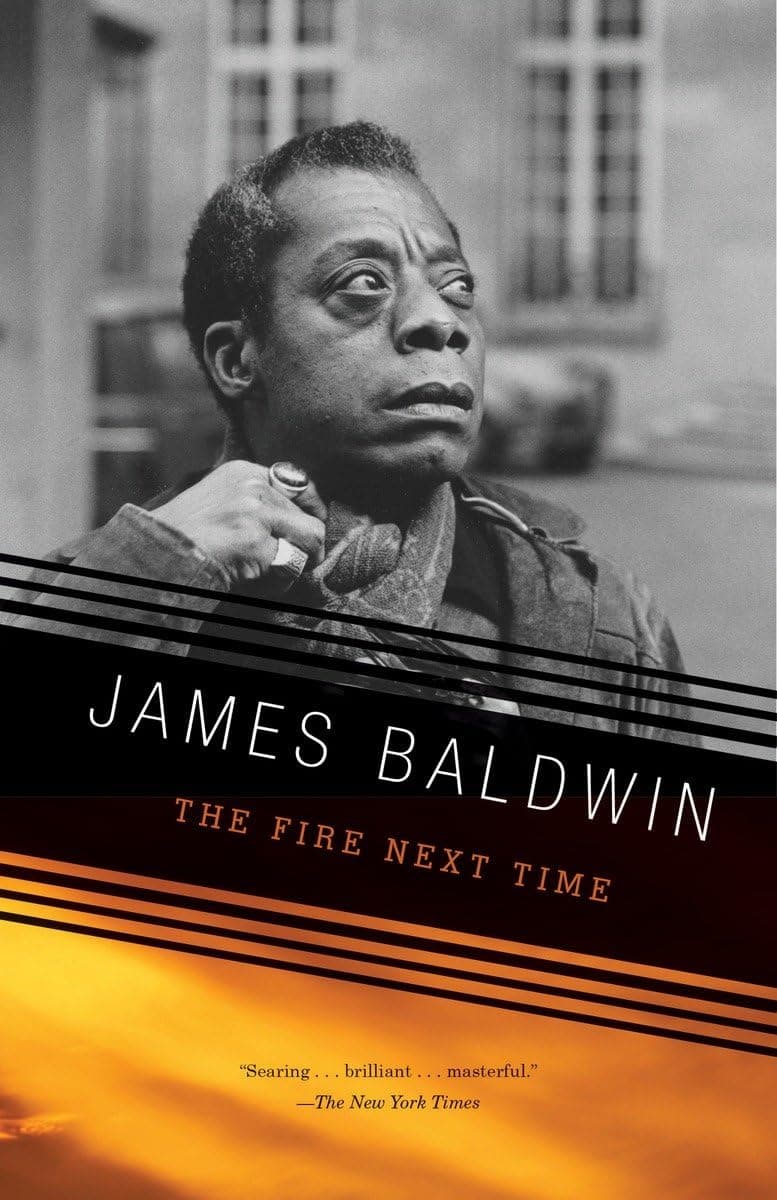
The Fire Next Time

1963 · 106 pages

Writing to his teenage nephew, Baldwin remembers preaching in Harlem and dining with the leader of the Nation of Islam. He spares white America nothing and refuses to hate it.

★ 7.8

Notes of a Native Son

1955 · 149 pages

Baldwin buries his father on his nineteenth birthday while Harlem riots, and winters as the only Black man in a Swiss village. He turns his own life into an argument about America.

★ 7.9

The Souls of Black Folk

1903 · 165 pages

Du Bois named the double consciousness of seeing yourself through white eyes and called the color line the problem of the twentieth century. The chapter on his firstborn son's death is unbearable.

★ 8.2

Heart of Darkness

1899 · 110 pages

Marlow steams up the Congo to retrieve an ivory agent gone strange upriver. Conrad found empire hollow, and the novelist Achebe's charge of racism has kept the book under argument ever since.

★ 8.6