The House of Morgan
Four generations of one bank, from Victorian London to the crash of 1987. Chernow's Pierpont Morgan locks New York's bankers in his library until they agree to end the Panic of 1907.

Four generations of one bank, from Victorian London to the crash of 1987. Chernow's Pierpont Morgan locks New York's bankers in his library until they agree to end the Panic of 1907.

Oil is the story of the modern world, Yergin argues, and he follows it from the first Pennsylvania derrick through two world wars that ran on it to Saddam Hussein's tanks in Kuwait.

Gregory, bishop of Tours, is the reason sixth-century Gaul is visible at all. He records Clovis splitting a soldier's skull over a looted vase, queens ordering assassinations, and miracles at the saints' tombs.

Artemio Cruz lies dying in 1959, a newspaper baron who fought in the Mexican Revolution and spent the decades after betraying it. His life returns in three voices: I, you, and he.

Sentenced to twenty years by Mussolini's courts, Gramsci filled thirty-odd notebooks explaining why revolutions fail: the powerful rule by consent, through schools, churches, and newspapers that make their order feel like common sense.

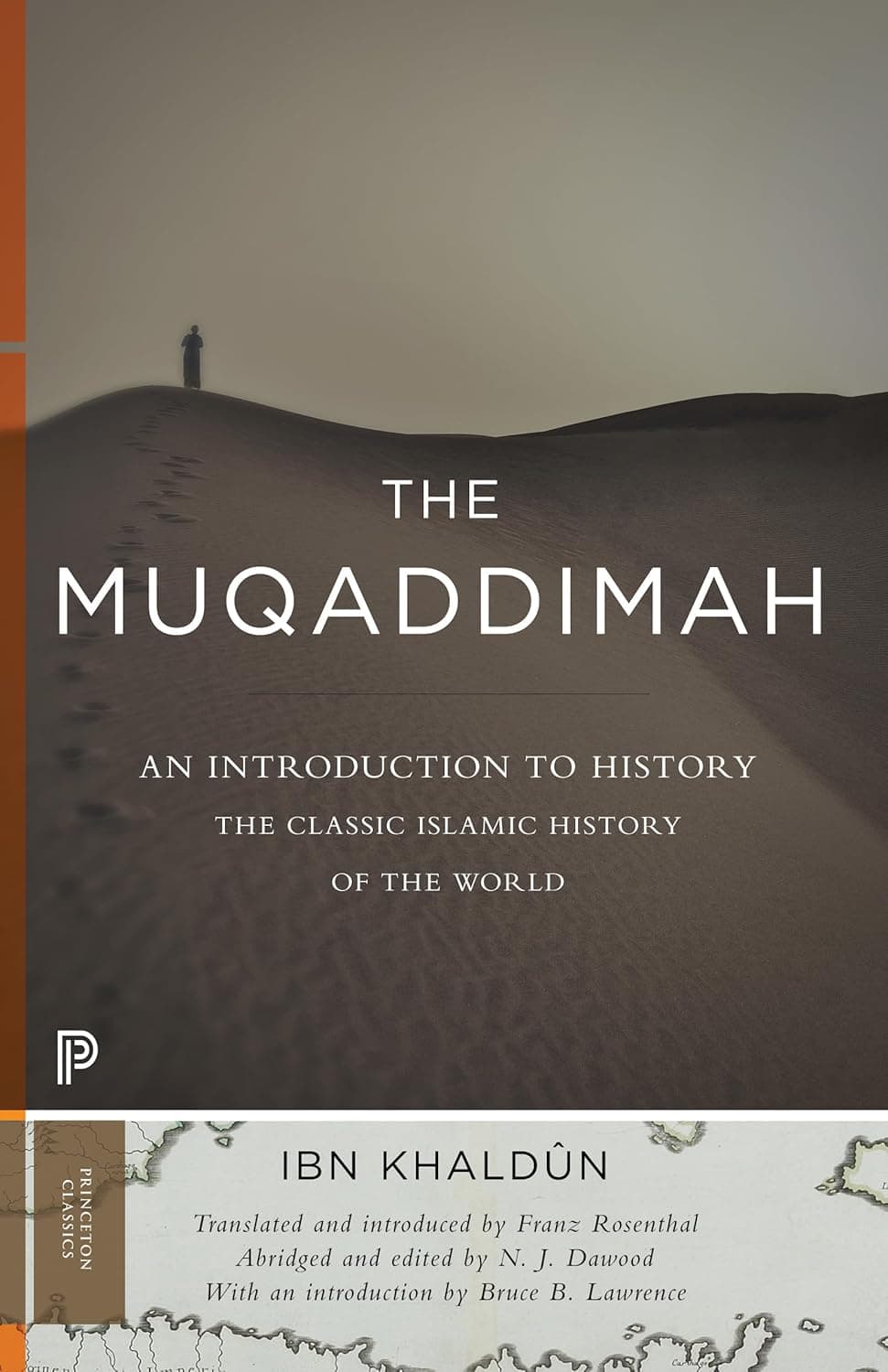
Ibn Khaldun found history's engine in group solidarity, which carries a tribe from desert to throne, then dissolves in city luxury within three generations. Europe produced nothing comparable for centuries.

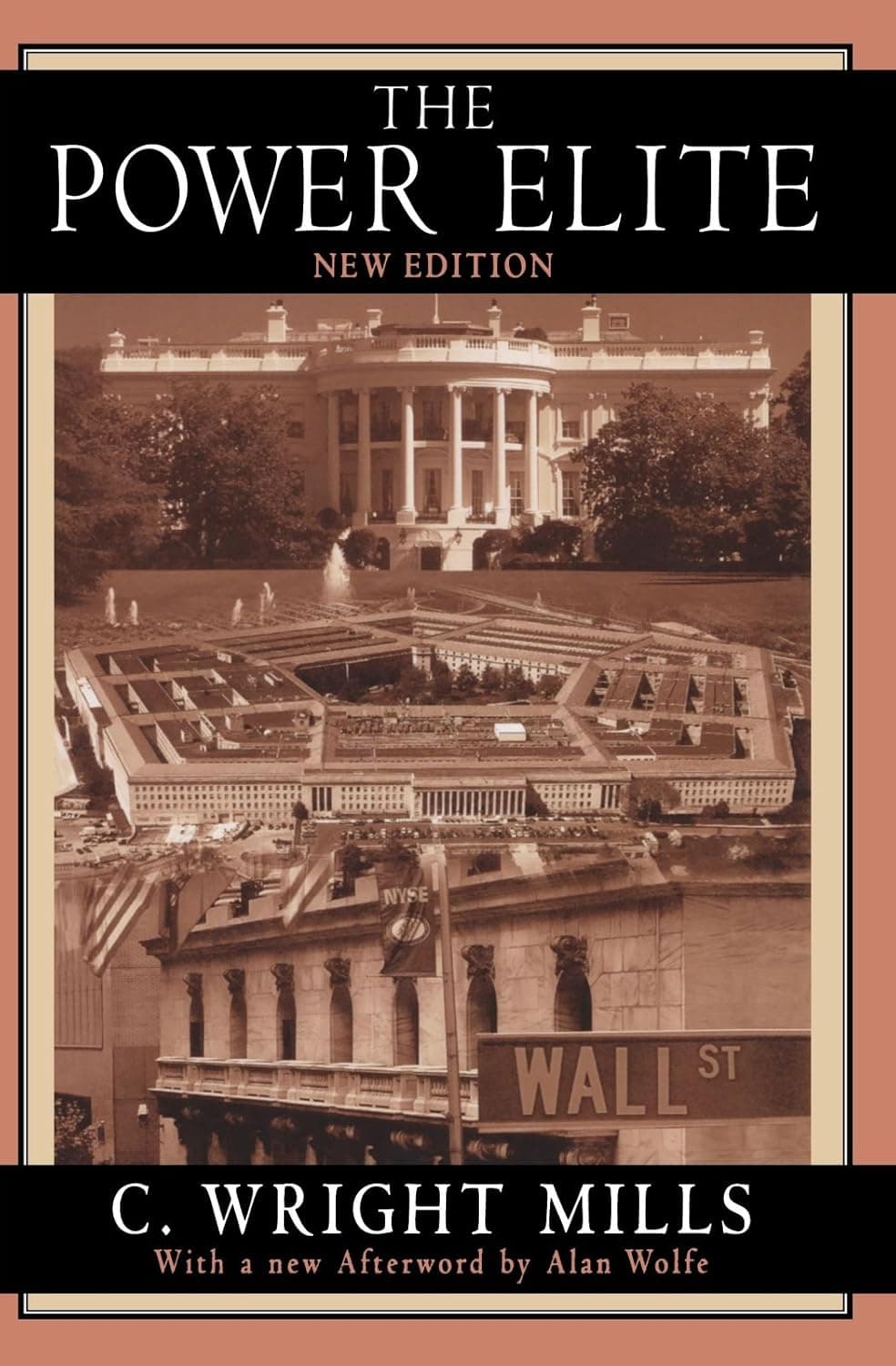
Three sets of men run America, the sociologist Mills argued: corporate chiefs, politicians, and generals drawn from the same schools and clubs. The New Left took its name and its target from him.

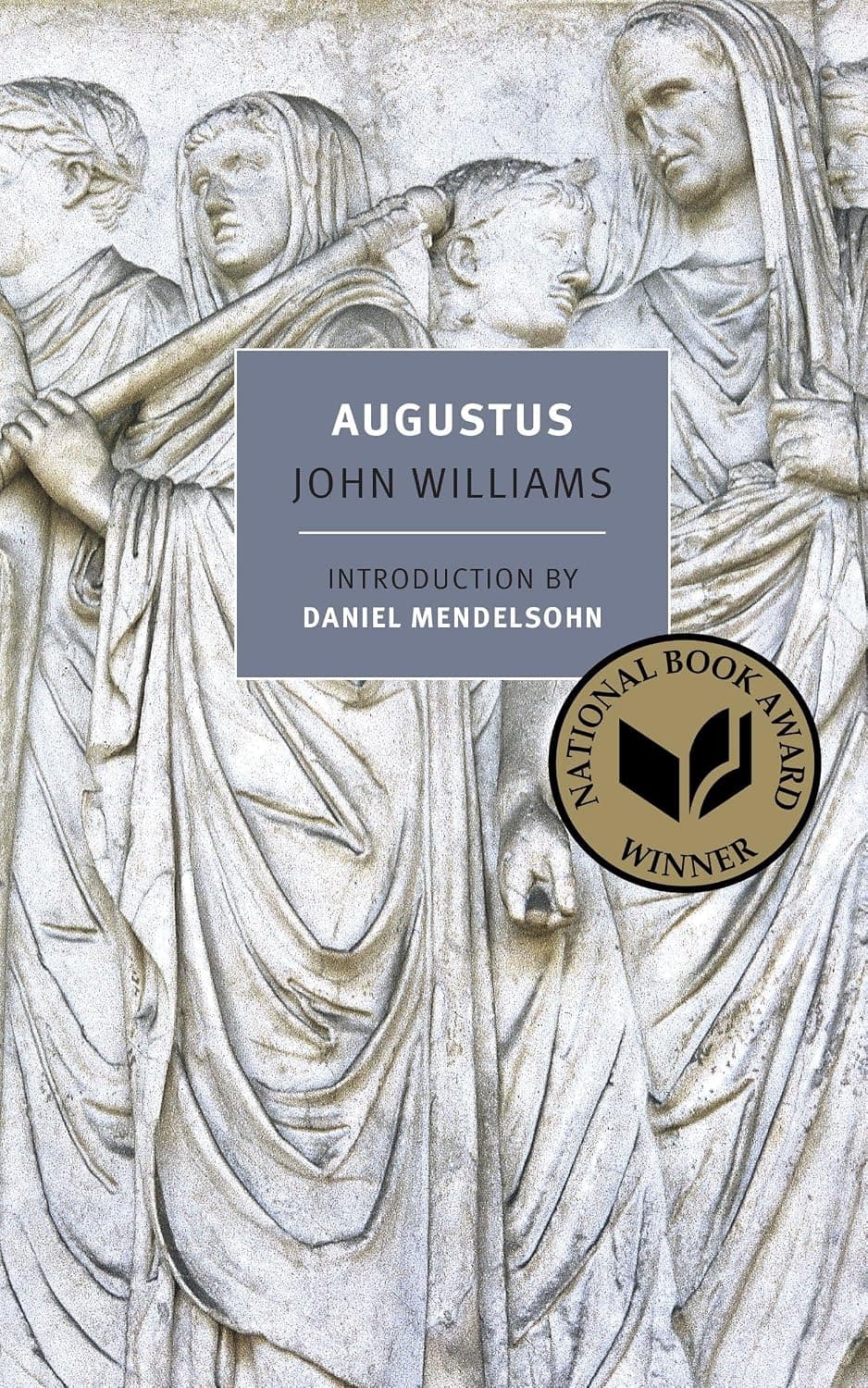
Rome's first emperor assembled from other people's letters: soldiers, poets, conspirators, and the daughter he sends into exile. Williams shows how a sickly boy became master of the world and what it cost.

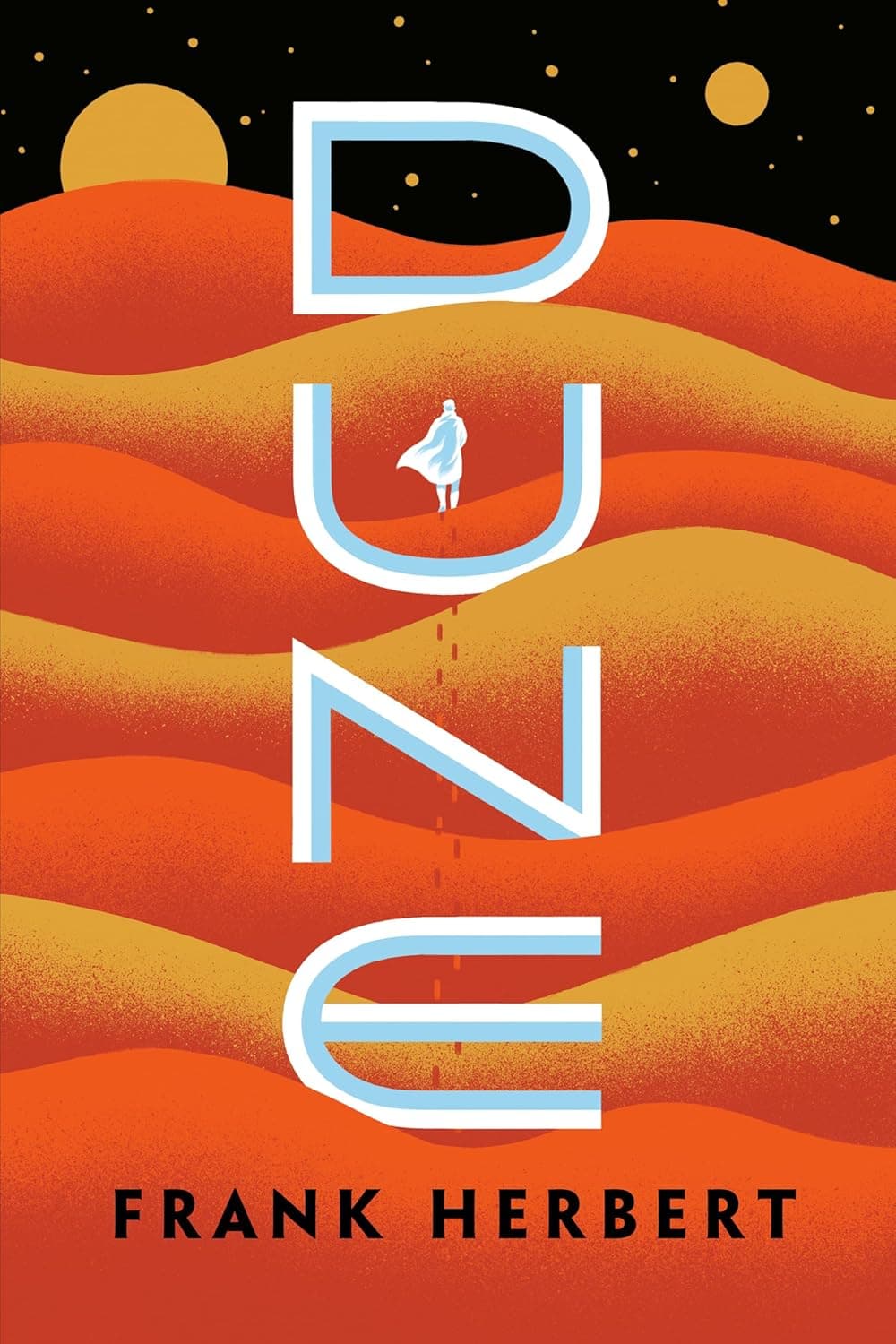
Arrakis is a desert planet of sandworms, holding the only supply of the spice that makes interstellar travel possible. Paul Atreides arrives as a duke's son and the Fremen call him messiah.

One Cairo alley holds human history entire. Its founder withdraws into a great house, and each generation raises a redeemer, Adam then Moses then Jesus then Muhammad, defeated by the same protection racket.

George looks after Lennie, huge and slow-witted, across the California ranches, and the two of them keep describing a farm they mean to buy. Steinbeck presses the Depression into that dream.

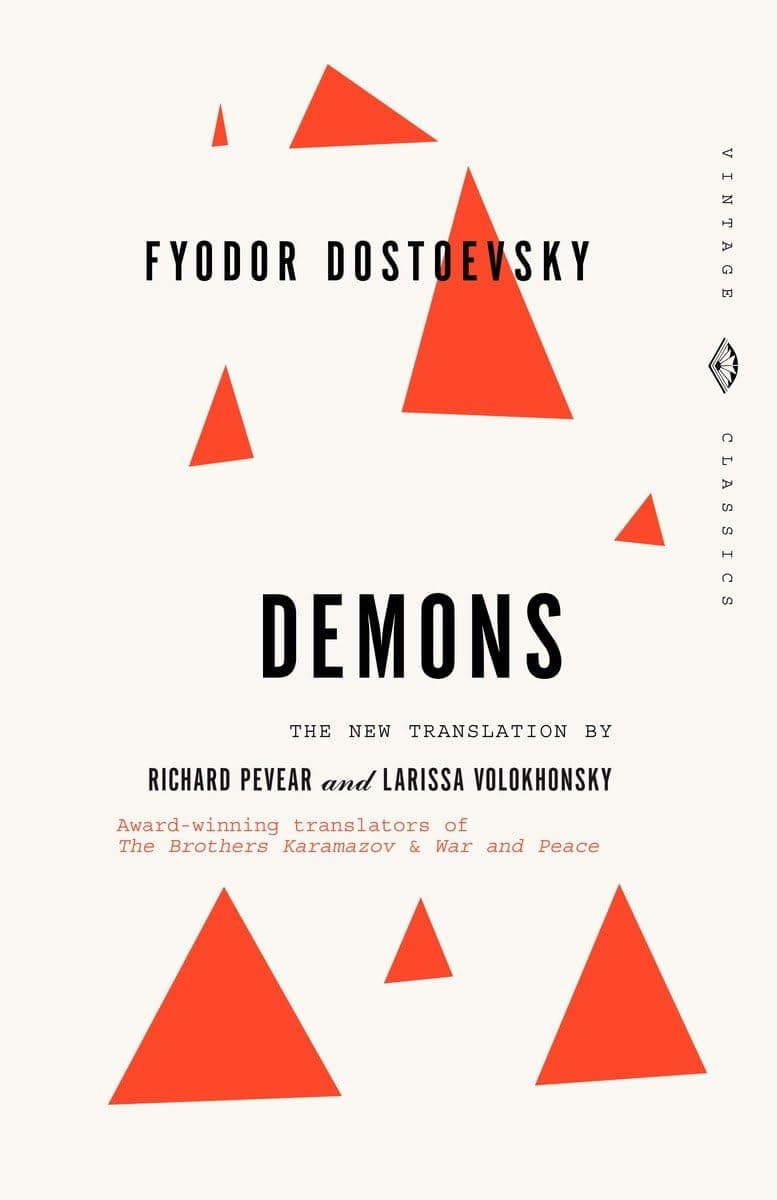
Pyotr Verkhovensky assembles a revolutionary cell of five in a provincial Russian town and binds them together by having them murder one of their own. Dostoevsky saw the whole twentieth century coming.

Castrated rather than executed for defending a general, Sima Qian lived to finish his history: twenty-five centuries of China told through emperors, assassins, and merchants. The portraits are alive on the page.

Zarathustra comes down from his mountain to announce that God is dead and man is something to be overcome. Nietzsche wrote it as scripture rather than argument, and readers take it personally.

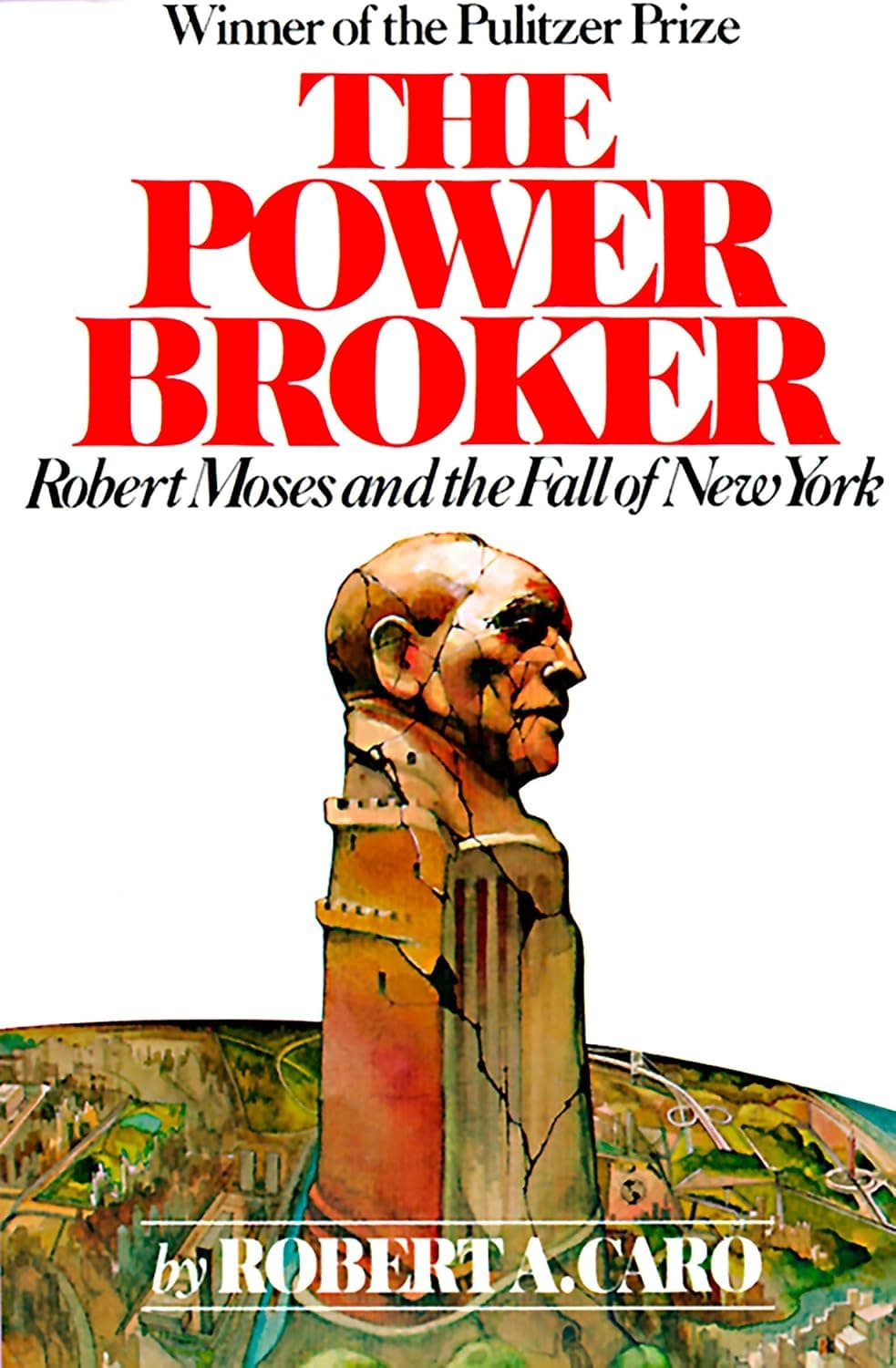
Robert Moses was never elected to anything and remade New York for forty years, throwing up bridges and expressways and flattening the neighborhoods in their way. Caro shows exactly how it was done.