
Psychology of the Unconscious
1912 · 566 pages
Jung reads the daydreams of an American woman he never met against myth and religion from every culture, finding the deepest material in a mind is inherited, not personal. It cost him Freud.
★ 5.7
 skopia
Jung reads the daydreams of an American woman he never met against myth and religion from every culture, finding the deepest material in a mind is inherited, not personal. It cost him Freud.
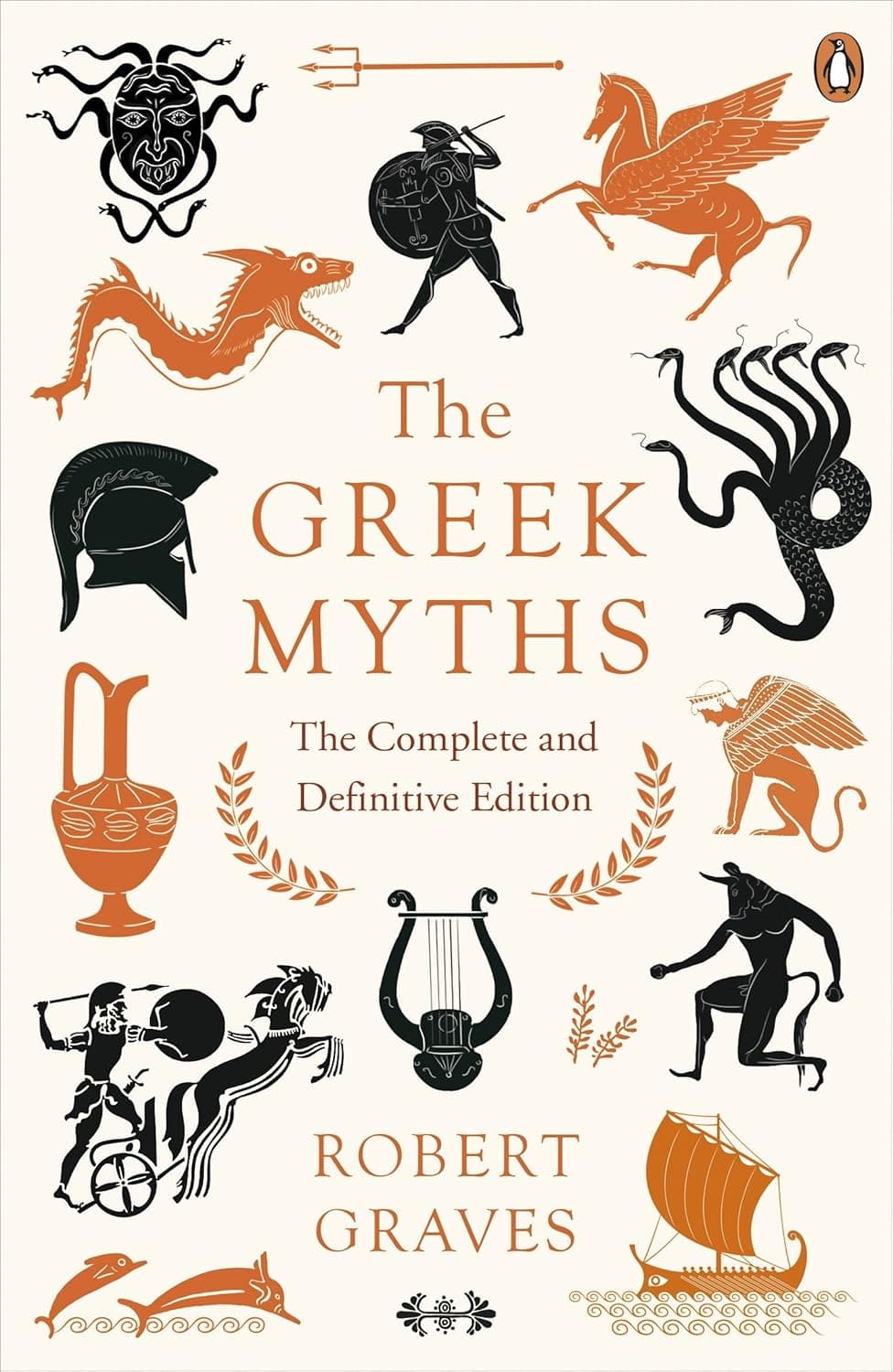
Graves retells every Greek myth, cites his ancient sources, then argues underneath that all of it encodes a matriarchal religion the Greeks overthrew. Generations of English readers got their mythology from him.
Campbell read the world's myths and found one story under them: a hero leaves home, survives an ordeal, returns changed. Hollywood took the pattern wholesale, from Star Wars to Disney's animated features.
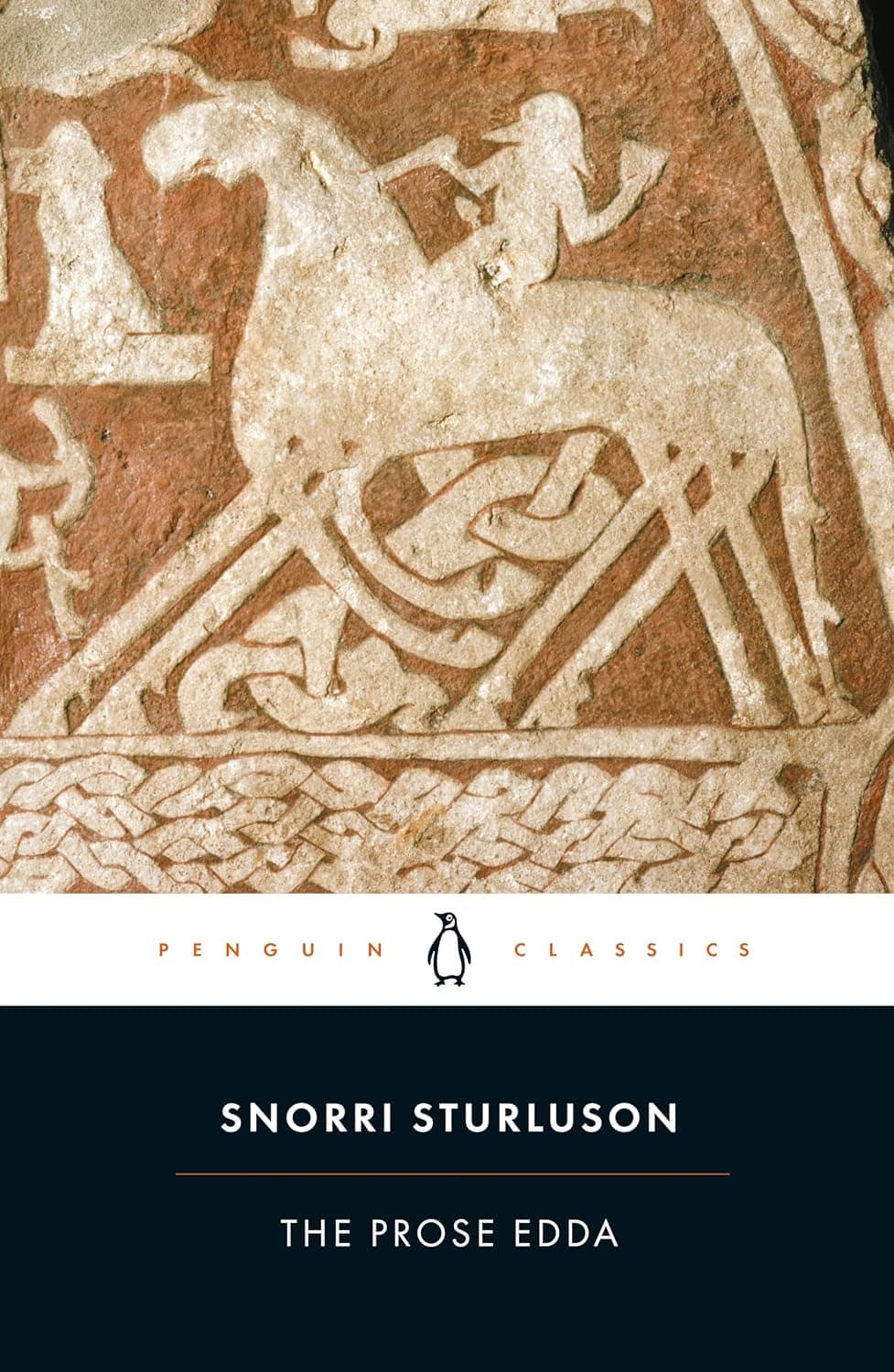
A Swedish king walks into a hall and asks three strangers how the world began and how it ends. Their answers are nearly all anyone now knows about Thor, Loki, and Ragnarok.
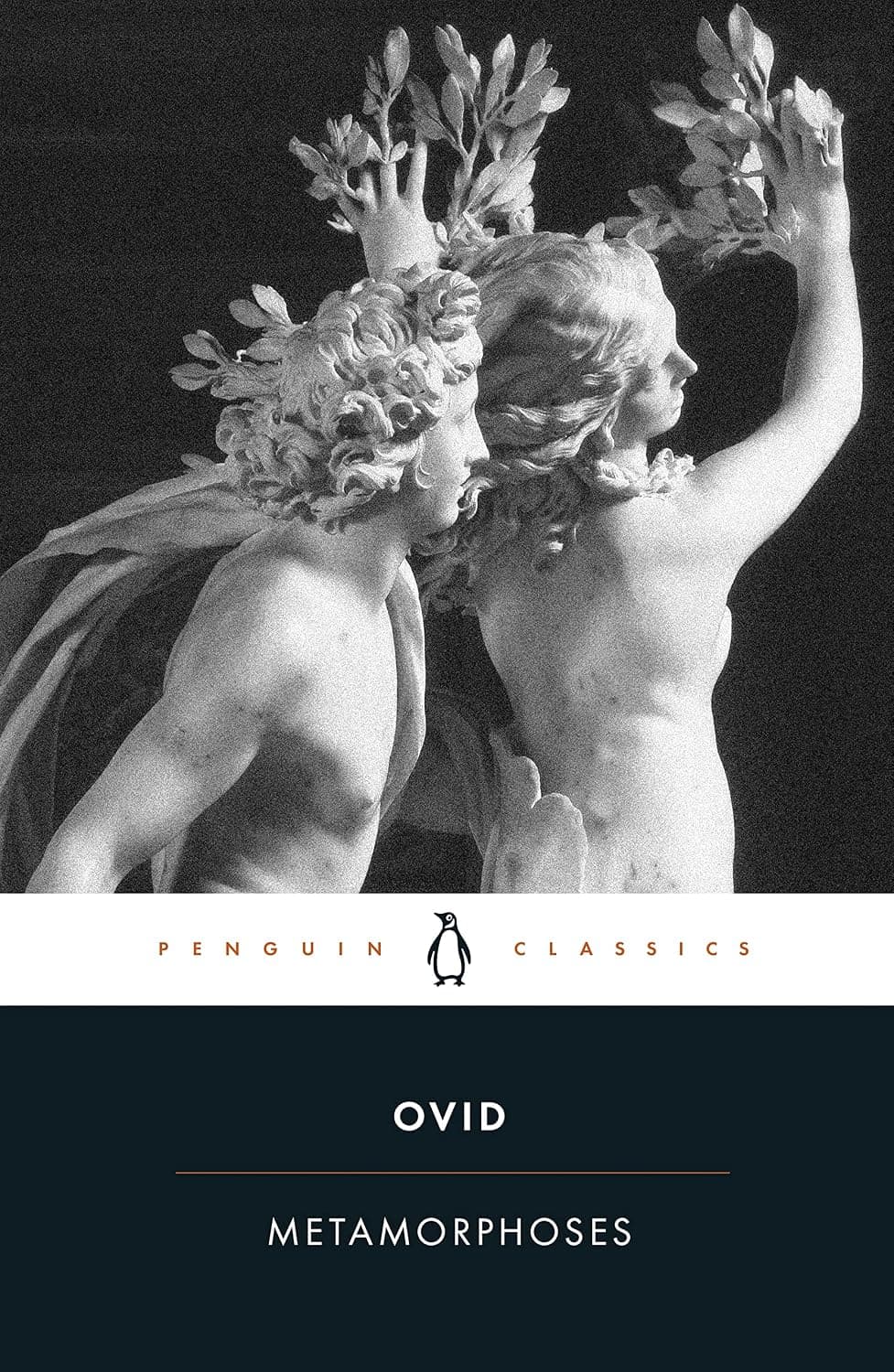
Ovid runs classical myth through a single idea, transformation, from the creation of the world to Julius Caesar. Girls become trees and hunters become deer, and painters have ransacked him for centuries.
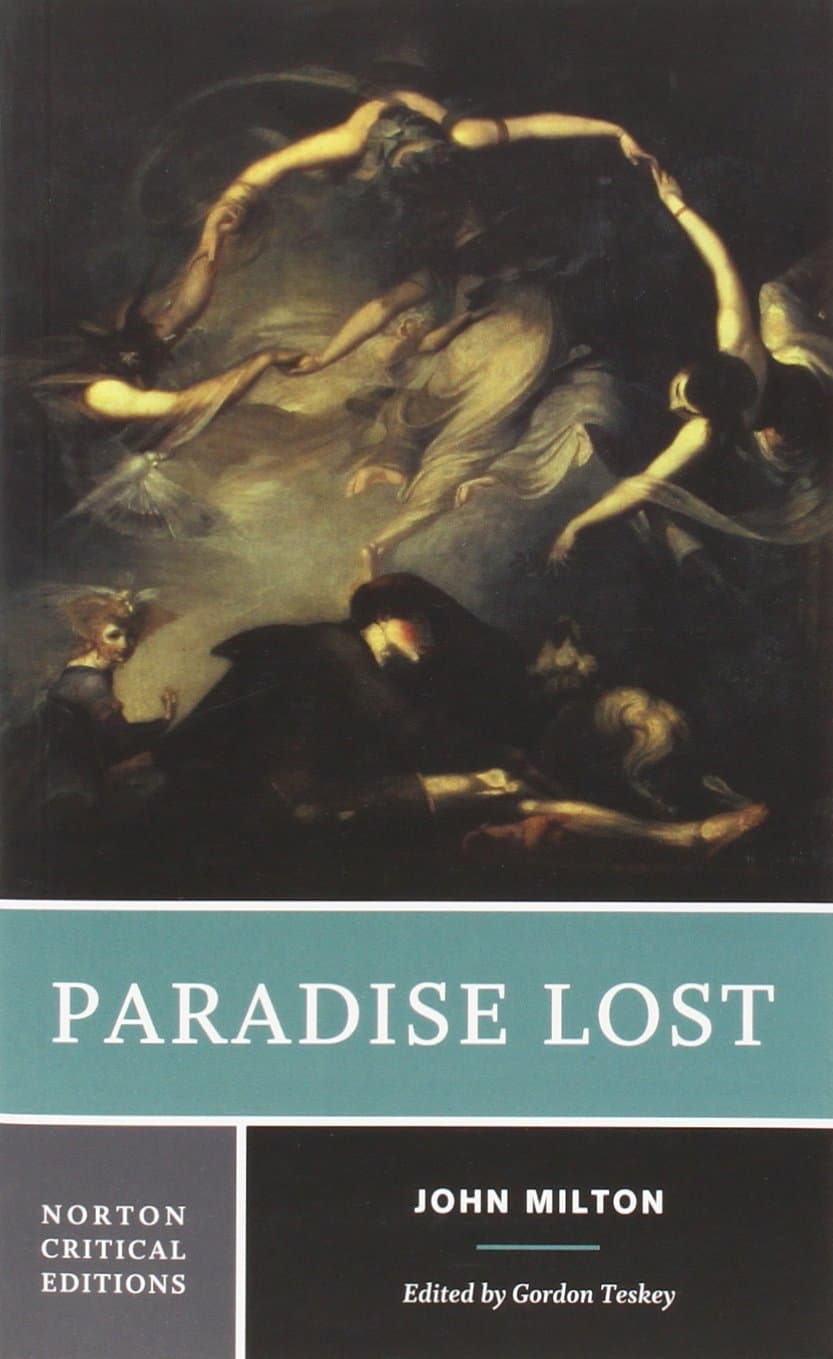
Satan rebels in heaven, loses, and comes for the first two people. Milton meant to justify God and produced a devil so magnificent he nearly walks off with the greatest poem in English.

No poem has reached higher. Dante goes down through hell, up the mountain of purgatory, and into the light of God, settling scores with real Florentines and arriving where Beatrice waits.