The Journalist and the Murderer
Every journalist knows what he does is morally indefensible, Malcolm opens, then proves it through a convicted murderer suing the writer who befriended him and delivered him to readers as a sociopath.

Every journalist knows what he does is morally indefensible, Malcolm opens, then proves it through a convicted murderer suing the writer who befriended him and delivered him to readers as a sociopath.

Seventeen days on a motorcycle carry a father and son from Minnesota to California while he works out what Quality means and recovers the man he was before electroshock erased him.

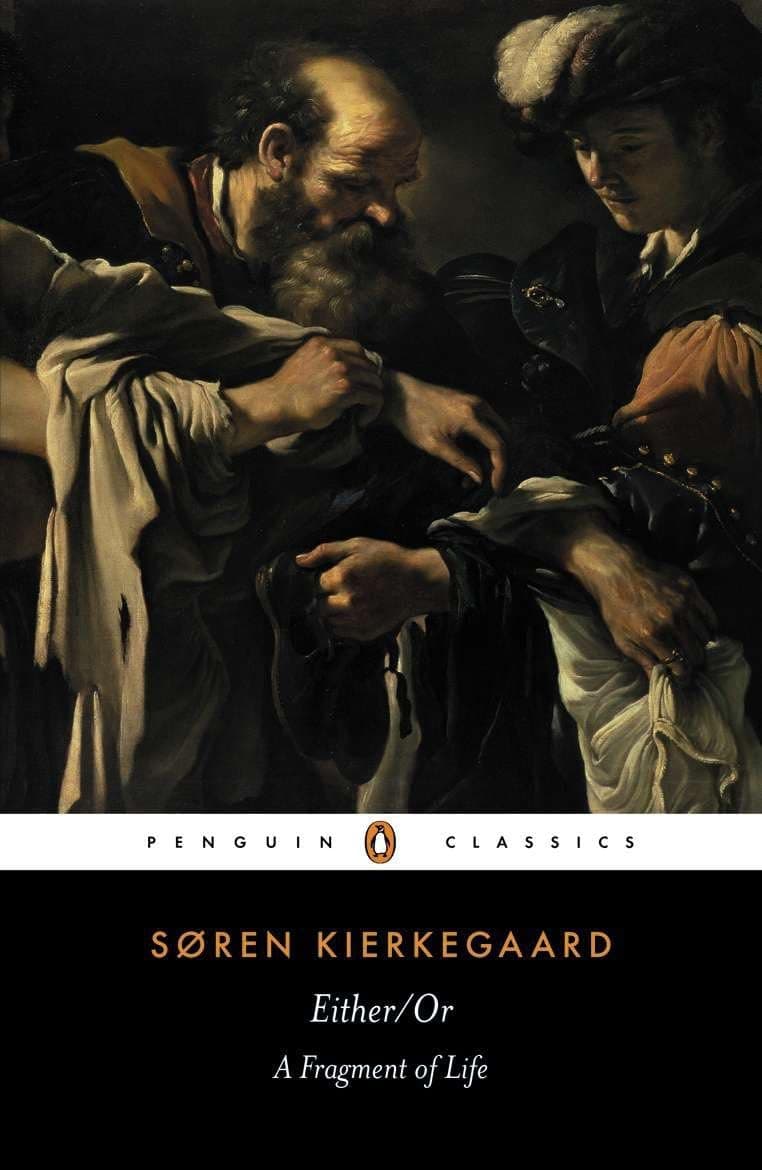
Two ways of living stand side by side, unreconciled: the aesthete who lives for the interesting moment and whose papers include a seducer's diary, and the judge who defends marriage and duty.

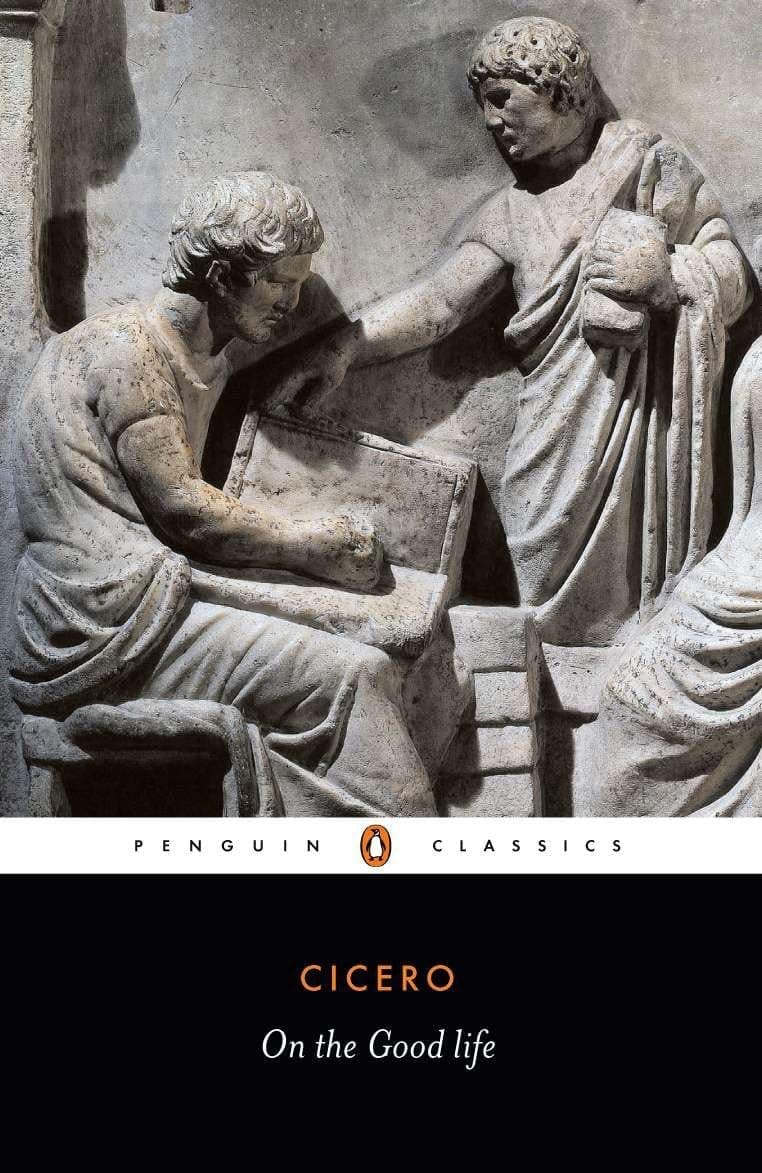
Cicero gives the argument to Laelius, a statesman grieving his dead friend: real friendship binds only good men, is wanted for nothing beyond itself, and makes fortune brighter and hardship lighter.

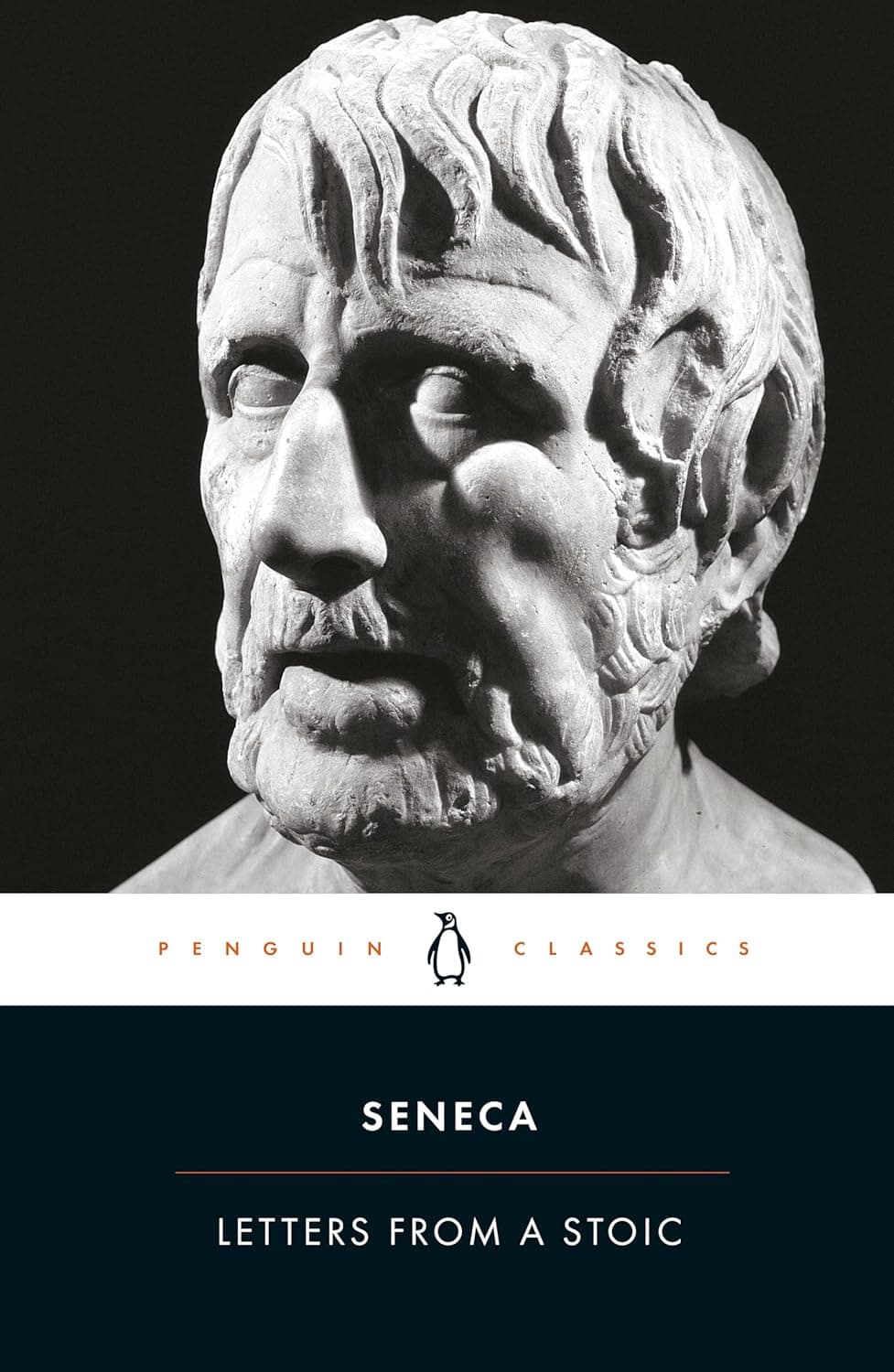
Nero's tutor sets down how to die, how to hold wealth lightly, and how to stop waiting for life to begin. Philosophy arrives as advice from someone who likes you.

Talking animals carry the moral instruction the West grew up on: the tortoise outlasts the hare, the fox decides the grapes were sour. Aesop was a slave, and the lessons show it.

Stoicism cut down to a pocket manual: sort everything into what is up to you and what is not, stop wanting the second kind, and meet what comes without complaint.

Guilt began as unpaid debt, Nietzsche argues, and conscience is cruelty turned inward for want of anyone else to hurt. Three essays dig up where good and evil came from.

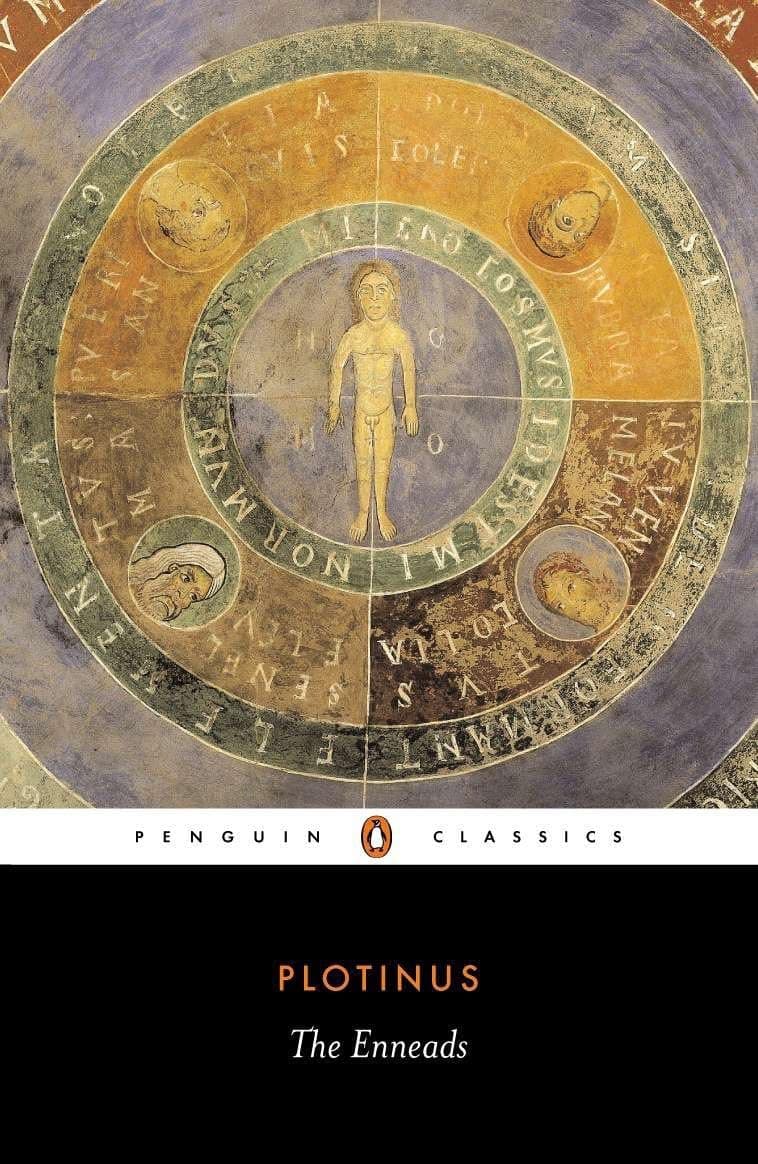
Everything pours out of one source Plotinus calls the One, which is beyond words. Mind, soul, and matter follow from it, and a soul can climb back. Christian mysticism was built on this.

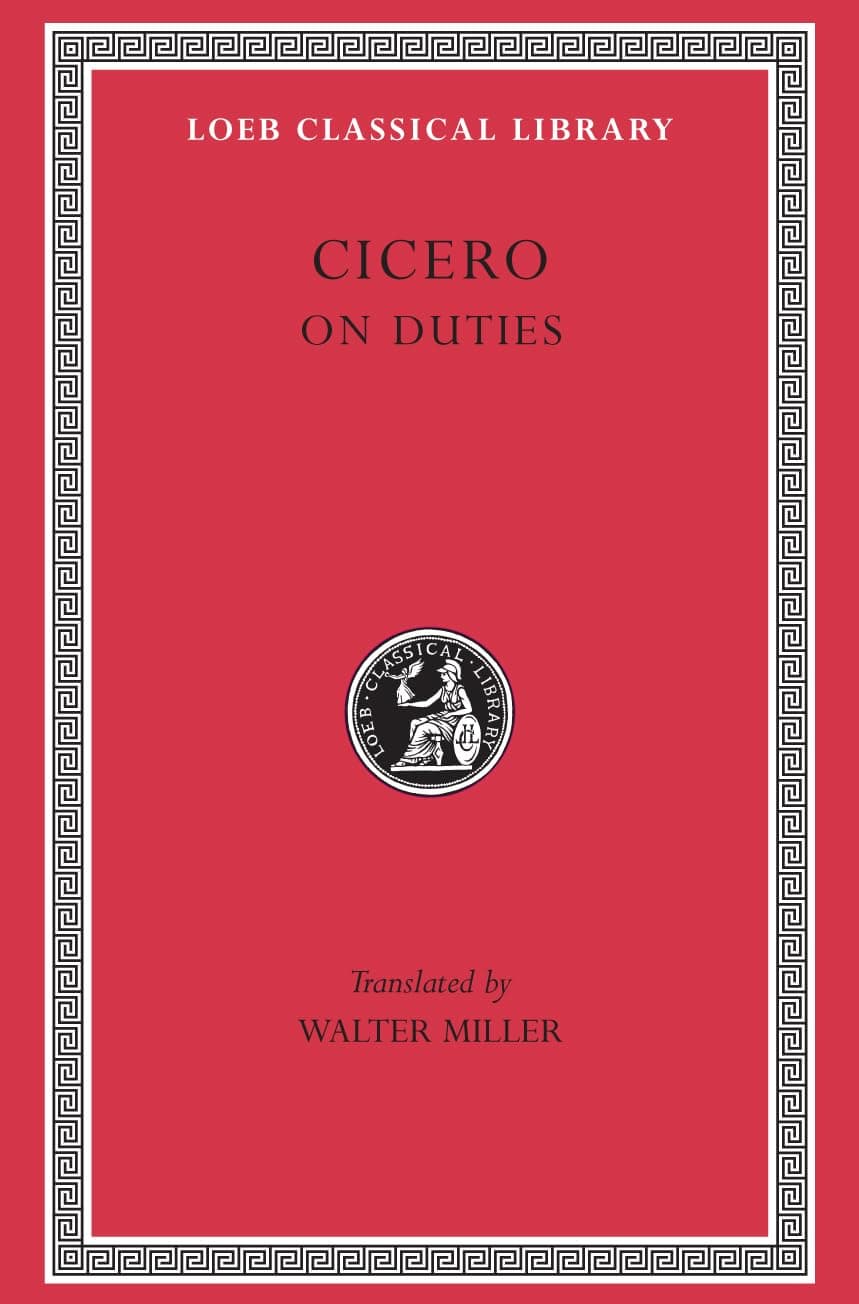
Cicero tells his son what a decent person owes everyone: keep your word, harm nobody, and stop believing a shameful act can pay. Real Roman cases of profit against honesty carry the argument.

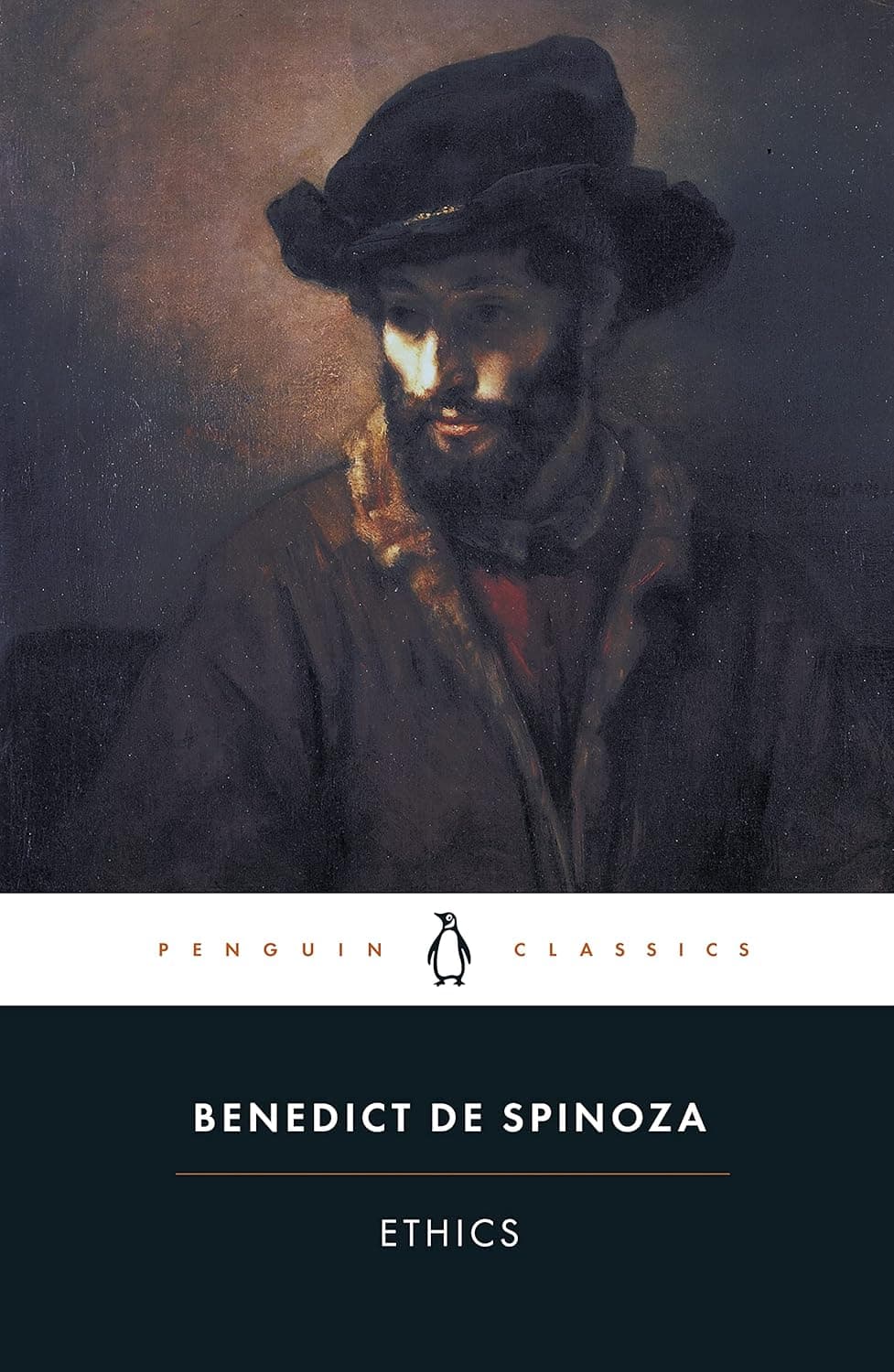
Spinoza proves, in numbered propositions, that God and nature are one substance and that everything follows from it as necessarily as a theorem. Freedom is understanding that necessity, not escaping it.

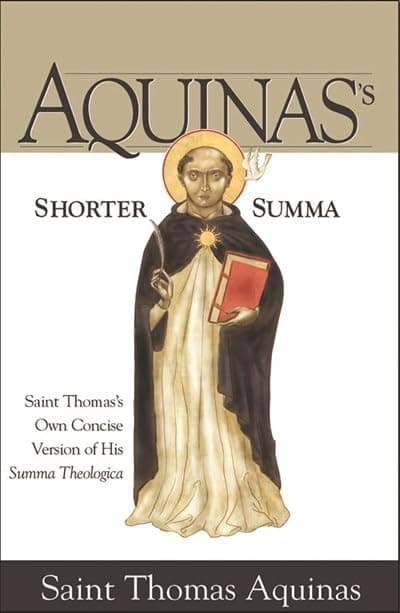
Aquinas asks thousands of questions about God, law, virtue, and sin, and answers each only after stating the strongest case against himself. Catholic thought has been arguing with him for 750 years.

Born a slave, Epictetus taught that nothing is yours except what you make of what happens. These are his classroom talks, and he is losing patience with you.

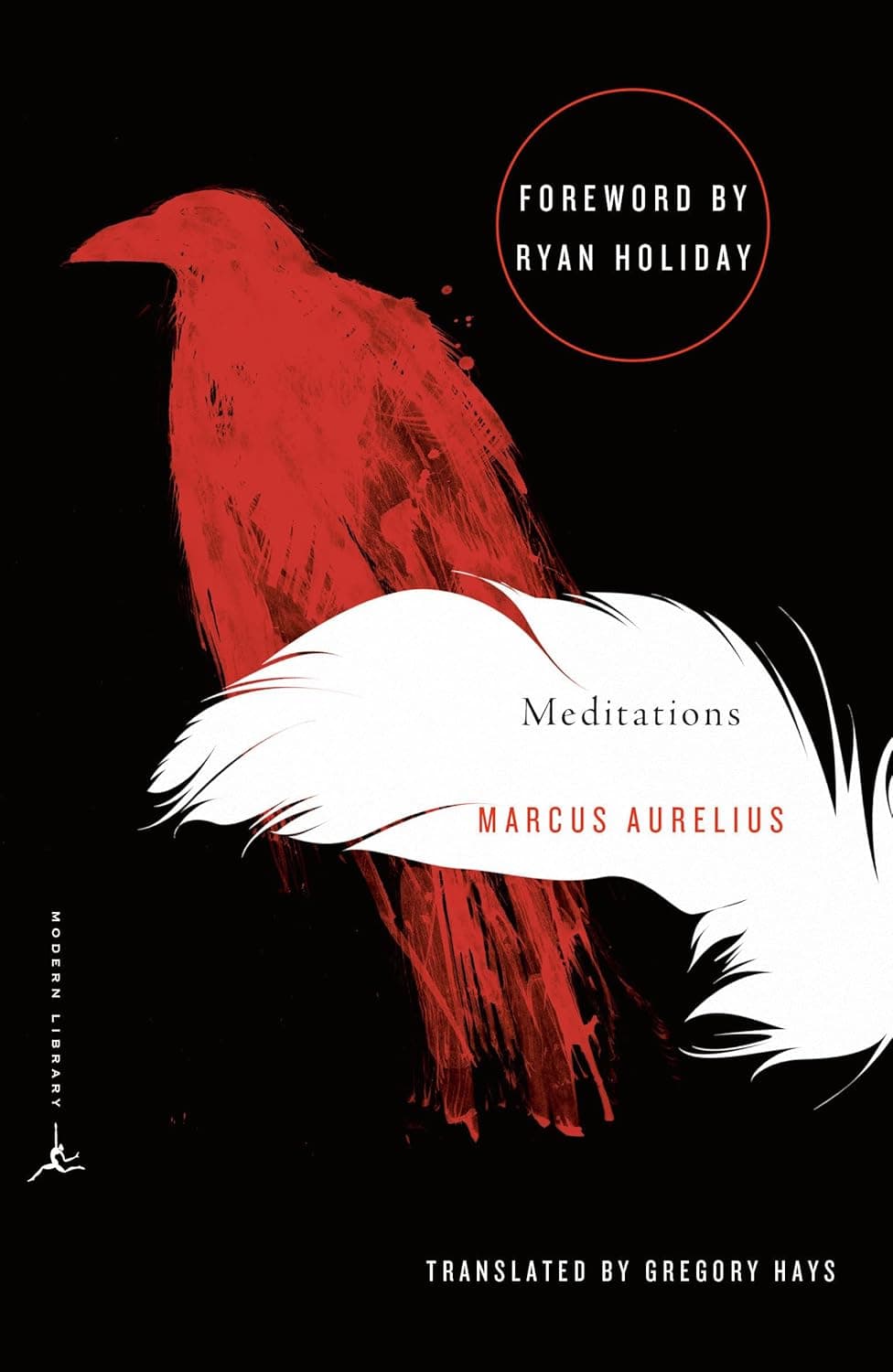
On campaign at the Danube, Marcus Aurelius, emperor of Rome, wrote notes reminding himself to expect rude people and to die well. He is talking himself into it, and you can hear that.

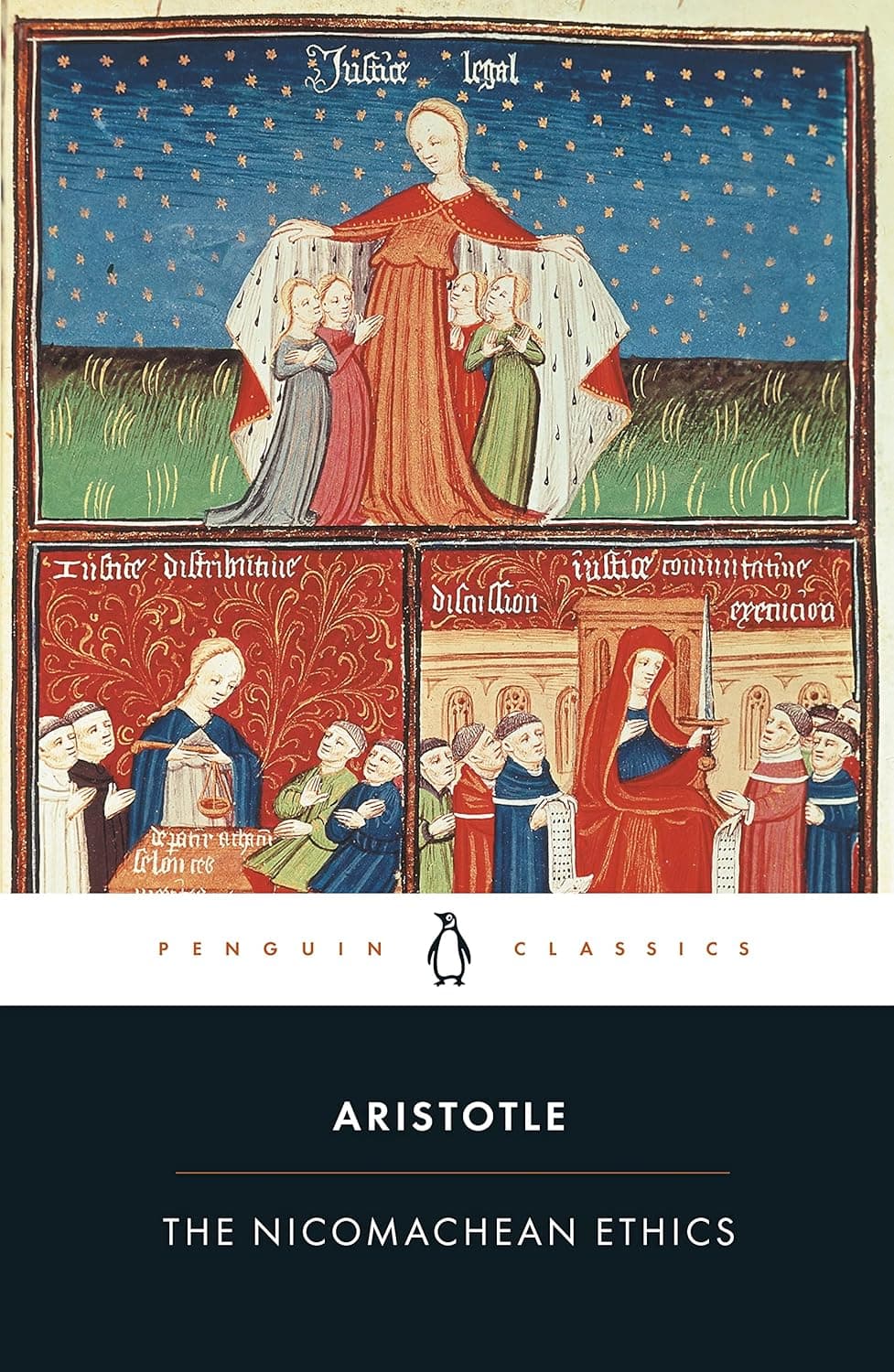
Everyone wants to be happy. Aristotle's answer is that happiness is not a feeling but a life of acting well, and that you become brave only by doing brave things.

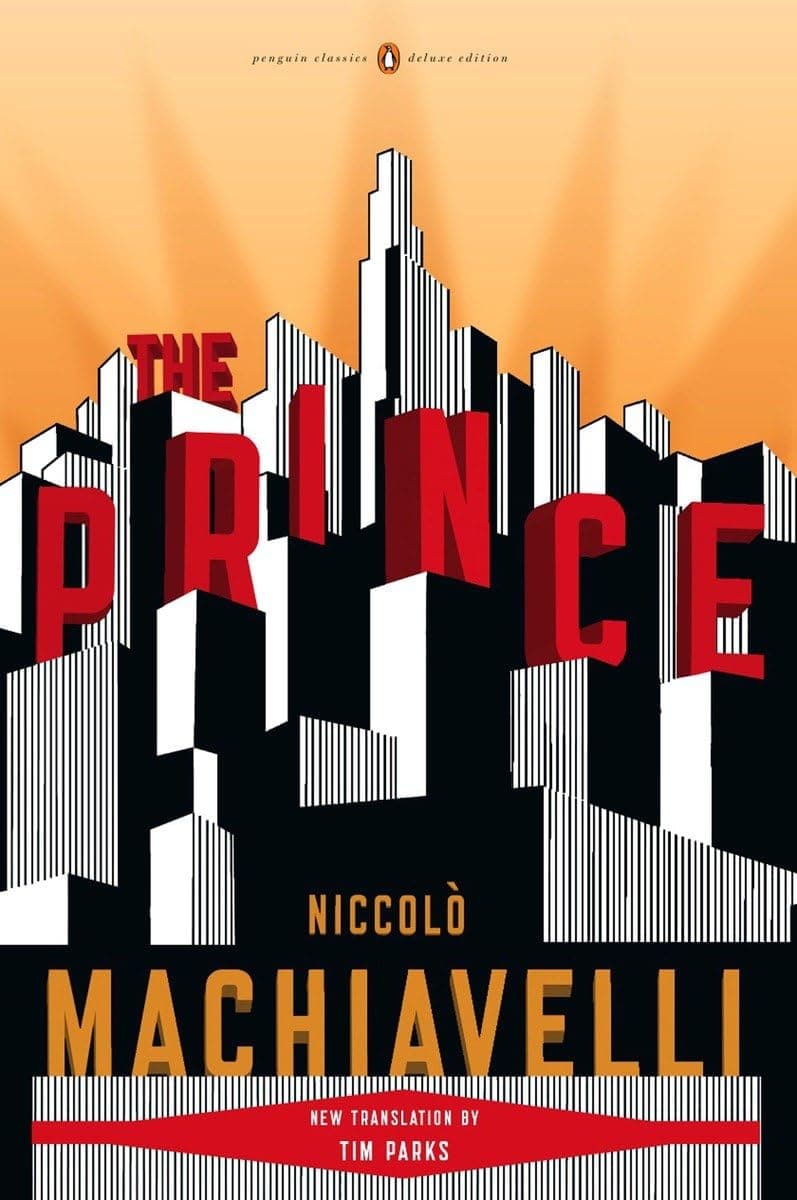
Machiavelli threw out the question of how a ruler ought to behave and asked how power is taken and kept. His answer, that a prince does better feared than loved, still unsettles people.

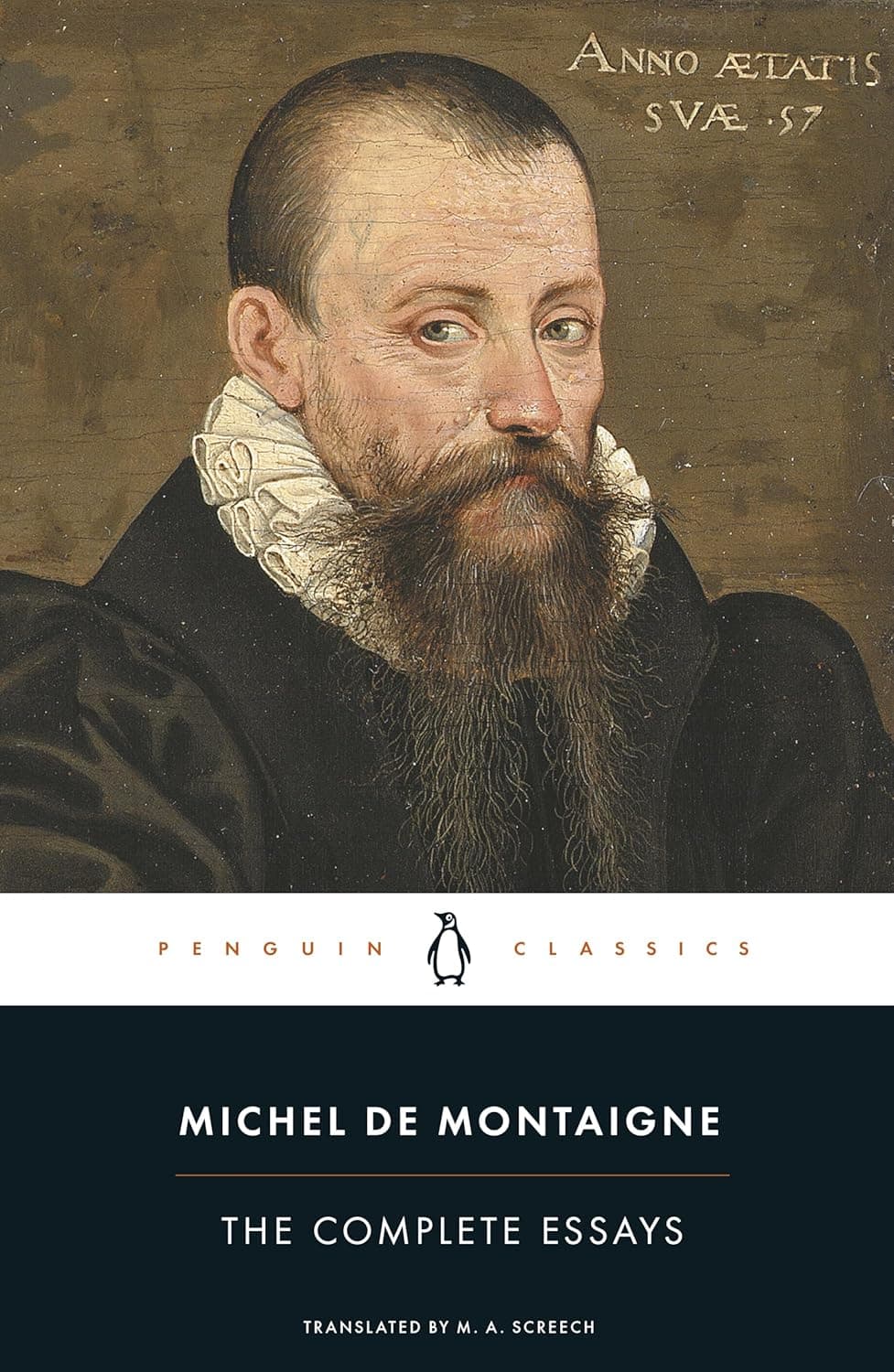
Montaigne wrote short pieces on friendship, fear, sleep, and his kidney stones, and invented the essay doing it. As company on the page he remains unmatched in four centuries.