
The End of History and the Last Man
1992 · 432 pages
Liberal democracy won, Fukuyama argued as the Soviet Union fell: no rival idea of how to organize a society remains. Then he asks what becomes of men with nothing left to struggle over.
★ 4.8
 skopia
Liberal democracy won, Fukuyama argued as the Soviet Union fell: no rival idea of how to organize a society remains. Then he asks what becomes of men with nothing left to struggle over.

Gaddis lays the war's origins at Stalin's door, shows how nuclear terror kept the peace it threatened, and treats the outcome as a moral verdict. Forty-five years of standoff in one commanding volume.
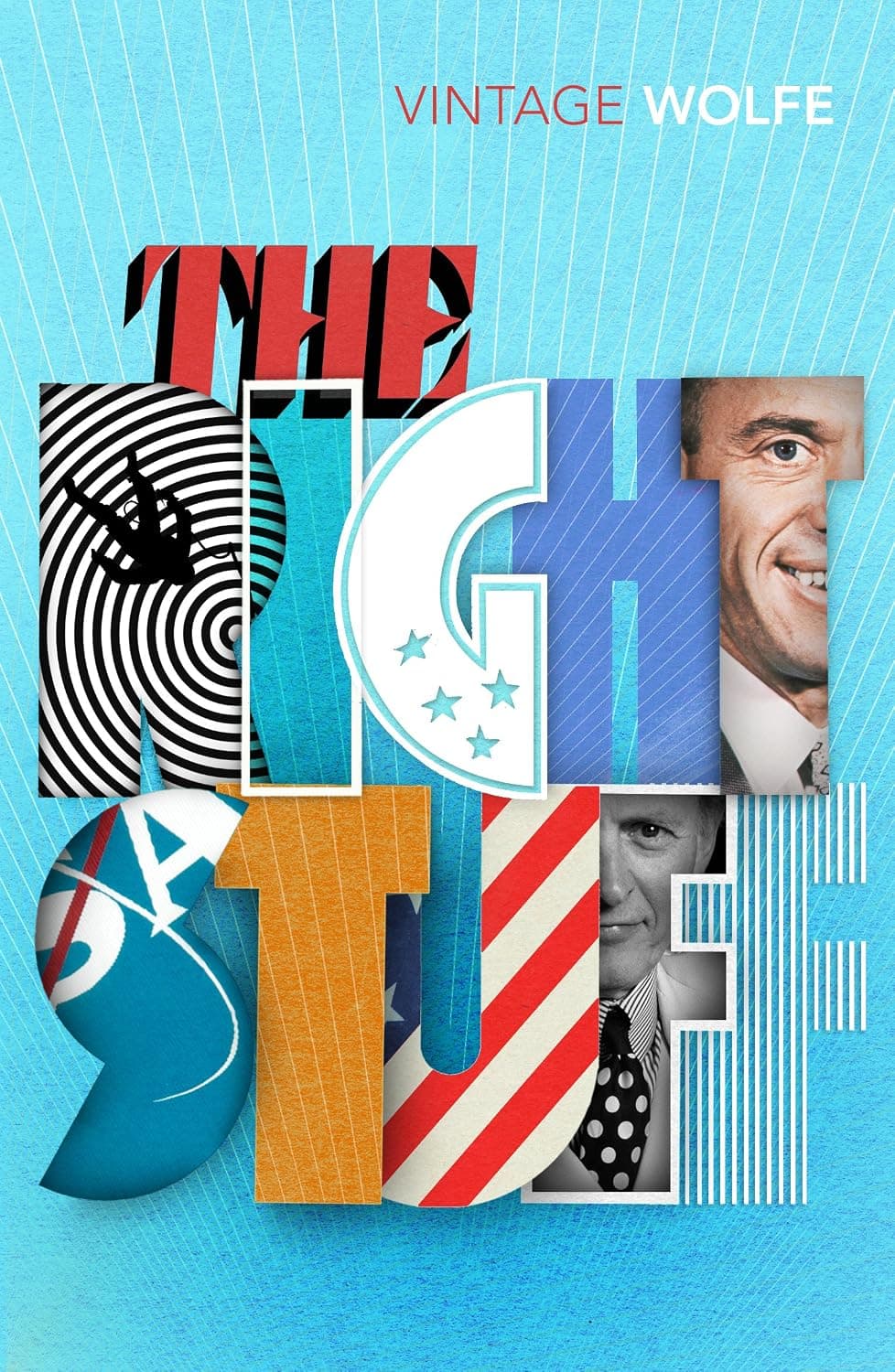
Chuck Yeager broke the sound barrier with two cracked ribs hidden from the flight surgeon. Wolfe named the code such men flew by, and America still tells the space race in his words.

The twentieth century runs from 1914 to 1991 in Hobsbawm's account, moving through catastrophe, a golden age of postwar boom, then landslide. No later history of the century has displaced it.

Pulled out of retirement, George Smiley hunts a Soviet mole at the top of British intelligence, working from old files and older grudges. Le Carré makes treason a matter of friendship and marriage.

Alec Leamas takes one last assignment in East Germany, posing as a burnt-out defector, never told what his own service wants. Graham Greene called it the best spy story he had read.
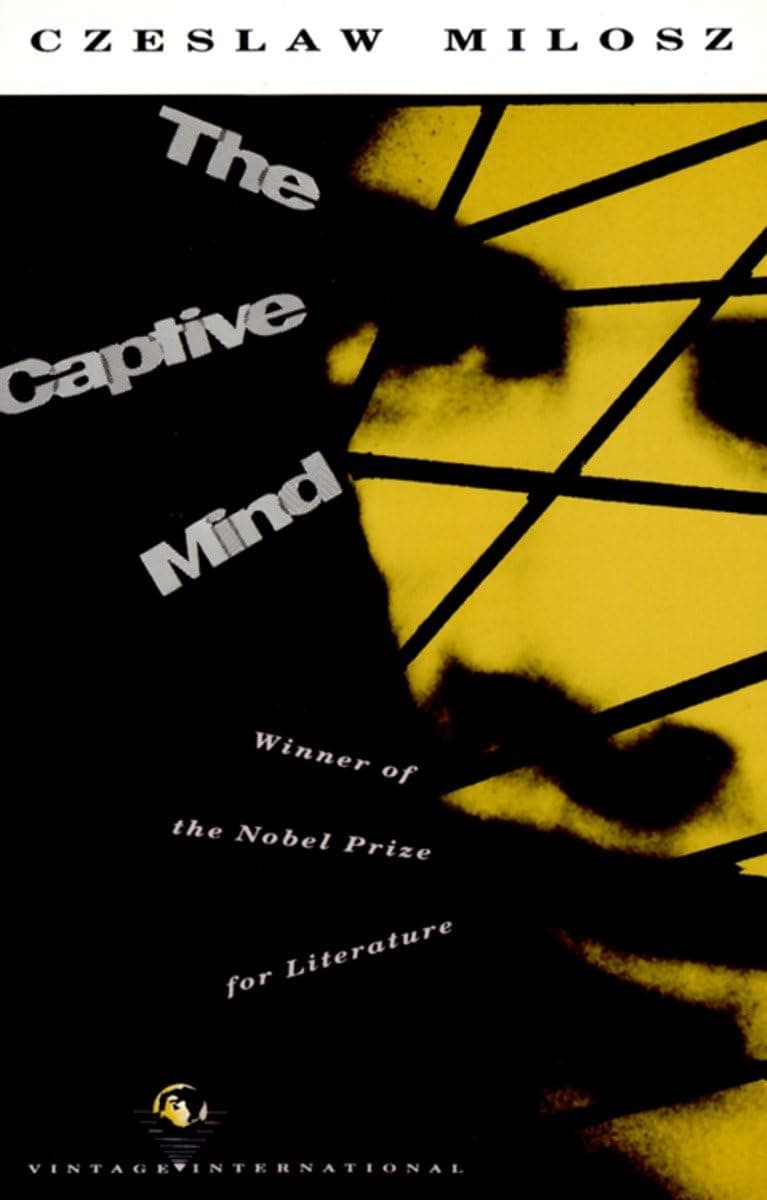
Milosz, a Polish poet who served the new regime and then defected, explains how intelligent people talked themselves into Stalinism. Ketman, he calls it: believing one thing and professing another.
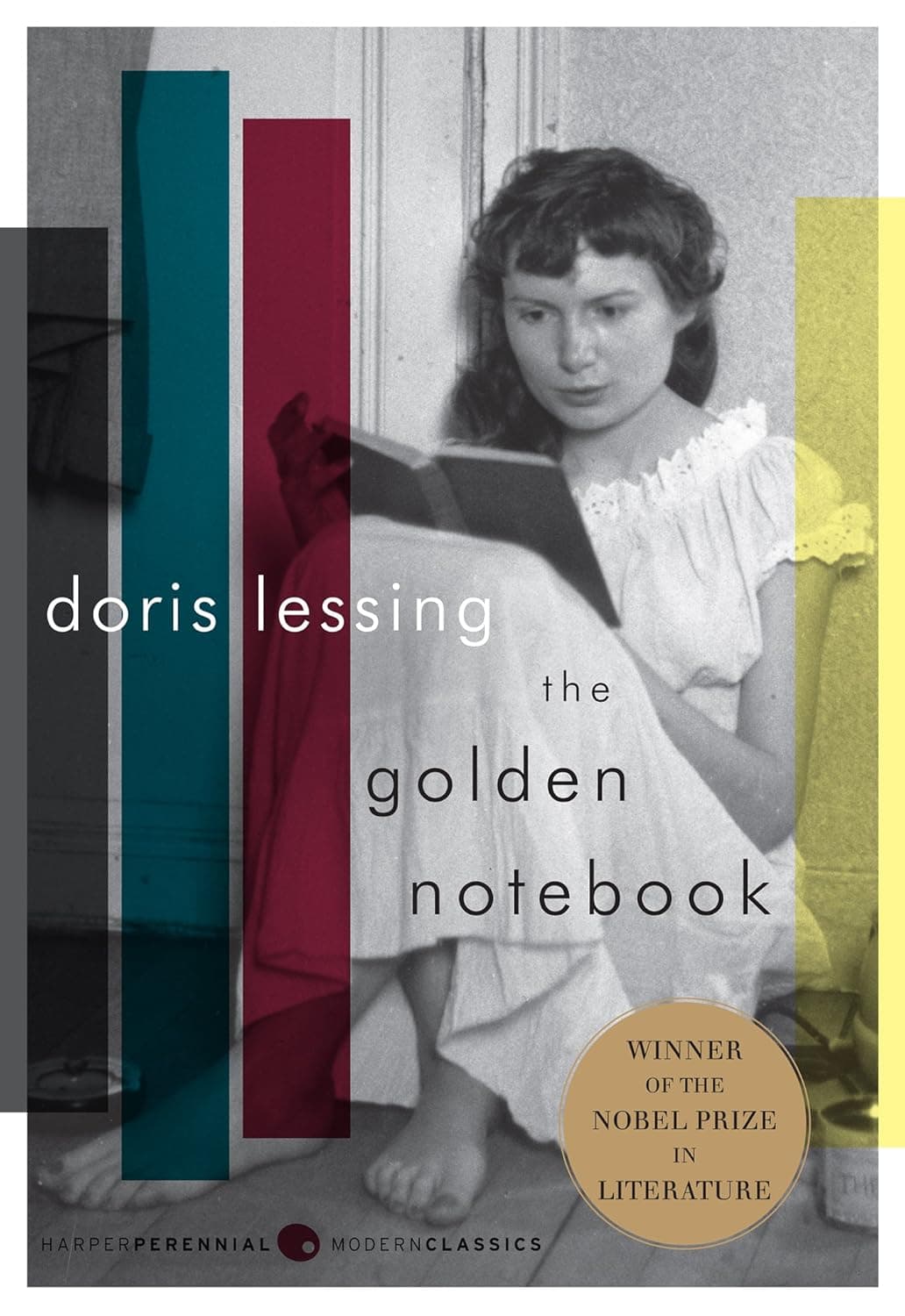
Anna Wulf keeps four notebooks: Africa, the Communist Party, fiction drawn from her love affair, and a private diary. Lessing made a woman's inner life the whole subject of a serious novel.
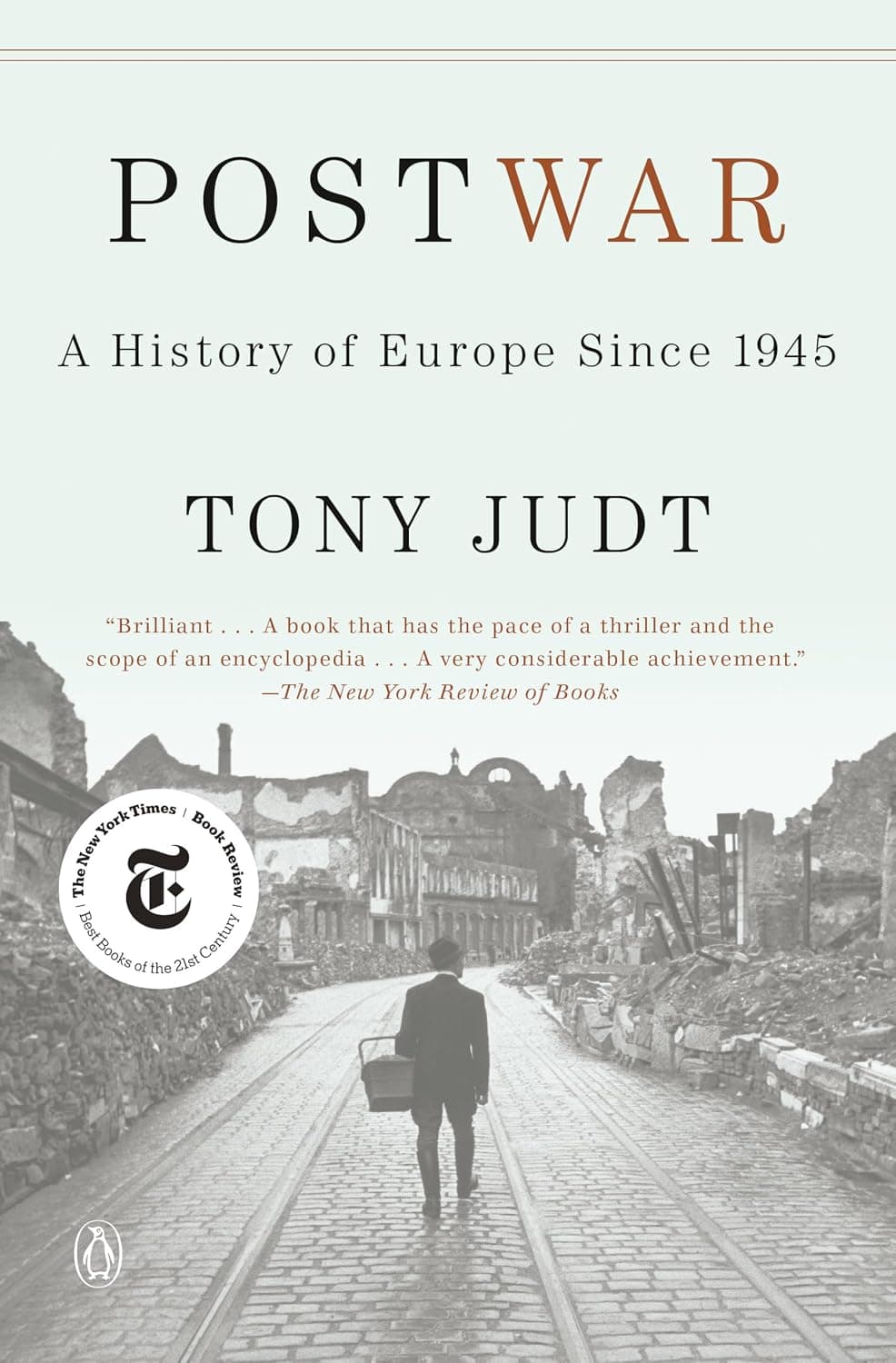
Judt carries Europe from the rubble of 1945 to 2005, east and west in one story, showing a continent that rebuilt itself by forgetting the war and then defined itself by remembering it.