Case Study Houses
A Los Angeles magazine asked architects how postwar America should live, and Eames, Koenig, and Neutra answered in steel and glass on hillsides. Julius Shulman's photographs sold California modernism to the world.

A Los Angeles magazine asked architects how postwar America should live, and Eames, Koenig, and Neutra answered in steel and glass on hillsides. Julius Shulman's photographs sold California modernism to the world.

Every American house is a set of clues: roof pitch, window shape, porch depth. McAlester supplies the vocabulary, from Georgian mansions to postwar ranches, and you walk out able to name your street.

Classical architecture is a language, Summerson argues, and the five orders are its grammar. He takes you from Roman temples to Baroque churches and shows what any columned facade is actually saying.

Howard Roark would rather break rock in a quarry than compromise a design, and when his housing project is altered he dynamites it. American individualism has had no more seductive hero.

Rasmussen teaches you to feel a building before you name its style: the hardness a child finds bouncing a ball off a wall, Rome's Spanish Steps descending in the rhythm of a polonaise.

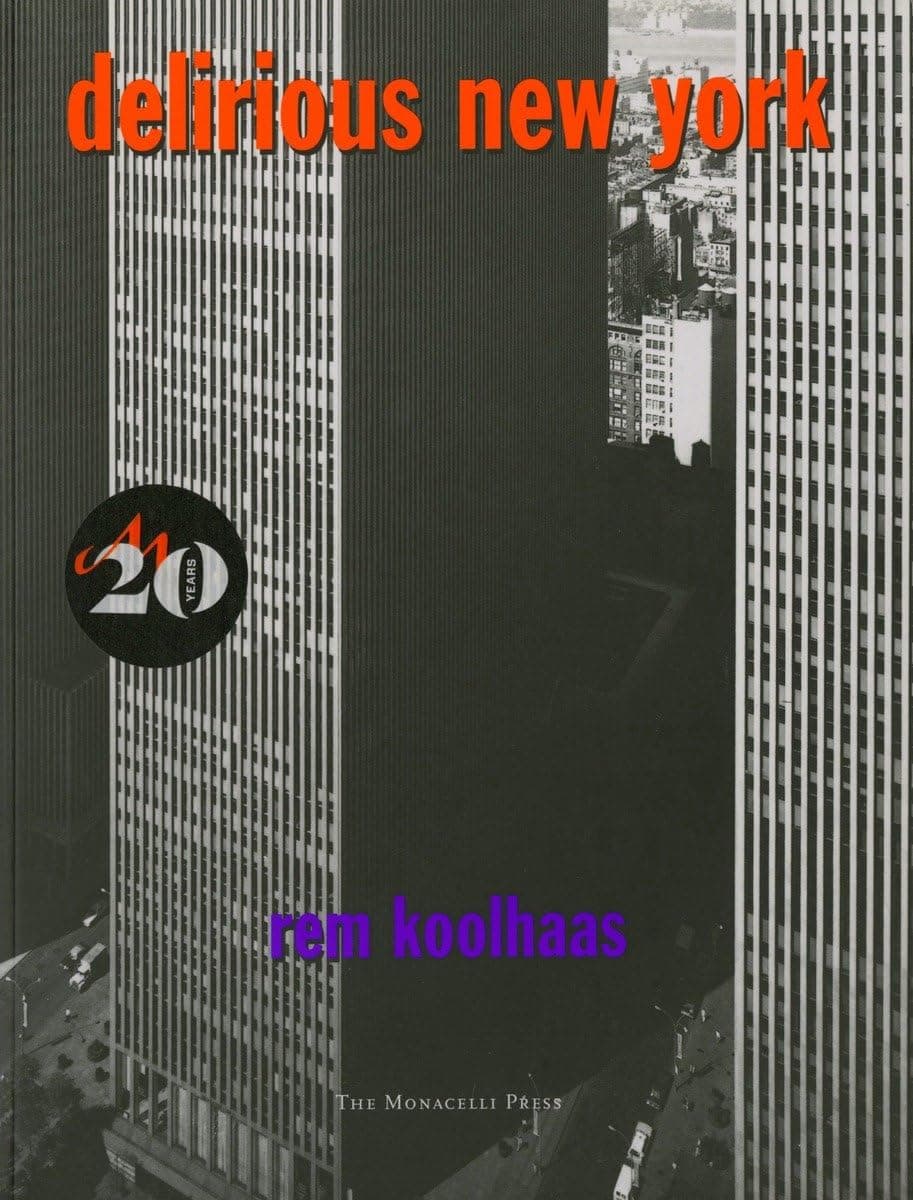
Manhattan built itself without a theory, so Koolhaas supplied one afterward: the grid, the skyscraper, and Coney Island as a culture of congestion. He turned density from planning's disease into architecture's ambition.

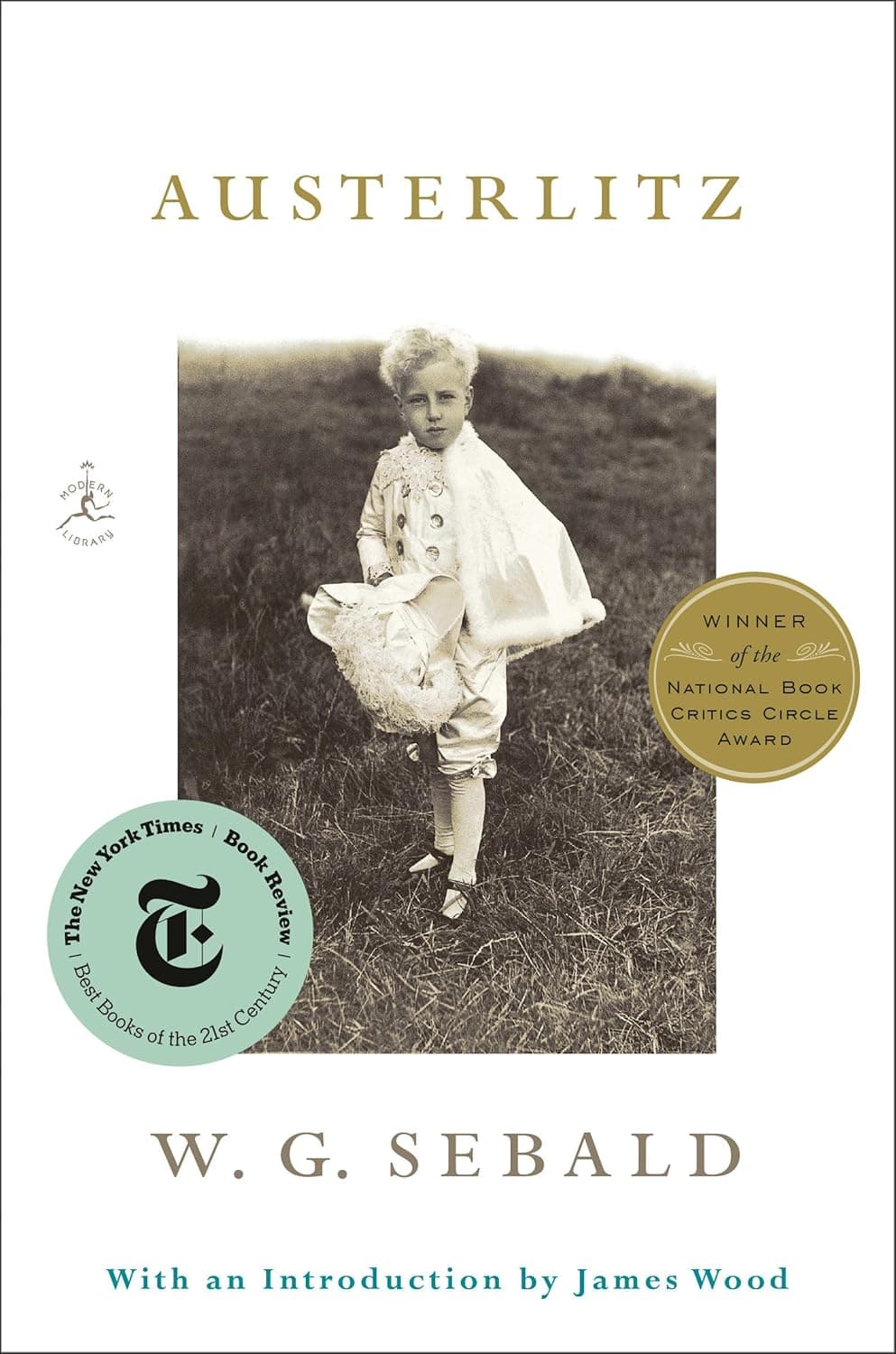
A stranger in an Antwerp waiting room talks about architecture, and over years of meetings tells how he was sent out of Prague on a train in 1939. The grief is never named.