
The Sweet Flypaper of Life
1955 · 106 pages
Sister Mary Bradley, a grandmother Hughes invented, tells death to wait because her feet are caught in the sweet flypaper of life, then walks you through DeCarava's photographs of her Harlem block.
★ 4.7
 skopia
Sister Mary Bradley, a grandmother Hughes invented, tells death to wait because her feet are caught in the sweet flypaper of life, then walks you through DeCarava's photographs of her Harlem block.

Freetown, Virginia was founded by freed slaves, including Edna Lewis's grandfather, and her cookbook is that community's year: what the farm gave in each season and the meal it made.

No history of hip hop is better. Chang begins with landlords burning the Bronx, arrives at Kool Herc's turntables, and reads Public Enemy and the Los Angeles riots as one generation's politics.

Jackson, a pious Harlem hearse driver, loses his savings to a con man promising to turn tens into hundreds. Himes wrote the funniest and most violent Harlem in American crime fiction.

Los Angeles, 1948. Easy Rawlins, a Black veteran fired from the aircraft plant, takes a white man's hundred dollars to find a missing woman, and Mosley rebuilds postwar Watts around the search.

Twelve months on a Washington corner with Black men without steady work. They fail as husbands and fathers, Liebow shows, not from any inherited culture but because the jobs cannot support a family.

Du Bois took the first Harvard doctorate given a Black American, wrote The Souls of Black Folk, and helped found the NAACP. Lewis won Pulitzers for this volume and for its sequel.

A Greenwich Village couple hire a young Black man as gardener and painter's model, and cannot see the person. Fourteen stories in which Hughes strips white kindness down to appetite and cruelty.
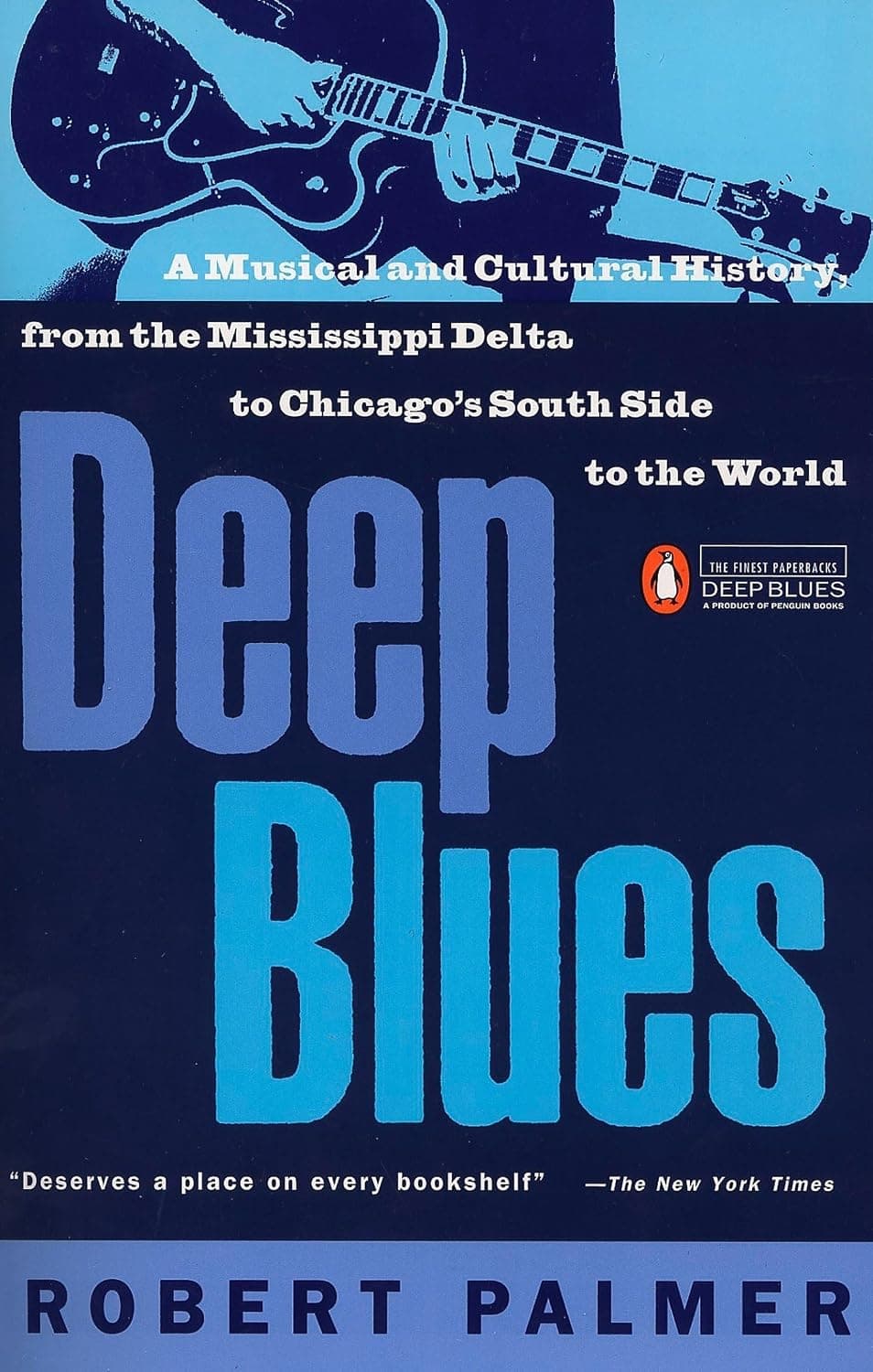
Palmer traces the blues from Mississippi Delta plantations through Memphis to Chicago's South Side, and he hears exactly what Charley Patton, Robert Johnson, and Muddy Waters were doing on the strings.
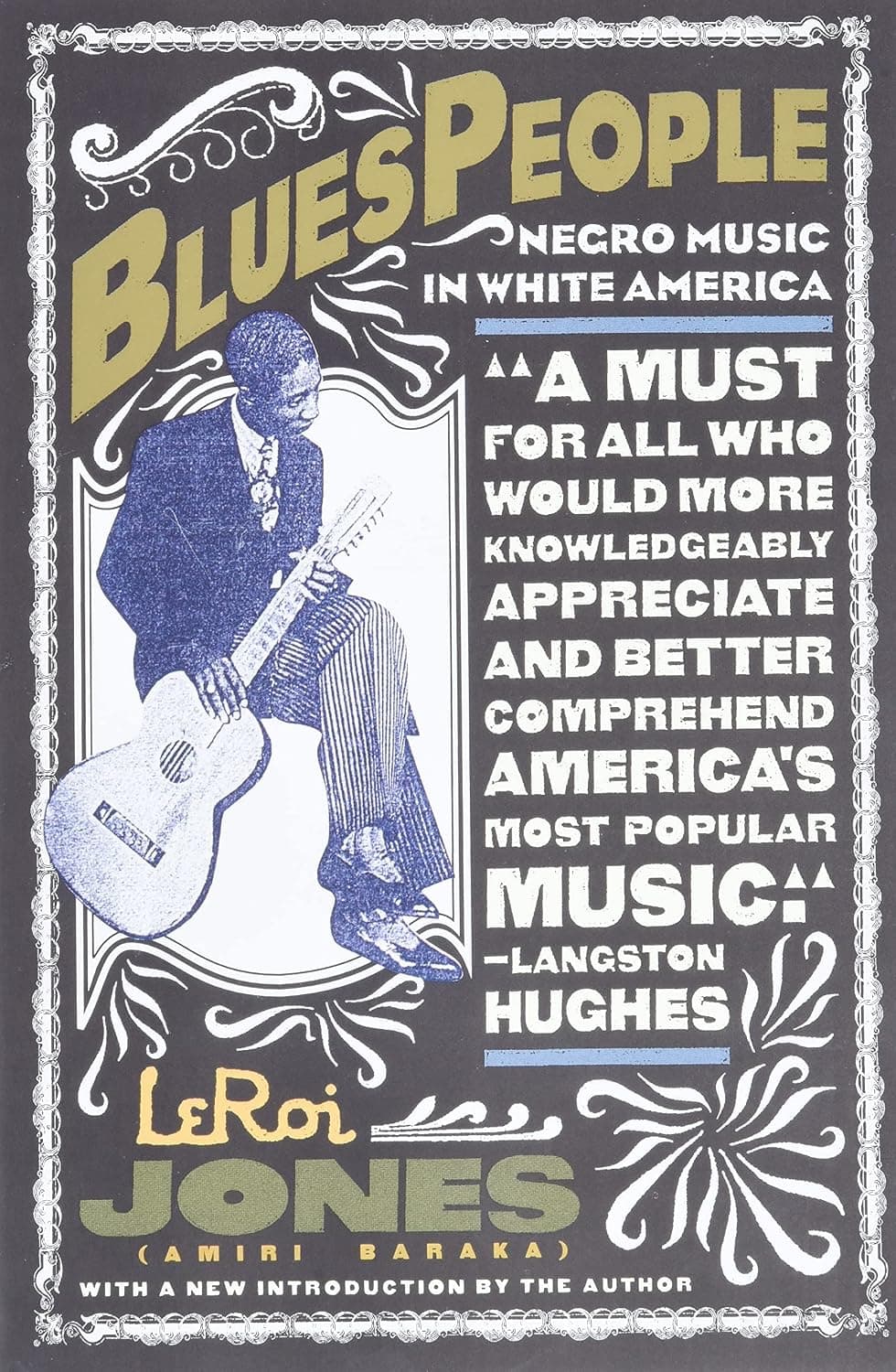
Baraka wrote the first full-length history of blues and jazz by a Black American, hearing in the move from work song to blues to bebop the record of what happened to a people.
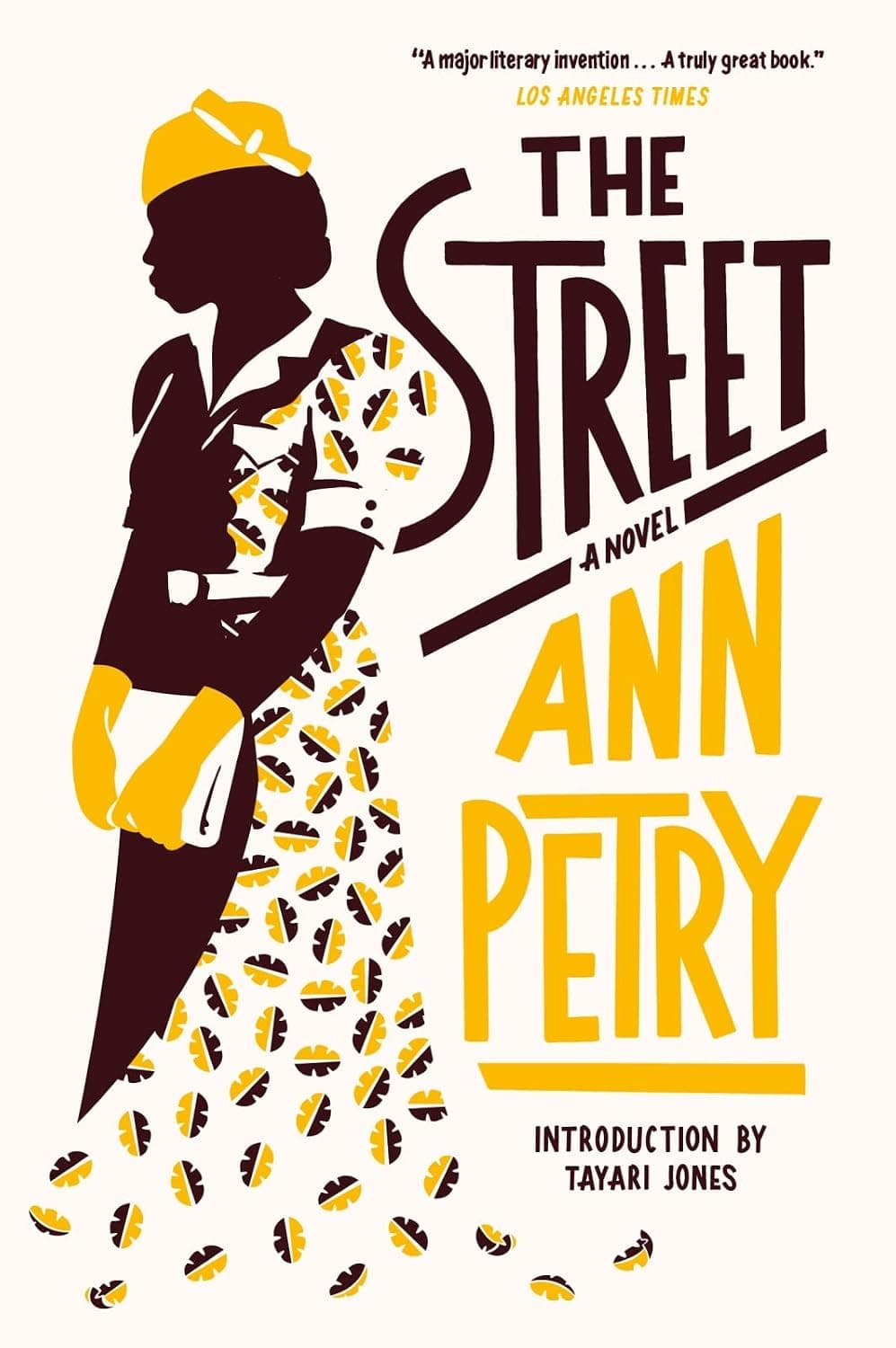
Lutie Johnson believes what Benjamin Franklin promised about work and thrift, and rents an apartment on 116th Street to raise her son. The men who watch her climb the stairs have other plans.

Eliza crosses the frozen Ohio on breaking ice with her child. Stowe sold three hundred thousand copies within twelve months and made slavery intolerable to Northerners who had lived comfortably beside it.

Seven years in a crawlspace three feet high, watching her children through a peephole. Jacobs named what men's slave narratives left out: the owner who pursued her from her teens.

Branch follows Martin Luther King from the Montgomery bus boycott to Birmingham, moving between black church basements, the Kennedy White House, and the FBI, and ten years become full American history.
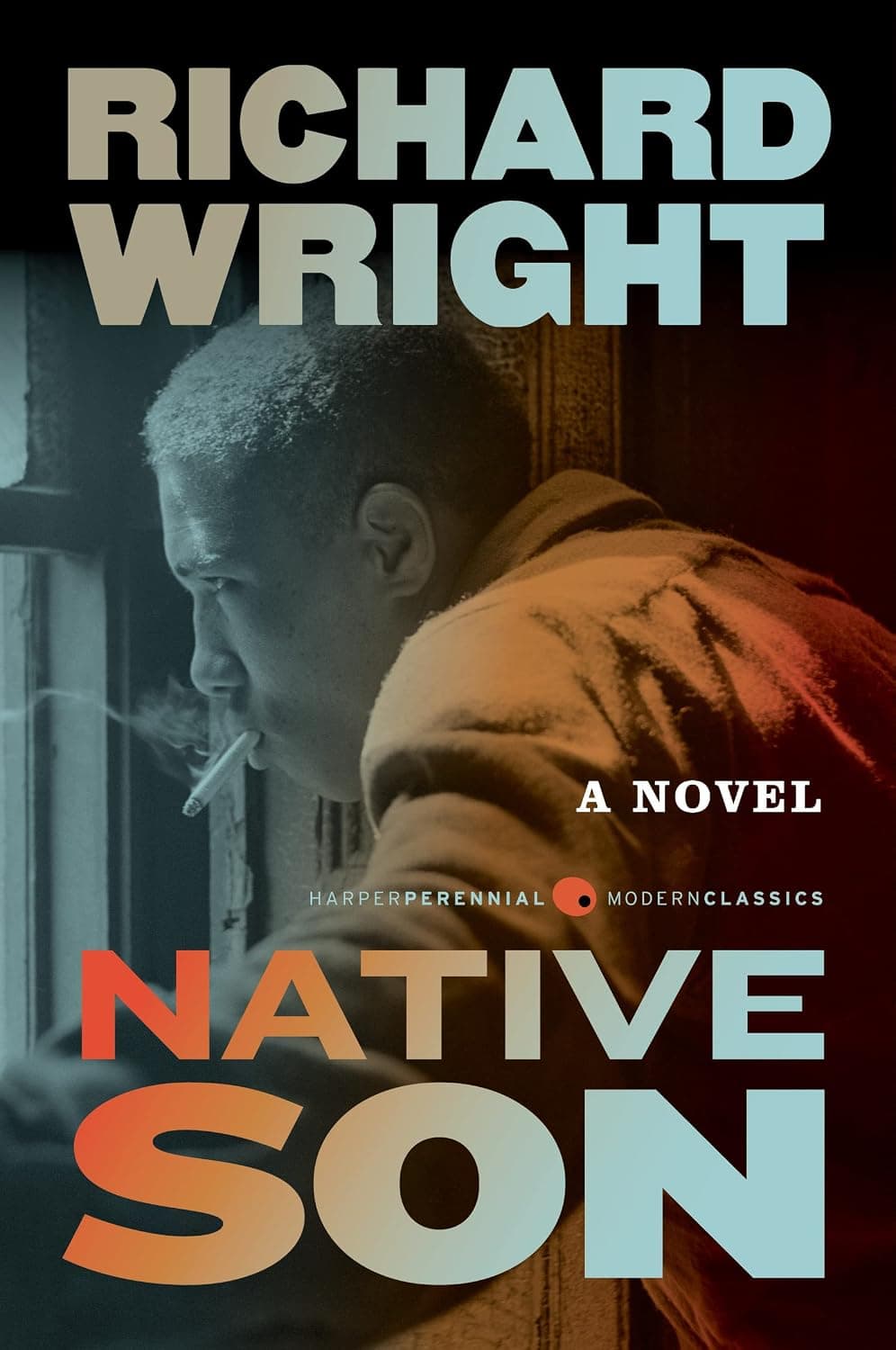
Bigger Thomas drives for a rich white family in 1930s Chicago and kills their daughter in a panic his first night. Wright keeps you inside his head and will not soften him.

Janie comes home to a Black town in Florida and tells a friend about her three marriages and how she found her own voice. Hurston writes porch talk exactly as it sounded.
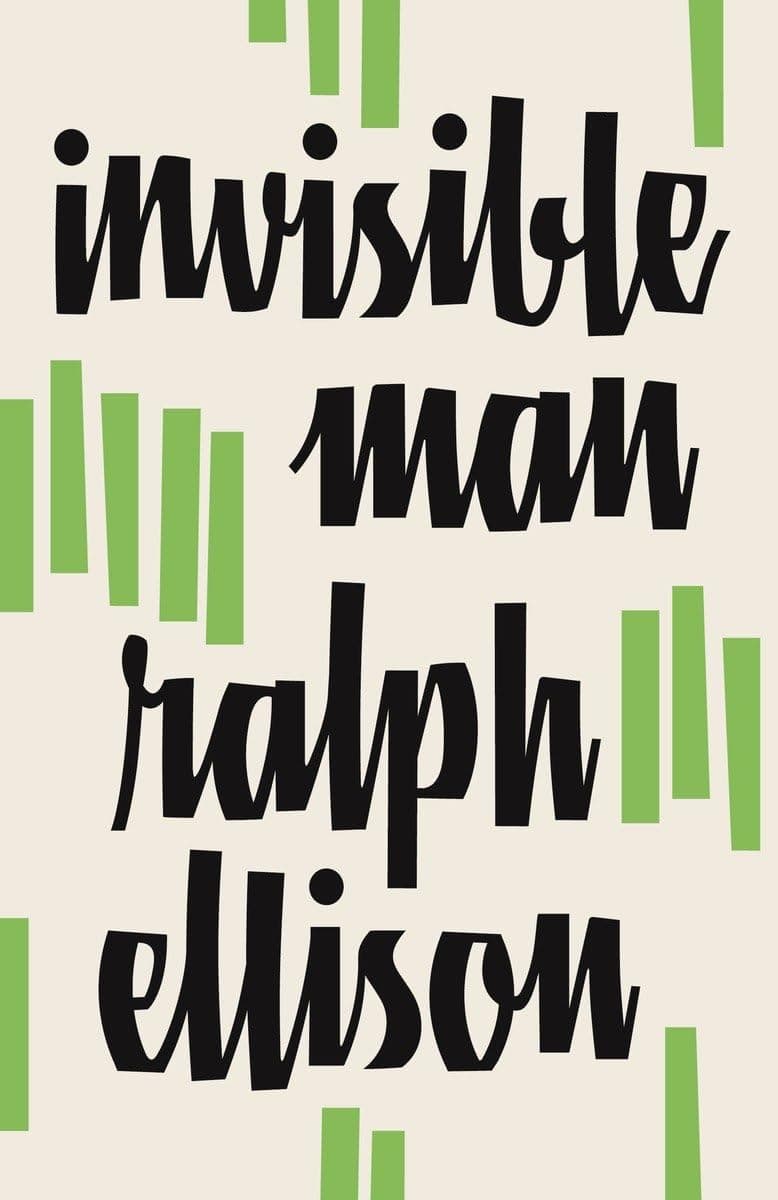
Thrown out of college, then used by a Harlem political movement, a nameless Black man ends up living in a cellar on stolen light. Ellison writes American rage with jazz timing.
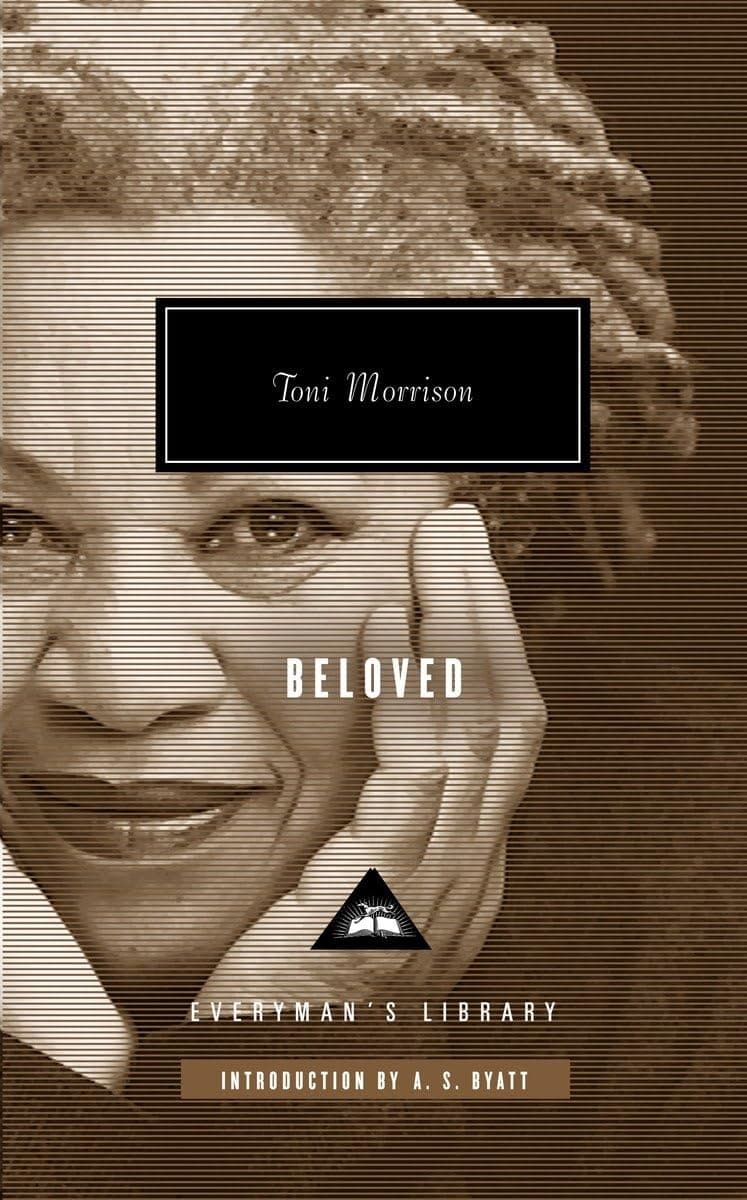
Sethe escaped slavery years ago and cannot escape the daughter she lost, who comes back to the house as a young woman. Morrison writes American history's worst chapter with unbearable tenderness.