The Books canon

Sourced and shelved.

Every book chosen by hand and annotated for why it matters.
Browse all 1,178 books or filter by subject, era, place, and author.

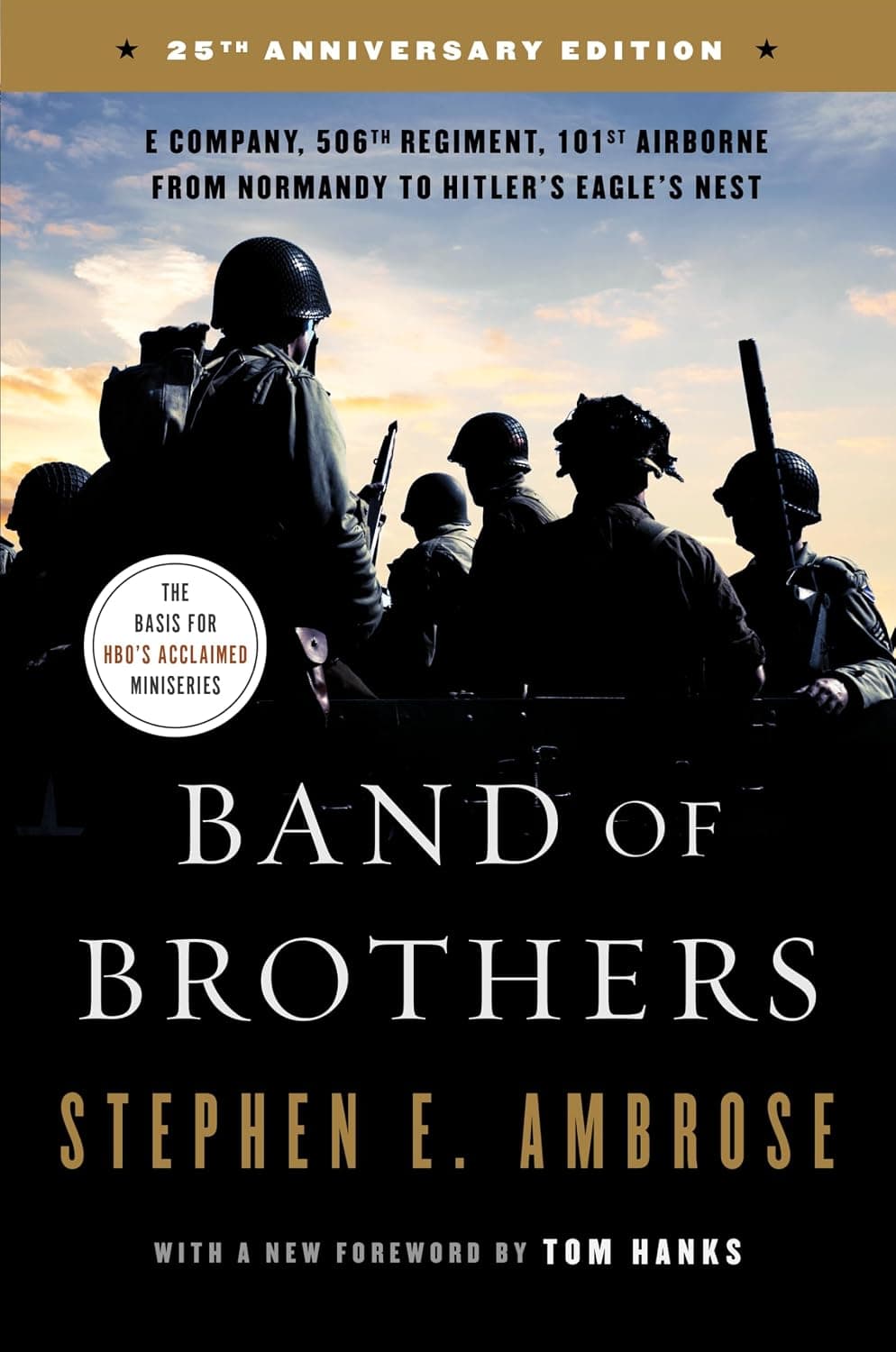
Band of Brothers

1992 · 336 pages

Easy Company jumped into Normandy on D-Day, held Bastogne through the snow short of ammunition and coats, and finished the war at Hitler's alpine retreat. Ambrose built it from the men's own accounts.

★ 4.9

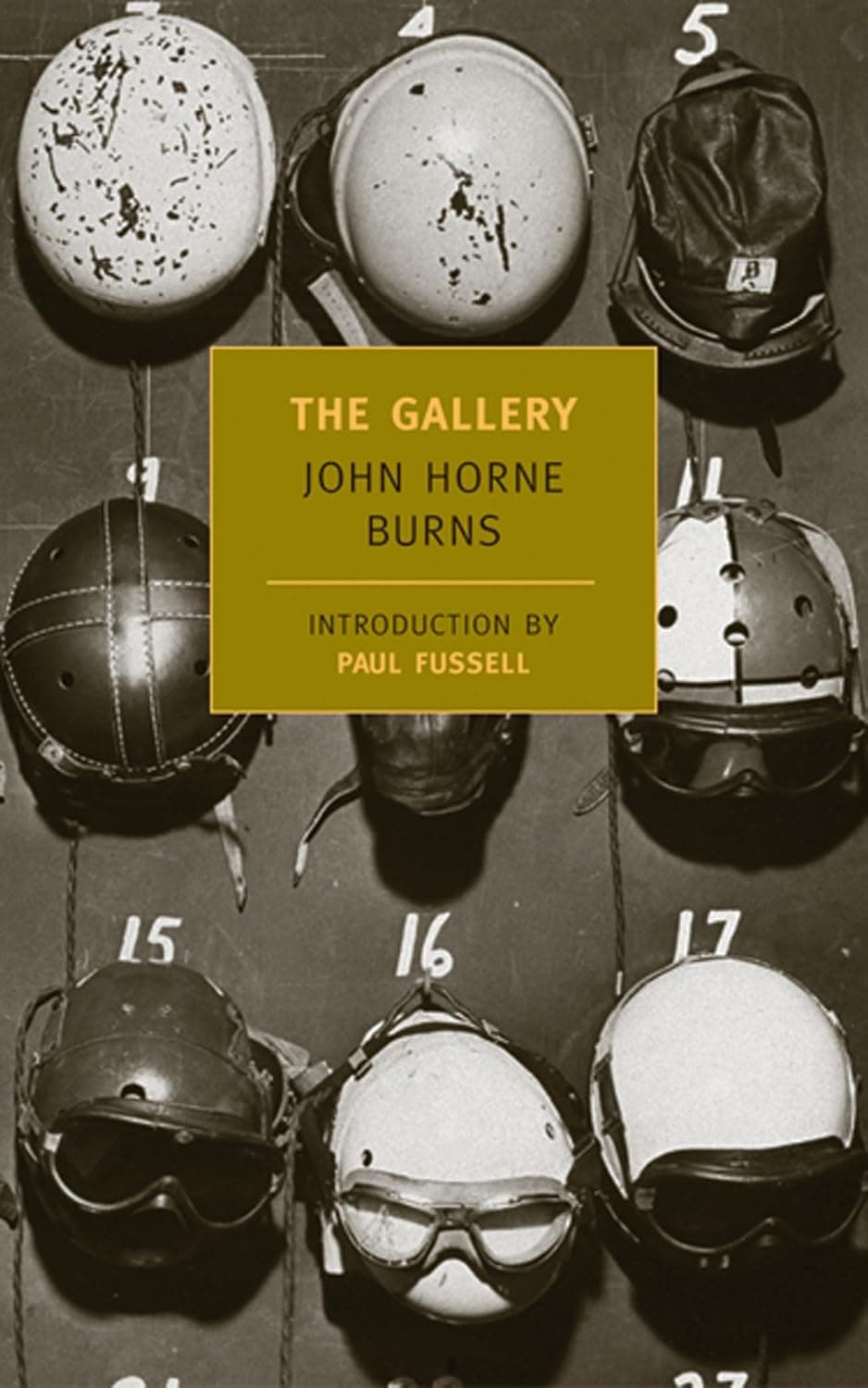
The Gallery

1947 · 342 pages

Occupied Naples, 1944: soldiers and civilians trading cigarettes, sex, and rumor under the arcade. Burns writes Americans who understand nothing of the country they hold, and a bar where gay soldiers breathe.

★ 5.2

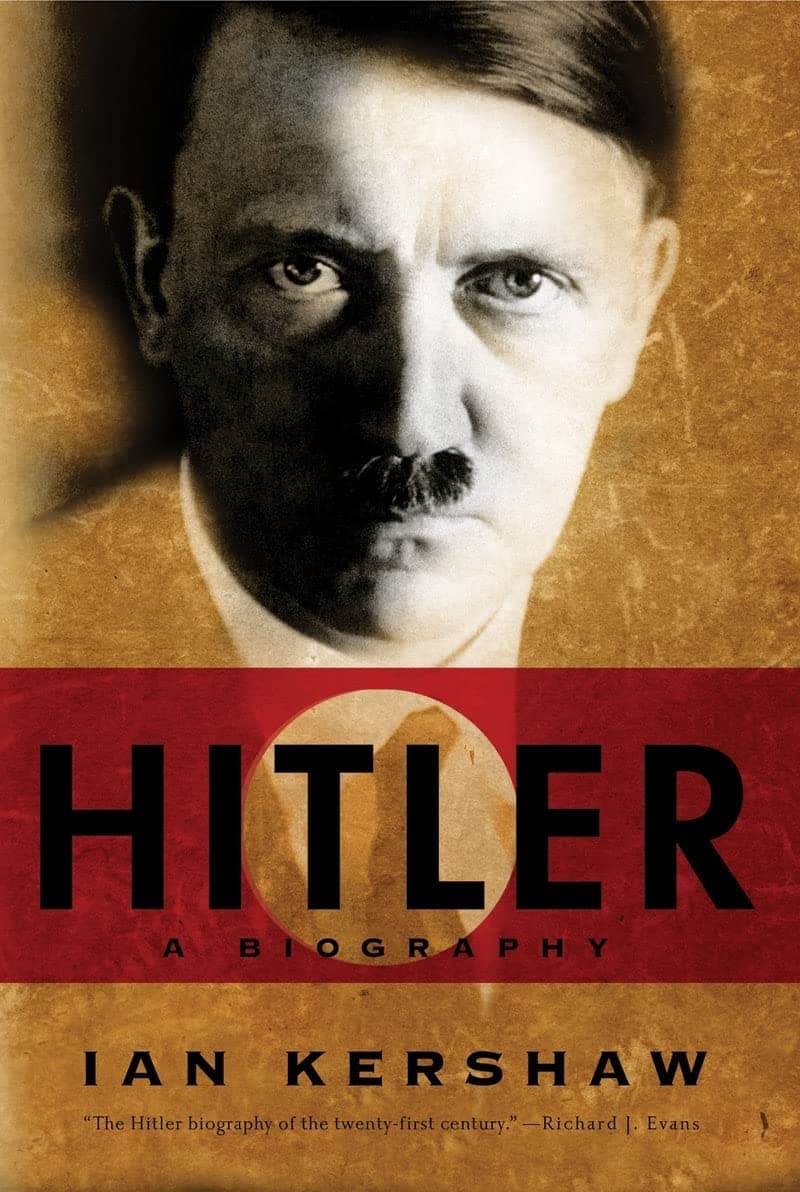
Hitler

A Biography
2008 · 1030 pages

Hitler kept lazy hours and rarely issued a written order. Kershaw explains the machine anyway: officials across Germany competing to anticipate what the Führer wanted, radicalizing policy from below into genocide.

★ 5.4

The Emigrants

1992 · 240 pages

Sebald follows four émigré lives quietly undone by the twentieth century, each coming apart decades after the danger had passed. Unlabeled photographs surface throughout the prose and you read them as evidence.

★ 5.8

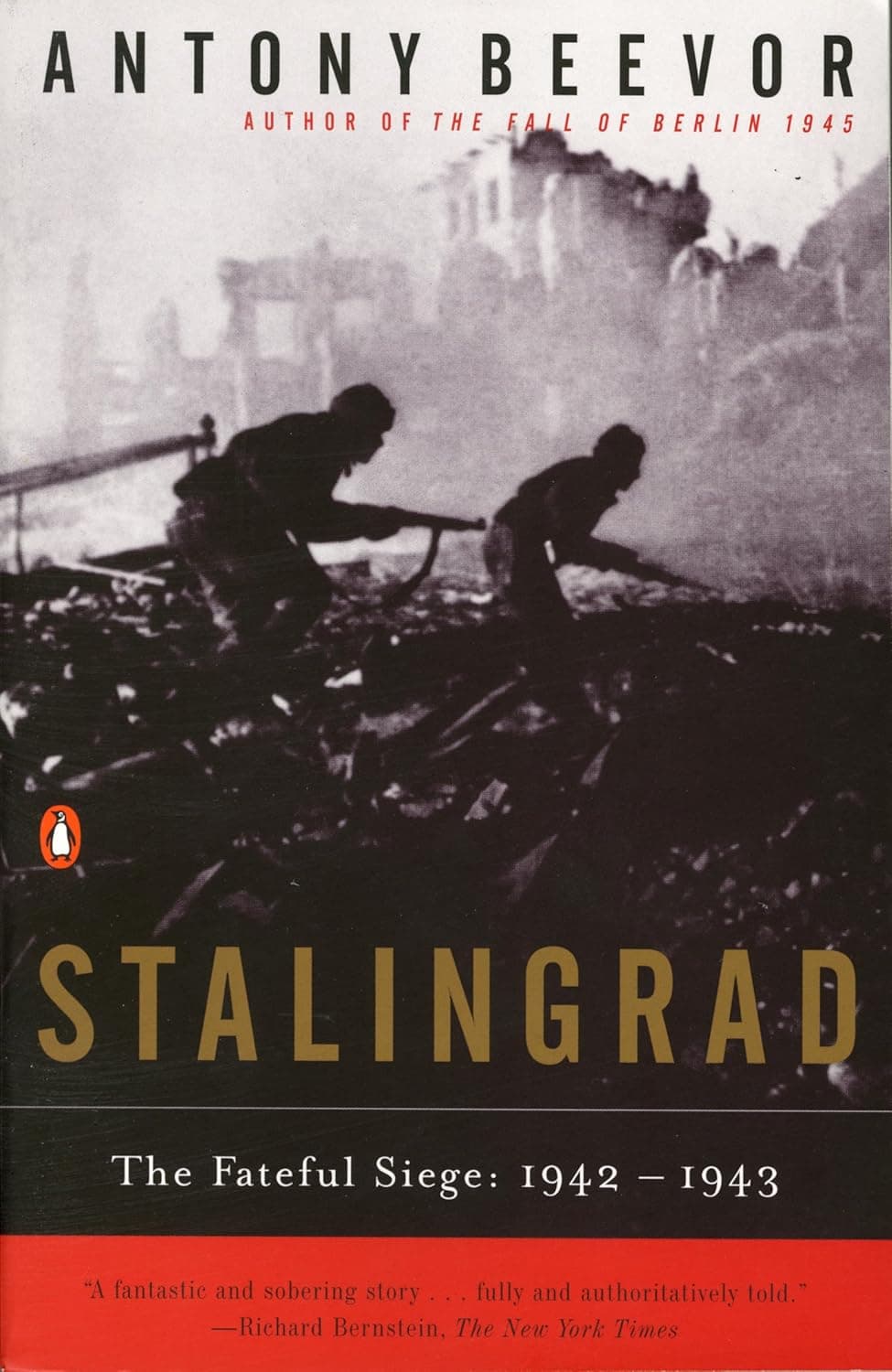
Stalingrad

1998 · 493 pages

Beevor follows the German Sixth Army from conquest through encirclement to starvation and surrender in a city ground to rubble, the Soviet defenders alongside. He made military history a bestselling genre.

★ 5.9

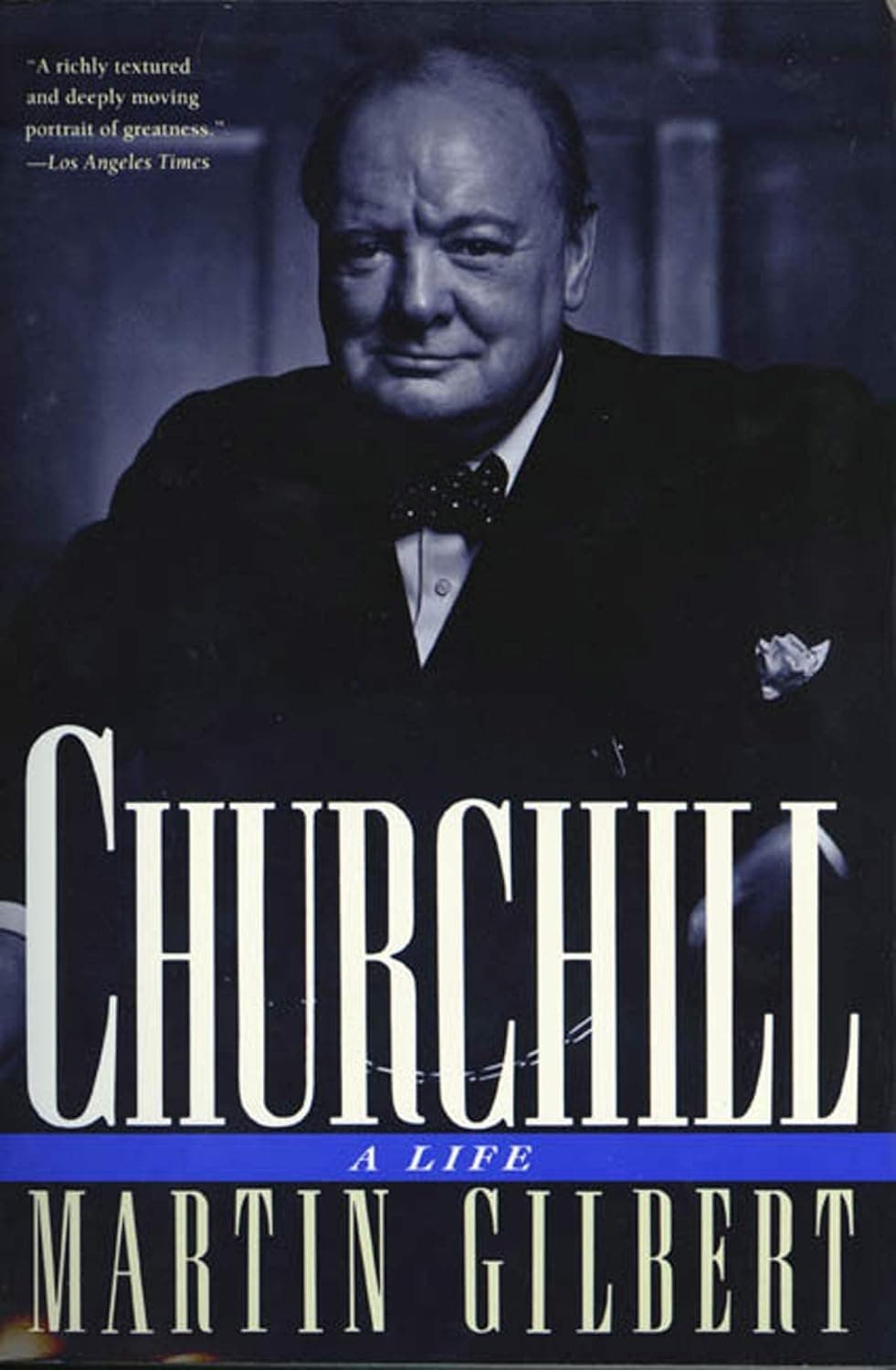
Churchill

A Life
1991 · 1088 pages

Having written six volumes of Churchill's official biography, Gilbert put the whole life into one book, from the cavalry charge at Omdurman to 1965, drawing on twenty years inside the papers.

★ 5.9

Goodbye, Darkness

A Memoir of the Pacific War
1980 · 416 pages

Returning decades later to the Pacific islands where he served as a Marine sergeant, Manchester sets the quiet beaches against what happened there. He was badly wounded on Okinawa and kept dreaming it.

★ 6.3

The Naked and the Dead

1948 · 736 pages

America's novel of the Second World War, published when Mailer was twenty-five and just back from the Philippines. A reconnaissance platoon crosses a Japanese-held island while he tracks every man's fear.

★ 6.5

The Age of Extremes

1914-1991
1994 · 672 pages

The twentieth century runs from 1914 to 1991 in Hobsbawm's account, moving through catastrophe, a golden age of postwar boom, then landslide. No later history of the century has displaced it.

★ 6.5

From Here to Eternity

1951 · 864 pages

Still the fullest American novel of army life. Private Prewitt refuses to box for his company and the army sets about breaking him, on a Hawaii post months before Pearl Harbor.

★ 6.7

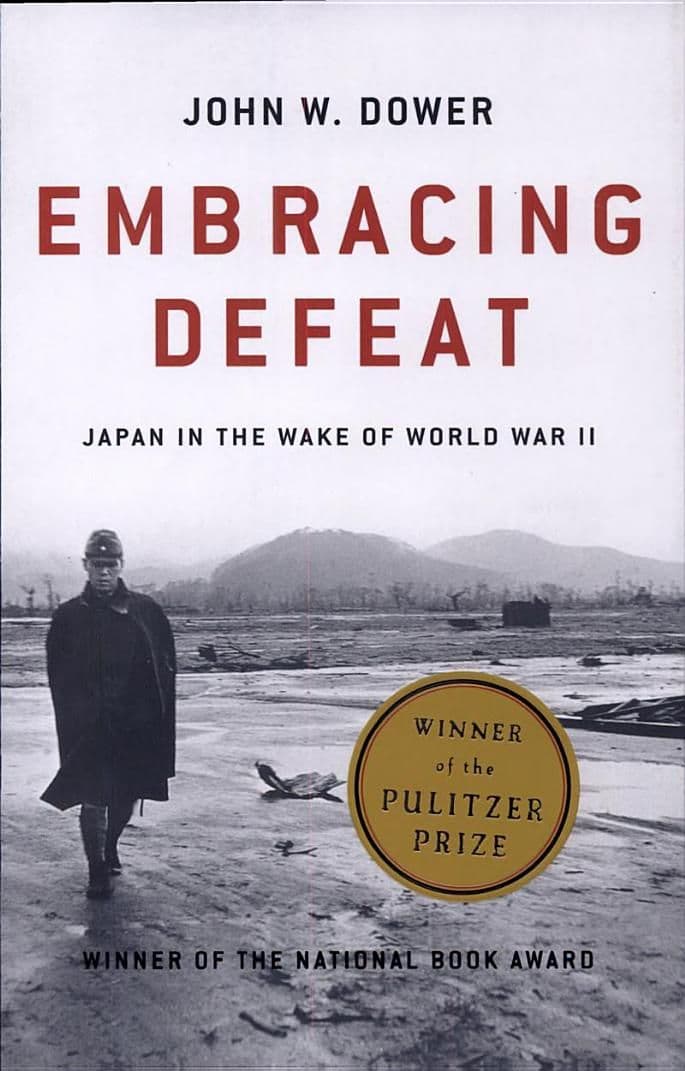
Embracing Defeat

Japan in the Wake of World War II
1999 · 680 pages

Defeated Japan is starving and occupied. Dower tells the years after 1945 from street level, through black markets, pulp magazines, and letters to MacArthur. The Japanese emerge remaking themselves rather than remade.

★ 6.7

Red Sorghum

A Novel of China
1986 · 359 pages

Bandits waylay a bride bound for a leprous distiller, and the son conceived in the sorghum grows up under Japanese occupation. Mo Yan makes rural Shandong's violence gorgeous and unbearable at once.

★ 6.8

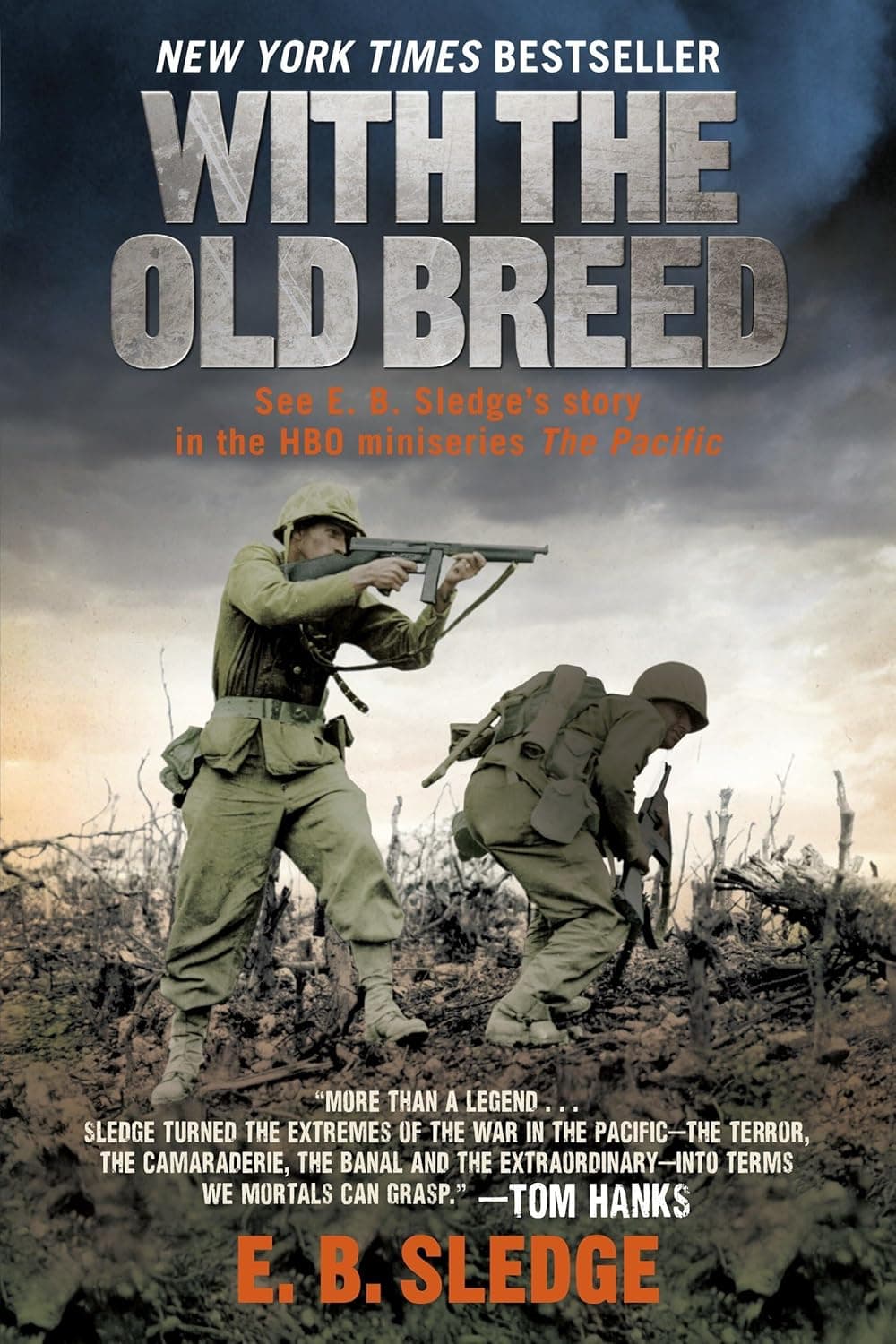
With the Old Breed

1981 · 352 pages

Sledge fought as a Marine mortarman on Peleliu and Okinawa, then set down the mud, the maggots, and the looting of corpses. The critic Paul Fussell ranked it with the finest war memoirs.

★ 6.8

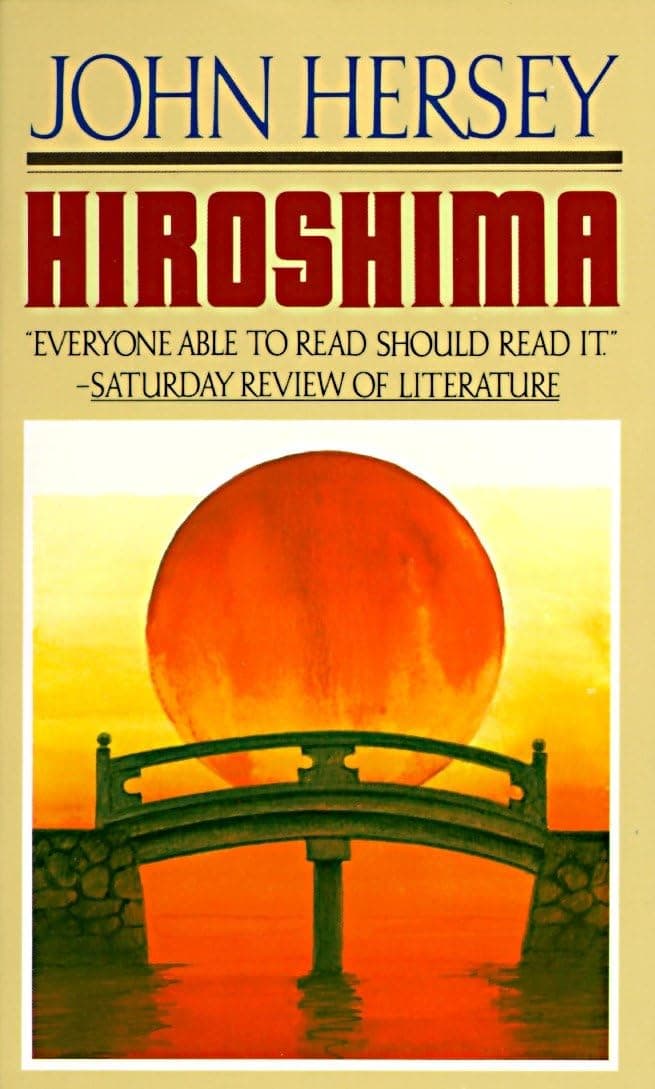
Hiroshima

1946 · 152 pages

Six people survived the bomb at Hiroshima and Hersey follows them through the year after: a clerk, a widow, two doctors, and two clergymen. He writes flatly and it is unbearable.

★ 8.0

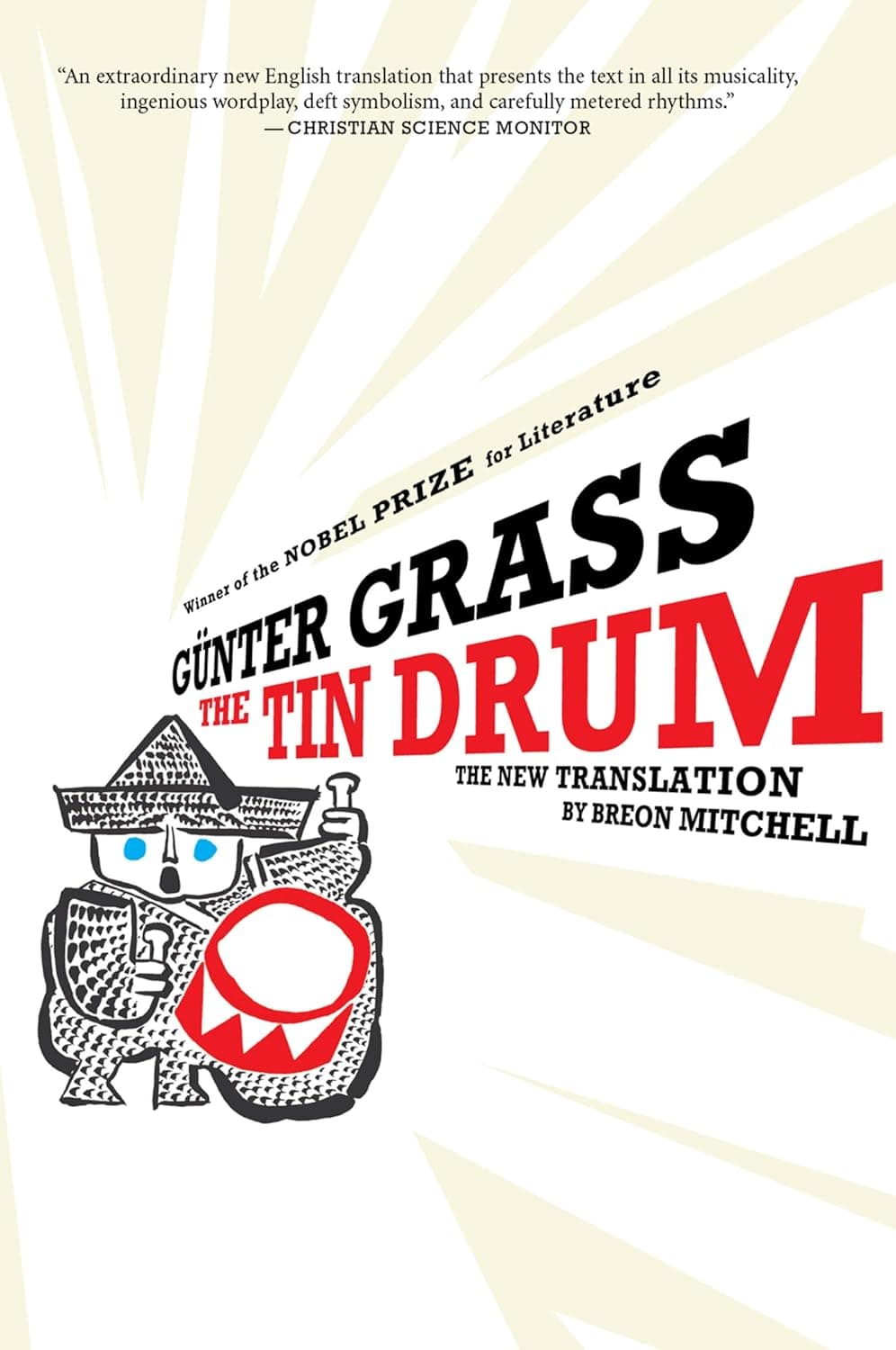
The Tin Drum

1959 · 592 pages

Oskar decides on his third birthday to stop growing, keeps his tin drum, and screams glass to pieces while the Nazis take Danzig. Grass forced postwar Germany to look at itself through him.

★ 8.3

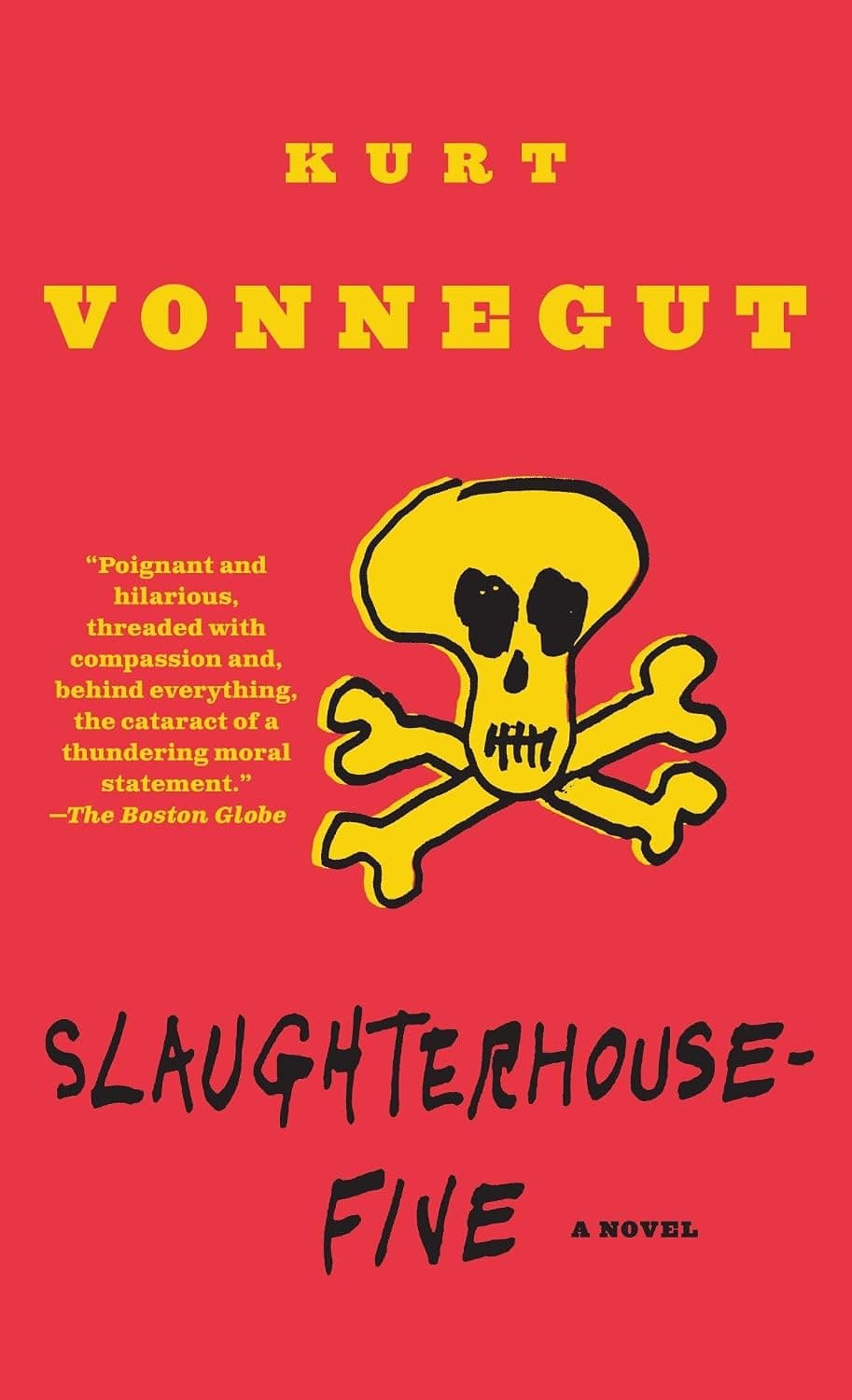
Slaughterhouse Five

1969 · 215 pages

Billy Pilgrim comes unstuck in time, between a Dresden meat locker during the firebombing and a zoo on another planet. Vonnegut was in that cellar, and writes "So it goes" after every death.

★ 8.4

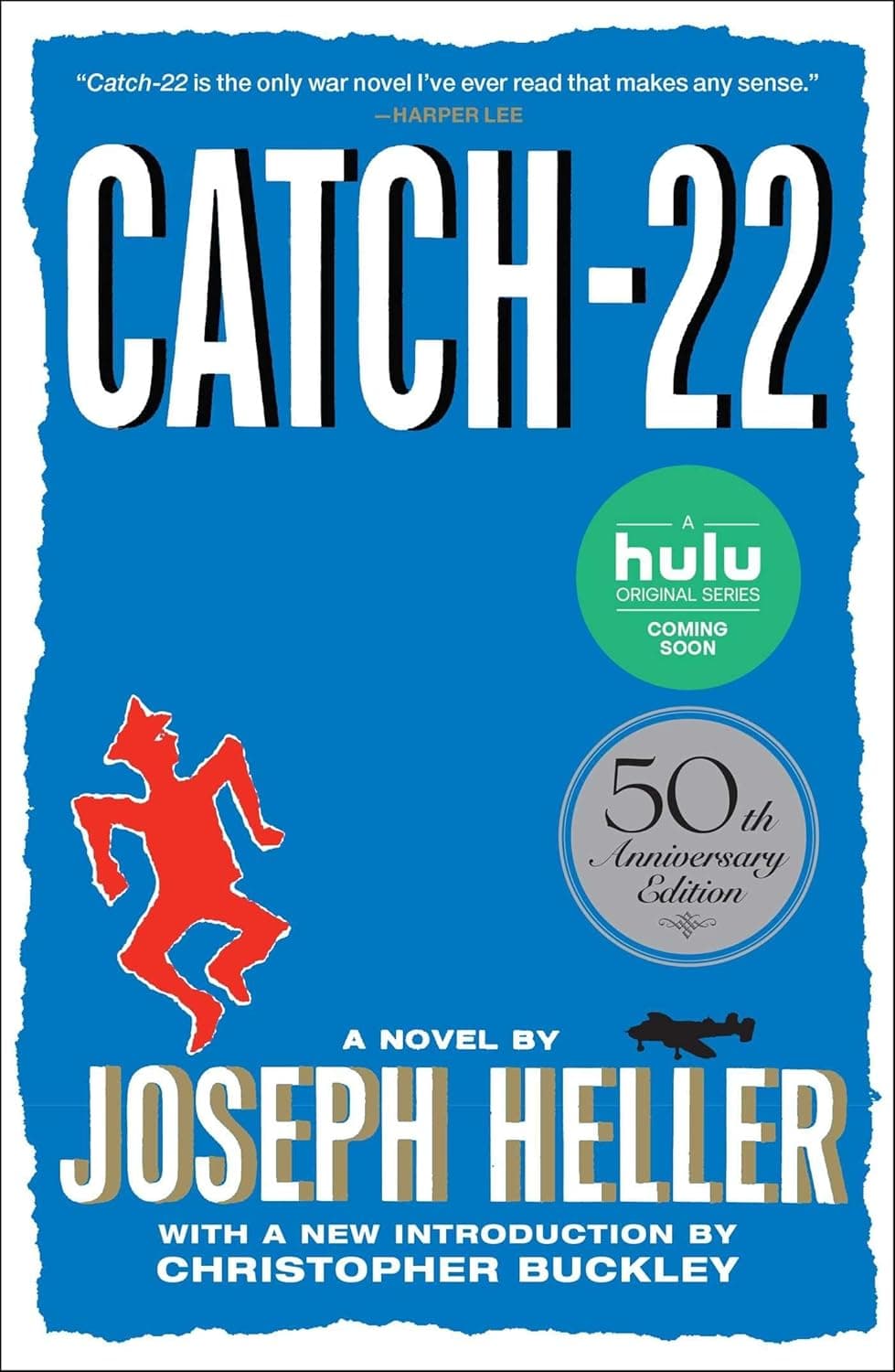
Catch-22

1961 · 524 pages

Trying to get grounded for insanity, a bombardier learns that asking to be grounded proves he is sane. Heller runs that loop through a whole war until the deaths stop being funny.

★ 8.7

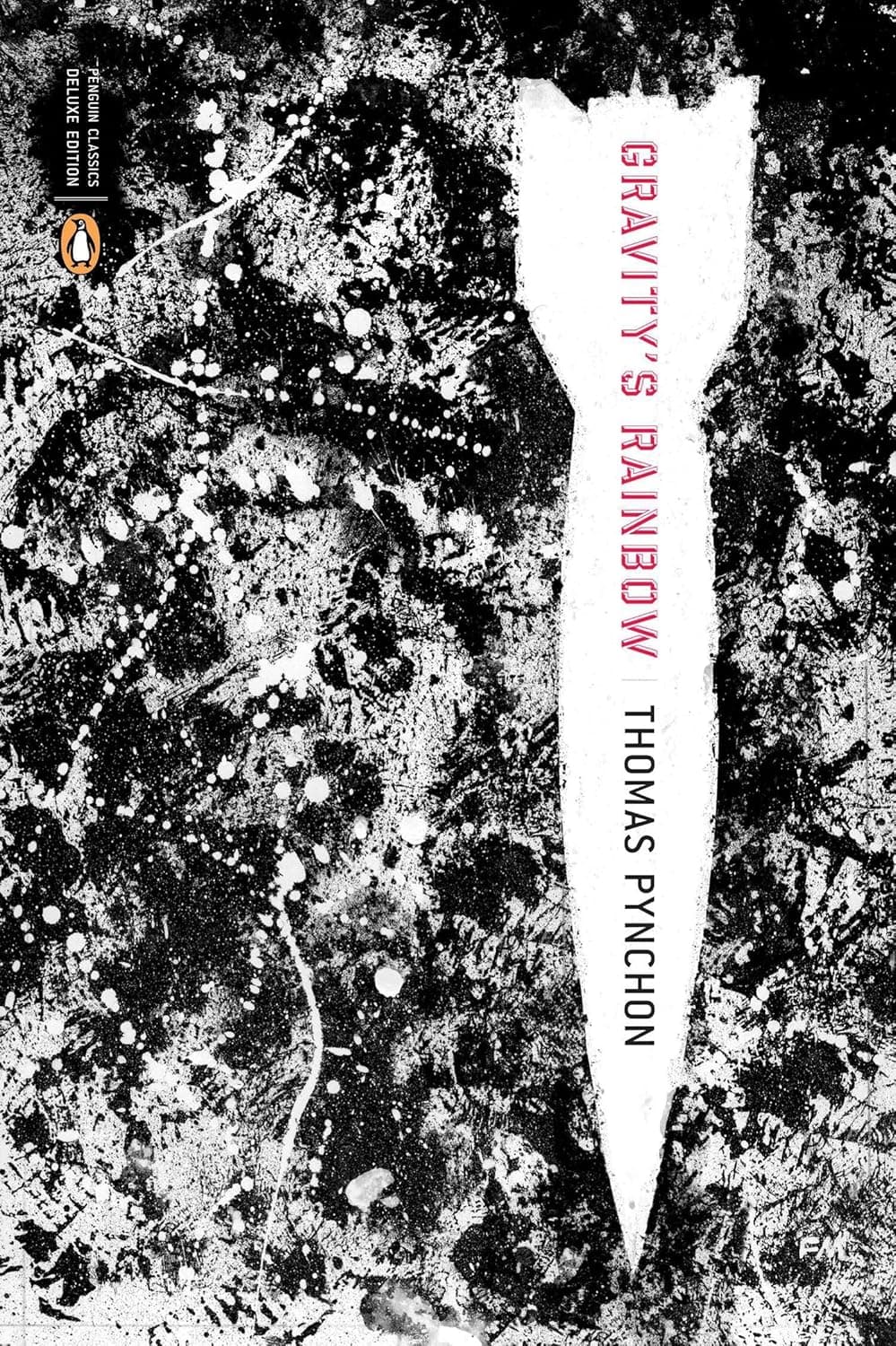
Gravity's Rainbow

1973 · 784 pages

In London in 1944 the army notices that an American officer's sexual conquests keep predicting where German rockets fall. What follows is the filthiest, funniest chase ever run across a ruined continent.

★ 8.7

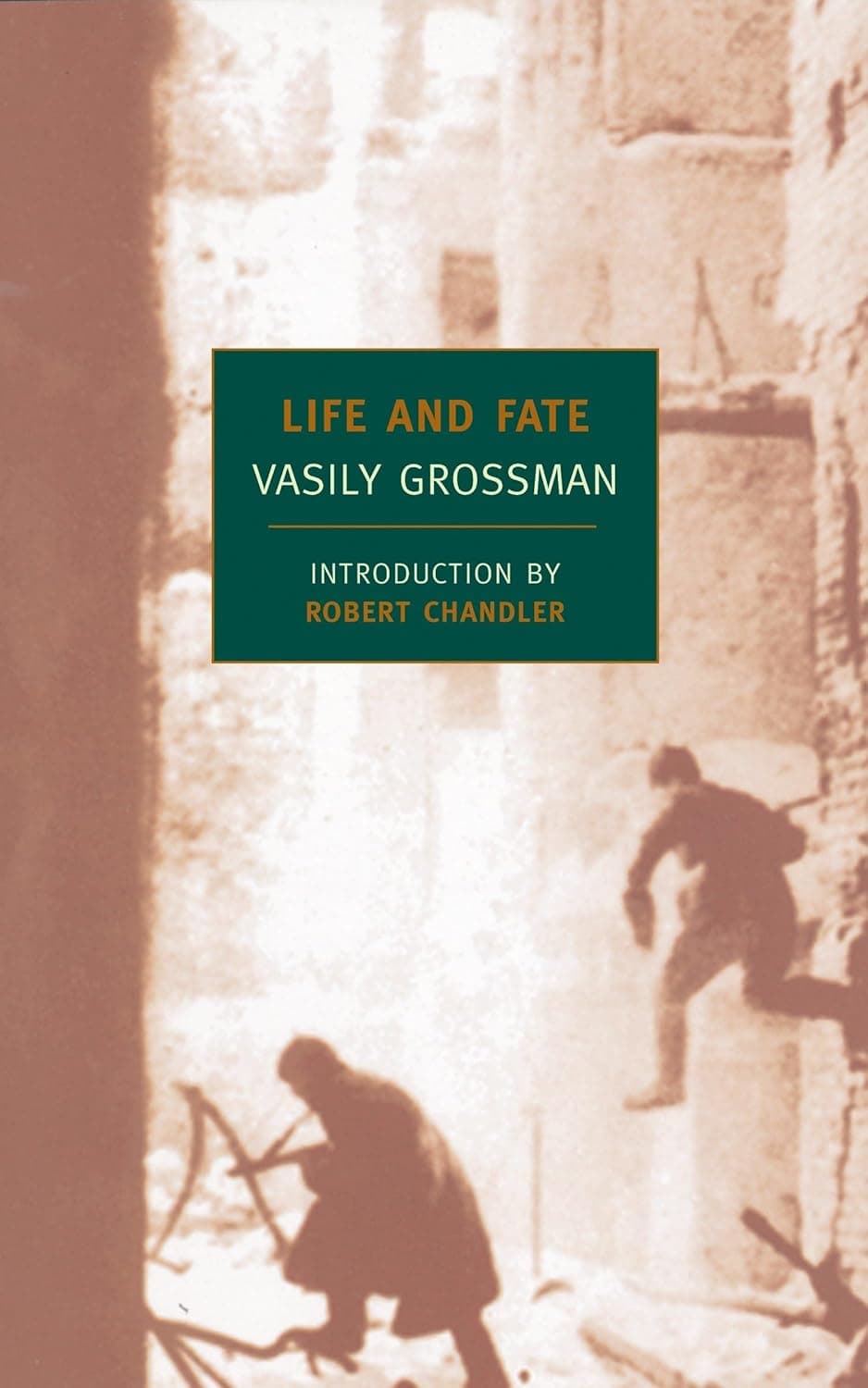
Life and Fate

1980 · 896 pages

During the siege of Stalingrad, a Soviet physicist receives his mother's last letter from a Nazi ghetto. Grossman wrote the war at Tolstoy's scale and said plainly that both tyrannies were one thing.

★ 8.7