The Looming Tower
The book that made 9/11 comprehensible. Wright traces al-Qaeda to an Egyptian educator radicalized in small-town Colorado, closing on the FBI's bin Laden hunter, dead in the towers he was guarding.

The book that made 9/11 comprehensible. Wright traces al-Qaeda to an Egyptian educator radicalized in small-town Colorado, closing on the FBI's bin Laden hunter, dead in the towers he was guarding.

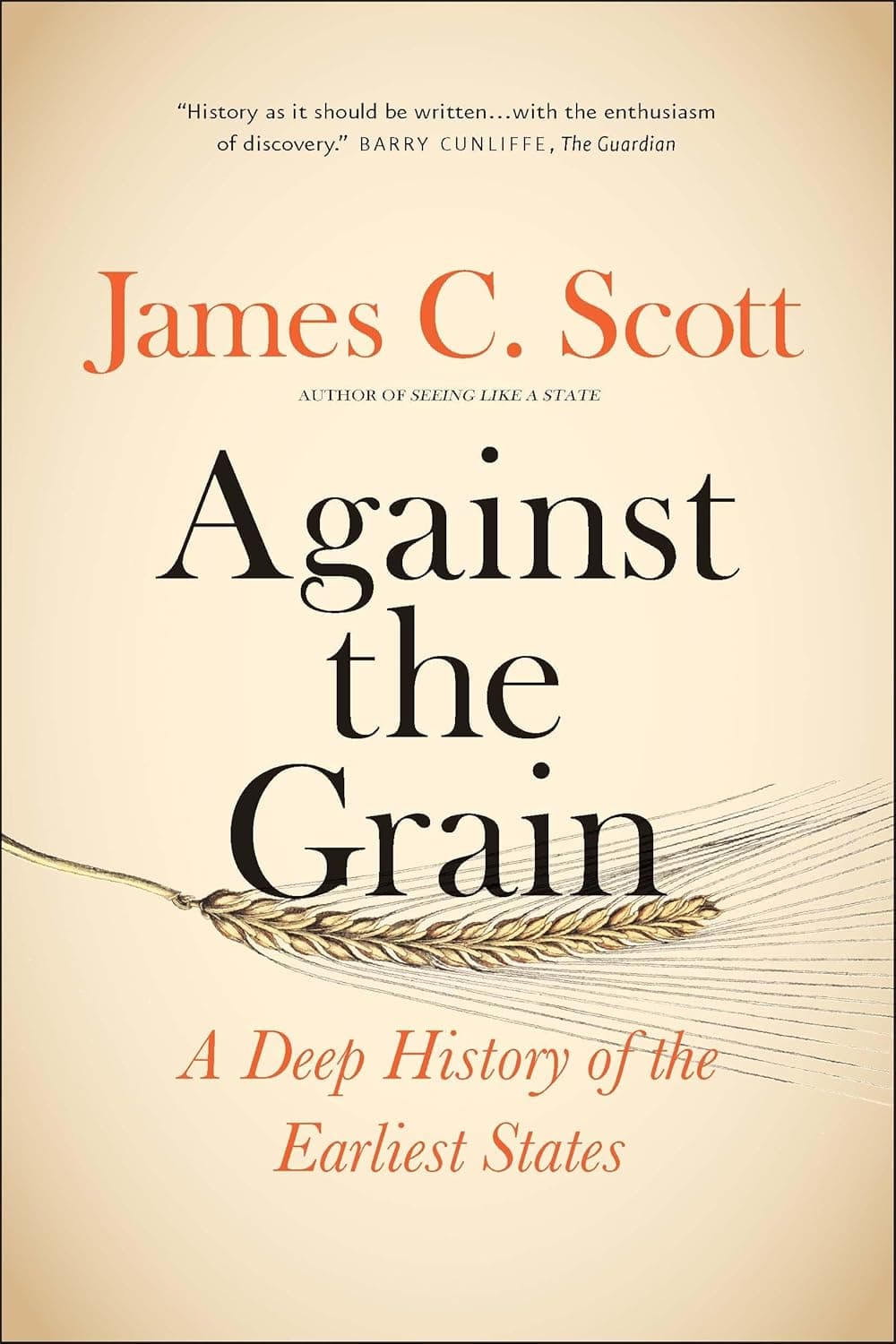
Grain built the first states, Scott argues, because it ripens on a schedule and can be counted while root crops hide underground. Early walls kept subjects in, and collapse came as relief.

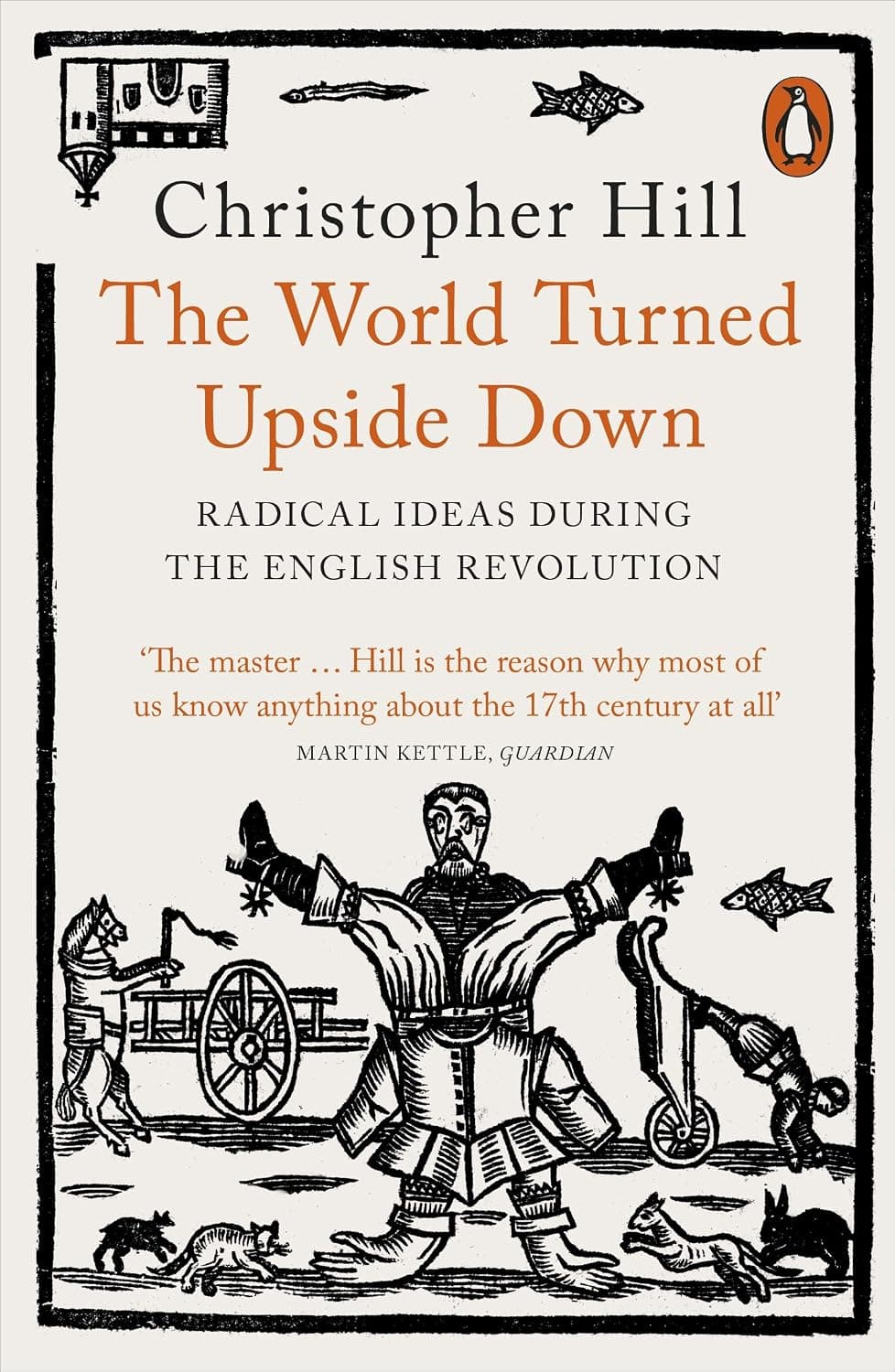
While Parliament fought the king, tinkers and soldiers were arguing for common land, free love, and no clergy. Hill recovers the Diggers, Levellers and Ranters, and the revolution that never came off.

Americans in Vietnam were fighting a country they never tried to understand, FitzGerald argues, explaining Confucian village order and the mandate of heaven to readers whose sons were still being sent there.

Wood argues the American Revolution was as radical as any in history: it dissolved a world of patronage, deference, and rank, and produced a society of equal, money-minded, self-interested citizens.

Du Bois took the first Harvard doctorate given a Black American, wrote The Souls of Black Folk, and helped found the NAACP. Lewis won Pulitzers for this volume and for its sequel.

Nations are imagined communities, Anderson argues, assembled by print: strangers reading the same newspapers and novels came to feel like one people. He gave the study of nationalism its vocabulary.

Guha carries India from independence in 1947 to the present and asks why it never broke apart, given partition, famine and insurgency. He calls it an unnatural nation and an unlikely democracy.

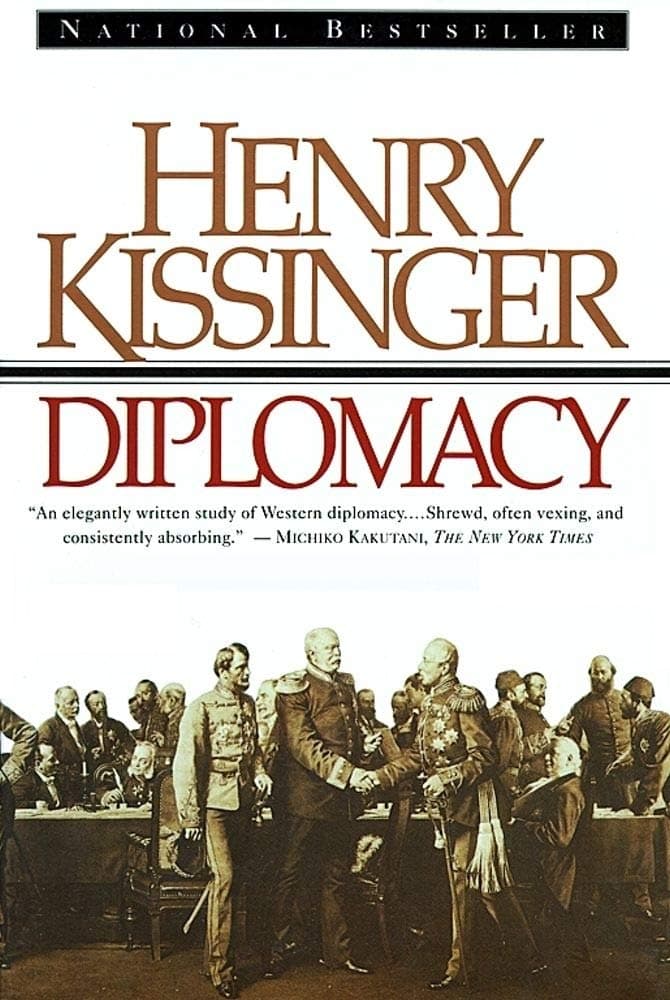
The fullest modern defense of power politics, written by a secretary of state who practiced it. Kissinger runs from Richelieu to the Cold War, insisting that order rests on balance, not moral aspiration.

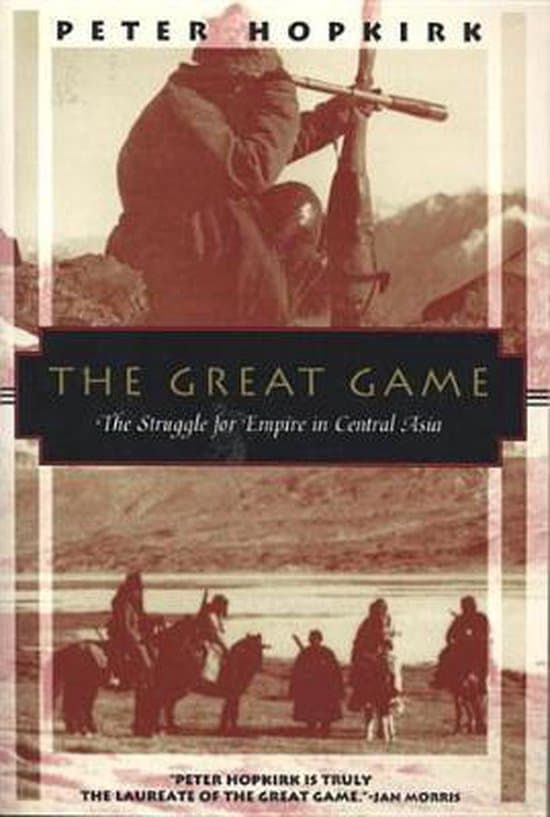
Britain and Russia crept toward each other across Central Asia until two thousand miles between them became twenty. Hopkirk tells it through the officers who rode alone into Bukhara, Khiva, and Kabul.

Violence was not the French Revolution's tragic accident but its engine, Schama argues, and the Terror merely 1789 with a higher body count. The book drew furious rebuttals from historians on the left.

Hofstadter strips the myths off American statesmen from Jefferson to Franklin Roosevelt and finds one propertied creed underneath. The Emancipation Proclamation, he writes, had all the moral grandeur of a bill of lading.

Shirer broadcast from Berlin as the rallies filled, then worked through captured German files and Nuremberg testimony to tell the story from beer hall to bunker. A million American households bought it.

The twentieth century runs from 1914 to 1991 in Hobsbawm's account, moving through catastrophe, a golden age of postwar boom, then landslide. No later history of the century has displaced it.

Two revolutions, one political in France and one industrial in Britain, fused into a single upheaval that remade work, politics, art, and belief. Historians still carve up the nineteenth century along Hobsbawm's lines.

Colonists rebelled because they believed London was conspiring to destroy their liberty. Reading hundreds of pamphlets, Bailyn showed that ideas made the Revolution. A generation of historians rewrote the founding on his terms.

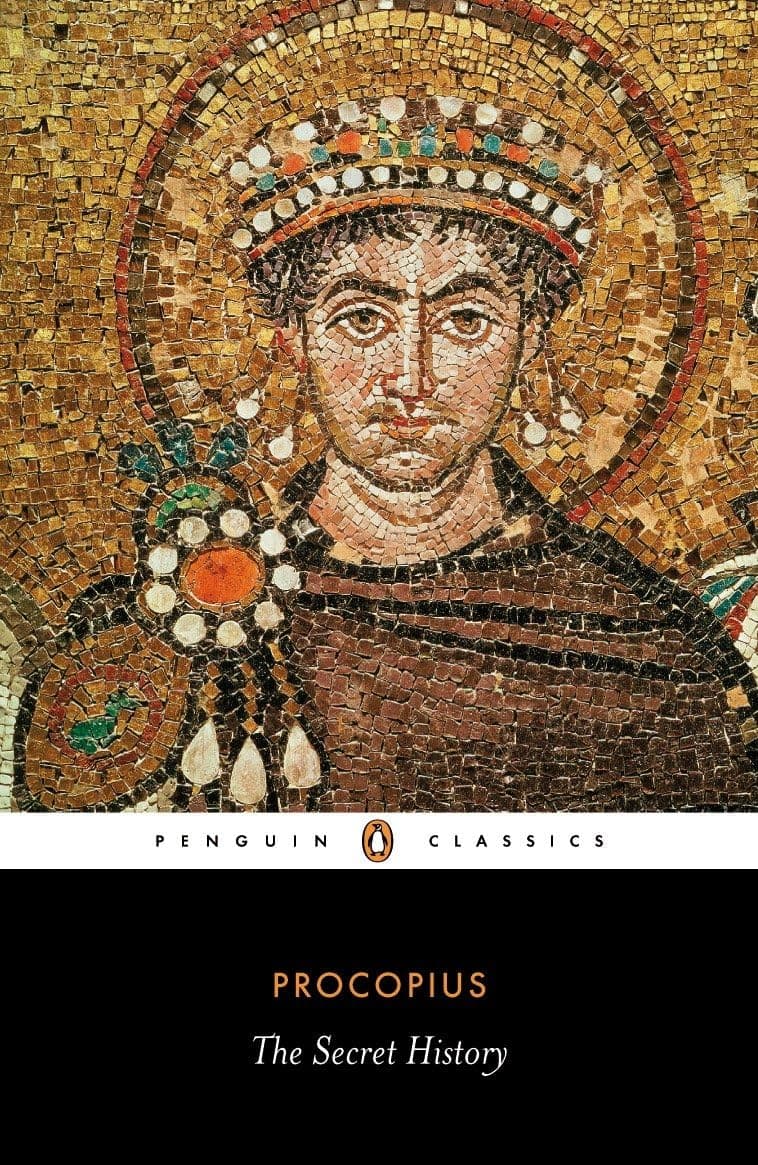
Justinian's official historian kept a second book he could not publish: the emperor a demon pacing the palace at night without a head, the empress insatiable. Nothing from antiquity carries this much hatred.

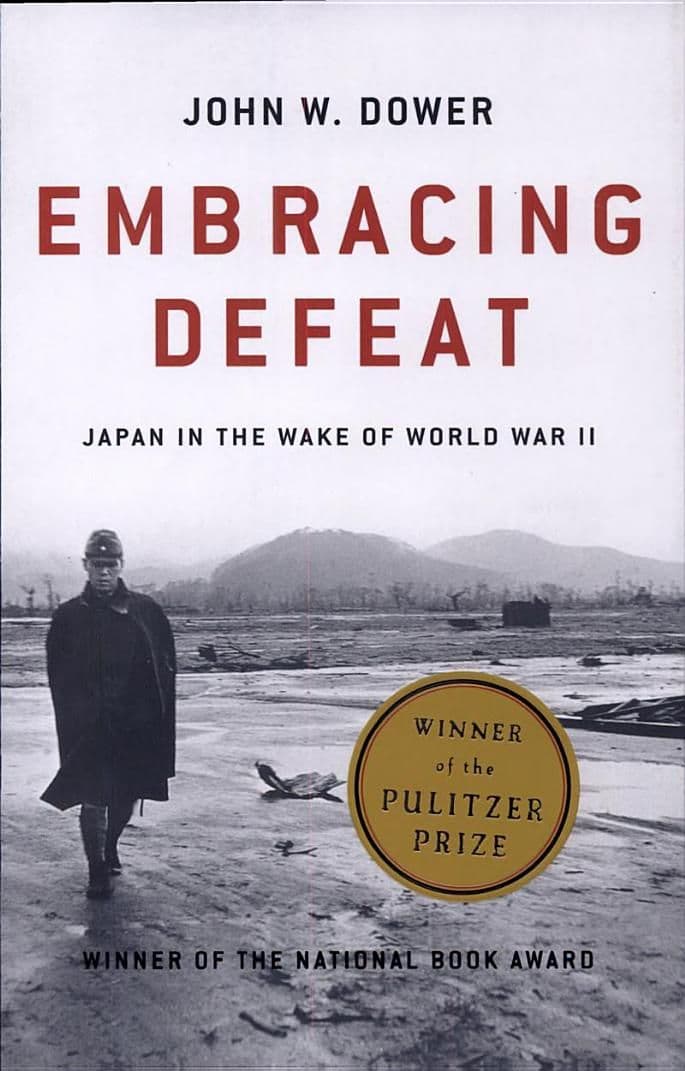
Defeated Japan is starving and occupied. Dower tells the years after 1945 from street level, through black markets, pulp magazines, and letters to MacArthur. The Japanese emerge remaking themselves rather than remade.

Virginia's planters learned from the uprising of 1676 that poor whites and enslaved Africans might combine against them, and answered by writing racial contempt into law. Morgan makes freedom and slavery one story.

Carlyle writes the Revolution in the present tense, as though standing in the crowd. The Bastille falls and the Terror arrives as things still happening, history delivered as thunder rather than explanation.

Branch follows Martin Luther King from the Montgomery bus boycott to Birmingham, moving between black church basements, the Kennedy White House, and the FBI, and ten years become full American history.

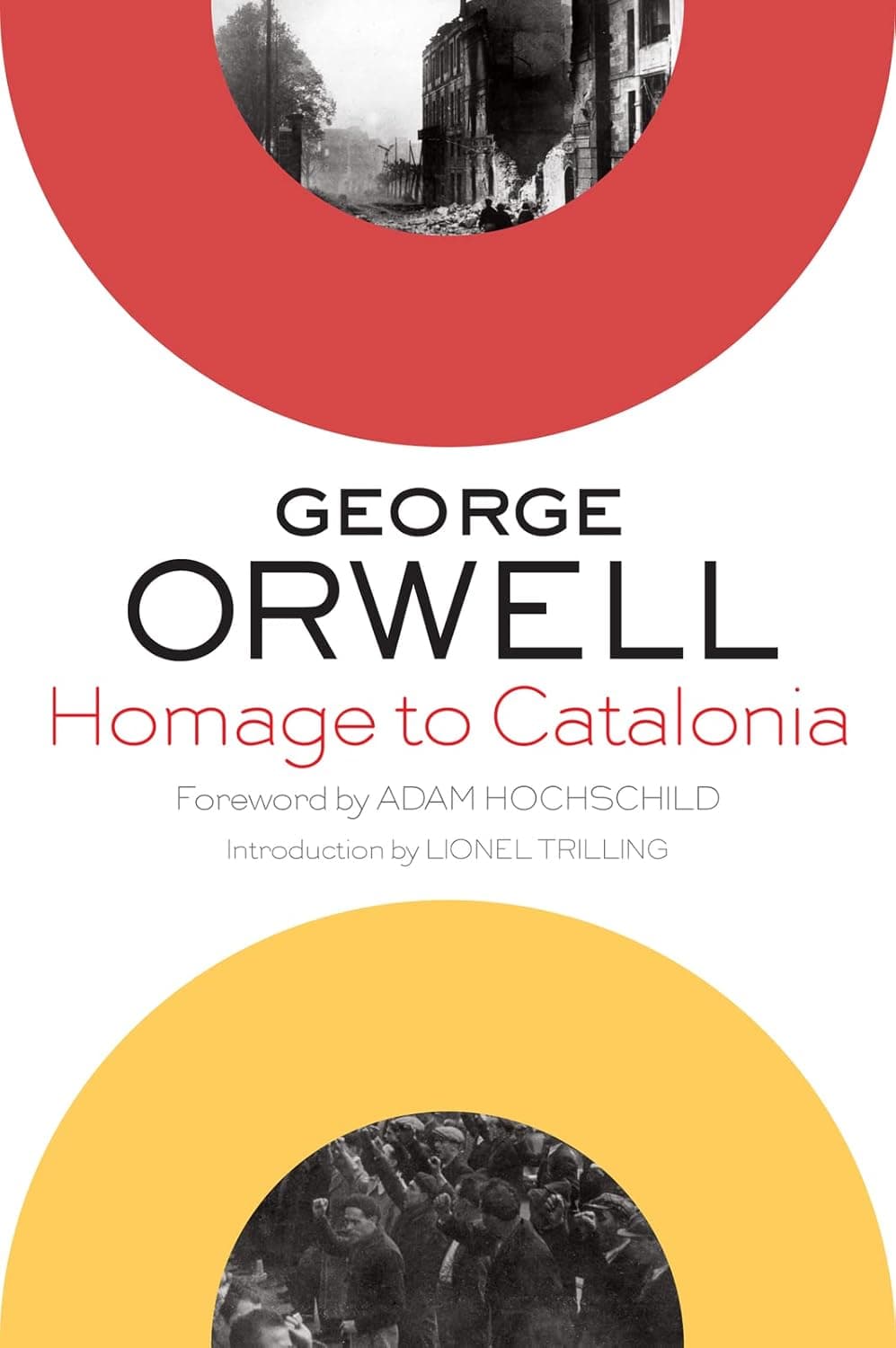
Orwell joined a militia on the Aragon front, took a sniper's bullet through the throat, then watched Communist allies brand his comrades fascists. The clearest book anyone wrote about being lied to.

Enslaved people freed themselves, Du Bois argues, walking off plantations in a general strike that broke the Confederacy. He then shows what Black voters built during Reconstruction and who tore it down.

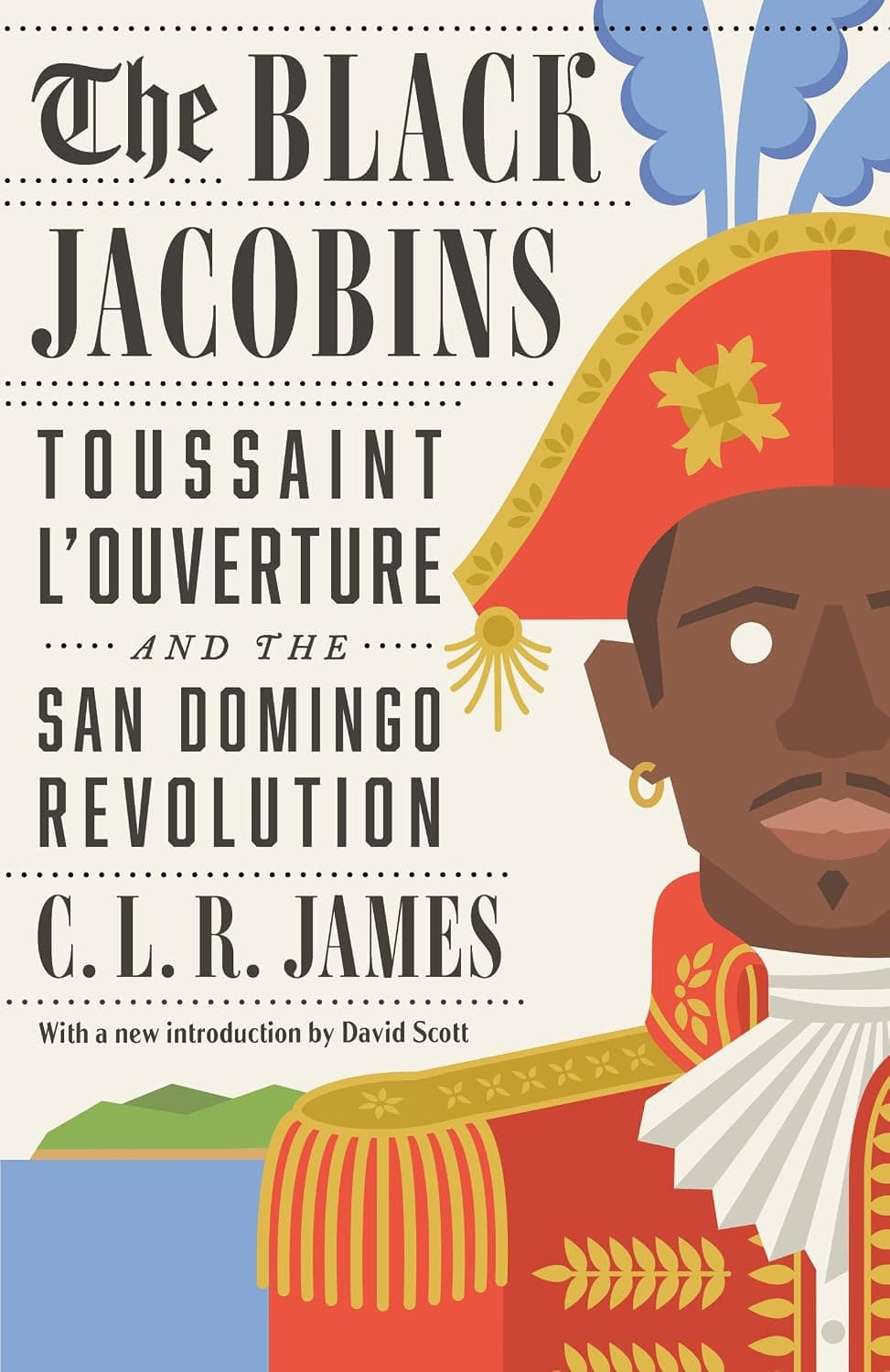
Enslaved people in the French colony that became Haiti rose in 1791 and defeated Napoleon's army. James wrote their revolution as world history, with Toussaint Louverture, born a slave, at its center.

The men who walked America into Vietnam were the most credentialed in Washington, and Halberstam shows how their brilliance became the problem. He reconstructs the meetings and memos that made escalation feel reasonable.

Modern conservatism begins here, in Burke's fury at revolutionaries who tore down old institutions for the sake of an abstraction. Society is a partnership between the dead, the living, and the unborn.

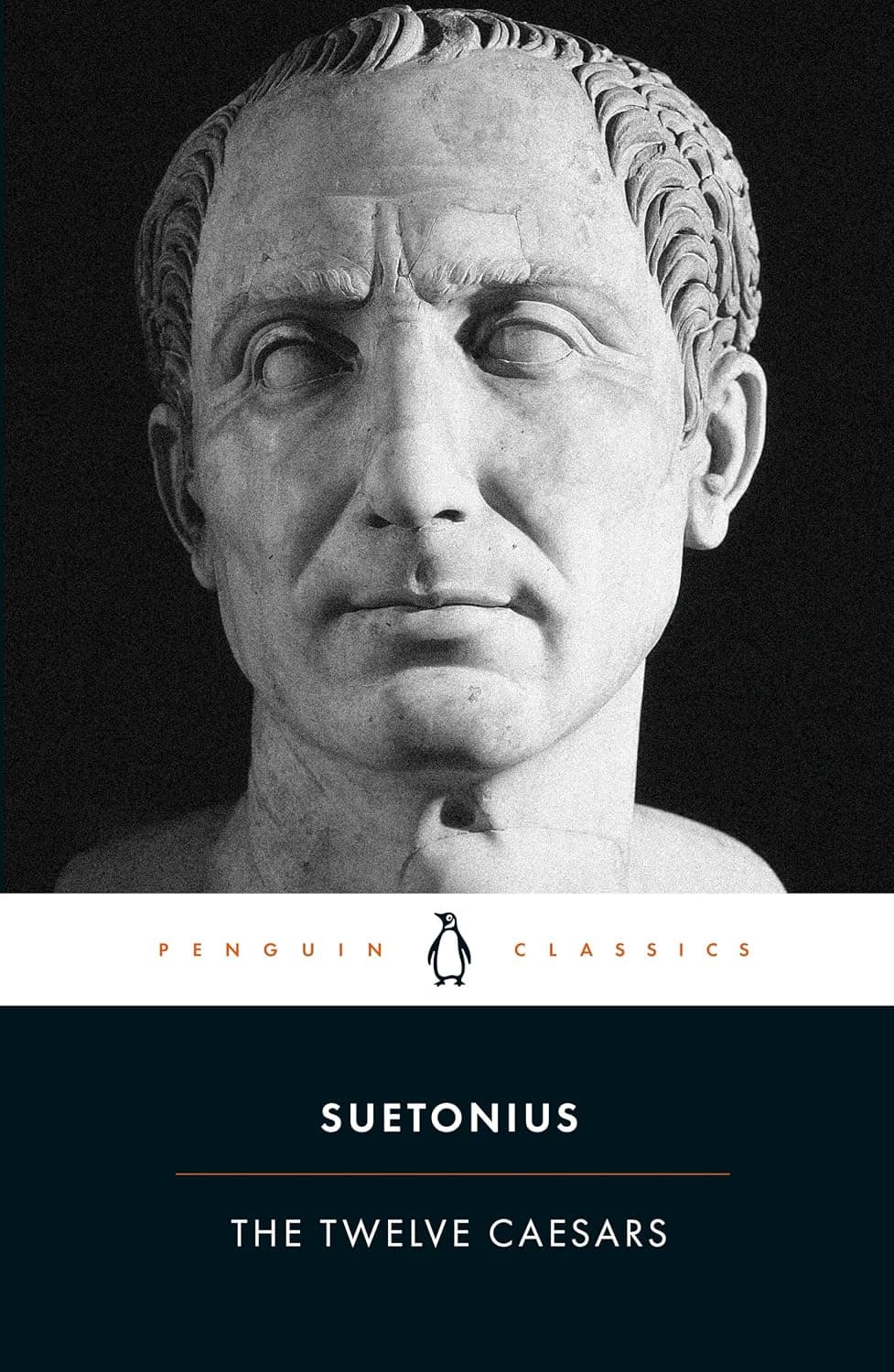
Secretary to the emperor Hadrian, Suetonius wrote the lives of Julius Caesar and eleven emperors after him, omens, gossip, last words and all. Our picture of Nero comes straight from these pages.

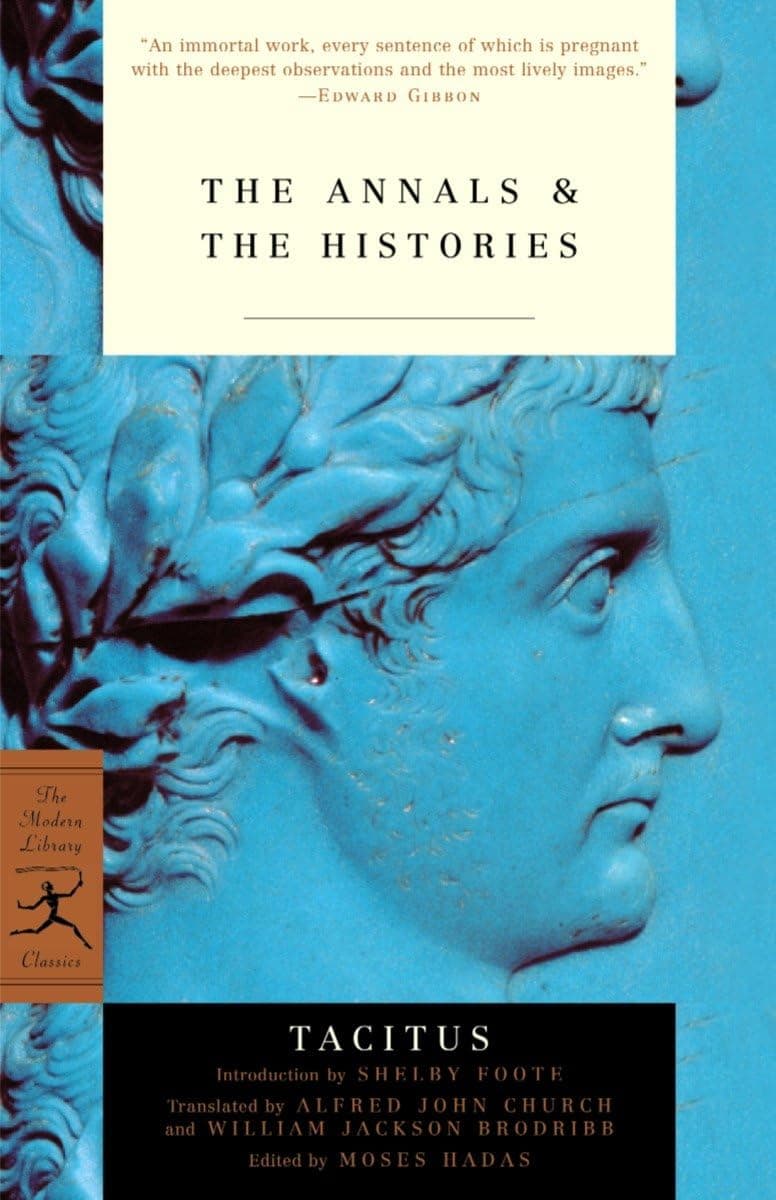
Tacitus promises to write without anger or partiality, then follows Rome from Augustus through Tiberius, Claudius, and Nero, ruining each of them in half a sentence. Power has never had a colder witness.

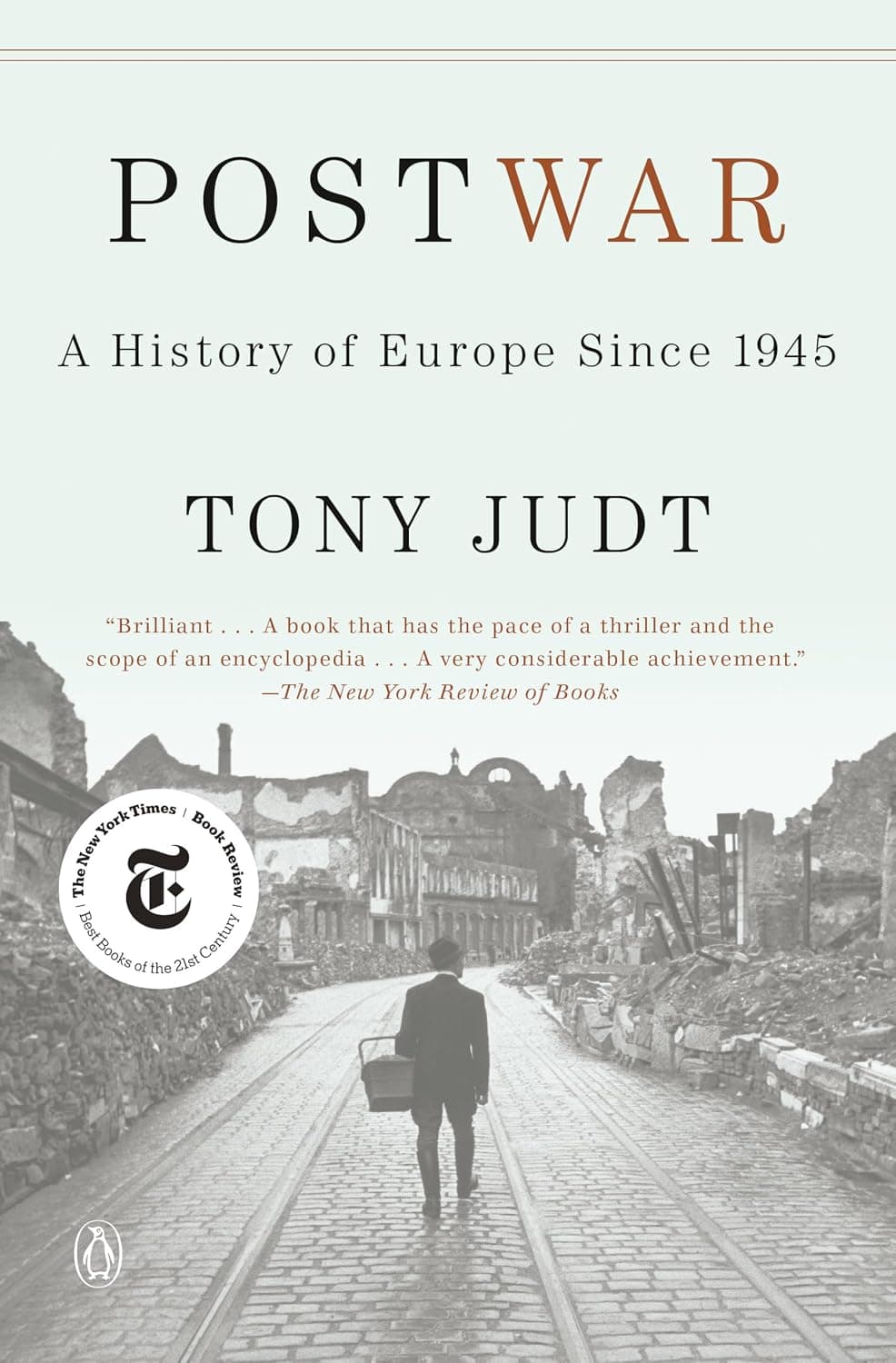
Judt carries Europe from the rubble of 1945 to 2005, east and west in one story, showing a continent that rebuilt itself by forgetting the war and then defined itself by remembering it.

Exiled after losing a city, Thucydides wrote the war that ruined Athens, explaining it by fear and self-interest, not the gods. At Melos his Athenians say the strong do what they can.

Gibbon follows Rome from its imperial peak to the fall of Constantinople thirteen centuries later, in the finest prose English history possesses. His contempt for Christianity still makes readers laugh.