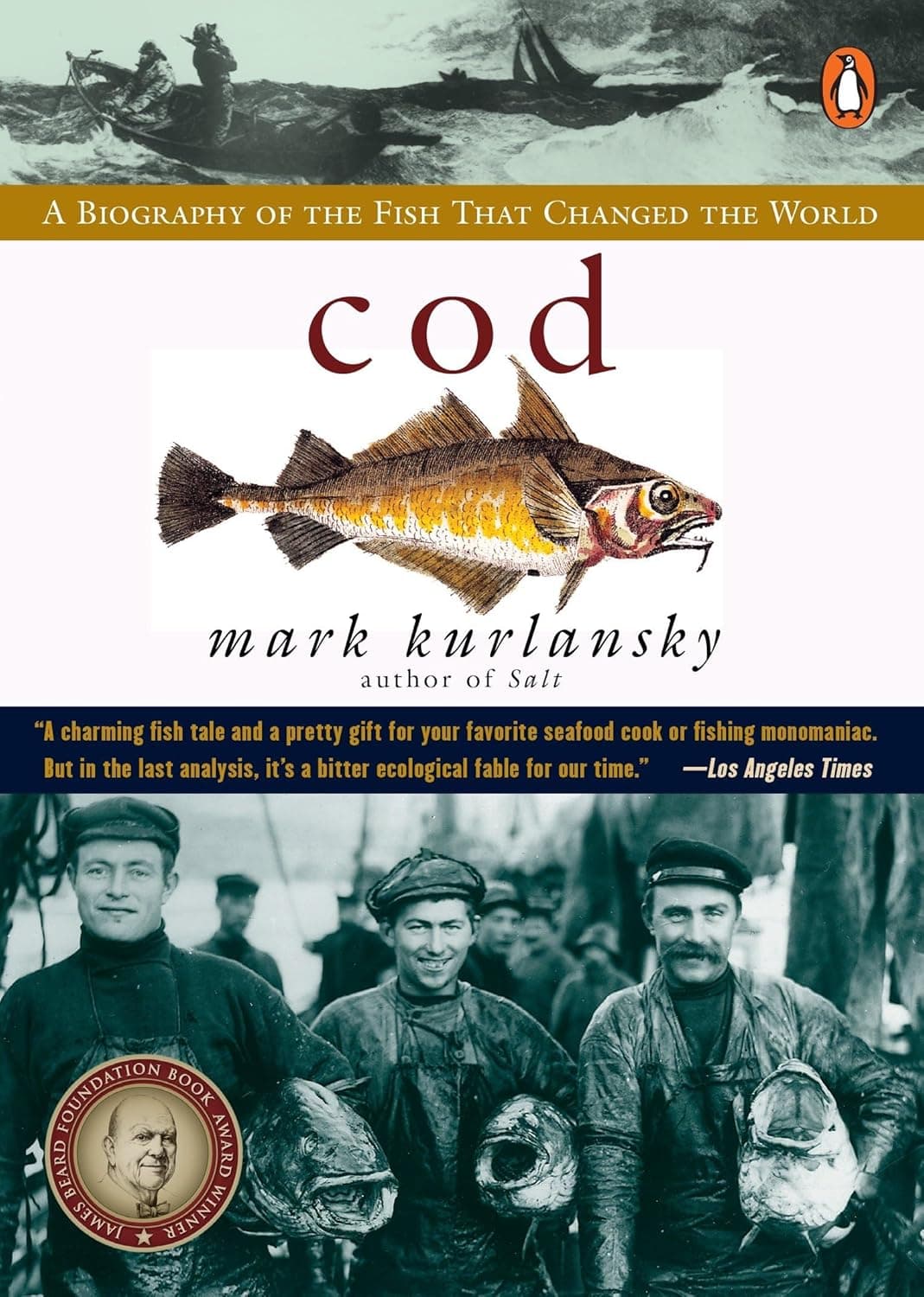
Cod
1997 · 304 pages
One fish shaped the whole Atlantic world. Kurlansky follows cod from the Basques and their secret fishing grounds through the slave-trade economies it fed to the Grand Banks collapse of 1992.
★ 4.5
 skopia
One fish shaped the whole Atlantic world. Kurlansky follows cod from the Basques and their secret fishing grounds through the slave-trade economies it fed to the Grand Banks collapse of 1992.

Bubbles are not aberrations but a permanent feature of markets. Chancellor follows the fever from tulip mania through the South Sea Bubble to Japan's 1980s, with borrowed money at the center every time.
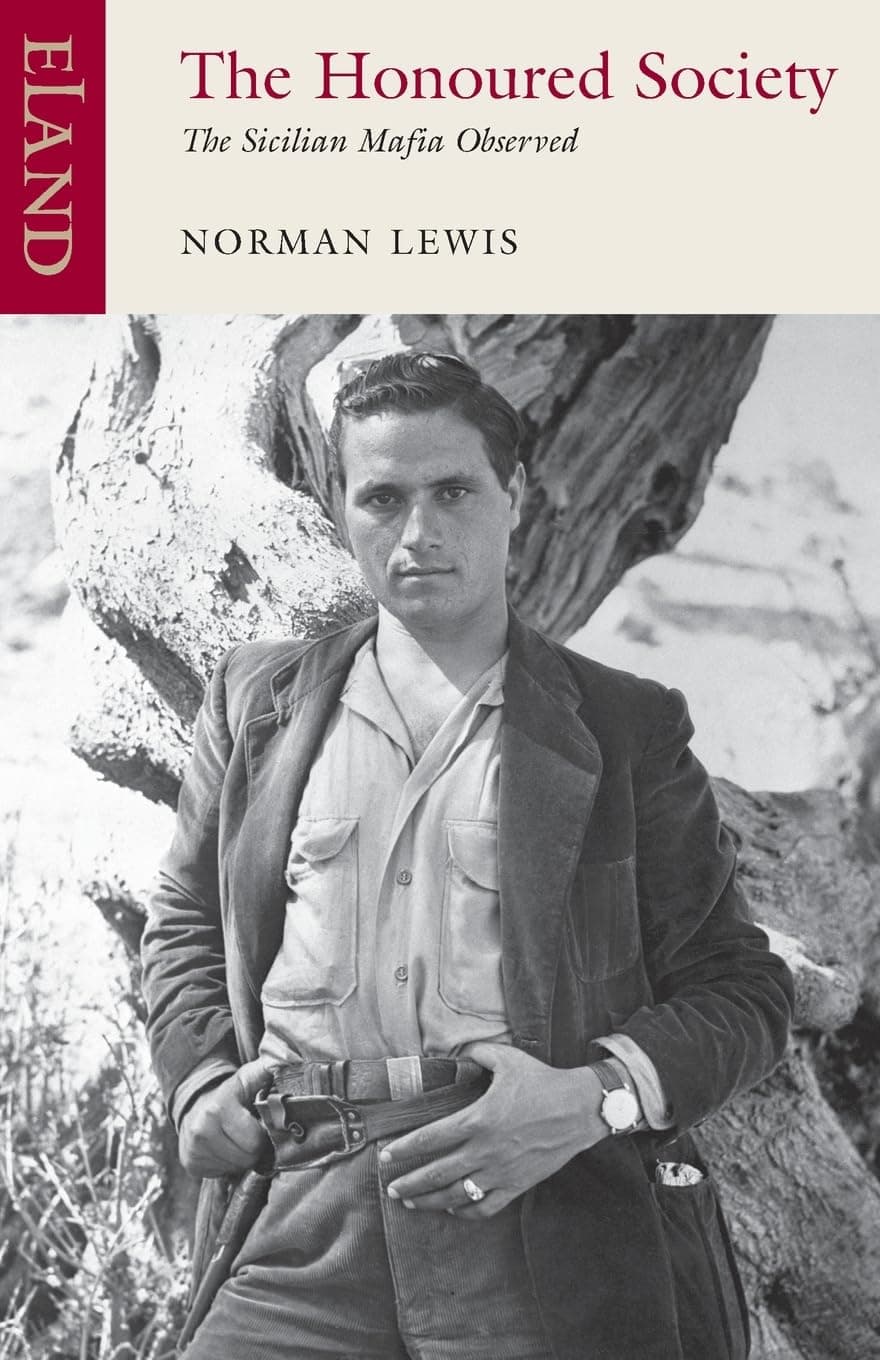
Lewis walked postwar Sicily and found monks running extortion from the confessional and Mafia bosses installed as mayors by American liberators, whose invasion, he argues, restored what Mussolini had nearly destroyed.
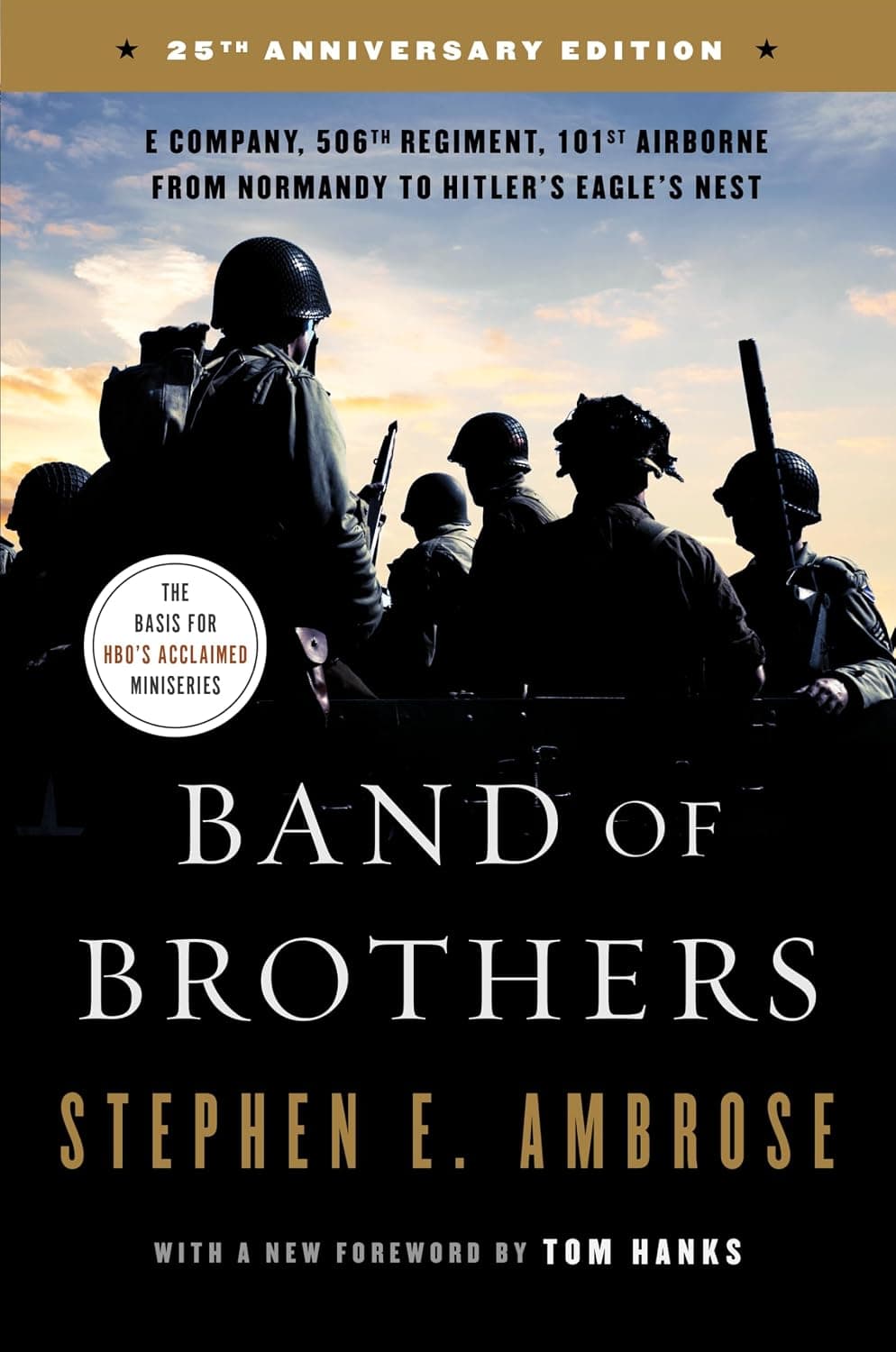
Easy Company jumped into Normandy on D-Day, held Bastogne through the snow short of ammunition and coats, and finished the war at Hitler's alpine retreat. Ambrose built it from the men's own accounts.
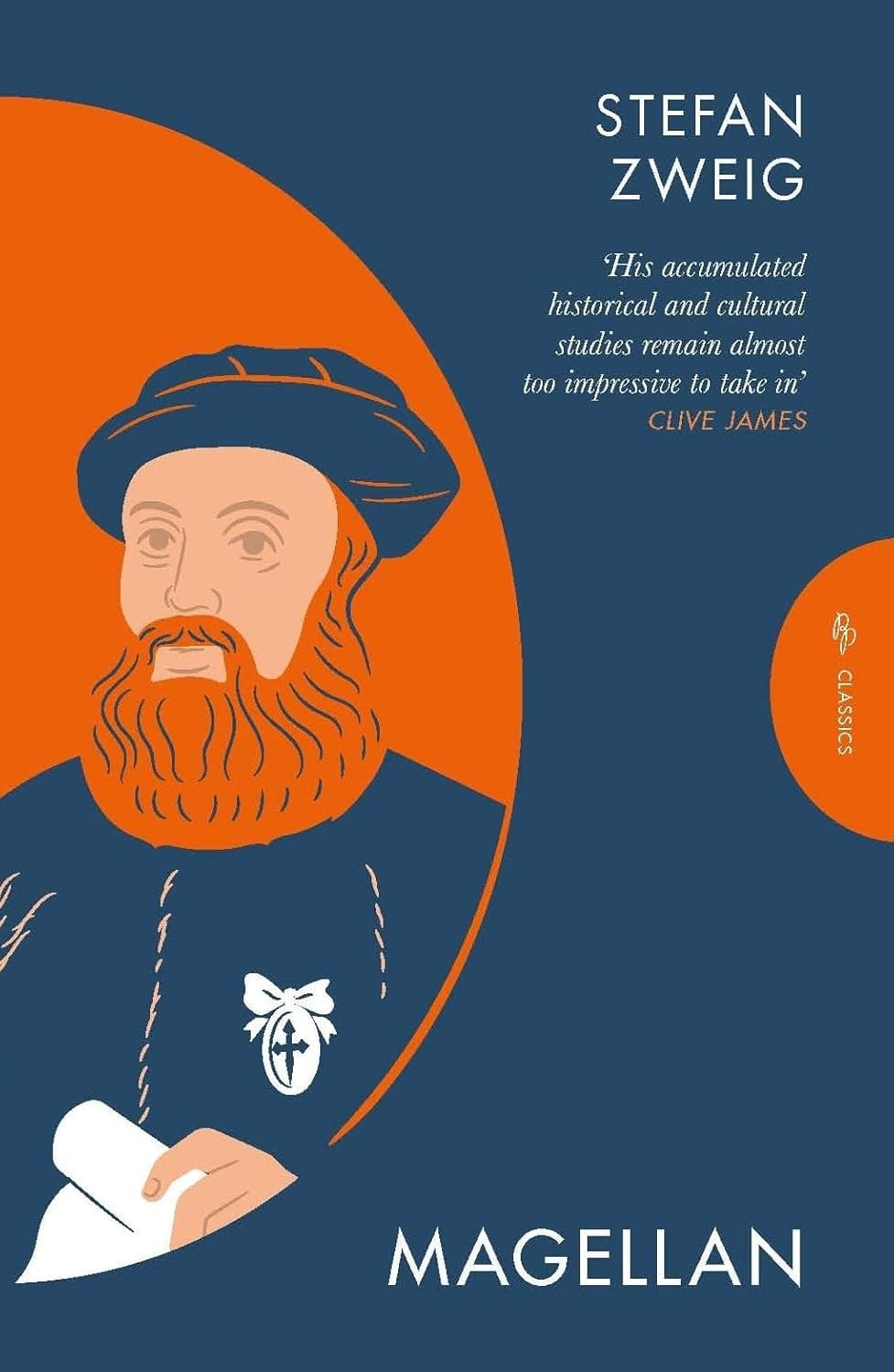
Five ships left Seville in 1519 and one came home three years later with eighteen men aboard. Zweig tells the circumnavigation as the story of an obstinate will set against an unmapped ocean.
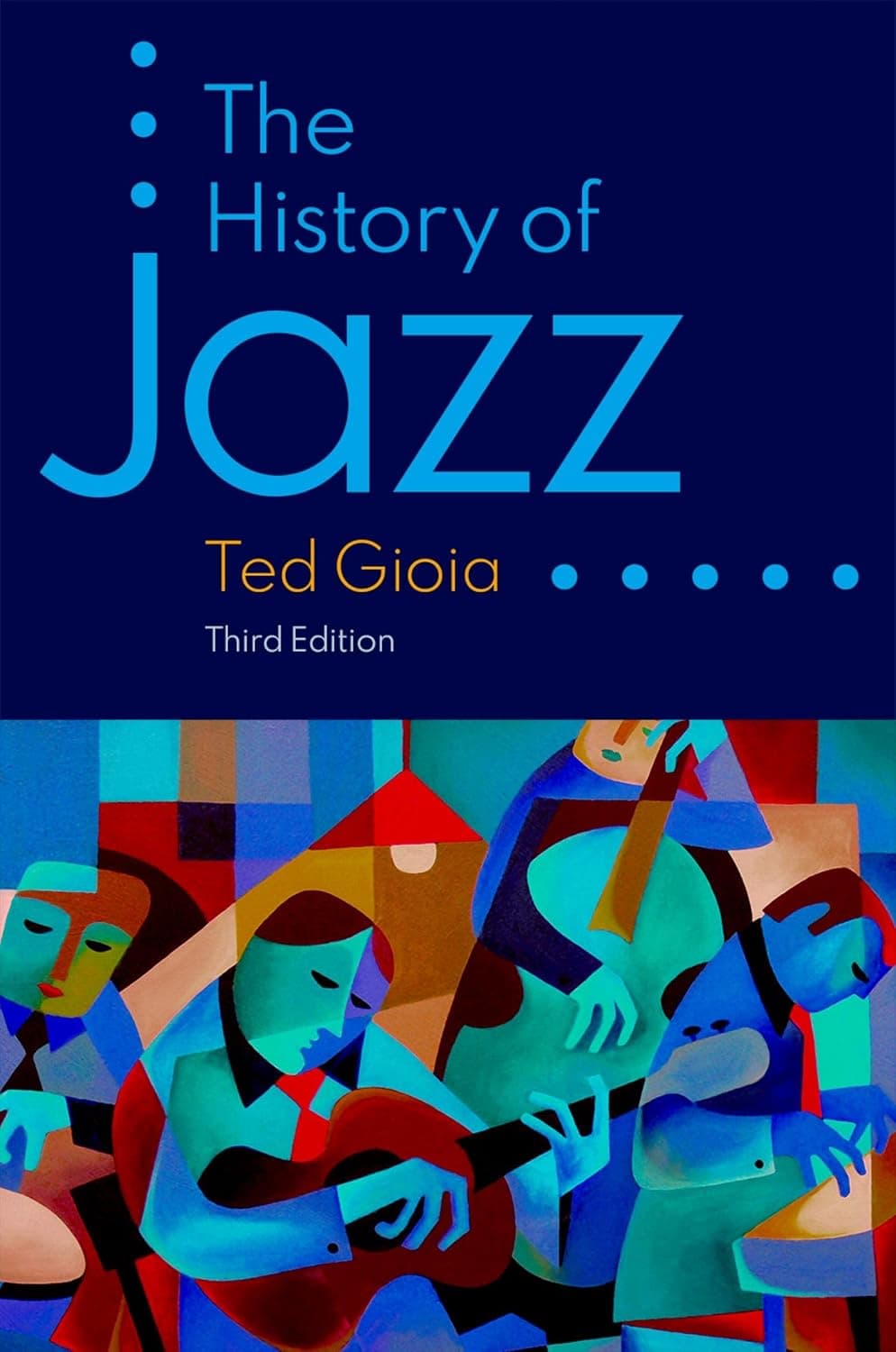
Gioia plays jazz piano and writes criticism, and both show in the single history worth owning, which runs from the New Orleans brass bands through bebop and Coltrane to what is played now.

History is a bottomless well, Gombrich tells his young reader: drop a burning scrap of paper down it and watch. Forty chapters carry you from the first humans to his own century.
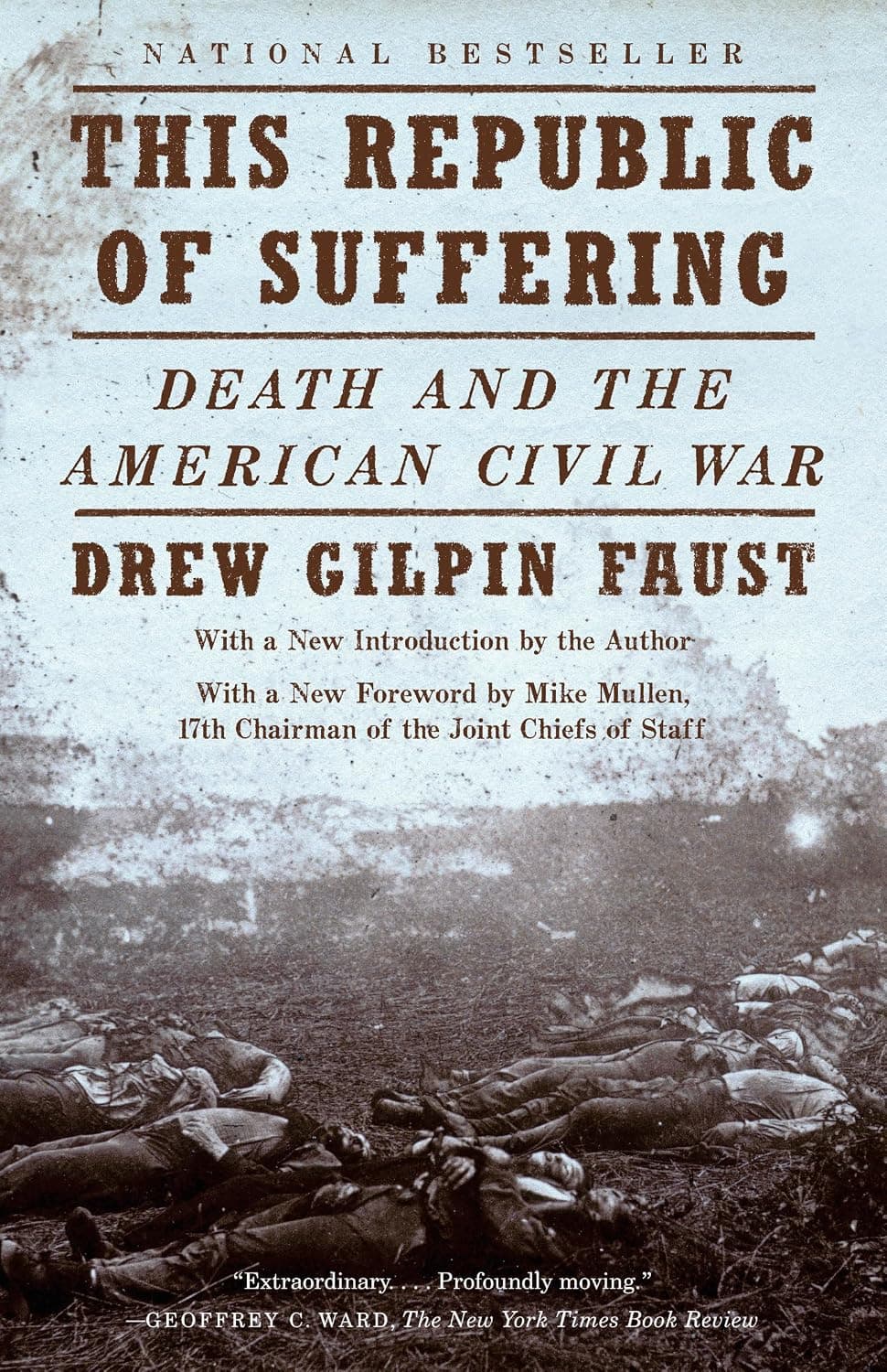
Faust shows a country improvising the machinery of mass death: embalming, identifying bodies, burying the unknown at federal expense. Six hundred twenty thousand men died between 1861 and 1865, most among strangers.

Four generations of one bank, from Victorian London to the crash of 1987. Chernow's Pierpont Morgan locks New York's bankers in his library until they agree to end the Panic of 1907.
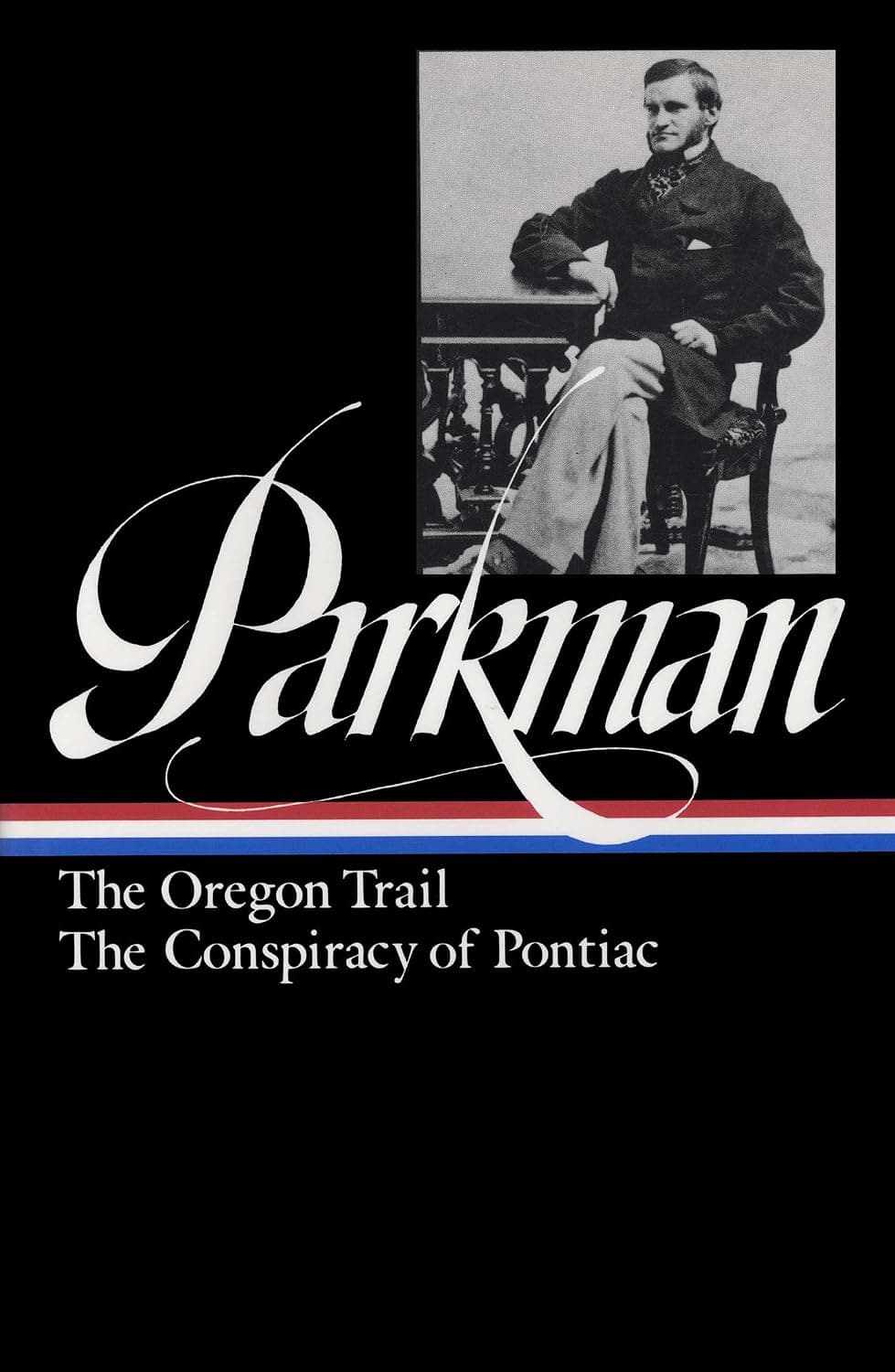
Twenty-three and fresh from Harvard, Parkman rode onto the 1846 prairie and spent three weeks hunting buffalo with an Oglala Sioux band. He got the West down before the railroads reached it.

Two centuries of crusade told from the receiving end, out of the Arab chroniclers: the Franj, as they called the invaders, eat the dead at Maarat and sack Jerusalem the following year.

The book that made 9/11 comprehensible. Wright traces al-Qaeda to an Egyptian educator radicalized in small-town Colorado, closing on the FBI's bin Laden hunter, dead in the towers he was guarding.

Kitchen by kitchen, Alexievich recorded Soviet citizens describing what the collapse did to them. They talk about lost savings and lost faith, and a bewildering grief for the country that jailed their parents.

Cancer gets a full biography, traced from an Egyptian physician's papyrus to the leukemia ward where Mukherjee treats a young kindergarten teacher. He makes the invention of chemotherapy read like a war.

Christianity as a three-thousand-year argument, beginning with Greece and Israel long before Christ. MacCulloch refuses to tell it as a Western story: after eight centuries, Baghdad looked a likelier capital than Rome.
Grain built the first states, Scott argues, because it ripens on a schedule and can be counted while root crops hide underground. Early walls kept subjects in, and collapse came as relief.

Wonder was never innocent, Greenblatt argues. Reading Columbus's landfall and the travel writers around him, he catches the moment when amazement at a new world hardens into a claim to own it.
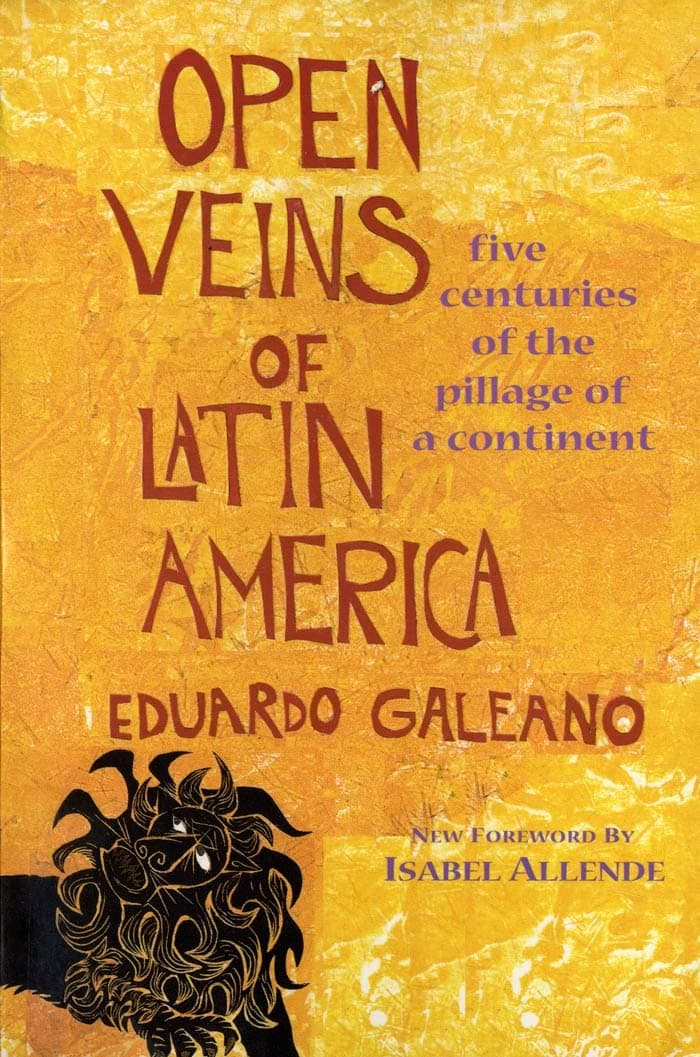
Galeano's charge is that Latin America is poor because it was rich: five centuries of silver, sugar, rubber and oil carried off to Europe and the United States. Four dictatorships banned the book.
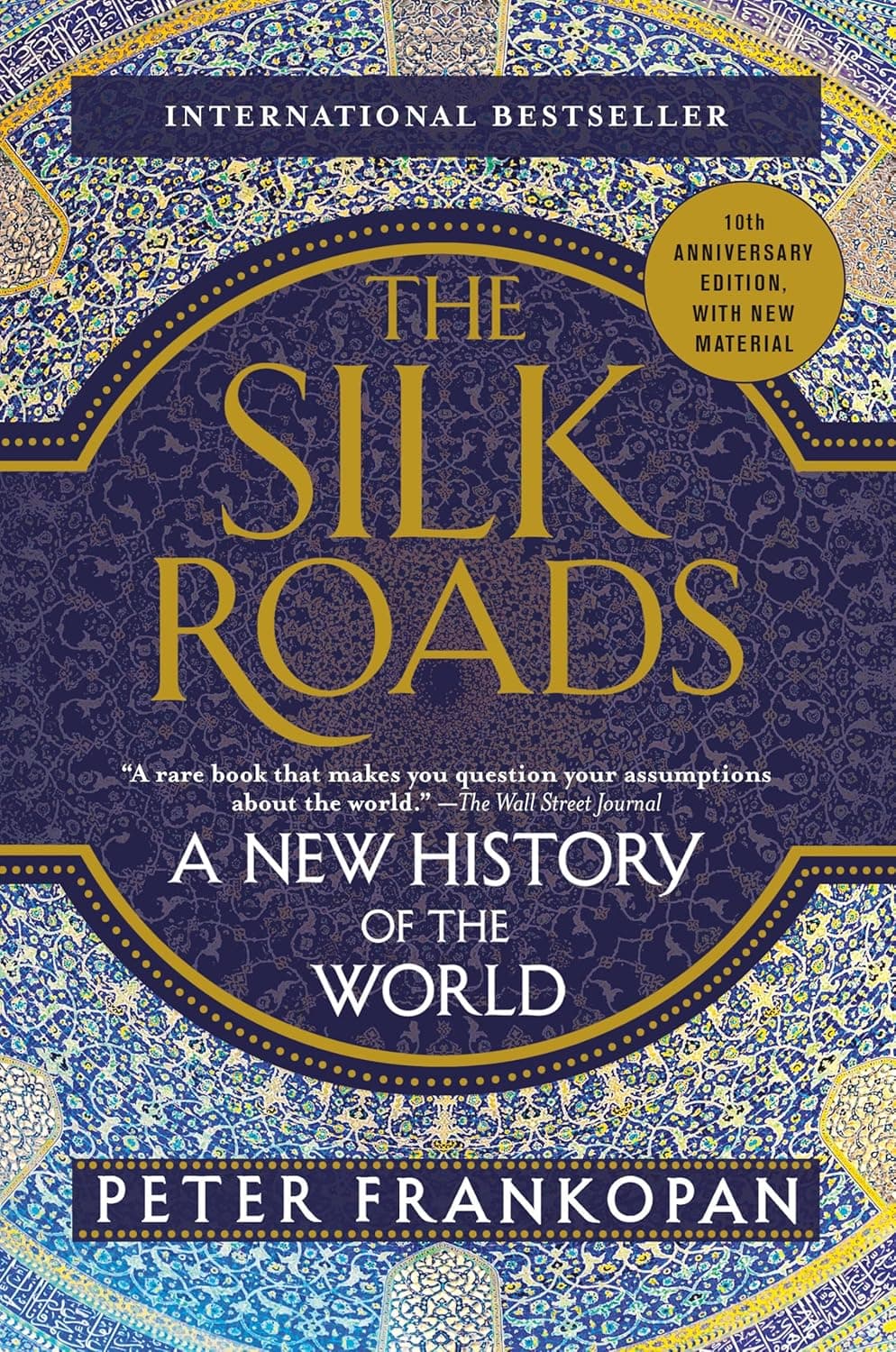
Europe was a latecomer and a backwater, Frankopan argues: across two millennia wealth, faith and plague traveled the roads between Persia and China, and he sees the world's center moving back.
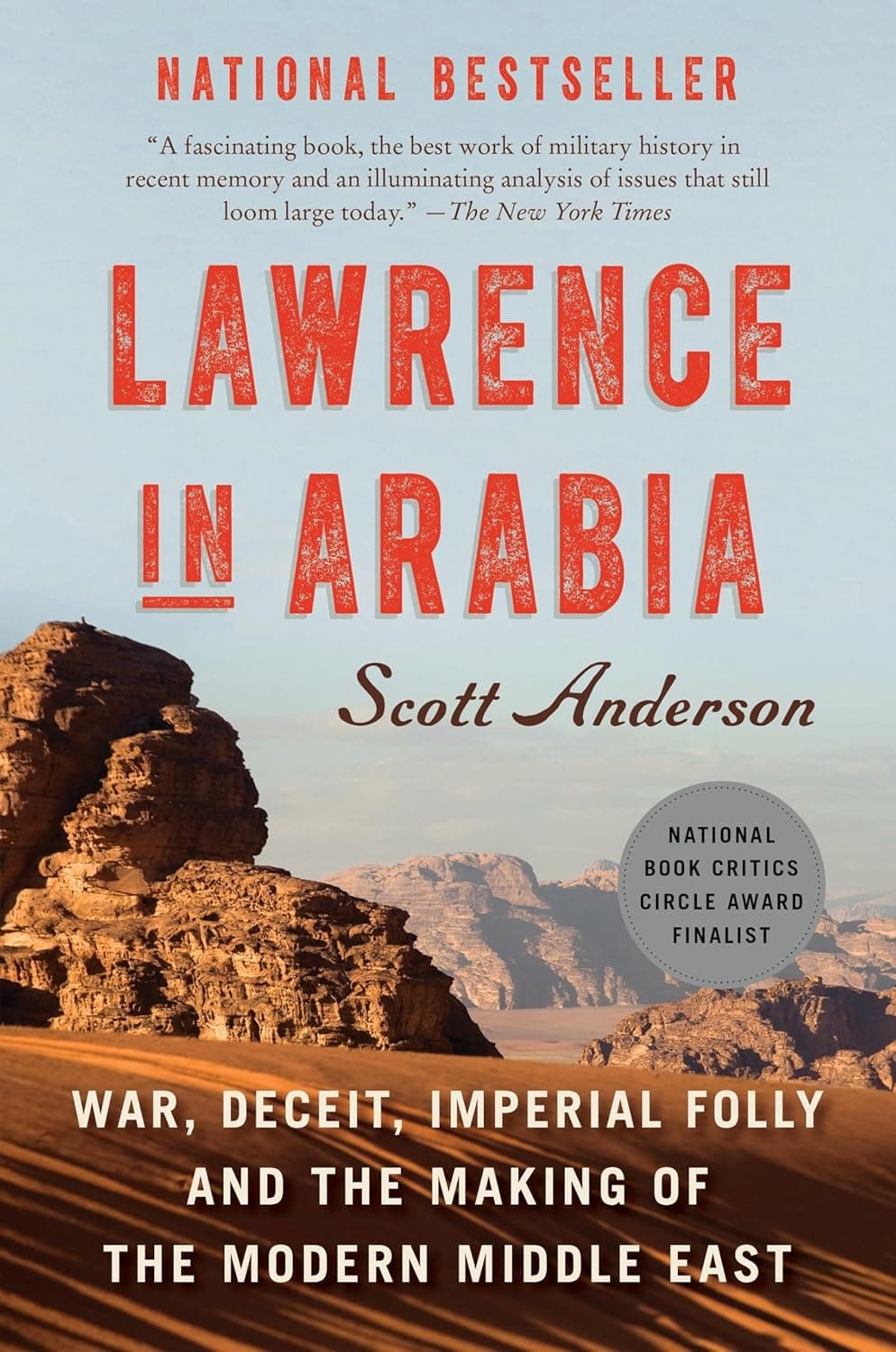
Four amateurs shaped the modern Middle East, Anderson argues, and the strangest was Lawrence, an Oxford archaeologist who led an Arab revolt knowing his government had already promised the land away.
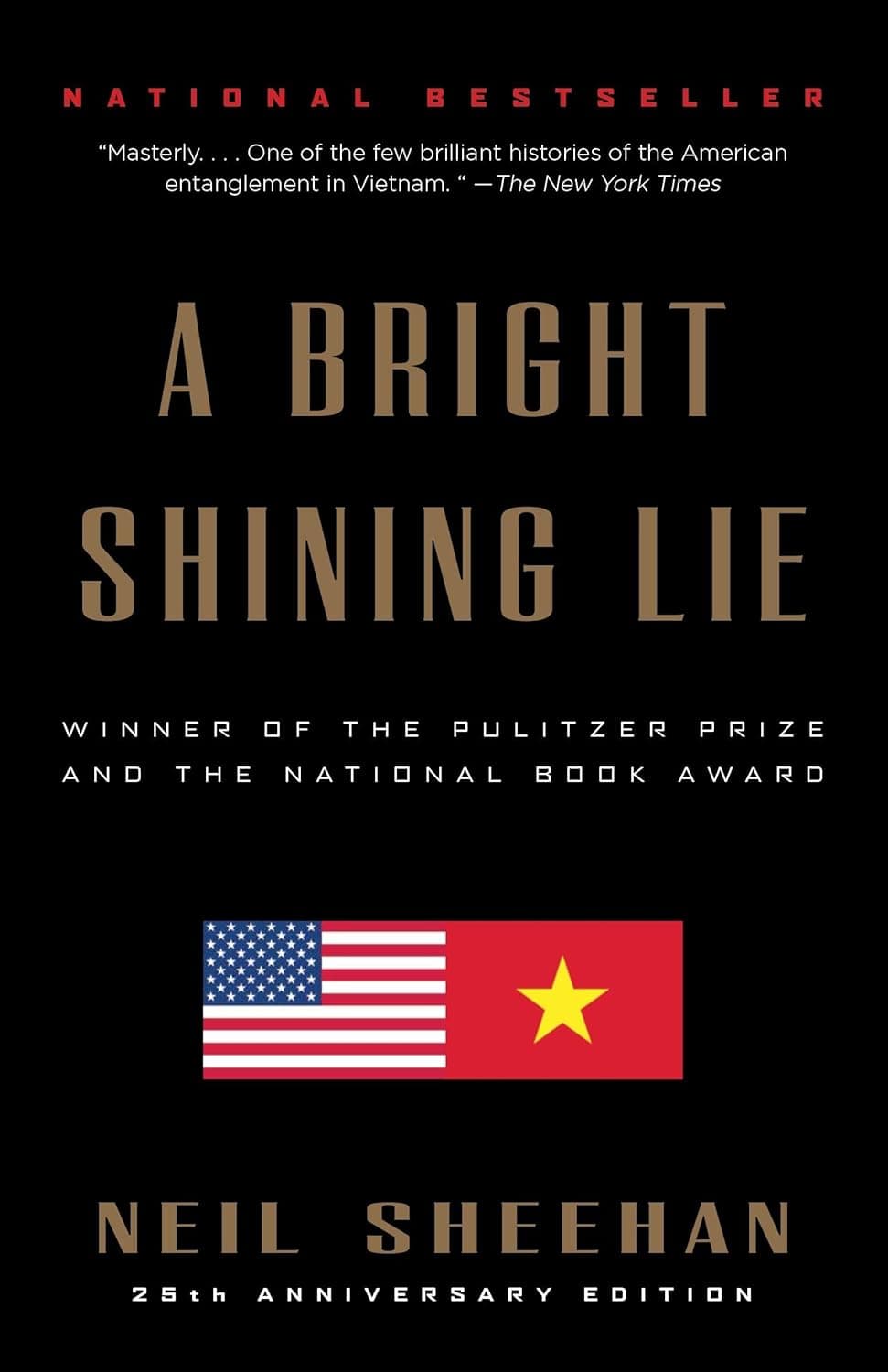
Army adviser John Paul Vann fed reporters the truth about Vietnam while the generals lied, then spent ten years insisting the war could be won. Sheehan reports his private ruin alongside the courage.
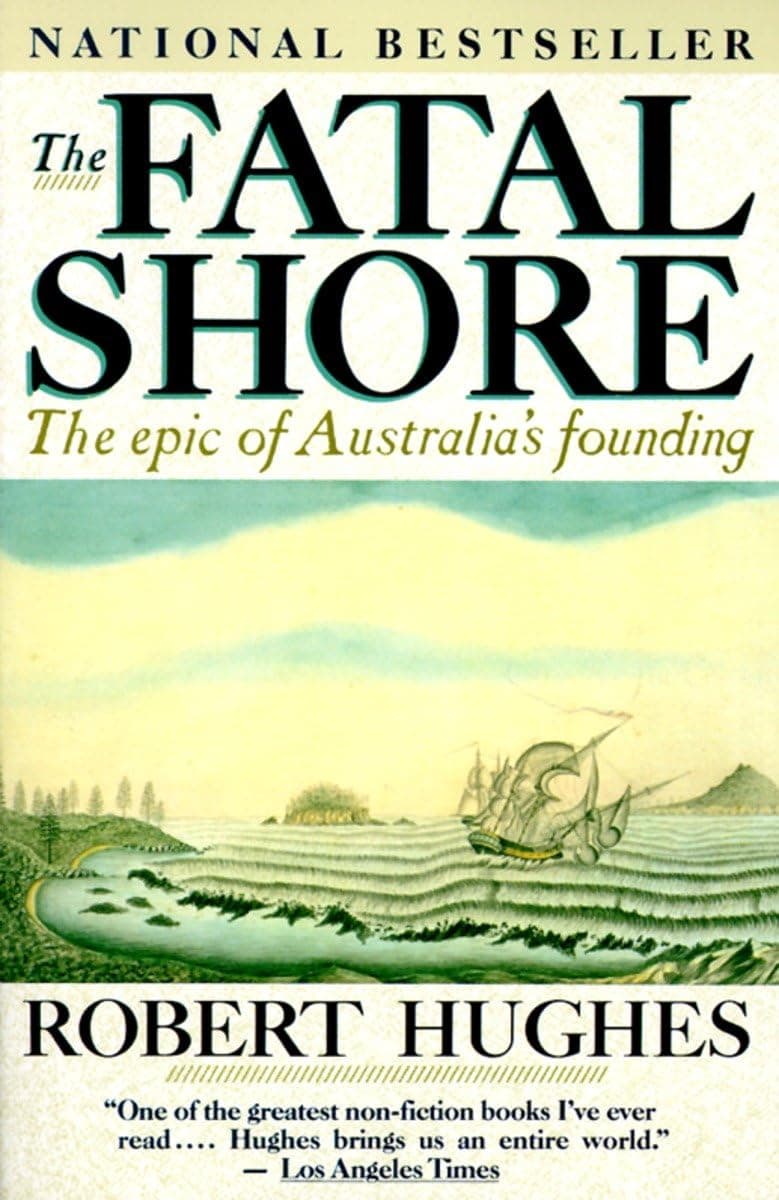
Britain shipped 160,000 convicts to Australia between 1787 and 1868. Hughes takes you down into the floggings and the Norfolk Island cells, and out again into the nation they made there.

Reader runs from the first hominids to apartheid, showing how Africa's exhausted soils and its diseases kept a vast continent thinly peopled, then how the slave trade turned people into its chief export.

Gaddis lays the war's origins at Stalin's door, shows how nuclear terror kept the peace it threatened, and treats the outcome as a moral verdict. Forty-five years of standoff in one commanding volume.

Columbus wrote it all down, and the wonder and the greed are inseparable from the start: islands more beautiful than anything he has seen, and people he judges would make good servants.

A Liverpool shipping clerk noticed ships leaving the Congo loaded with rubber and arriving with only guns and chains. Hochschild pulls that thread into Leopold's private slave state and its millions of dead.

Columbus rejoined two halves of a planet that had evolved apart. Mann shows Andean silver destabilizing Ming China and malaria deciding who could be worked to death in Virginia's tobacco fields.

Plymouth's governor kept the record of his colony year by year, calling the coast a hideous and desolate wilderness. The early chapters carry the founding myth, the closing ones turn to lament.
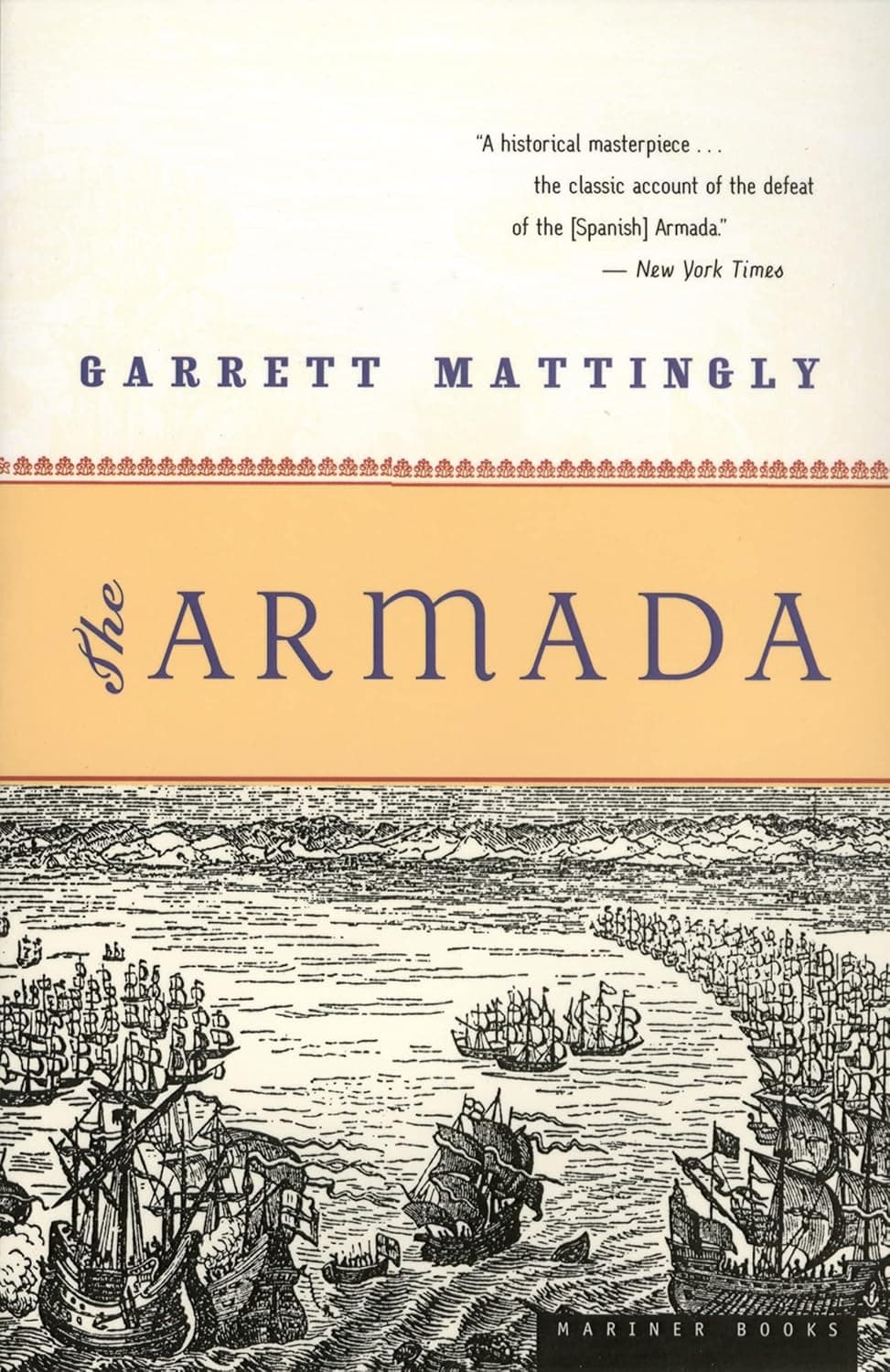
Philip II handed his invasion fleet to a duke who pleaded seasickness. Mattingly tells 1588 as a European crisis, not an English one, and the defeat he reconstructs stops the Counter-Reformation's advance.

Cortés lands with six hundred men and topples an empire of millions. Prescott, half-blind and never in Mexico or Spain, told it so vividly historians still pry the conquest from his version.

1789 was four revolutions at once, Lefebvre shows: nobles against the king, the bourgeoisie against nobles, Paris crowds against bread prices, and peasants burning the records of what they owed.
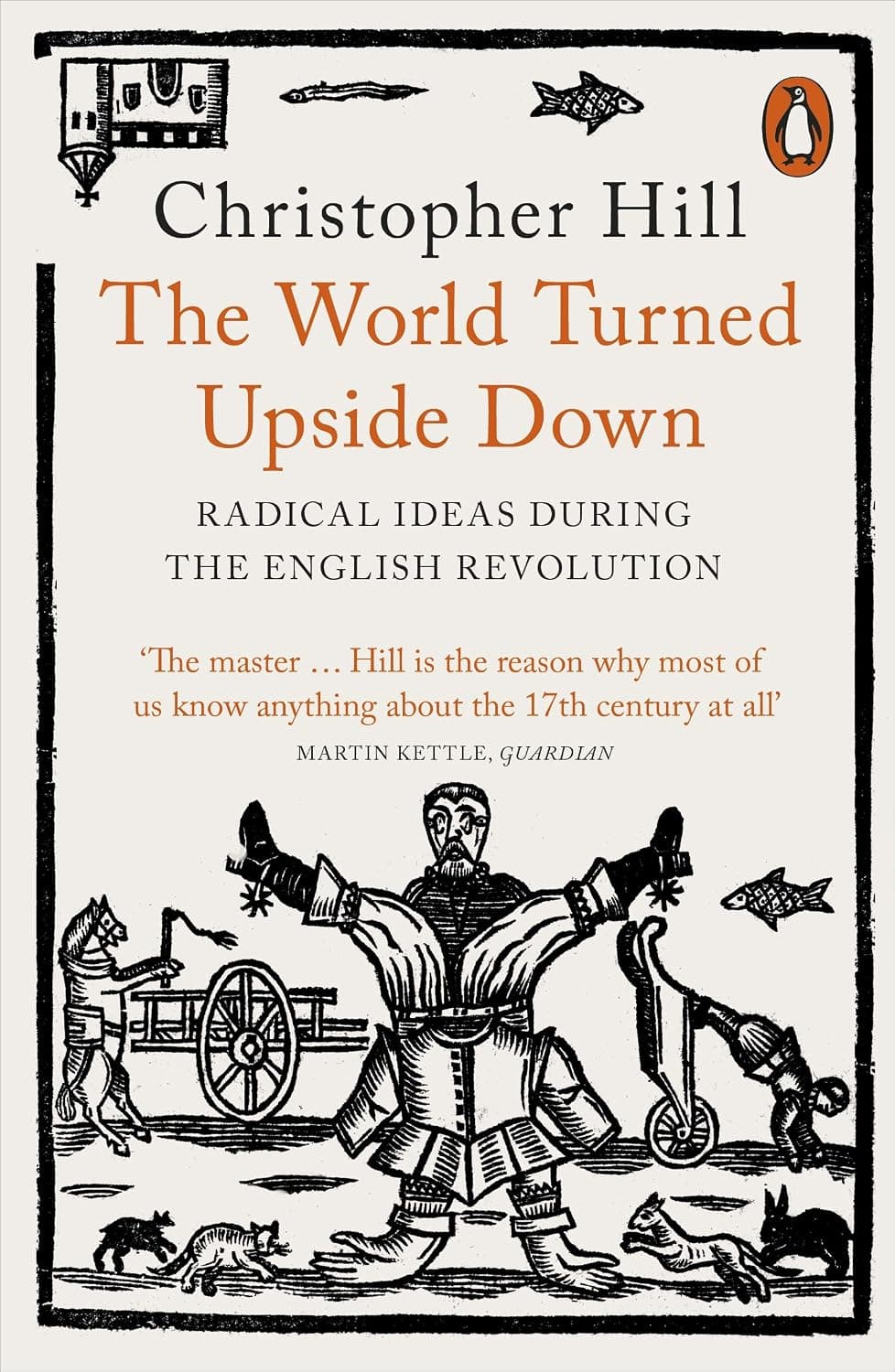
While Parliament fought the king, tinkers and soldiers were arguing for common land, free love, and no clergy. Hill recovers the Diggers, Levellers and Ranters, and the revolution that never came off.

Wave after wave of horsemen out of the grasslands, breaking settled empires from China to Hungary. Grousset made Attila, Genghis Khan, and Tamerlane one continuous history running from the Scythians to 1757.
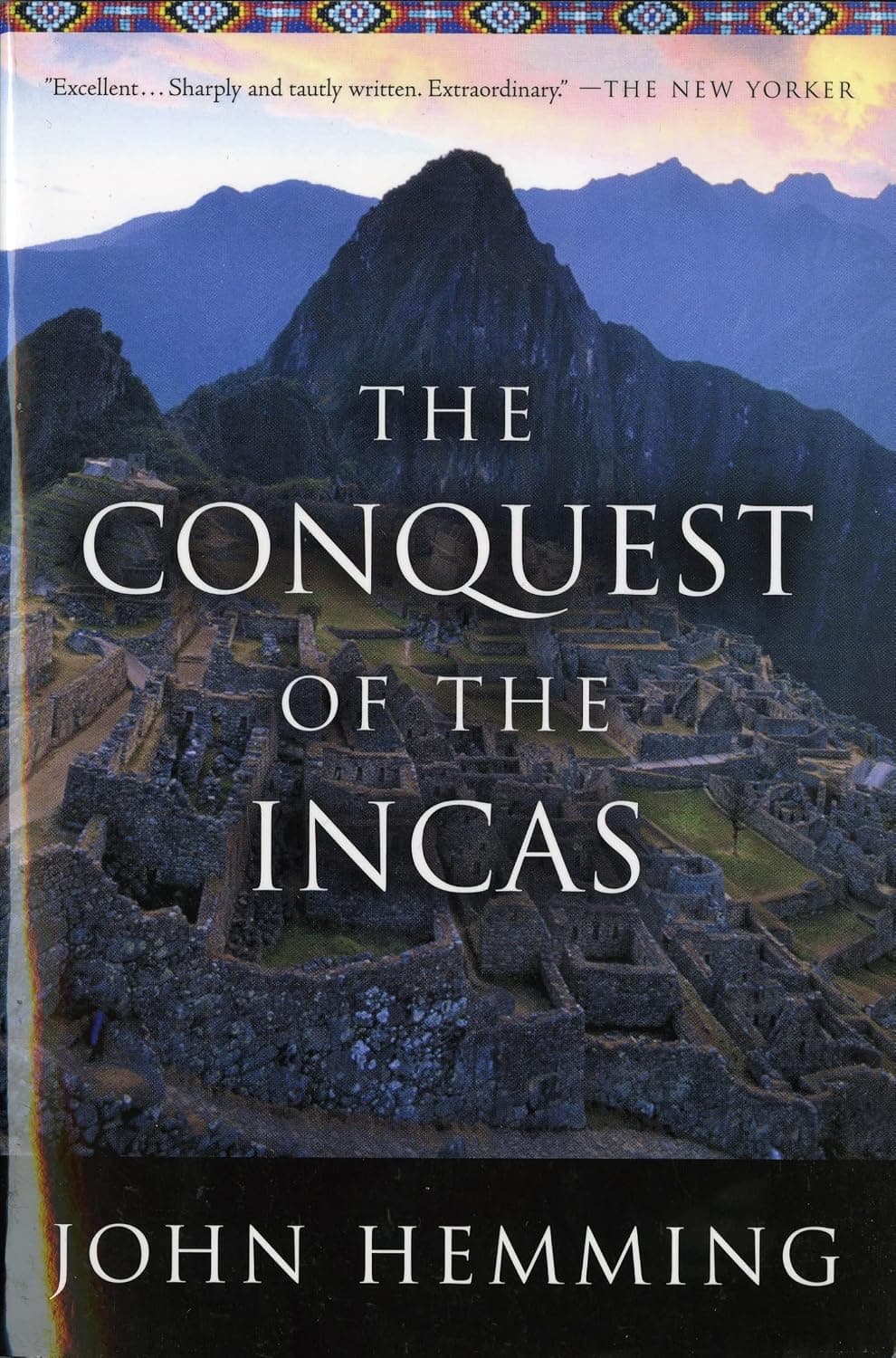
Fewer than two hundred Spaniards seized the Inca emperor at Cajamarca in 1532, and Hemming traces the forty years of rebellion and reprisal that followed, giving Andean witnesses equal weight with Spanish ones.

Stampp argued in 1956 that Southern slavery was a profitable labor system sustained by violence, not the benign paternalism white historians taught. The plantation legend never recovered its standing in American history departments.

Americans in Vietnam were fighting a country they never tried to understand, FitzGerald argues, explaining Confucian village order and the mandate of heaven to readers whose sons were still being sent there.
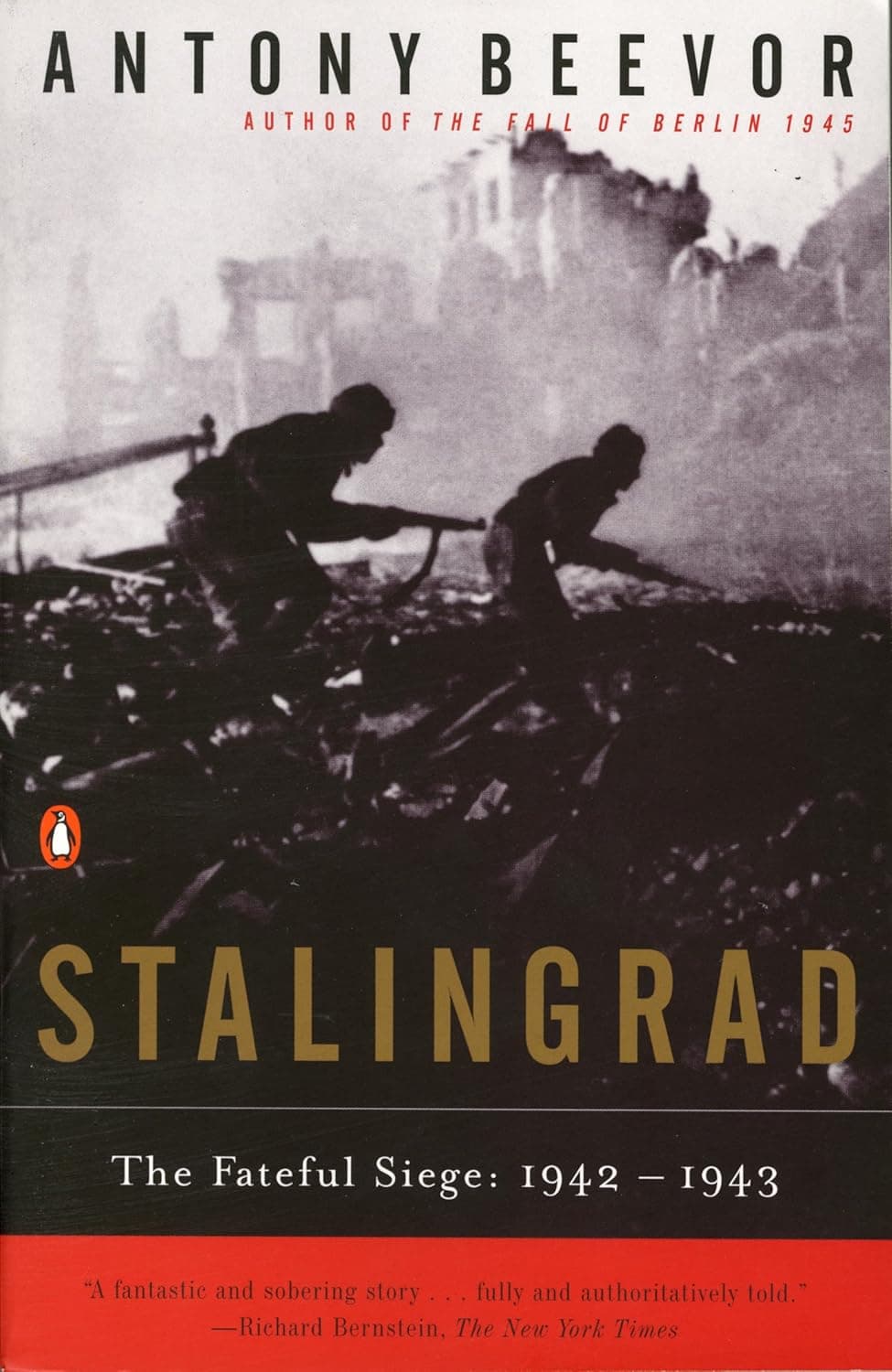
Beevor follows the German Sixth Army from conquest through encirclement to starvation and surrender in a city ground to rubble, the Soviet defenders alongside. He made military history a bestselling genre.
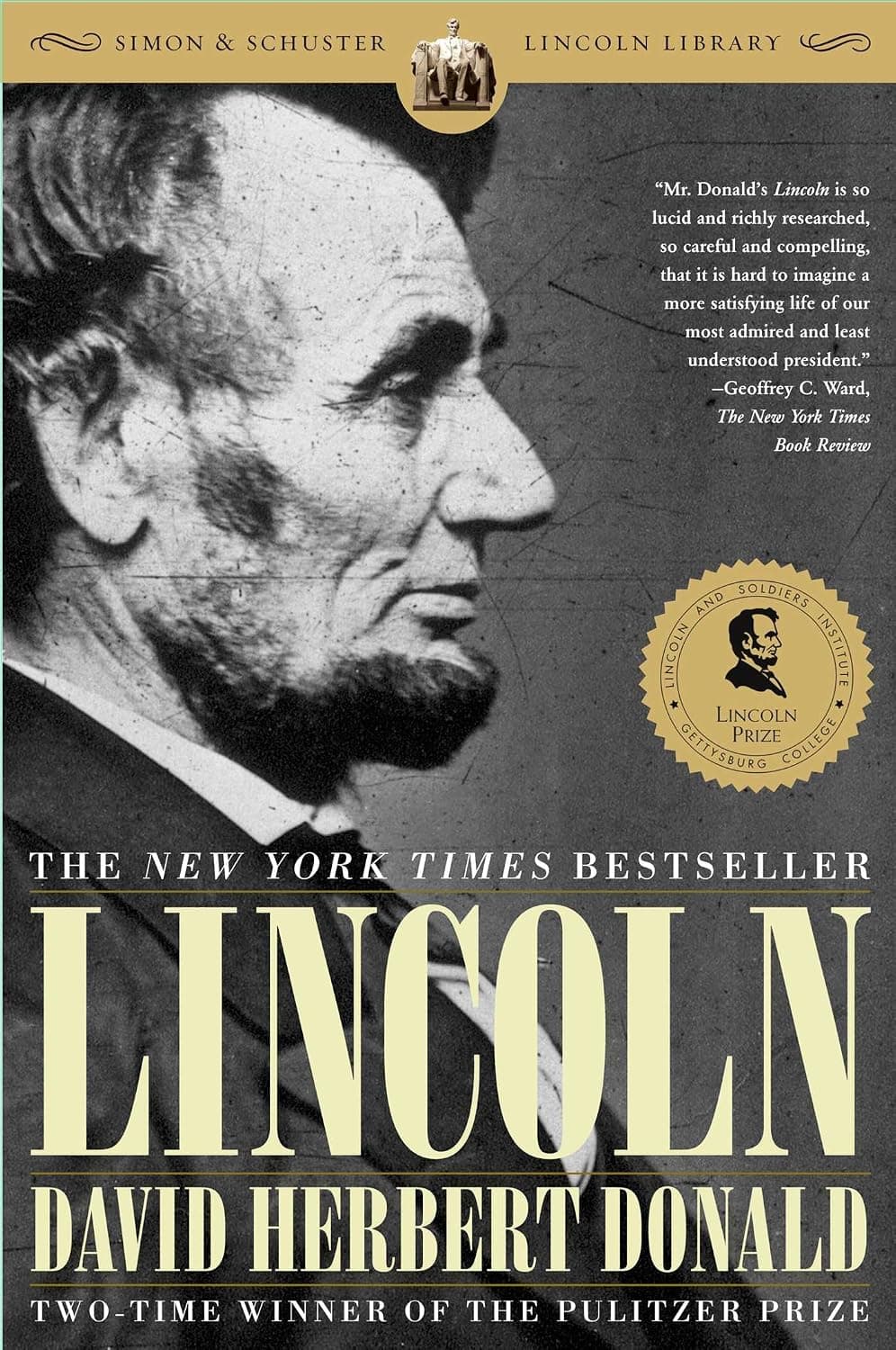
The standard one-volume Lincoln, and the method is severe: Donald allows him only the information he actually had when he acted. Out of it comes colossal ambition joined to a fatalist's passivity.

One volume carries the whole human record from the first stone tools to the present, with the causes always in view: why civilizations rose where they did, and why each gave way.

Wood argues the American Revolution was as radical as any in history: it dissolved a world of patronage, deference, and rank, and produced a society of equal, money-minded, self-interested citizens.
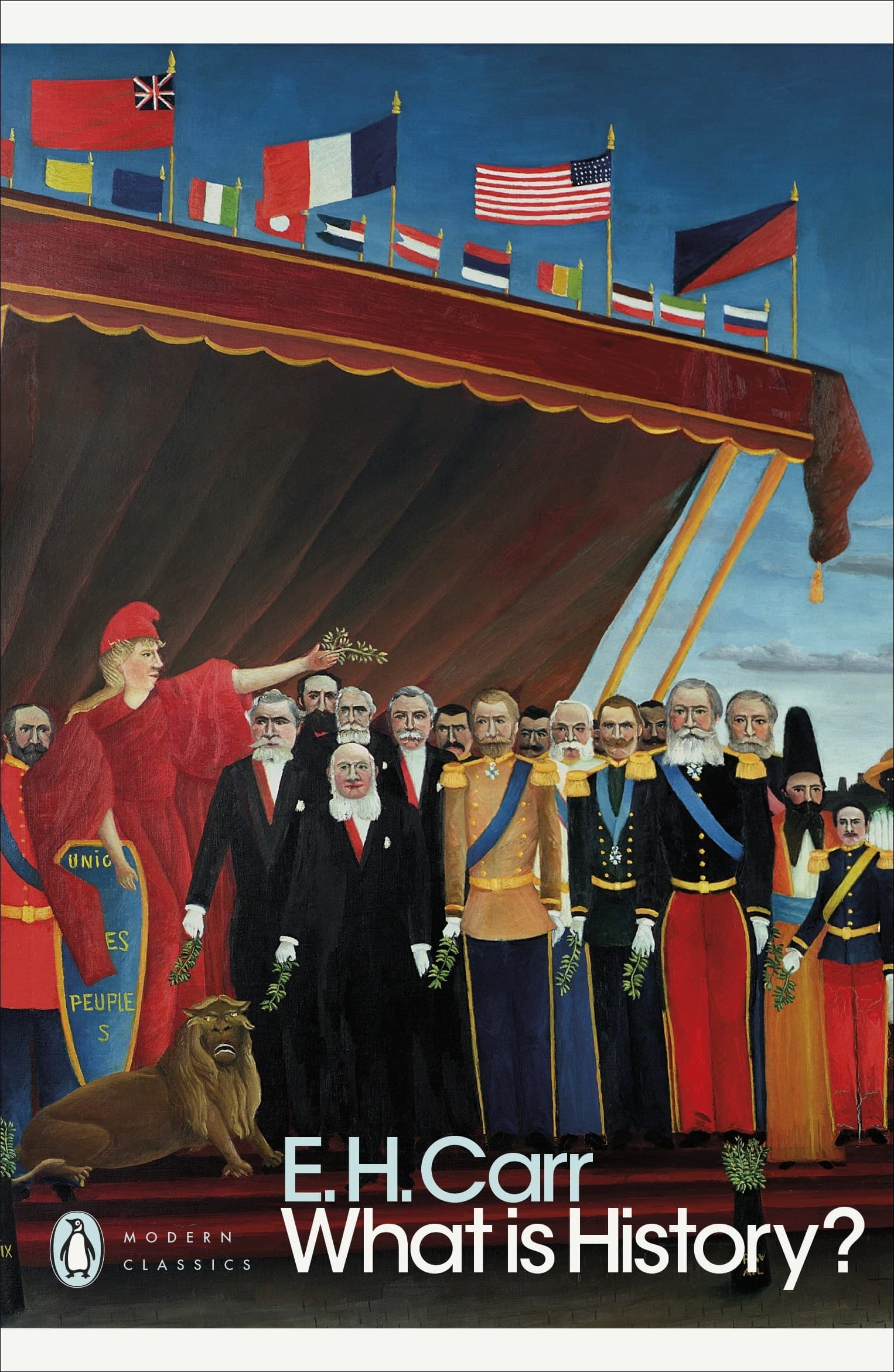
Facts do not speak for themselves, Carr insists. The historian decides which ones get to speak, so study the historian before the evidence. English-speaking historians are still arguing with him.

Figes runs the Russian Revolution from the 1891 famine to Lenin's death in 1924, following peasants, soldiers, and the writer Gorky. He shows the terror arriving with the Bolsheviks, not after them.
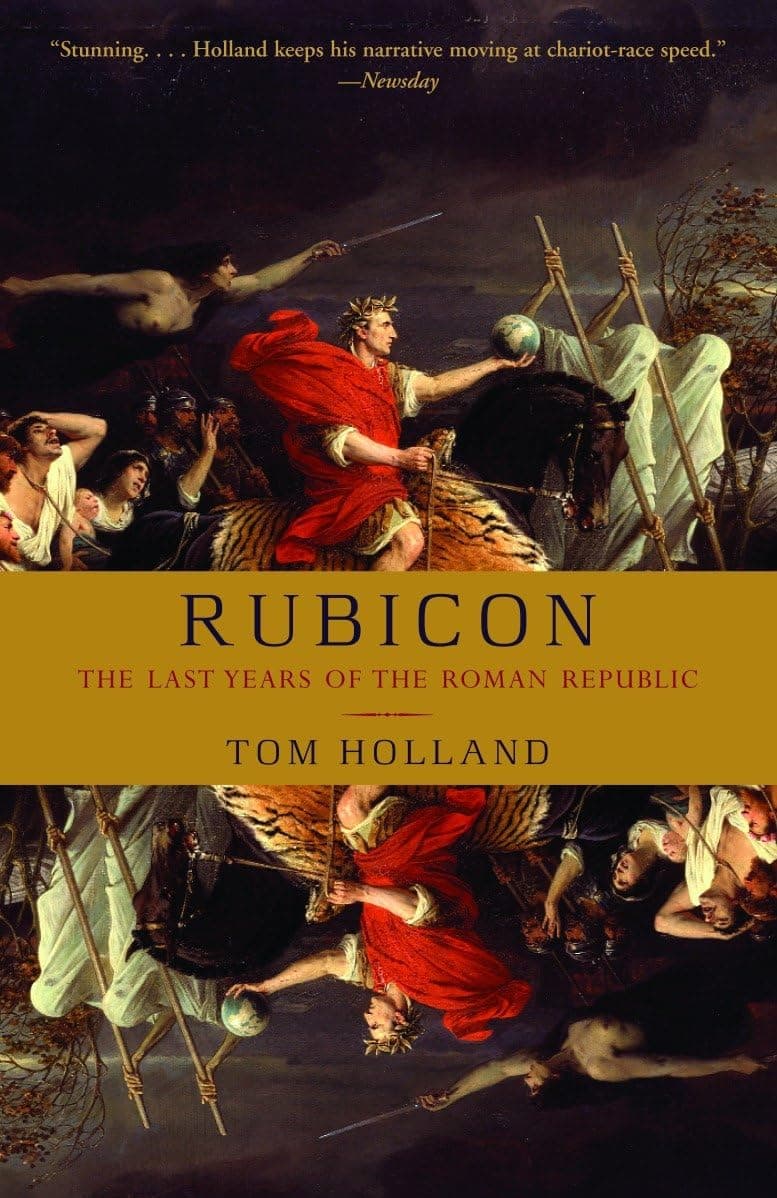
The Roman Republic destroyed itself, and Tom Holland tells it at the pace of a thriller. Caesar reaches the Rubicon with a single legion, knowing crossing it means war against his own state.

Rebecca West traveled through Yugoslavia in 1937 and wrote eleven hundred pages. A lamb bled on a Macedonian rock and a Serbian poem of chosen defeat become her account of Europe's death wish.

A Dominican friar who watched it happen set down, island by island, what Spain did to the people of the Caribbean. He forced an empire to argue whether the conquered were human.

Life on the plantation seen from the slave quarters outward: Genovese shows how the enslaved turned the master's claim of paternal care into leverage and made Christianity mean what the master never intended.
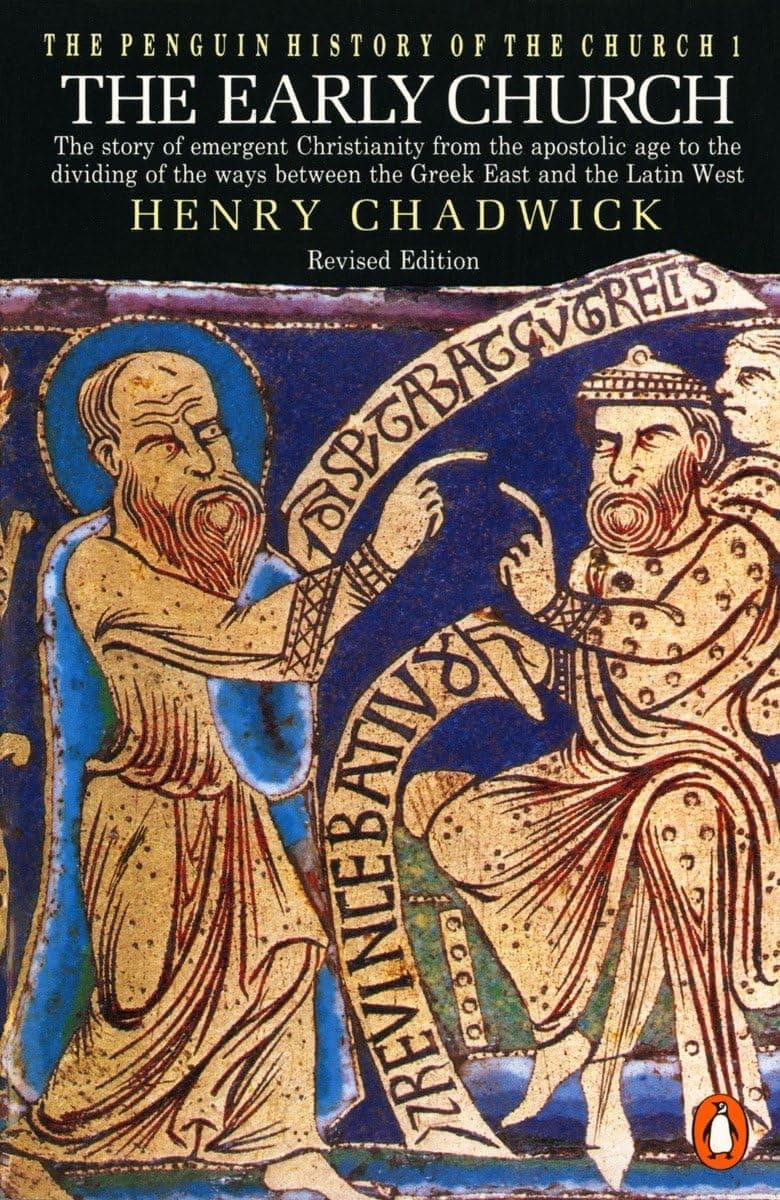
Six centuries in which a persecuted Jewish sect became the Roman state's religion. Chadwick tracks the arguments that decided what Christians believe, from Gnostic rivals through Nicaea to Gregory the Great.

Nations are imagined communities, Anderson argues, assembled by print: strangers reading the same newspapers and novels came to feel like one people. He gave the study of nationalism its vocabulary.

Graeber demolishes the story every economics textbook opens with: barter did not become money. Credit came thousands of years before coins, and every debt is a moral claim that finally rests on violence.

Morse tapped the title into the first telegraph line in 1844. Howe's Pulitzer-winning account of antebellum America argues that communications, markets, and revival religion remade the country while Jacksonian politics took the credit.

Guha carries India from independence in 1947 to the present and asks why it never broke apart, given partition, famine and insurgency. He calls it an unnatural nation and an unlikely democracy.
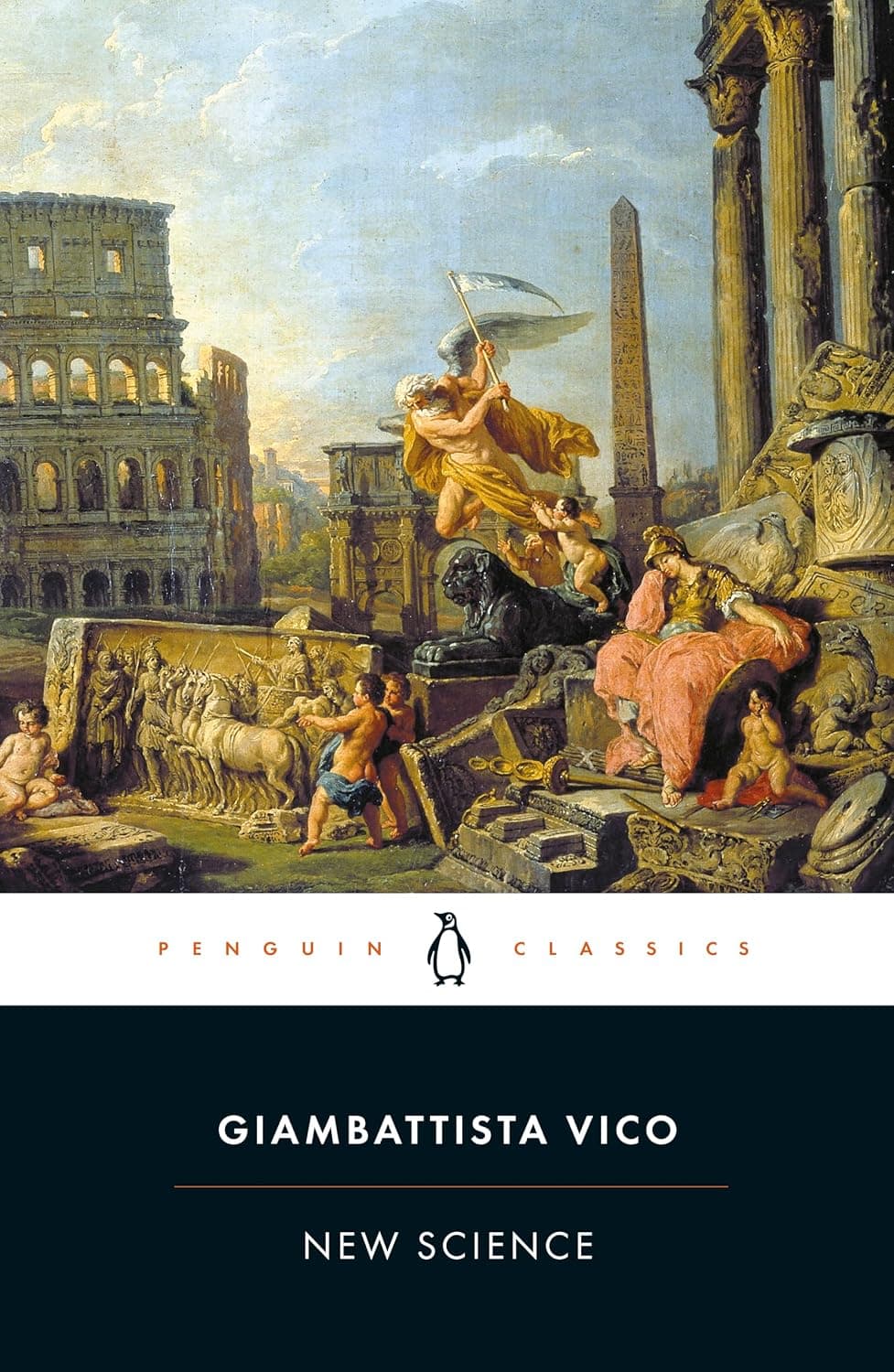
History can be known, Vico argues, because men made it. He reads myth and law as the record of every nation passing through ages of gods, heroes, and men, then collapsing into barbarism.

Galbraith reconstructs how a country talked itself into buying stock with borrowed money, from the Florida land boom onward, and names the bezzle: the embezzlement a rising market hides and a crash exposes.
Bloch's son asked what the use of history was. He answered from hiding: history is the science of men in time, and evidence speaks only when questioned. The Gestapo shot him in 1944.

Oil is the story of the modern world, Yergin argues, and he follows it from the first Pennsylvania derrick through two world wars that ran on it to Saddam Hussein's tanks in Kuwait.

At twenty-eight Wedgwood narrated Europe's most ruinous pre-modern war whole, thirty years of armies eating Germany alive, and her verdict of meaningless conflict still has to be argued with.

August 1914, told hour by hour as generals launched plans they could no longer stop. Kennedy had it in mind through the Cuban missile crisis, vowing nobody would write The Missiles of October.
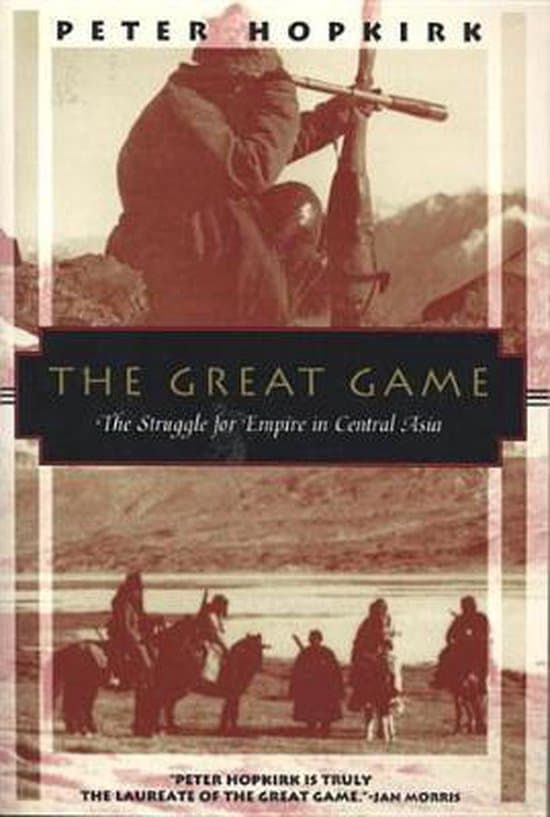
Britain and Russia crept toward each other across Central Asia until two thousand miles between them became twenty. Hopkirk tells it through the officers who rode alone into Bukhara, Khiva, and Kabul.

Gregory, bishop of Tours, is the reason sixth-century Gaul is visible at all. He records Clovis splitting a soldier's skull over a looted vase, queens ordering assassinations, and miracles at the saints' tombs.

At Mann Gulch in 1949 a wildfire turned uphill and killed twelve smokejumpers and a fire guard in minutes. Maclean, past seventy, walked that Montana slope for years to learn what happened.