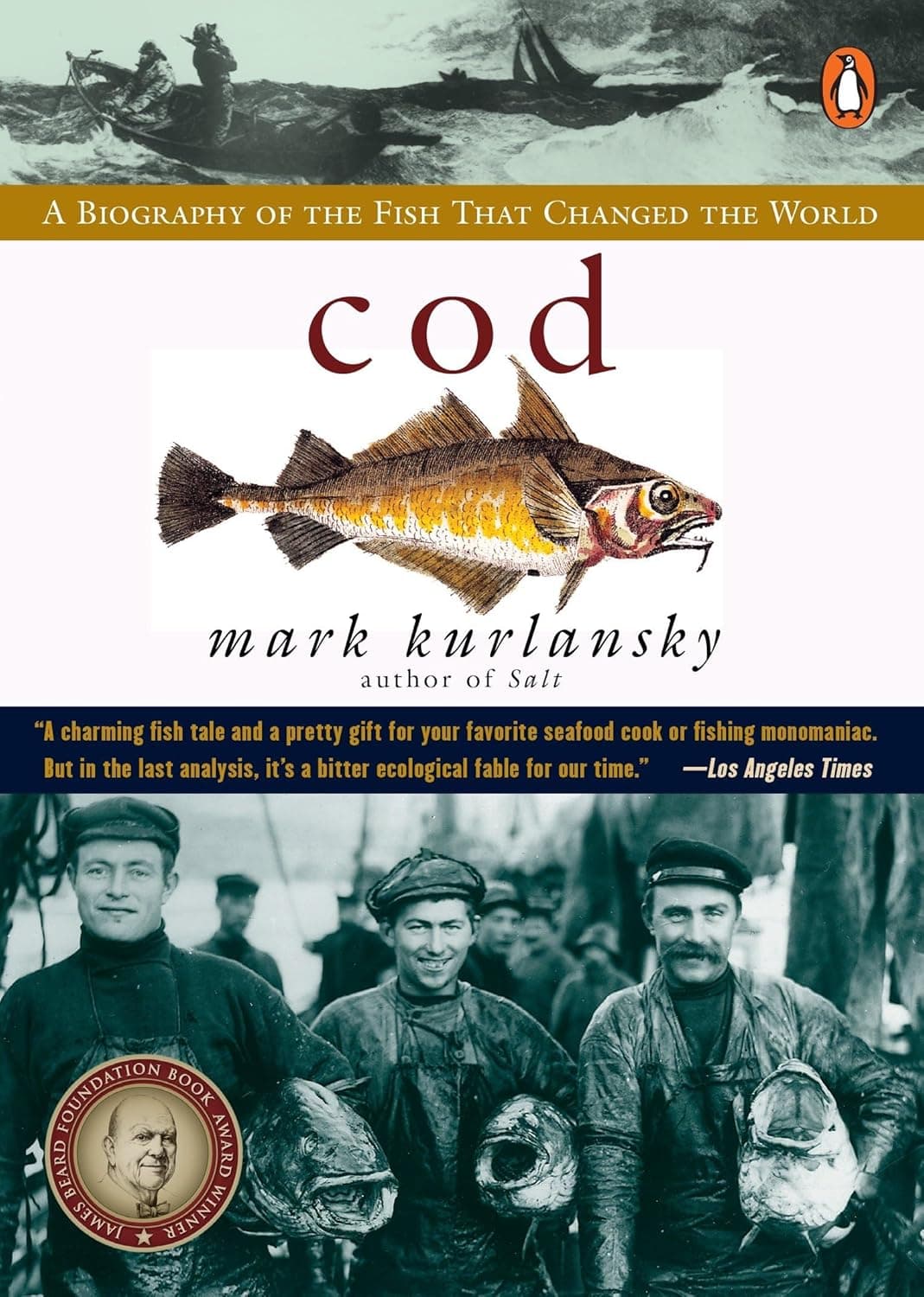
Cod
1997 · 304 pages
One fish shaped the whole Atlantic world. Kurlansky follows cod from the Basques and their secret fishing grounds through the slave-trade economies it fed to the Grand Banks collapse of 1992.
★ 4.5
 skopia
One fish shaped the whole Atlantic world. Kurlansky follows cod from the Basques and their secret fishing grounds through the slave-trade economies it fed to the Grand Banks collapse of 1992.

Bubbles are not aberrations but a permanent feature of markets. Chancellor follows the fever from tulip mania through the South Sea Bubble to Japan's 1980s, with borrowed money at the center every time.
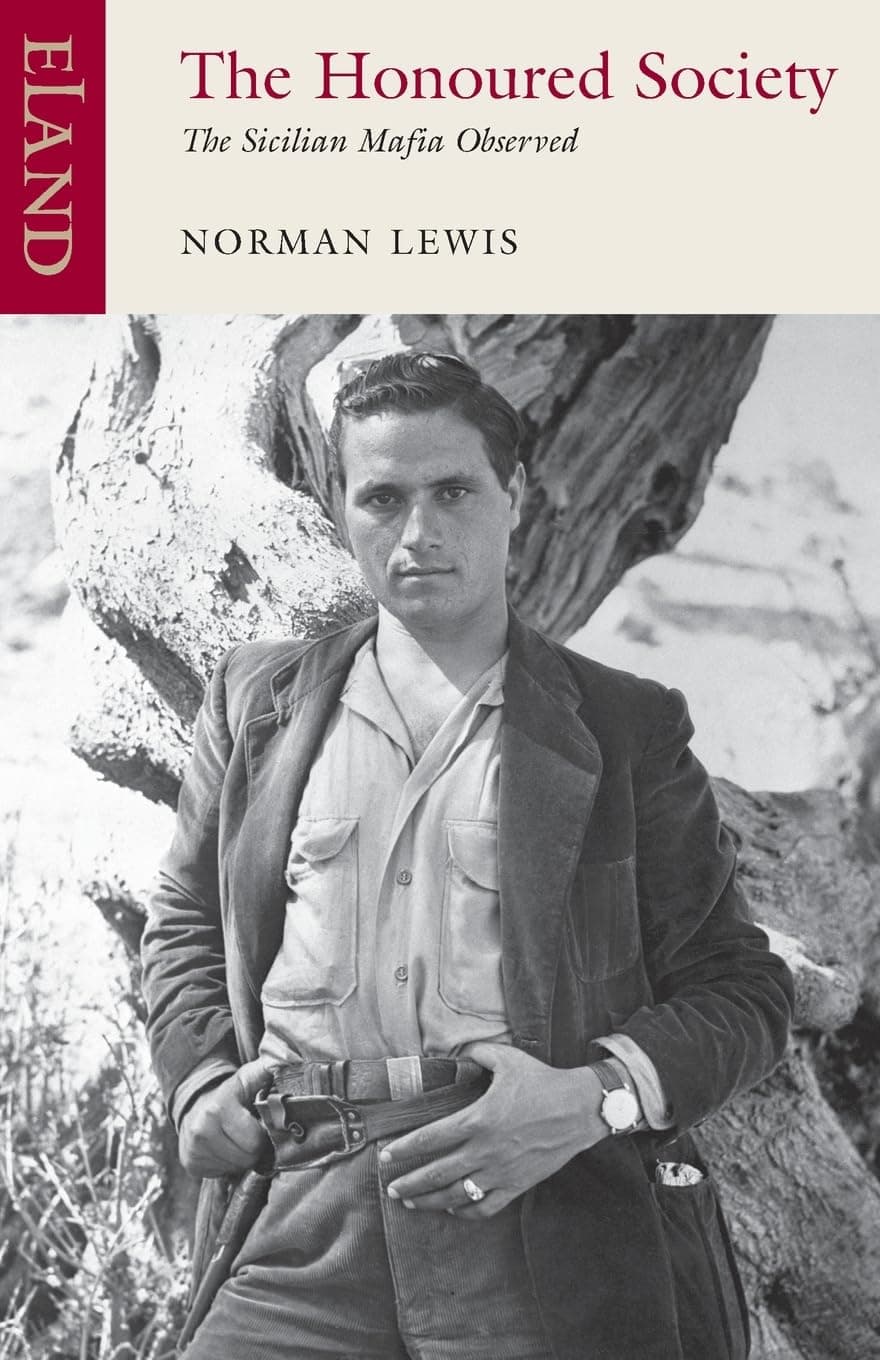
Lewis walked postwar Sicily and found monks running extortion from the confessional and Mafia bosses installed as mayors by American liberators, whose invasion, he argues, restored what Mussolini had nearly destroyed.
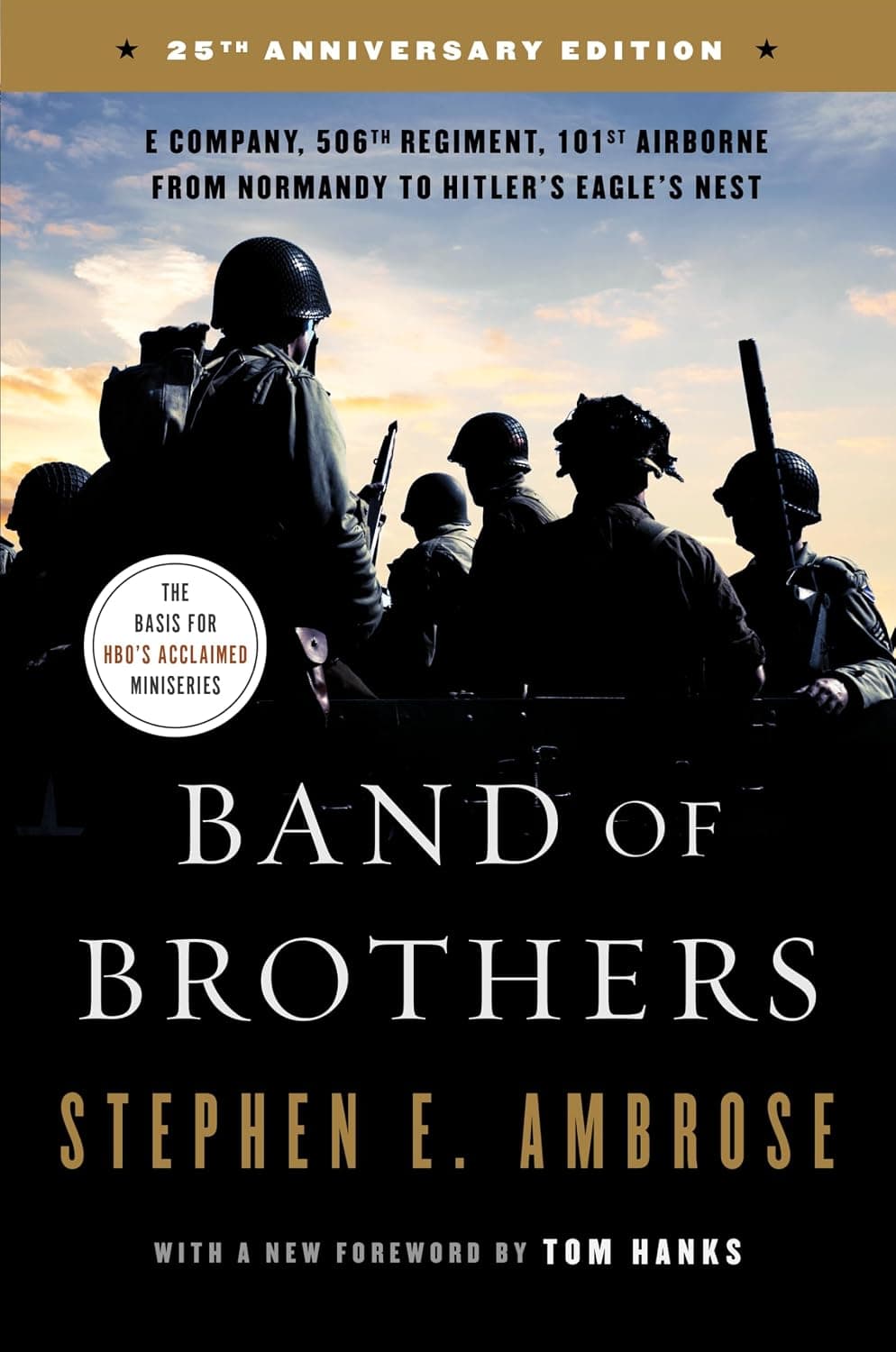
Easy Company jumped into Normandy on D-Day, held Bastogne through the snow short of ammunition and coats, and finished the war at Hitler's alpine retreat. Ambrose built it from the men's own accounts.
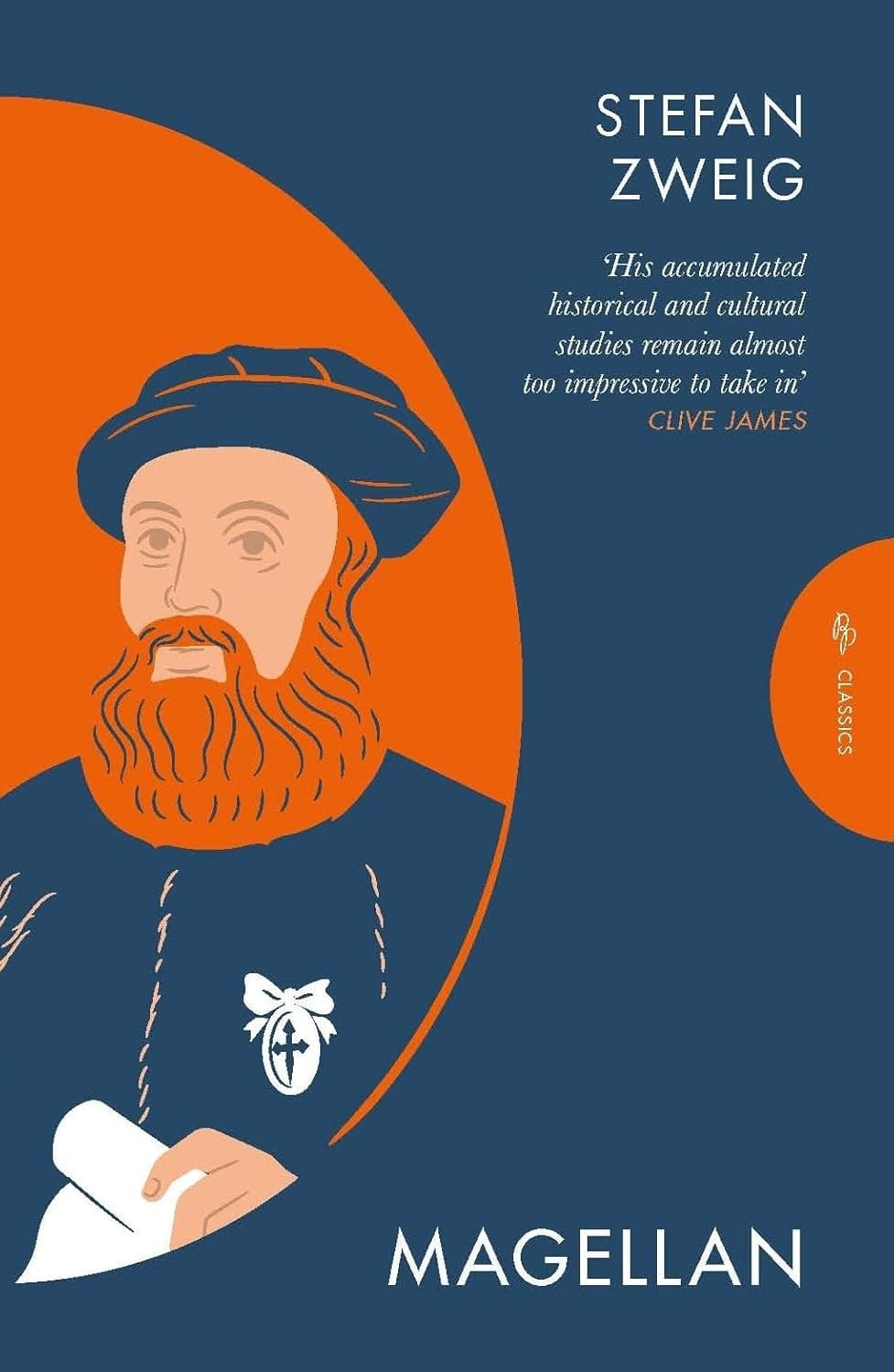
Five ships left Seville in 1519 and one came home three years later with eighteen men aboard. Zweig tells the circumnavigation as the story of an obstinate will set against an unmapped ocean.
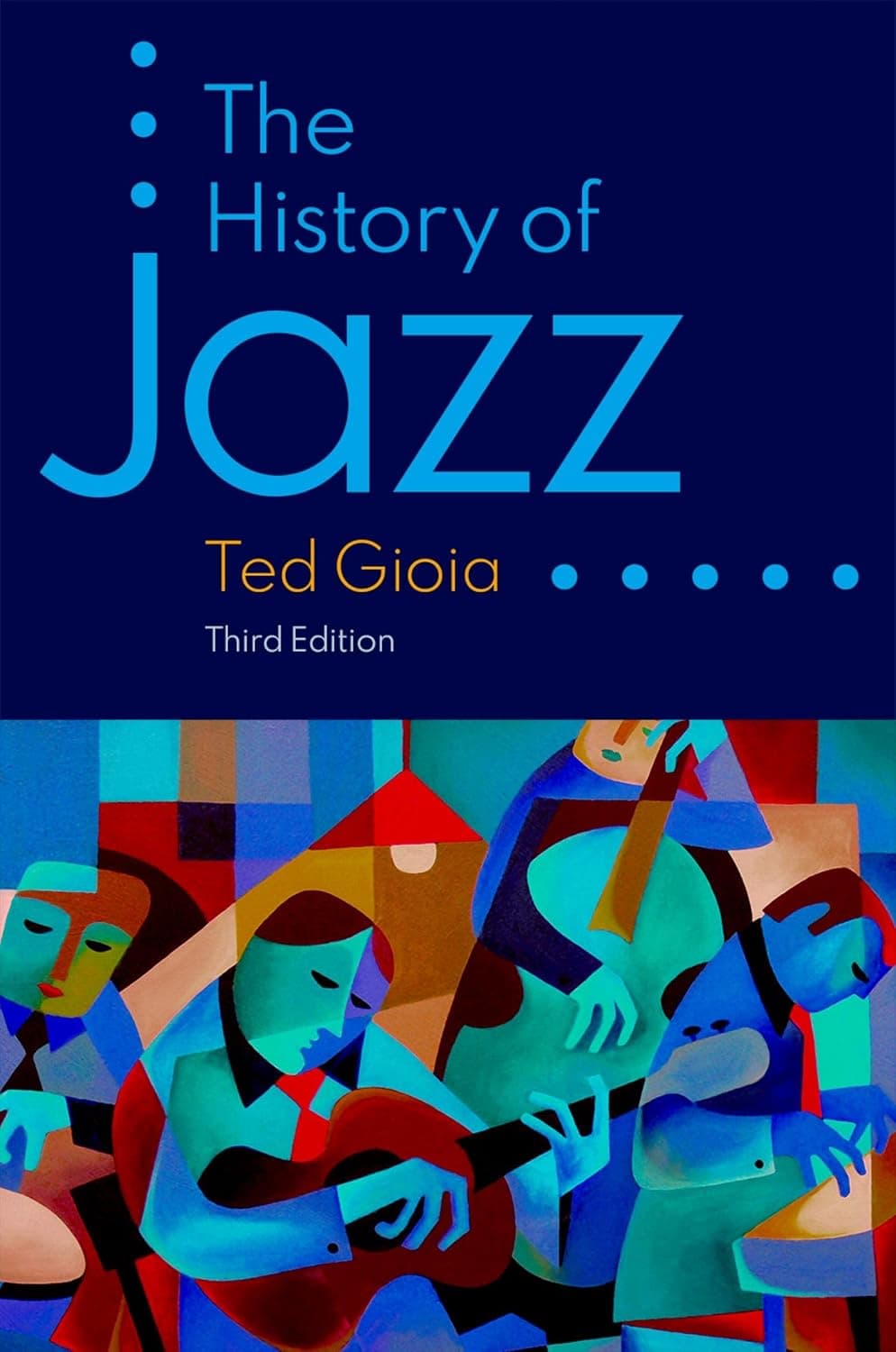
Gioia plays jazz piano and writes criticism, and both show in the single history worth owning, which runs from the New Orleans brass bands through bebop and Coltrane to what is played now.

History is a bottomless well, Gombrich tells his young reader: drop a burning scrap of paper down it and watch. Forty chapters carry you from the first humans to his own century.
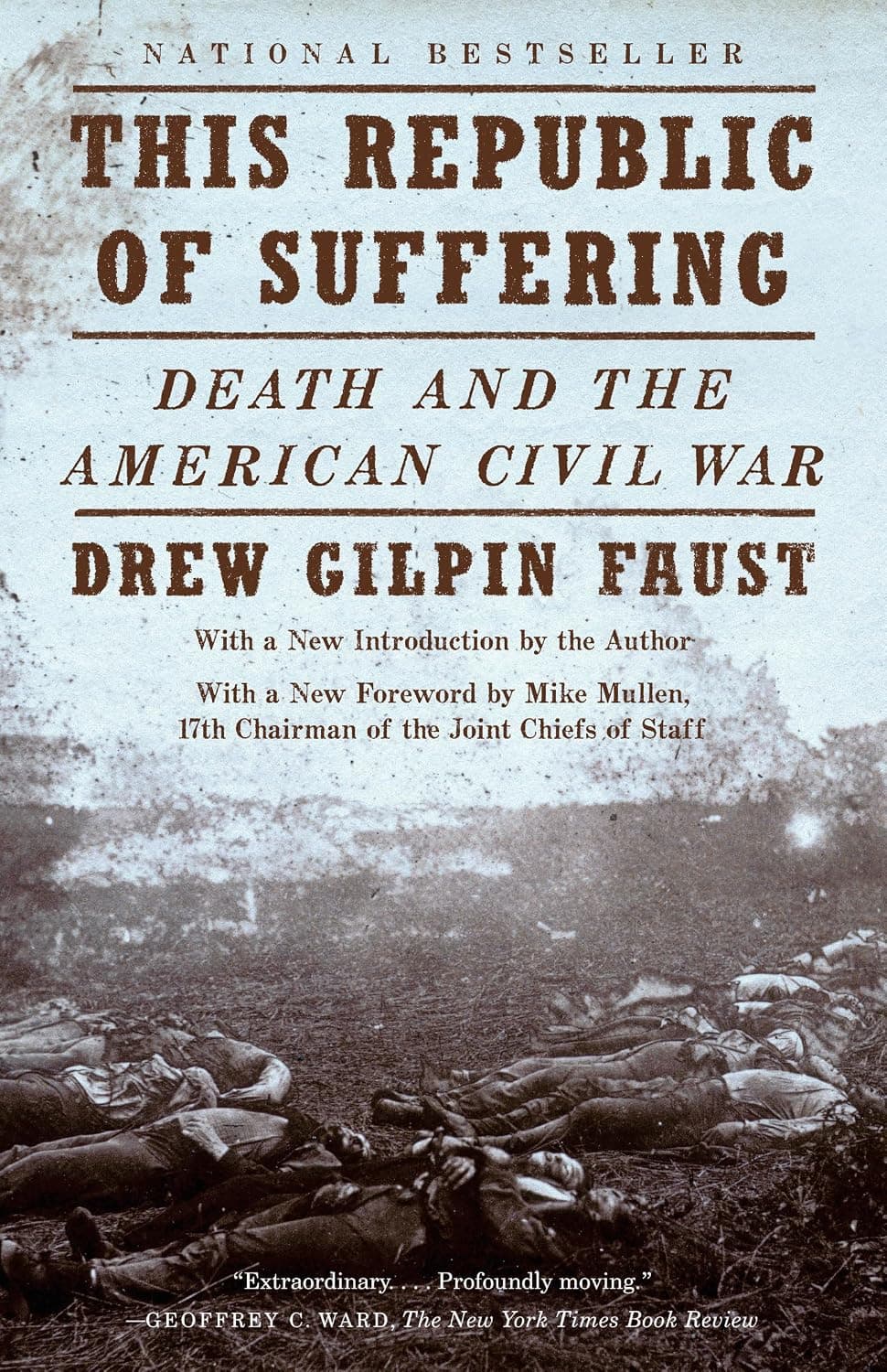
Faust shows a country improvising the machinery of mass death: embalming, identifying bodies, burying the unknown at federal expense. Six hundred twenty thousand men died between 1861 and 1865, most among strangers.

Four generations of one bank, from Victorian London to the crash of 1987. Chernow's Pierpont Morgan locks New York's bankers in his library until they agree to end the Panic of 1907.
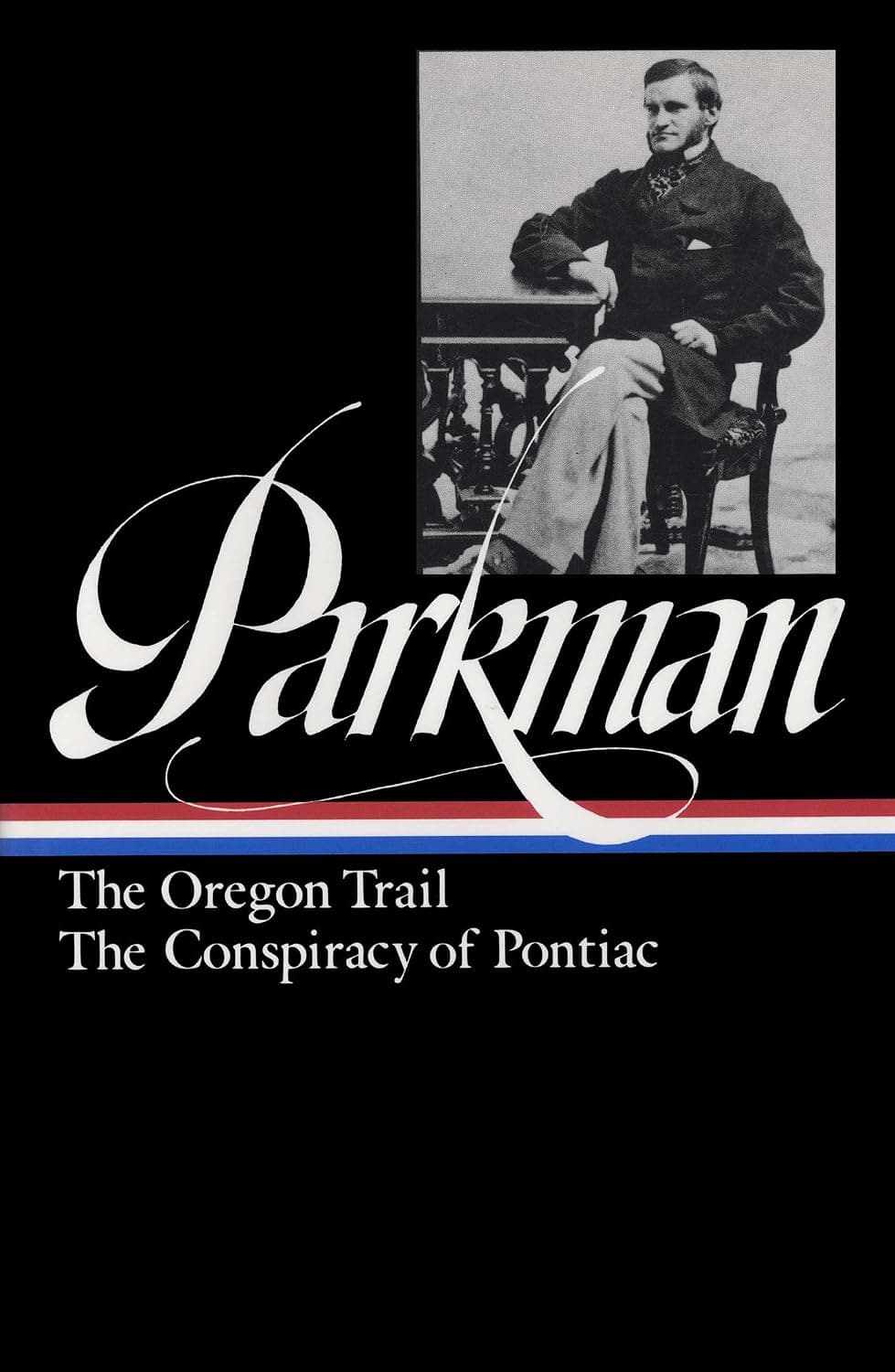
Twenty-three and fresh from Harvard, Parkman rode onto the 1846 prairie and spent three weeks hunting buffalo with an Oglala Sioux band. He got the West down before the railroads reached it.

Two centuries of crusade told from the receiving end, out of the Arab chroniclers: the Franj, as they called the invaders, eat the dead at Maarat and sack Jerusalem the following year.

The book that made 9/11 comprehensible. Wright traces al-Qaeda to an Egyptian educator radicalized in small-town Colorado, closing on the FBI's bin Laden hunter, dead in the towers he was guarding.

Kitchen by kitchen, Alexievich recorded Soviet citizens describing what the collapse did to them. They talk about lost savings and lost faith, and a bewildering grief for the country that jailed their parents.

Cancer gets a full biography, traced from an Egyptian physician's papyrus to the leukemia ward where Mukherjee treats a young kindergarten teacher. He makes the invention of chemotherapy read like a war.

Christianity as a three-thousand-year argument, beginning with Greece and Israel long before Christ. MacCulloch refuses to tell it as a Western story: after eight centuries, Baghdad looked a likelier capital than Rome.
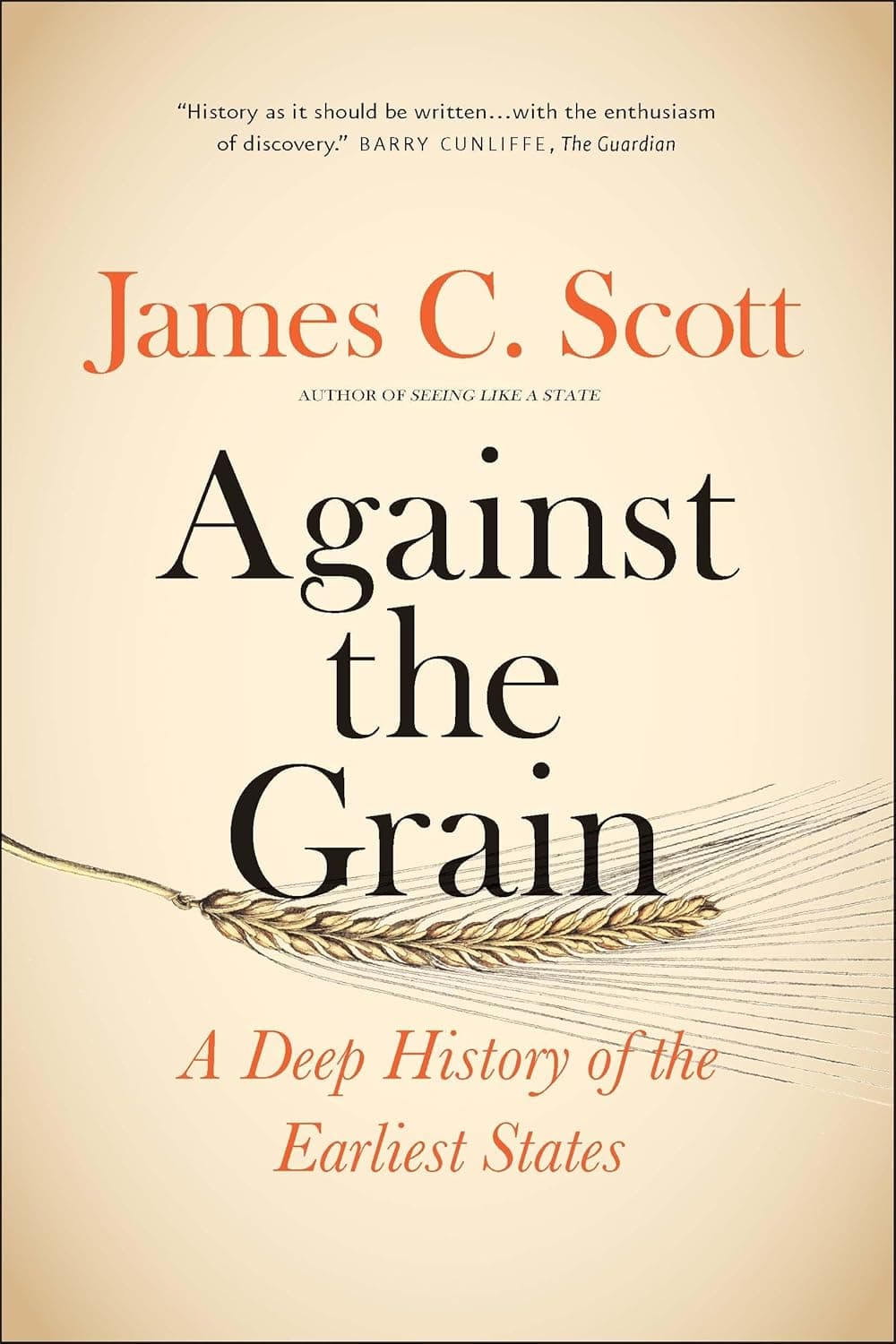
Grain built the first states, Scott argues, because it ripens on a schedule and can be counted while root crops hide underground. Early walls kept subjects in, and collapse came as relief.

Wonder was never innocent, Greenblatt argues. Reading Columbus's landfall and the travel writers around him, he catches the moment when amazement at a new world hardens into a claim to own it.
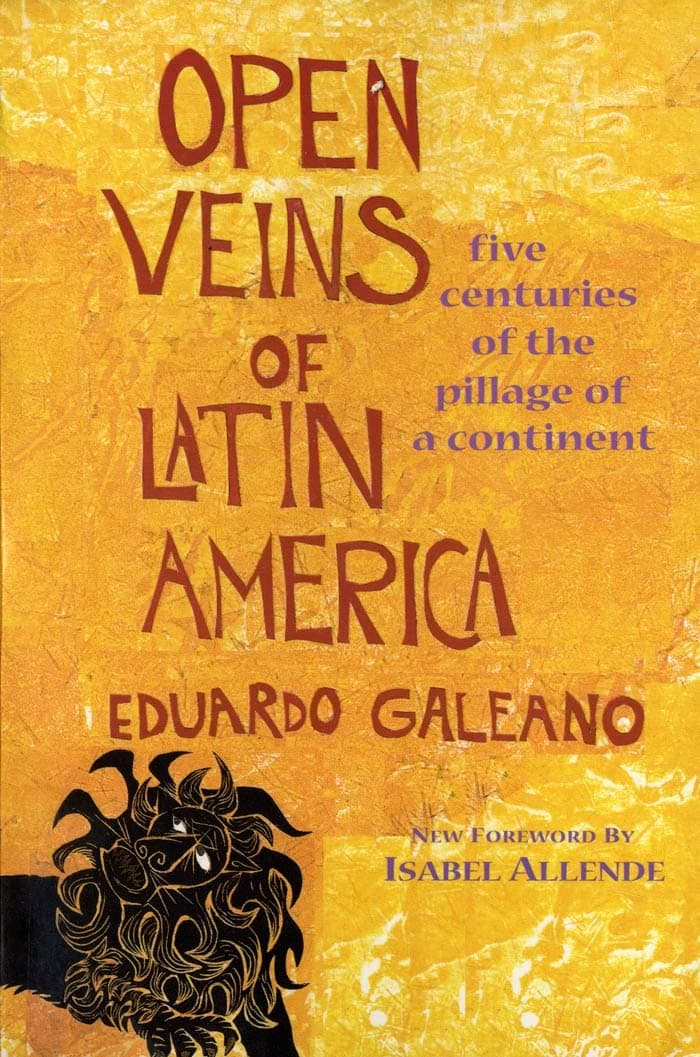
Galeano's charge is that Latin America is poor because it was rich: five centuries of silver, sugar, rubber and oil carried off to Europe and the United States. Four dictatorships banned the book.
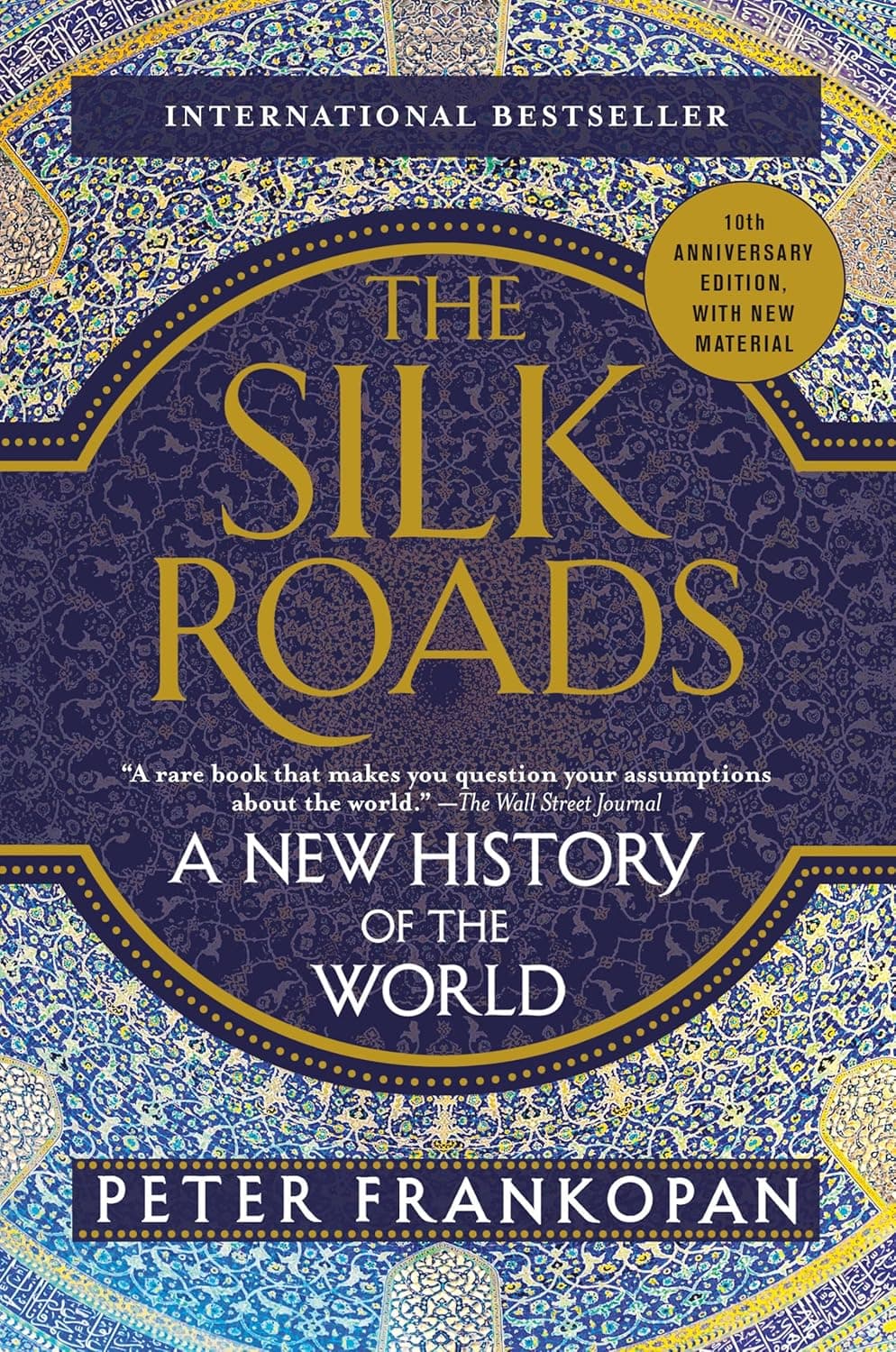
Europe was a latecomer and a backwater, Frankopan argues: across two millennia wealth, faith and plague traveled the roads between Persia and China, and he sees the world's center moving back.
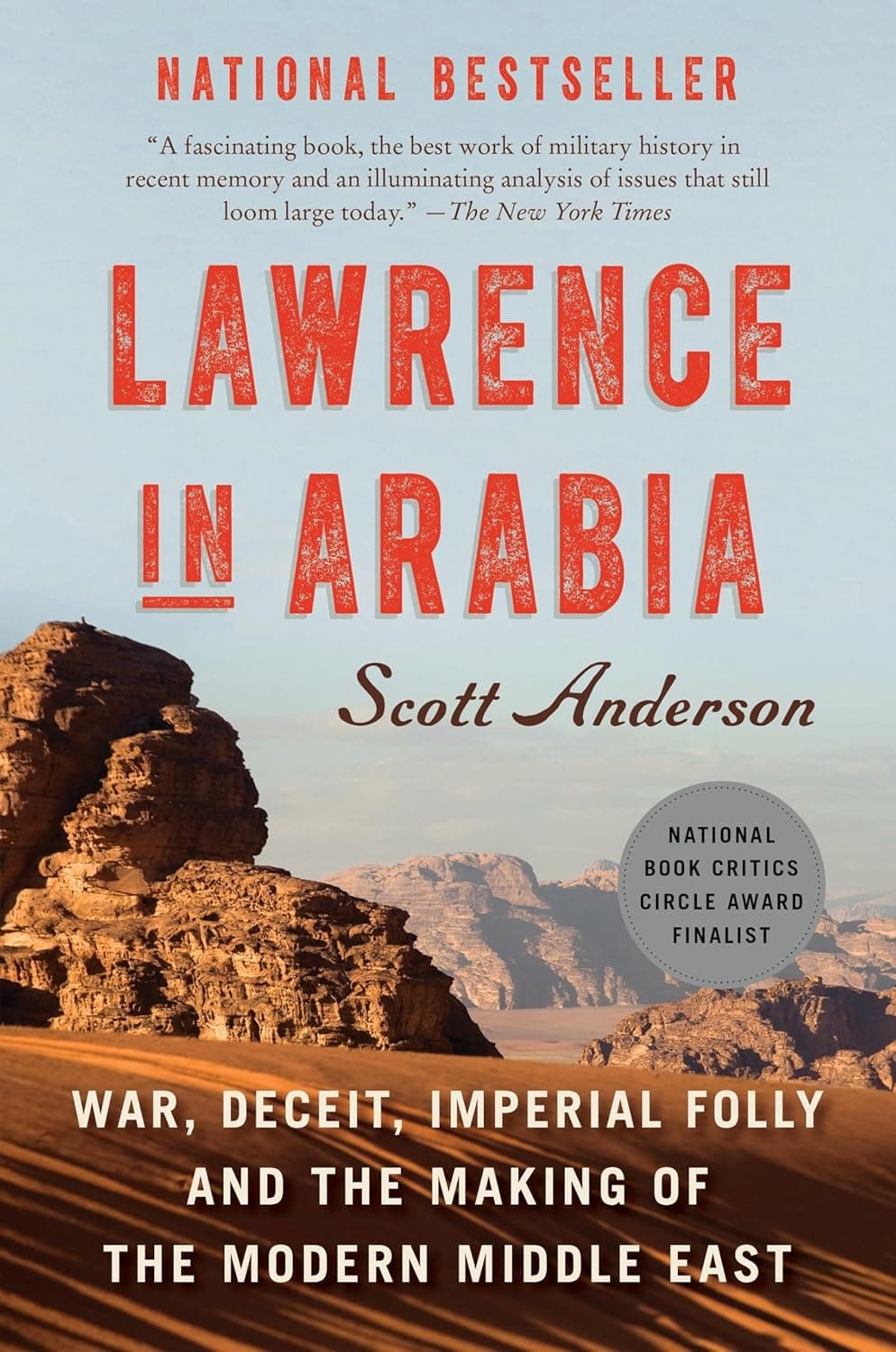
Four amateurs shaped the modern Middle East, Anderson argues, and the strangest was Lawrence, an Oxford archaeologist who led an Arab revolt knowing his government had already promised the land away.