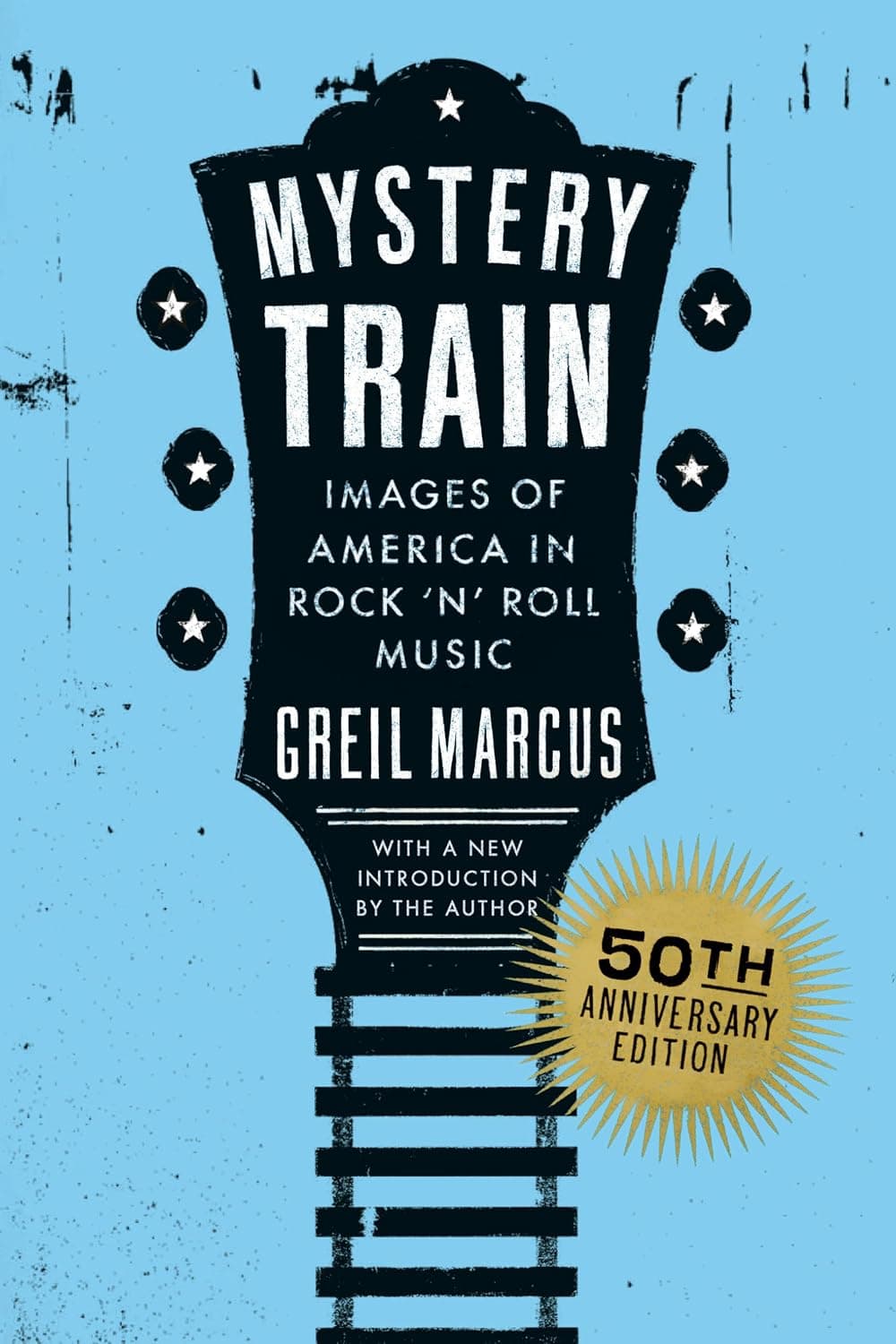
Mystery Train
1975 · 528 pages
Still the sharpest book written about rock and roll. Marcus treats Elvis, Robert Johnson, and Sly Stone as American artists on the scale of Melville, reading their records for what America is.
★ 5.1
 skopia
Still the sharpest book written about rock and roll. Marcus treats Elvis, Robert Johnson, and Sly Stone as American artists on the scale of Melville, reading their records for what America is.
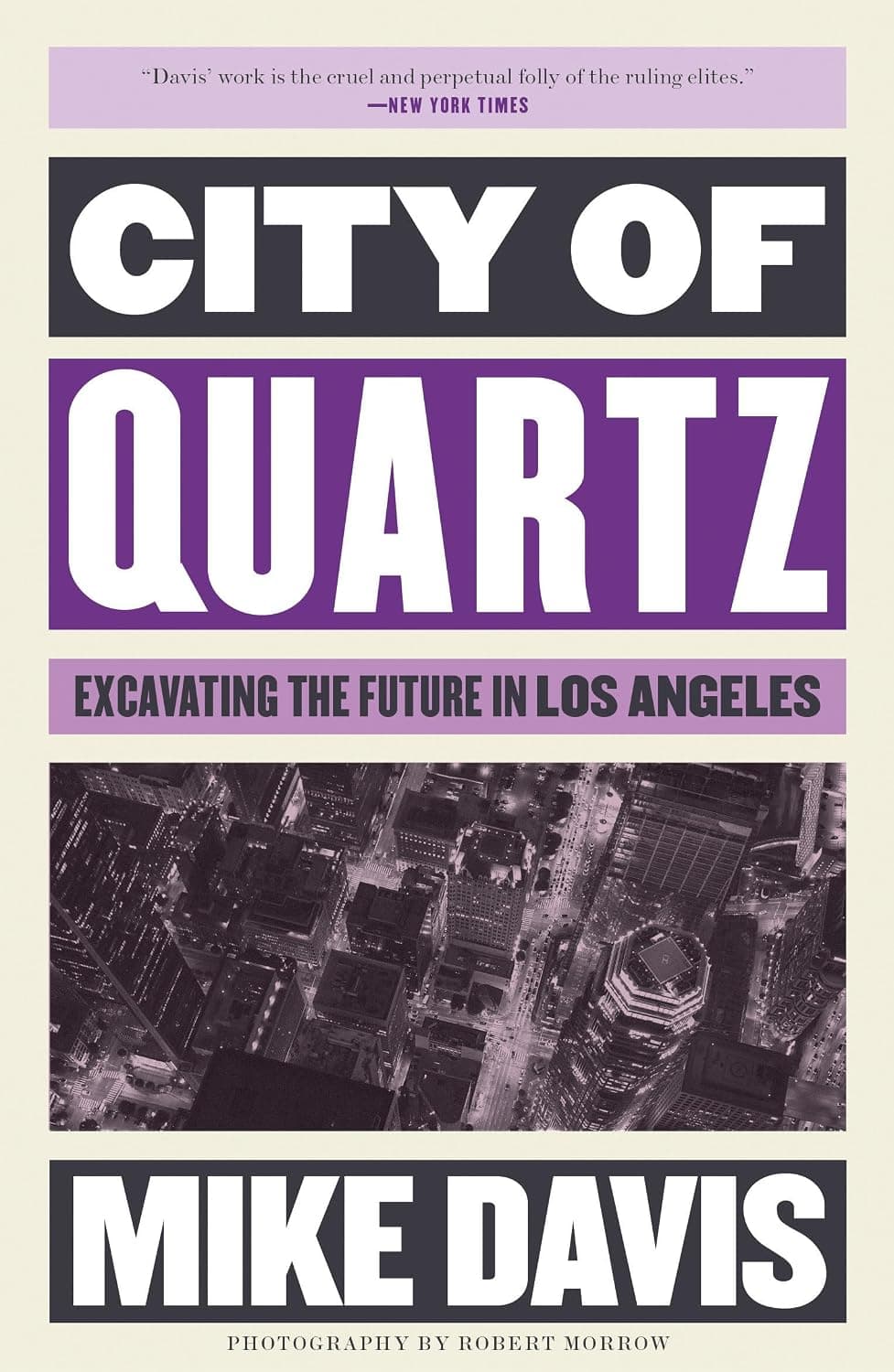
Los Angeles read as a machine for excluding people: Davis strips the sunshine myth to find speculators, bum-proof benches, and a police force patrolling from helicopters. Two years later the city burned.

Wonder was never innocent, Greenblatt argues. Reading Columbus's landfall and the travel writers around him, he catches the moment when amazement at a new world hardens into a claim to own it.

Mitchell listened to New York for decades: the regulars at McSorley's, the fishermen at Fulton Market, and Joe Gould, a Village drifter compiling a nine-million-word oral history from everything he overheard.
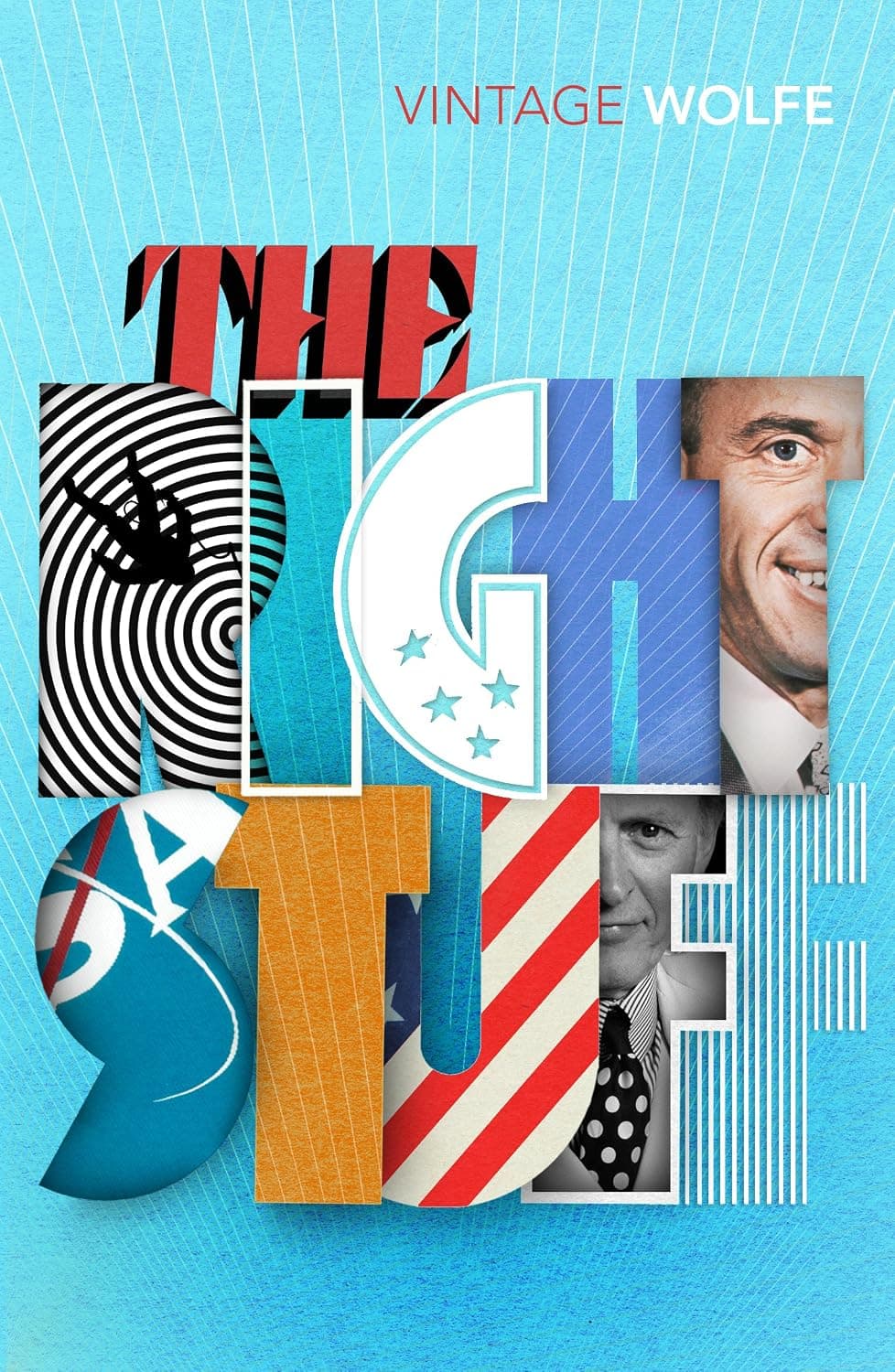
Chuck Yeager broke the sound barrier with two cracked ribs hidden from the flight surgeon. Wolfe named the code such men flew by, and America still tells the space race in his words.
"We tell ourselves stories in order to live," the title essay begins, then takes the story apart: the Manson trial, a Doors session going nowhere, and a psychiatric report on Didion herself.
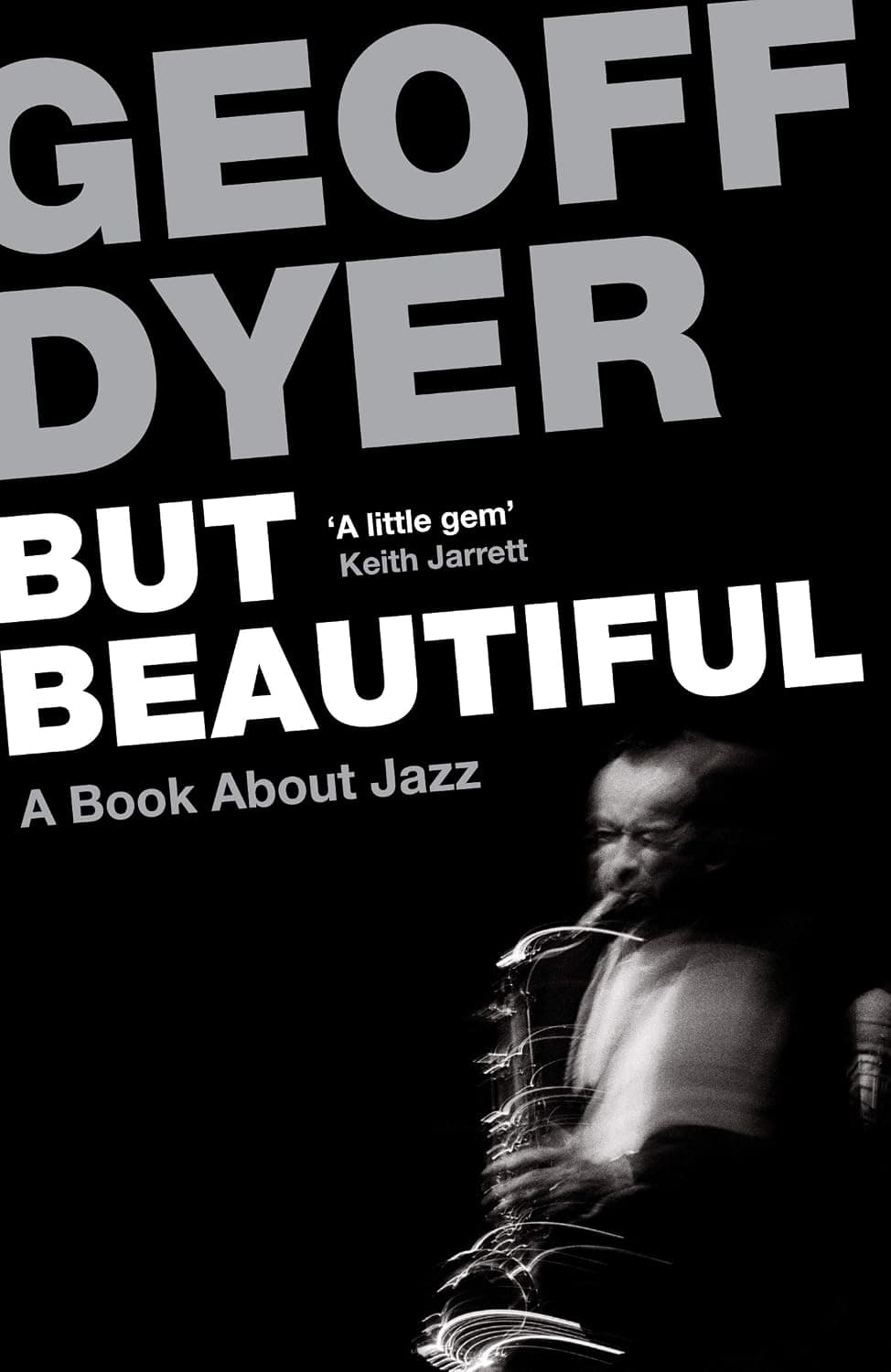
Dyer imagines his way into the nights of jazz musicians, Lester Young after the army broke him and Thelonious Monk alone at a piano, inventing scenes to reach what no biography can.
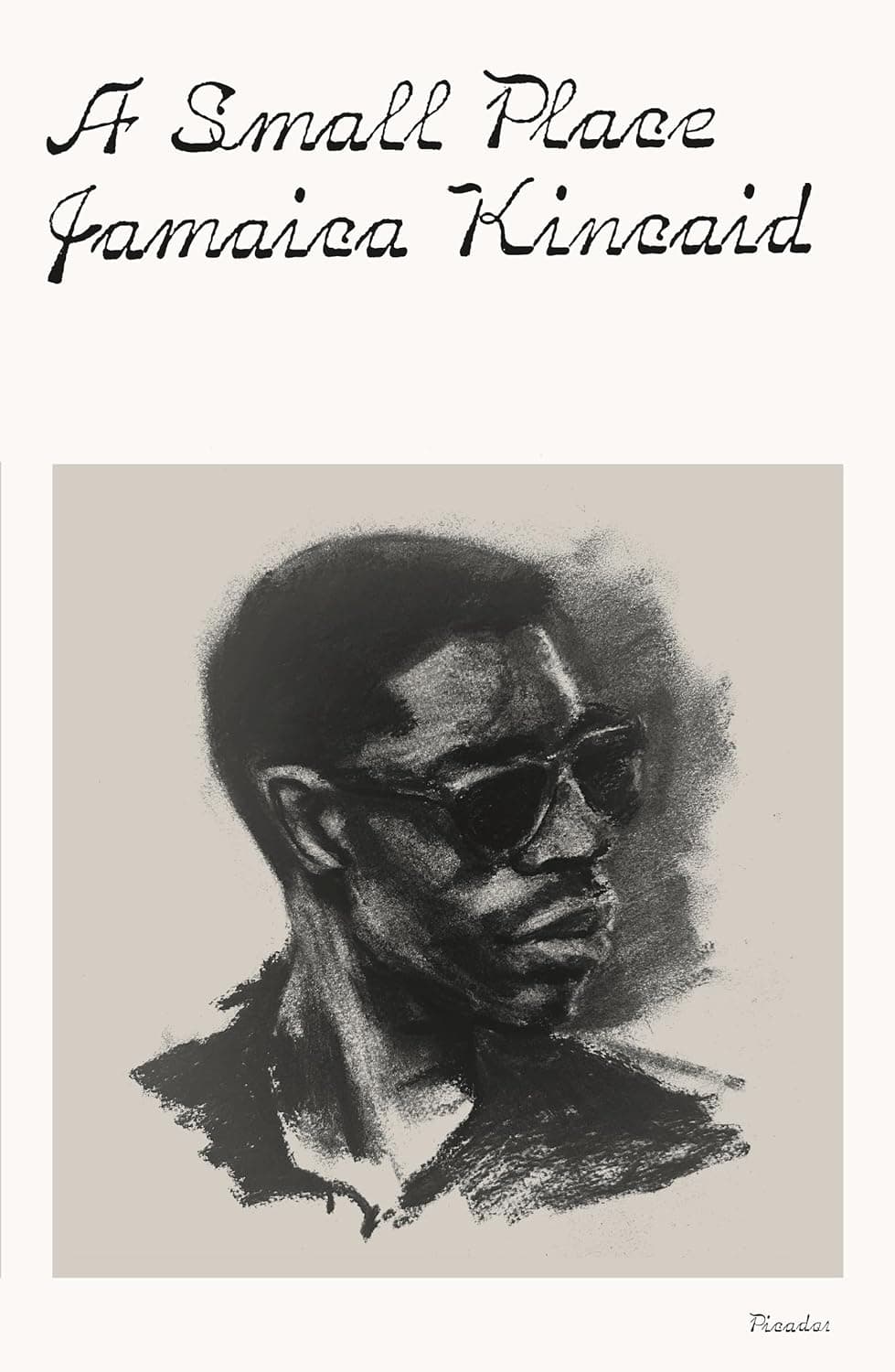
You arrive in Antigua as a tourist and Kincaid tells you what you look like to the people who live there, then turns on the empire and the government that wrecked the island.

Sent to the Maine Lobster Festival, Wallace asks whether boiling an animal alive is defensible. The same scruple drives his reports on a porn awards show and Senator McCain's presidential campaign.
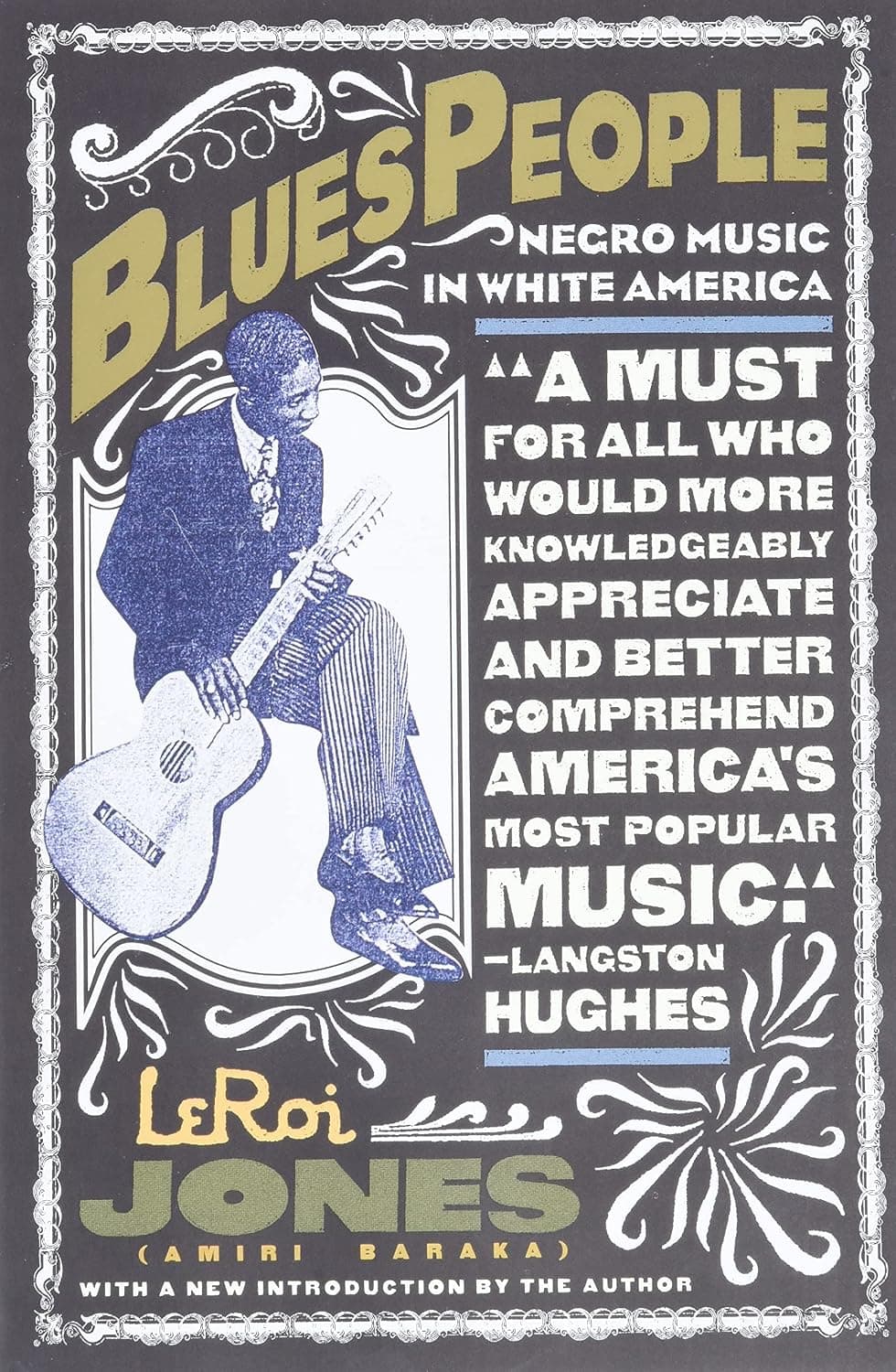
Baraka wrote the first full-length history of blues and jazz by a Black American, hearing in the move from work song to blues to bebop the record of what happened to a people.
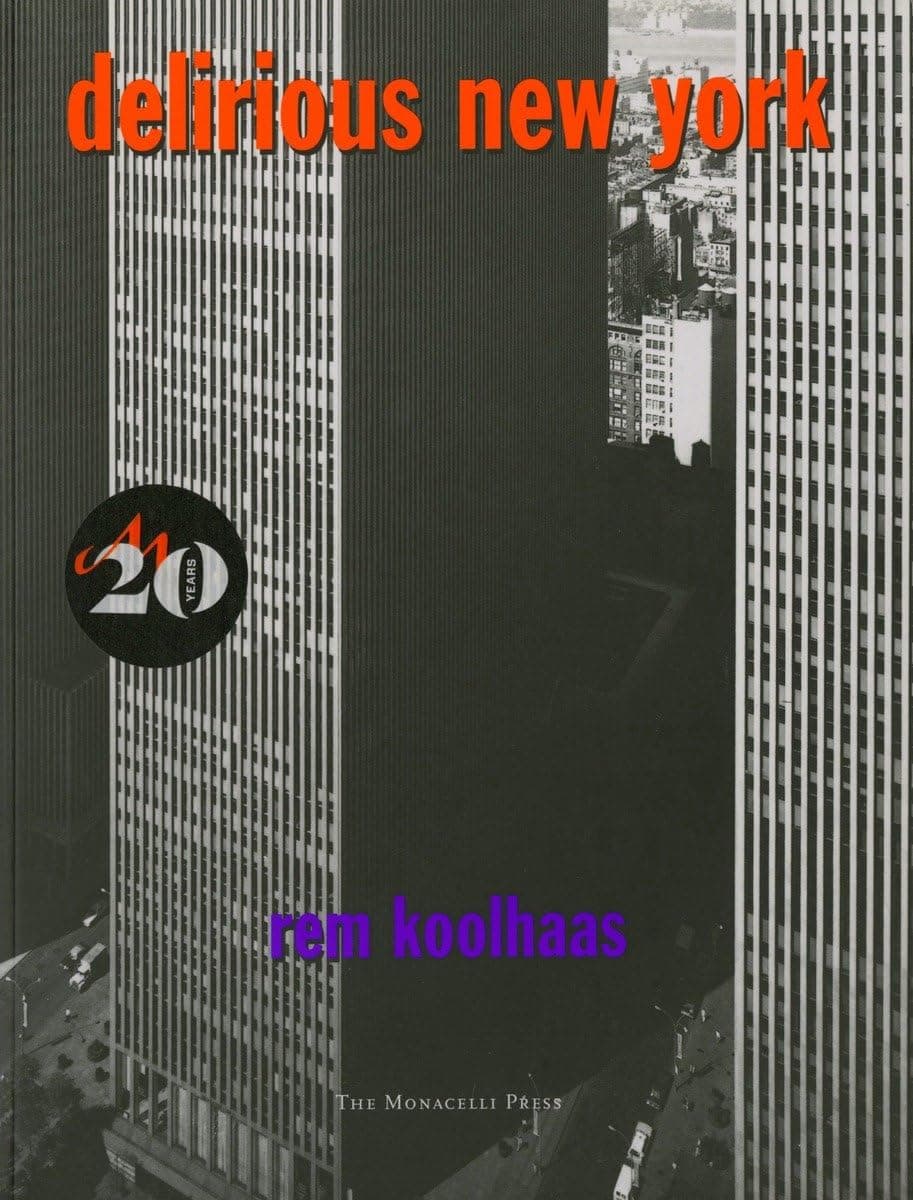
Manhattan built itself without a theory, so Koolhaas supplied one afterward: the grid, the skyscraper, and Coney Island as a culture of congestion. He turned density from planning's disease into architecture's ambition.
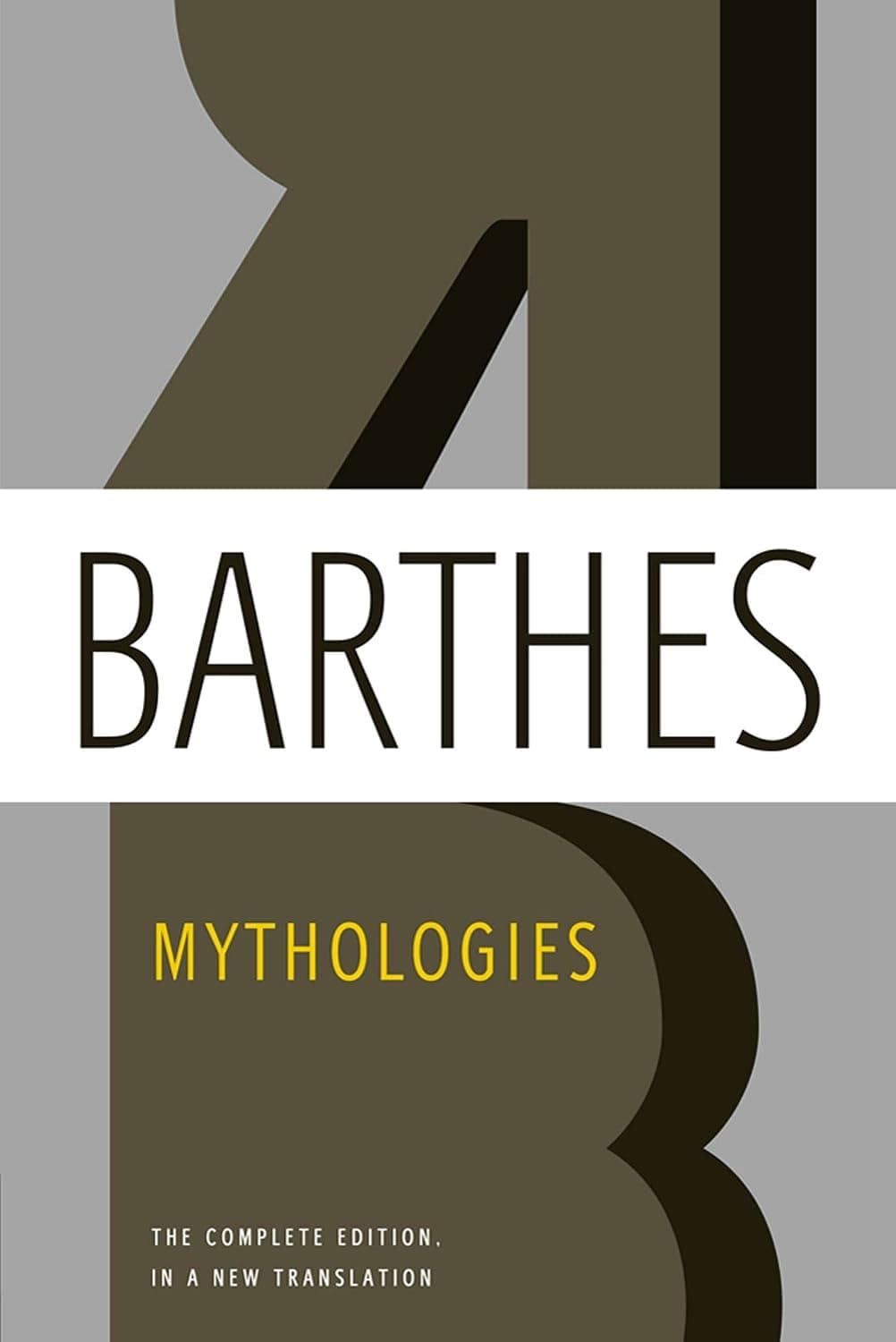
A magazine cover shows a black soldier saluting the French flag, and Barthes explains what that image says about empire. His essays on wrestling and steak made every ordinary object readable as ideology.

Hoggart set down working-class Leeds as he had lived it, then indicted the slick magazines displacing it. Seven years later he founded the Birmingham center that made popular culture an academic discipline.

Human beings want what other people want, Girard argues, and communities discharge the violence by killing one arbitrary victim together. Myth hides that murder. The Gospels expose it by calling the victim innocent.

Orwell feared censors, Postman writes, but Huxley feared an audience too amused to care. Television has turned news and politics into show business, and every argument about screens since has borrowed his terms.

Marcuse argues that rich societies control people by satisfying them. The needs advertising invents get met, dissent gets absorbed and sold back, and the capacity to imagine a different arrangement quietly withers away.

Americans stopped building selves and started managing images, Lasch argued in 1979: competence and civic obligation traded away for therapy, celebrity, and a permanent hunger to be admired by strangers.

Didion went into Haight-Ashbury in 1967 and came back with a five-year-old on acid and children improvising a society in a vacuum. She rebuilt American nonfiction prose around the sound of her sentences.
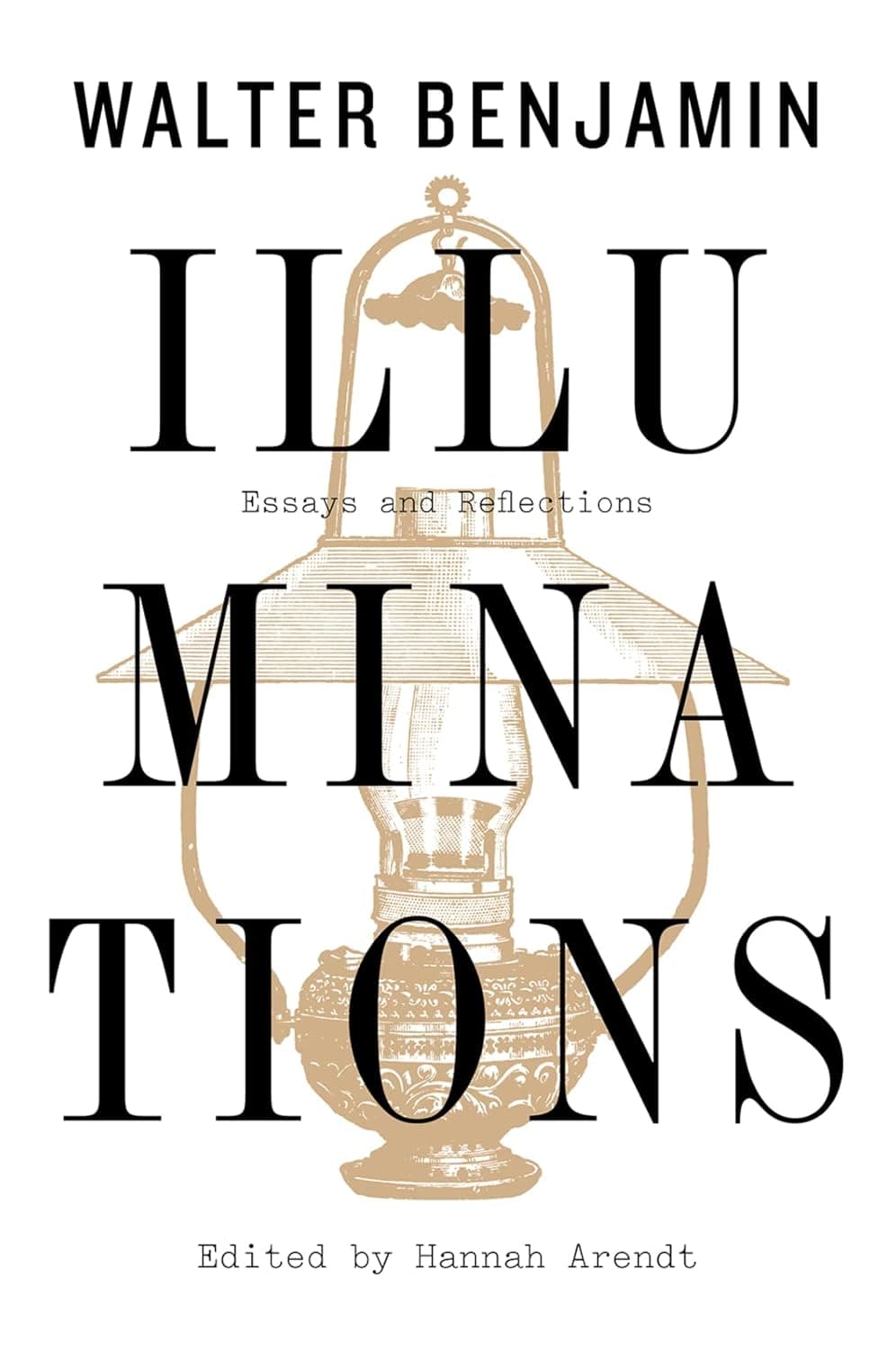
Benjamin asks what photography did to art and answers that a work loses its aura once anyone can copy it. Elsewhere history appears as an angel blown backward, staring at the wreckage.

Give a woman five hundred a year and a room with a lock and she will write, Woolf argues, then invents a gifted sister for Shakespeare and follows her to a terrible end.