Tintin in the Land of the Soviets
Hergé sent his boy reporter into a Soviet Union he had never visited, cribbed from one anti-Bolshevik tract of rigged elections and staged factories. Crude work, and the series it opened conquered Europe.

Hergé sent his boy reporter into a Soviet Union he had never visited, cribbed from one anti-Bolshevik tract of rigged elections and staged factories. Crude work, and the series it opened conquered Europe.

Give the mouse a cookie and he wants milk, then a straw, then a mirror to check his milk mustache. Numeroff taught four decades of children how one small yes becomes an afternoon.

In the great green room a rabbit says goodnight to the moon and the quiet old lady whispering hush, while the pictures darken page by page until the child hearing it is asleep.

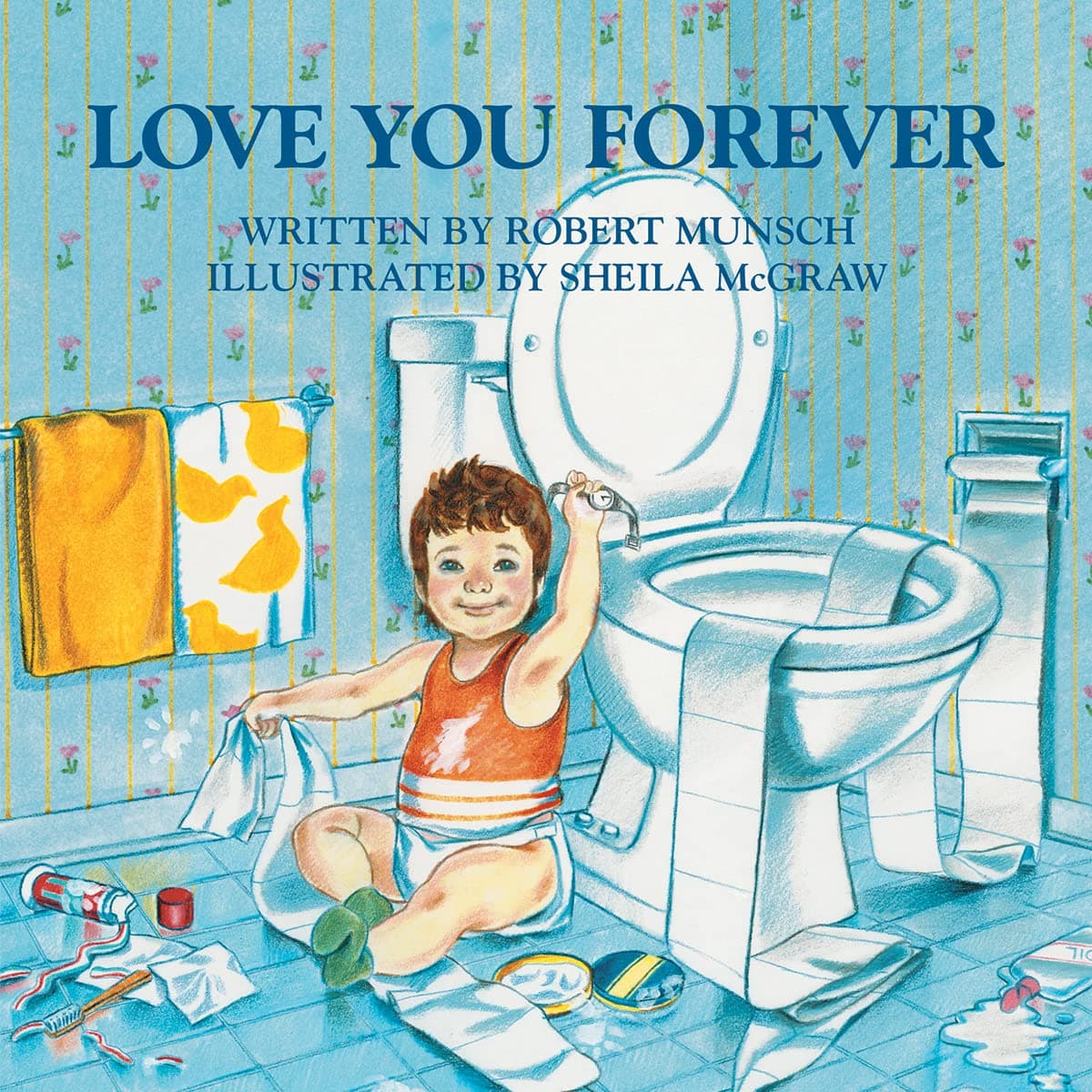
A mother sings the same four lines to her son at every age, and the years turn the song around. Munsch made it up after two stillborn children.

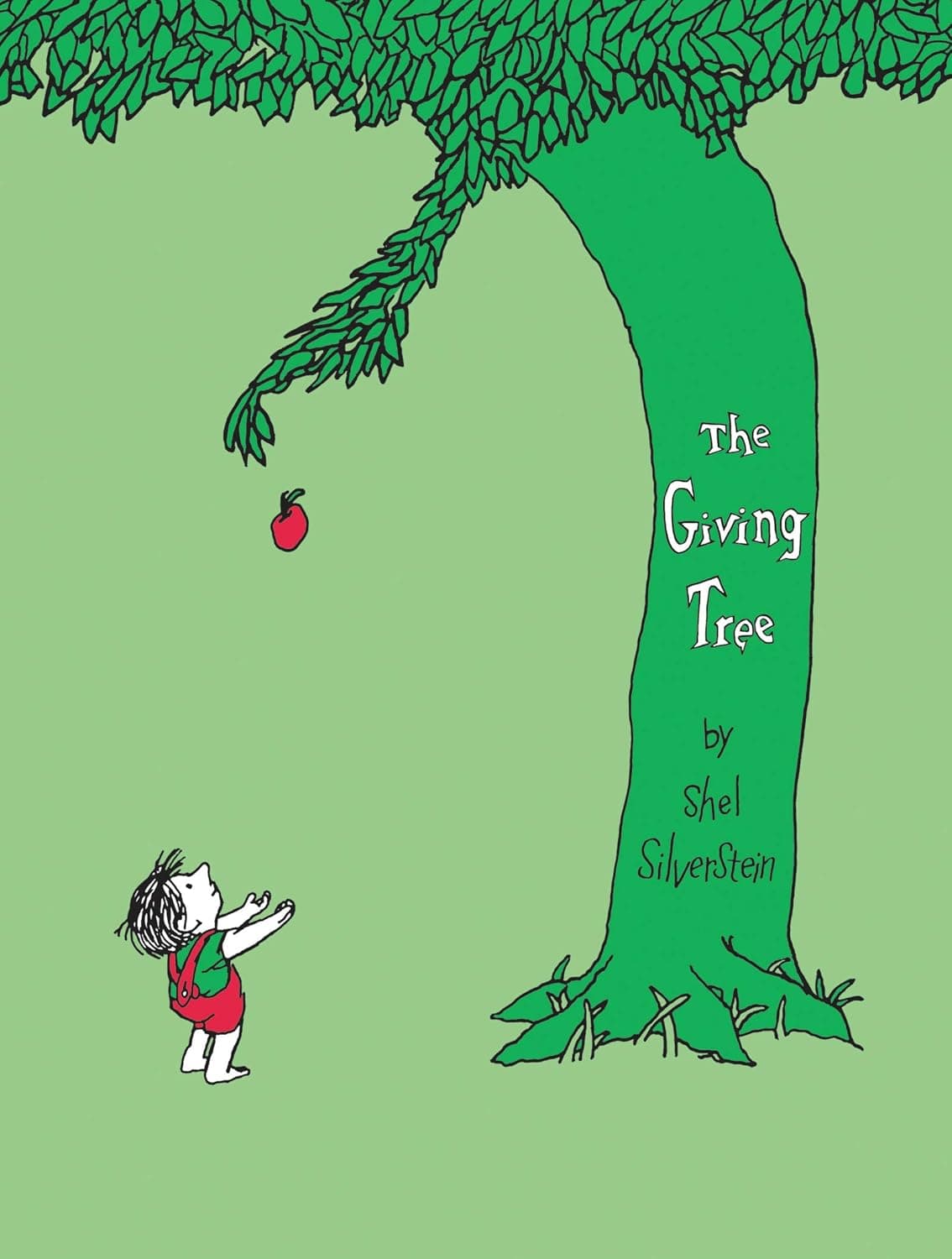
A tree loves a boy. She gives him her apples, then her branches, then her trunk, until she is a stump he sits on. Readers still cannot agree whether that is love.

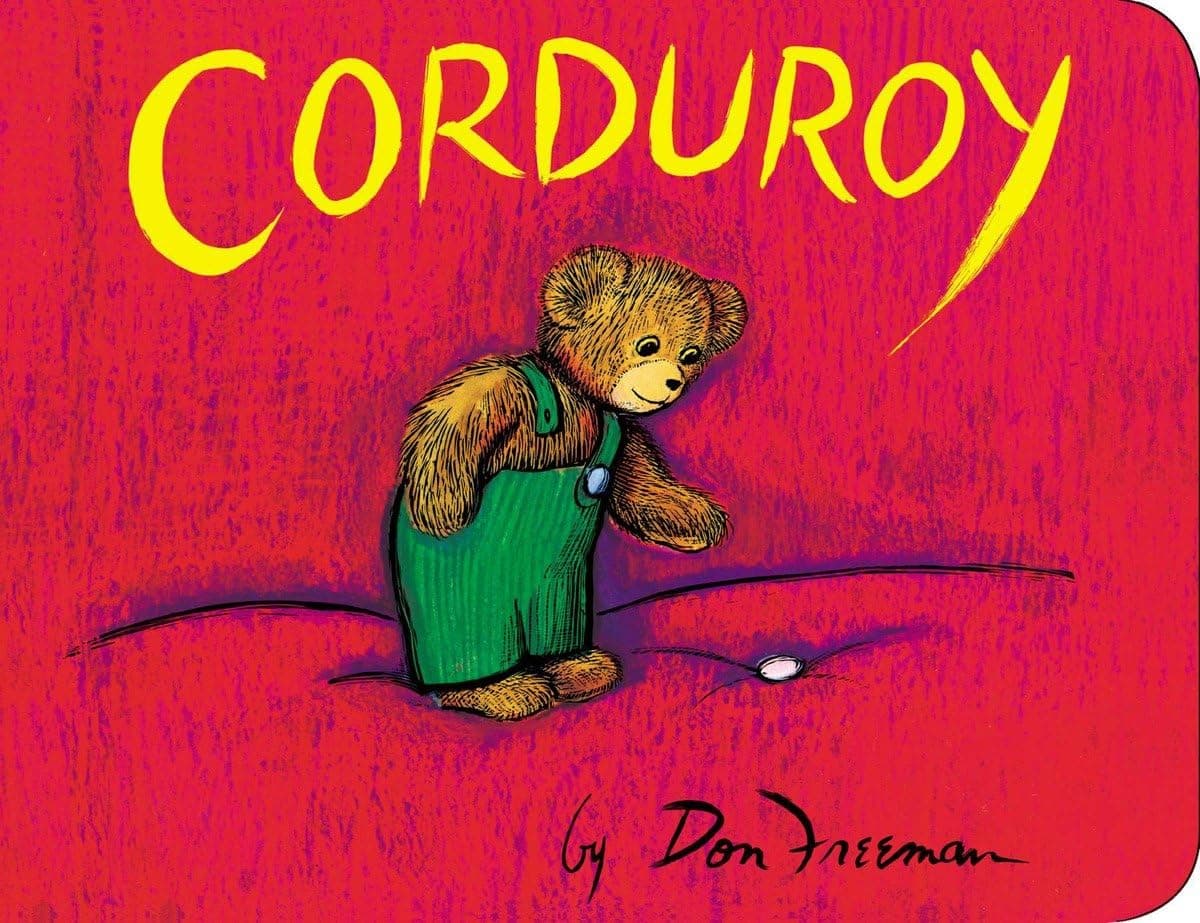
A department store bear hunts the dark for the button missing from his overalls. Lisa buys him with money she saved herself, a Black girl in a 1968 picture book, drawn without comment.

You leave town in a yellow suit and hit the Lurch, the Slump, and the Waiting Place, where nothing happens. Seuss made the standard graduation gift out of a warning about failure.

A young bull who would rather smell flowers than fight is hauled to the Madrid ring, where he sits down. Franco banned the book in Spain and the Nazis burned it in Germany.

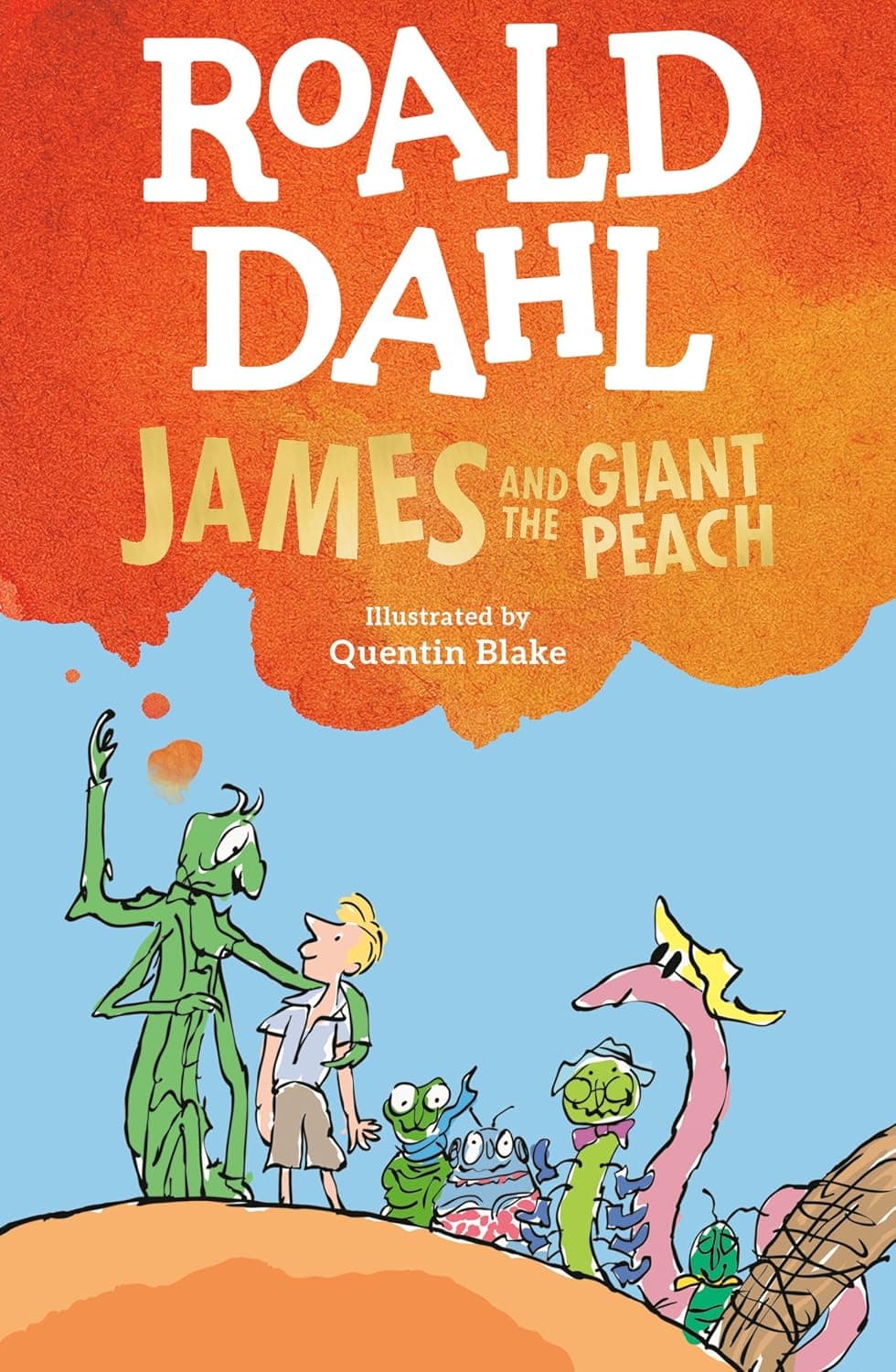
A rhinoceros escapes London Zoo and eats James's parents. Handed to two dreadful aunts, he crawls inside a house-sized peach and crosses the Atlantic with a crew of insects who become his family.

A toy becomes Real only when a child has loved it for years, by which time its fur is rubbed off and its eyes are gone. Williams's stuffed rabbit is loved that hard.

A boy called Africa stares into the wolf's cage and will not leave. The one-eyed wolf gives in, and each reads a whole life in the other's eye: Alaska's snow, then the deserts.

One apple on Monday, two pears on Tuesday, and holes punched through the pages for small fingers to follow. Carle's caterpillar has eaten its way through fifty million copies and sixty languages.

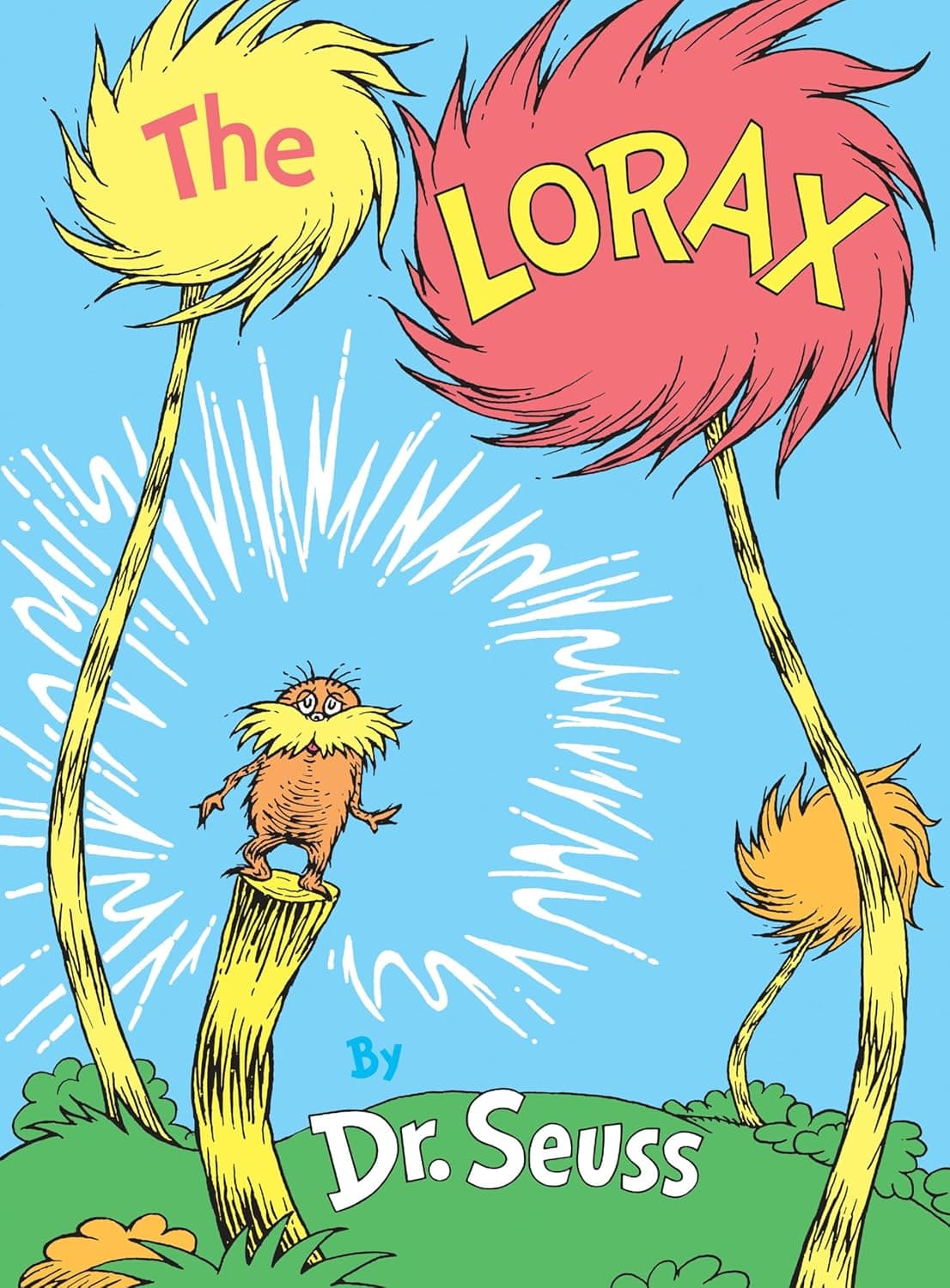
Seuss's Once-ler chops down the Truffula trees to knit Thneeds nobody needs, and a mustachioed creature rises to speak for the trees. Loggers hated it enough to commission a rebuttal picture book.

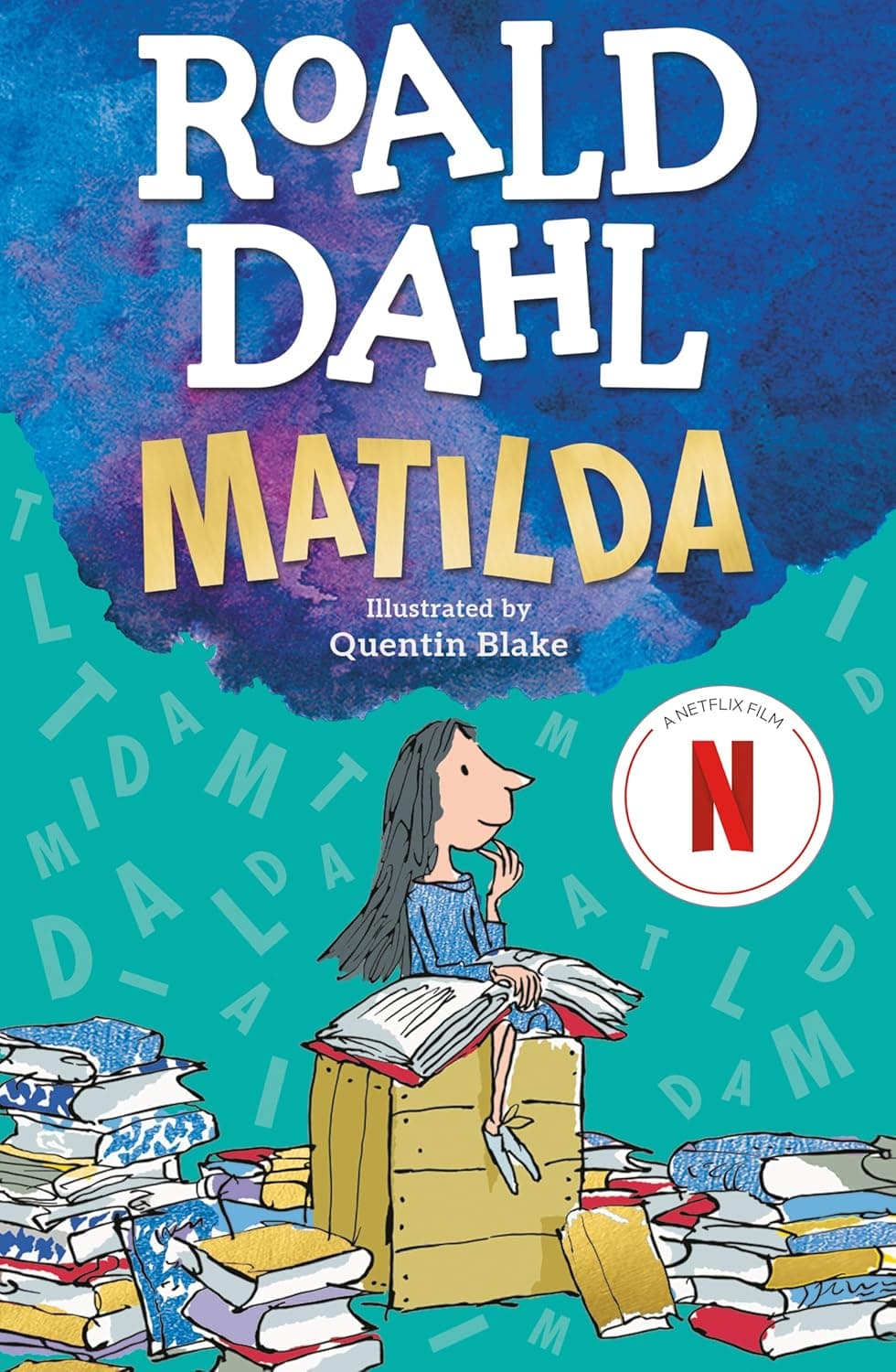
Matilda finished Great Expectations at four, which her parents treat as an insult. Her headmistress at school throws children by the pigtails, and Matilda discovers she can move objects with her eyes.

Pippi is nine, lives alone with a monkey and a horse she can lift with one arm, and answers to no adult. Lindgren handed children a heroine no grown-up can manage.

Jess can outrun everyone in fifth grade until Leslie moves in next door. They swing over a creek into Terabithia, the kingdom they rule together, and Paterson refuses to protect them from grief.

The garbage of Sarah Cynthia Sylvia Stout piles past the ceiling. Silverstein drew as well as he rhymed, and American children have been raised on his nonsense and sudden tenderness since 1974.

Peter's father went into Mr. McGregor's garden and came out as a pie. Peter goes anyway. Potter sized her book to a child's hands and painted every radish and watering can herself.

Sam-I-Am will not stop offering: not in a box, not with a fox, not on a train, not in the rain. Fifty words is all Seuss used, and the badgering turns into song.

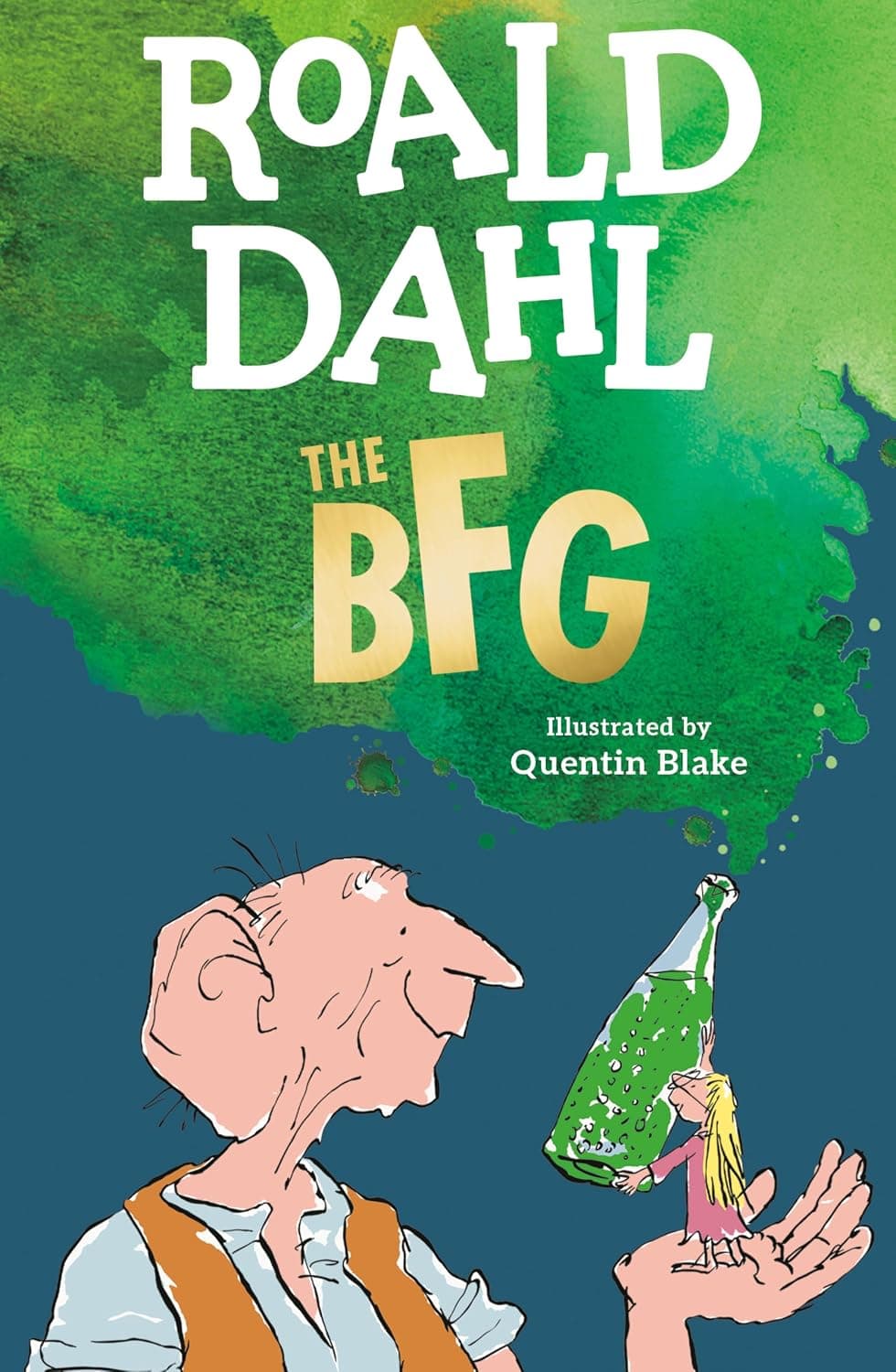
The Big Friendly Giant speaks gloriously mangled English and blows dreams through a trumpet into children's bedrooms. Sophie, a sleepless orphan, is carried off to his country, where nine bigger giants eat children.