
Cash
The Autobiography
1997 · 320 pages
Cash tells it in his own voice: picking cotton in Dyess, Arkansas, the brother a saw killed at fifteen, the amphetamine decades, and the night he crawled into Nickajack Cave to die.
★ 4.6
 skopia
Cash tells it in his own voice: picking cotton in Dyess, Arkansas, the brother a saw killed at fifteen, the amphetamine decades, and the night he crawled into Nickajack Cave to die.
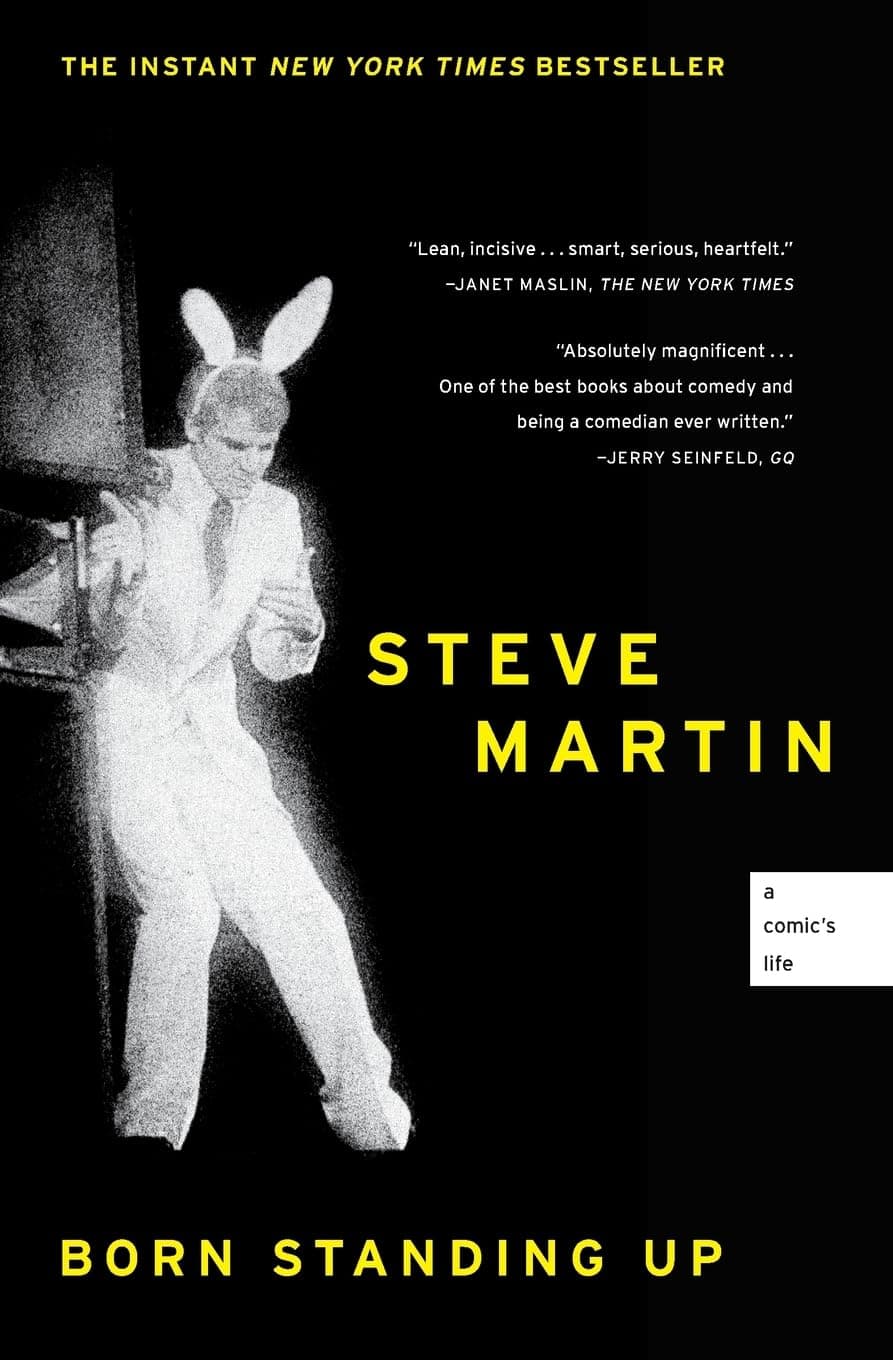
Working the Disneyland magic shop as a teenager, Martin set out to build comedy without punchlines, so laughter had nowhere to land. He filled arenas with it, then quit for good.
Byrne argues that music is written backward from the room it will fill, cathedral or CBGB. He works outward through recording, technology and money, explaining everything that shapes what reaches your ear.

Twenty years of letters between a broke New York writer hunting English classics and the London bookseller who found them. She mailed meat parcels through rationing and never crossed the ocean in time.
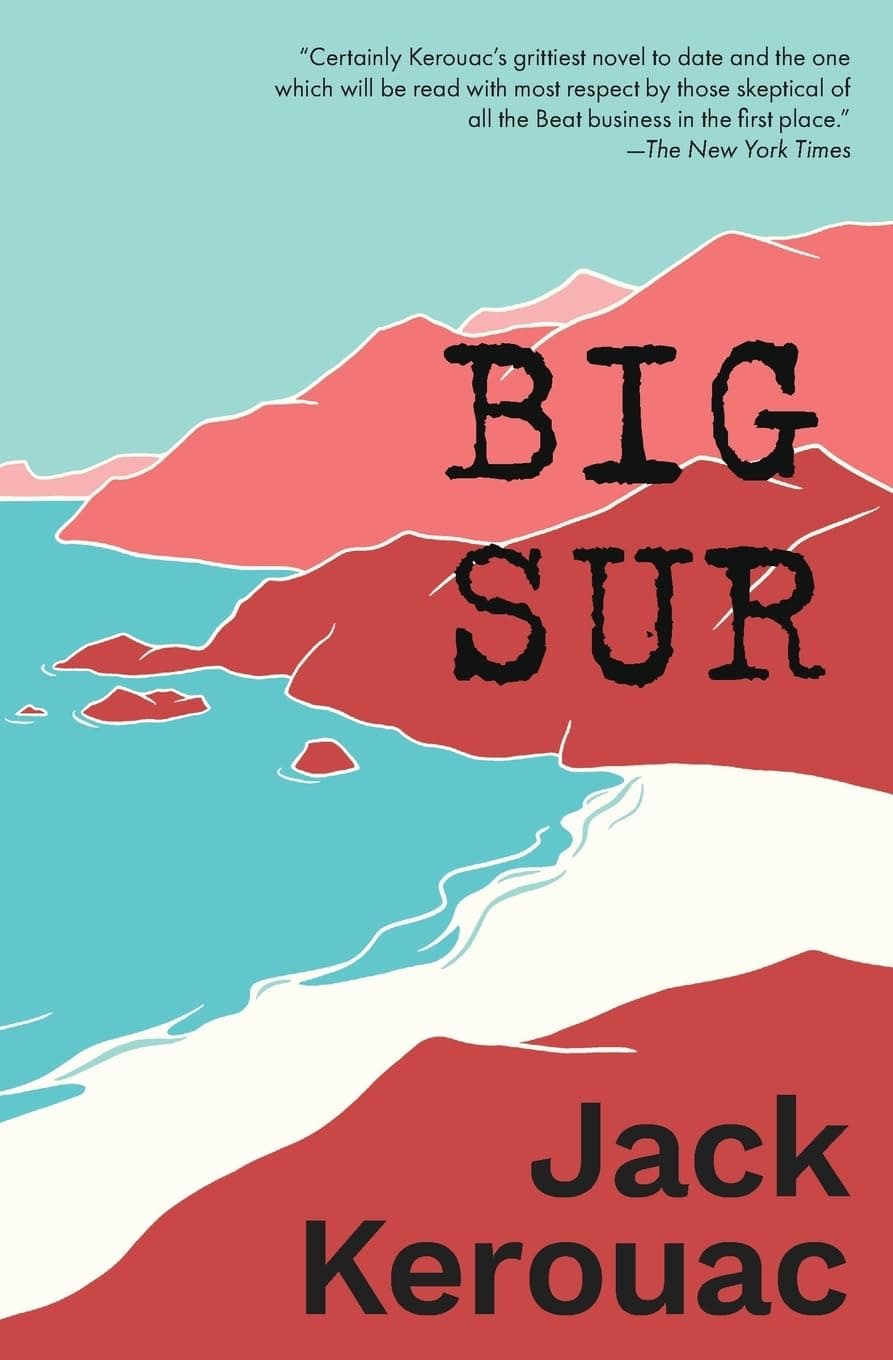
Fame arrived and Kerouac could not survive it. His narrator retreats to a friend's cabin above the Pacific to dry out, drinks instead, and comes apart in a night of delirium.

Buying a house in the hill village of Bellapais, Durrell watched Cyprus slide from Mediterranean idyll into insurgency, and ended up speaking for the British government as his Greek friends turned against him.
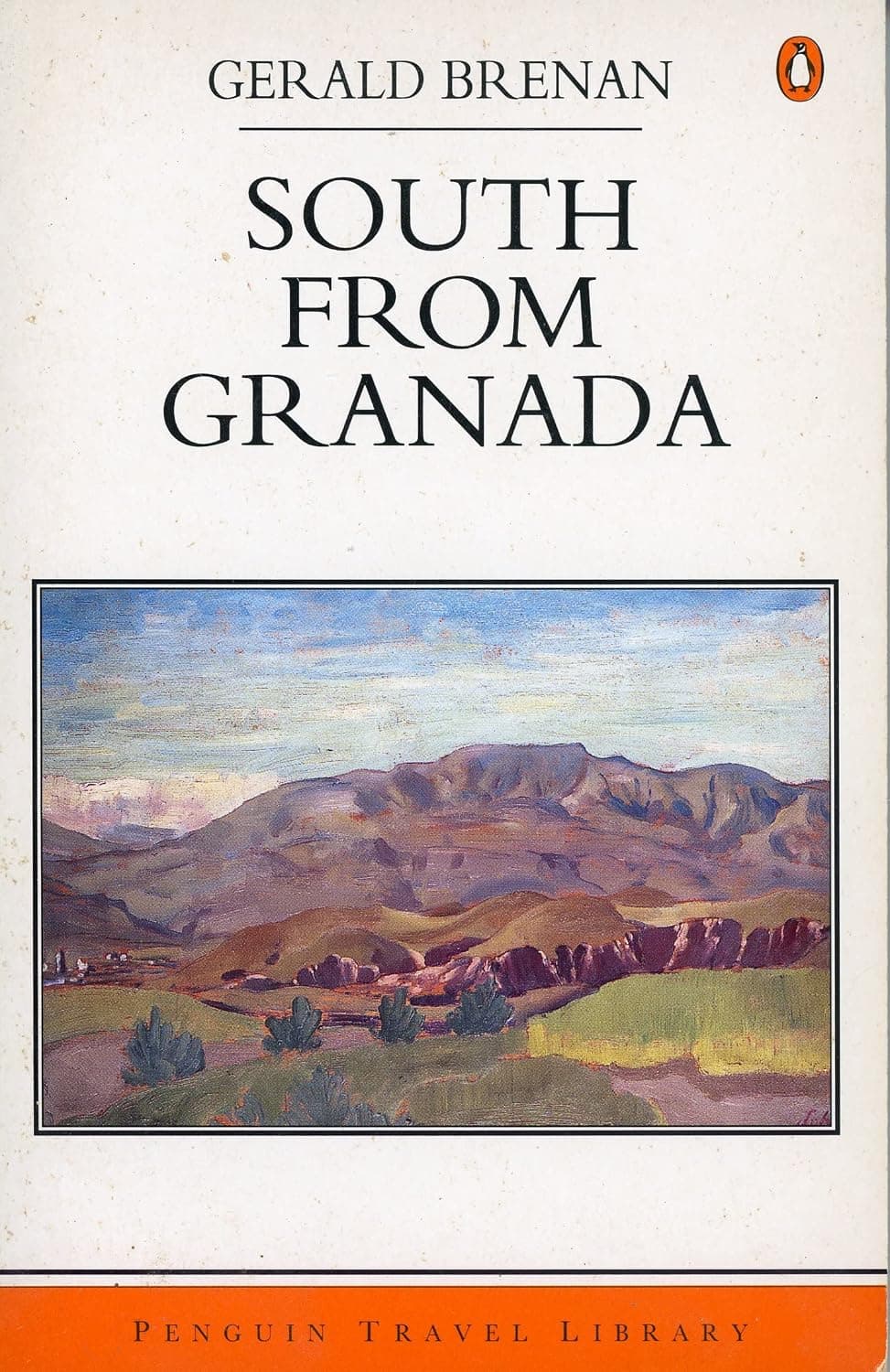
In 1920 an Englishman settled in the mountains south of Granada, in a village called Yegen. Brenan sets down its customs, its poverty and its gossip, an Andalusia the Civil War would erase.

Murphy left Dunkirk in the frozen January of 1963 on a bicycle named Roz and rode to Delhi, fighting off wolves in Yugoslavia and thieves in Iran, and setting it down without drama.

Written at thirty-three, Obama's account of being the son of a Kenyan he met once runs from Hawaii to Jakarta to a Chicago organizing job, and ends at that father's grave.

A stroke left the editor of French Elle able to move one eyelid. Blinking while an assistant recited the alphabet, Bauby composed a memoir of appetite, his children, and the body holding him.

Sent to a Cascade logging town to live with a violent stepfather, a boy who calls himself Jack lies and steals his way toward escape. Wolff renders his adolescence with merciless clarity.
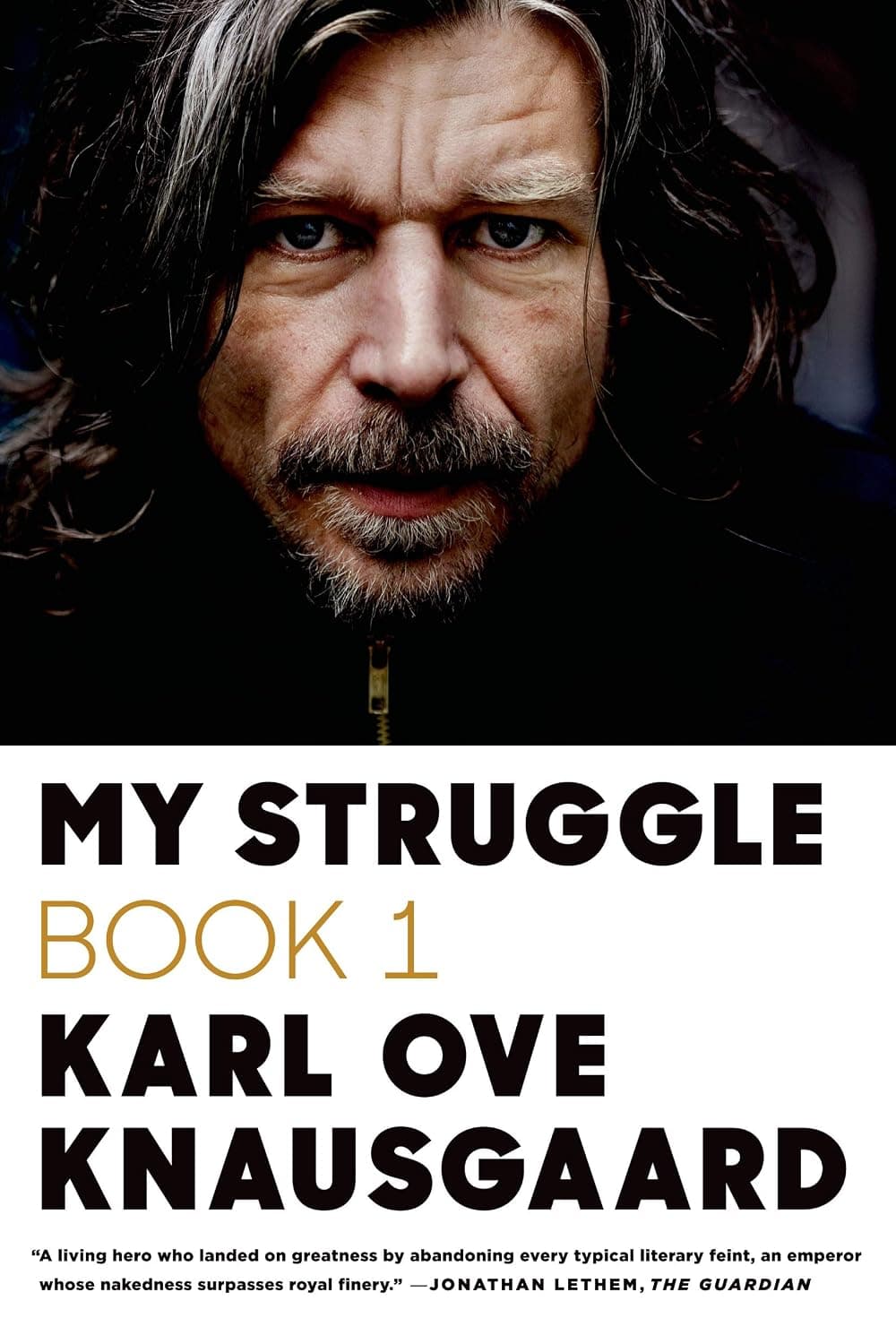
Six volumes of one man's life recorded to the last cornflake and cigarette, and at the center a father who drank himself to death, leaving a house his sons had to scrub clean.

Dark-skinned and Puerto Rican in 1940s Spanish Harlem, Thomas was Black to white America and not Black to his own family. Gangs, heroin, and seven years in prison follow, told in barrio speech.

His marriage over and his job gone, Least Heat-Moon drove thirteen thousand miles of two-lane road in a van named Ghost Dancing and let Nameless, Tennessee and Dime Box, Texas do the talking.
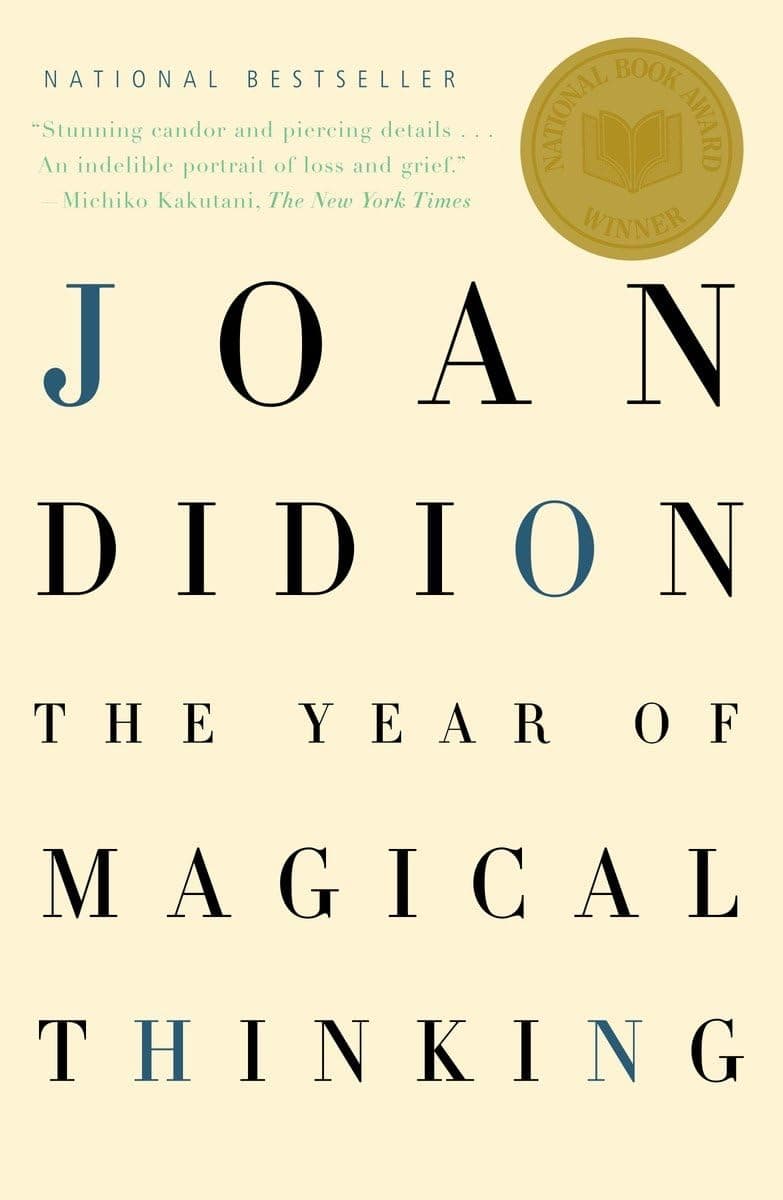
Her husband died at the dinner table while their daughter lay in a coma. Didion turns a reporter's eye on her year of grief and keeps his shoes, because he will need them.
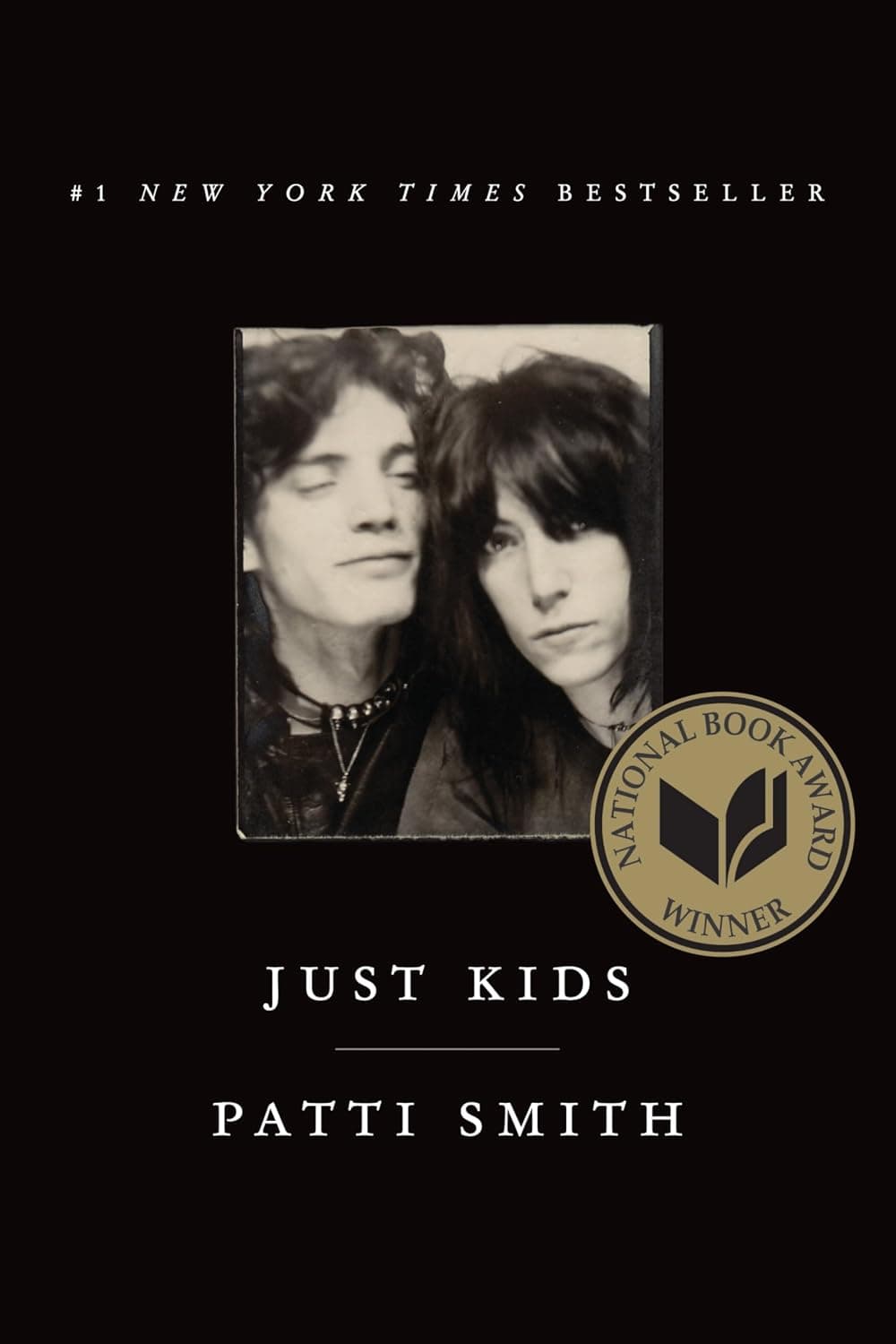
Patti Smith and the photographer Robert Mapplethorpe met in 1967 New York, broke and twenty, and held each other to the promise of becoming artists. She wrote it at his dying request.

Eight hours on mescaline in 1953, and a vase of flowers turns into the whole universe. The brain filters reality to what keeps us alive, Huxley argues, and the drug lifts the filter.
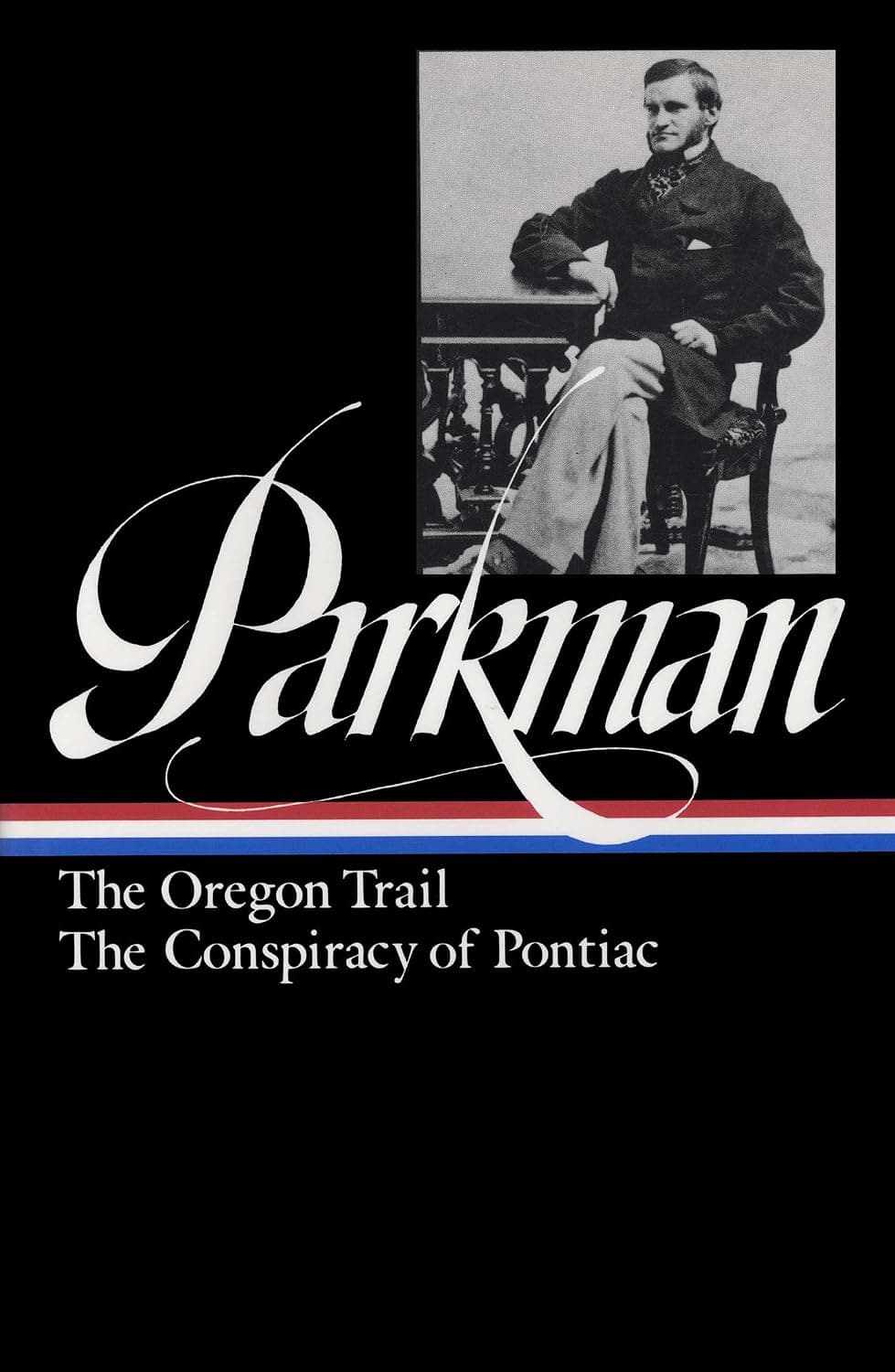
Twenty-three and fresh from Harvard, Parkman rode onto the 1846 prairie and spent three weeks hunting buffalo with an Oglala Sioux band. He got the West down before the railroads reached it.

Ernaux's father ran a café and grocery in Normandy, terrified all his life of using the wrong word. Educated out of his class, she writes him in flat sentences that never condescend.

A knuckleballer hanging on with an expansion team, Bouton kept a diary of the 1969 season and put in the amphetamines, the womanizing, and Mantle drunk. Baseball's commissioner demanded he call it fiction.